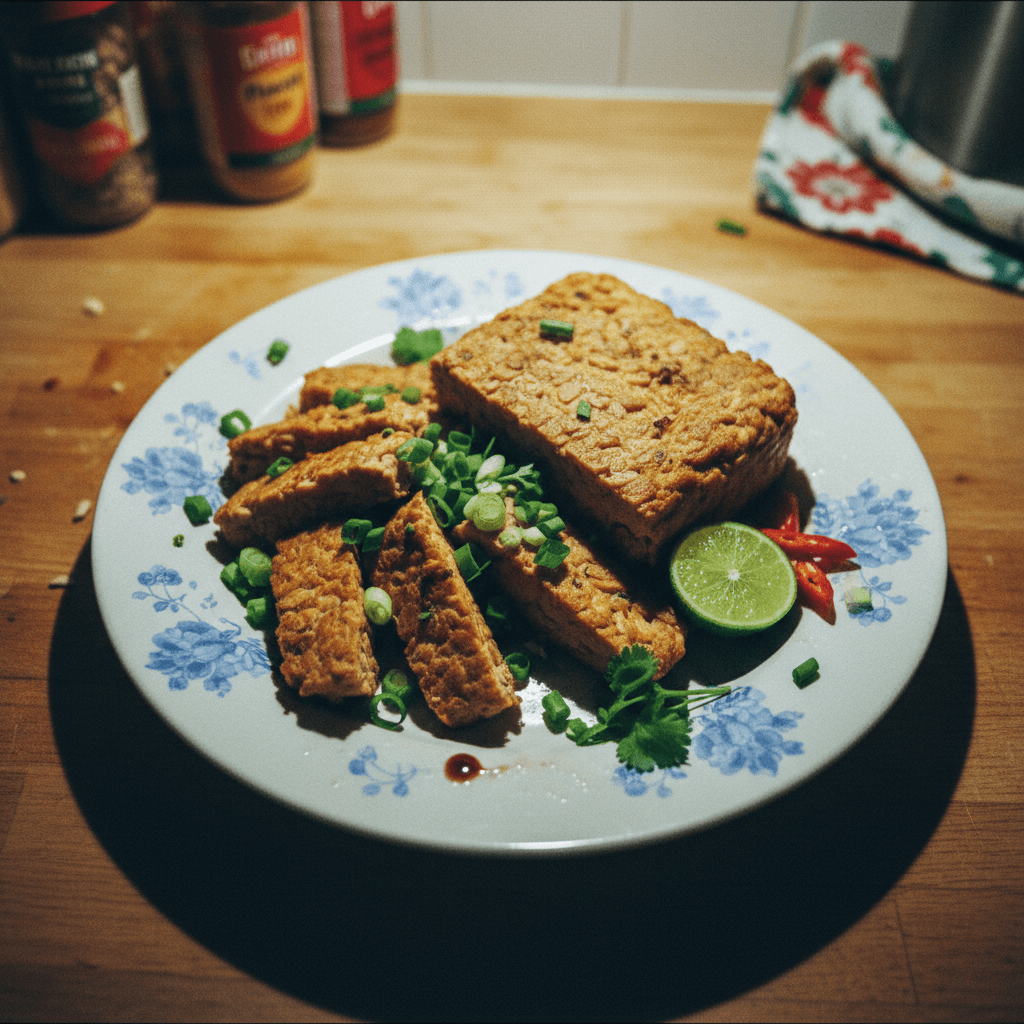
Homemade Tempeh
Homemade Tempeh
Ingredients
- 500 grams dry peeled soybean
- 2 tablespoons rice flour
- 1/2 teaspoon tempeh starter culture
- as needed water, to cover soybeans
Instructions
- 1
Place the 500 grams of dry peeled soybeans into a pot. Add enough water to generously cover the soybeans.
⏱️ 2 min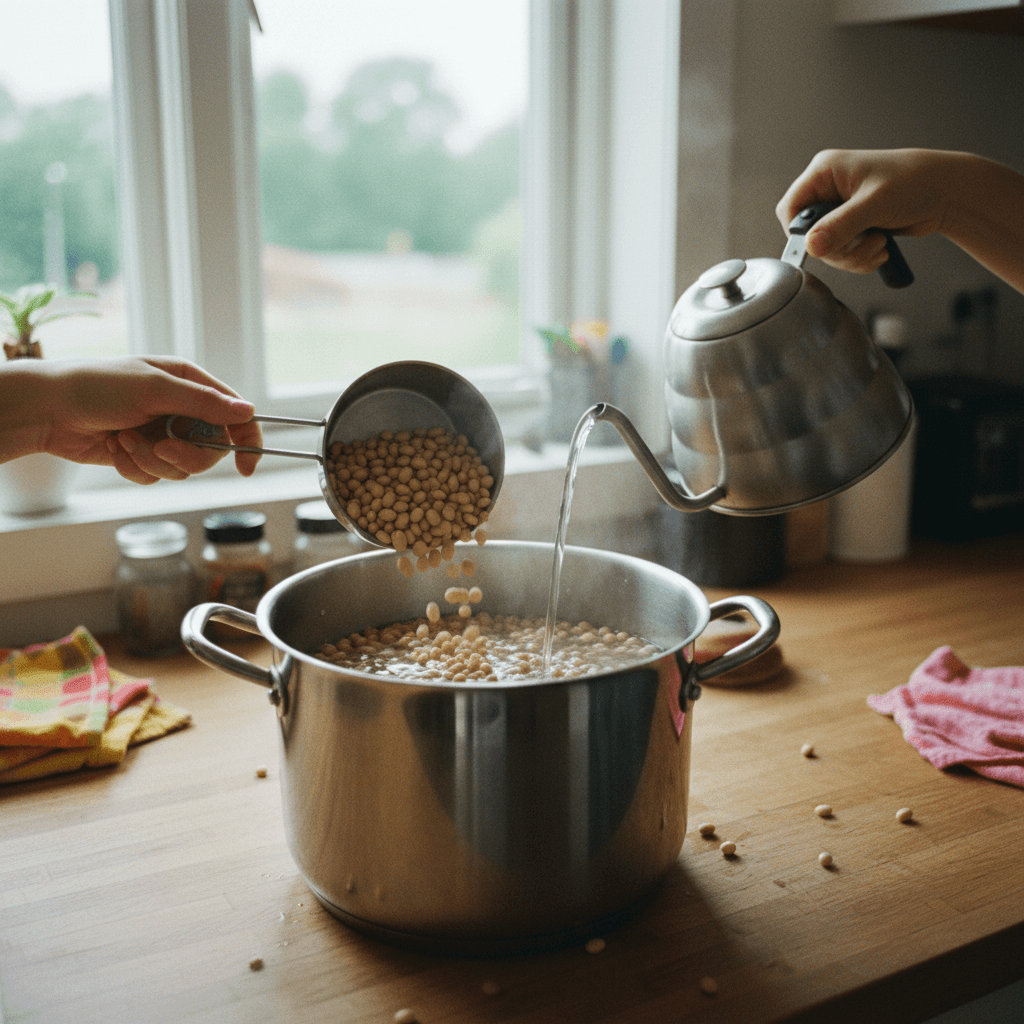
- 2
Soak the soybeans for 24 hours. This step helps to rehydrate them.
⏱️ 1440 min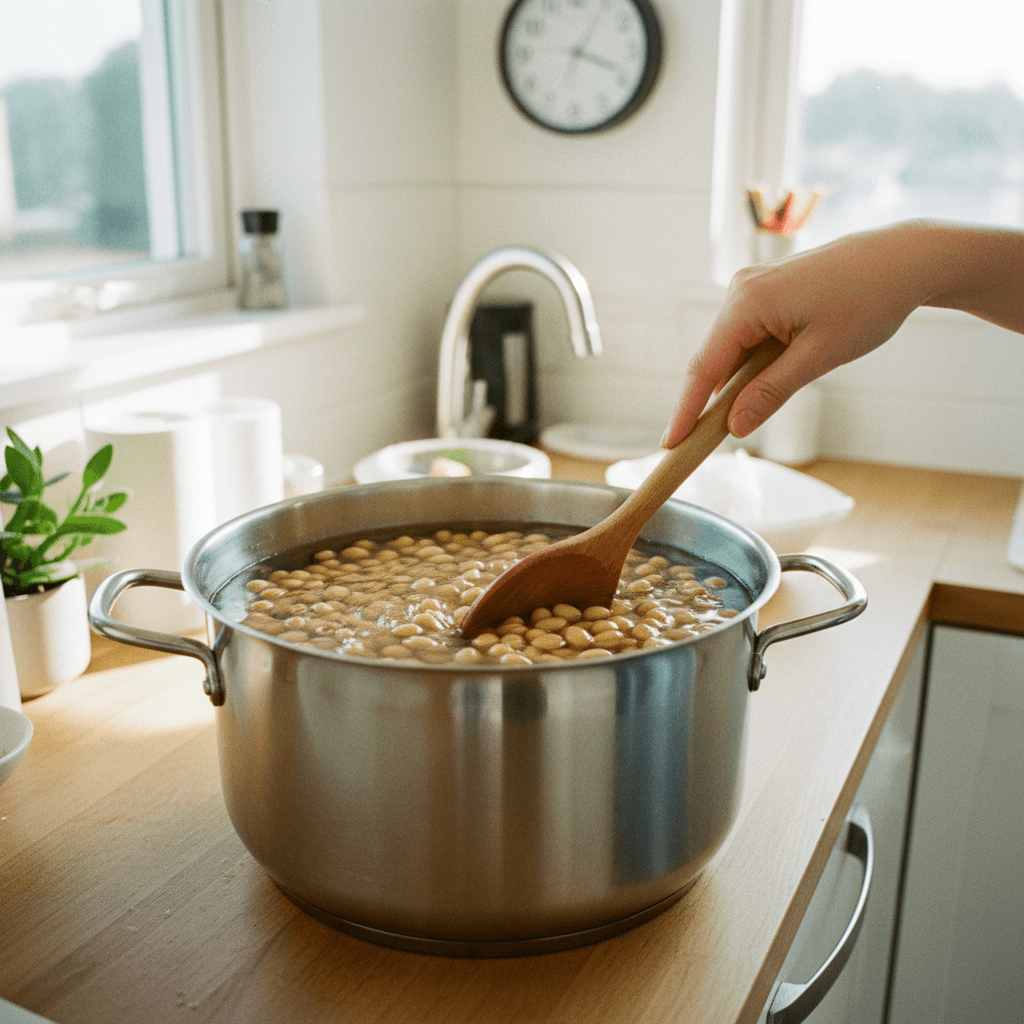
- 3
After soaking, drain the water from the soybeans.
⏱️ 1 min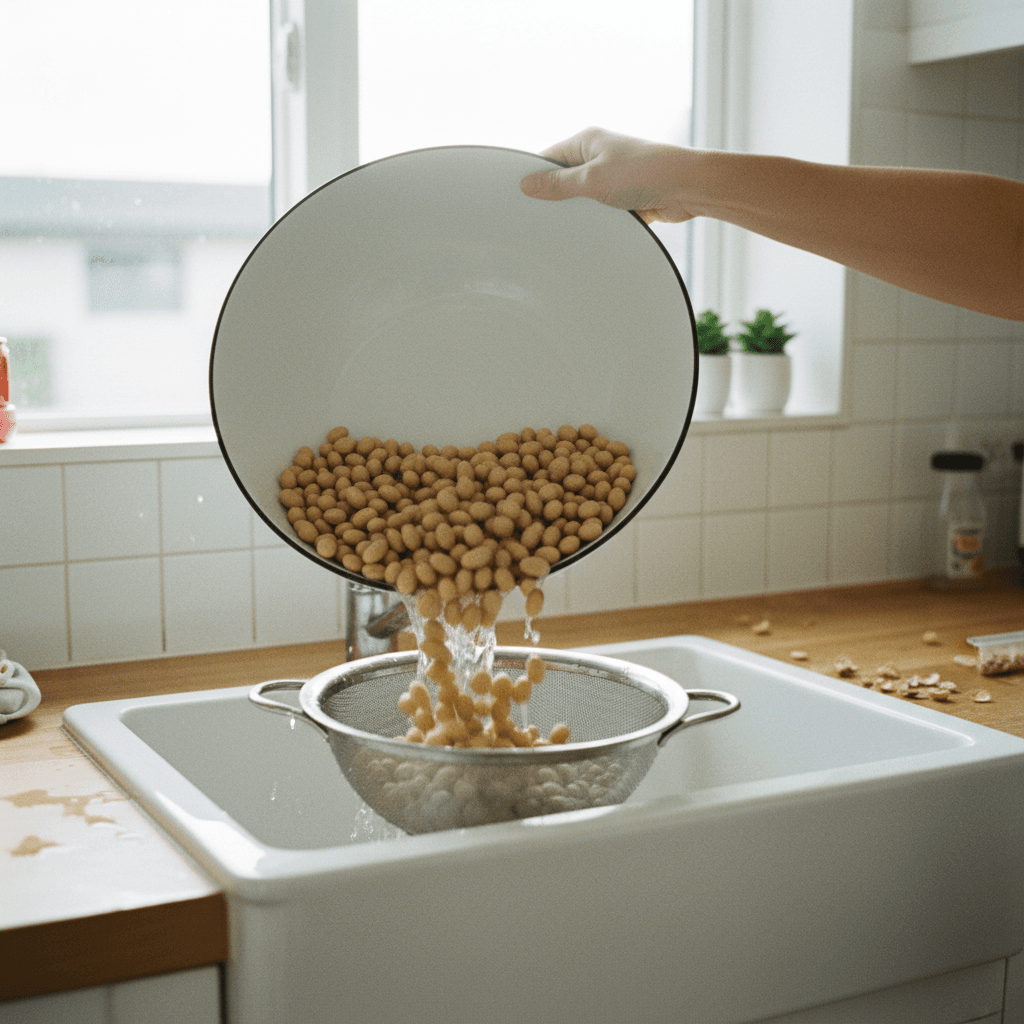
- 4
Transfer the soaked soybeans back to the pot and add fresh water. Boil them for 30 minutes to soften.
⏱️ 30 min
- 5
Drain the boiled soybeans thoroughly.
⏱️ 1 min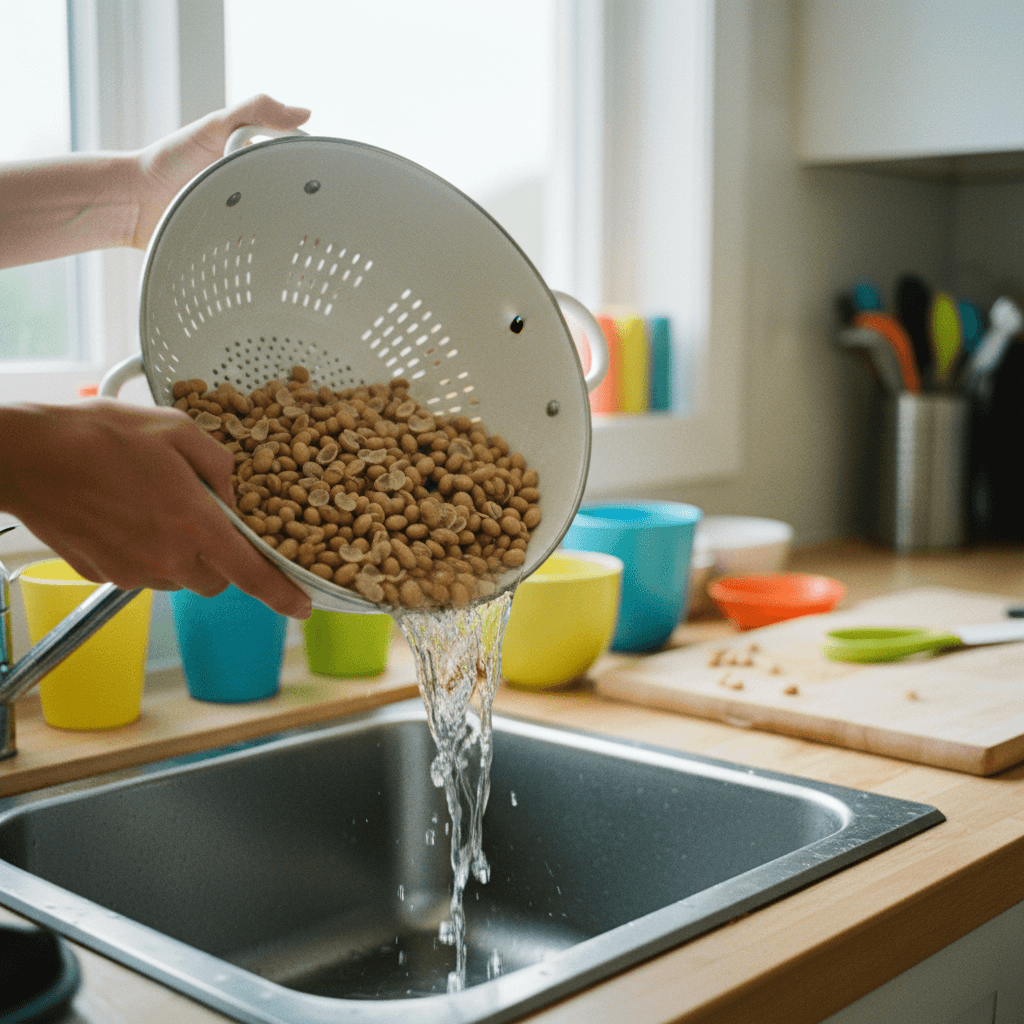
- 6
Spread the boiled soybeans in a single layer on a cooling tray that has been covered with a clean kitchen towel. It is crucial that the soybeans are completely dry before proceeding, as excess moisture can hinder fermentation. Allow them to air dry.
⏱️ 15 min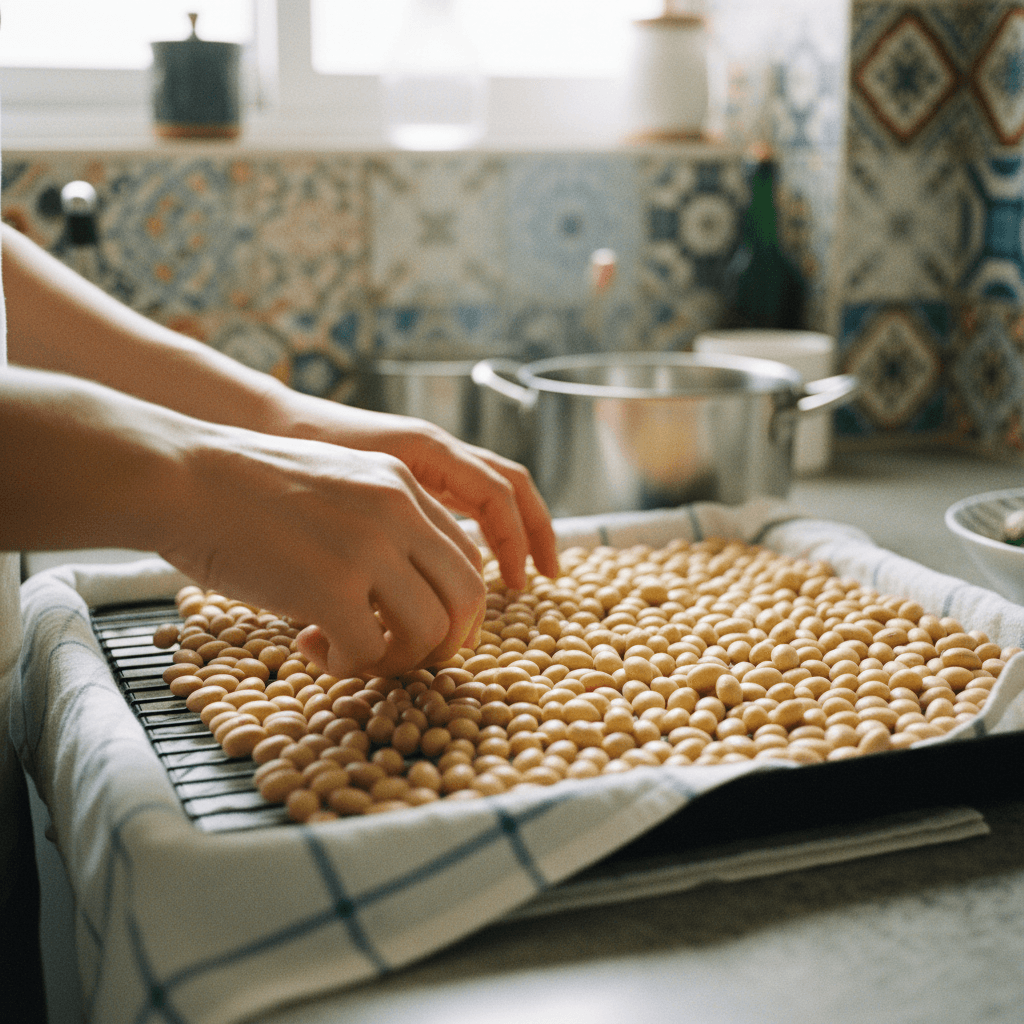
- 7
Once completely dry, transfer the soybeans to a clean bowl.
⏱️ 1 min
- 8
Add the 2 tablespoons of rice flour and 1/2 teaspoon of tempeh starter culture to the dried soybeans in the bowl.
⏱️ 1 min
- 9
Using clean hands, mix all the ingredients well, ensuring the starter culture and flour are evenly distributed over the soybeans.
⏱️ 5 min
- 10
Evenly distribute the soybean mixture into sealable bags. Do not overfill; a thin layer is ideal for proper fermentation.
⏱️ 5 min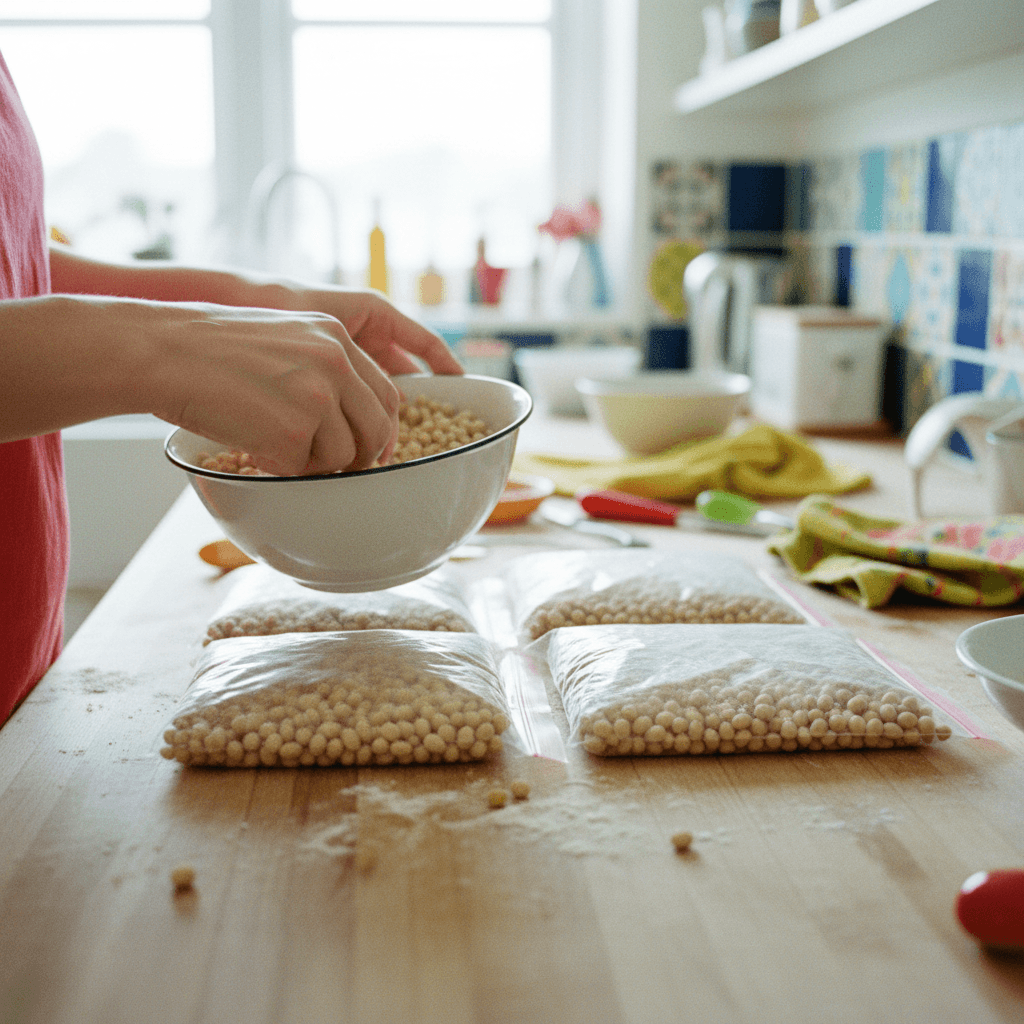
- 11
Using a toothpick, poke numerous small holes all over the bags. These holes are essential for aeration, which the tempeh culture needs to grow.
⏱️ 5 min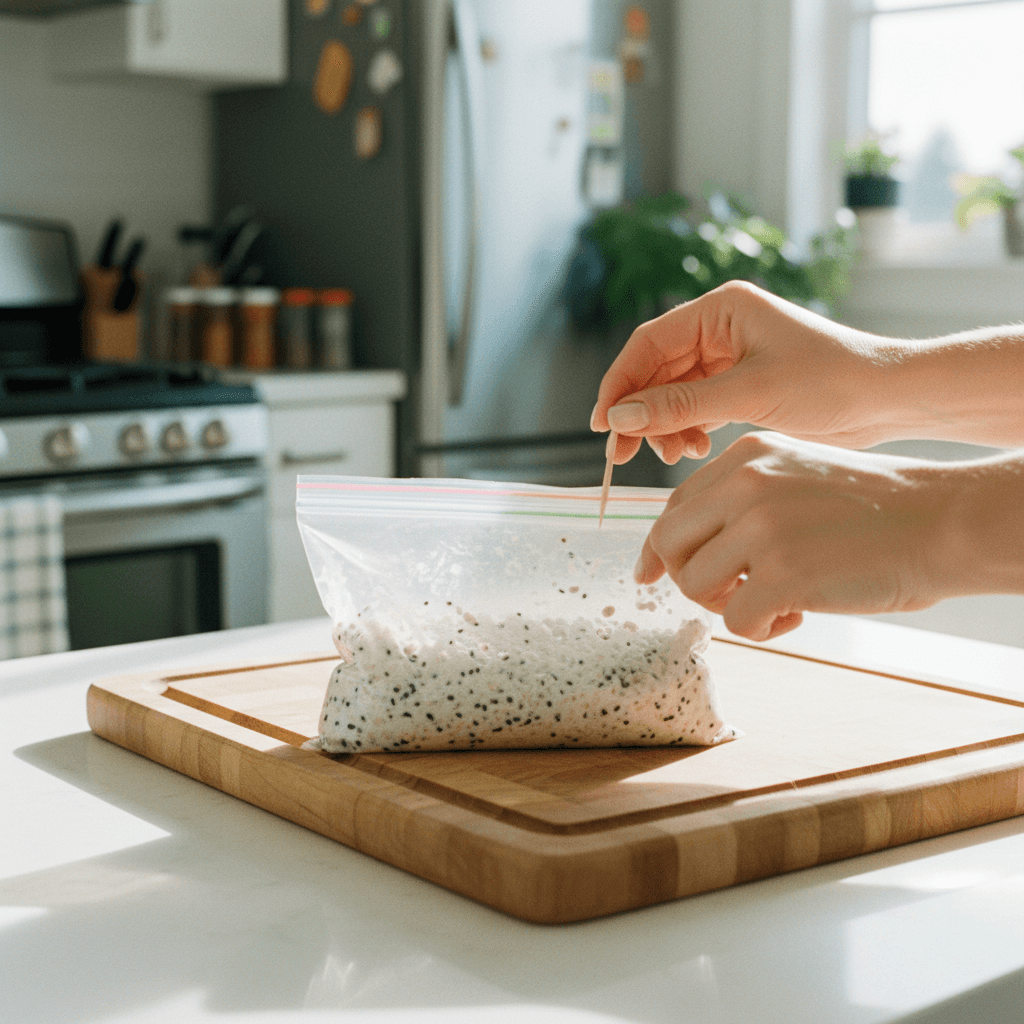
- 12
Place the prepared bags on a cooling rack, allowing air circulation around them, for incubation.
⏱️ 1 min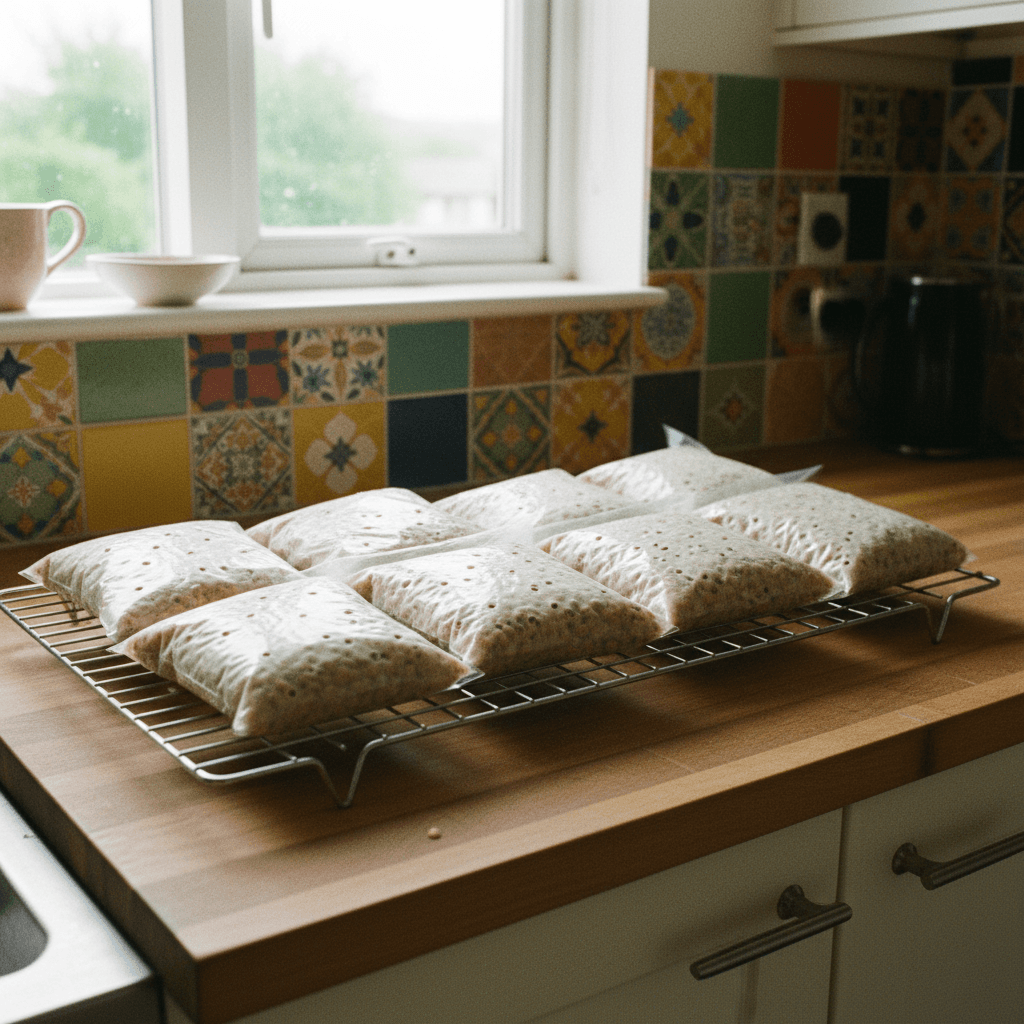
- 13
Incubate the tempeh for 24-48 hours. The ideal temperature for fermentation is 30-32°C (86-90°F). If you don't have a thermometer, place the bags in a warm spot with good air circulation, such as on top of a refrigerator or in a heat-pump cupboard with the door slightly ajar on colder days. This stage is about trial and error to find the best spot in your environment.
⏱️ 1440 min•🌡️ 31
- 14
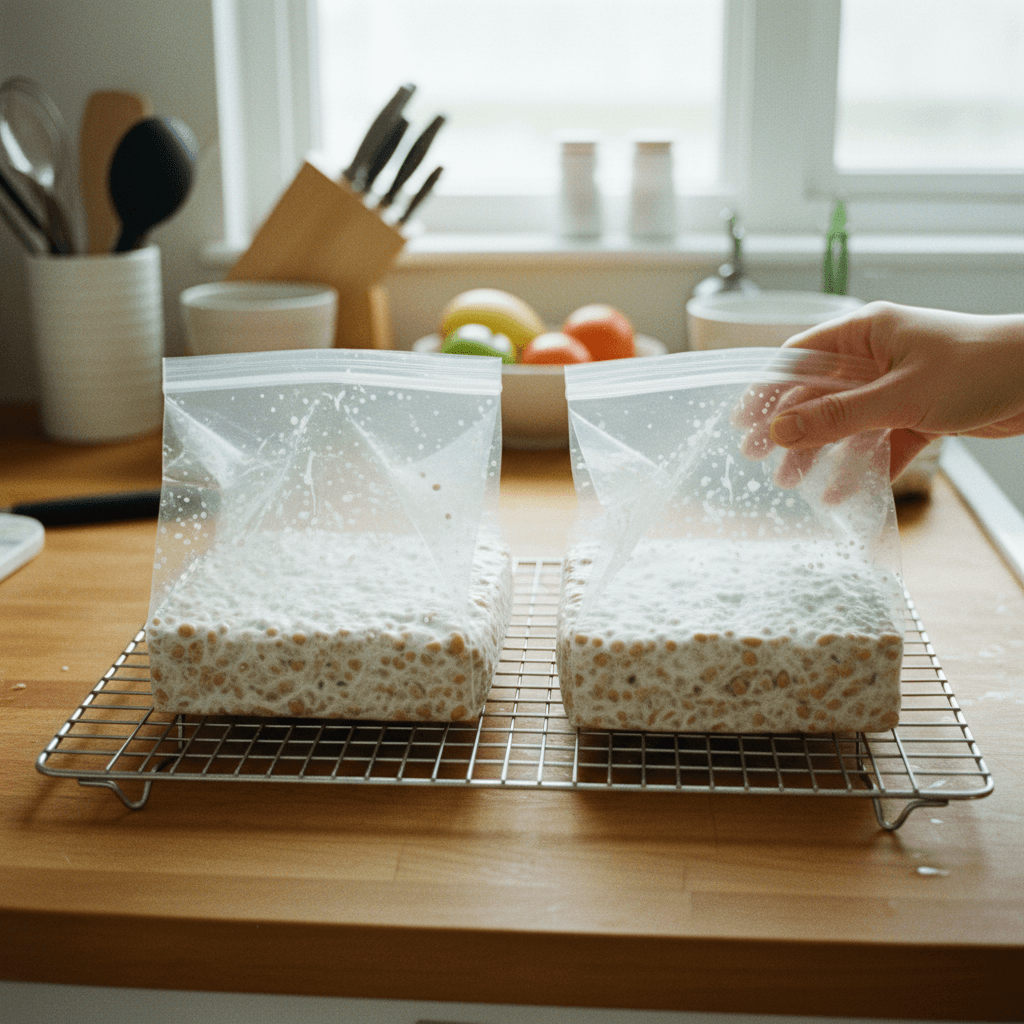
After 24-48 hours, the soybeans should be bound together by a dense, white mycelium, indicating the tempeh is ready to cook. It should have a firm texture and a pleasant, mushroomy aroma.
Kitchen Tools
Nutrition Facts (per serving)
Homemade Tempeh
- 500 grams dry peeled soybean
- 2 tablespoons rice flour
- 1/2 teaspoon tempeh starter culture
- as needed water, to cover soybeans
Instructions
- 1
Place the 500 grams of dry peeled soybeans into a pot. Add enough water to generously cover the soybeans.
⏱️ 2 min - 2
Soak the soybeans for 24 hours. This step helps to rehydrate them.
⏱️ 1440 min - 3
After soaking, drain the water from the soybeans.
⏱️ 1 min - 4
Transfer the soaked soybeans back to the pot and add fresh water. Boil them for 30 minutes to soften.
⏱️ 30 min - 5
Drain the boiled soybeans thoroughly.
⏱️ 1 min - 6
Spread the boiled soybeans in a single layer on a cooling tray that has been covered with a clean kitchen towel. It is crucial that the soybeans are completely dry before proceeding, as excess moisture can hinder fermentation. Allow them to air dry.
⏱️ 15 min - 7
Once completely dry, transfer the soybeans to a clean bowl.
⏱️ 1 min - 8
Add the 2 tablespoons of rice flour and 1/2 teaspoon of tempeh starter culture to the dried soybeans in the bowl.
⏱️ 1 min - 9
Using clean hands, mix all the ingredients well, ensuring the starter culture and flour are evenly distributed over the soybeans.
⏱️ 5 min - 10
Evenly distribute the soybean mixture into sealable bags. Do not overfill; a thin layer is ideal for proper fermentation.
⏱️ 5 min - 11
Using a toothpick, poke numerous small holes all over the bags. These holes are essential for aeration, which the tempeh culture needs to grow.
⏱️ 5 min - 12
Place the prepared bags on a cooling rack, allowing air circulation around them, for incubation.
⏱️ 1 min - 13
Incubate the tempeh for 24-48 hours. The ideal temperature for fermentation is 30-32°C (86-90°F). If you don't have a thermometer, place the bags in a warm spot with good air circulation, such as on top of a refrigerator or in a heat-pump cupboard with the door slightly ajar on colder days. This stage is about trial and error to find the best spot in your environment.
⏱️ 1440 min•🌡️ 31 - 14
After 24-48 hours, the soybeans should be bound together by a dense, white mycelium, indicating the tempeh is ready to cook. It should have a firm texture and a pleasant, mushroomy aroma.