Beginner Overnight Brisket
Beginner Overnight Brisket

Ingredients
- 1 brisket, whole packer
- 1/2 cup brisket rub, or as needed, for heavy seasoning
- 1/4 cup beef tallow, optional, for wrapping
Instructions
- 1
Trim the brisket, removing any hard fat and shaping it for even cooking. Leave about 1/4 inch of fat on the fat cap.
⏱️ 20 min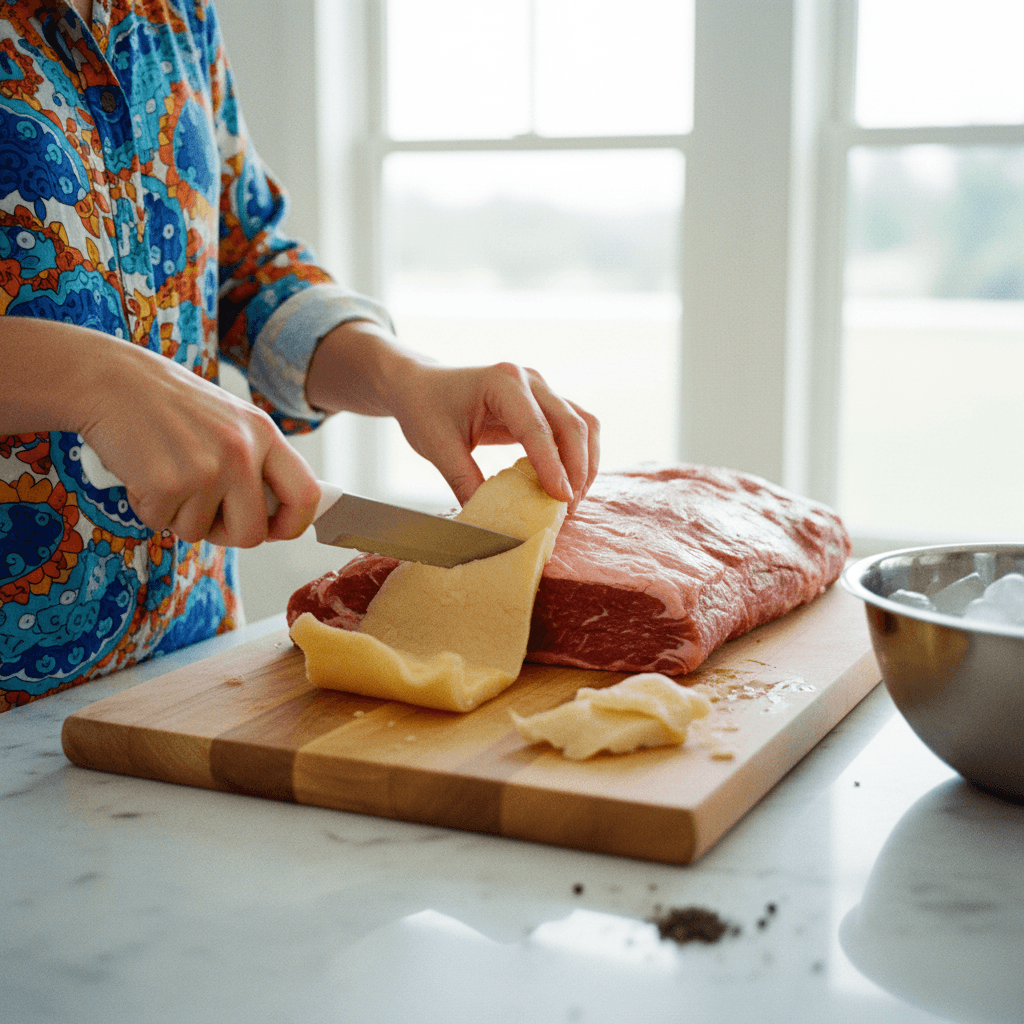
- 2
Apply a generous amount of brisket rub to all sides of the brisket, ensuring it is heavily coated. Allow the rub to adhere for at least 1 hour, or refrigerate overnight if preferred.
⏱️ 10 min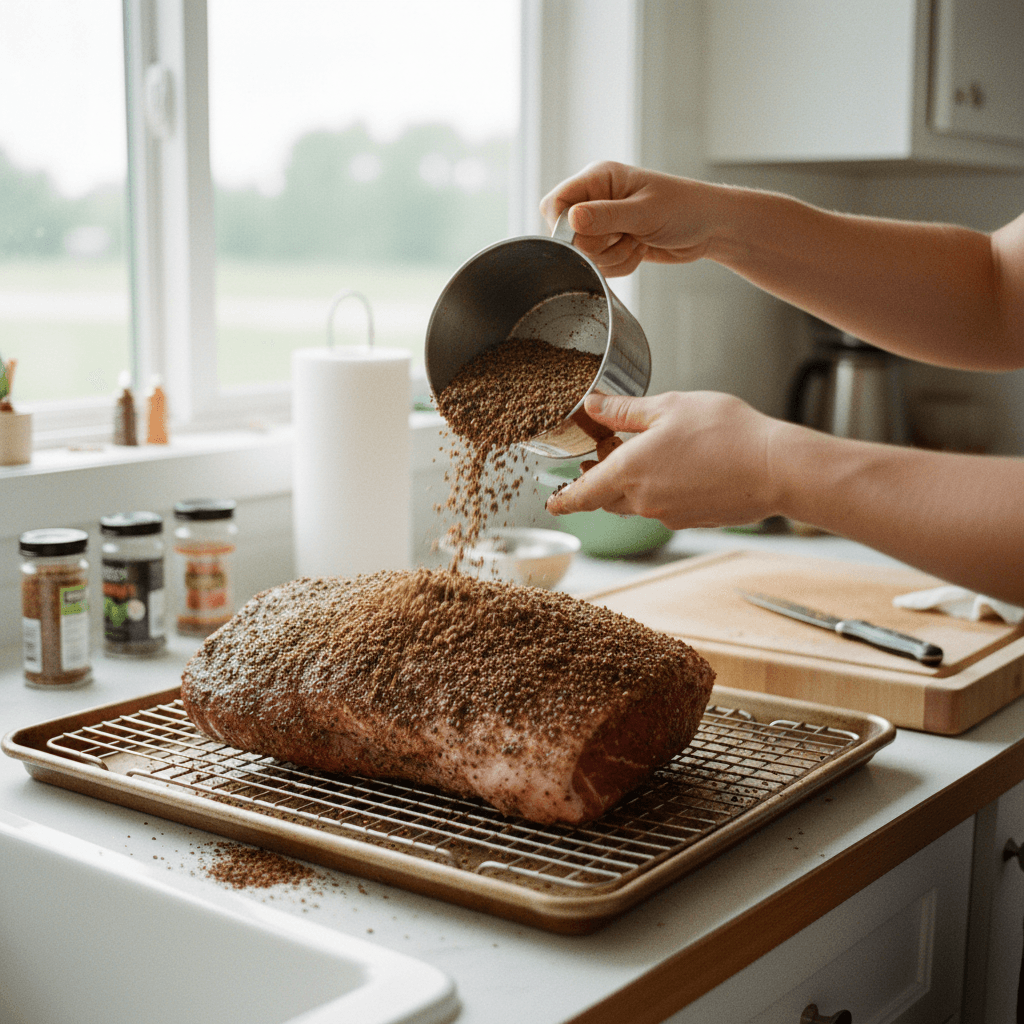
- 3
Preheat your smoker to a consistent temperature of 225°F. Ensure the smoker is stable before adding the brisket.
⏱️ 60 min•🌡️ 225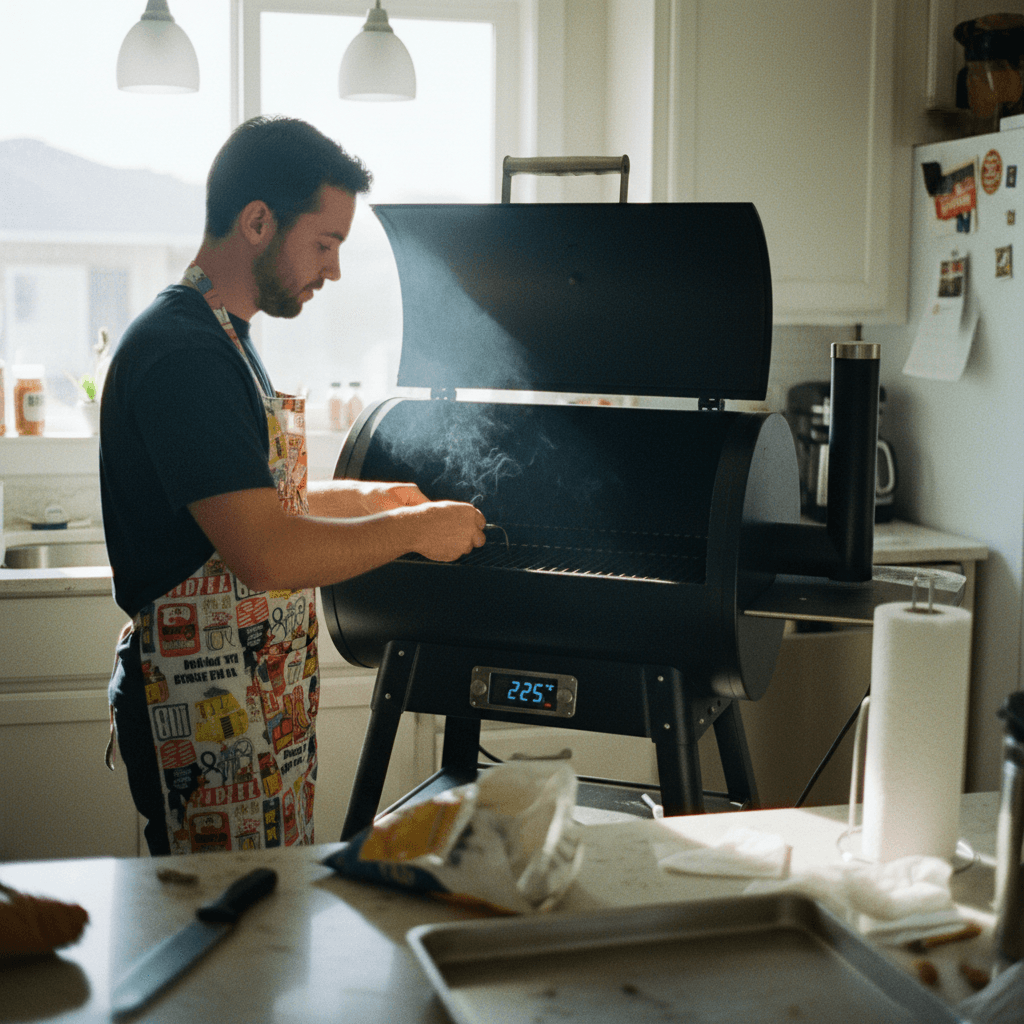
- 4
Place the seasoned brisket into the preheated smoker with the fat side down. Close the smoker and begin the overnight cooking process.
⏱️ 5 min•🌡️ 225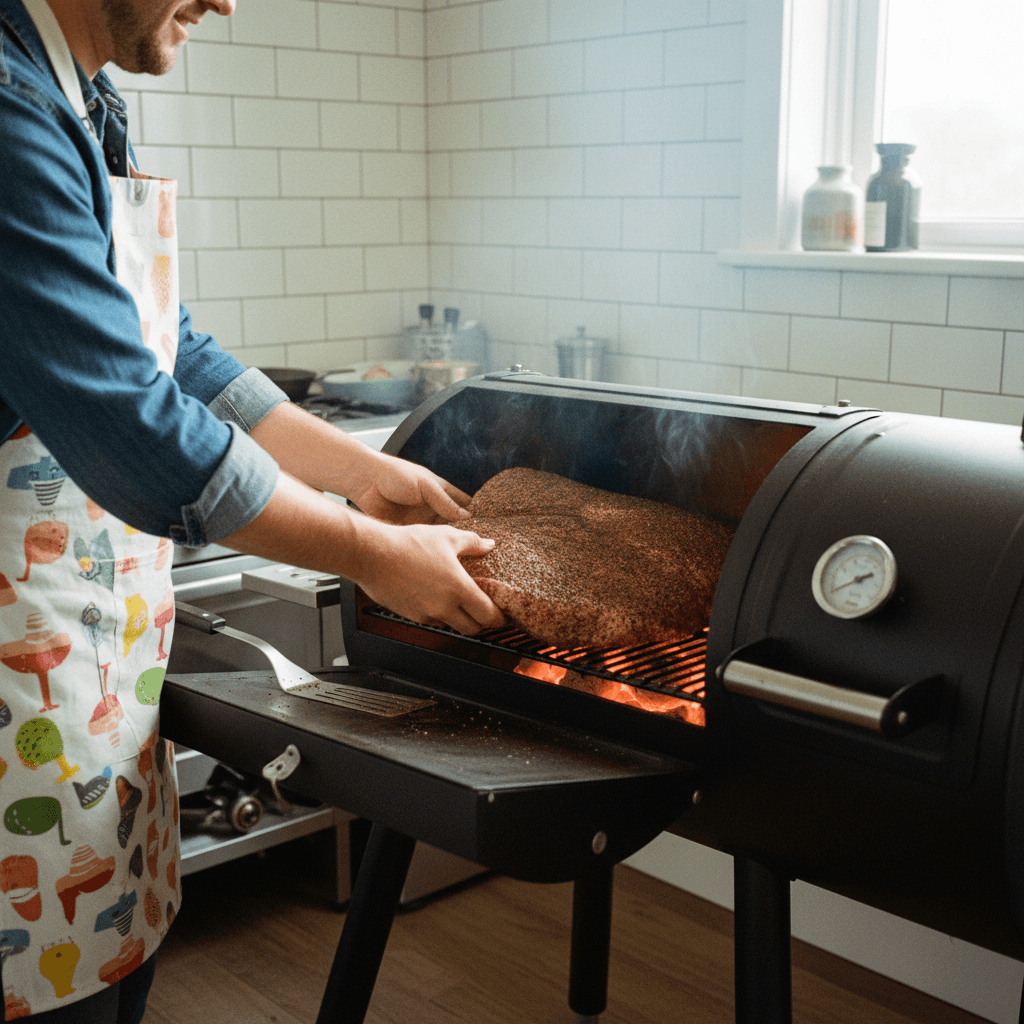
- 5
Smoke the brisket overnight, maintaining the smoker temperature at 225°F. Do not stress about the 'stall' where the internal temperature plateaus; trust your thermometer over the clock.
⏱️ 480 min•🌡️ 225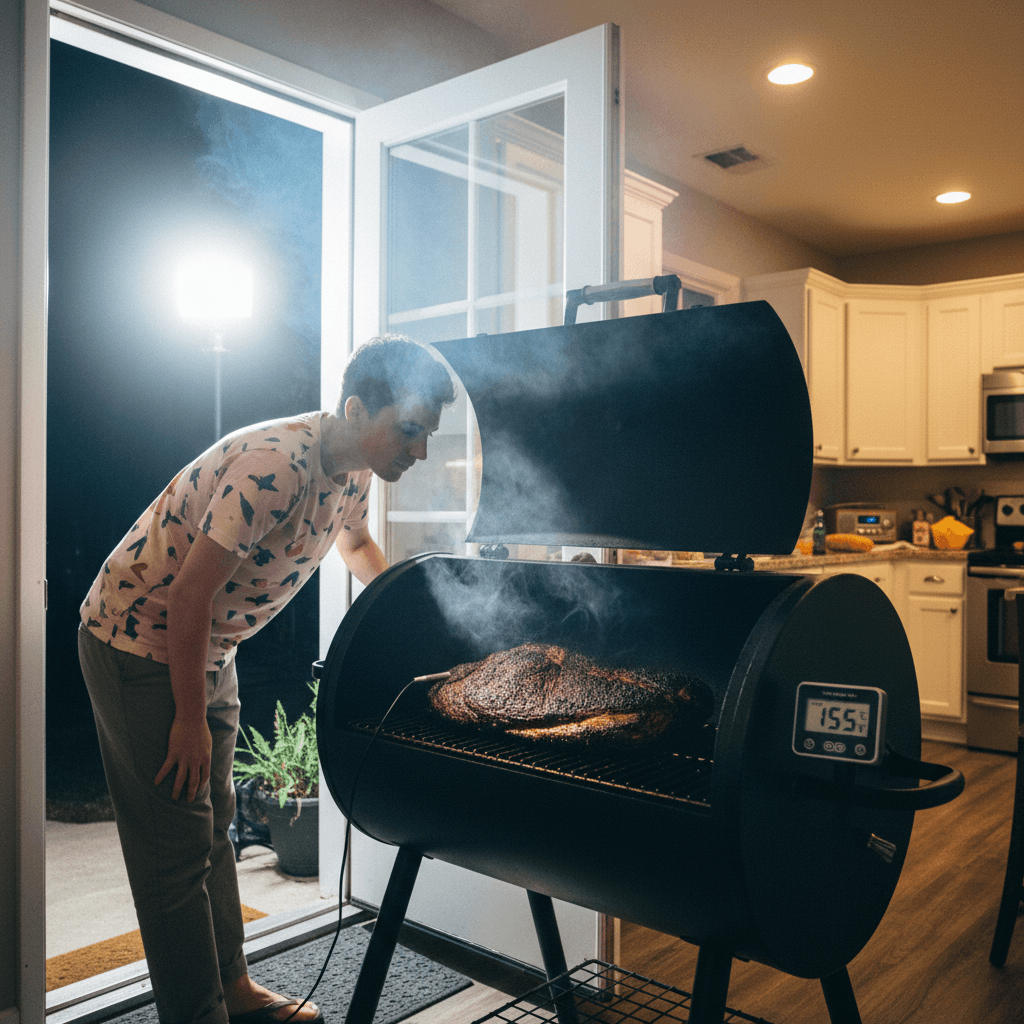
- 6
After approximately 8-10 hours, or when the internal temperature of the brisket reaches around 170°F, check the bark development. At this point, you have two options:
⏱️ 10 min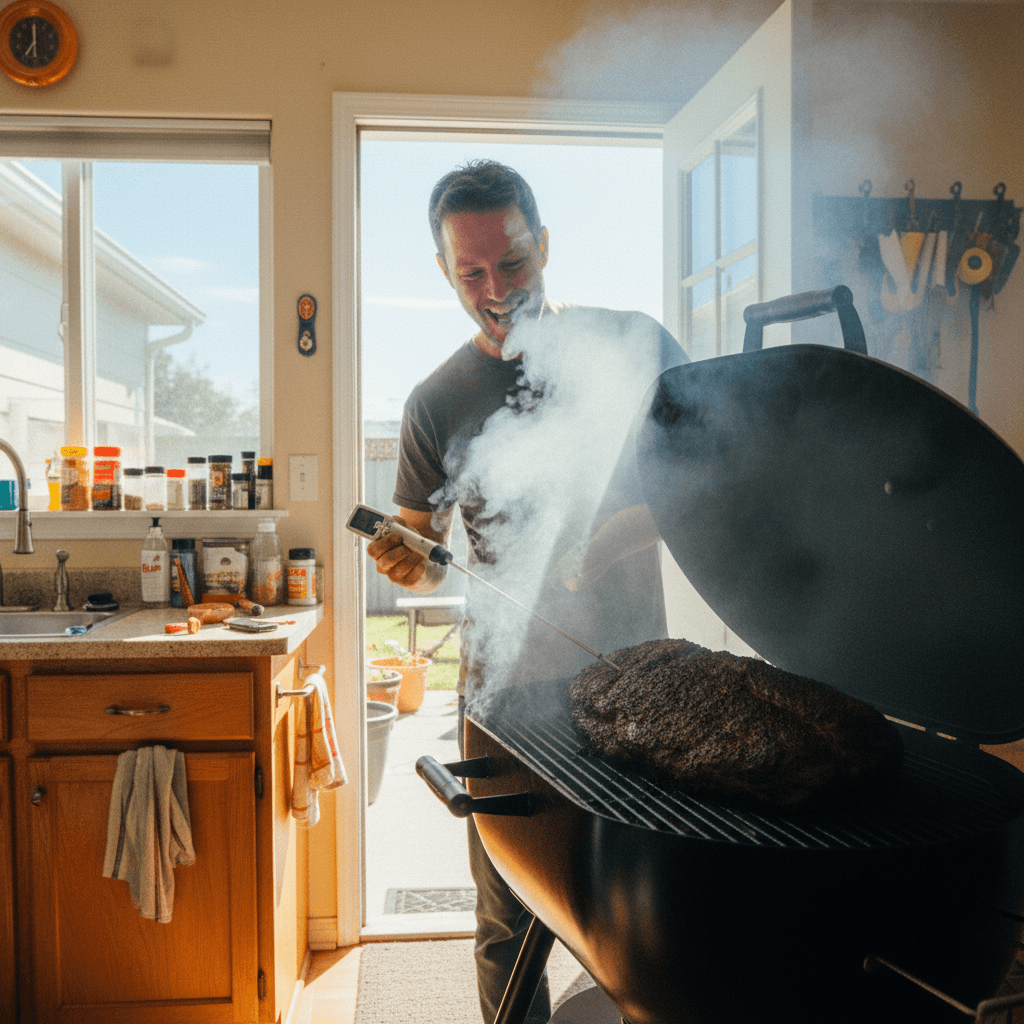
- 7
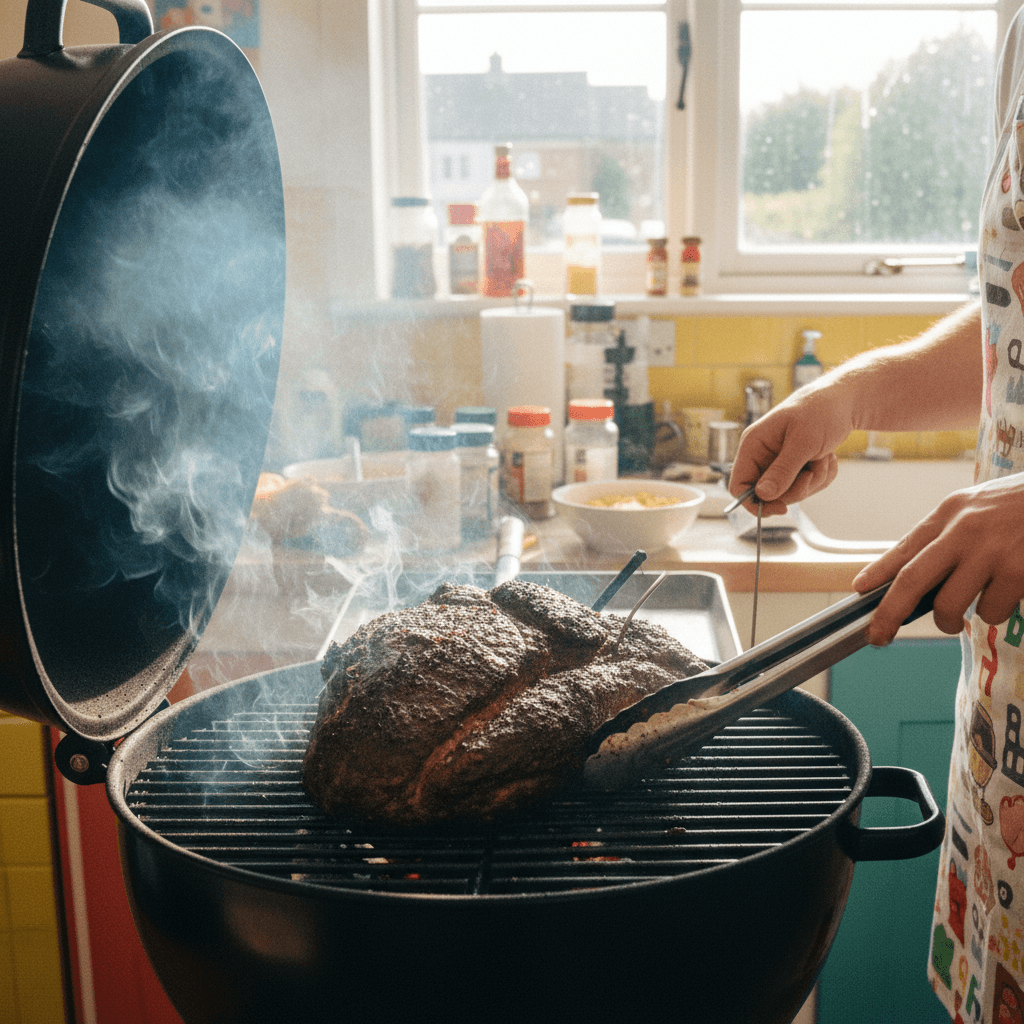
Option 1 (For better bark): Leave the brisket unwrapped and continue smoking.
- 8
Option 2 (For faster, juicier results): Wrap the brisket tightly in butcher paper. Before sealing, add a scoop of beef tallow over the top of the brisket.
⏱️ 5 min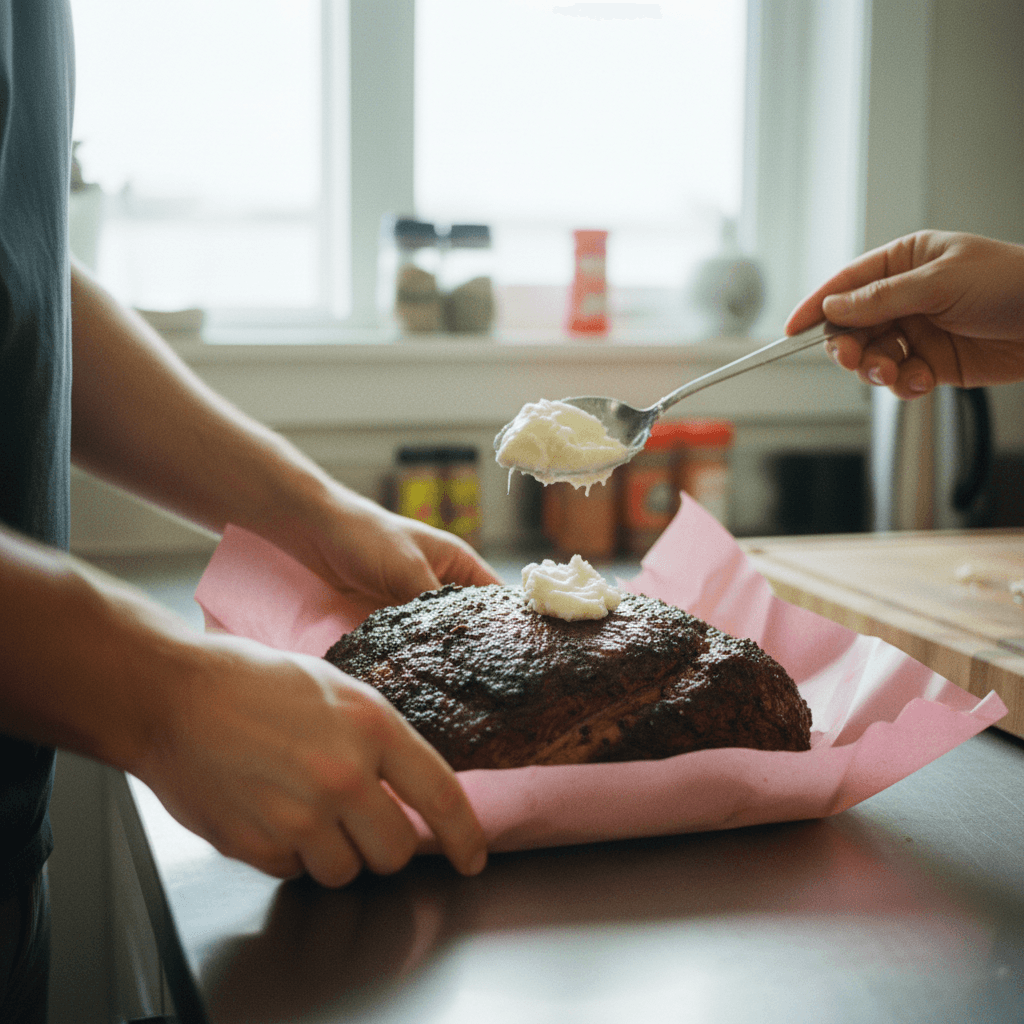
- 9
Continue smoking the brisket (wrapped or unwrapped) until its internal temperature reaches 203-205°F and it probes like softened butter. This means a thermometer or probe should slide in with very little resistance.
⏱️ 360 min•🌡️ 225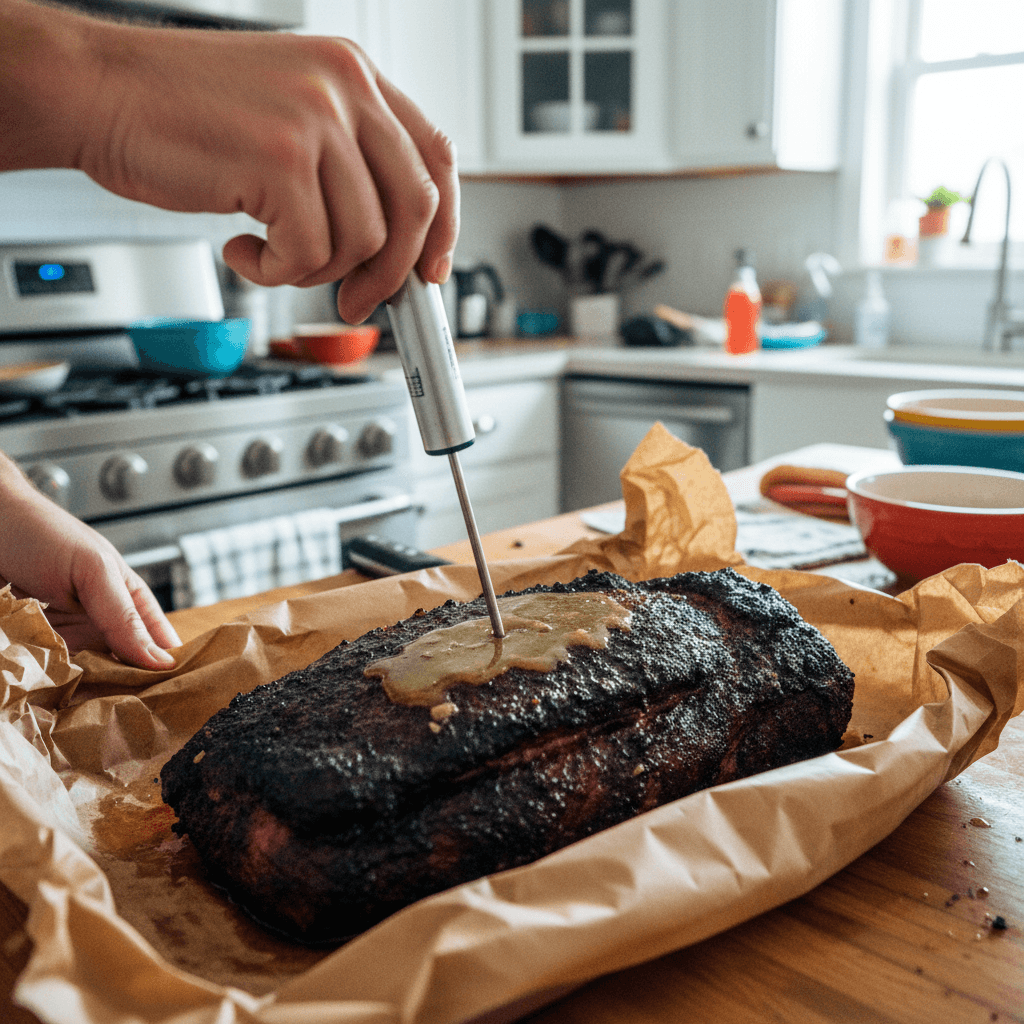
- 10
Once the brisket reaches the desired tenderness, remove it from the smoker. If wrapped, keep it wrapped. Place the brisket in a cooler or an oven (turned off) to rest.
⏱️ 5 min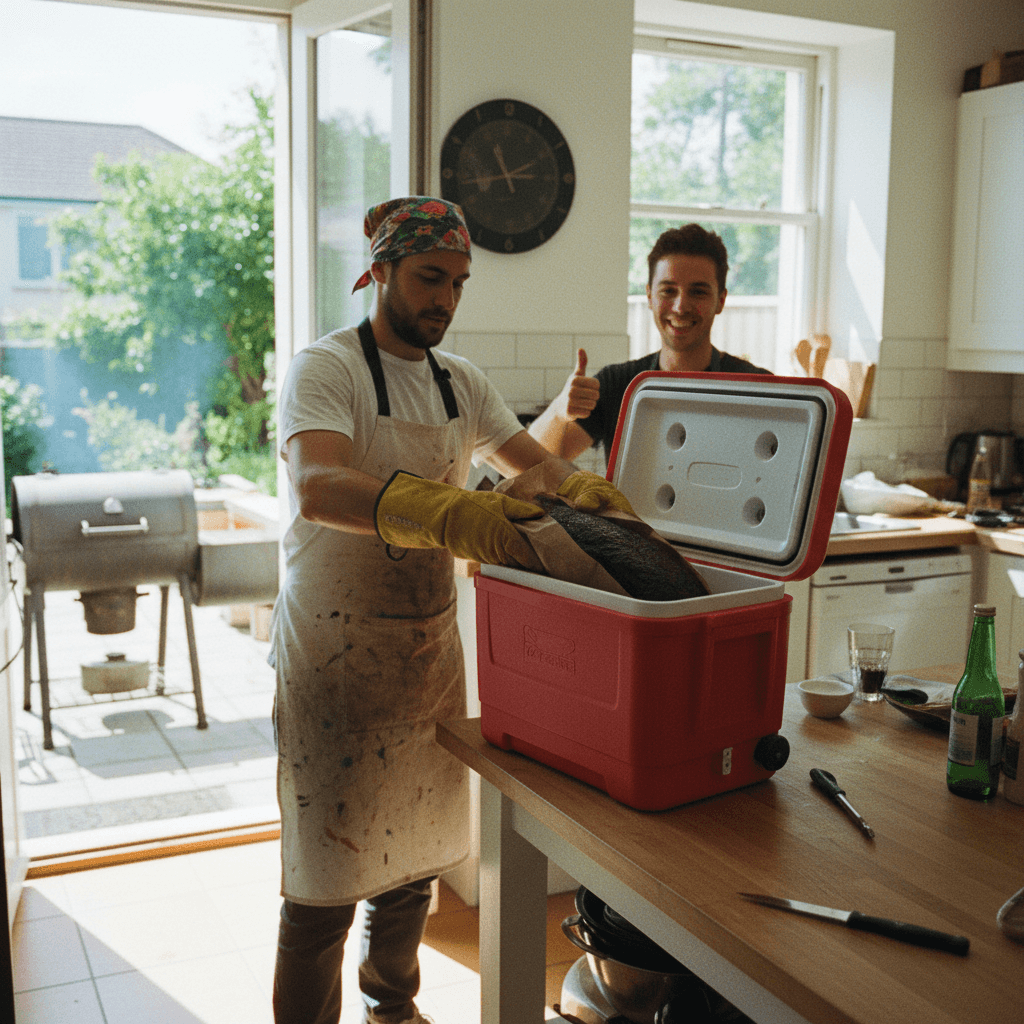
- 11
Rest the brisket for a minimum of 4 hours, and ideally 6 hours. This is the most crucial step for achieving juicy, tender slices.
⏱️ 360 min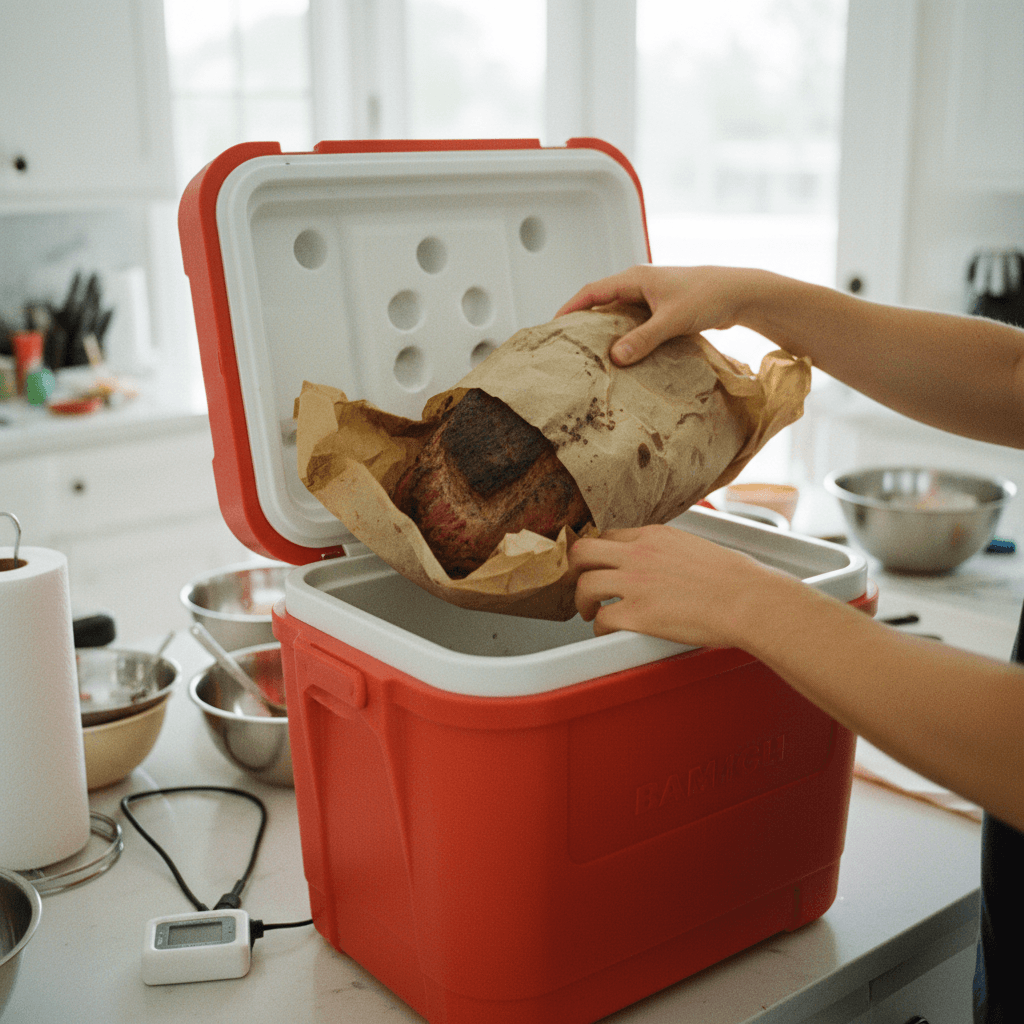
- 12
After resting, unwrap the brisket and slice it against the grain into your desired thickness. Serve immediately.
⏱️ 10 min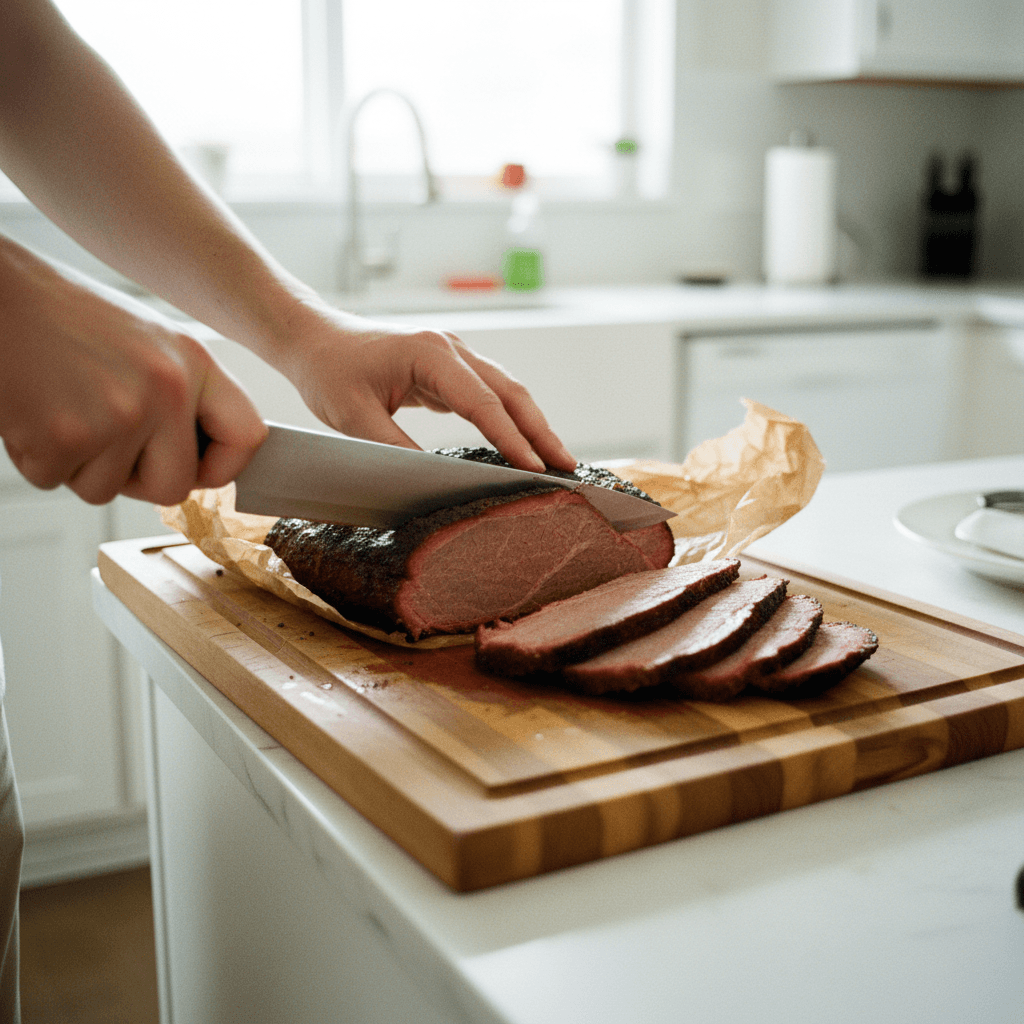
Kitchen Tools
Beginner Overnight Brisket
- 1 brisket, whole packer
- 1/2 cup brisket rub, or as needed, for heavy seasoning
- 1/4 cup beef tallow, optional, for wrapping
Instructions
- 1
Trim the brisket, removing any hard fat and shaping it for even cooking. Leave about 1/4 inch of fat on the fat cap.
⏱️ 20 min - 2
Apply a generous amount of brisket rub to all sides of the brisket, ensuring it is heavily coated. Allow the rub to adhere for at least 1 hour, or refrigerate overnight if preferred.
⏱️ 10 min - 3
Preheat your smoker to a consistent temperature of 225°F. Ensure the smoker is stable before adding the brisket.
⏱️ 60 min•🌡️ 225 - 4
Place the seasoned brisket into the preheated smoker with the fat side down. Close the smoker and begin the overnight cooking process.
⏱️ 5 min•🌡️ 225 - 5
Smoke the brisket overnight, maintaining the smoker temperature at 225°F. Do not stress about the 'stall' where the internal temperature plateaus; trust your thermometer over the clock.
⏱️ 480 min•🌡️ 225 - 6
After approximately 8-10 hours, or when the internal temperature of the brisket reaches around 170°F, check the bark development. At this point, you have two options:
⏱️ 10 min - 7
Option 1 (For better bark): Leave the brisket unwrapped and continue smoking.
- 8
Option 2 (For faster, juicier results): Wrap the brisket tightly in butcher paper. Before sealing, add a scoop of beef tallow over the top of the brisket.
⏱️ 5 min - 9
Continue smoking the brisket (wrapped or unwrapped) until its internal temperature reaches 203-205°F and it probes like softened butter. This means a thermometer or probe should slide in with very little resistance.
⏱️ 360 min•🌡️ 225 - 10
Once the brisket reaches the desired tenderness, remove it from the smoker. If wrapped, keep it wrapped. Place the brisket in a cooler or an oven (turned off) to rest.
⏱️ 5 min - 11
Rest the brisket for a minimum of 4 hours, and ideally 6 hours. This is the most crucial step for achieving juicy, tender slices.
⏱️ 360 min - 12
After resting, unwrap the brisket and slice it against the grain into your desired thickness. Serve immediately.
⏱️ 10 min