New York Style Pizza Dough
New York Style Pizza Dough
Ingredients
- 503 grams bread flour
- 312 grams water, cooled to below 60°F
- 2.0 grams yeast
- 13 grams salt
- 13 grams granulated sugar
- 17 grams olive oil, plus more for oiling containers
Instructions
- 1
Ensure your water is cooled to below 60°F. This is crucial for controlling yeast activity.
⏱️ 1 min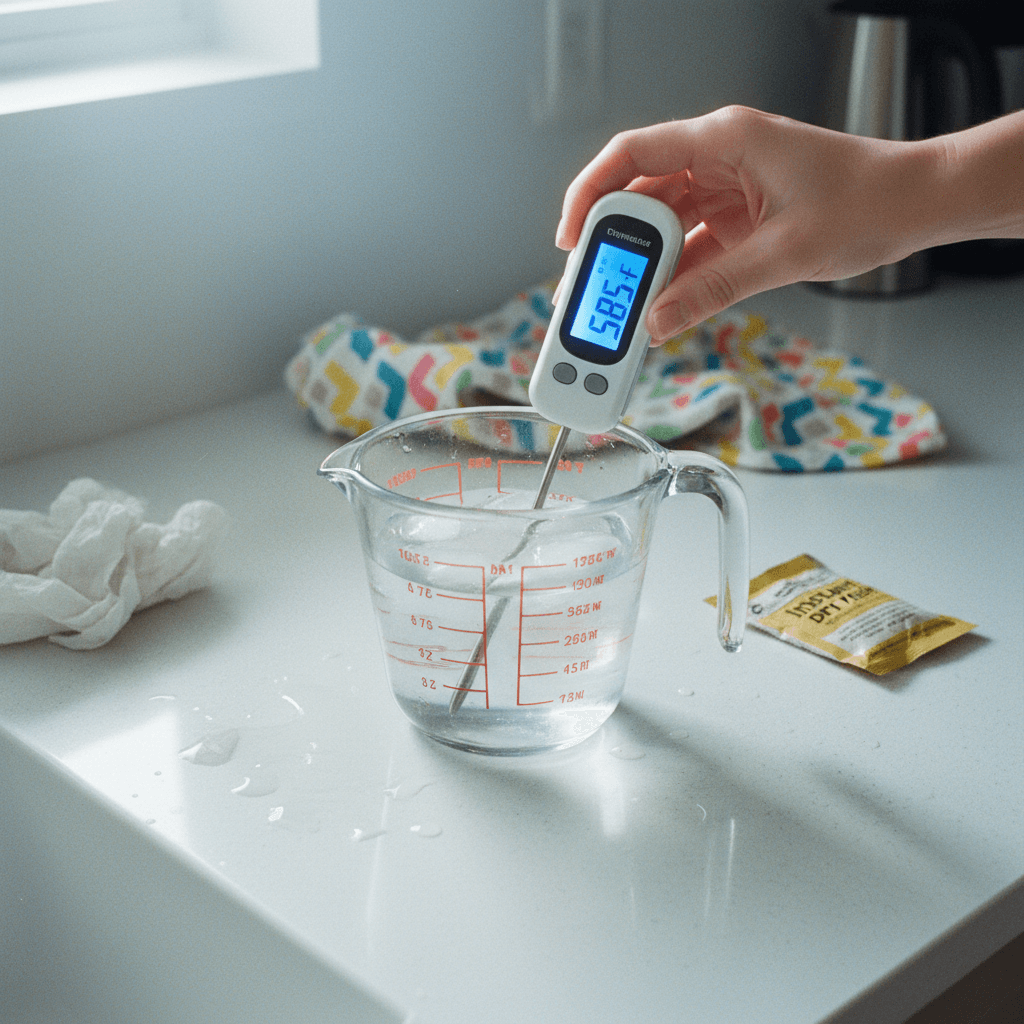
- 2
In the bowl of a stand mixer (or a large mixing bowl if kneading by hand), add the measured cool water. Then, add the measured yeast to the water and stir gently to combine.
⏱️ 2 min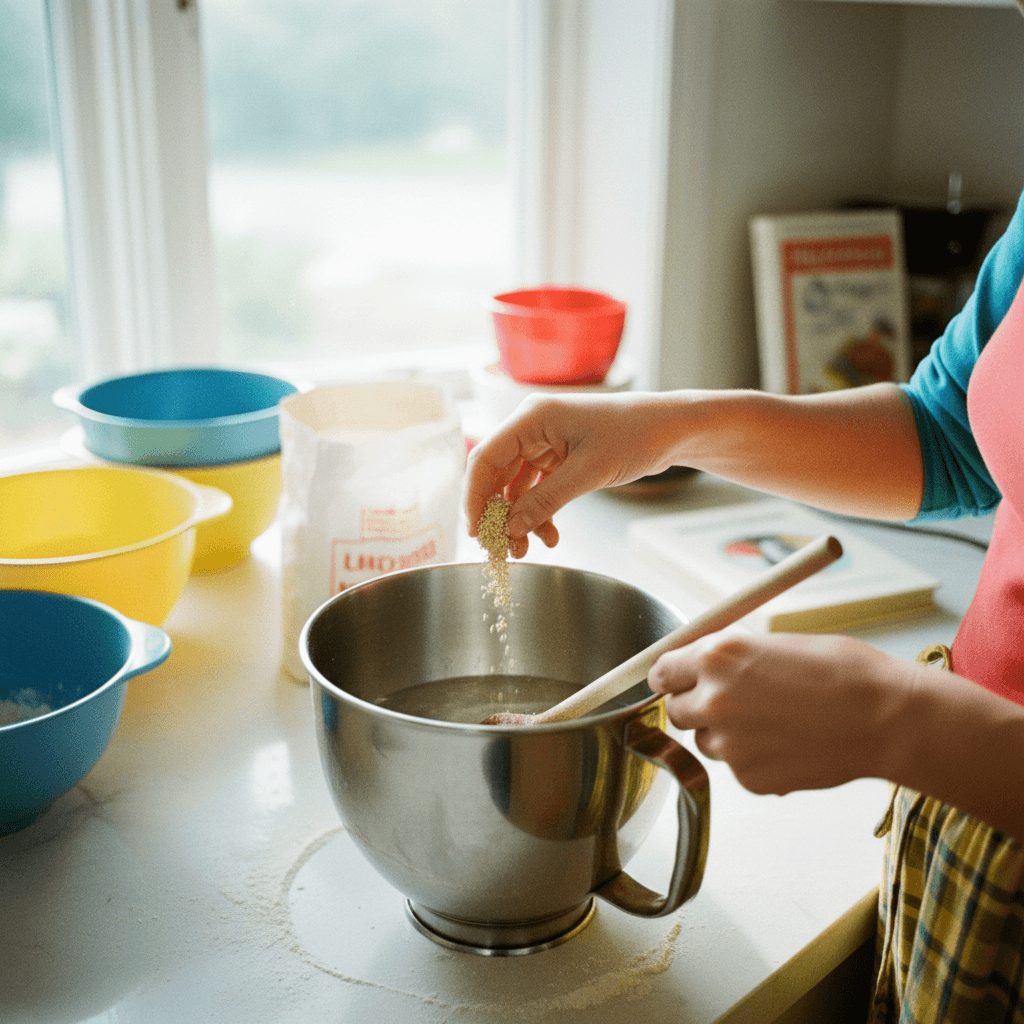
- 3
Add the measured bread flour and 17 grams of olive oil to the water and yeast mixture. Attach the dough hook to your stand mixer and mix on low speed for 2 minutes, until just combined.
⏱️ 2 min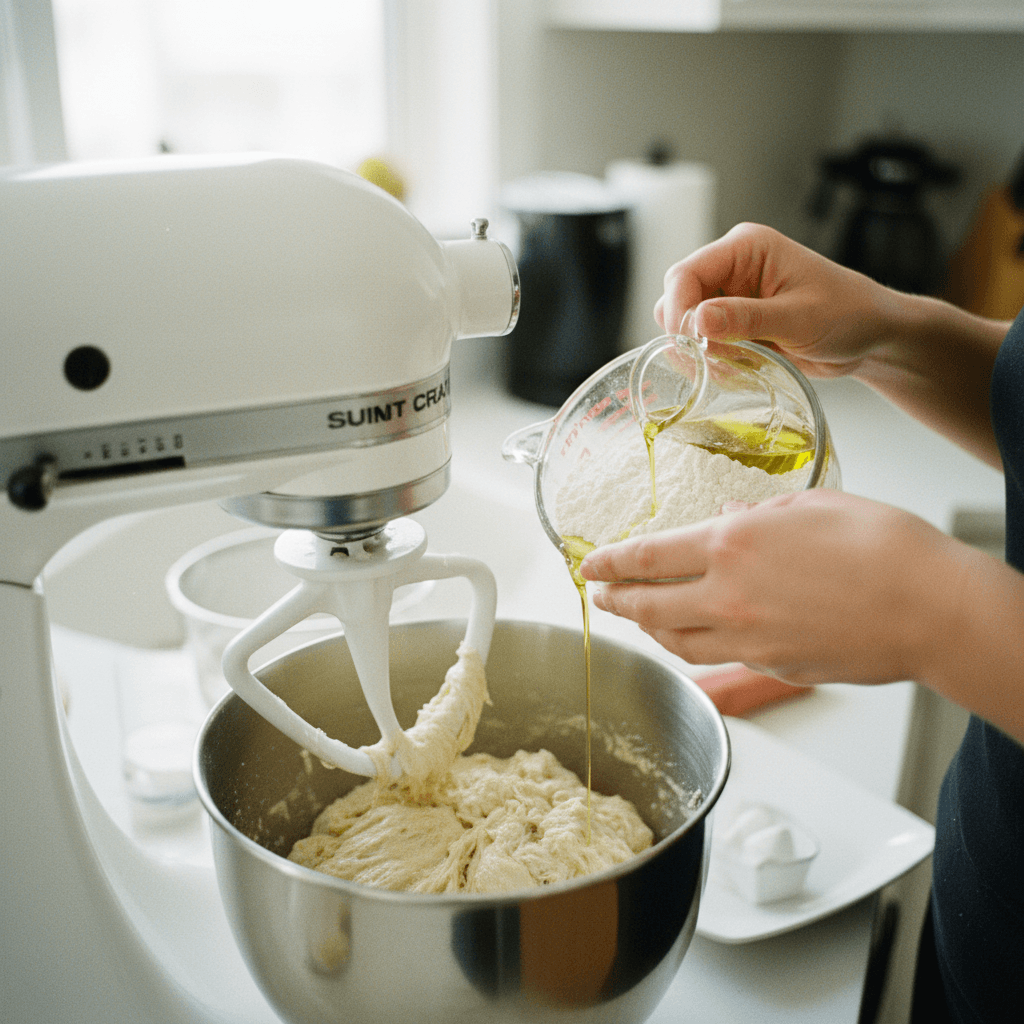
- 4
While the dough is still mixing on low speed, add the measured granulated sugar and salt to the bowl.
⏱️ 1 min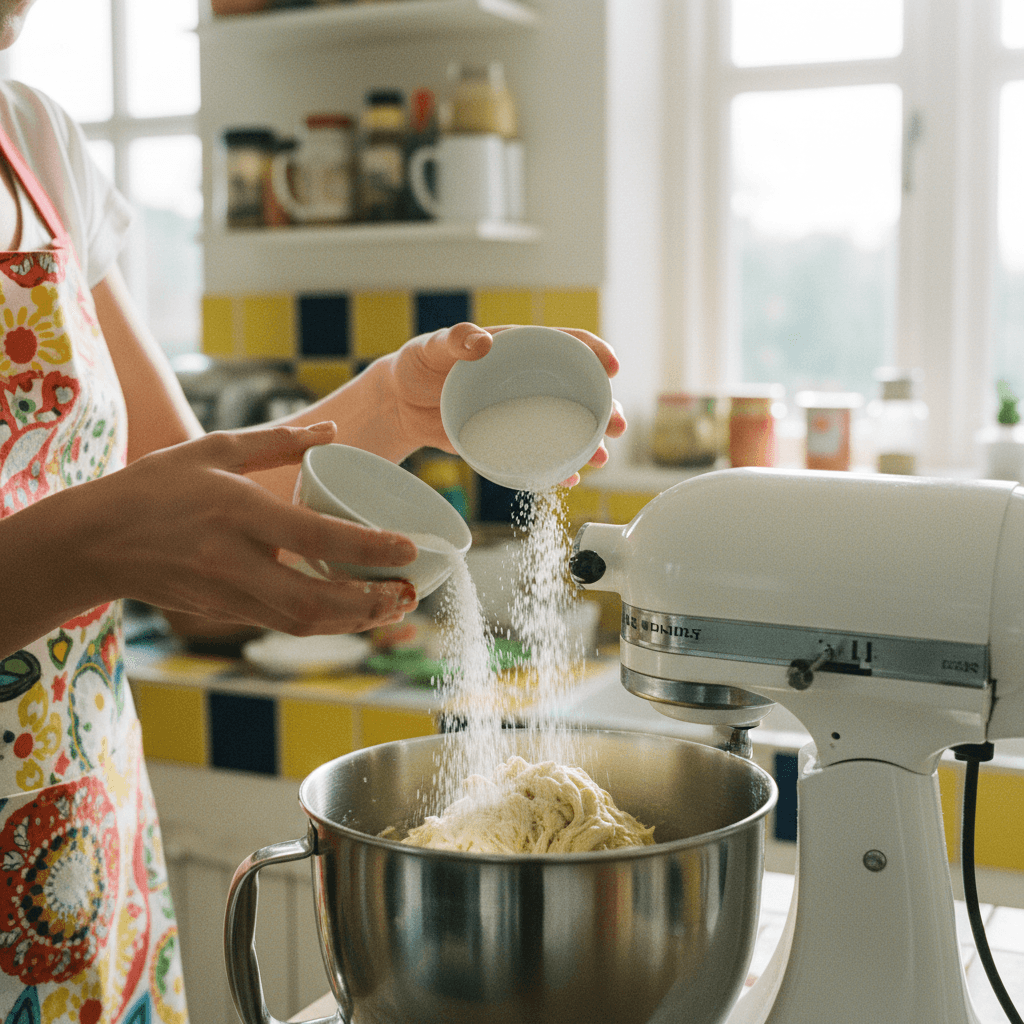
- 5
Continue mixing the dough on low speed for an additional 10 minutes. The dough should become smooth and elastic. If kneading by hand, knead for approximately 12-15 minutes until the dough is smooth and passes the windowpane test.
⏱️ 10 min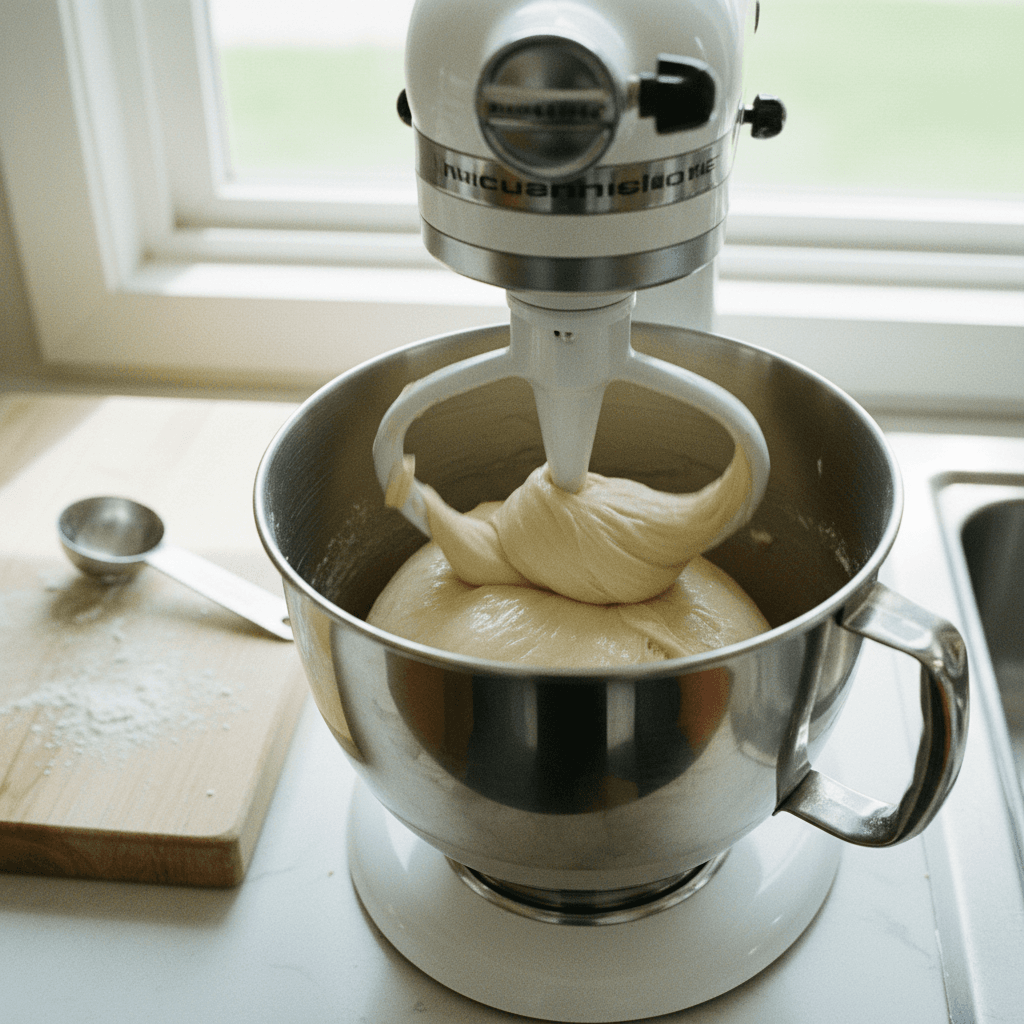
- 6
Remove the dough from the mixer. Lightly wet the surface of the dough with a little water to prevent it from drying out, then place it into a clean bowl. Cover the bowl tightly with plastic wrap and let the dough rest at room temperature for 1 to 3 hours.
⏱️ 3 min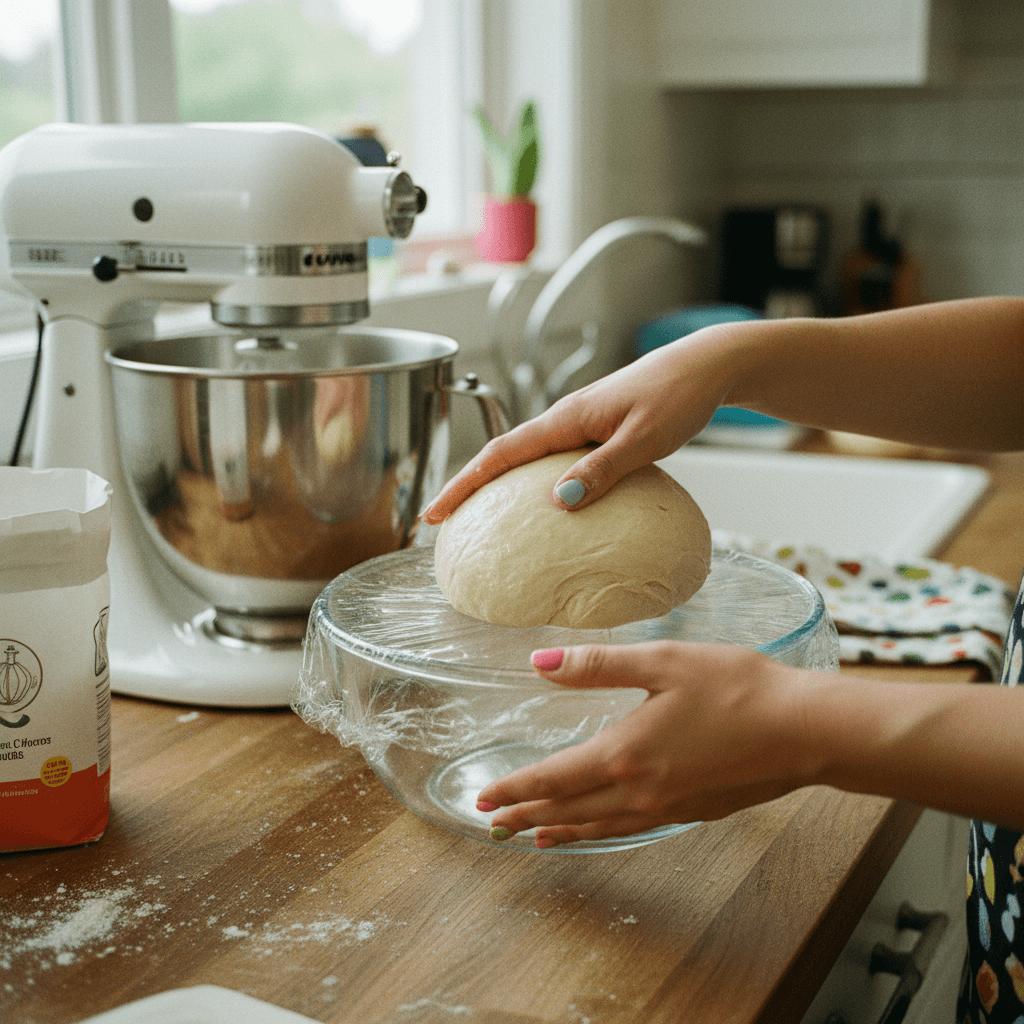
- 7
After the resting period, gently remove the dough from the bowl. Divide the dough into two equal portions (approximately 394 grams each for a 16-inch pizza). A food scale is recommended for accuracy.
⏱️ 3 min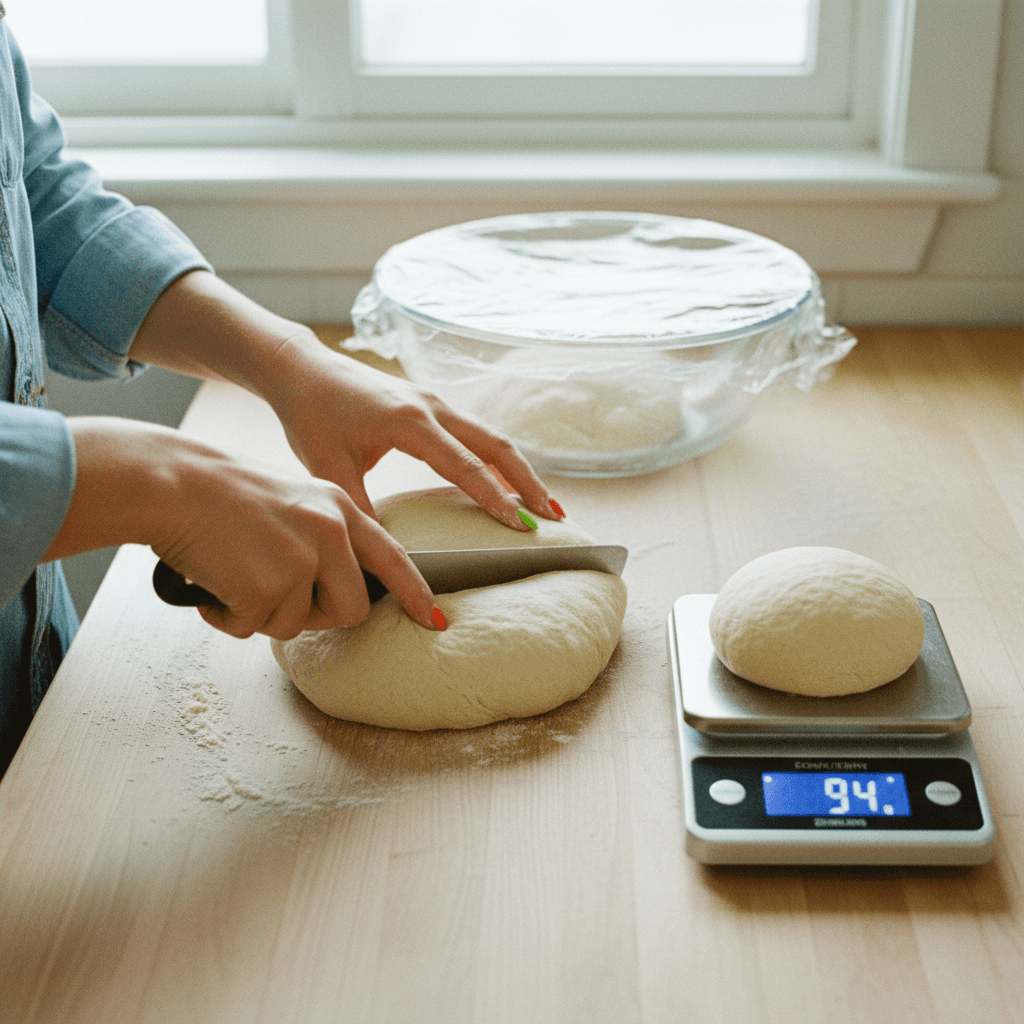
- 8
Take each dough portion and form it into a tight, round ball. Pinch the edges of the dough together at the bottom to create a sealed seam, ensuring there are no gaps.
⏱️ 2 min - 9
Lightly wet the surface of each dough ball again to prevent drying. Lightly oil two separate containers with lids, ensuring the bottom and sides are coated.
⏱️ 1 min
- 10
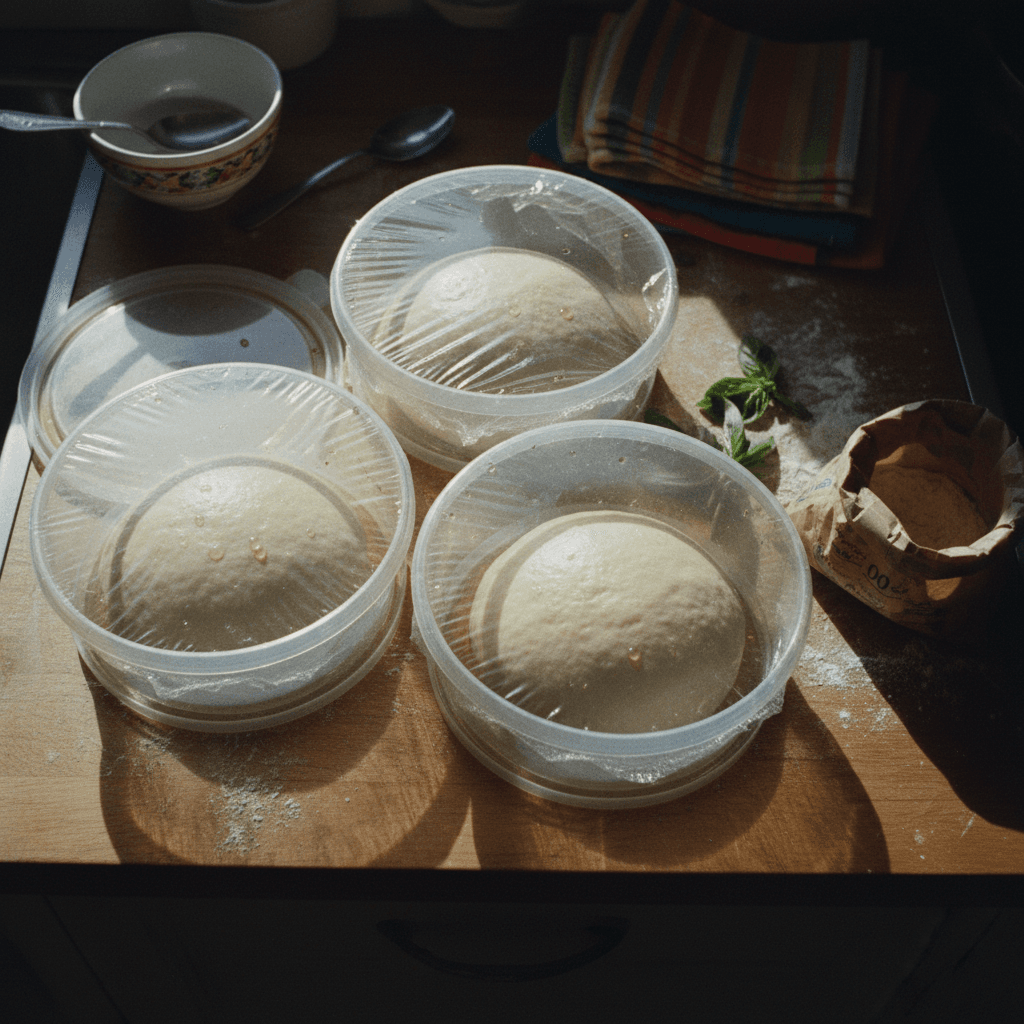
Place one dough ball into each lightly oiled container. Cover the containers tightly with their lids and refrigerate for 1 to 3 days. For the best flavor and texture, a 3-day refrigeration period is ideal.
⏱️ 5 min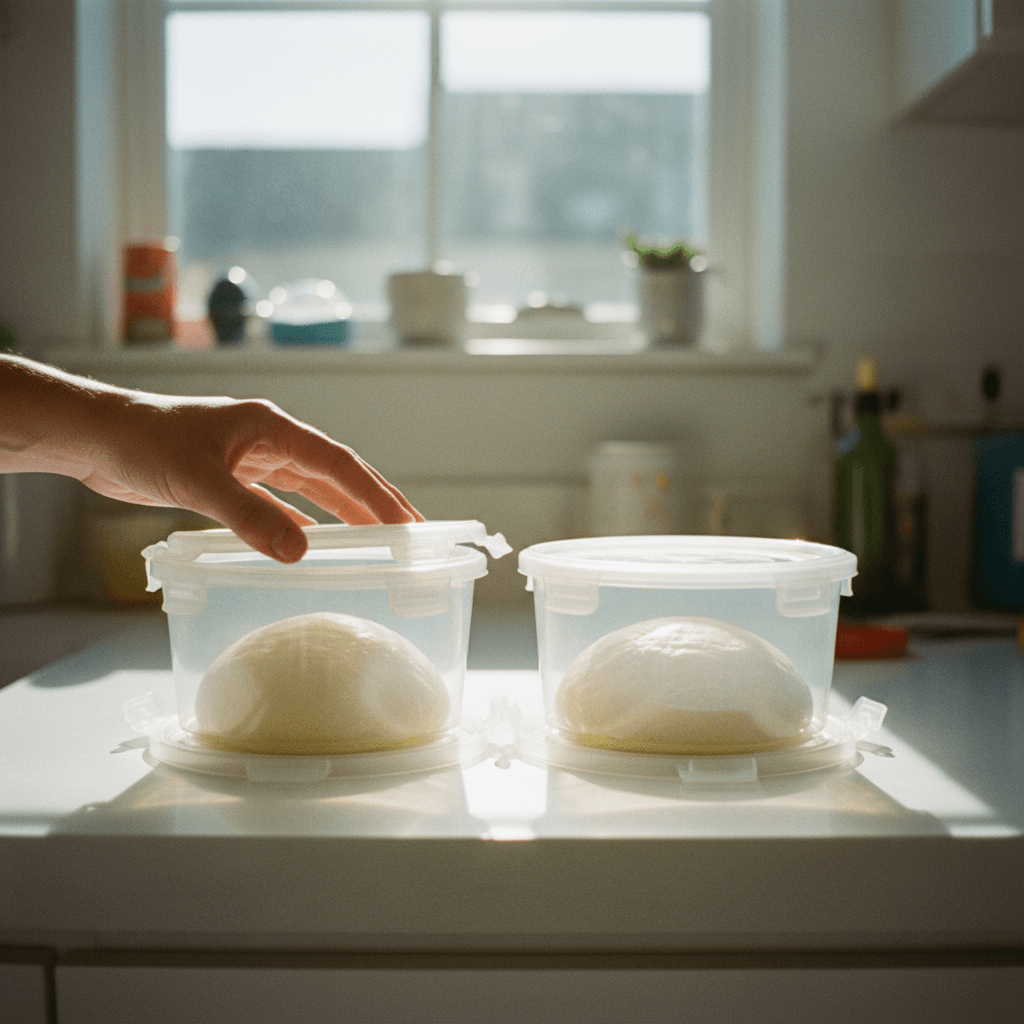
- 11
On the day you plan to bake, remove the dough balls from the refrigerator and let them come to room temperature for at least 1-2 hours before stretching and baking. This makes the dough easier to work with.
⏱️ 120 min
Kitchen Tools
Nutrition Facts (per serving)
New York Style Pizza Dough
- 503 grams bread flour
- 312 grams water, cooled to below 60°F
- 2.0 grams yeast
- 13 grams salt
- 13 grams granulated sugar
- 17 grams olive oil, plus more for oiling containers
Instructions
- 1
Ensure your water is cooled to below 60°F. This is crucial for controlling yeast activity.
⏱️ 1 min - 2
In the bowl of a stand mixer (or a large mixing bowl if kneading by hand), add the measured cool water. Then, add the measured yeast to the water and stir gently to combine.
⏱️ 2 min - 3
Add the measured bread flour and 17 grams of olive oil to the water and yeast mixture. Attach the dough hook to your stand mixer and mix on low speed for 2 minutes, until just combined.
⏱️ 2 min - 4
While the dough is still mixing on low speed, add the measured granulated sugar and salt to the bowl.
⏱️ 1 min - 5
Continue mixing the dough on low speed for an additional 10 minutes. The dough should become smooth and elastic. If kneading by hand, knead for approximately 12-15 minutes until the dough is smooth and passes the windowpane test.
⏱️ 10 min - 6
Remove the dough from the mixer. Lightly wet the surface of the dough with a little water to prevent it from drying out, then place it into a clean bowl. Cover the bowl tightly with plastic wrap and let the dough rest at room temperature for 1 to 3 hours.
⏱️ 3 min - 7
After the resting period, gently remove the dough from the bowl. Divide the dough into two equal portions (approximately 394 grams each for a 16-inch pizza). A food scale is recommended for accuracy.
⏱️ 3 min - 8
Take each dough portion and form it into a tight, round ball. Pinch the edges of the dough together at the bottom to create a sealed seam, ensuring there are no gaps.
⏱️ 2 min - 9
Lightly wet the surface of each dough ball again to prevent drying. Lightly oil two separate containers with lids, ensuring the bottom and sides are coated.
⏱️ 1 min - 10
Place one dough ball into each lightly oiled container. Cover the containers tightly with their lids and refrigerate for 1 to 3 days. For the best flavor and texture, a 3-day refrigeration period is ideal.
⏱️ 5 min - 11
On the day you plan to bake, remove the dough balls from the refrigerator and let them come to room temperature for at least 1-2 hours before stretching and baking. This makes the dough easier to work with.
⏱️ 120 min