Cultured French Butter (Homemade Butter)
Cultured French Butter (Homemade Butter)

Ingredients
For Culturing the Cream
- 1 gallon heavy cream, cold
- 12 tablespoons plain yogurt, with live active cultures
For Washing and Finishing the Butter
- 4 cups ice
- 1/2 teaspoon fine sea salt, or to taste
Instructions
- 1
In a large, non-reactive bowl or pot, combine the cold heavy cream and the plain yogurt. Stir gently to ensure the yogurt is evenly distributed throughout the cream.
⏱️ 2 min
- 2
Cover the bowl loosely with a lid or plastic wrap and let it sit at room temperature (ideally between 68-72°F) for 48 to 72 hours. The cream will thicken and develop a tangy, cultured flavor. The presenter notes 48 hours is often the 'sweet spot' for optimal flavor.

- 3
Once cultured, transfer the thickened cream to the bowl of a stand mixer fitted with the whisk attachment. Begin whipping on low speed, gradually increasing to high speed. Continue whipping until the mixture separates into solid butter chunks and liquid buttermilk. This process can take 10-15 minutes.
⏱️ 15 min
- 4
Place a fine-mesh sieve over another large bowl or container. Carefully pour the contents of the mixer bowl into the sieve, allowing the buttermilk to drain into the bowl below. The butter solids will remain in the sieve.
⏱️ 2 min
- 5
Transfer the butter solids from the sieve into a large bowl filled with very cold water and ice. For easier handling and hygiene, it is recommended to wear food-safe gloves for the subsequent washing steps.
⏱️ 2 min
- 6
Using your gloved hands, gently massage and squeeze the butter while it is submerged in the ice water. This action helps to extract any remaining buttermilk. The cold water keeps the butter firm and prevents it from becoming too soft or sticky. Discard the cloudy water.
⏱️ 5 min
- 7
Repeat the washing process at least 2-3 more times, refilling the bowl with fresh ice water each time, until the water runs clear. This is crucial for removing all buttermilk, which can cause the butter to spoil quickly if left behind.
⏱️ 10 min
- 8
Once the butter is thoroughly washed, press out as much excess water as possible. At this point, you can knead in the fine sea salt, starting with 1/2 teaspoon and adding more to taste, if desired. Form the butter into a log or block.
⏱️ 4 min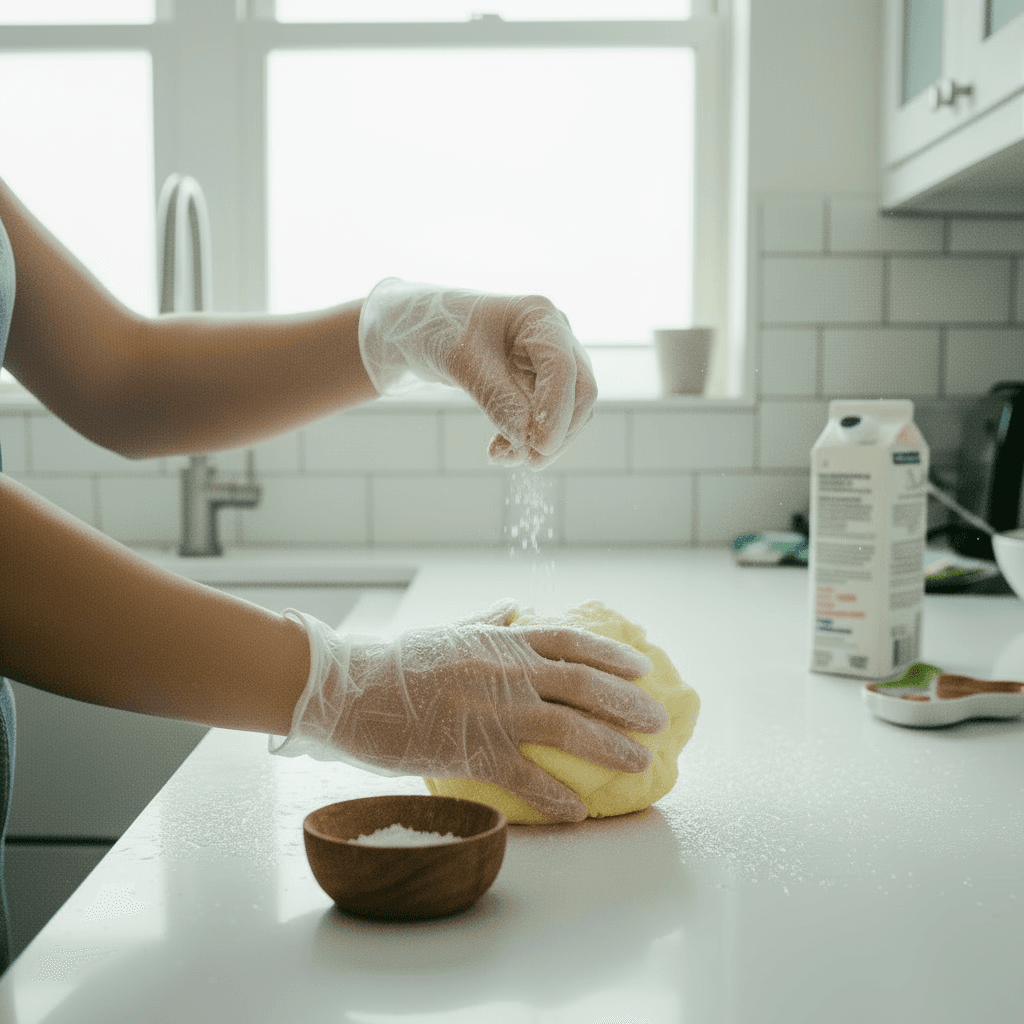
- 9
Store the homemade cultured butter in an airtight container in the refrigerator for up to 2-3 weeks, or freeze for several months. The separated buttermilk can be used in baking or other recipes.

Kitchen Tools
Nutrition Facts (per serving)
Cultured French Butter (Homemade Butter)
Ingredients
For Culturing the Cream
- 1 gallon heavy cream, cold
- 12 tablespoons plain yogurt, with live active cultures
For Washing and Finishing the Butter
- 4 cups ice
- 1/2 teaspoon fine sea salt, or to taste
Instructions
- 1
In a large, non-reactive bowl or pot, combine the cold heavy cream and the plain yogurt. Stir gently to ensure the yogurt is evenly distributed throughout the cream.
⏱️ 2 min - 2
Cover the bowl loosely with a lid or plastic wrap and let it sit at room temperature (ideally between 68-72°F) for 48 to 72 hours. The cream will thicken and develop a tangy, cultured flavor. The presenter notes 48 hours is often the 'sweet spot' for optimal flavor.
- 3
Once cultured, transfer the thickened cream to the bowl of a stand mixer fitted with the whisk attachment. Begin whipping on low speed, gradually increasing to high speed. Continue whipping until the mixture separates into solid butter chunks and liquid buttermilk. This process can take 10-15 minutes.
⏱️ 15 min - 4
Place a fine-mesh sieve over another large bowl or container. Carefully pour the contents of the mixer bowl into the sieve, allowing the buttermilk to drain into the bowl below. The butter solids will remain in the sieve.
⏱️ 2 min - 5
Transfer the butter solids from the sieve into a large bowl filled with very cold water and ice. For easier handling and hygiene, it is recommended to wear food-safe gloves for the subsequent washing steps.
⏱️ 2 min - 6
Using your gloved hands, gently massage and squeeze the butter while it is submerged in the ice water. This action helps to extract any remaining buttermilk. The cold water keeps the butter firm and prevents it from becoming too soft or sticky. Discard the cloudy water.
⏱️ 5 min - 7
Repeat the washing process at least 2-3 more times, refilling the bowl with fresh ice water each time, until the water runs clear. This is crucial for removing all buttermilk, which can cause the butter to spoil quickly if left behind.
⏱️ 10 min - 8
Once the butter is thoroughly washed, press out as much excess water as possible. At this point, you can knead in the fine sea salt, starting with 1/2 teaspoon and adding more to taste, if desired. Form the butter into a log or block.
⏱️ 4 min - 9
Store the homemade cultured butter in an airtight container in the refrigerator for up to 2-3 weeks, or freeze for several months. The separated buttermilk can be used in baking or other recipes.