Ilocos Empanada
Ilocos Empanada

Ingredients
For the Filling
- 1 cup mung beans
- 1 green papaya, peeled and grated
- 4 longganisa, casings removed (optional but traditional)
- 4 eggs, 1 per empanada
- 1 teaspoon garlic powder
- 1 teaspoon black pepper
- as needed salt, to taste
For the Dough
- 2 cups rice flour
- 2 1/4 cups water, boiling
- 1 tablespoon annatto powder
- 1 tablespoon neutral oil
For Frying
- as needed neutral oil, for deep frying
For Serving
- as needed spiced vinegar
Instructions
- 1
Simmer 1 cup of mung beans in salted water until they are tender but not mushy. Drain the cooked mung beans and let them cool.
⏱️ 20 min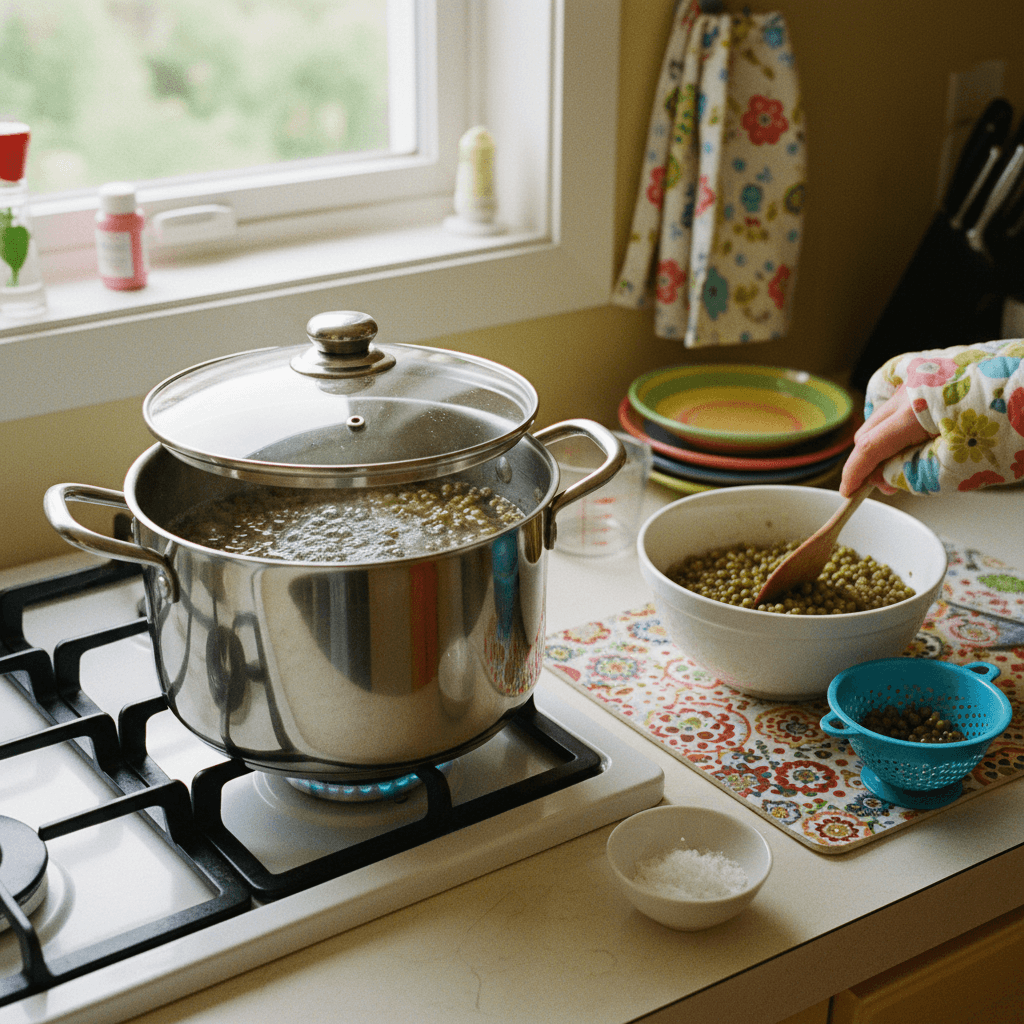
- 2
Peel and grate 1 green papaya. Lightly salt the grated green papaya and let it sit for 20 minutes to draw out excess moisture. Squeeze out as much liquid as possible from the papaya. Place the squeezed papaya into a separate bowl. Combine the prepped papaya with the cooked mung beans. Season the mixture with 1 teaspoon garlic powder, 1 teaspoon black pepper, and salt to taste. Give it a good mix. Set the filling aside.
⏱️ 25 min
- 3
If using longganisa, place 4-6 longganisa (casings removed) into a cold pan. Add some water to the pan. Cook the longganisa over low heat until the water evaporates and the longganisa caramelizes. Break the cooked longganisa into small crumbles. Let it cool before assembling.
⏱️ 15 min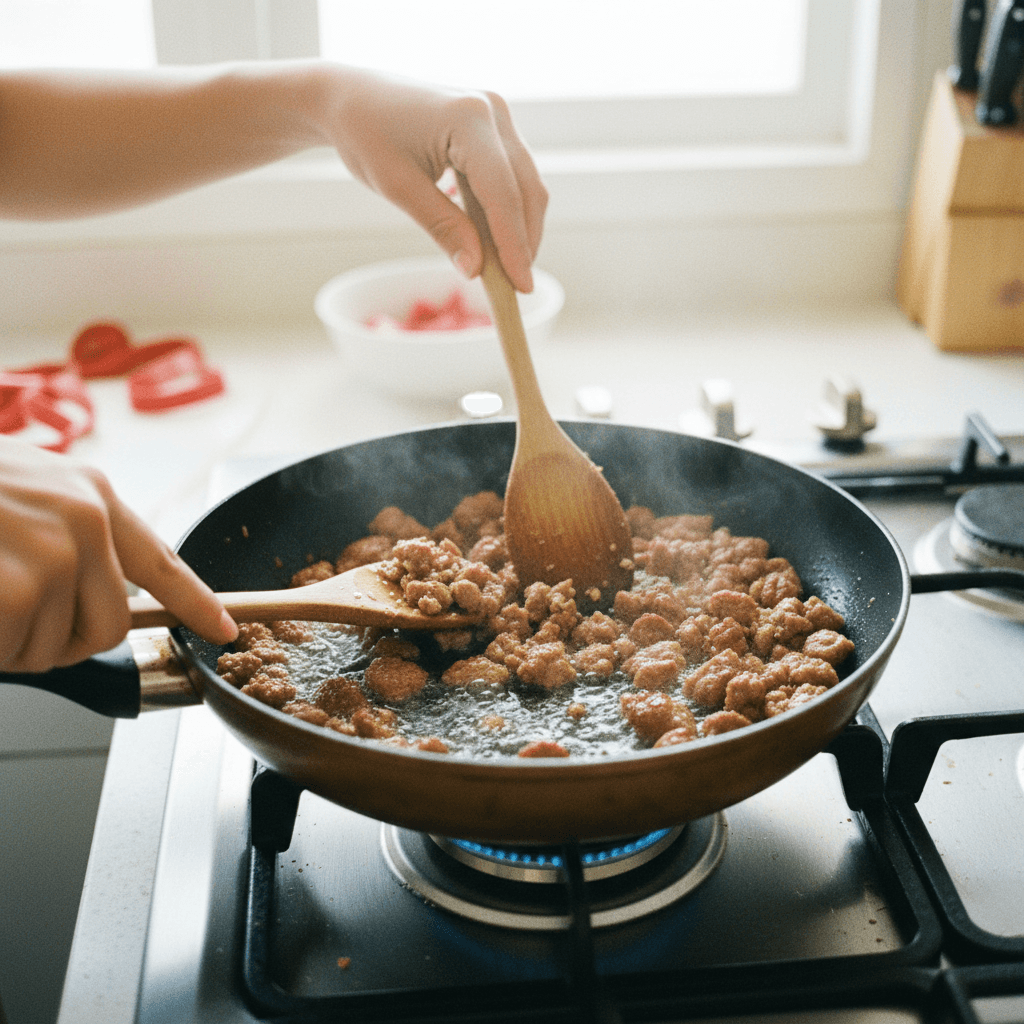
- 4
Bring 2 1/4 cups of water to a rolling boil. It's crucial for the water to be boiling to cook the rice flour and activate its starches, making the dough sticky; cold water would just dissolve the flour. Add 1 tablespoon annatto powder to the boiling water, which gives the dough its beautiful orange color. Pour this boiling annatto water over 2 cups of rice flour in a bowl and mix until combined. Add 1 tablespoon neutral oil and knead the dough while it is still warm until it becomes smooth and pliable. Cover the dough and let it rest for at least 30 minutes. (A tip from the chef: resting the dough overnight in the fridge works great for better texture and makes it easier to form and roll).
⏱️ 35 min
- 5
Divide the dough into portions. On a silicone mat (silpat), roll each portion thin, to about 1/8 inch thickness. Add the filling to one side of the rolled dough – first the papaya mixture, then the longganisa. Make a small well in the center of the filling. Carefully crack a raw egg into a separate bowl, trying to remove some loose whites, then place the raw egg yolk and remaining white into the well in the filling. Fold the dough over the filling, trying your best not to overfill. Press out any excess air and seal the edges tightly. Traditionally, this is sealed using a plate to cut and press the edges.
⏱️ 20 min
- 6
Heat oil to 350°F. Carefully place the shaped empanada into the hot oil. Fry for about 3 minutes per side or until crisp and golden orange. Baste the top of the empanada with hot oil before flipping for even cooking and to prevent the top from cracking.
⏱️ 10 min•🌡️ 350
- 7
Remove the fried empanada from the oil and place it on a wire rack to cool down for a few minutes before cutting. Best served with spiced vinegar.
⏱️ 5 min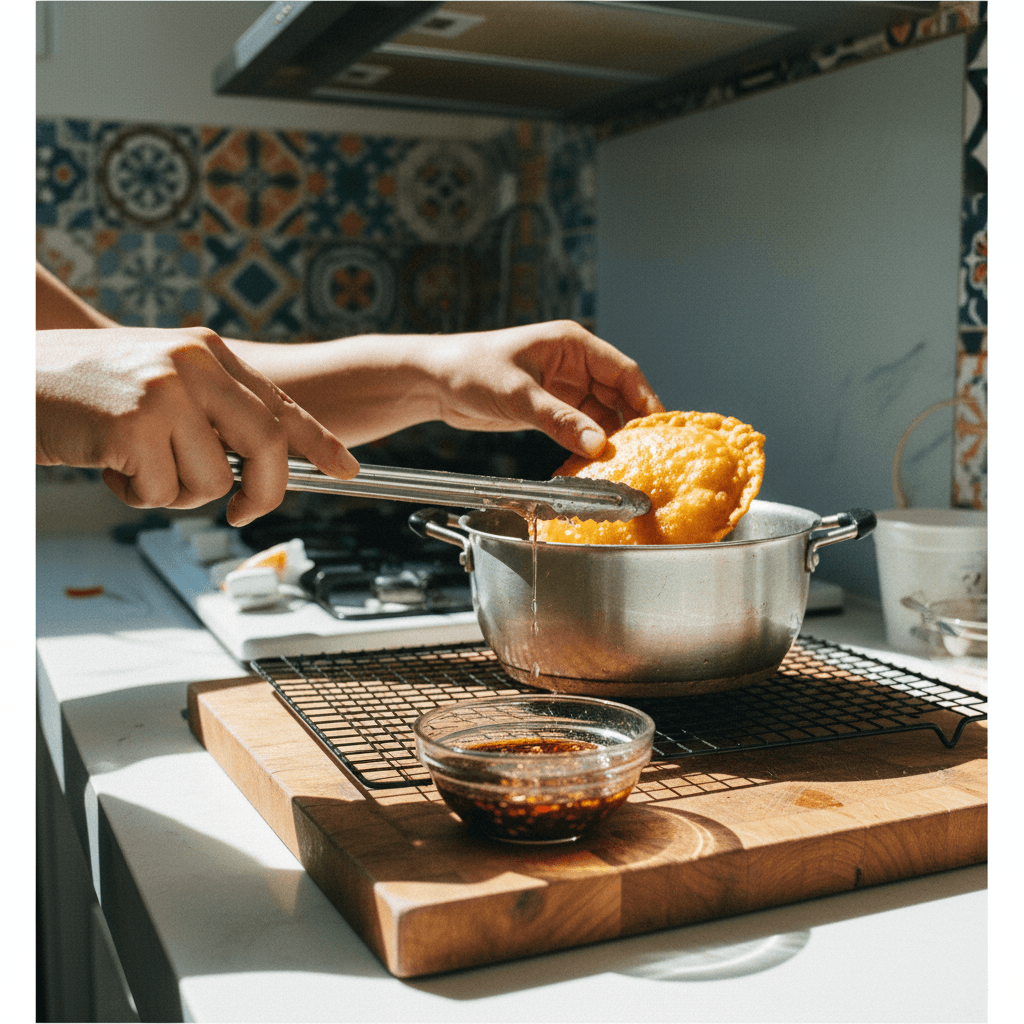
Kitchen Tools
Ilocos Empanada
For the Filling
- 1 cup mung beans
- 1 green papaya, peeled and grated
- 4 longganisa, casings removed (optional but traditional)
- 4 eggs, 1 per empanada
- 1 teaspoon garlic powder
- 1 teaspoon black pepper
- as needed salt, to taste
For the Dough
- 2 cups rice flour
- 2 1/4 cups water, boiling
- 1 tablespoon annatto powder
- 1 tablespoon neutral oil
For Frying
- as needed neutral oil, for deep frying
For Serving
- as needed spiced vinegar
Instructions
- 1
Simmer 1 cup of mung beans in salted water until they are tender but not mushy. Drain the cooked mung beans and let them cool.
⏱️ 20 min - 2
Peel and grate 1 green papaya. Lightly salt the grated green papaya and let it sit for 20 minutes to draw out excess moisture. Squeeze out as much liquid as possible from the papaya. Place the squeezed papaya into a separate bowl. Combine the prepped papaya with the cooked mung beans. Season the mixture with 1 teaspoon garlic powder, 1 teaspoon black pepper, and salt to taste. Give it a good mix. Set the filling aside.
⏱️ 25 min - 3
If using longganisa, place 4-6 longganisa (casings removed) into a cold pan. Add some water to the pan. Cook the longganisa over low heat until the water evaporates and the longganisa caramelizes. Break the cooked longganisa into small crumbles. Let it cool before assembling.
⏱️ 15 min - 4
Bring 2 1/4 cups of water to a rolling boil. It's crucial for the water to be boiling to cook the rice flour and activate its starches, making the dough sticky; cold water would just dissolve the flour. Add 1 tablespoon annatto powder to the boiling water, which gives the dough its beautiful orange color. Pour this boiling annatto water over 2 cups of rice flour in a bowl and mix until combined. Add 1 tablespoon neutral oil and knead the dough while it is still warm until it becomes smooth and pliable. Cover the dough and let it rest for at least 30 minutes. (A tip from the chef: resting the dough overnight in the fridge works great for better texture and makes it easier to form and roll).
⏱️ 35 min - 5
Divide the dough into portions. On a silicone mat (silpat), roll each portion thin, to about 1/8 inch thickness. Add the filling to one side of the rolled dough – first the papaya mixture, then the longganisa. Make a small well in the center of the filling. Carefully crack a raw egg into a separate bowl, trying to remove some loose whites, then place the raw egg yolk and remaining white into the well in the filling. Fold the dough over the filling, trying your best not to overfill. Press out any excess air and seal the edges tightly. Traditionally, this is sealed using a plate to cut and press the edges.
⏱️ 20 min - 6
Heat oil to 350°F. Carefully place the shaped empanada into the hot oil. Fry for about 3 minutes per side or until crisp and golden orange. Baste the top of the empanada with hot oil before flipping for even cooking and to prevent the top from cracking.
⏱️ 10 min•🌡️ 350 - 7
Remove the fried empanada from the oil and place it on a wire rack to cool down for a few minutes before cutting. Best served with spiced vinegar.
⏱️ 5 min