Easiest Artisan Bread
Easiest Artisan Bread
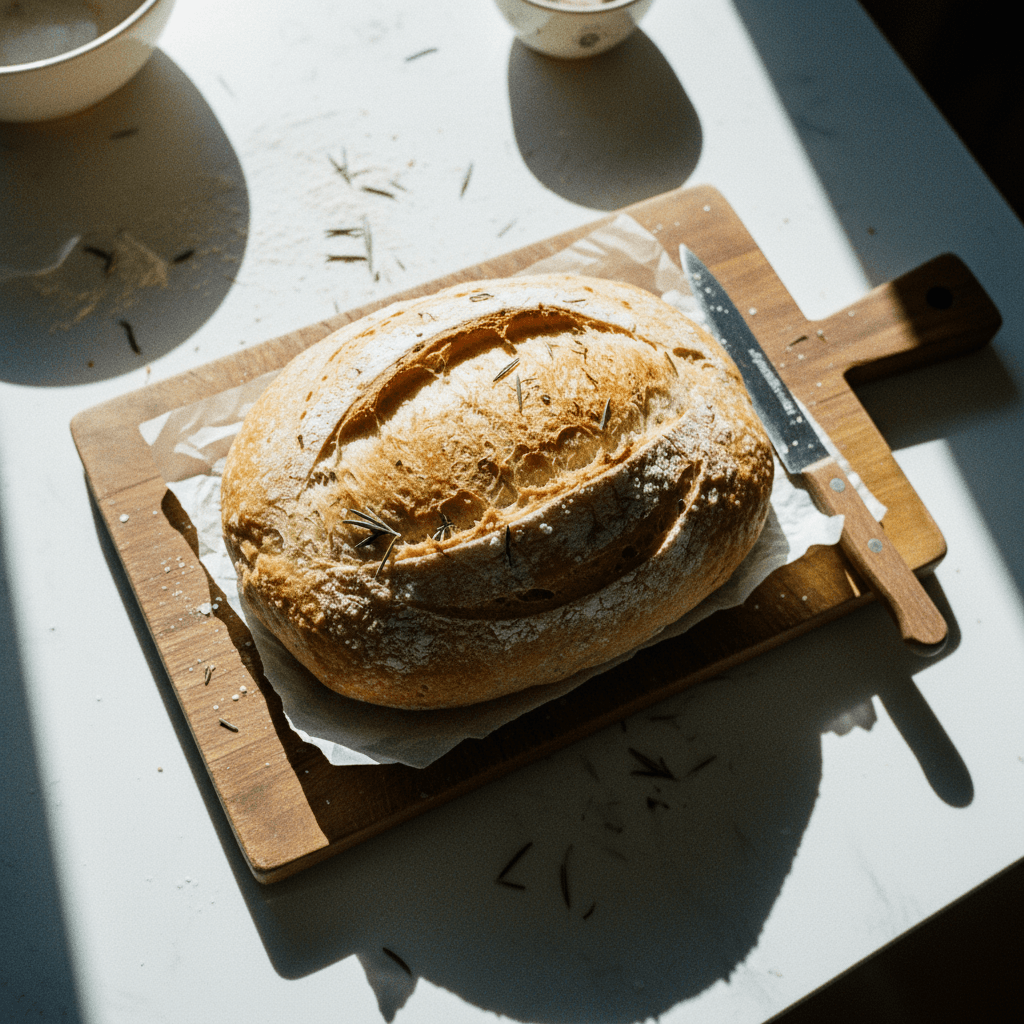
Ingredients
- 3 cups all-purpose flour
- 1 teaspoon active dry yeast
- 1 teaspoon salt
- 1 1/2 cups warm water
Instructions
- 1
In a large mixing bowl, combine the all-purpose flour, active dry yeast, and salt. Whisk them together thoroughly to ensure even distribution.
⏱️ 2 min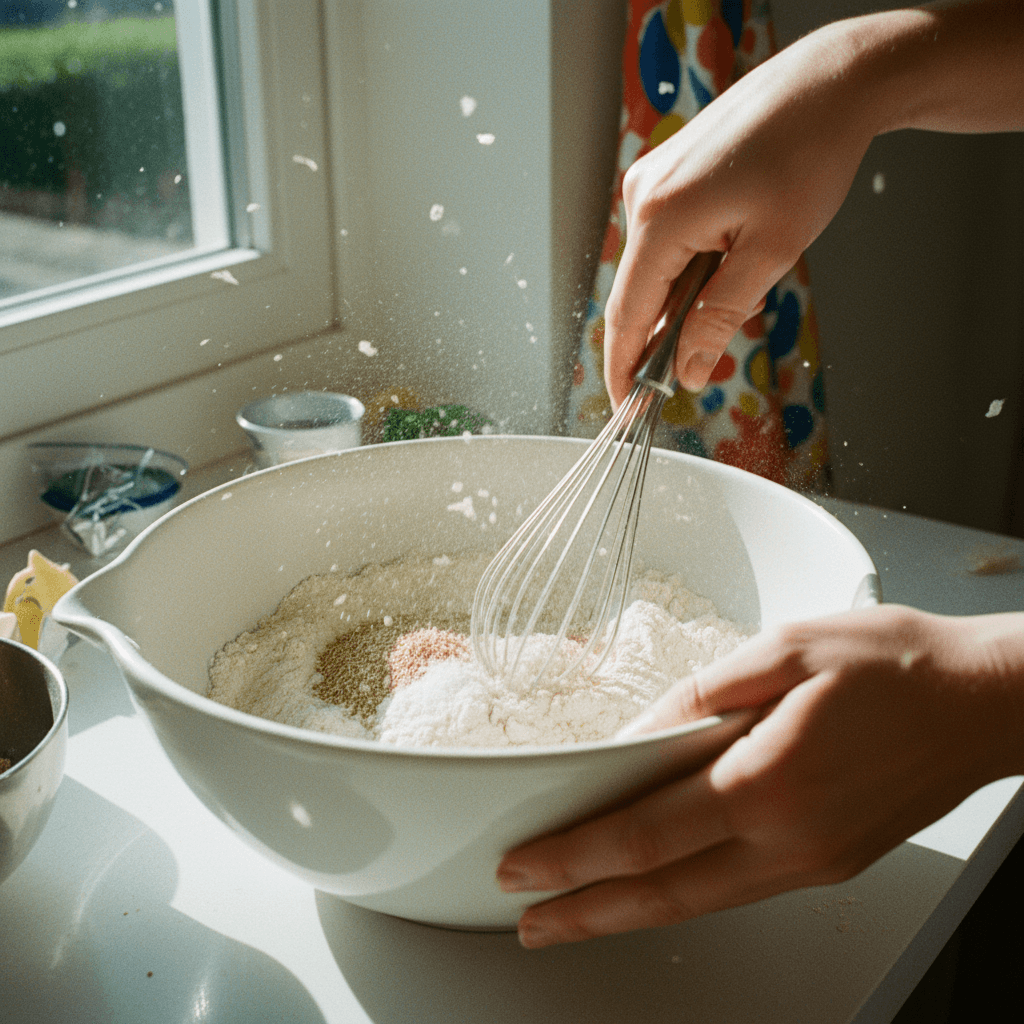
- 2
Pour the warm water into the bowl with the dry ingredients.
⏱️ 1 min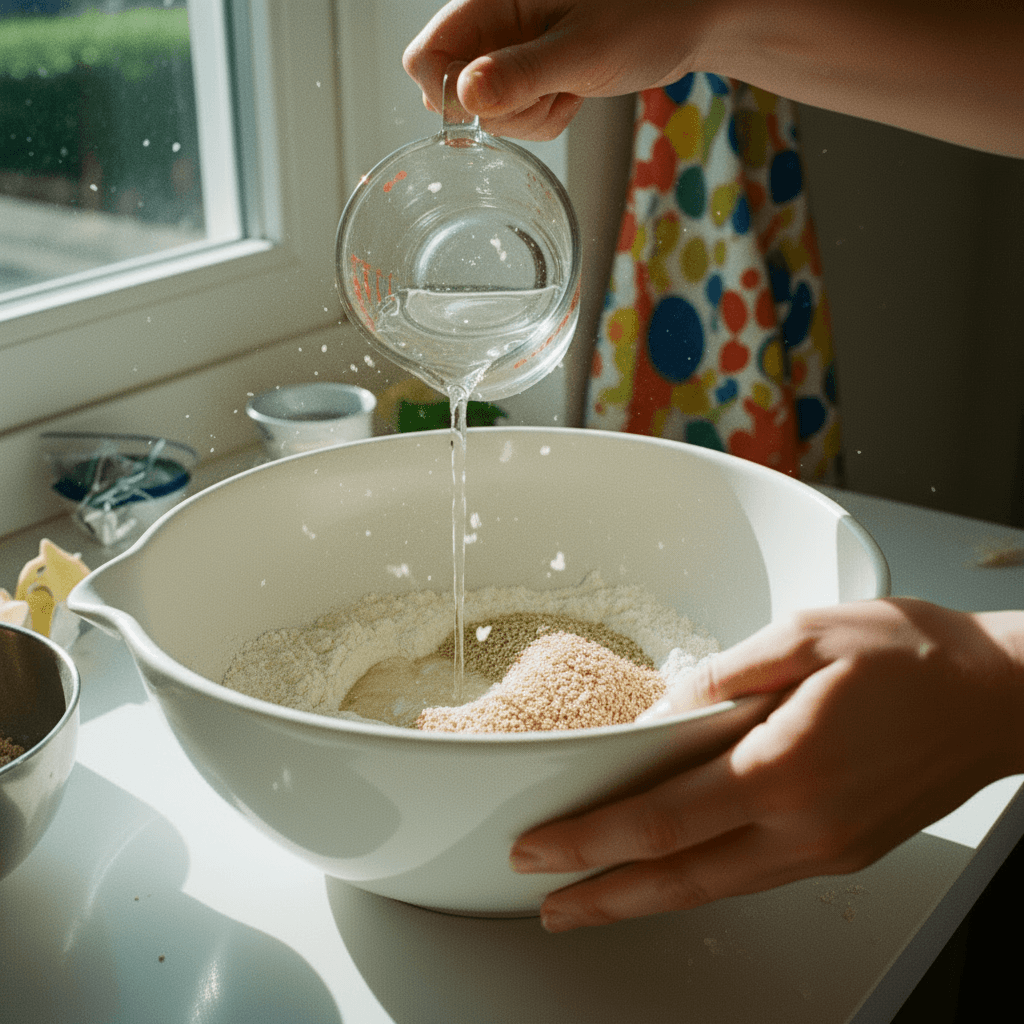
- 3
Using a sturdy spoon or a Danish dough whisk, mix the ingredients until they are just combined and a shaggy, wet dough forms. There is no need for extensive kneading at this stage.
⏱️ 2 min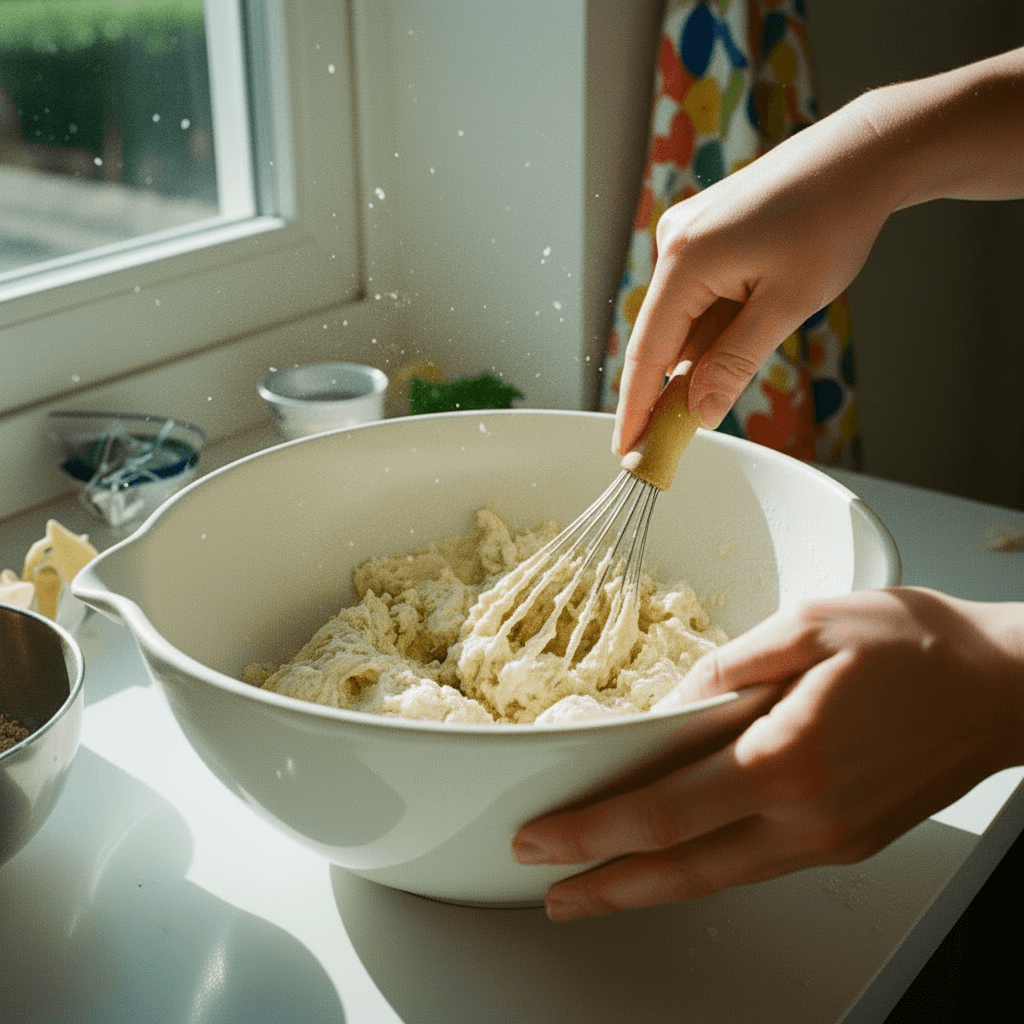
- 4
Cover the bowl with a clean kitchen towel or plastic wrap and let the dough sit at room temperature for 6 hours. During this time, the dough will ferment and develop air bubbles, significantly increasing in volume and developing its characteristic flavor.
⏱️ 360 min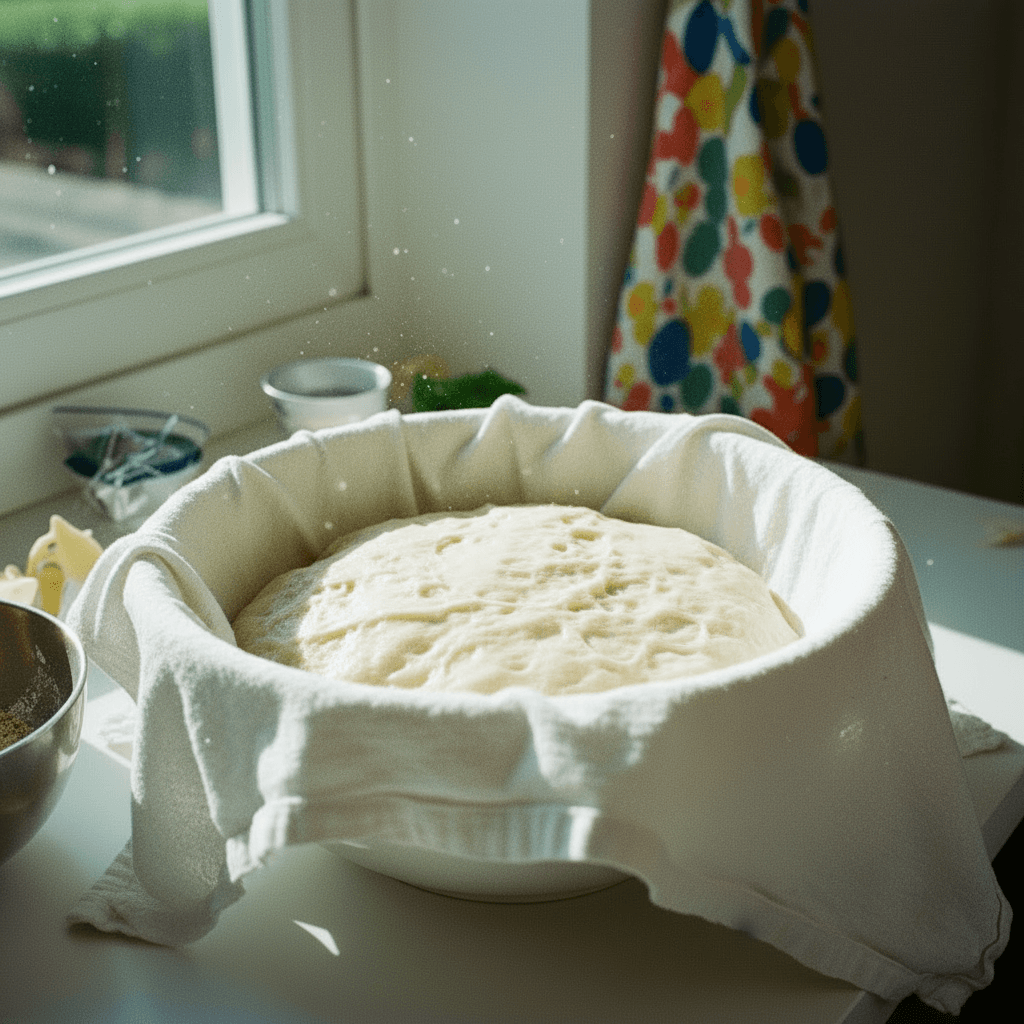
- 5
Lightly flour a clean work surface.
⏱️ 1 min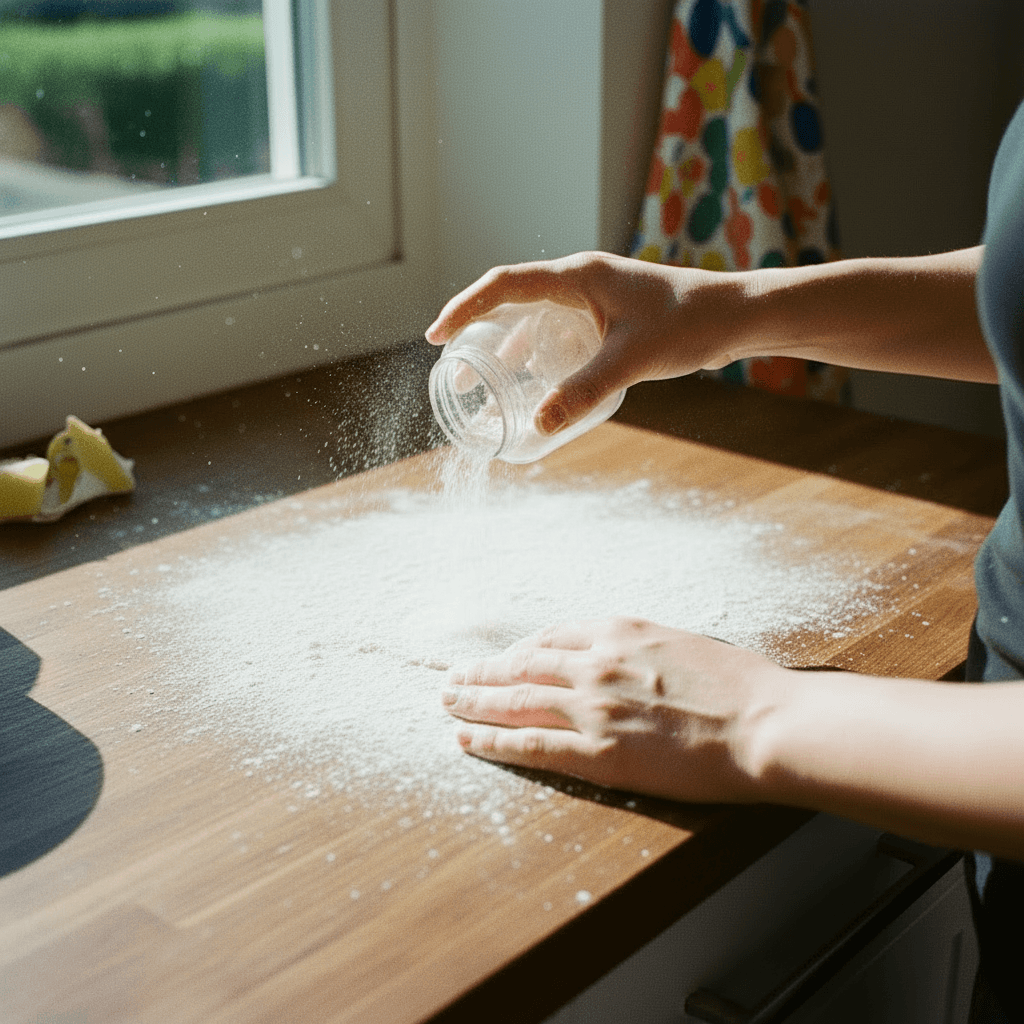
- 6
Gently scrape the risen, sticky dough out of the bowl onto the floured surface.
⏱️ 1 min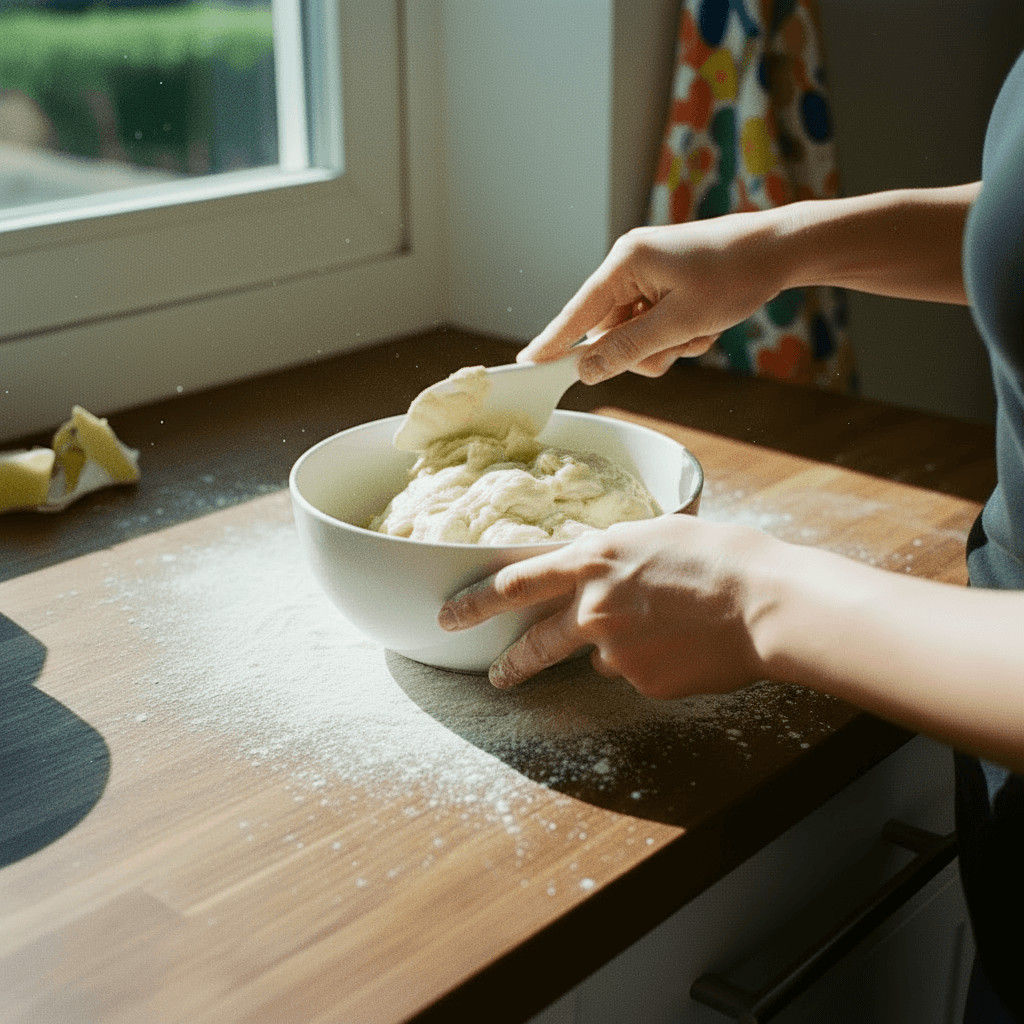
- 7
Dust the top of the dough with a little more flour. Gently fold the edges of the dough towards the center, forming a round shape. Avoid overworking the dough.
⏱️ 2 min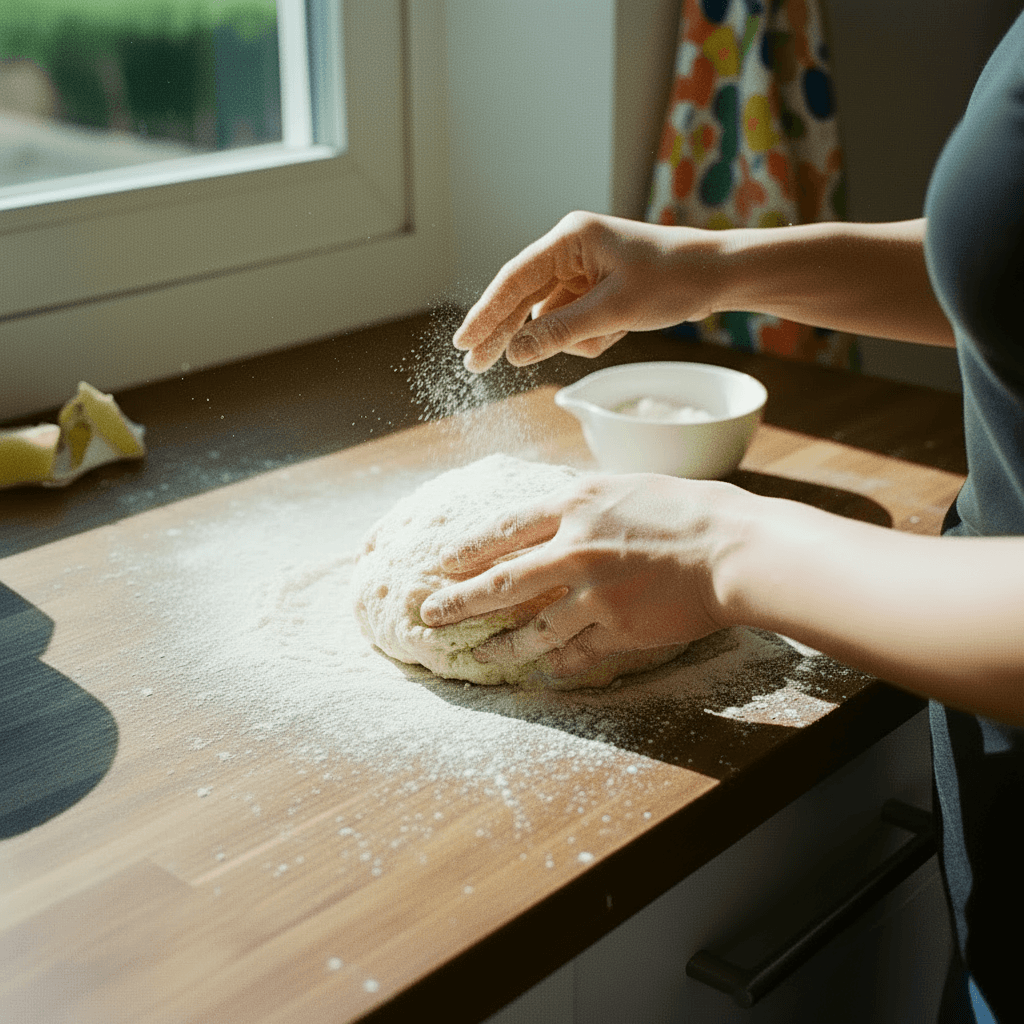
- 8
Place the shaped dough onto a piece of parchment paper.
⏱️ 1 min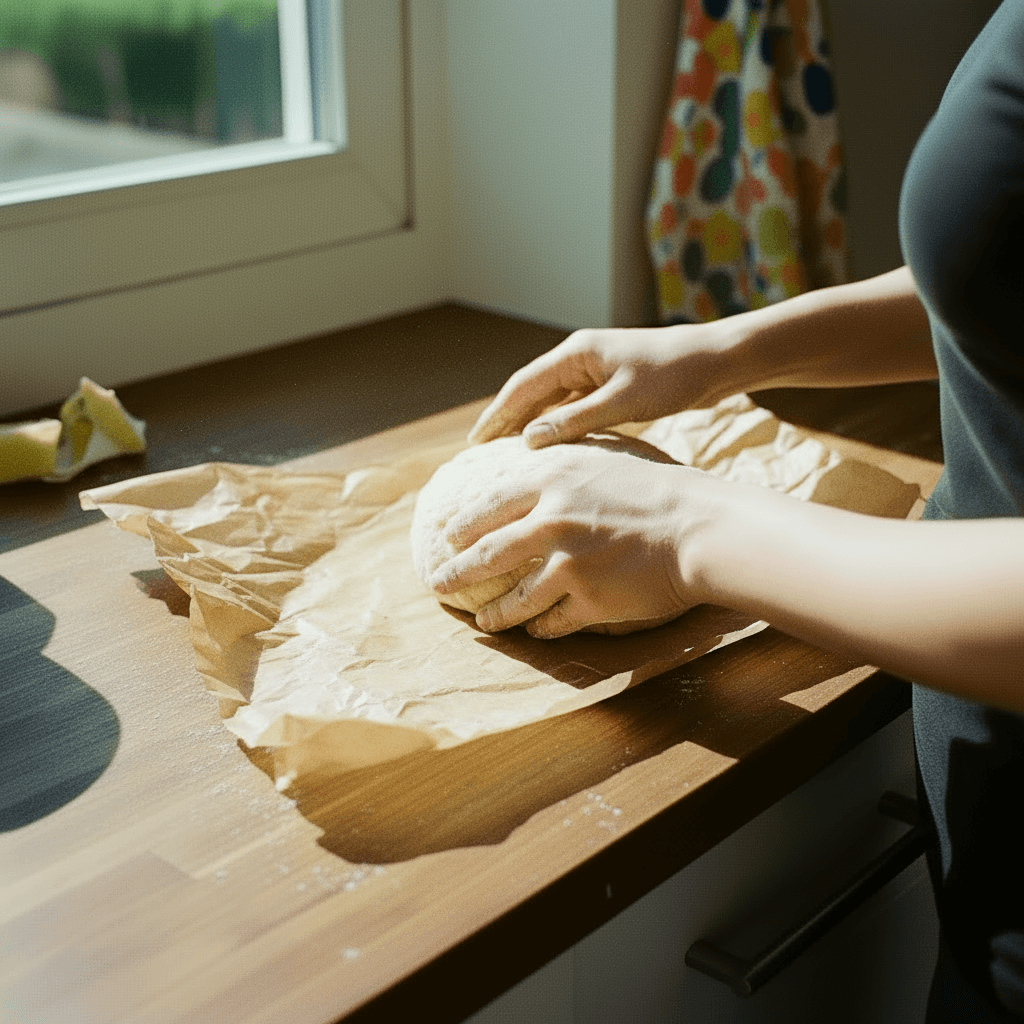
- 9
Using a bread lame or a very sharp knife, make slashes (scores) on the top of the dough. This helps control where the bread expands during baking and creates a beautiful crust. Consider one long central slash and a few smaller diagonal slashes.
⏱️ 1 min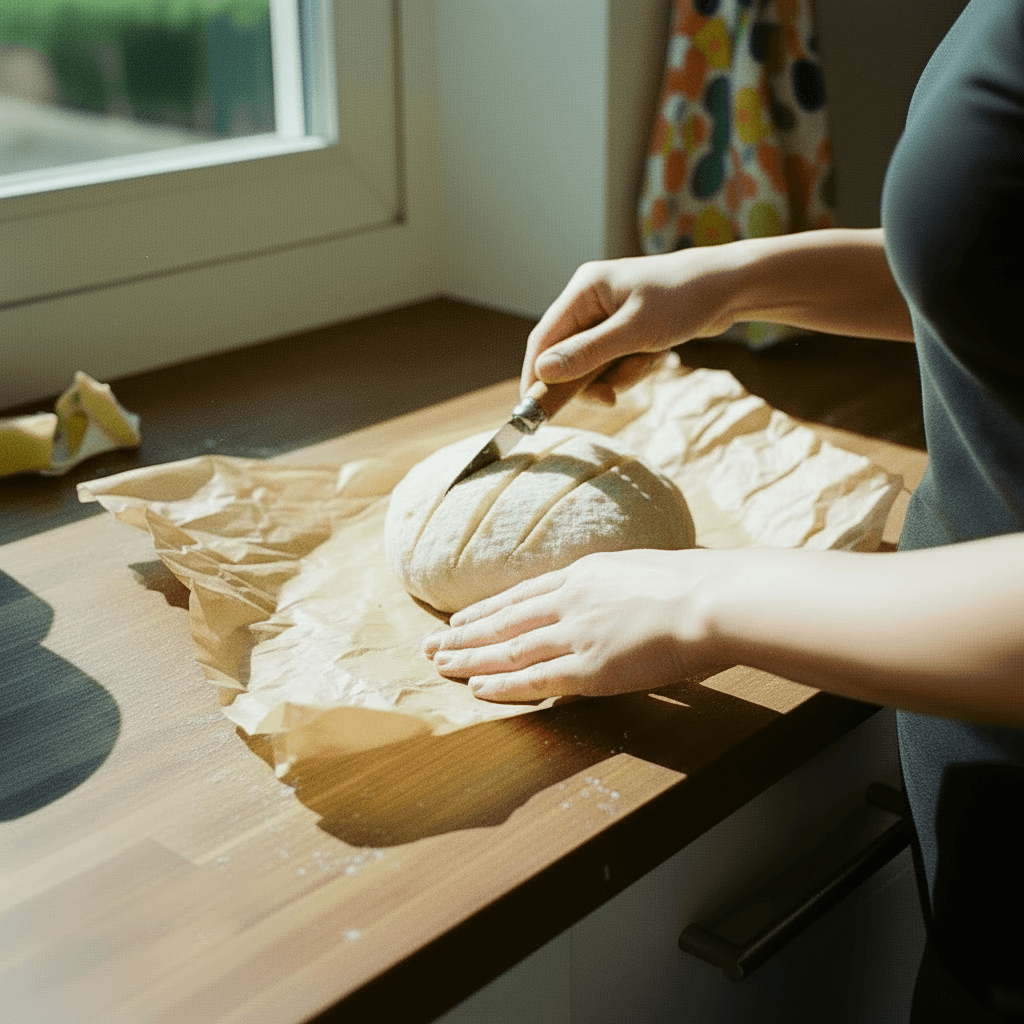
- 10
Place a Dutch oven (with its lid) into the oven and preheat the oven.
⏱️ 20 min•🌡️ 450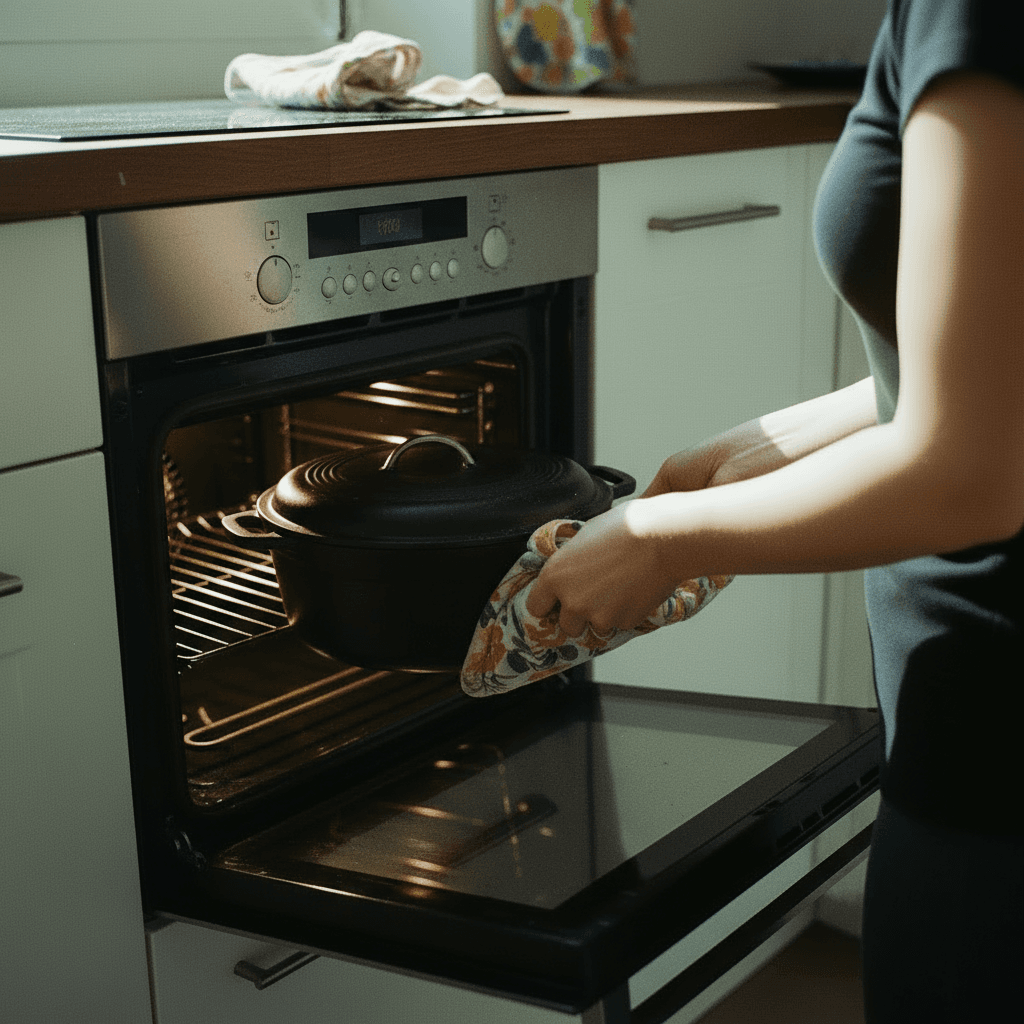
- 11
Carefully transfer the dough on the parchment paper into the preheated Dutch oven. Cover with the lid and bake.
⏱️ 30 min•🌡️ 450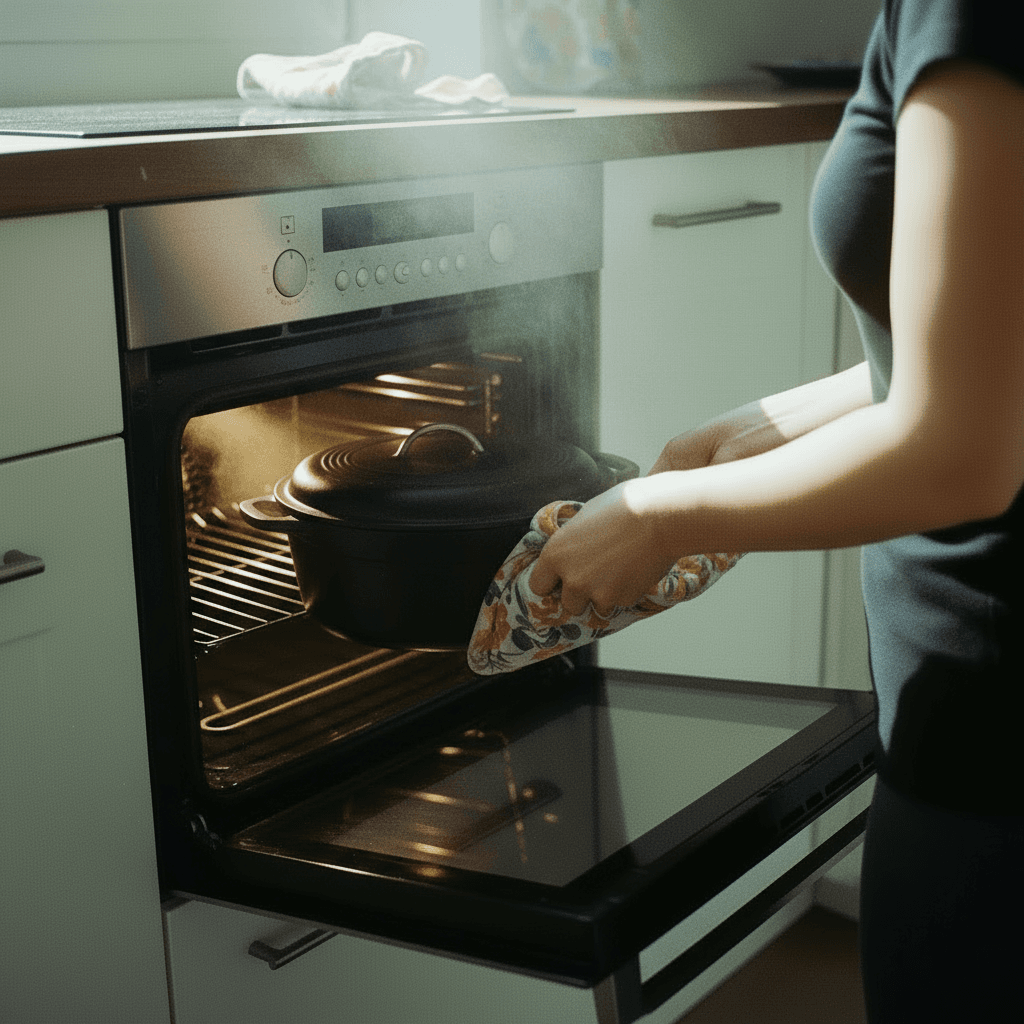
- 12
After 30 minutes, remove the lid from the Dutch oven and continue baking. This final step allows the crust to brown and crisp up.
⏱️ 15 min•🌡️ 450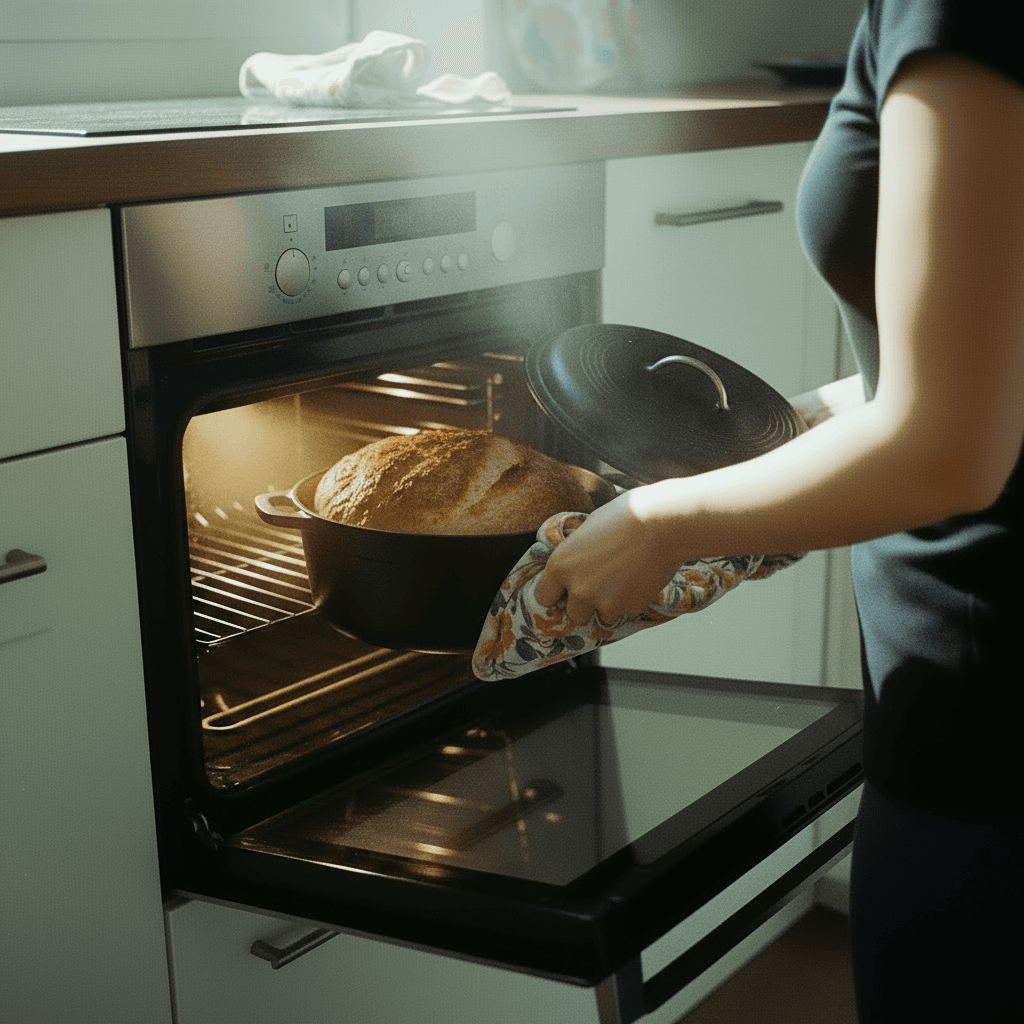
- 13
Once baked, carefully remove the bread from the Dutch oven and let it cool on a wire rack before slicing and serving.
⏱️ 60 min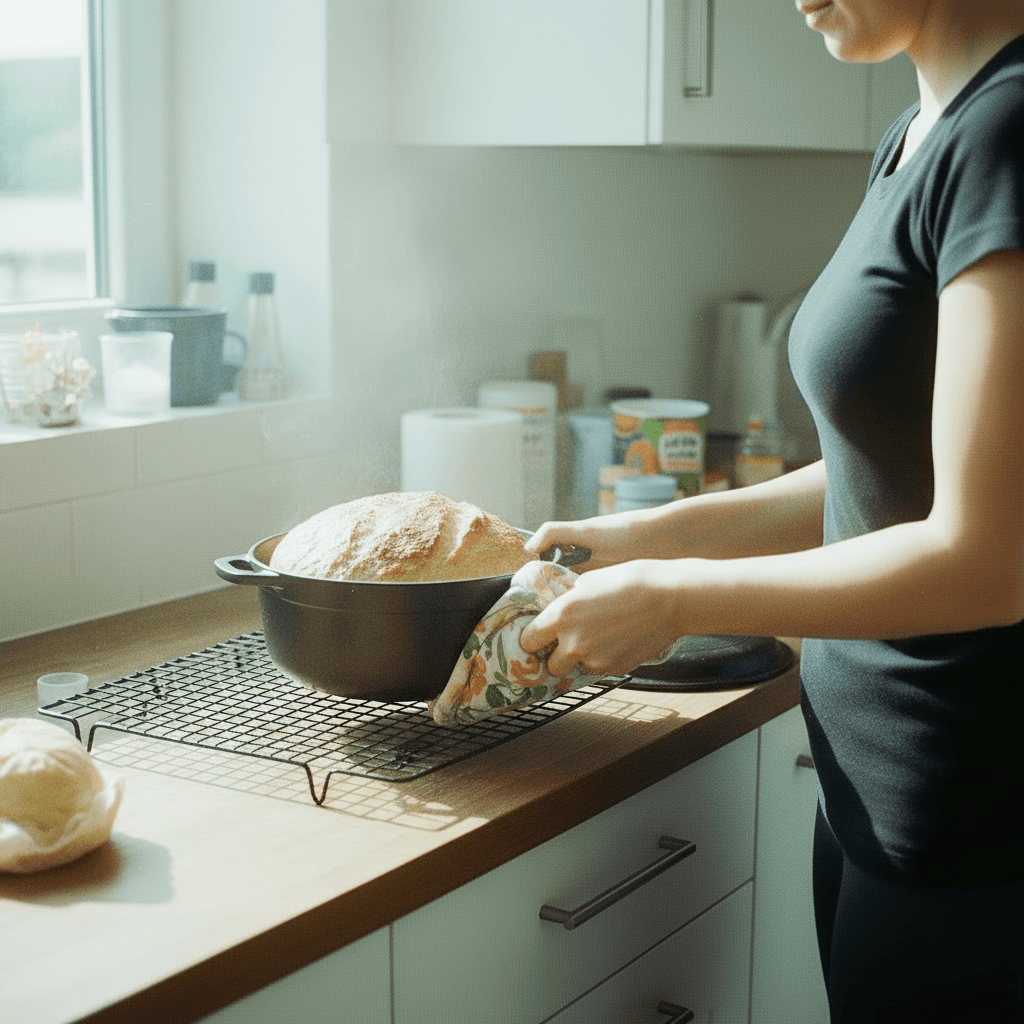
Kitchen Tools
Nutrition Facts (per serving)
Easiest Artisan Bread
Ingredients
- 3 cups all-purpose flour
- 1 teaspoon active dry yeast
- 1 teaspoon salt
- 1 1/2 cups warm water
Instructions
- 1
In a large mixing bowl, combine the all-purpose flour, active dry yeast, and salt. Whisk them together thoroughly to ensure even distribution.
⏱️ 2 min - 2
Pour the warm water into the bowl with the dry ingredients.
⏱️ 1 min - 3
Using a sturdy spoon or a Danish dough whisk, mix the ingredients until they are just combined and a shaggy, wet dough forms. There is no need for extensive kneading at this stage.
⏱️ 2 min - 4
Cover the bowl with a clean kitchen towel or plastic wrap and let the dough sit at room temperature for 6 hours. During this time, the dough will ferment and develop air bubbles, significantly increasing in volume and developing its characteristic flavor.
⏱️ 360 min - 5
Lightly flour a clean work surface.
⏱️ 1 min - 6
Gently scrape the risen, sticky dough out of the bowl onto the floured surface.
⏱️ 1 min - 7
Dust the top of the dough with a little more flour. Gently fold the edges of the dough towards the center, forming a round shape. Avoid overworking the dough.
⏱️ 2 min - 8
Place the shaped dough onto a piece of parchment paper.
⏱️ 1 min - 9
Using a bread lame or a very sharp knife, make slashes (scores) on the top of the dough. This helps control where the bread expands during baking and creates a beautiful crust. Consider one long central slash and a few smaller diagonal slashes.
⏱️ 1 min - 10
Place a Dutch oven (with its lid) into the oven and preheat the oven.
⏱️ 20 min•🌡️ 450 - 11
Carefully transfer the dough on the parchment paper into the preheated Dutch oven. Cover with the lid and bake.
⏱️ 30 min•🌡️ 450 - 12
After 30 minutes, remove the lid from the Dutch oven and continue baking. This final step allows the crust to brown and crisp up.
⏱️ 15 min•🌡️ 450 - 13
Once baked, carefully remove the bread from the Dutch oven and let it cool on a wire rack before slicing and serving.
⏱️ 60 min