Egg Katsu
Egg Katsu

Ingredients
- 6 eggs, for boiling
- 1 egg, for egg wash
- 1/2 cup all-purpose flour, as needed
- 1 1/2 cups panko breadcrumbs, as needed
- 4 cups vegetable oil, for deep frying, or as needed
- 4 cups ice water, for ice bath, or as needed
Instructions
- 1
Bring a pot of water to a rolling boil. Carefully place 6 eggs into the boiling water. Boil for exactly 6 minutes to achieve a runny yolk.
⏱️ 8 min
- 2
While the eggs are boiling, prepare an ice bath by filling a medium-sized bowl with ice and water.
⏱️ 2 min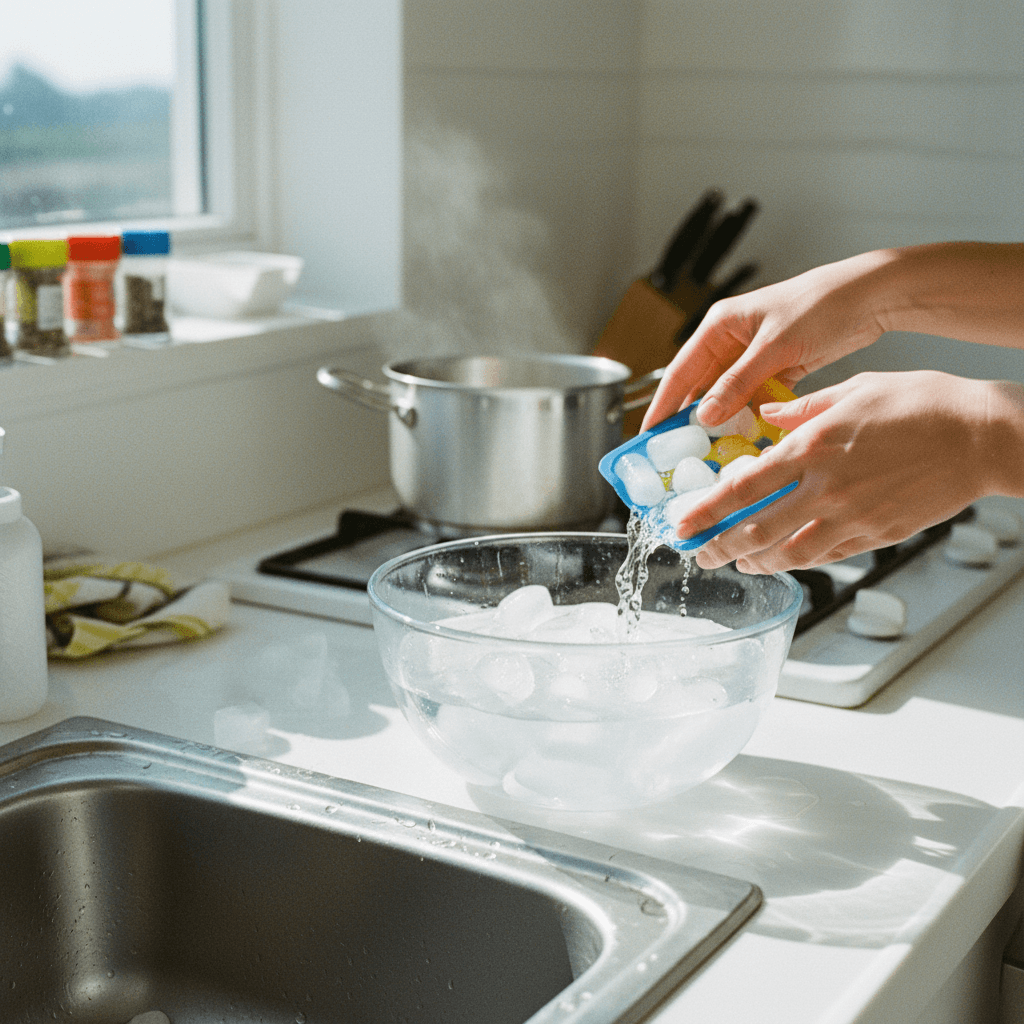
- 3
Immediately after 6 minutes, use a slotted spoon or spider strainer to transfer the boiled eggs from the hot water into the ice bath. Let them cool completely for about 10 minutes.
⏱️ 10 min
- 4
Once cooled, carefully peel the eggs. The ice bath helps to make peeling easier.
⏱️ 5 min
- 5
Set up a breading station. Prepare three separate shallow bowls: in the first, add about 1/2 cup of all-purpose flour; in the second, crack and lightly beat 1 egg to create an egg wash; in the third, add about 1 1/2 cups of panko breadcrumbs.
⏱️ 3 min
- 6
Take one peeled egg and coat it thoroughly in the flour, ensuring it's fully covered, then gently tap off any excess. Next, dip the floured egg into the beaten egg wash, allowing any excess to drip off. Finally, transfer the egg to the panko breadcrumbs, coating it completely and pressing gently to ensure the panko adheres well. Repeat this breading process for all the peeled eggs.
⏱️ 7 min
- 7
Heat about 4 cups of vegetable oil in a deep frying pan or pot over medium-high heat until it reaches approximately 350°F (175°C). If you don't have a thermometer, you can test the oil by dropping a small pinch of panko; it should sizzle immediately and turn golden brown within 30 seconds.
⏱️ 5 min•🌡️ 350
- 8
Carefully place the breaded eggs into the hot oil, frying 2-3 at a time to avoid overcrowding the pan. Fry for approximately 2 minutes, or until the panko coating is golden brown and crispy, turning occasionally for even browning.
⏱️ 4 min•🌡️ 350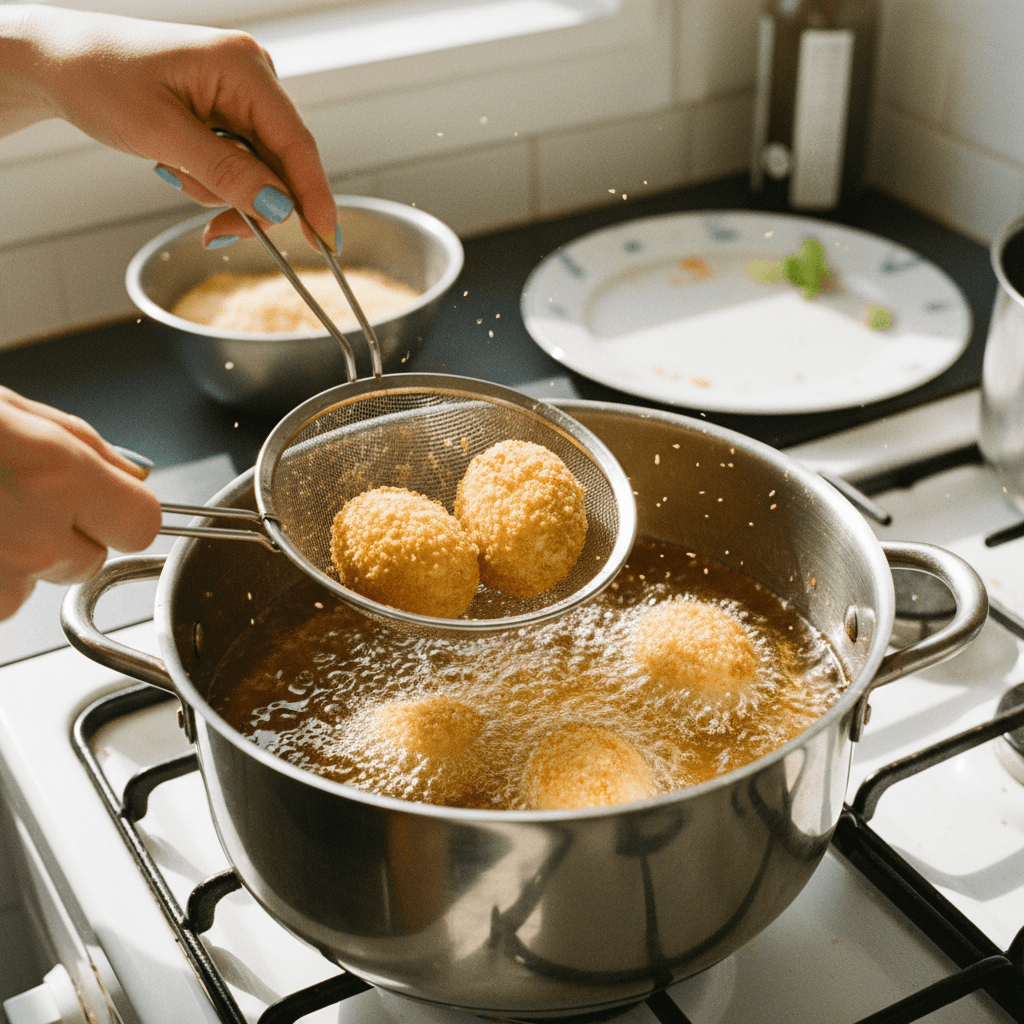
- 9
Remove the fried eggs from the oil using a slotted spoon or spider strainer and place them on a wire rack set over a baking sheet to drain any excess oil.
⏱️ 1 min
- 10
Serve the egg katsu immediately. For best presentation, carefully cut each egg katsu in half to reveal the crispy exterior and runny yolk. They are delicious on their own, or served in sandwiches and burgers.
⏱️ 2 min
Kitchen Tools
Nutrition Facts (per serving)
Egg Katsu
- 6 eggs, for boiling
- 1 egg, for egg wash
- 1/2 cup all-purpose flour, as needed
- 1 1/2 cups panko breadcrumbs, as needed
- 4 cups vegetable oil, for deep frying, or as needed
- 4 cups ice water, for ice bath, or as needed
Instructions
- 1
Bring a pot of water to a rolling boil. Carefully place 6 eggs into the boiling water. Boil for exactly 6 minutes to achieve a runny yolk.
⏱️ 8 min - 2
While the eggs are boiling, prepare an ice bath by filling a medium-sized bowl with ice and water.
⏱️ 2 min - 3
Immediately after 6 minutes, use a slotted spoon or spider strainer to transfer the boiled eggs from the hot water into the ice bath. Let them cool completely for about 10 minutes.
⏱️ 10 min - 4
Once cooled, carefully peel the eggs. The ice bath helps to make peeling easier.
⏱️ 5 min - 5
Set up a breading station. Prepare three separate shallow bowls: in the first, add about 1/2 cup of all-purpose flour; in the second, crack and lightly beat 1 egg to create an egg wash; in the third, add about 1 1/2 cups of panko breadcrumbs.
⏱️ 3 min - 6
Take one peeled egg and coat it thoroughly in the flour, ensuring it's fully covered, then gently tap off any excess. Next, dip the floured egg into the beaten egg wash, allowing any excess to drip off. Finally, transfer the egg to the panko breadcrumbs, coating it completely and pressing gently to ensure the panko adheres well. Repeat this breading process for all the peeled eggs.
⏱️ 7 min - 7
Heat about 4 cups of vegetable oil in a deep frying pan or pot over medium-high heat until it reaches approximately 350°F (175°C). If you don't have a thermometer, you can test the oil by dropping a small pinch of panko; it should sizzle immediately and turn golden brown within 30 seconds.
⏱️ 5 min•🌡️ 350 - 8
Carefully place the breaded eggs into the hot oil, frying 2-3 at a time to avoid overcrowding the pan. Fry for approximately 2 minutes, or until the panko coating is golden brown and crispy, turning occasionally for even browning.
⏱️ 4 min•🌡️ 350 - 9
Remove the fried eggs from the oil using a slotted spoon or spider strainer and place them on a wire rack set over a baking sheet to drain any excess oil.
⏱️ 1 min - 10
Serve the egg katsu immediately. For best presentation, carefully cut each egg katsu in half to reveal the crispy exterior and runny yolk. They are delicious on their own, or served in sandwiches and burgers.
⏱️ 2 min