Sourdough Discard Burger Buns
Sourdough Discard Burger Buns

Ingredients
For the Dough
- 1/2 cup warm milk, about 100-110°F
- 2 tablespoons granulated sugar
- 1 teaspoon active dry yeast
- 1 cup sourdough discard, unfed, 100% hydration
- 1 large egg
- 3 1/2 cups all-purpose flour
- 1 teaspoon salt
- 1/4 cup unsalted butter, melted and cooled
For the Egg Wash and Topping
- 1 large egg
- 1 tablespoon water
- 2 tablespoons sesame seeds
Instructions
- 1
In the bowl of a stand mixer, combine the warm milk, granulated sugar, and active dry yeast. Let sit for 5 minutes until foamy.
⏱️ 5 min
- 2
Add the sourdough discard and the large egg to the mixer bowl. Mix briefly to combine.
⏱️ 2 min
- 3
Add the all-purpose flour and salt to the wet ingredients. Using the dough hook attachment, mix on low speed until a shaggy dough forms, about 2 minutes.
⏱️ 2 min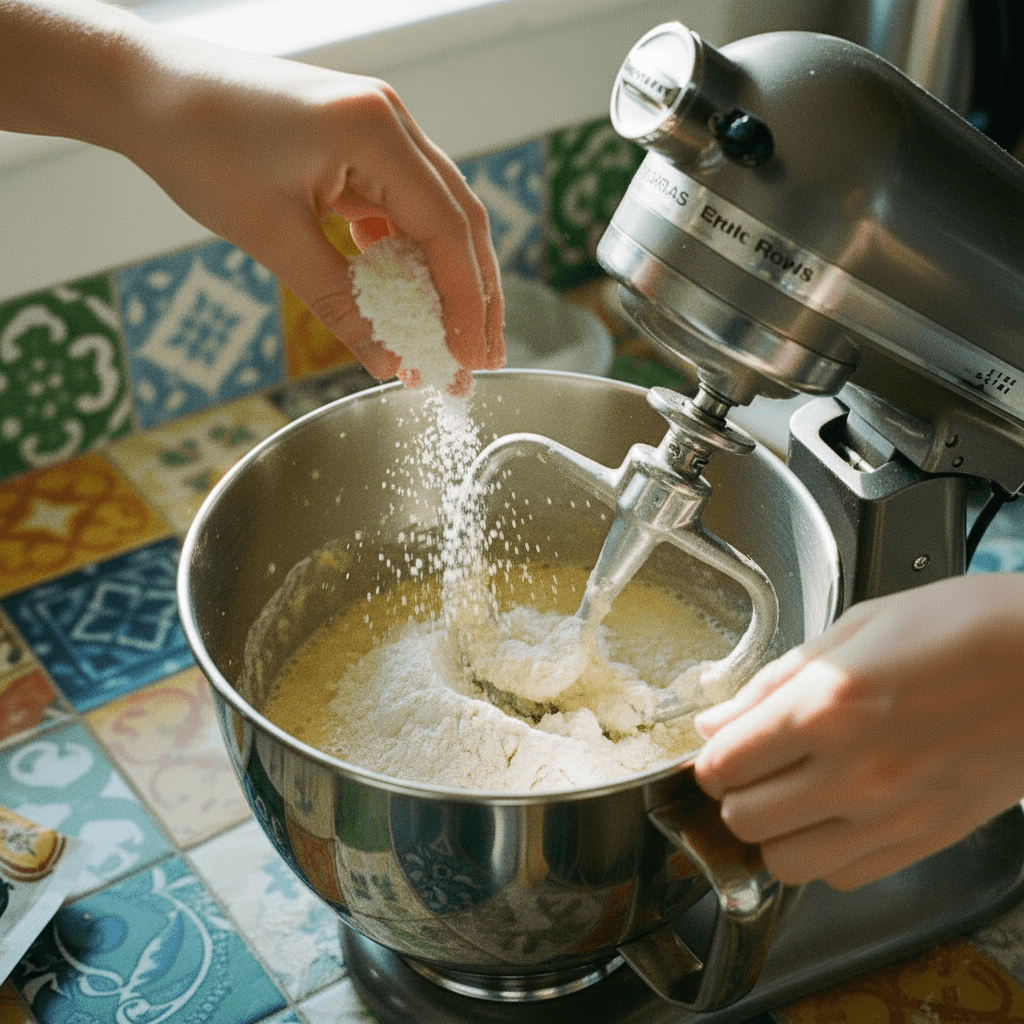
- 4
Gradually add the cooled melted butter, mixing until fully incorporated. Increase speed to medium-low and knead for 8-10 minutes, or until the dough is smooth, elastic, and pulls away from the sides of the bowl.
⏱️ 10 min
- 5
Lightly grease a large bowl. Transfer the dough to the bowl, turning once to coat. Cover the bowl with plastic wrap or a clean kitchen towel and let it rise in a warm place until doubled in size, about 1 hour to 1 hour 30 minutes.
⏱️ 60 min
- 6
Gently punch down the risen dough to release the air. Turn the dough out onto a lightly floured surface. Divide the dough into 8 equal portions (each about 3 1/2 to 4 ounces).
⏱️ 5 min
- 7
Shape each portion into a smooth, round bun. To do this, flatten a piece of dough slightly, then pull the edges towards the center and pinch to seal. Flip the dough over and cup it with your hand, rotating it against the counter to create surface tension and a smooth top.
⏱️ 10 min
- 8
Arrange the shaped buns on a baking sheet lined with parchment paper, leaving about 2 inches between them. Cover loosely with plastic wrap or a clean towel and let them proof in a warm place for 30-45 minutes, or until visibly puffy and almost doubled in size.
⏱️ 40 min
- 9
Preheat your oven to 375°F. In a small bowl, whisk together the remaining large egg and water for the egg wash.
⏱️ 5 min•🌡️ 375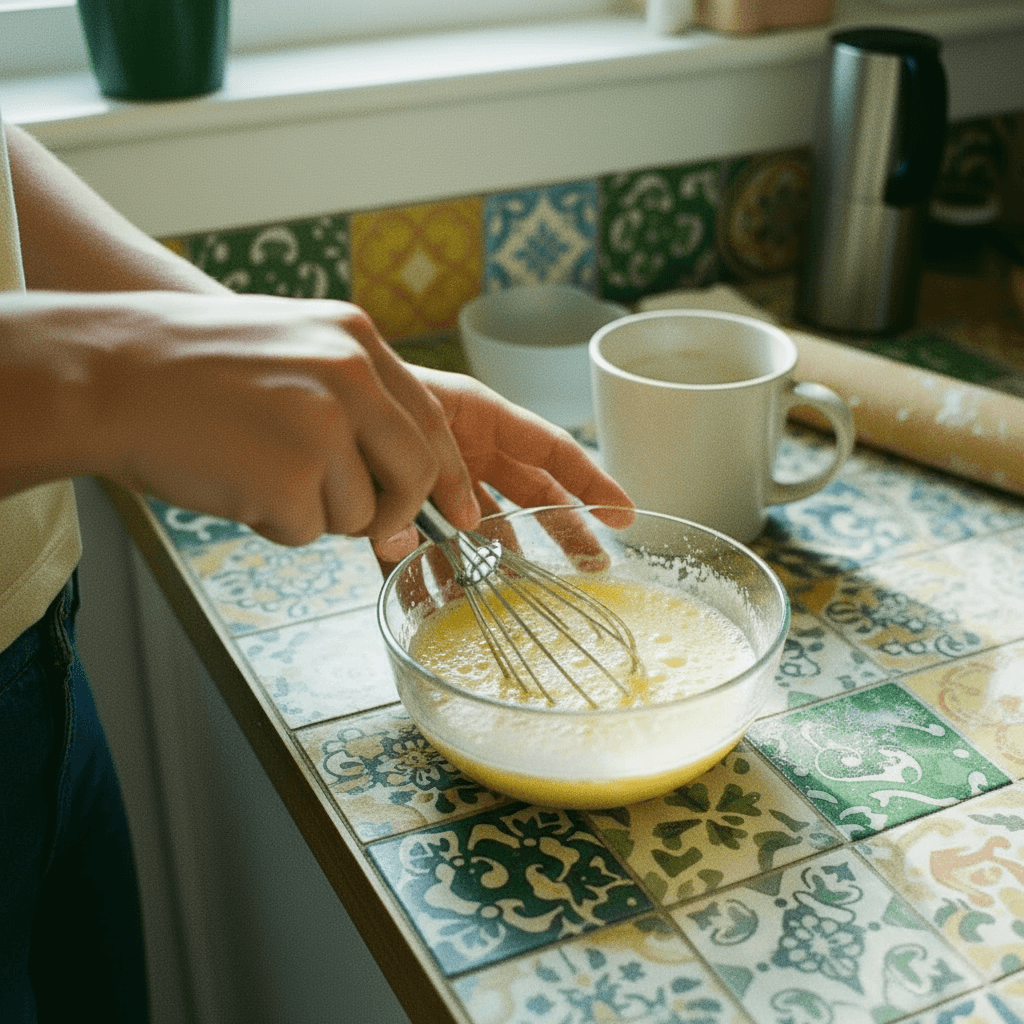
- 10
Once proofed, gently brush the tops of the buns with the egg wash. Sprinkle generously with sesame seeds.
⏱️ 3 min
- 11
Bake for 15-20 minutes, or until the buns are golden brown on top and sound hollow when tapped on the bottom. If they are browning too quickly, you can tent them loosely with foil.
⏱️ 18 min•🌡️ 375
- 12
Transfer the baked buns to a wire rack to cool completely before slicing and serving. This allows the internal structure to set.
⏱️ 15 min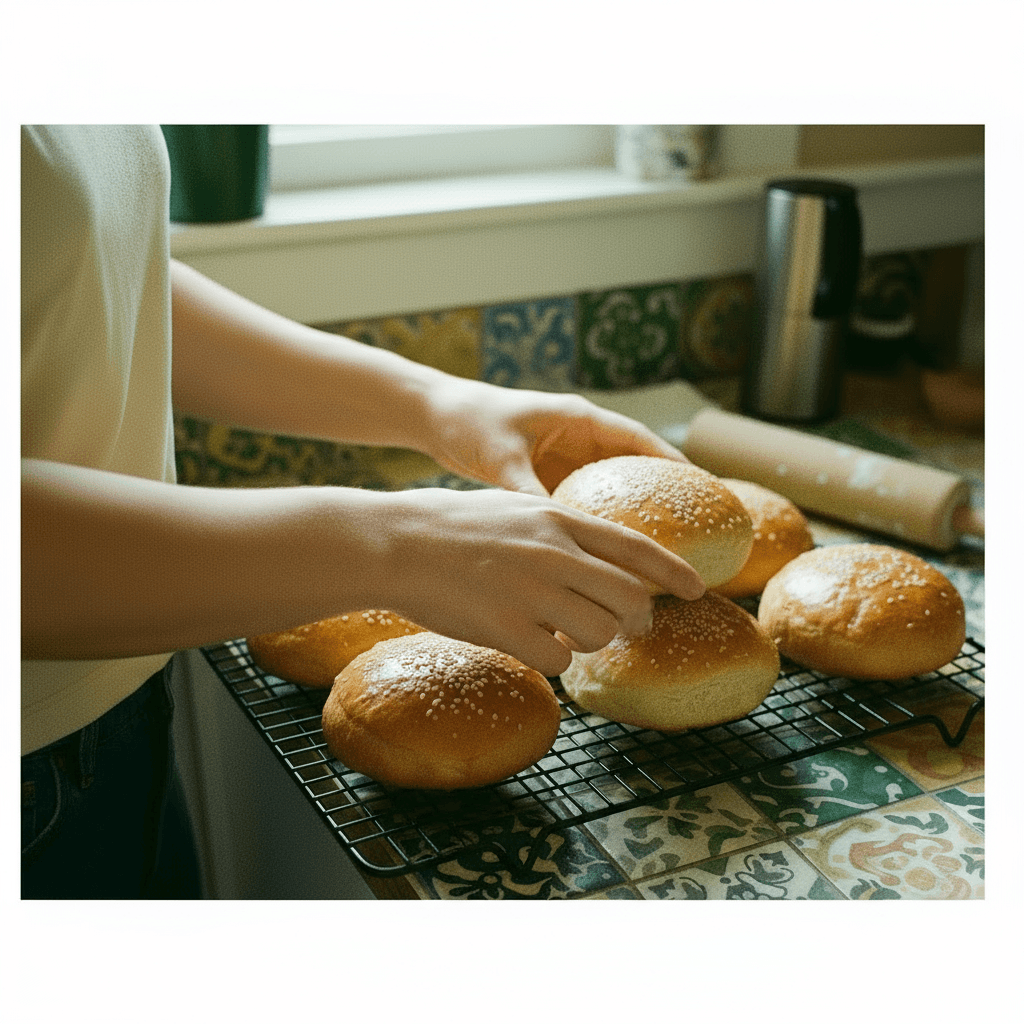
Kitchen Tools
Nutrition Facts (per serving)
Sourdough Discard Burger Buns
Ingredients
For the Dough
- 1/2 cup warm milk, about 100-110°F
- 2 tablespoons granulated sugar
- 1 teaspoon active dry yeast
- 1 cup sourdough discard, unfed, 100% hydration
- 1 large egg
- 3 1/2 cups all-purpose flour
- 1 teaspoon salt
- 1/4 cup unsalted butter, melted and cooled
For the Egg Wash and Topping
- 1 large egg
- 1 tablespoon water
- 2 tablespoons sesame seeds
Instructions
- 1
In the bowl of a stand mixer, combine the warm milk, granulated sugar, and active dry yeast. Let sit for 5 minutes until foamy.
⏱️ 5 min - 2
Add the sourdough discard and the large egg to the mixer bowl. Mix briefly to combine.
⏱️ 2 min - 3
Add the all-purpose flour and salt to the wet ingredients. Using the dough hook attachment, mix on low speed until a shaggy dough forms, about 2 minutes.
⏱️ 2 min - 4
Gradually add the cooled melted butter, mixing until fully incorporated. Increase speed to medium-low and knead for 8-10 minutes, or until the dough is smooth, elastic, and pulls away from the sides of the bowl.
⏱️ 10 min - 5
Lightly grease a large bowl. Transfer the dough to the bowl, turning once to coat. Cover the bowl with plastic wrap or a clean kitchen towel and let it rise in a warm place until doubled in size, about 1 hour to 1 hour 30 minutes.
⏱️ 60 min - 6
Gently punch down the risen dough to release the air. Turn the dough out onto a lightly floured surface. Divide the dough into 8 equal portions (each about 3 1/2 to 4 ounces).
⏱️ 5 min - 7
Shape each portion into a smooth, round bun. To do this, flatten a piece of dough slightly, then pull the edges towards the center and pinch to seal. Flip the dough over and cup it with your hand, rotating it against the counter to create surface tension and a smooth top.
⏱️ 10 min - 8
Arrange the shaped buns on a baking sheet lined with parchment paper, leaving about 2 inches between them. Cover loosely with plastic wrap or a clean towel and let them proof in a warm place for 30-45 minutes, or until visibly puffy and almost doubled in size.
⏱️ 40 min - 9
Preheat your oven to 375°F. In a small bowl, whisk together the remaining large egg and water for the egg wash.
⏱️ 5 min•🌡️ 375 - 10
Once proofed, gently brush the tops of the buns with the egg wash. Sprinkle generously with sesame seeds.
⏱️ 3 min - 11
Bake for 15-20 minutes, or until the buns are golden brown on top and sound hollow when tapped on the bottom. If they are browning too quickly, you can tent them loosely with foil.
⏱️ 18 min•🌡️ 375 - 12
Transfer the baked buns to a wire rack to cool completely before slicing and serving. This allows the internal structure to set.
⏱️ 15 min