Homemade Cultured Butter (French-Style)
Homemade Cultured Butter (French-Style)

Ingredients
For the Cultured Cream
- 1 gallon heavy cream, pastured, organic preferred
- 14 tablespoons plain yogurt, with live active cultures
For the Butter
- 1 1/2 teaspoons fine sea salt, to taste
- ice water, as needed
Instructions
- 1
In a large, clean bowl, combine the heavy cream and plain yogurt. Whisk thoroughly until the yogurt is fully incorporated into the cream.
⏱️ 5 min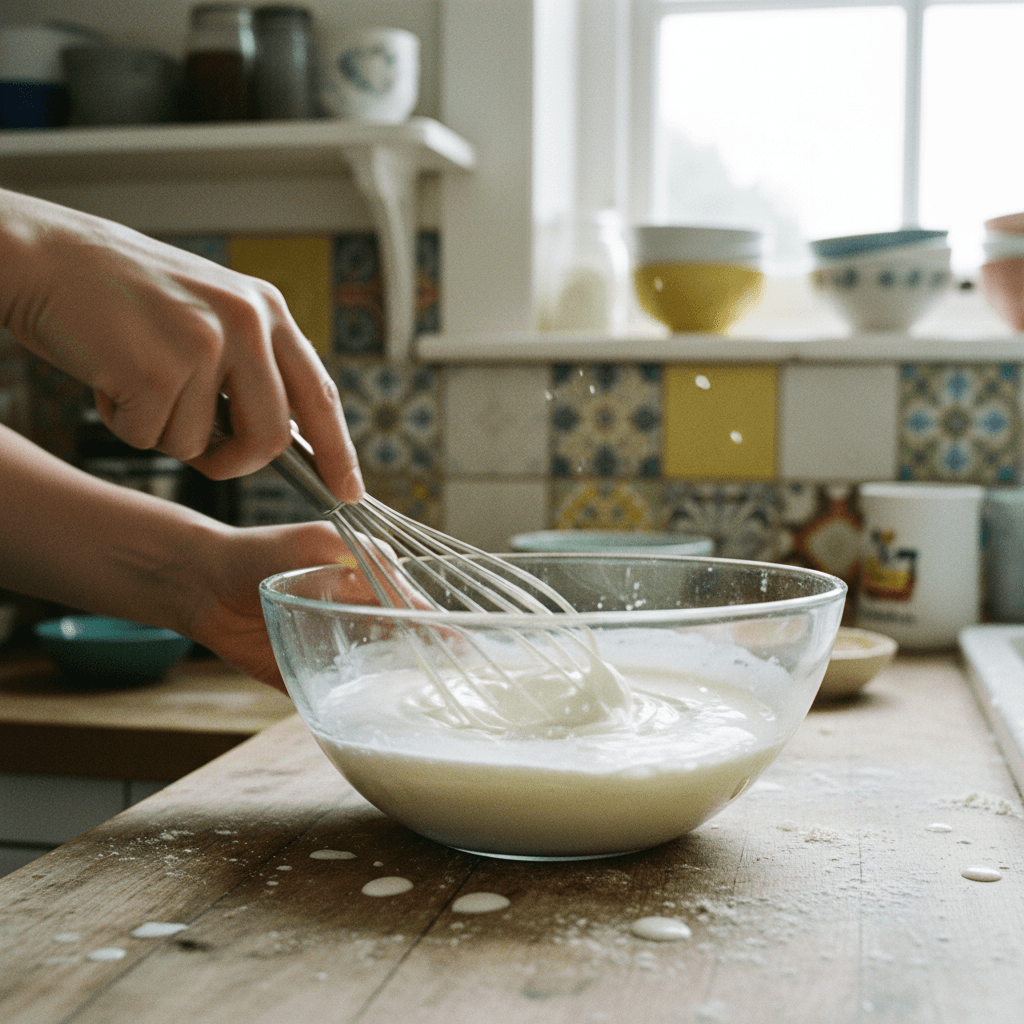
- 2
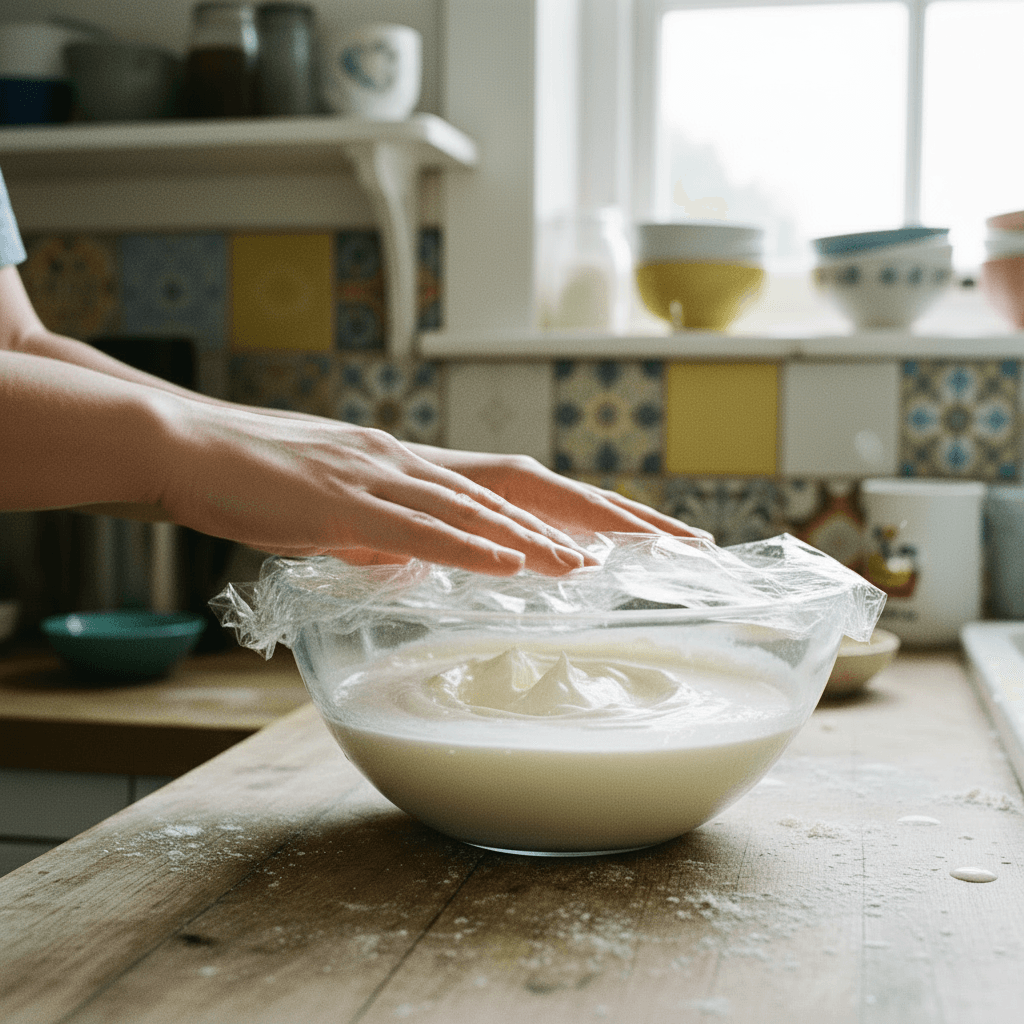
Cover the bowl loosely with a lid or plastic wrap and leave it at room temperature (68-72°F / 20-22°C) for 48 to 72 hours. The cream will thicken and develop a tangy, cultured flavor, similar to crème fraîche or sour cream. The presenter notes 48 hours is the 'sweet spot' for optimal flavor.
- 3
Once cultured, transfer the thickened cream into the bowl of a stand mixer fitted with a whisk attachment. Begin mixing on low speed, gradually increasing to high. Continue mixing until the cream separates into solid butterfat chunks and liquid buttermilk. This process can take 15-20 minutes.
⏱️ 20 min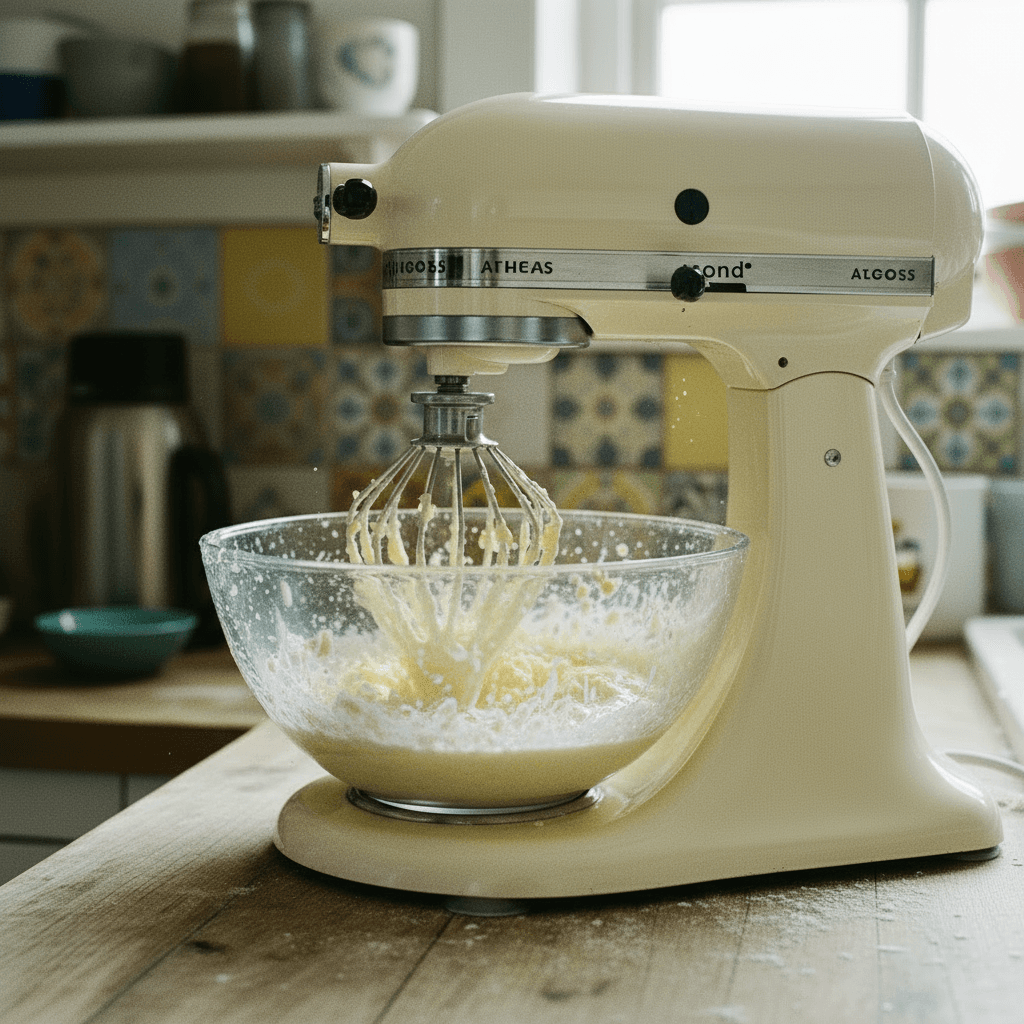
- 4
Place a fine-mesh sieve over a large bowl or container. Carefully pour the butter and buttermilk mixture through the sieve to separate the buttermilk from the butter solids. Reserve the buttermilk for other uses (e.g., baking).
⏱️ 5 min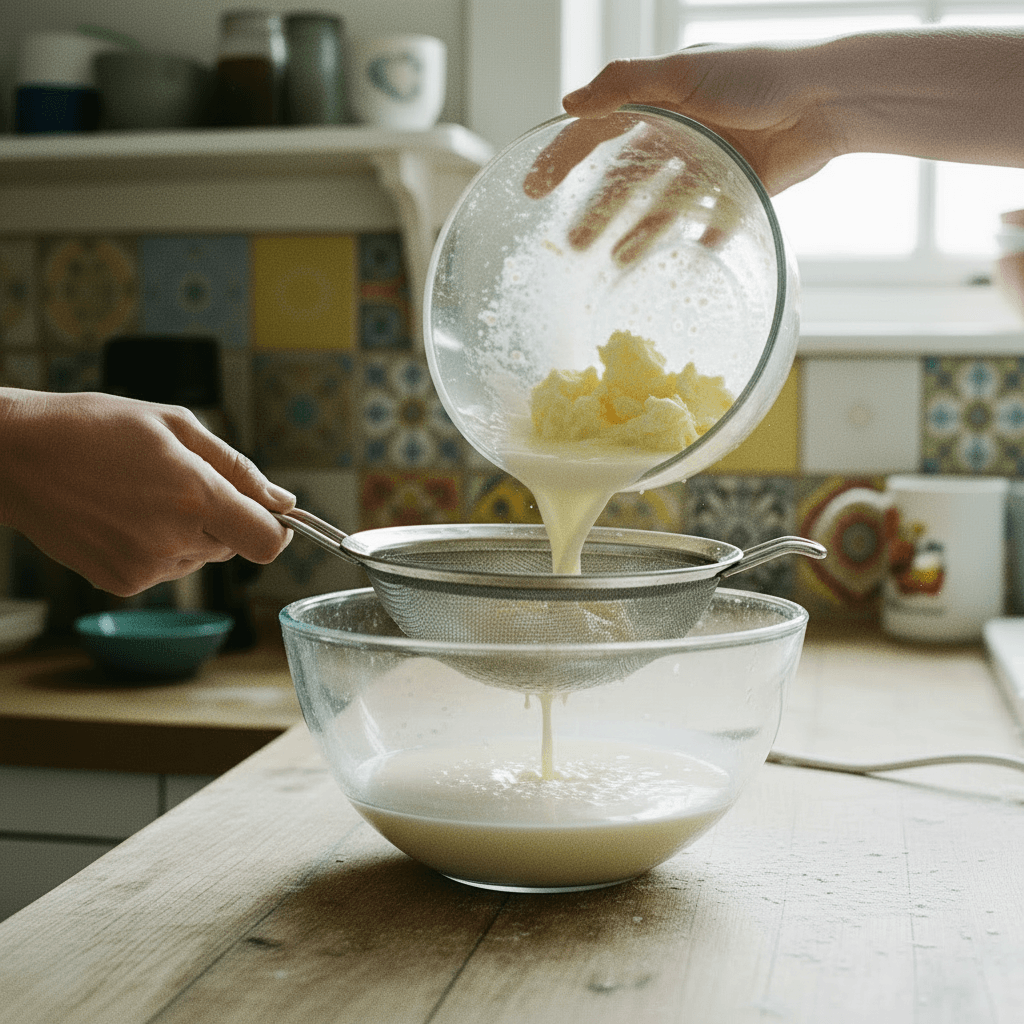
- 5
Transfer the separated butter chunks into a clean large bowl filled with ice water. This chills the butter, making it firmer and easier to handle, and helps to begin the washing process.
⏱️ 5 min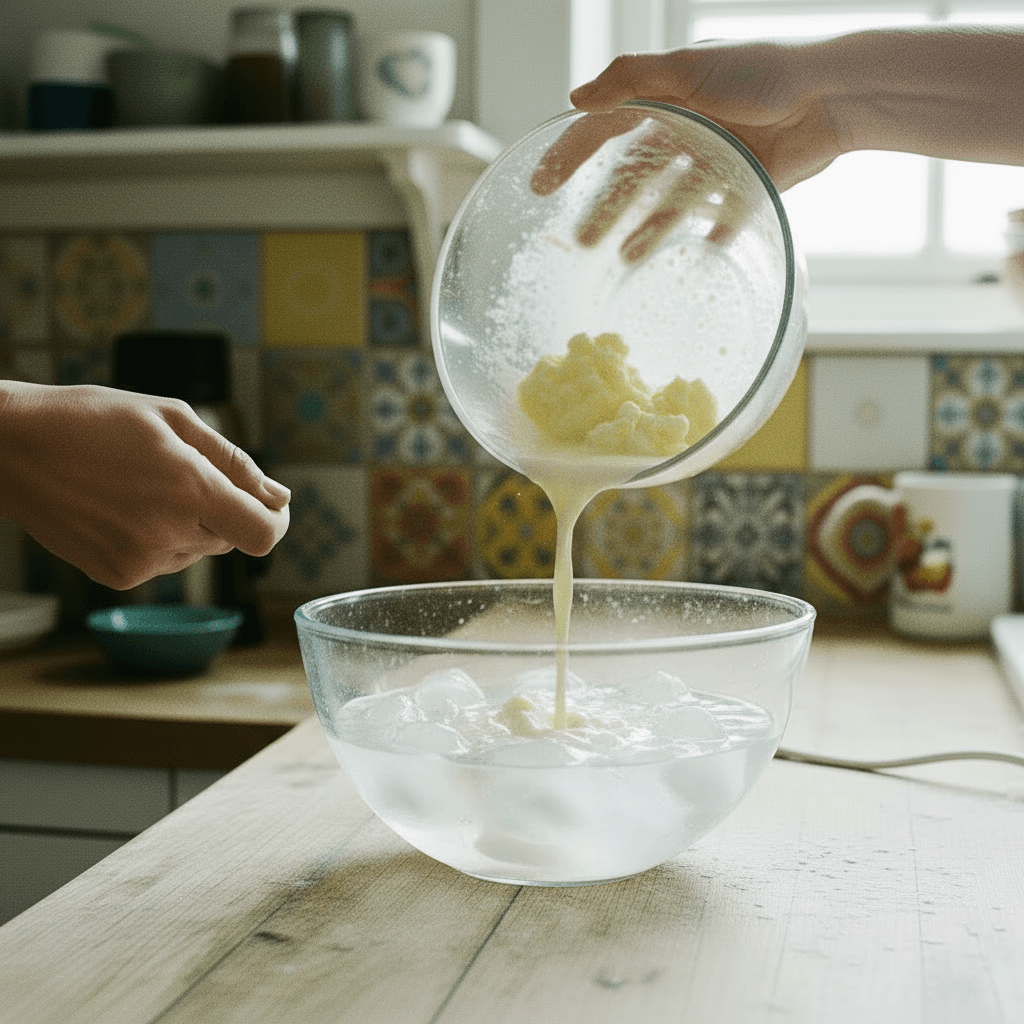
- 6
Wearing clean gloves, submerge your hands into the ice water with the butter. Begin to massage and squeeze the butter repeatedly. This action forces out any remaining buttermilk trapped within the butterfat. The water will become cloudy and milky.
⏱️ 10 min
- 7
Drain the milky water from the bowl. Replace it with fresh ice water and repeat the massaging and squeezing process. Continue this washing process, changing the ice water each time, until the water squeezed from the butter runs completely clear. This indicates that most of the buttermilk has been removed, which is crucial for butter longevity.
⏱️ 10 min
- 8
Remove the butter from the ice bath and place it on a clean surface, such as a large piece of parchment paper or a cutting board. Knead the butter by hand, pressing and folding it to expel any last traces of water. The butter should feel firm and pliable.
⏱️ 5 min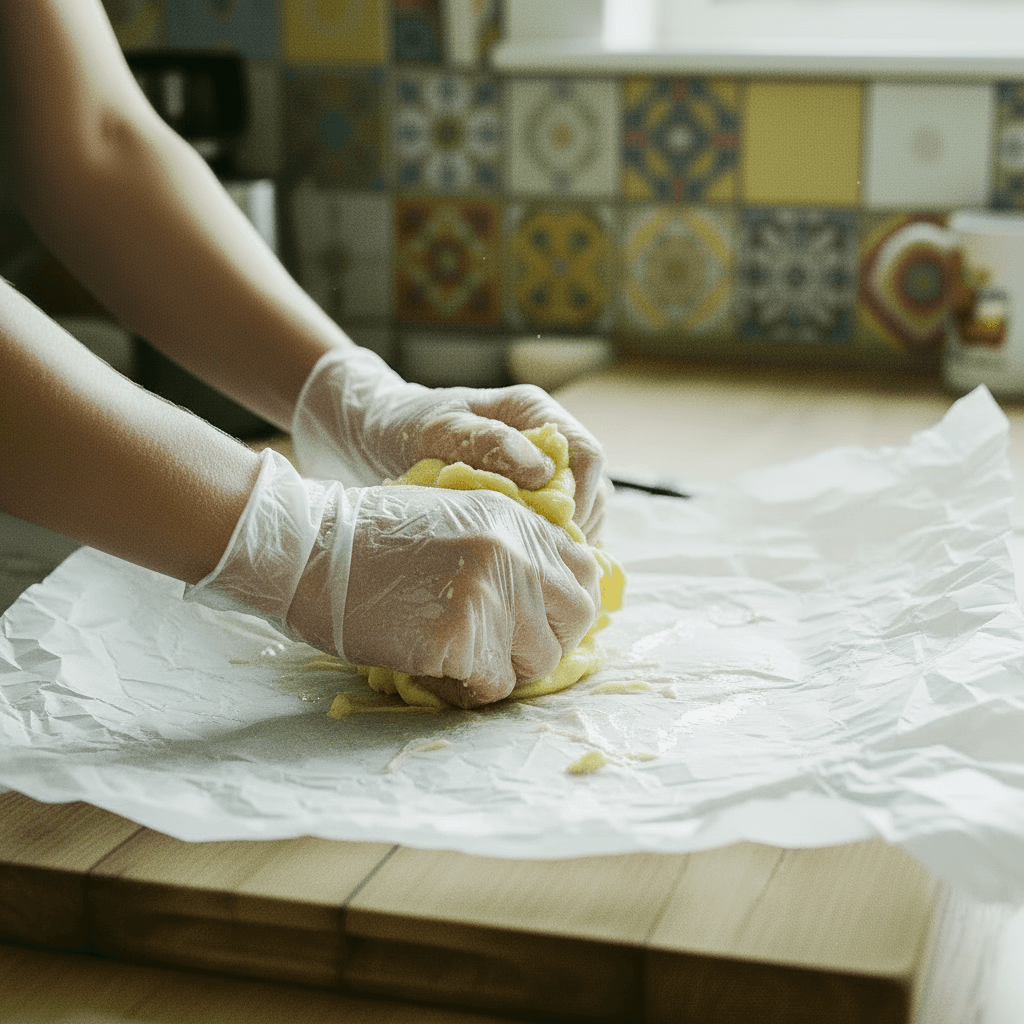
- 9
Sprinkle the fine sea salt evenly over the butter. Knead the salt thoroughly into the butter until it is evenly distributed. Adjust the amount of salt to your personal preference.
⏱️ 5 min
- 10
Form the salted butter into desired shapes, such as logs, blocks, or balls. Wrap the finished butter tightly in parchment paper or plastic wrap for storage. Store in the refrigerator for up to 2-3 weeks, or freeze for longer storage.
⏱️ 5 min
Kitchen Tools
Nutrition Facts (per serving)
Homemade Cultured Butter (French-Style)
Ingredients
For the Cultured Cream
- 1 gallon heavy cream, pastured, organic preferred
- 14 tablespoons plain yogurt, with live active cultures
For the Butter
- 1 1/2 teaspoons fine sea salt, to taste
- ice water, as needed
Instructions
- 1
In a large, clean bowl, combine the heavy cream and plain yogurt. Whisk thoroughly until the yogurt is fully incorporated into the cream.
⏱️ 5 min - 2
Cover the bowl loosely with a lid or plastic wrap and leave it at room temperature (68-72°F / 20-22°C) for 48 to 72 hours. The cream will thicken and develop a tangy, cultured flavor, similar to crème fraîche or sour cream. The presenter notes 48 hours is the 'sweet spot' for optimal flavor.
- 3
Once cultured, transfer the thickened cream into the bowl of a stand mixer fitted with a whisk attachment. Begin mixing on low speed, gradually increasing to high. Continue mixing until the cream separates into solid butterfat chunks and liquid buttermilk. This process can take 15-20 minutes.
⏱️ 20 min - 4
Place a fine-mesh sieve over a large bowl or container. Carefully pour the butter and buttermilk mixture through the sieve to separate the buttermilk from the butter solids. Reserve the buttermilk for other uses (e.g., baking).
⏱️ 5 min - 5
Transfer the separated butter chunks into a clean large bowl filled with ice water. This chills the butter, making it firmer and easier to handle, and helps to begin the washing process.
⏱️ 5 min - 6
Wearing clean gloves, submerge your hands into the ice water with the butter. Begin to massage and squeeze the butter repeatedly. This action forces out any remaining buttermilk trapped within the butterfat. The water will become cloudy and milky.
⏱️ 10 min - 7
Drain the milky water from the bowl. Replace it with fresh ice water and repeat the massaging and squeezing process. Continue this washing process, changing the ice water each time, until the water squeezed from the butter runs completely clear. This indicates that most of the buttermilk has been removed, which is crucial for butter longevity.
⏱️ 10 min - 8
Remove the butter from the ice bath and place it on a clean surface, such as a large piece of parchment paper or a cutting board. Knead the butter by hand, pressing and folding it to expel any last traces of water. The butter should feel firm and pliable.
⏱️ 5 min - 9
Sprinkle the fine sea salt evenly over the butter. Knead the salt thoroughly into the butter until it is evenly distributed. Adjust the amount of salt to your personal preference.
⏱️ 5 min - 10
Form the salted butter into desired shapes, such as logs, blocks, or balls. Wrap the finished butter tightly in parchment paper or plastic wrap for storage. Store in the refrigerator for up to 2-3 weeks, or freeze for longer storage.
⏱️ 5 min