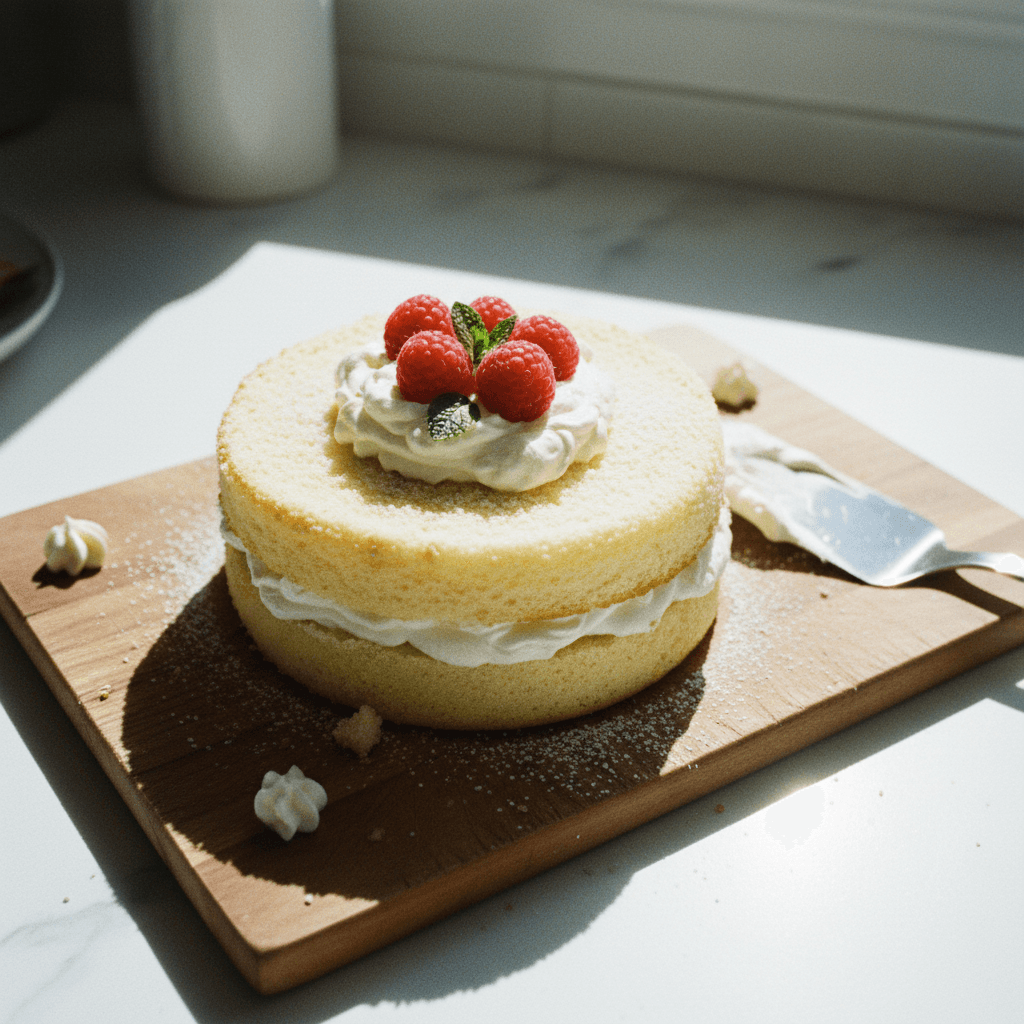
Fluffy Cake Sandwich
Fluffy Cake Sandwich
Ingredients
For the Cake
- 1/4 cup vegetable oil
- 1/4 cup milk
- 1/2 cup all-purpose flour
- 3 large egg yolks
- 3 large egg whites
- 1/4 cup granulated sugar
For the Filling
- 1 cup heavy cream, chilled
- 2 tablespoons powdered sugar
- 1/2 teaspoon vanilla extract
Instructions
- 1
Preheat your oven to 325°F (160°C). Line a large, rectangular baking sheet (approximately 10x15 inches) with parchment paper or a silicone baking mat, extending the paper over the edges to create handles.
⏱️ 5 min•🌡️ 325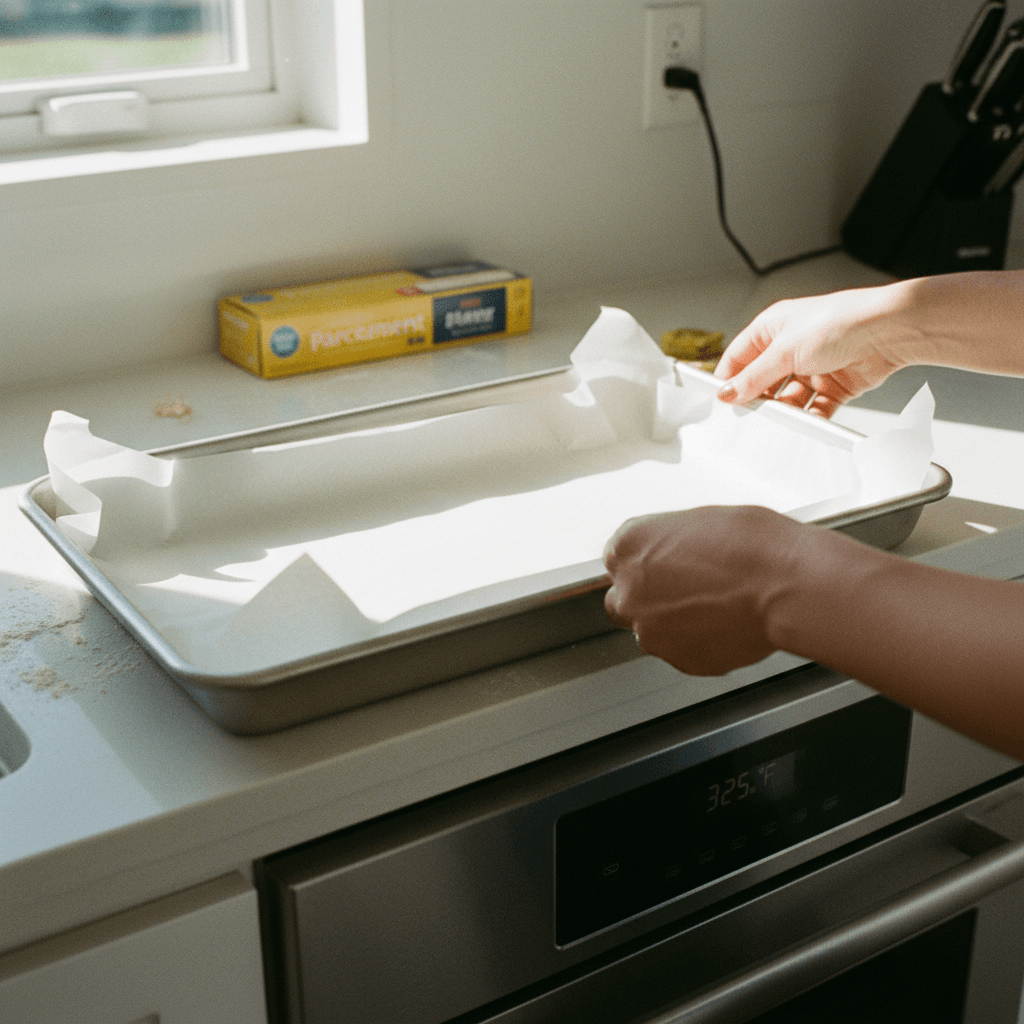
- 2
In a medium mixing bowl, combine the vegetable oil and milk. Whisk thoroughly until well combined and emulsified.
⏱️ 2 min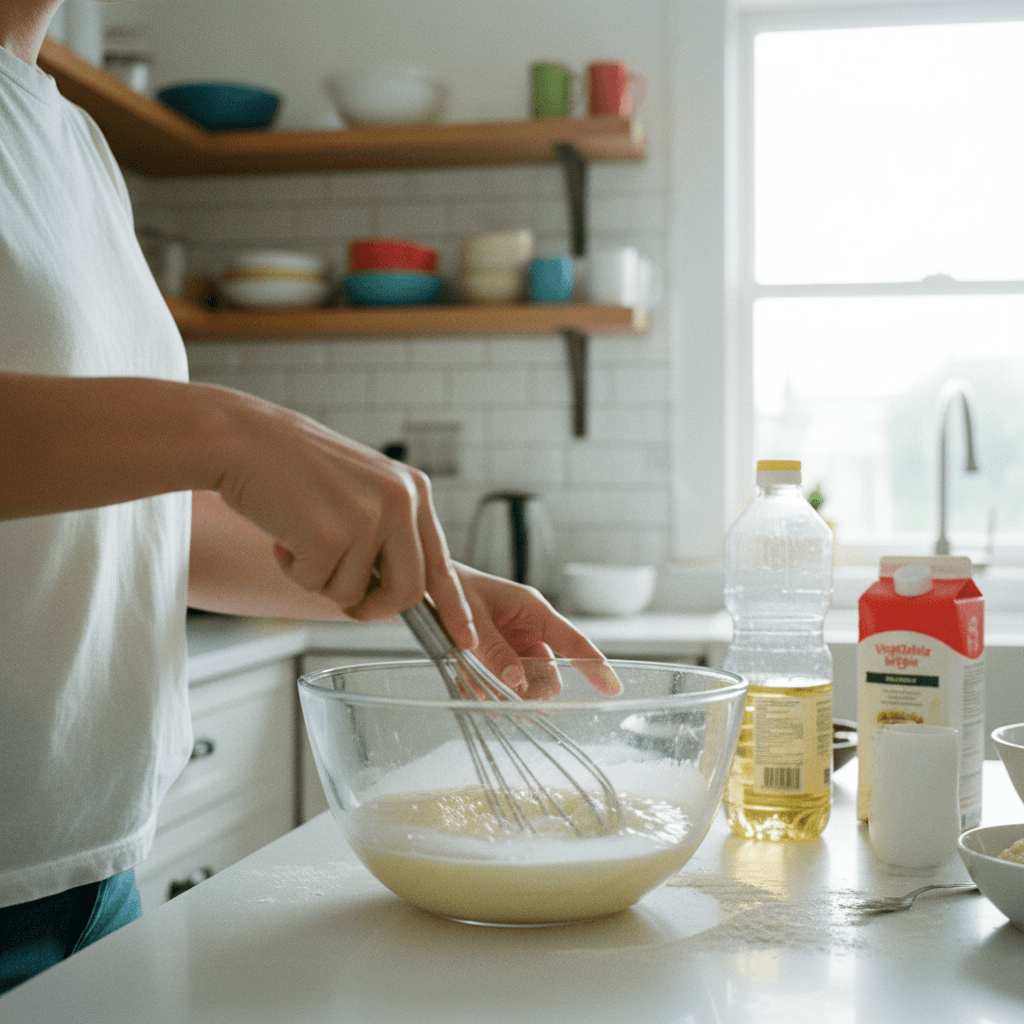
- 3
Add the all-purpose flour to the liquid mixture. Whisk until a thick, smooth paste forms, ensuring there are no lumps.
⏱️ 3 min
- 4
Incorporate the egg yolks into the flour mixture, whisking vigorously until the batter is uniform, vibrant yellow, and completely smooth. Set aside.
⏱️ 3 min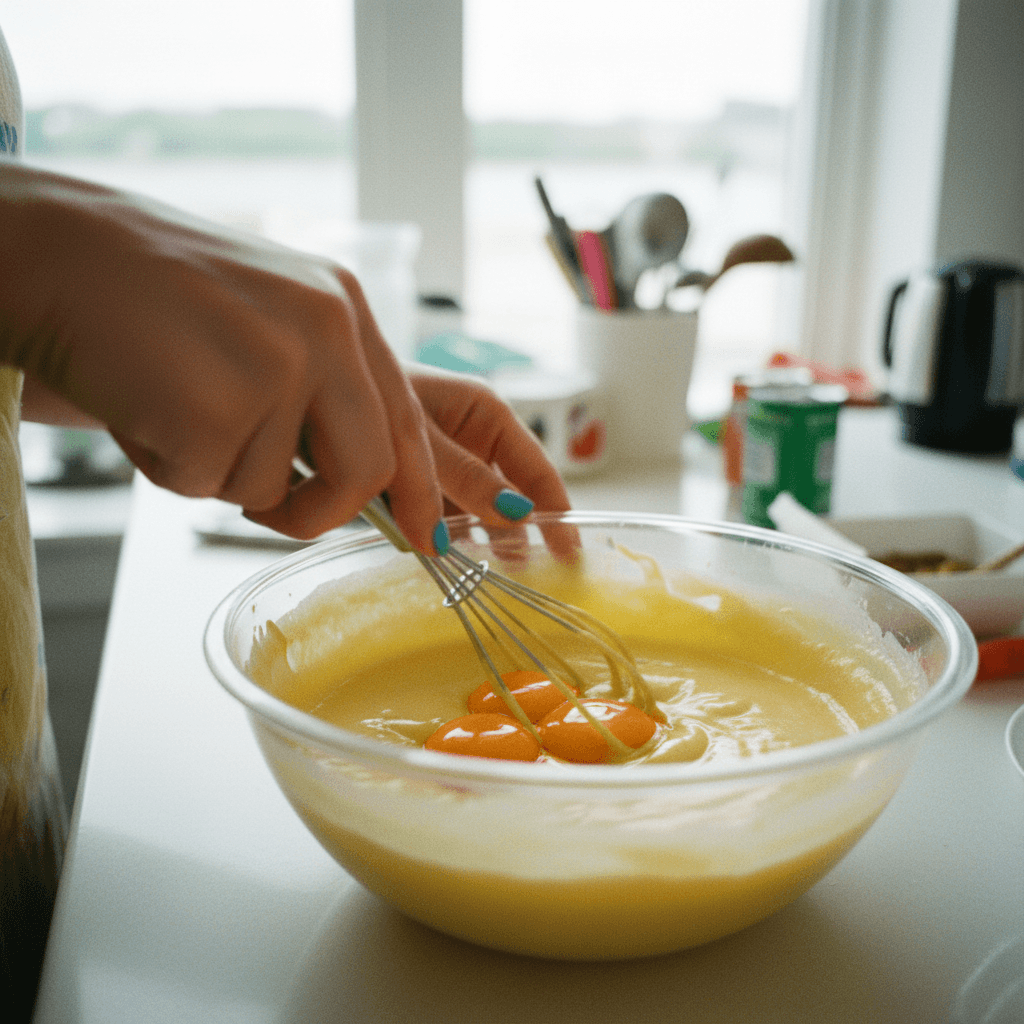
- 5
In a separate, clean, large mixing bowl, combine the egg whites. Using an electric mixer on medium-high speed, beat the egg whites until soft peaks form. Gradually add the granulated sugar, 1 tablespoon at a time, continuing to beat until stiff, glossy peaks form. Be careful not to overbeat.
⏱️ 7 min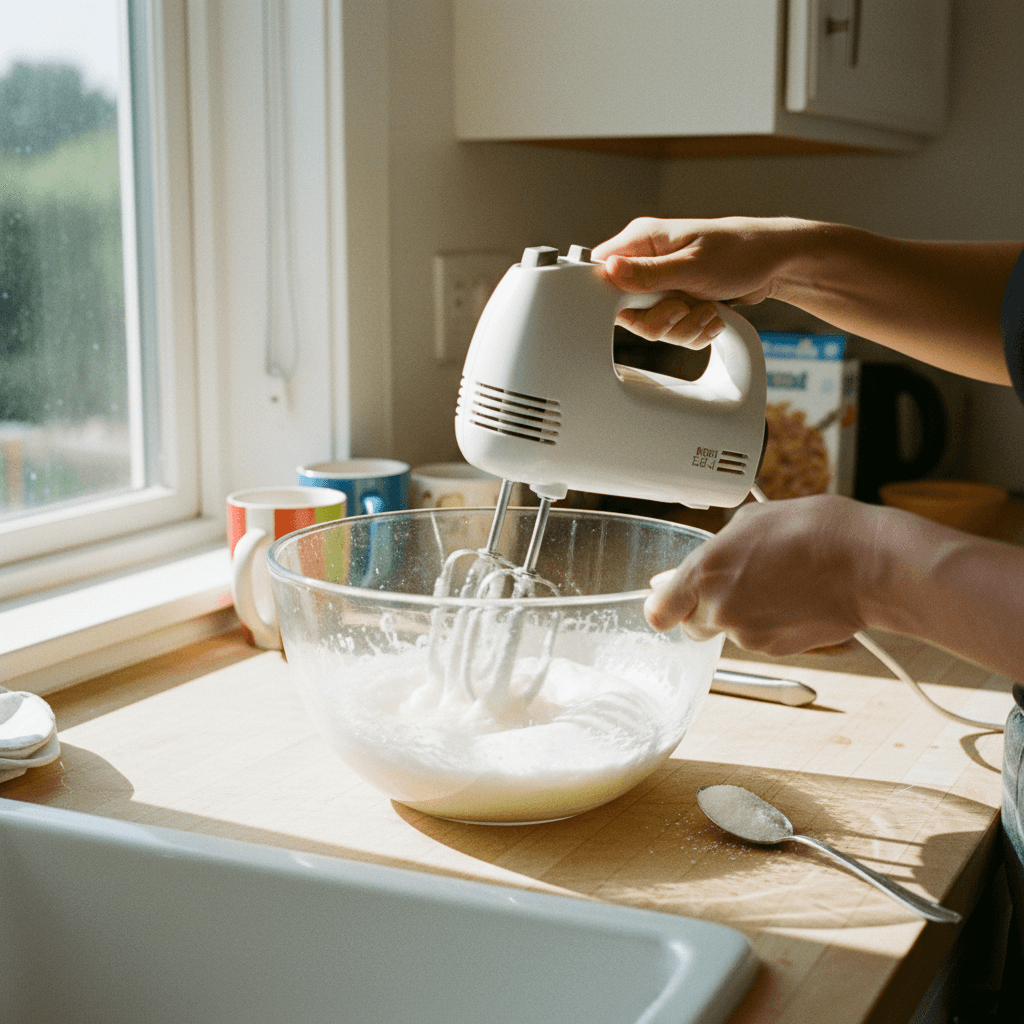
- 6
Gently fold about one-third of the meringue into the egg yolk batter using a spatula. This will lighten the yolk batter. Continue adding and gently folding in the remaining meringue in two more additions until the entire batter is light, airy, and uniformly pale yellow. Be careful not to deflate the meringue.
⏱️ 5 min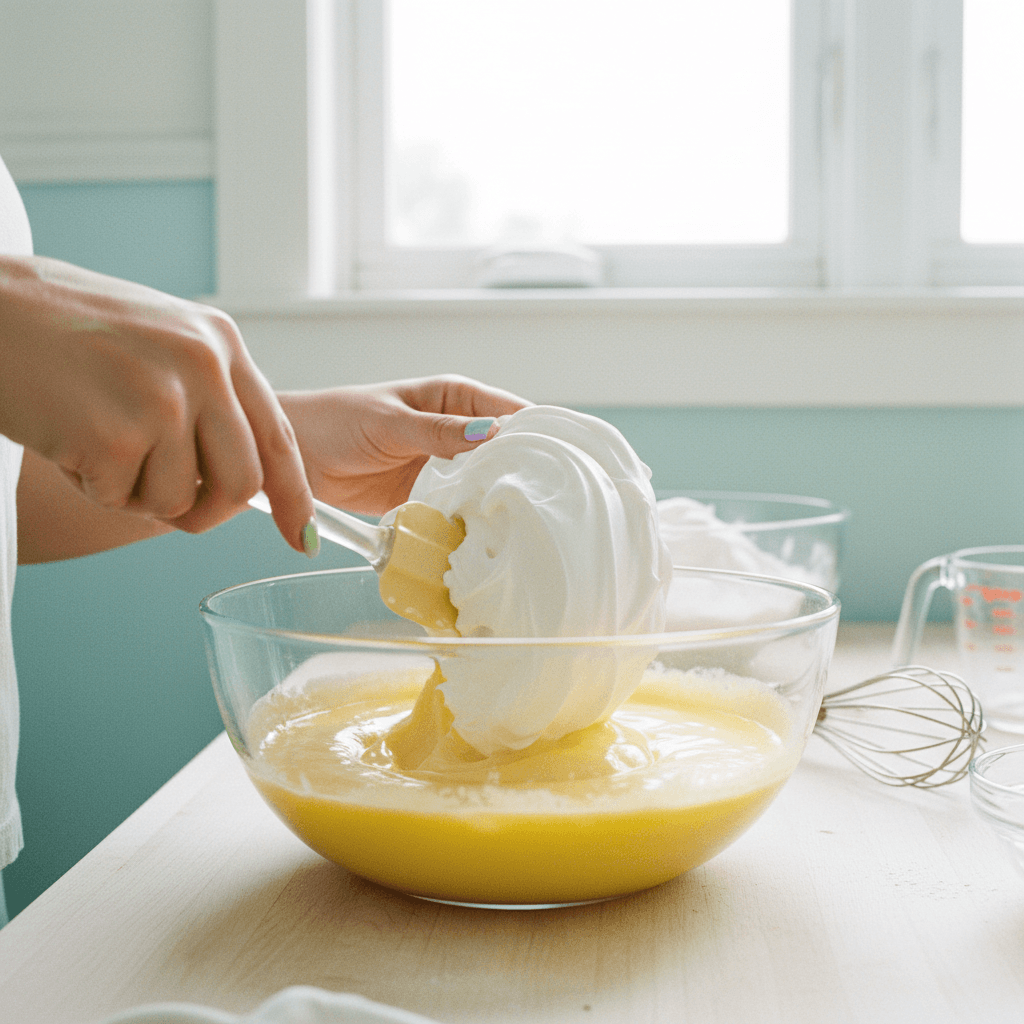
- 7
Pour the combined cake batter onto the prepared baking sheet. Spread the batter evenly across the pan using a spatula to ensure uniform thickness. Gently tap the baking sheet on the counter a few times to release any large air bubbles.
⏱️ 3 min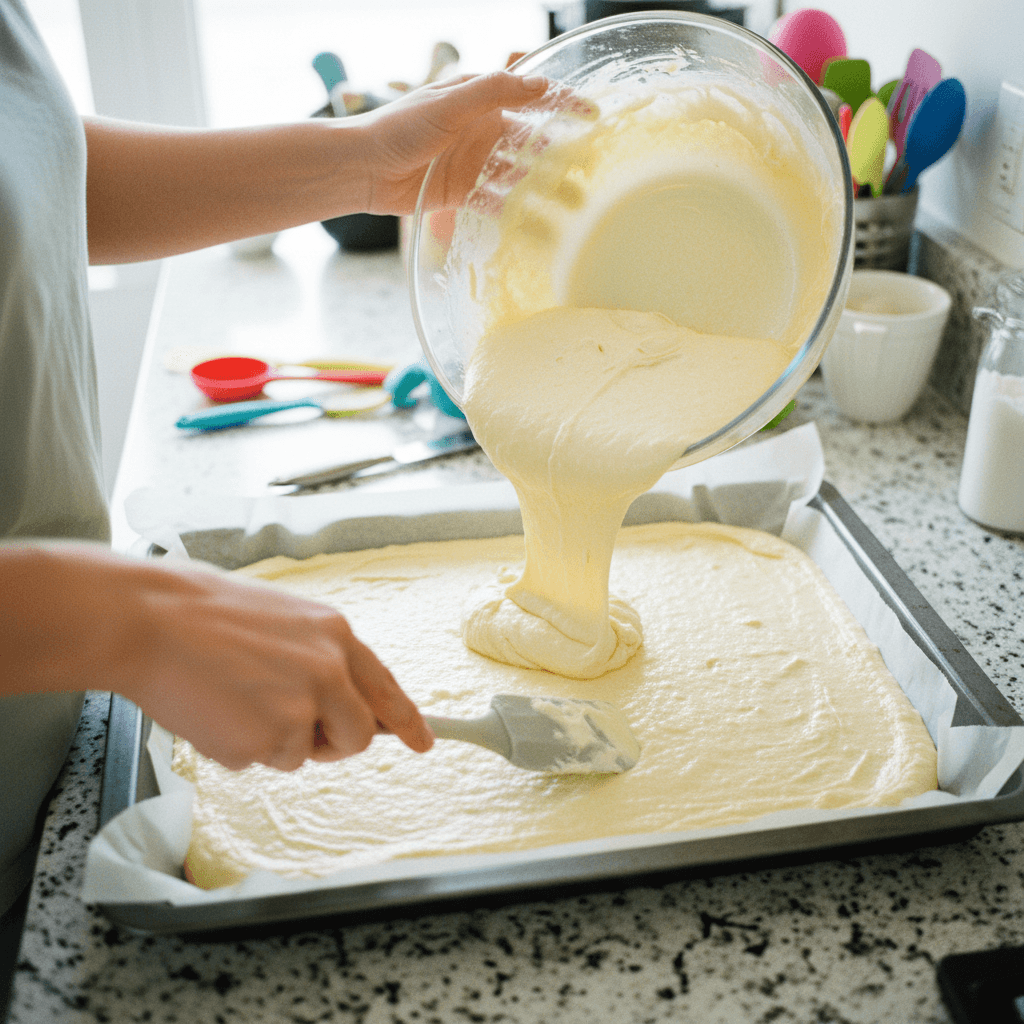
- 8
Bake for 20-25 minutes, or until the cake is golden brown on top, springs back when lightly touched, and a wooden skewer inserted into the center comes out clean.
⏱️ 25 min•🌡️ 325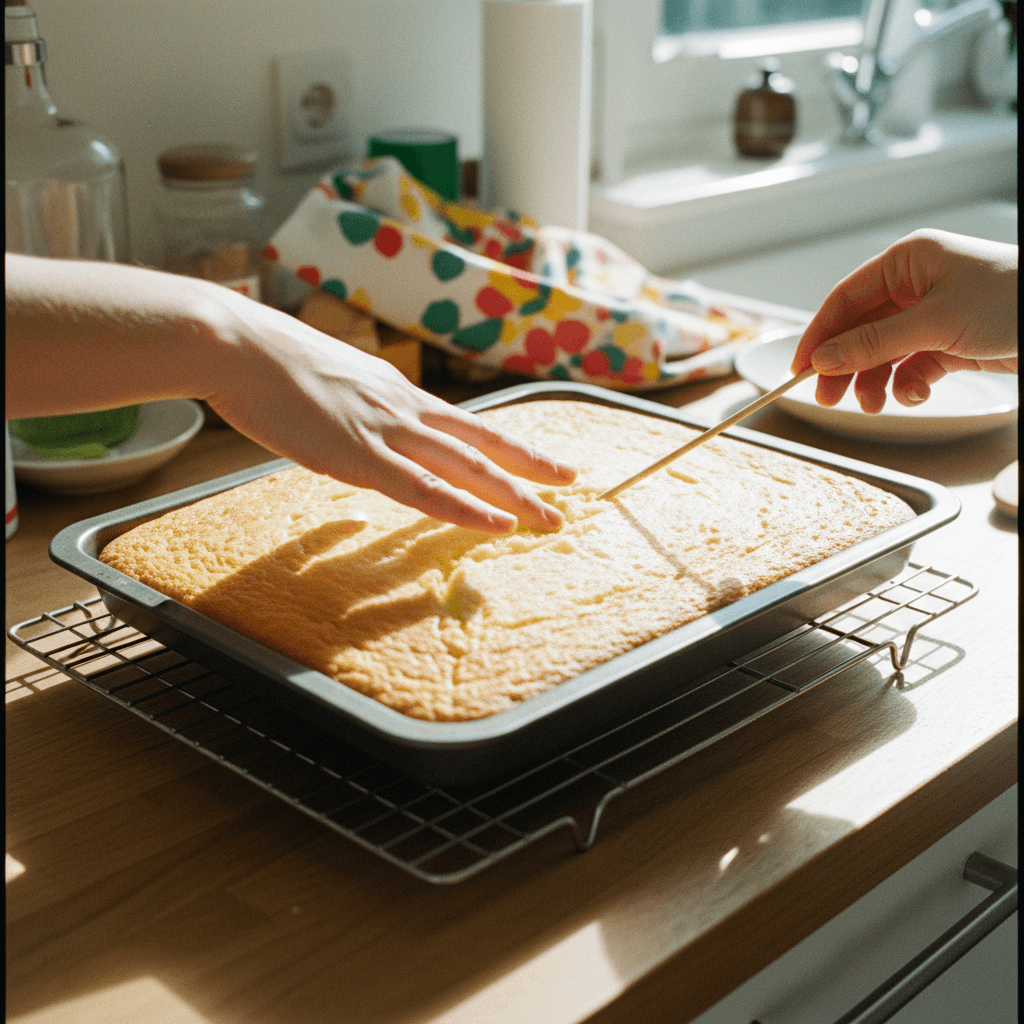
- 9
While the cake cools, prepare the filling. In a clean, chilled mixing bowl, combine the heavy cream, powdered sugar, and vanilla extract. Beat with an electric mixer on medium-high speed until stiff peaks form.
⏱️ 5 min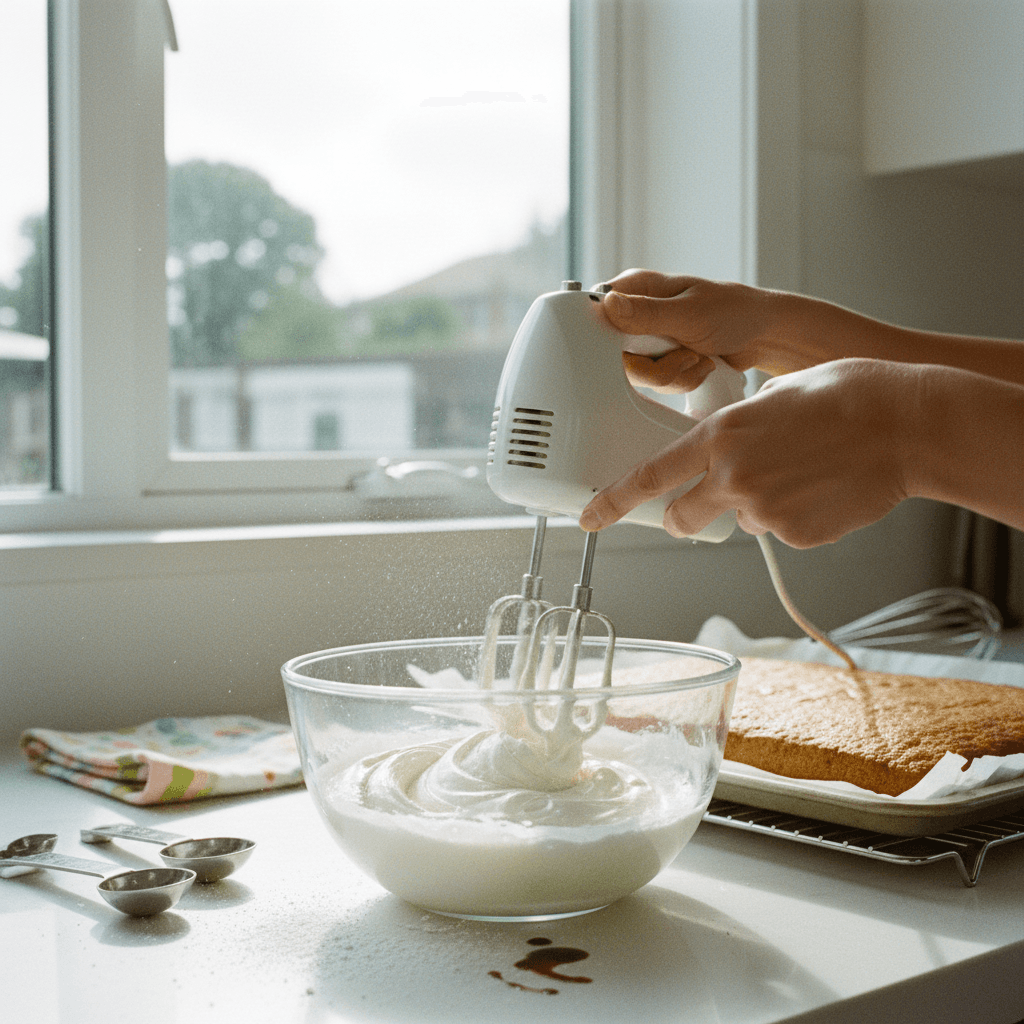
- 10
Once baked, let the cake cool in the pan for 10 minutes. Then, carefully lift the cake out of the pan using the parchment paper handles and transfer it to a wire rack to cool completely. This passive cooling will take about 20 minutes.
⏱️ 20 min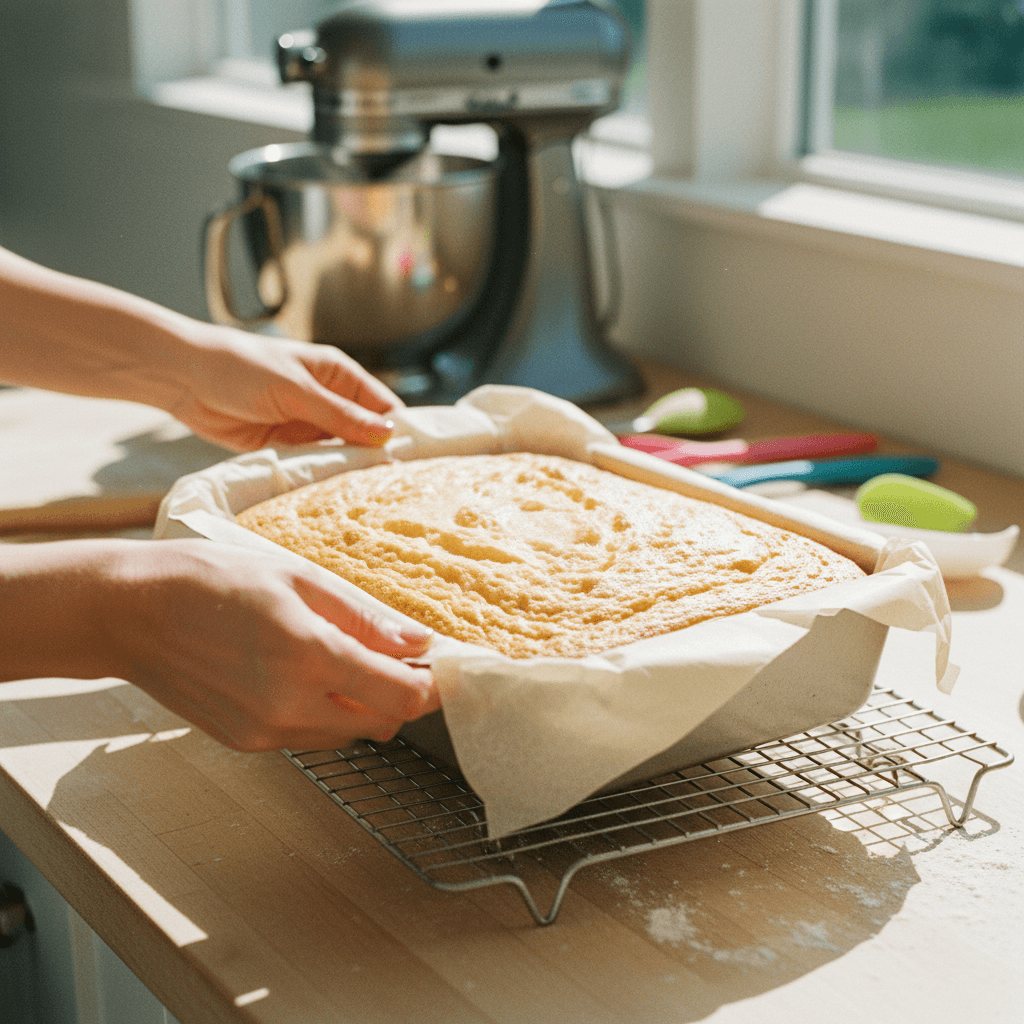
- 11
Once the cake is completely cool, carefully peel off the parchment paper. Place the cake with the smooth, lighter side facing up on a clean work surface or a large cutting board. Evenly spread or pipe the whipped cream filling over one half of the rectangular cake, leaving a small border around the edges.
⏱️ 5 min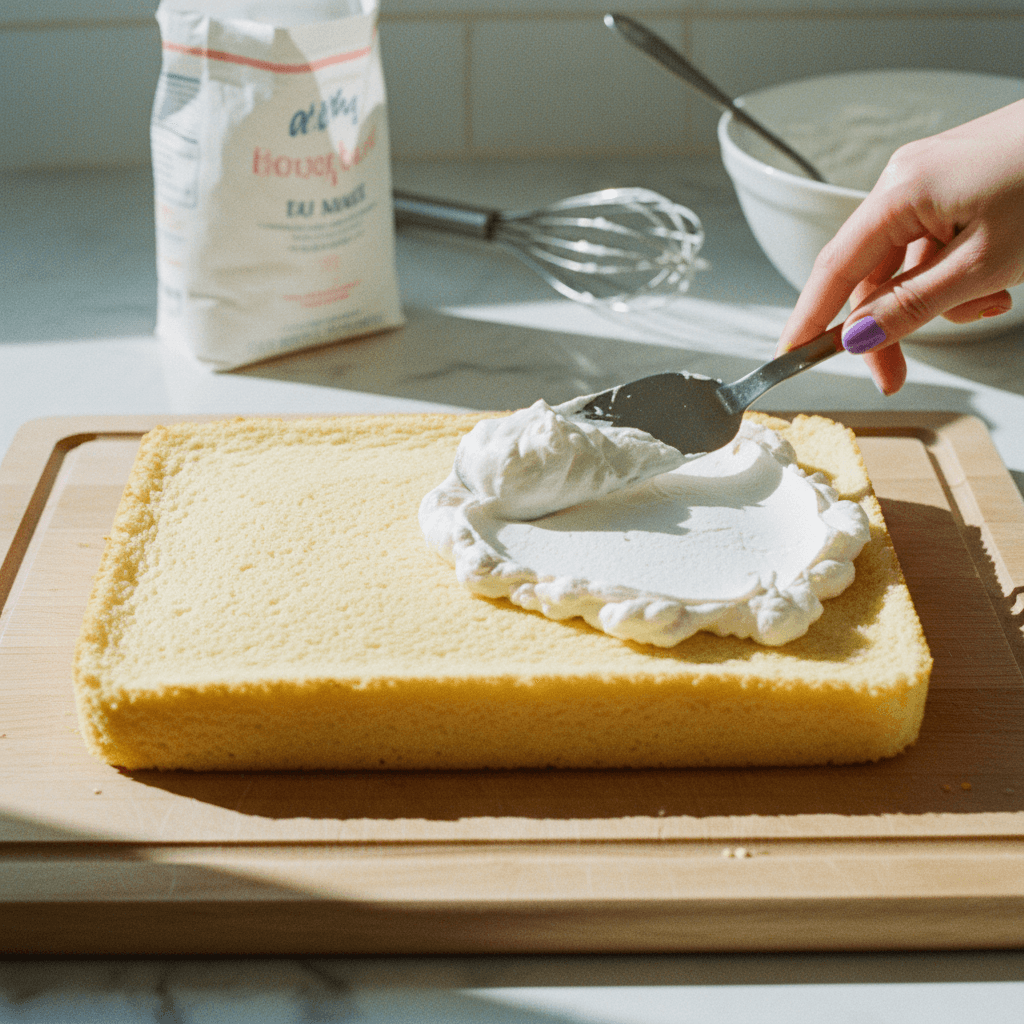
- 12
Carefully fold or place the other half of the cake on top of the cream-covered half, creating a cake "sandwich." Gently press down to secure the layers.
⏱️ 2 min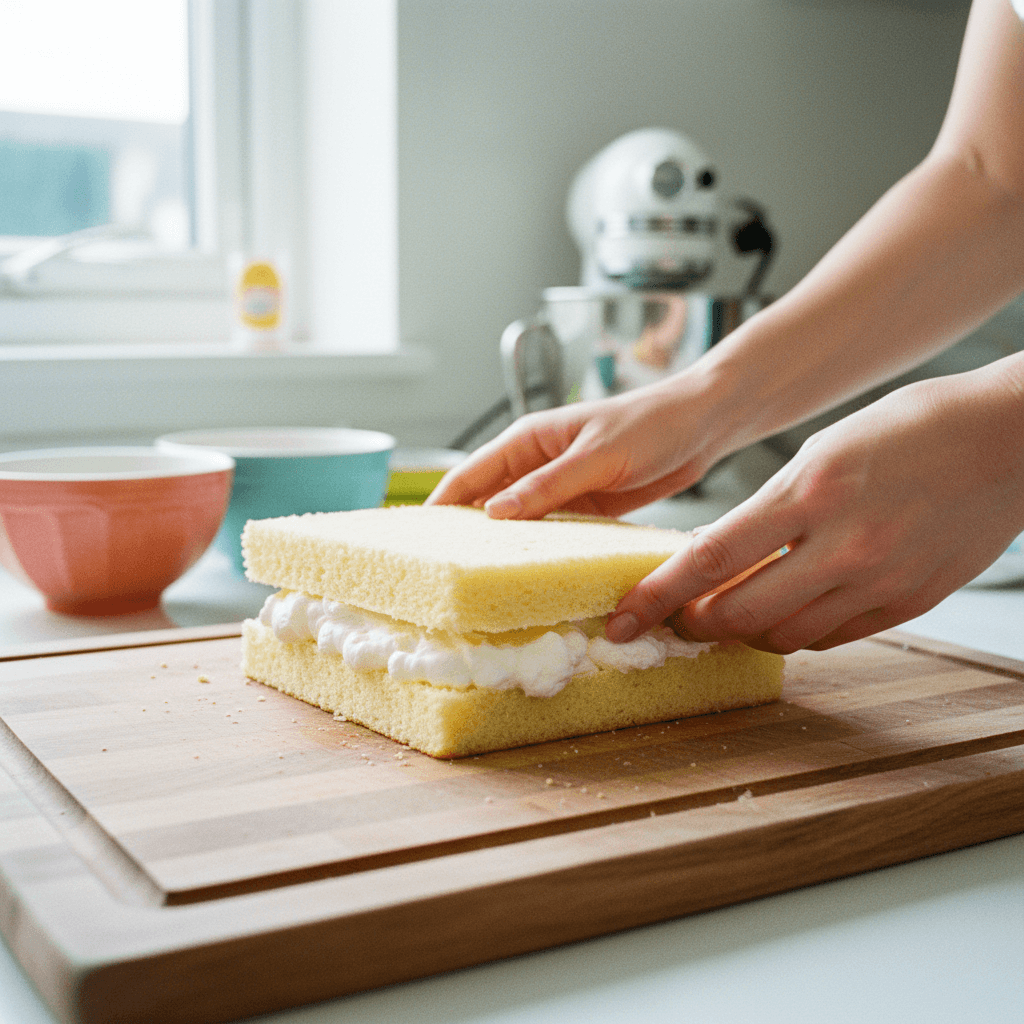
- 13
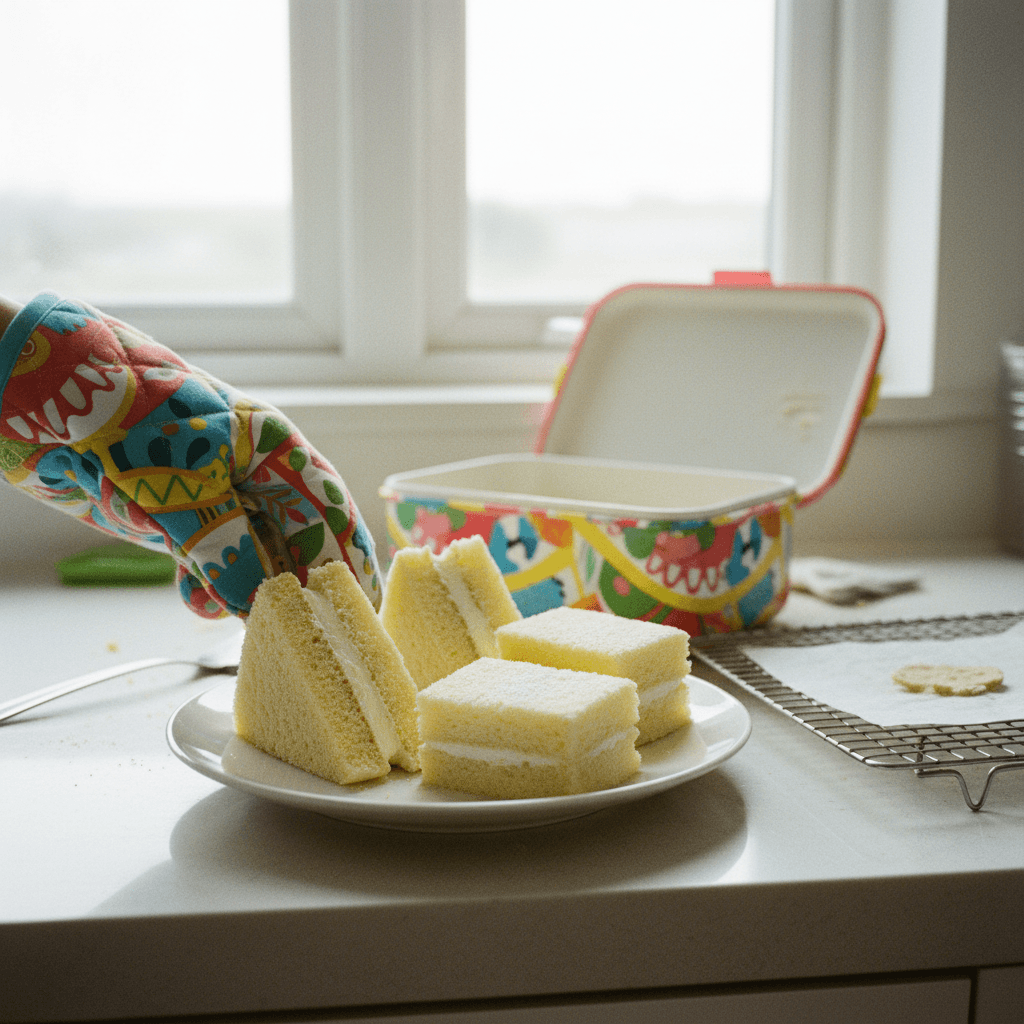
Using a sharp knife, trim the edges of the cake sandwich if desired for a cleaner look. Then, cut the large cake sandwich into individual rectangular pieces. For an elegant presentation, you can further cut some rectangular pieces diagonally to form triangles.
⏱️ 5 min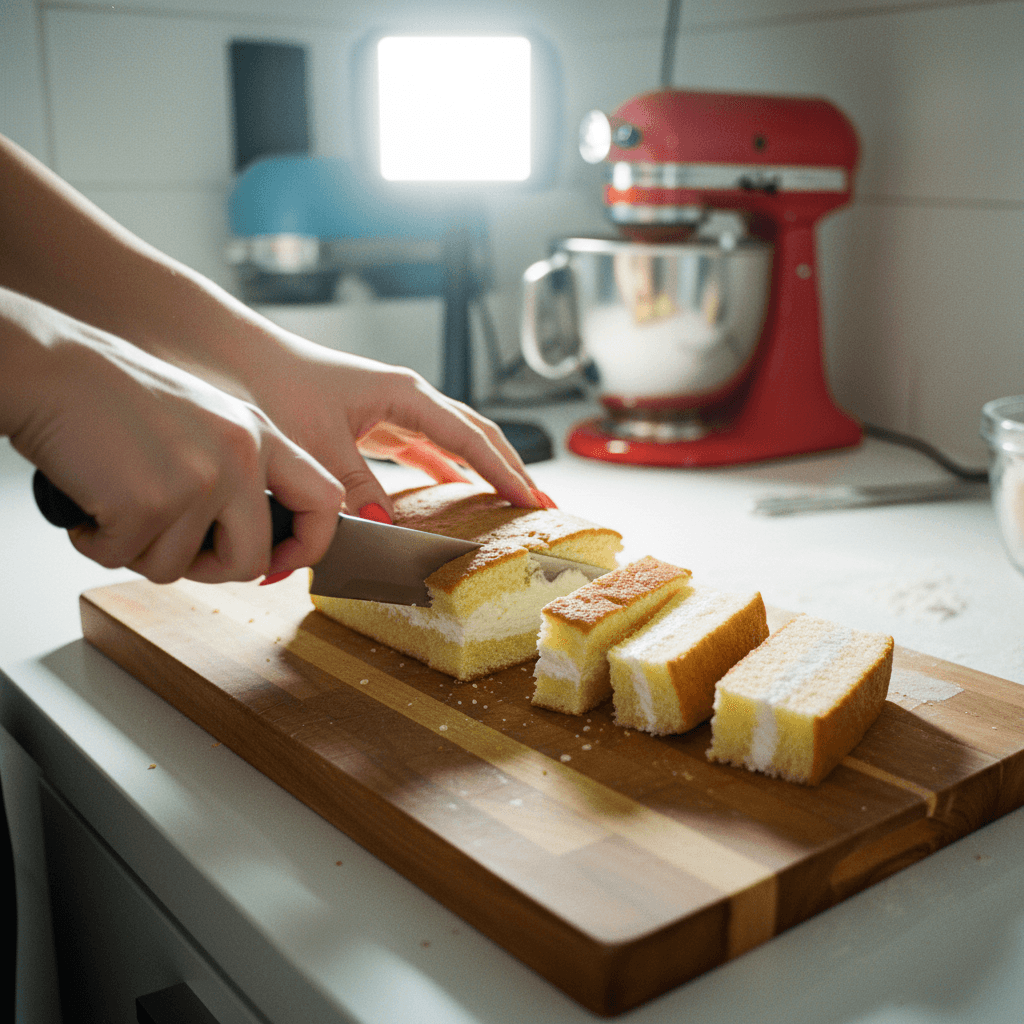
- 14
Serve immediately or refrigerate until ready to serve. Store any leftover cake sandwiches in an airtight container in the refrigerator.
Kitchen Tools
Nutrition Facts (per serving)
Fluffy Cake Sandwich
For the Cake
- 1/4 cup vegetable oil
- 1/4 cup milk
- 1/2 cup all-purpose flour
- 3 large egg yolks
- 3 large egg whites
- 1/4 cup granulated sugar
For the Filling
- 1 cup heavy cream, chilled
- 2 tablespoons powdered sugar
- 1/2 teaspoon vanilla extract
Instructions
- 1
Preheat your oven to 325°F (160°C). Line a large, rectangular baking sheet (approximately 10x15 inches) with parchment paper or a silicone baking mat, extending the paper over the edges to create handles.
⏱️ 5 min•🌡️ 325 - 2
In a medium mixing bowl, combine the vegetable oil and milk. Whisk thoroughly until well combined and emulsified.
⏱️ 2 min - 3
Add the all-purpose flour to the liquid mixture. Whisk until a thick, smooth paste forms, ensuring there are no lumps.
⏱️ 3 min - 4
Incorporate the egg yolks into the flour mixture, whisking vigorously until the batter is uniform, vibrant yellow, and completely smooth. Set aside.
⏱️ 3 min - 5
In a separate, clean, large mixing bowl, combine the egg whites. Using an electric mixer on medium-high speed, beat the egg whites until soft peaks form. Gradually add the granulated sugar, 1 tablespoon at a time, continuing to beat until stiff, glossy peaks form. Be careful not to overbeat.
⏱️ 7 min - 6
Gently fold about one-third of the meringue into the egg yolk batter using a spatula. This will lighten the yolk batter. Continue adding and gently folding in the remaining meringue in two more additions until the entire batter is light, airy, and uniformly pale yellow. Be careful not to deflate the meringue.
⏱️ 5 min - 7
Pour the combined cake batter onto the prepared baking sheet. Spread the batter evenly across the pan using a spatula to ensure uniform thickness. Gently tap the baking sheet on the counter a few times to release any large air bubbles.
⏱️ 3 min - 8
Bake for 20-25 minutes, or until the cake is golden brown on top, springs back when lightly touched, and a wooden skewer inserted into the center comes out clean.
⏱️ 25 min•🌡️ 325 - 9
While the cake cools, prepare the filling. In a clean, chilled mixing bowl, combine the heavy cream, powdered sugar, and vanilla extract. Beat with an electric mixer on medium-high speed until stiff peaks form.
⏱️ 5 min - 10
Once baked, let the cake cool in the pan for 10 minutes. Then, carefully lift the cake out of the pan using the parchment paper handles and transfer it to a wire rack to cool completely. This passive cooling will take about 20 minutes.
⏱️ 20 min - 11
Once the cake is completely cool, carefully peel off the parchment paper. Place the cake with the smooth, lighter side facing up on a clean work surface or a large cutting board. Evenly spread or pipe the whipped cream filling over one half of the rectangular cake, leaving a small border around the edges.
⏱️ 5 min - 12
Carefully fold or place the other half of the cake on top of the cream-covered half, creating a cake "sandwich." Gently press down to secure the layers.
⏱️ 2 min - 13
Using a sharp knife, trim the edges of the cake sandwich if desired for a cleaner look. Then, cut the large cake sandwich into individual rectangular pieces. For an elegant presentation, you can further cut some rectangular pieces diagonally to form triangles.
⏱️ 5 min - 14
Serve immediately or refrigerate until ready to serve. Store any leftover cake sandwiches in an airtight container in the refrigerator.