Japanese Soufflé Cheesecake (Japanese Cotton Cheesecake)
Japanese Soufflé Cheesecake (Japanese Cotton Cheesecake)

Ingredients
For the Cheesecake Batter
- 8 ounces cream cheese, softened
- 1/4 cup granulated sugar
- 1/4 cup whole milk
- 1/4 cup unsalted butter
- 3 egg yolks, large
- 1/4 cup all-purpose flour, sifted
- 2 tablespoons cornstarch, sifted
- 1 teaspoon lemon juice
For the Meringue
- 3 egg whites, large, at room temperature
- 1/4 cup granulated sugar
- 1/4 teaspoon cream of tartar, (optional, for meringue stability)
For the Water Bath
- as needed hot water
Instructions
- 1
Preheat your oven to 325°F (160°C). Grease and line the bottom and sides of an 8x4 inch loaf pan (or a 6-inch round springform pan) with parchment paper, allowing the paper to extend a few inches above the rim. Wrap the outside of the pan with aluminum foil to prevent water from seeping in during the water bath.
⏱️ 5 min•🌡️ 325
- 2
In a heatproof bowl, combine the softened cream cheese, 1/4 cup granulated sugar, milk, and butter. Place the bowl over a saucepan of simmering water (double boiler) and whisk until the mixture is smooth and all ingredients are well combined. Remove from heat.
⏱️ 10 min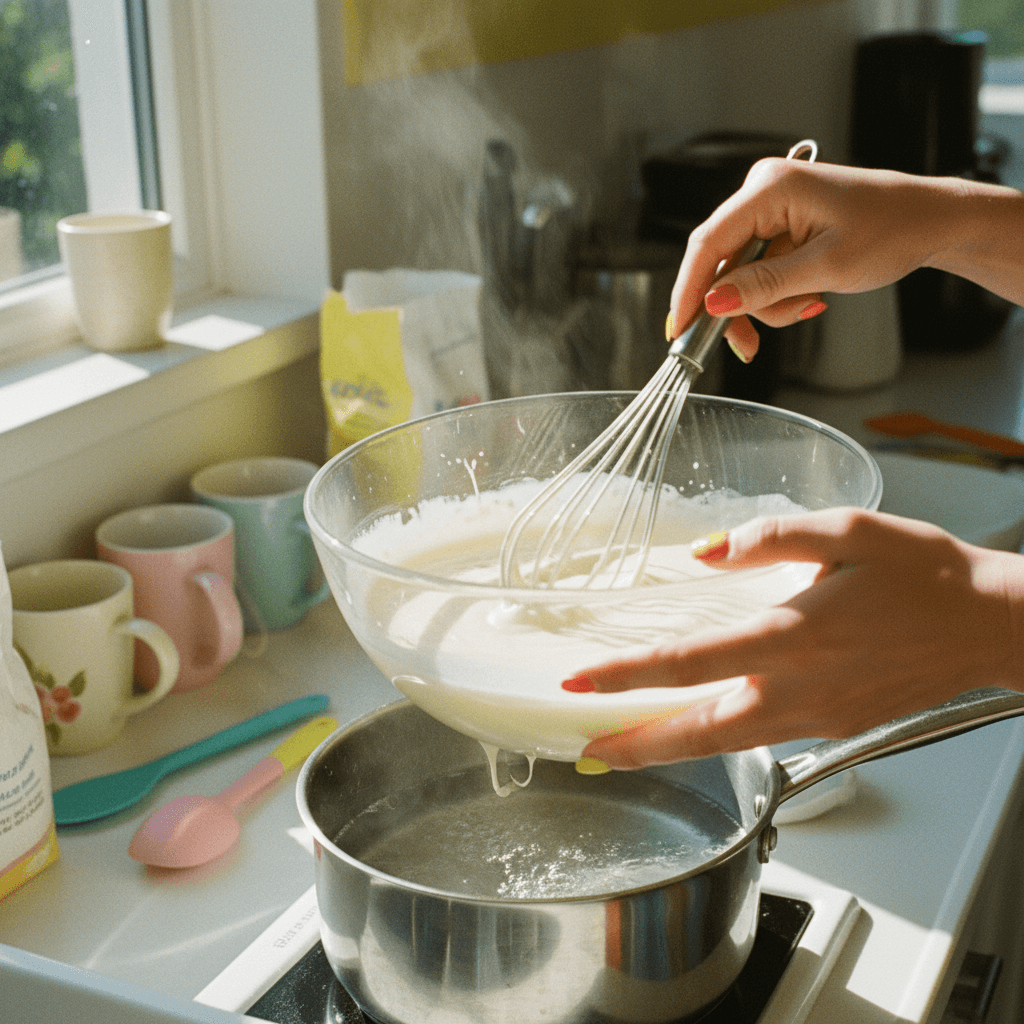
- 3
Add the egg yolks one at a time to the cream cheese mixture, whisking well after each addition until fully incorporated. Stir in the lemon juice.
⏱️ 5 min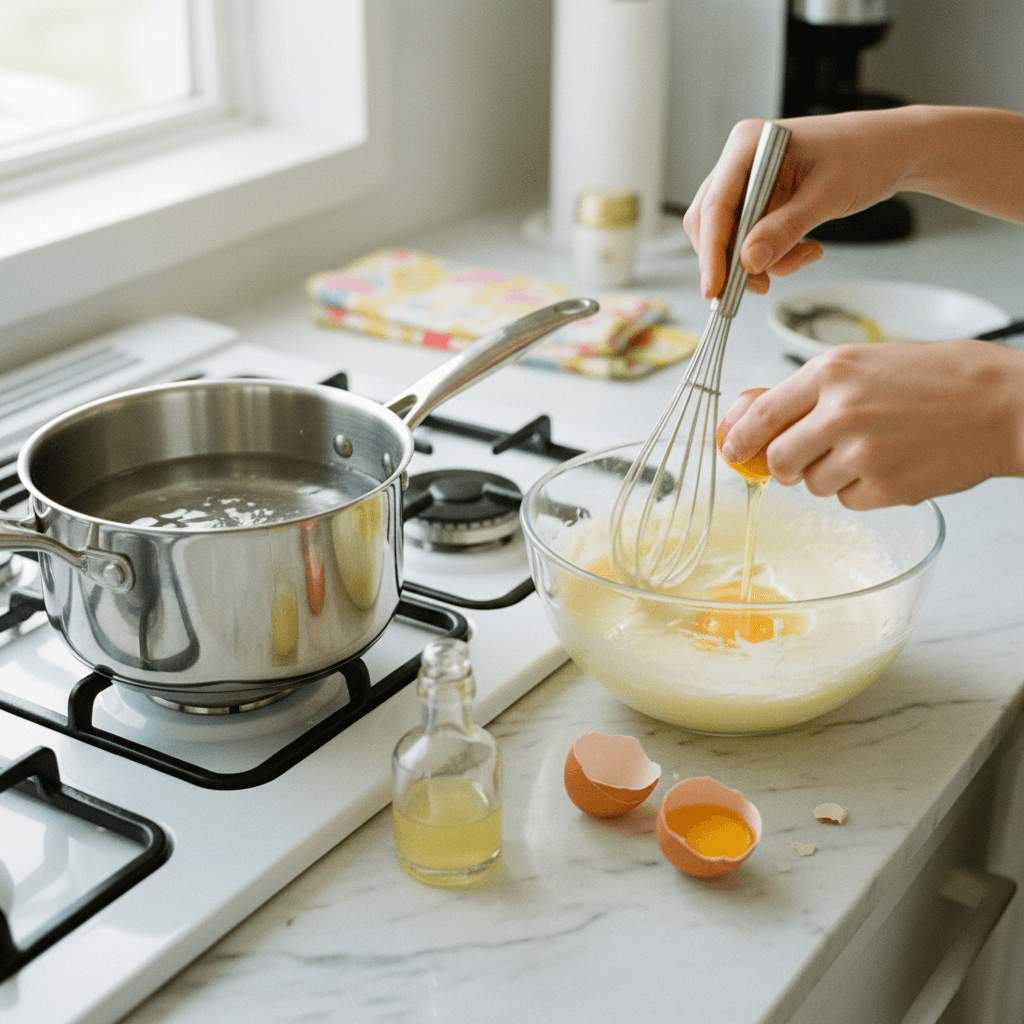
- 4
Sift the all-purpose flour and cornstarch together directly into the cream cheese mixture. Whisk until the batter is smooth and lump-free. Set aside.
⏱️ 5 min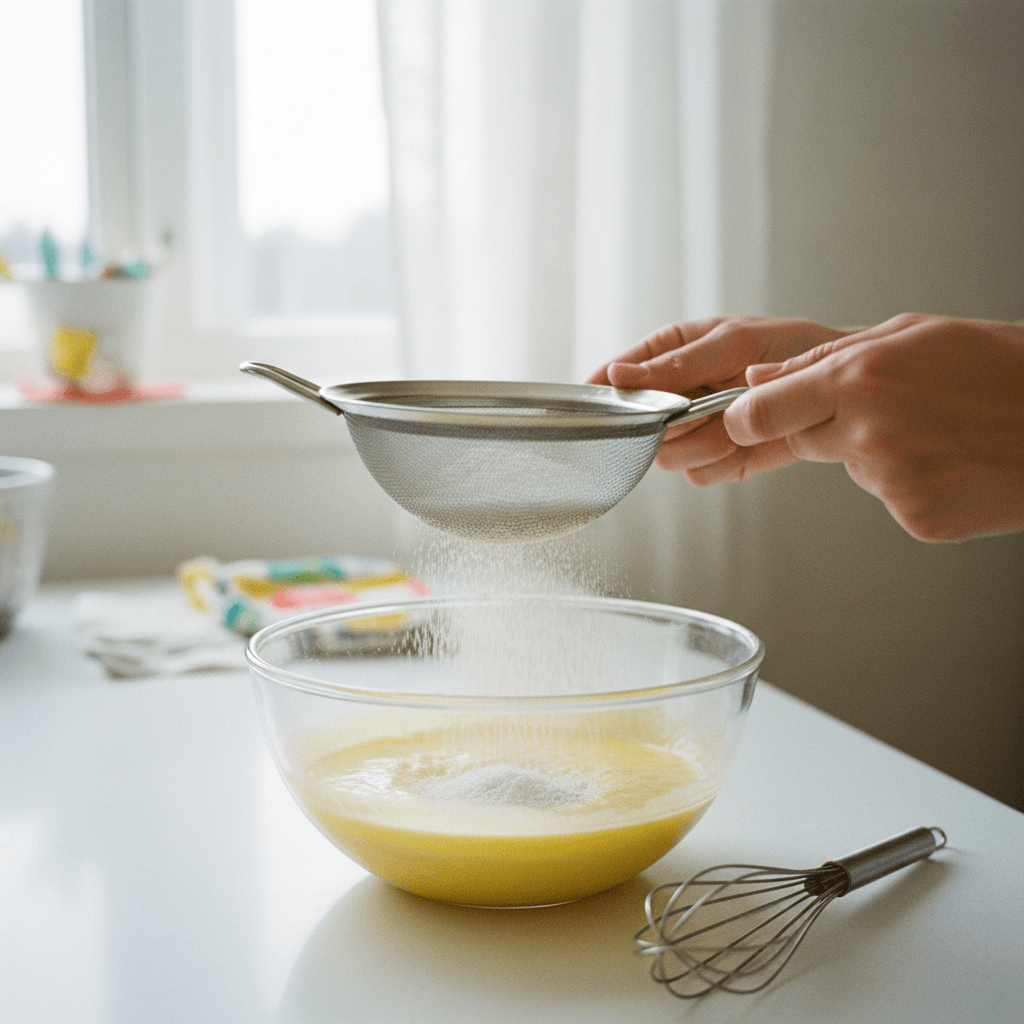
- 5
In a separate large, clean bowl, beat the egg whites with an electric hand mixer on medium speed until foamy. Add the cream of tartar (if using). Gradually add the remaining 1/4 cup granulated sugar, a tablespoon at a time, while continuing to beat on high speed. Continue beating until the meringue forms stiff, glossy peaks. Be careful not to overbeat.
⏱️ 10 min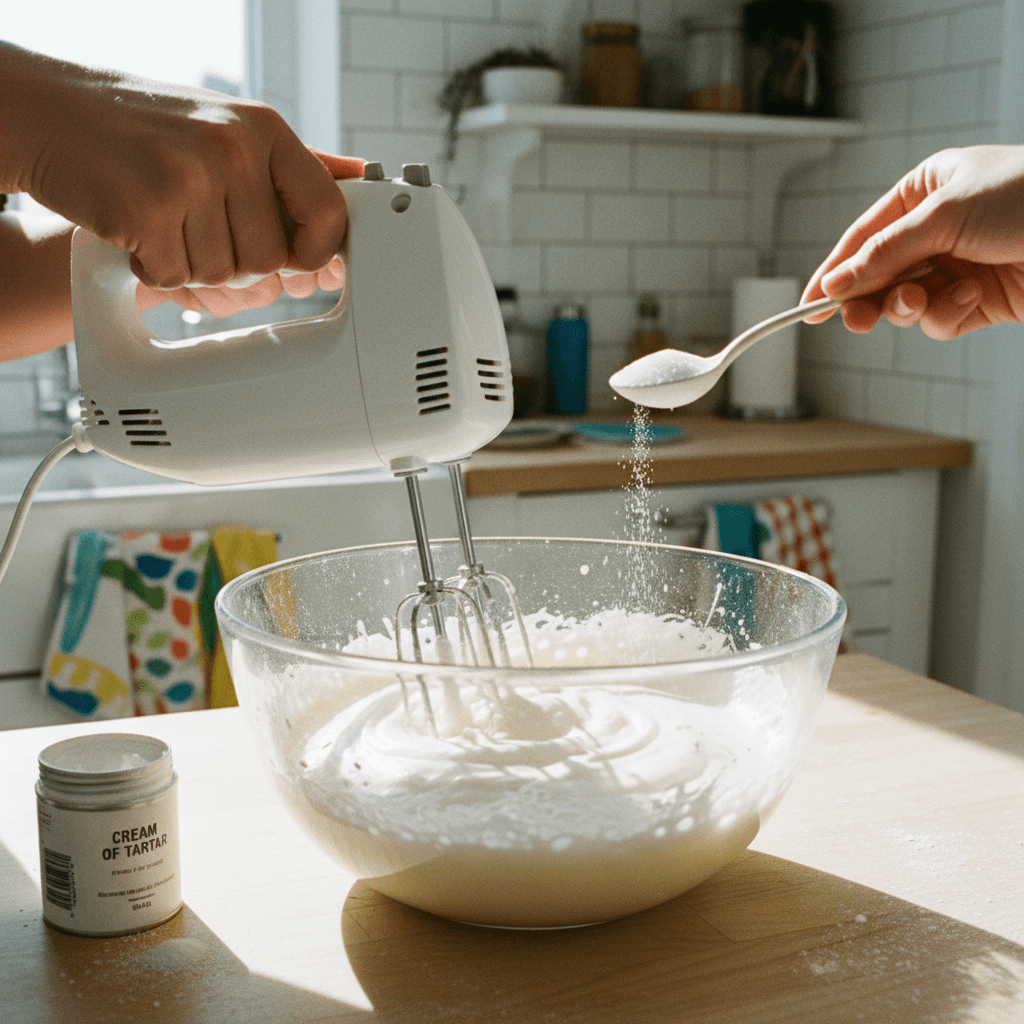
- 6
Gently fold about one-third of the meringue into the cream cheese batter using a spatula to lighten the mixture. Once partially combined, add the remaining meringue and carefully fold until just combined. Be gentle to maintain as much air as possible, as this is key to the cheesecake's fluffy texture.
⏱️ 5 min
- 7
Pour the batter into the prepared loaf pan. Tap the pan gently on the counter a few times to release any large air bubbles.
⏱️ 2 min
- 8
Place the loaf pan inside a larger baking dish. Carefully pour hot water into the larger baking dish until it reaches about halfway up the sides of the loaf pan, creating a bain-marie (water bath).
⏱️ 3 min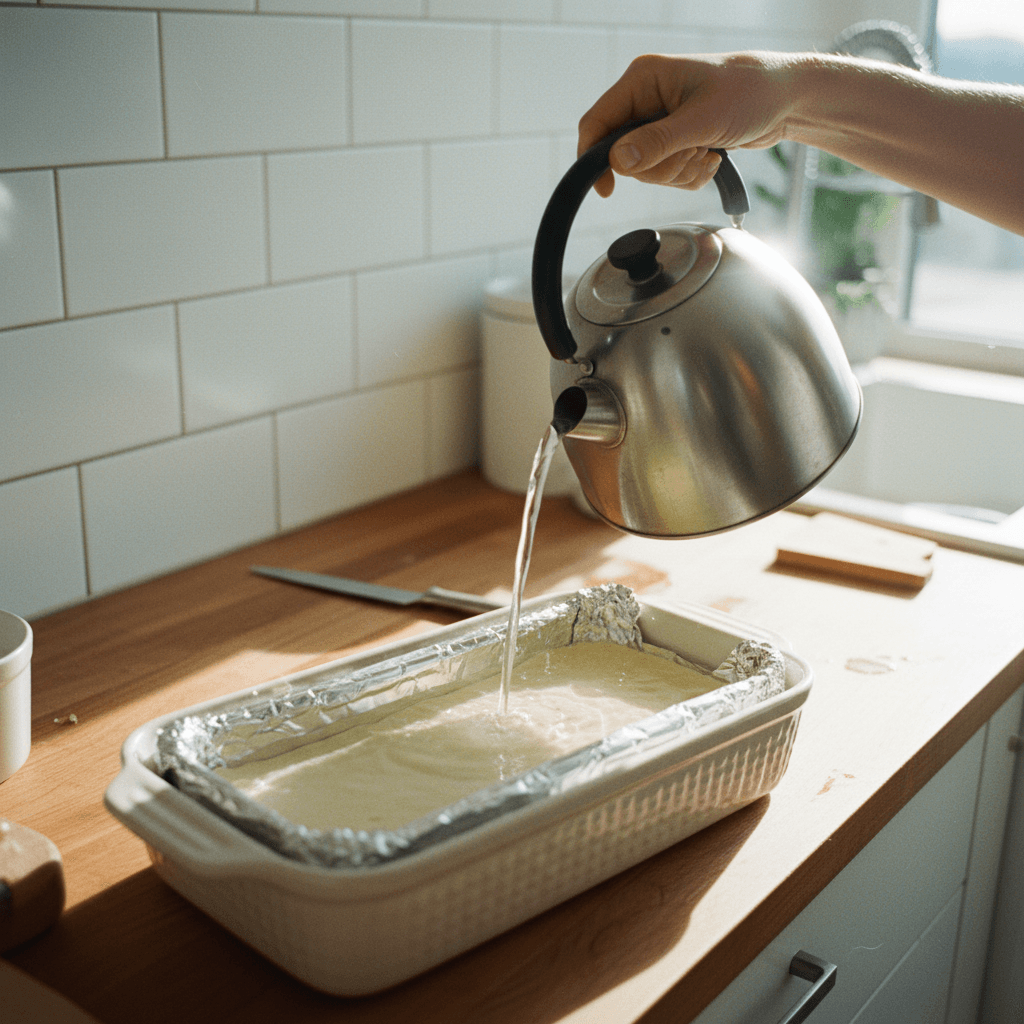
- 9
Bake for 30 minutes at 325°F (160°C). Then, reduce the oven temperature to 285°F (140°C) and continue baking for another 30-40 minutes, or until the top is golden brown and a skewer inserted into the center comes out clean or with moist crumbs attached. The cheesecake will be jiggly.
⏱️ 60 min•🌡️ 285
- 10
Once baked, turn off the oven and leave the cheesecake inside with the oven door slightly ajar for 30 minutes. This helps prevent cracking and sudden temperature changes.
⏱️ 30 min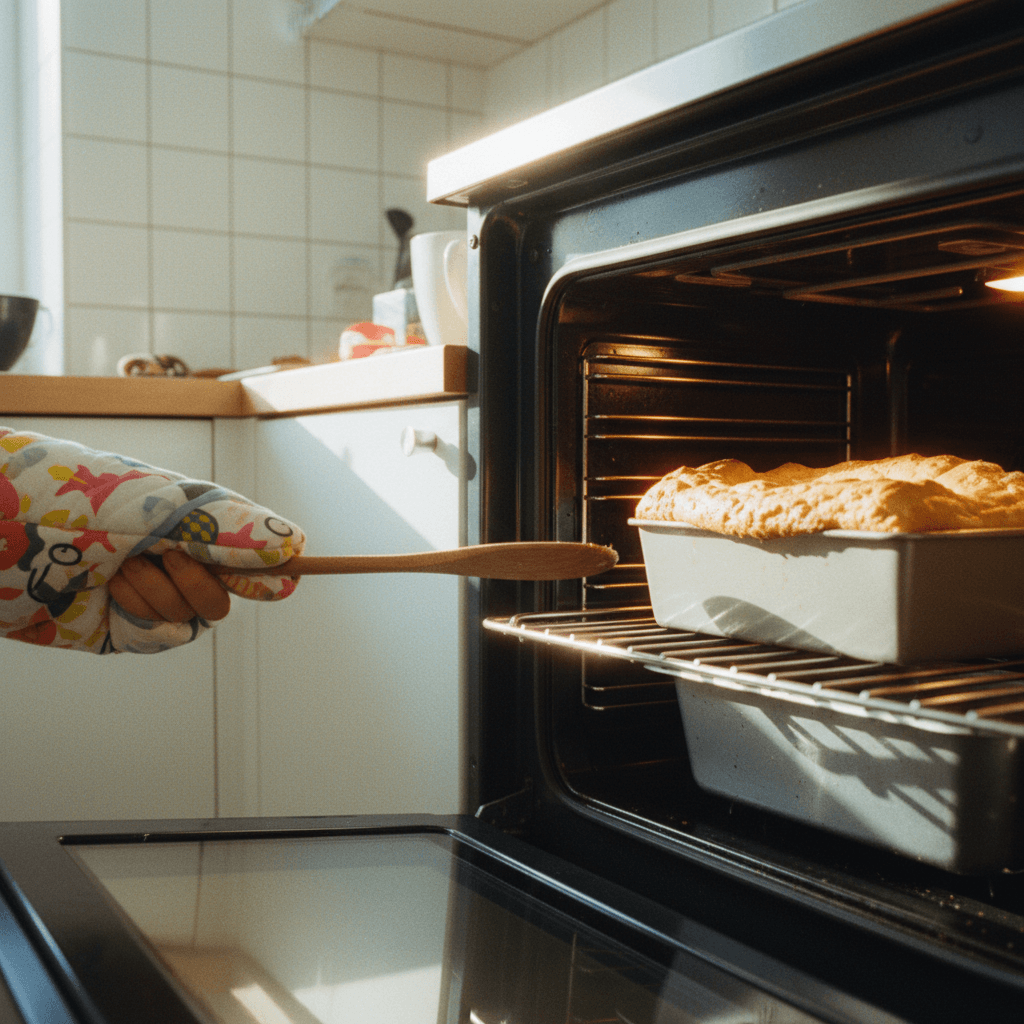
- 11
Remove the cheesecake from the oven and the water bath. Let it cool completely on a wire rack. Once cooled, refrigerate for at least 30 minutes (or preferably 2-3 hours) before serving for the best texture.
⏱️ 30 min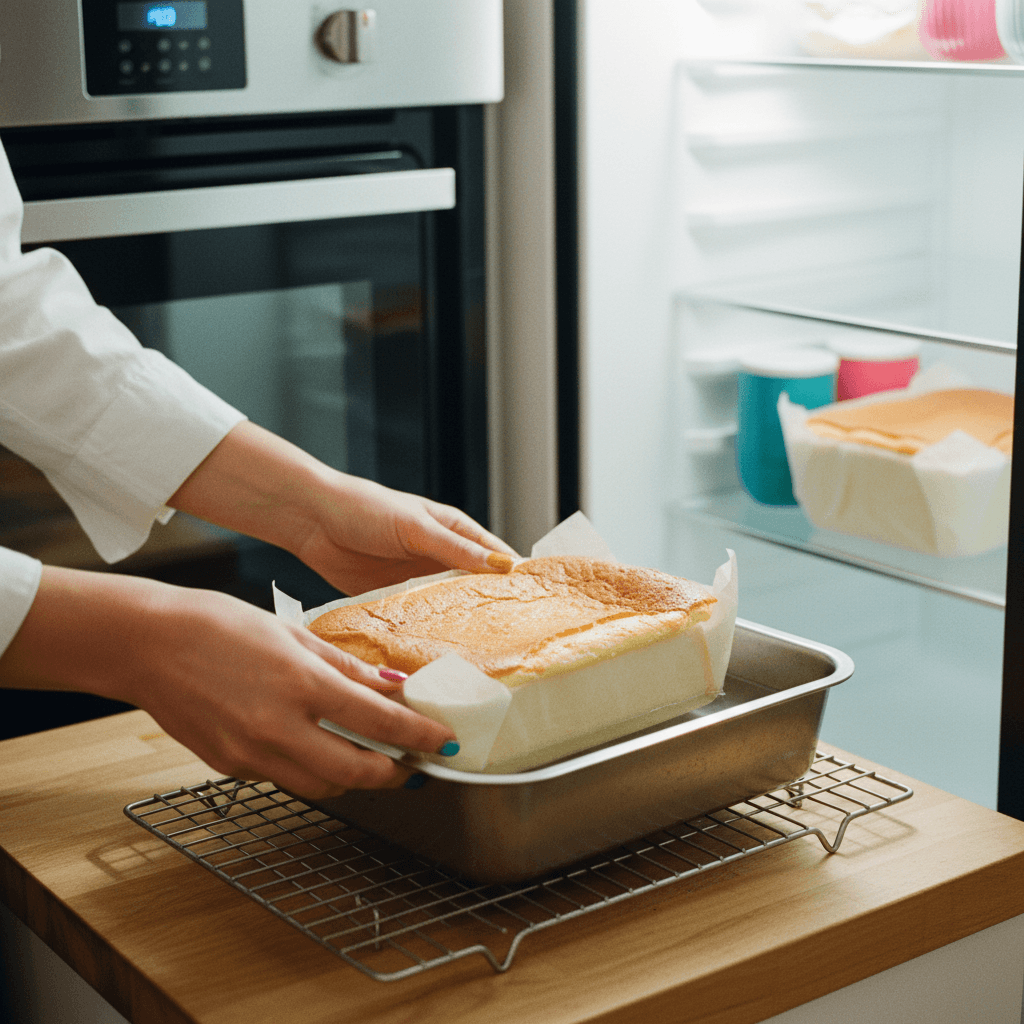
- 12
Carefully remove the cheesecake from the pan and peel off the parchment paper. Slice into thick pieces and serve.
⏱️ 5 min
Kitchen Tools
Nutrition Facts (per serving)
Japanese Soufflé Cheesecake (Japanese Cotton Cheesecake)
For the Cheesecake Batter
- 8 ounces cream cheese, softened
- 1/4 cup granulated sugar
- 1/4 cup whole milk
- 1/4 cup unsalted butter
- 3 egg yolks, large
- 1/4 cup all-purpose flour, sifted
- 2 tablespoons cornstarch, sifted
- 1 teaspoon lemon juice
For the Meringue
- 3 egg whites, large, at room temperature
- 1/4 cup granulated sugar
- 1/4 teaspoon cream of tartar, (optional, for meringue stability)
For the Water Bath
- as needed hot water
Instructions
- 1
Preheat your oven to 325°F (160°C). Grease and line the bottom and sides of an 8x4 inch loaf pan (or a 6-inch round springform pan) with parchment paper, allowing the paper to extend a few inches above the rim. Wrap the outside of the pan with aluminum foil to prevent water from seeping in during the water bath.
⏱️ 5 min•🌡️ 325 - 2
In a heatproof bowl, combine the softened cream cheese, 1/4 cup granulated sugar, milk, and butter. Place the bowl over a saucepan of simmering water (double boiler) and whisk until the mixture is smooth and all ingredients are well combined. Remove from heat.
⏱️ 10 min - 3
Add the egg yolks one at a time to the cream cheese mixture, whisking well after each addition until fully incorporated. Stir in the lemon juice.
⏱️ 5 min - 4
Sift the all-purpose flour and cornstarch together directly into the cream cheese mixture. Whisk until the batter is smooth and lump-free. Set aside.
⏱️ 5 min - 5
In a separate large, clean bowl, beat the egg whites with an electric hand mixer on medium speed until foamy. Add the cream of tartar (if using). Gradually add the remaining 1/4 cup granulated sugar, a tablespoon at a time, while continuing to beat on high speed. Continue beating until the meringue forms stiff, glossy peaks. Be careful not to overbeat.
⏱️ 10 min - 6
Gently fold about one-third of the meringue into the cream cheese batter using a spatula to lighten the mixture. Once partially combined, add the remaining meringue and carefully fold until just combined. Be gentle to maintain as much air as possible, as this is key to the cheesecake's fluffy texture.
⏱️ 5 min - 7
Pour the batter into the prepared loaf pan. Tap the pan gently on the counter a few times to release any large air bubbles.
⏱️ 2 min - 8
Place the loaf pan inside a larger baking dish. Carefully pour hot water into the larger baking dish until it reaches about halfway up the sides of the loaf pan, creating a bain-marie (water bath).
⏱️ 3 min - 9
Bake for 30 minutes at 325°F (160°C). Then, reduce the oven temperature to 285°F (140°C) and continue baking for another 30-40 minutes, or until the top is golden brown and a skewer inserted into the center comes out clean or with moist crumbs attached. The cheesecake will be jiggly.
⏱️ 60 min•🌡️ 285 - 10
Once baked, turn off the oven and leave the cheesecake inside with the oven door slightly ajar for 30 minutes. This helps prevent cracking and sudden temperature changes.
⏱️ 30 min - 11
Remove the cheesecake from the oven and the water bath. Let it cool completely on a wire rack. Once cooled, refrigerate for at least 30 minutes (or preferably 2-3 hours) before serving for the best texture.
⏱️ 30 min - 12
Carefully remove the cheesecake from the pan and peel off the parchment paper. Slice into thick pieces and serve.
⏱️ 5 min