Salmon Belly Teriyaki Bowl
Salmon Belly Teriyaki Bowl

Ingredients
For the Salmon
- 4 salmon belly, 4 to 5 ounce portions
For the Teriyaki Sauce
- 1/2 cup soy sauce
- 1/2 cup Mirin, Japanese cooking wine
- 1/4 cup sake, optional
- 1/4 cup rice wine vinegar
- 1/4 cup brown sugar
- 1 tablespoon ginger, grated
- 1 tablespoon garlic, grated
For the Sticky Rice
- 1 1/2 cups sushi rice, Botan recommended
- as needed water, to cover rice by 1/2 inch
- 1/4 cup rice wine vinegar
- 2 tablespoons Mirin
- 1 tablespoon sugar
- 1 teaspoon salt
For the Garnish
- as needed chives, sliced, or garlic tops
- as needed Korean chili flakes
Instructions
- 1
Preheat your oven broiler. Prepare the salmon by placing the 4 to 5 ounce portions of salmon belly on a metal baking tray.
⏱️ 5 min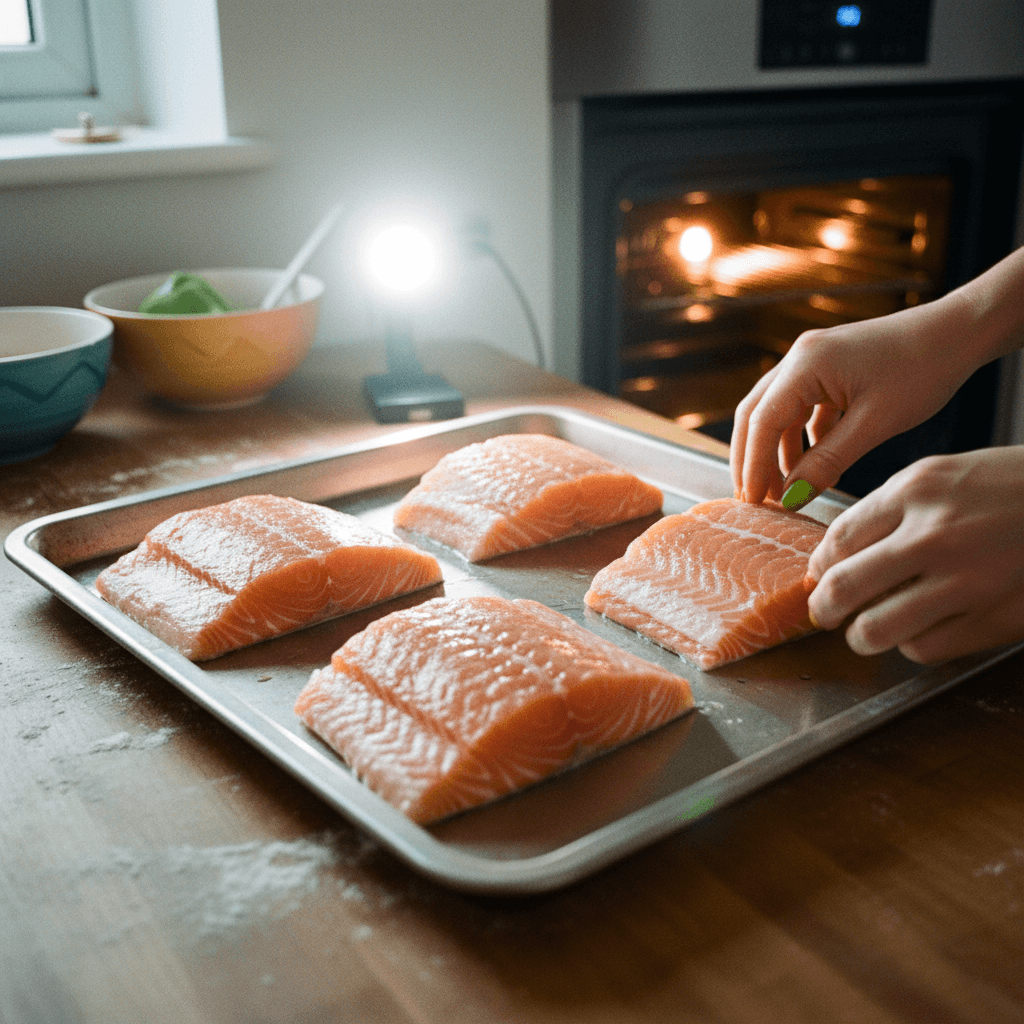
- 2
To make the teriyaki sauce, combine soy sauce, Mirin, sake (if using), rice wine vinegar, brown sugar, grated ginger, and grated garlic in a saucepan. Place the pan over medium heat on the stove. Cook the mixture, stirring occasionally with a wooden spoon, until it thickens into a glossy glaze and bubbles vigorously. This should take about 8-10 minutes.
⏱️ 10 min
- 3
Using a brush, generously coat each salmon belly portion on the baking tray with the prepared teriyaki glaze. Place the glazed salmon into the preheated oven and broil for 5-7 minutes, or until the edges are charred, and the salmon is cooked through and caramelized. Keep a close eye on it to prevent burning.
⏱️ 7 min
- 4
While the salmon broils, cook the sticky rice. Add 1 1/2 cups of sushi rice to a rice cooker pot. Add enough water to cover the rice, with approximately 1/2 inch of water above the rice level. Cover the rice cooker with its lid and start the cooking cycle.
⏱️ 20 min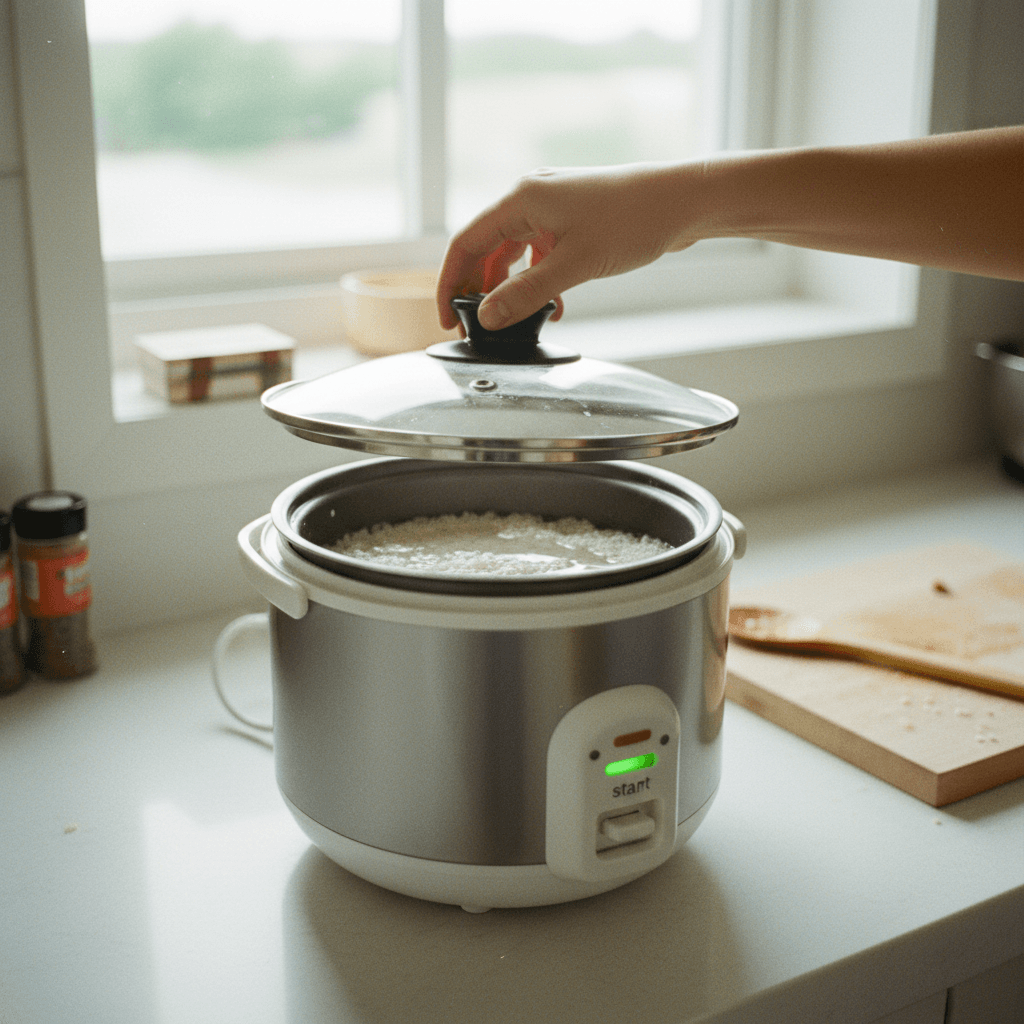
- 5
While the rice cooks, prepare the rice seasoning. In a small bowl, combine 1/4 cup rice wine vinegar, 2 tablespoons Mirin, 1 tablespoon sugar, and 1 teaspoon salt. Stir with a wooden spoon until the sugar and salt are fully dissolved.
⏱️ 3 min
- 6
Finely chop the chives or garlic tops for garnish on a cutting board.
⏱️ 2 min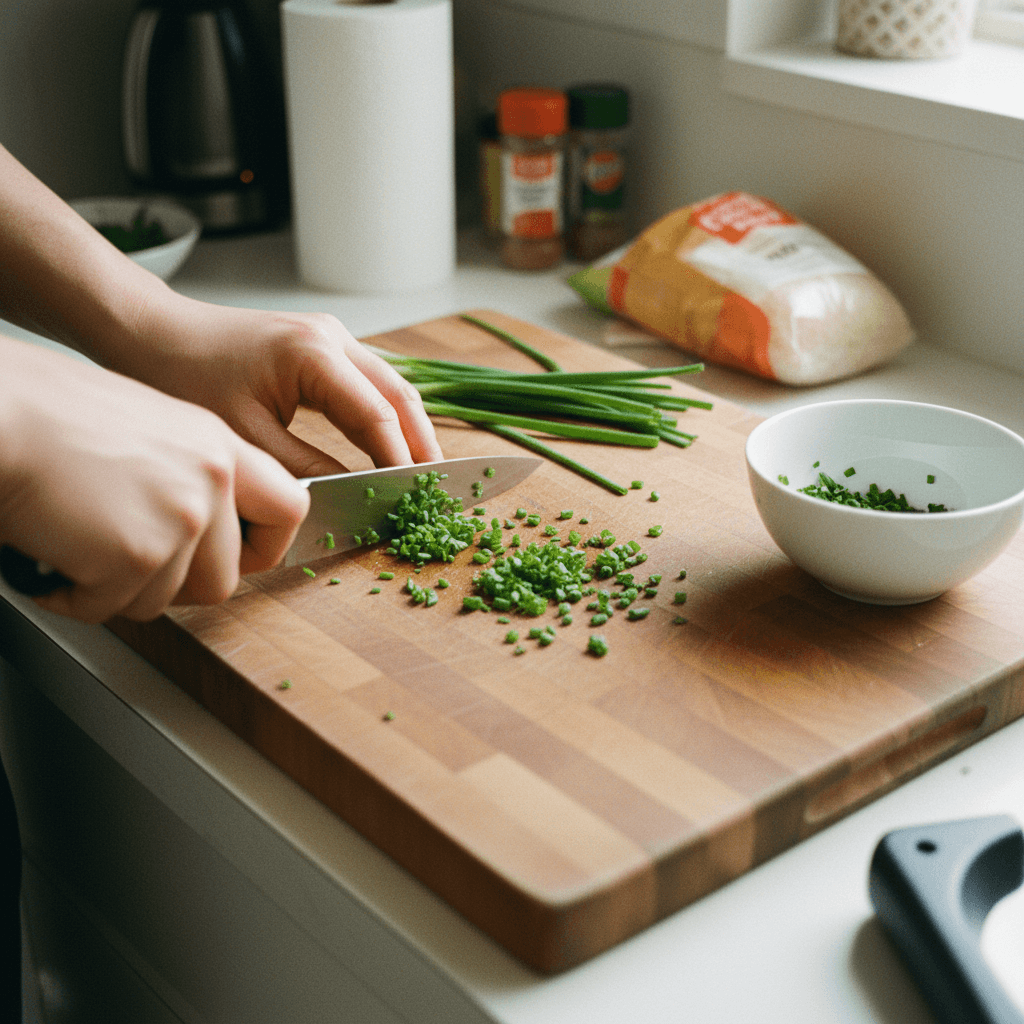
- 7
Once the rice is cooked, remove the lid from the rice cooker. Pour the prepared rice seasoning mixture evenly over the hot rice in the pot. Use a wooden paddle or spoon to gently fold and mix the seasoning into the rice. Cover the pot again briefly to allow the flavors to meld.
⏱️ 3 min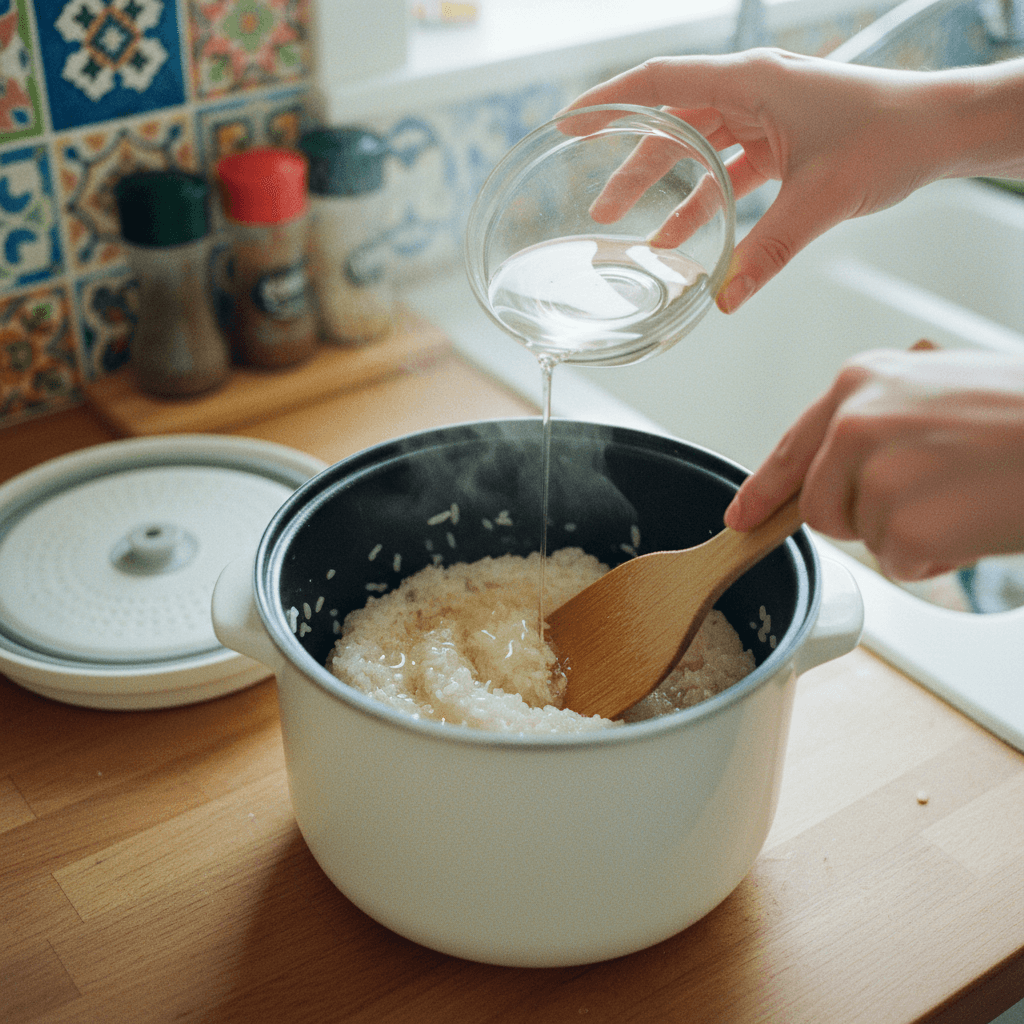
- 8
Once the salmon is finished broiling, carefully remove the tray from the oven.
⏱️ 1 min
- 9
To plate, use a small bowl to mold a portion of the sticky rice onto a larger serving plate. Carefully place one broiled salmon belly fillet on top of the rice.
⏱️ 1 min
- 10
Drizzle any remaining teriyaki sauce from the saucepan over the salmon and rice.
⏱️ 1 min
- 11
Garnish generously with the chopped chives (or garlic tops) and a sprinkle of Korean chili flakes.
⏱️ 1 min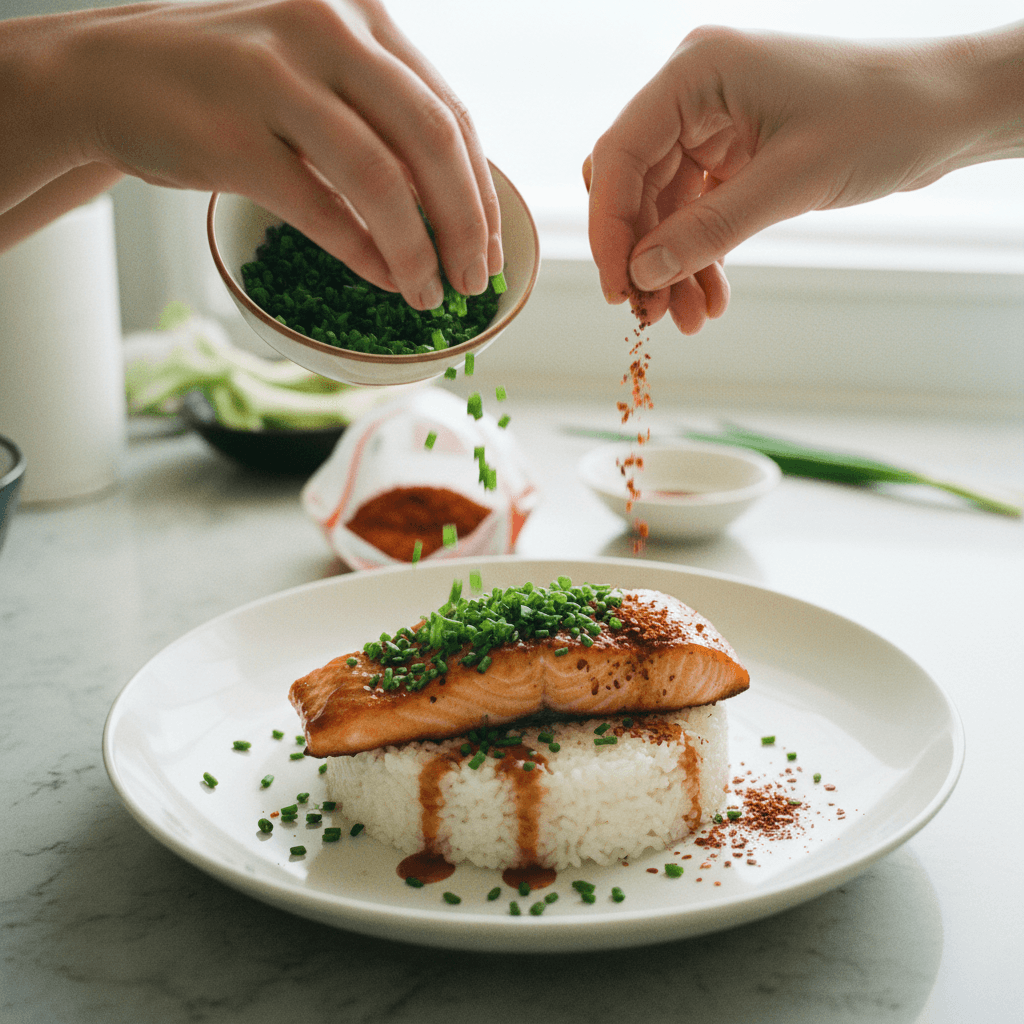
- 12
The dish is now ready to be served and enjoyed with chopsticks.

Kitchen Tools
Nutrition Facts (per serving)
Salmon Belly Teriyaki Bowl
For the Salmon
- 4 salmon belly, 4 to 5 ounce portions
For the Teriyaki Sauce
- 1/2 cup soy sauce
- 1/2 cup Mirin, Japanese cooking wine
- 1/4 cup sake, optional
- 1/4 cup rice wine vinegar
- 1/4 cup brown sugar
- 1 tablespoon ginger, grated
- 1 tablespoon garlic, grated
For the Sticky Rice
- 1 1/2 cups sushi rice, Botan recommended
- as needed water, to cover rice by 1/2 inch
- 1/4 cup rice wine vinegar
- 2 tablespoons Mirin
- 1 tablespoon sugar
- 1 teaspoon salt
For the Garnish
- as needed chives, sliced, or garlic tops
- as needed Korean chili flakes
Instructions
- 1
Preheat your oven broiler. Prepare the salmon by placing the 4 to 5 ounce portions of salmon belly on a metal baking tray.
⏱️ 5 min - 2
To make the teriyaki sauce, combine soy sauce, Mirin, sake (if using), rice wine vinegar, brown sugar, grated ginger, and grated garlic in a saucepan. Place the pan over medium heat on the stove. Cook the mixture, stirring occasionally with a wooden spoon, until it thickens into a glossy glaze and bubbles vigorously. This should take about 8-10 minutes.
⏱️ 10 min - 3
Using a brush, generously coat each salmon belly portion on the baking tray with the prepared teriyaki glaze. Place the glazed salmon into the preheated oven and broil for 5-7 minutes, or until the edges are charred, and the salmon is cooked through and caramelized. Keep a close eye on it to prevent burning.
⏱️ 7 min - 4
While the salmon broils, cook the sticky rice. Add 1 1/2 cups of sushi rice to a rice cooker pot. Add enough water to cover the rice, with approximately 1/2 inch of water above the rice level. Cover the rice cooker with its lid and start the cooking cycle.
⏱️ 20 min - 5
While the rice cooks, prepare the rice seasoning. In a small bowl, combine 1/4 cup rice wine vinegar, 2 tablespoons Mirin, 1 tablespoon sugar, and 1 teaspoon salt. Stir with a wooden spoon until the sugar and salt are fully dissolved.
⏱️ 3 min - 6
Finely chop the chives or garlic tops for garnish on a cutting board.
⏱️ 2 min - 7
Once the rice is cooked, remove the lid from the rice cooker. Pour the prepared rice seasoning mixture evenly over the hot rice in the pot. Use a wooden paddle or spoon to gently fold and mix the seasoning into the rice. Cover the pot again briefly to allow the flavors to meld.
⏱️ 3 min - 8
Once the salmon is finished broiling, carefully remove the tray from the oven.
⏱️ 1 min - 9
To plate, use a small bowl to mold a portion of the sticky rice onto a larger serving plate. Carefully place one broiled salmon belly fillet on top of the rice.
⏱️ 1 min - 10
Drizzle any remaining teriyaki sauce from the saucepan over the salmon and rice.
⏱️ 1 min - 11
Garnish generously with the chopped chives (or garlic tops) and a sprinkle of Korean chili flakes.
⏱️ 1 min - 12
The dish is now ready to be served and enjoyed with chopsticks.