Ciabatta Rolls
Ciabatta Rolls

Ingredients
- 4 cups all-purpose flour, (480 g)
- 1 1/2 teaspoons salt, (9 g)
- 1/2 teaspoon yeast, active dry or instant (1.5 g)
- 2 cups lukewarm water, no more than 110 degrees F (470 g)
- as needed flour, for dusting
- as needed aluminum foil
- as needed liquid, for brushing (e.g., water)
Instructions
- 1
In a large bowl, combine the all-purpose flour, salt, yeast, and lukewarm water. Mix until all ingredients are just combined and no dry spots of flour remain. The dough will be shaggy and sticky.
⏱️ 5 min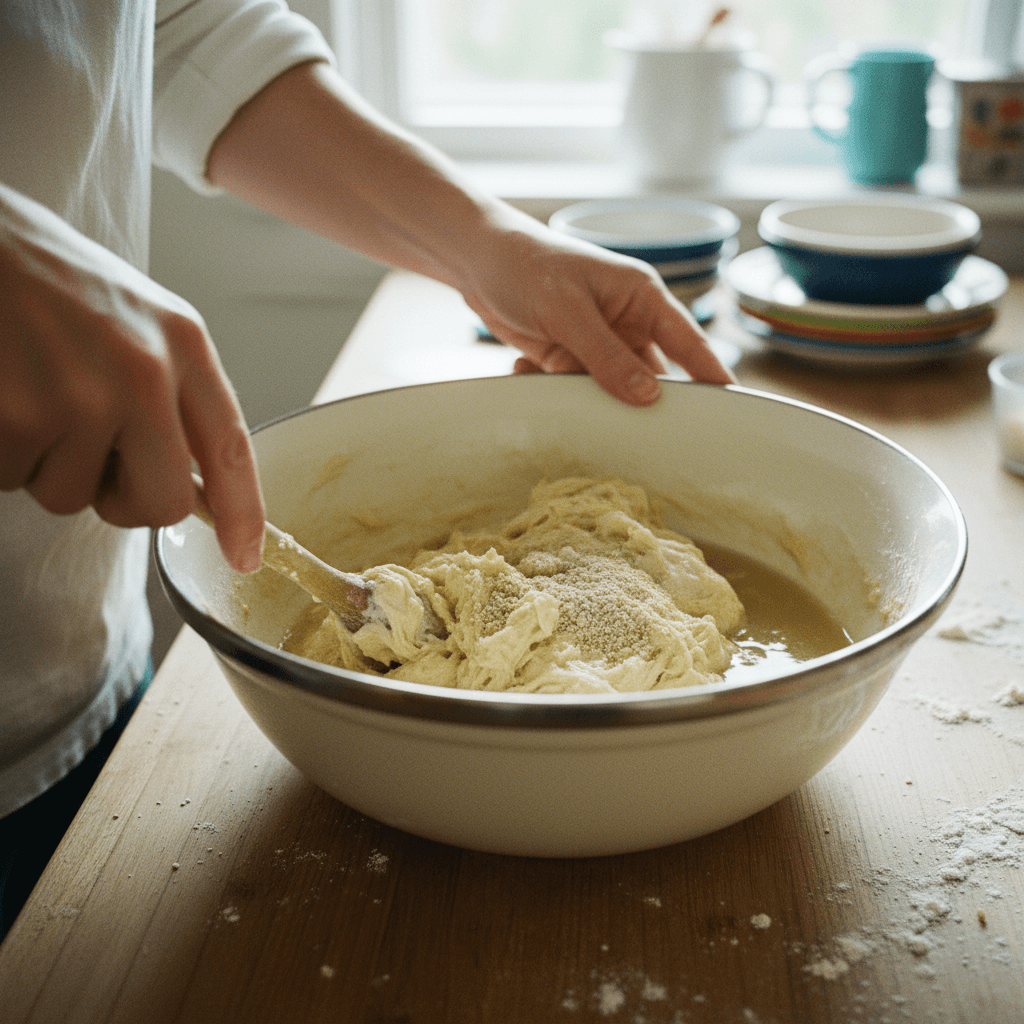
- 2
Cover the bowl with plastic wrap or a damp kitchen towel. Let the dough sit at room temperature on your counter for 12 to 18 hours for its first fermentation (overnight proof). This is a no-knead ciabatta dough.
⏱️ 720 min
- 3
After the dough has fermented, generously dust a clean counter surface with flour. Gently scrape the fermented dough out of the bowl onto the floured surface.
⏱️ 2 min
- 4
Using a dough scraper or a knife, gently divide the dough into 4 to 6 equal portions for your ciabatta rolls. Handle the dough gently to preserve the air pockets created during fermentation.
⏱️ 3 min
- 5
Carefully transfer the shaped dough portions onto a baking sheet lined with parchment paper, leaving some space between them.
⏱️ 1 min
- 6
Let the dough rest on the baking sheet while you preheat your oven. Preheat the oven to 450°F (232°C).
⏱️ 15 min•🌡️ 450
- 7
Once the oven is preheated, cover the baking sheet containing the dough with aluminum foil. This helps to trap steam and create a crispy crust. Place the covered baking sheet into the preheated oven and bake for 20 minutes.
⏱️ 20 min•🌡️ 450
- 8
After 20 minutes, carefully remove the aluminum foil from the baking sheet. Continue baking the rolls uncovered for an additional 5 minutes, or until the crust is golden brown.
⏱️ 5 min•🌡️ 450
- 9
Remove the baked ciabatta rolls from the oven and immediately transfer them to a wire cooling rack to cool completely.
⏱️ 1 min
- 10
While the rolls are on the cooling rack, you may optionally brush their tops with a little water or a light wash for added shine and a slightly softer crust.
⏱️ 1 min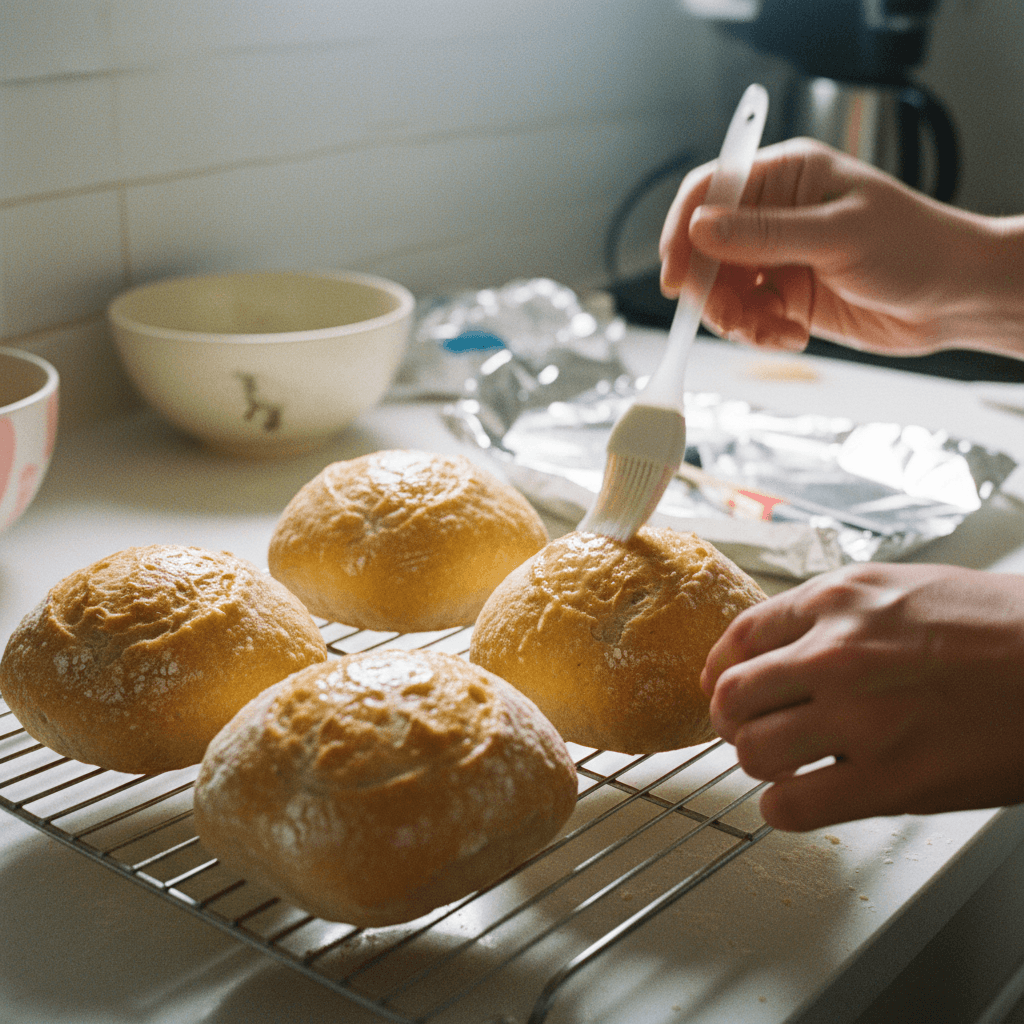
- 11
Serve the ciabatta rolls warm or at room temperature. They should have a soft and fluffy interior with a crunchy exterior.

Kitchen Tools
Nutrition Facts (per serving)
Ciabatta Rolls
- 4 cups all-purpose flour, (480 g)
- 1 1/2 teaspoons salt, (9 g)
- 1/2 teaspoon yeast, active dry or instant (1.5 g)
- 2 cups lukewarm water, no more than 110 degrees F (470 g)
- as needed flour, for dusting
- as needed aluminum foil
- as needed liquid, for brushing (e.g., water)
Instructions
- 1
In a large bowl, combine the all-purpose flour, salt, yeast, and lukewarm water. Mix until all ingredients are just combined and no dry spots of flour remain. The dough will be shaggy and sticky.
⏱️ 5 min - 2
Cover the bowl with plastic wrap or a damp kitchen towel. Let the dough sit at room temperature on your counter for 12 to 18 hours for its first fermentation (overnight proof). This is a no-knead ciabatta dough.
⏱️ 720 min - 3
After the dough has fermented, generously dust a clean counter surface with flour. Gently scrape the fermented dough out of the bowl onto the floured surface.
⏱️ 2 min - 4
Using a dough scraper or a knife, gently divide the dough into 4 to 6 equal portions for your ciabatta rolls. Handle the dough gently to preserve the air pockets created during fermentation.
⏱️ 3 min - 5
Carefully transfer the shaped dough portions onto a baking sheet lined with parchment paper, leaving some space between them.
⏱️ 1 min - 6
Let the dough rest on the baking sheet while you preheat your oven. Preheat the oven to 450°F (232°C).
⏱️ 15 min•🌡️ 450 - 7
Once the oven is preheated, cover the baking sheet containing the dough with aluminum foil. This helps to trap steam and create a crispy crust. Place the covered baking sheet into the preheated oven and bake for 20 minutes.
⏱️ 20 min•🌡️ 450 - 8
After 20 minutes, carefully remove the aluminum foil from the baking sheet. Continue baking the rolls uncovered for an additional 5 minutes, or until the crust is golden brown.
⏱️ 5 min•🌡️ 450 - 9
Remove the baked ciabatta rolls from the oven and immediately transfer them to a wire cooling rack to cool completely.
⏱️ 1 min - 10
While the rolls are on the cooling rack, you may optionally brush their tops with a little water or a light wash for added shine and a slightly softer crust.
⏱️ 1 min - 11
Serve the ciabatta rolls warm or at room temperature. They should have a soft and fluffy interior with a crunchy exterior.