Peanut Butter Cookies
Peanut Butter Cookies

Ingredients
- 1/2 cup butter, unsalted, at room temperature
- 1/2 cup natural peanut butter
- 3/4 cup brown sugar
- 3/4 cup white sugar
- 1 egg
- 1 teaspoon vanilla extract
- 1 1/2 cups all purpose flour
- 1/2 teaspoon baking soda
- 1/2 teaspoon baking powder
- 2 cups milk chocolate melting wafers, for dipping
Instructions
- 1
Preheat your oven to 350°F (175°C). Line a large baking sheet with parchment paper.
⏱️ 5 min•🌡️ 350
- 2
In a large mixing bowl, combine the unsalted butter (at room temperature), natural peanut butter, brown sugar, and white sugar. Beat the mixture using a stand mixer with a paddle attachment (or a hand mixer) until it is well mixed, creamy, and light in color. This should take about 2-3 minutes.
⏱️ 3 min
- 3
Add the egg and vanilla extract to the creamed mixture. Continue to beat until thoroughly incorporated, scraping down the sides of the bowl as needed.
⏱️ 2 min
- 4
In a separate medium bowl, whisk together the all purpose flour, baking soda, and baking powder.
⏱️ 1 min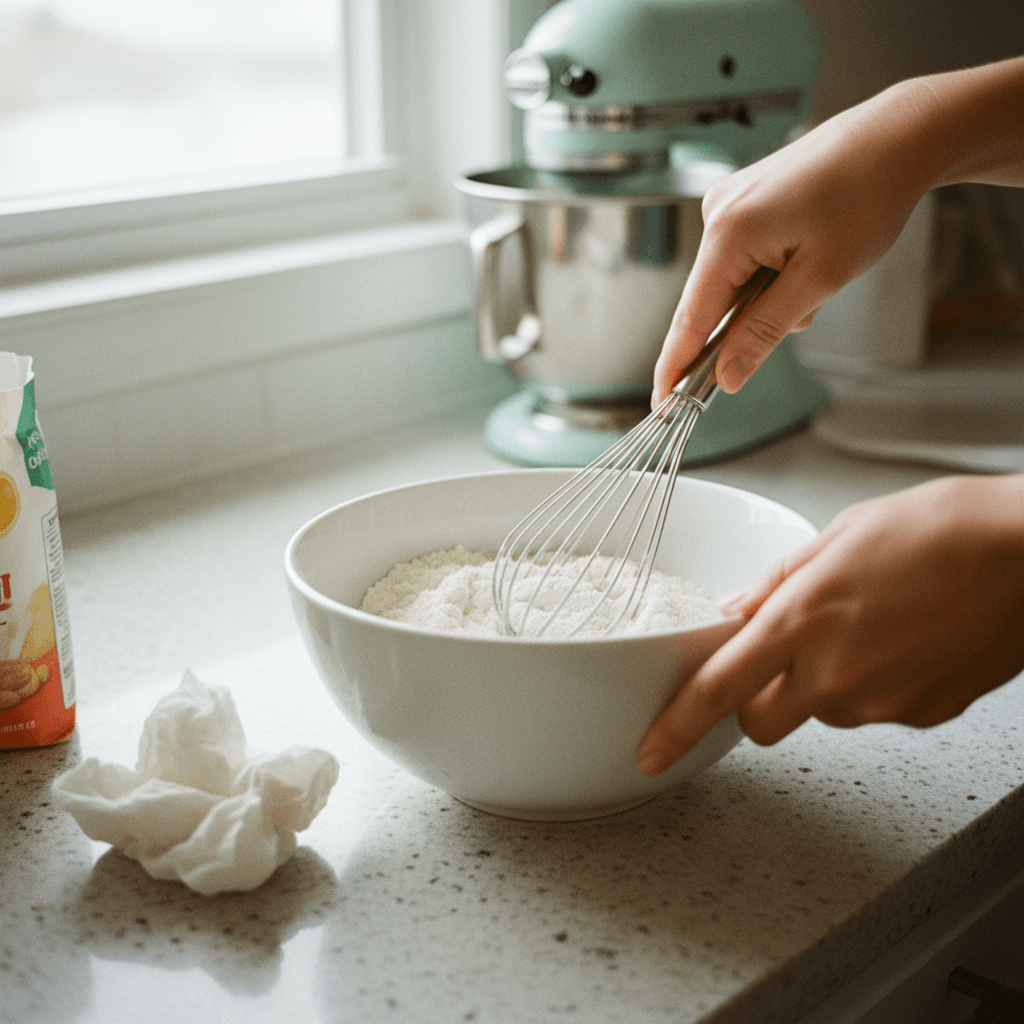
- 5
Gradually add the dry flour mixture to the wet mixture in the stand mixer. Mix on low speed until just combined. Be careful not to overmix the dough.
⏱️ 2 min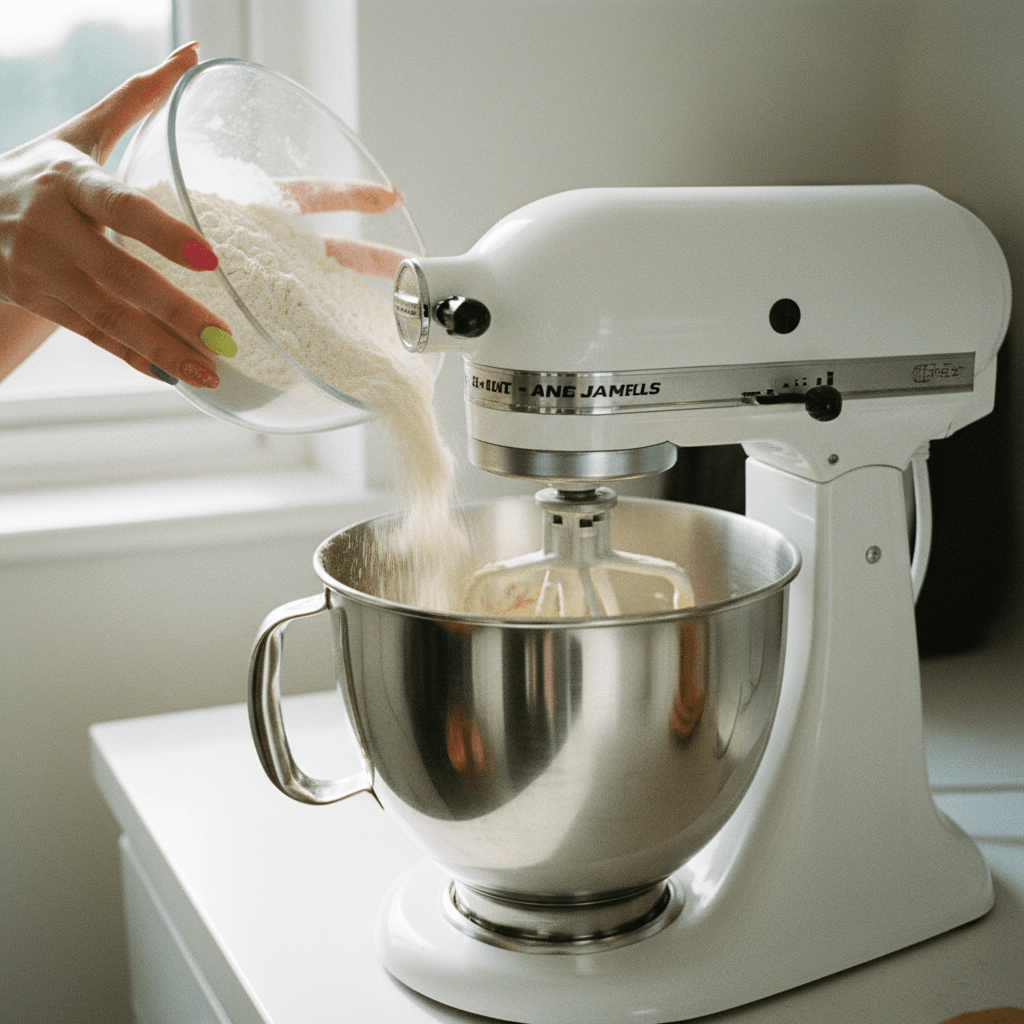
- 6
Once combined, scoop out two tablespoon-sized balls of cookie dough. Roll the dough into smooth balls. Place the cookie dough balls onto the prepared baking sheet, leaving about 2 inches between each cookie. Flatten them slightly with the palm of your hand or the bottom of a glass cup.
⏱️ 7 min
- 7
Bake the cookies for 8 minutes at 350°F (175°C).
⏱️ 8 min•🌡️ 350
- 8
After 8 minutes, carefully pull the baking sheet out of the oven. Gently but firmly slam the baking tray against the counter a few times. This technique helps to flatten the cookies further and creates a crinkly texture. Place the baking tray back into the oven and bake for an additional 3-4 minutes, or until the edges are lightly golden and the centers are still slightly soft.
⏱️ 4 min•🌡️ 350
- 9
Remove the cookies from the oven and let them cool completely on the baking sheet. This is crucial for them to set properly before dipping.
⏱️ 30 min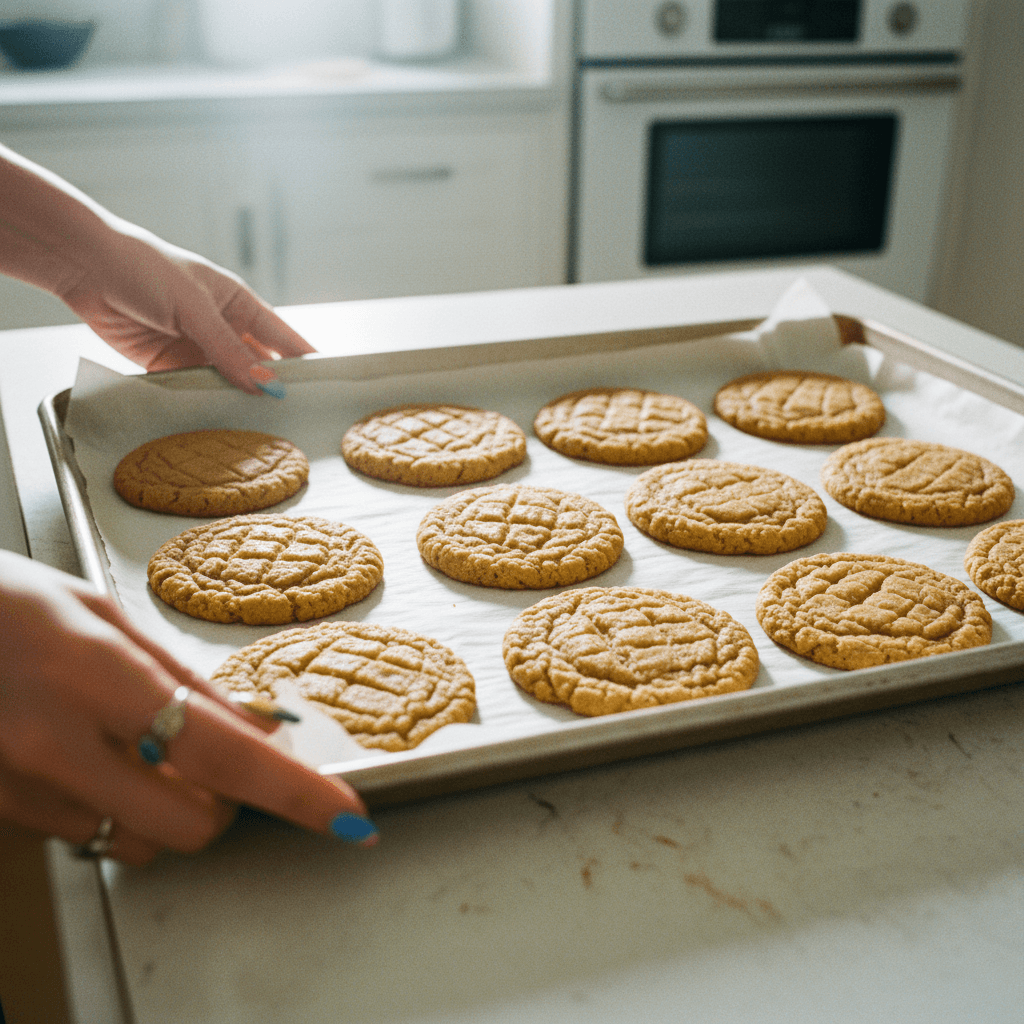
- 10
Once the cookies are completely cooled, melt the milk chocolate melting wafers according to package directions (typically in a microwave or double boiler).
⏱️ 3 min
- 11
Dip the cooled cookies into the melted chocolate. For best results, you can also add a dollop of melted chocolate to the cooled parchment paper and then place the dipped cookies on top to set. Allow the chocolate to fully set before serving.
⏱️ 5 min
Kitchen Tools
Nutrition Facts (per serving)
Peanut Butter Cookies
- 1/2 cup butter, unsalted, at room temperature
- 1/2 cup natural peanut butter
- 3/4 cup brown sugar
- 3/4 cup white sugar
- 1 egg
- 1 teaspoon vanilla extract
- 1 1/2 cups all purpose flour
- 1/2 teaspoon baking soda
- 1/2 teaspoon baking powder
- 2 cups milk chocolate melting wafers, for dipping
Instructions
- 1
Preheat your oven to 350°F (175°C). Line a large baking sheet with parchment paper.
⏱️ 5 min•🌡️ 350 - 2
In a large mixing bowl, combine the unsalted butter (at room temperature), natural peanut butter, brown sugar, and white sugar. Beat the mixture using a stand mixer with a paddle attachment (or a hand mixer) until it is well mixed, creamy, and light in color. This should take about 2-3 minutes.
⏱️ 3 min - 3
Add the egg and vanilla extract to the creamed mixture. Continue to beat until thoroughly incorporated, scraping down the sides of the bowl as needed.
⏱️ 2 min - 4
In a separate medium bowl, whisk together the all purpose flour, baking soda, and baking powder.
⏱️ 1 min - 5
Gradually add the dry flour mixture to the wet mixture in the stand mixer. Mix on low speed until just combined. Be careful not to overmix the dough.
⏱️ 2 min - 6
Once combined, scoop out two tablespoon-sized balls of cookie dough. Roll the dough into smooth balls. Place the cookie dough balls onto the prepared baking sheet, leaving about 2 inches between each cookie. Flatten them slightly with the palm of your hand or the bottom of a glass cup.
⏱️ 7 min - 7
Bake the cookies for 8 minutes at 350°F (175°C).
⏱️ 8 min•🌡️ 350 - 8
After 8 minutes, carefully pull the baking sheet out of the oven. Gently but firmly slam the baking tray against the counter a few times. This technique helps to flatten the cookies further and creates a crinkly texture. Place the baking tray back into the oven and bake for an additional 3-4 minutes, or until the edges are lightly golden and the centers are still slightly soft.
⏱️ 4 min•🌡️ 350 - 9
Remove the cookies from the oven and let them cool completely on the baking sheet. This is crucial for them to set properly before dipping.
⏱️ 30 min - 10
Once the cookies are completely cooled, melt the milk chocolate melting wafers according to package directions (typically in a microwave or double boiler).
⏱️ 3 min - 11
Dip the cooled cookies into the melted chocolate. For best results, you can also add a dollop of melted chocolate to the cooled parchment paper and then place the dipped cookies on top to set. Allow the chocolate to fully set before serving.
⏱️ 5 min