Vietnamese Pâté for Banh Mi
Vietnamese Pâté for Banh Mi
Ingredients
For the Pâté
- 1 pound chicken liver, trimmed of any membranes or green spots
- 2 cups milk
- 1/2 teaspoon salt, plus more to taste
- 1 tablespoon cooking oil
- 1 tablespoon garlic, minced
- 1 tablespoon ginger, minced
- 1/2 cup red onion, finely chopped, or 2 shallots
- 1/2 pound ground pork
- 1 teaspoon five-spice powder
- 1 tablespoon fish sauce
- 4 tablespoons unsalted butter, cut into cubes, chilled
- 1/4 teaspoon black pepper, freshly ground, or to taste
Instructions
- 1
Cut the chicken liver into 1-inch pieces, ensuring any membranes, connective tissue, or green spots are removed. Place the liver in a medium bowl.
⏱️ 5 min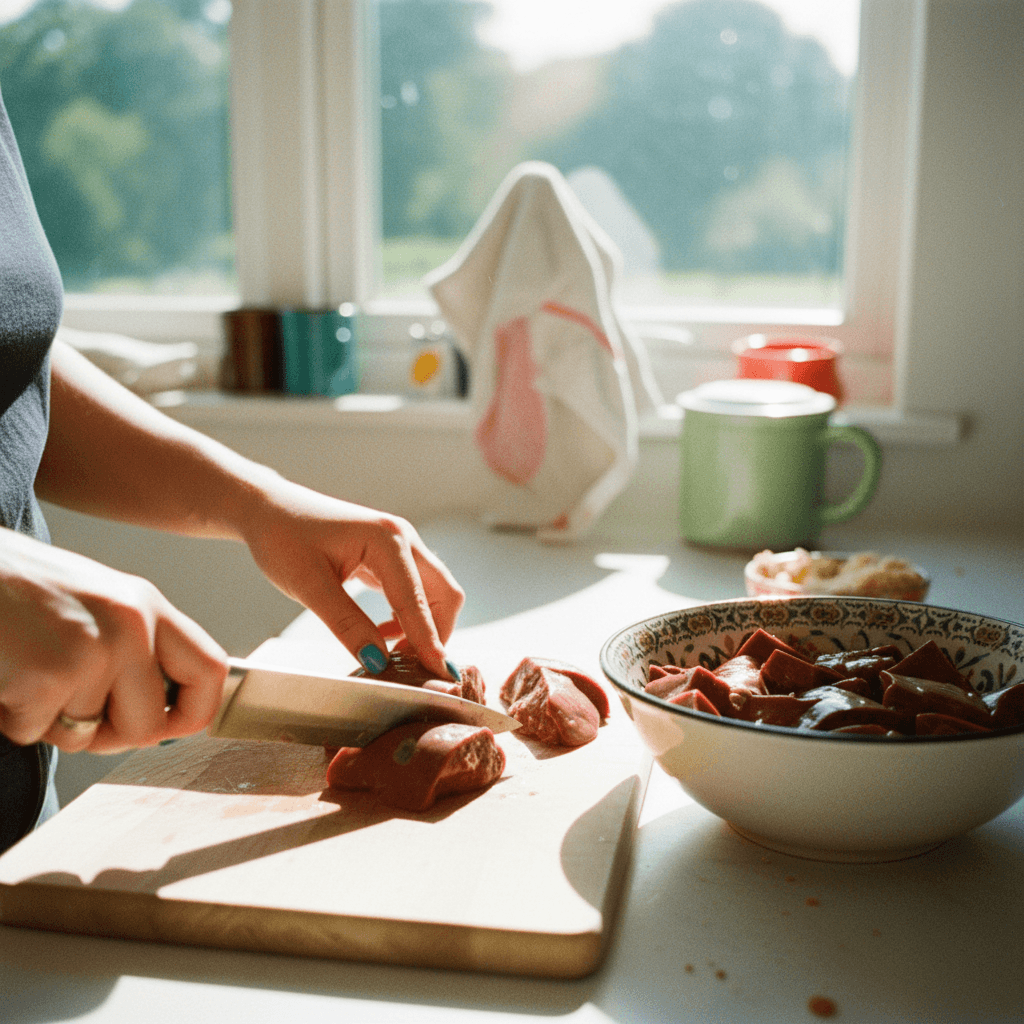
- 2
Pour the milk over the chicken liver, ensuring it is fully submerged. Add 1/2 teaspoon of salt and stir gently. Cover the bowl and refrigerate for at least 30 minutes to an hour. This step helps to tenderize the liver and remove any metallic taste.
⏱️ 5 min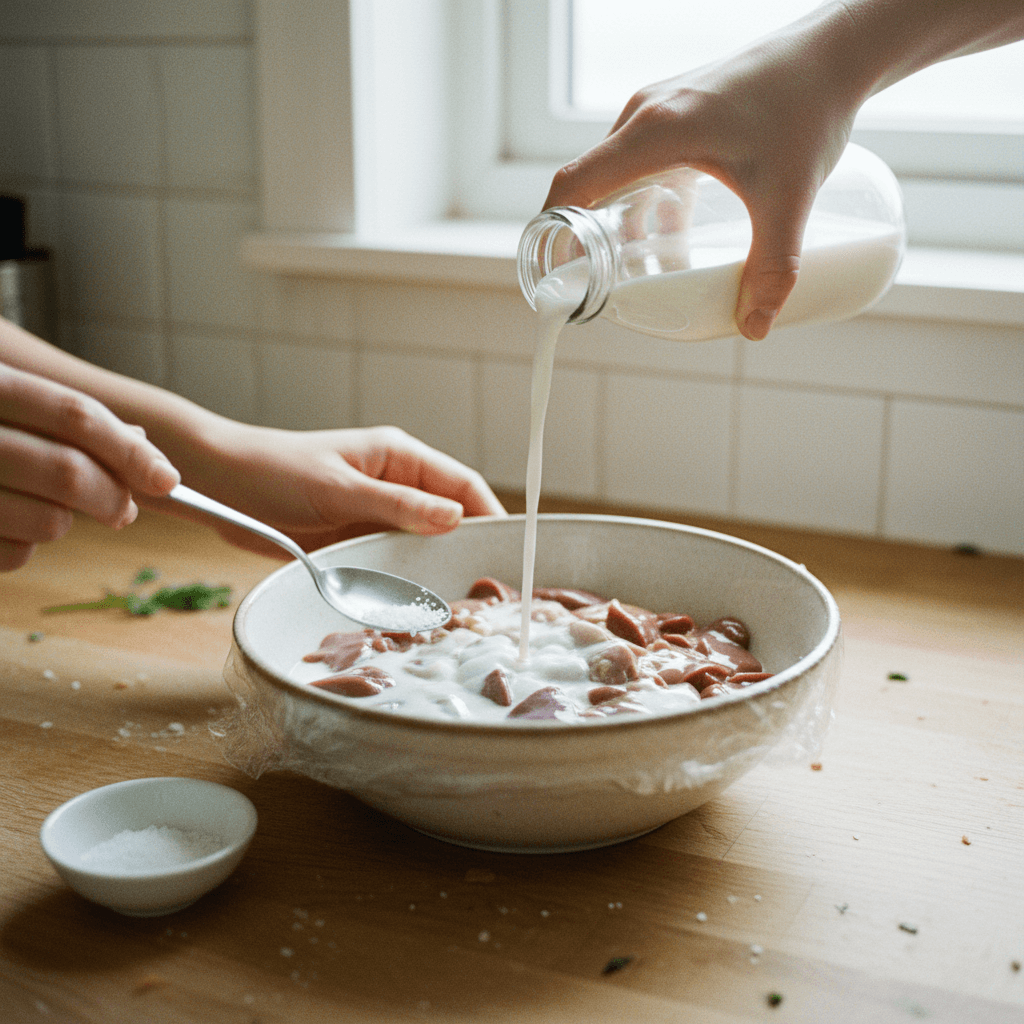
- 3
While the liver is soaking, heat the cooking oil in a large skillet or Dutch oven over medium heat.
⏱️ 1 min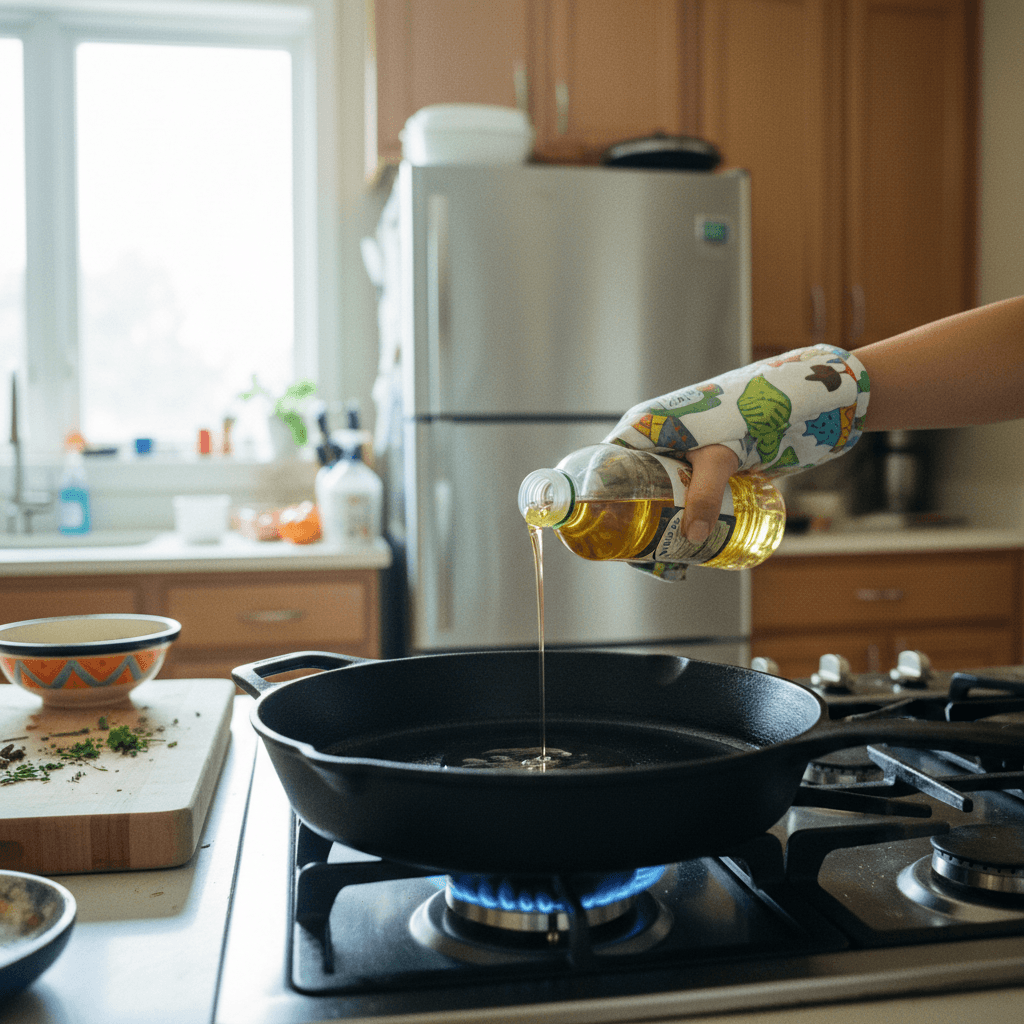
- 4
Add the minced garlic and ginger to the hot oil and sauté for 30 seconds until fragrant, being careful not to burn them.
⏱️ 1 min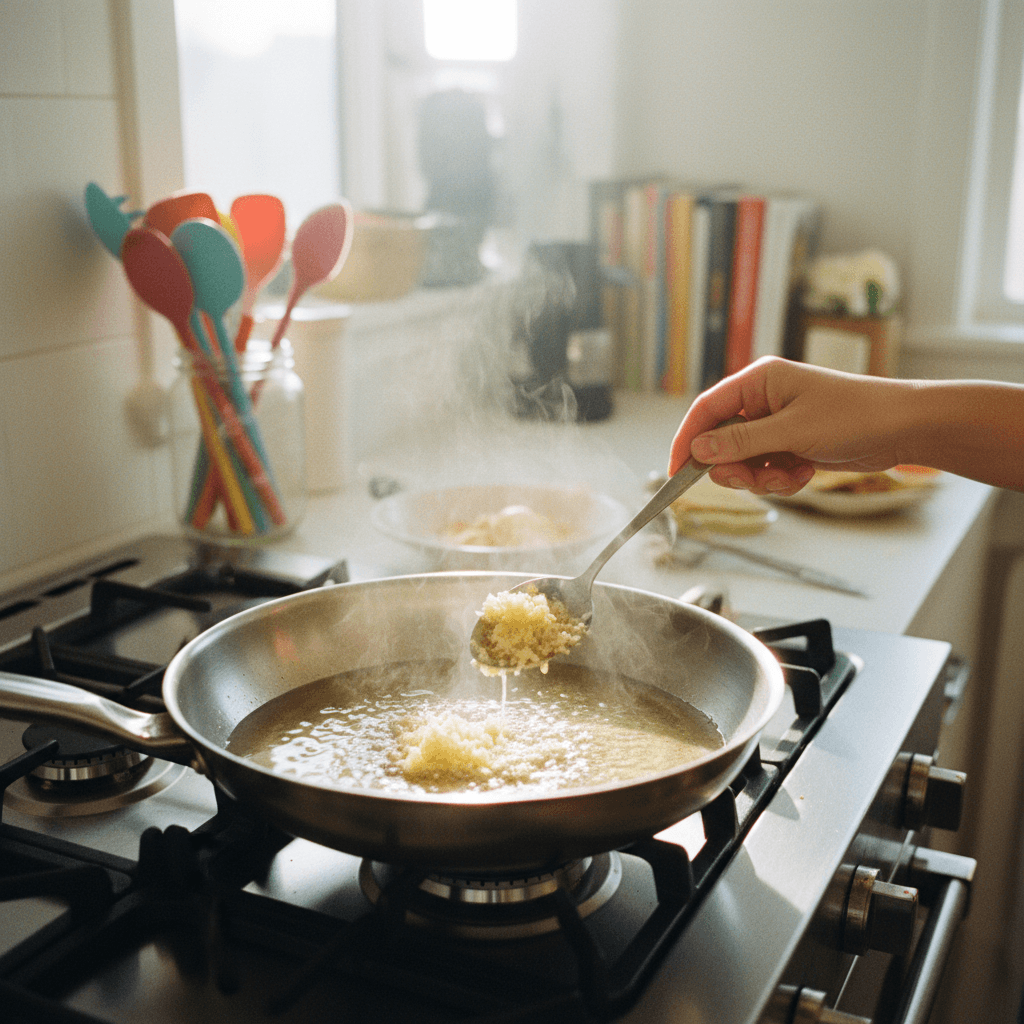
- 5
Add the chopped red onion or shallots to the skillet and cook, stirring occasionally, until softened and translucent, about 3-4 minutes.
⏱️ 4 min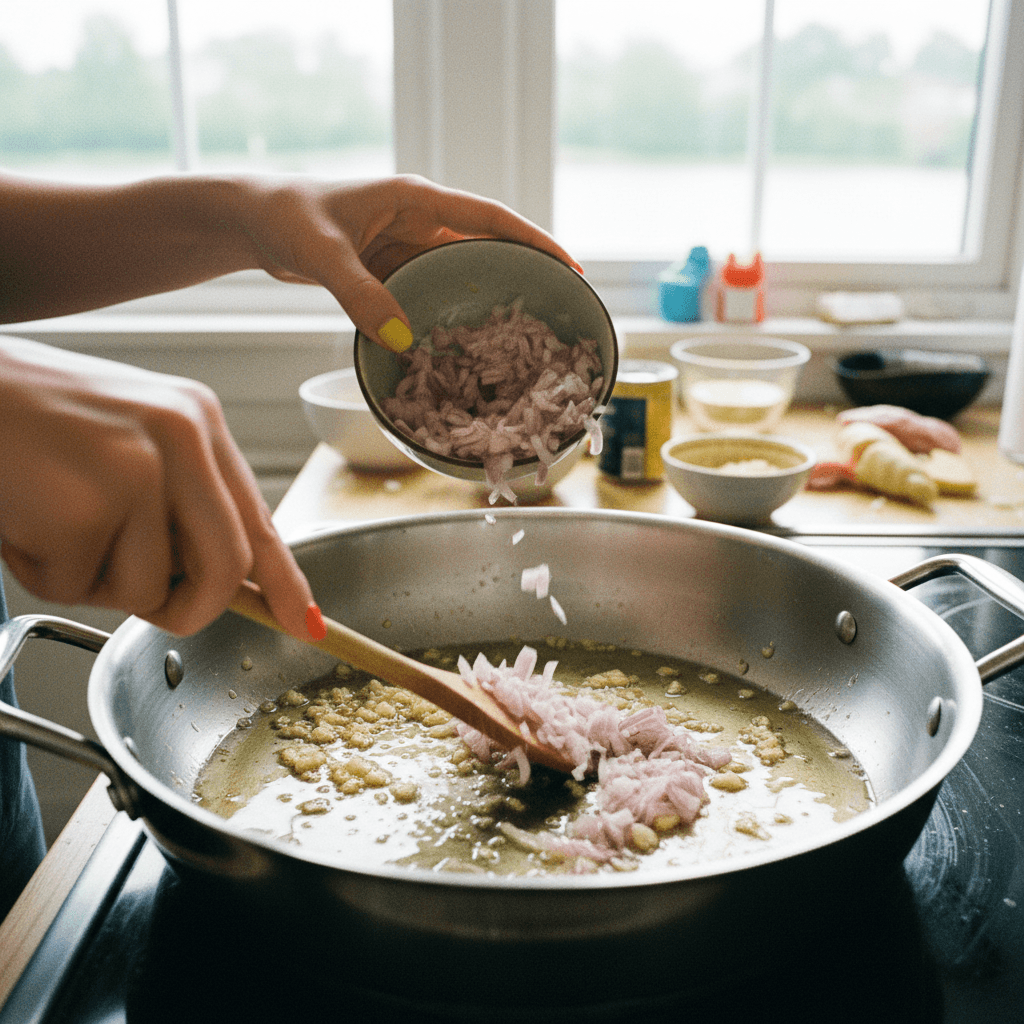
- 6
Add the ground pork to the skillet. Break it up with a spoon and cook until it is thoroughly browned and crumbled, about 8-10 minutes. Drain off any excess fat.
⏱️ 10 min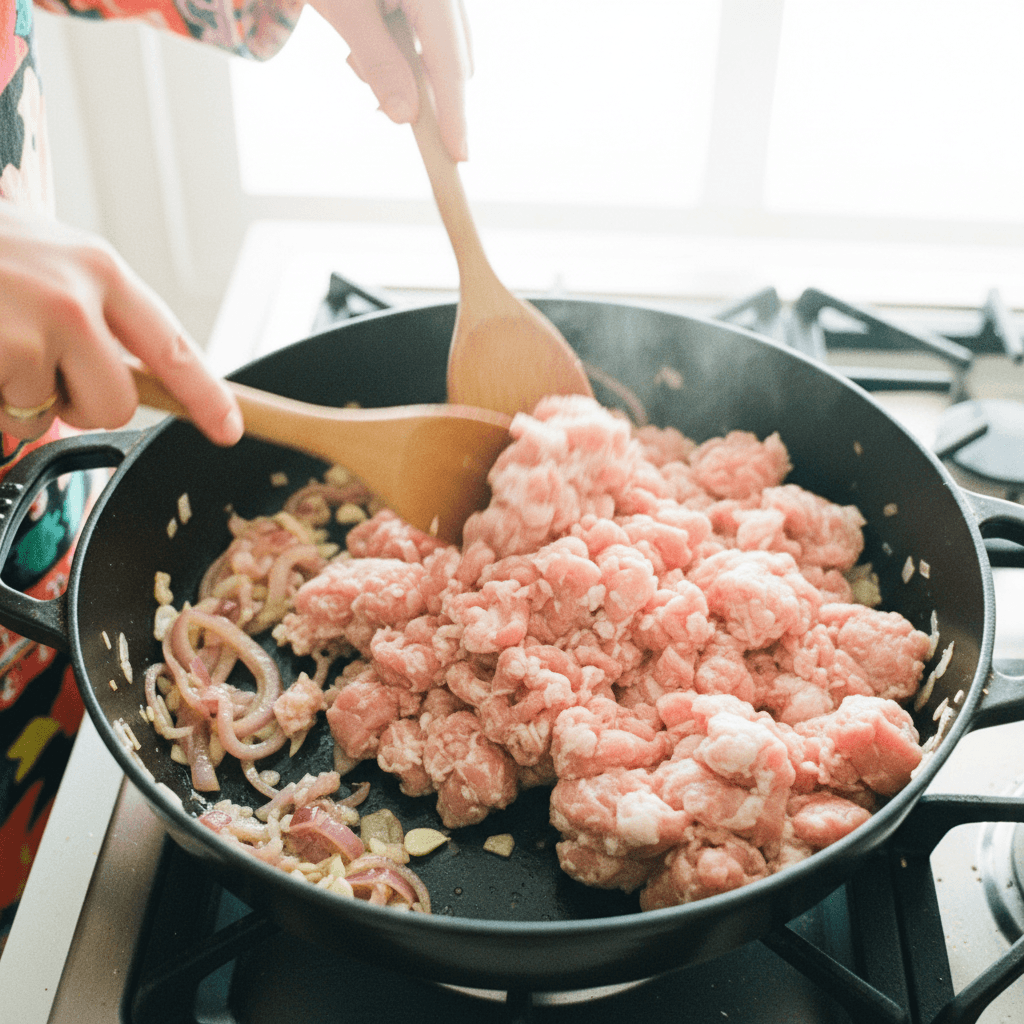
- 7
Drain the soaked chicken liver thoroughly, discarding the milk. Add the drained liver to the skillet with the pork and aromatics. Stir to combine.
⏱️ 2 min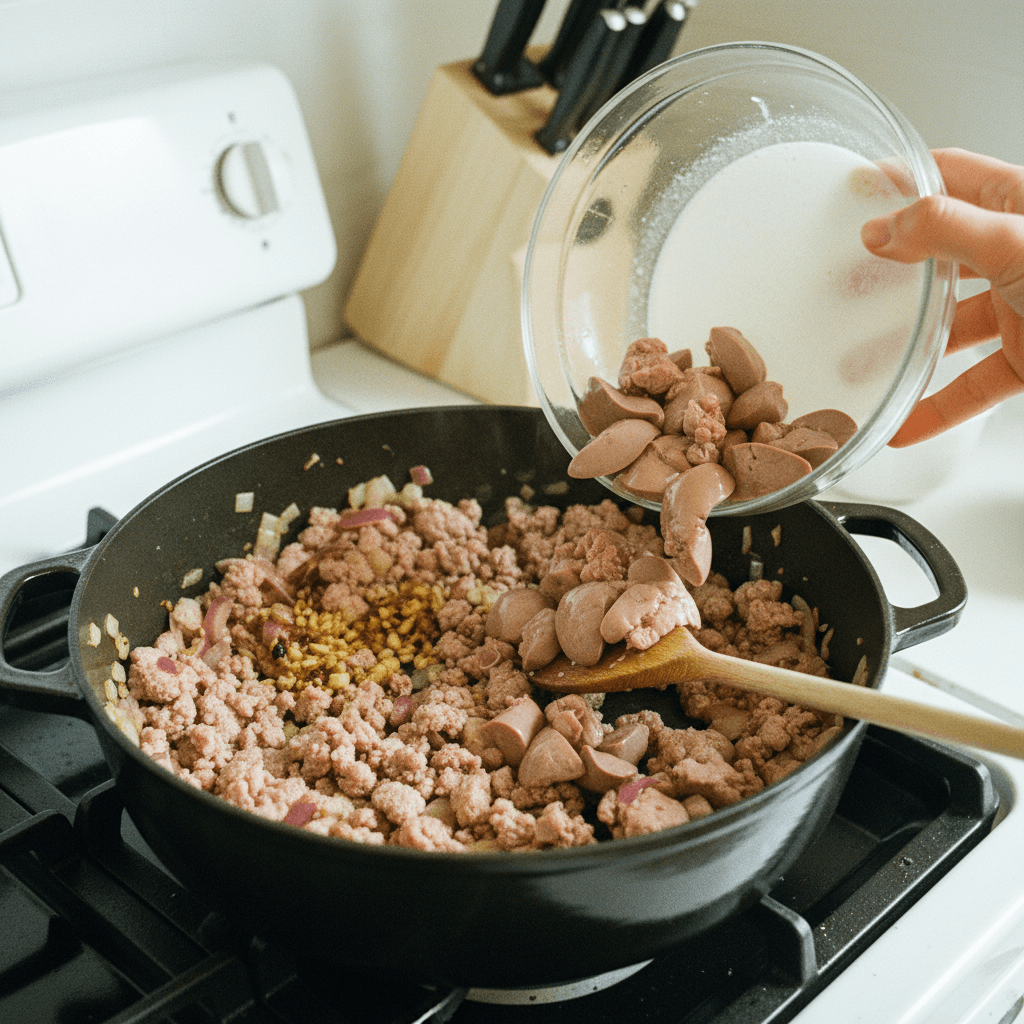
- 8
Sprinkle the five-spice powder, fish sauce, and black pepper over the mixture. Cook, stirring occasionally, for about 5-7 minutes, until the liver is cooked through but still slightly pink in the center. Do not overcook, as this can make the pâté dry.
⏱️ 7 min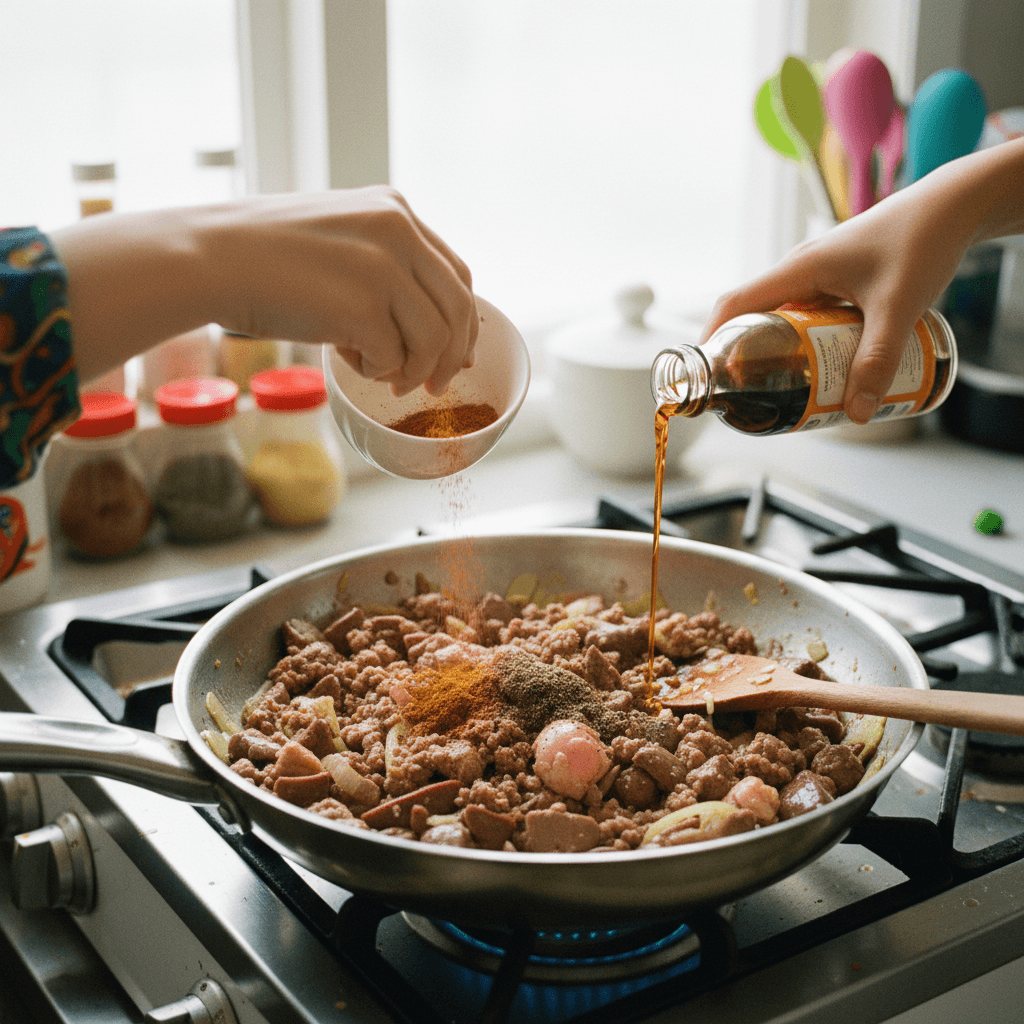
- 9
Remove the skillet from the heat. Add the chilled, cubed unsalted butter to the mixture. Stir until the butter has melted and is well incorporated.
⏱️ 2 min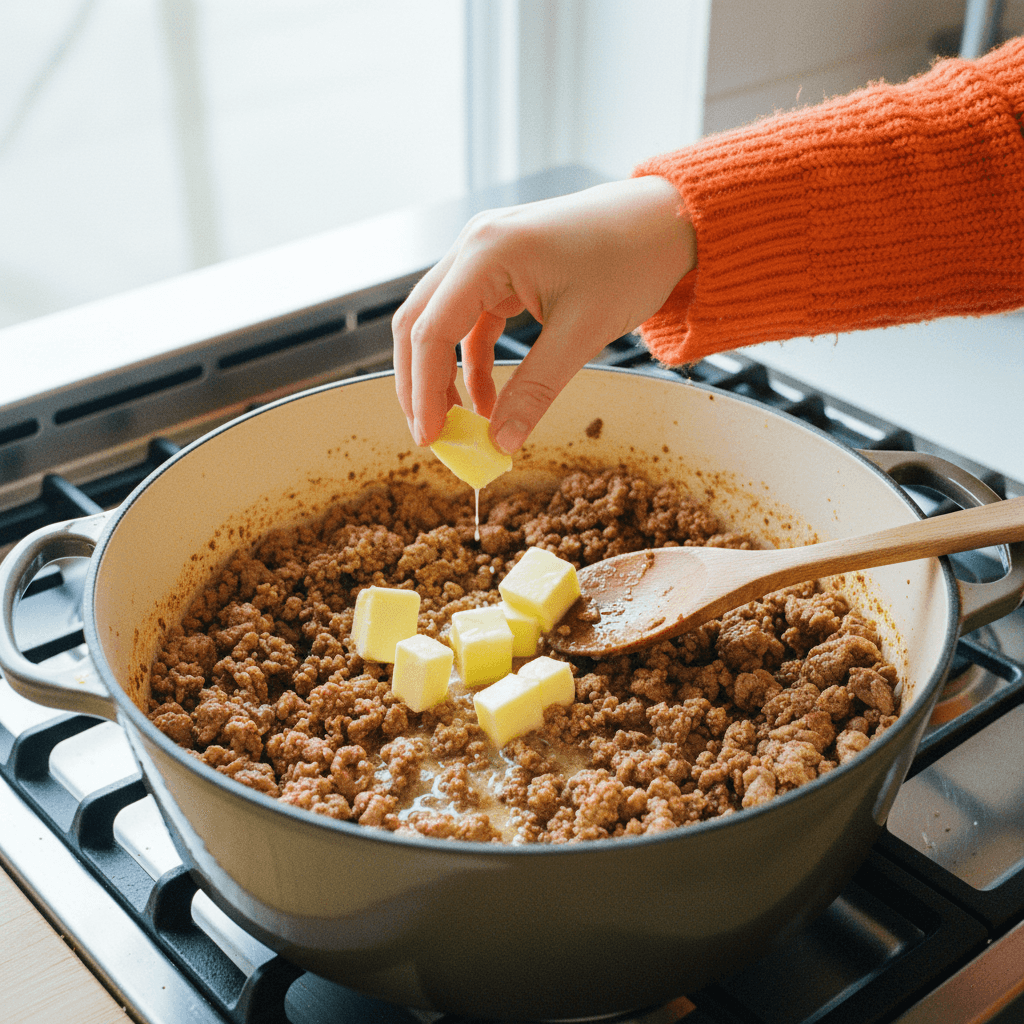
- 10
Carefully transfer the entire mixture to a food processor. Process until very smooth and creamy, scraping down the sides as needed. This may take 3-5 minutes. Taste and adjust seasoning with additional salt or pepper if desired.
⏱️ 5 min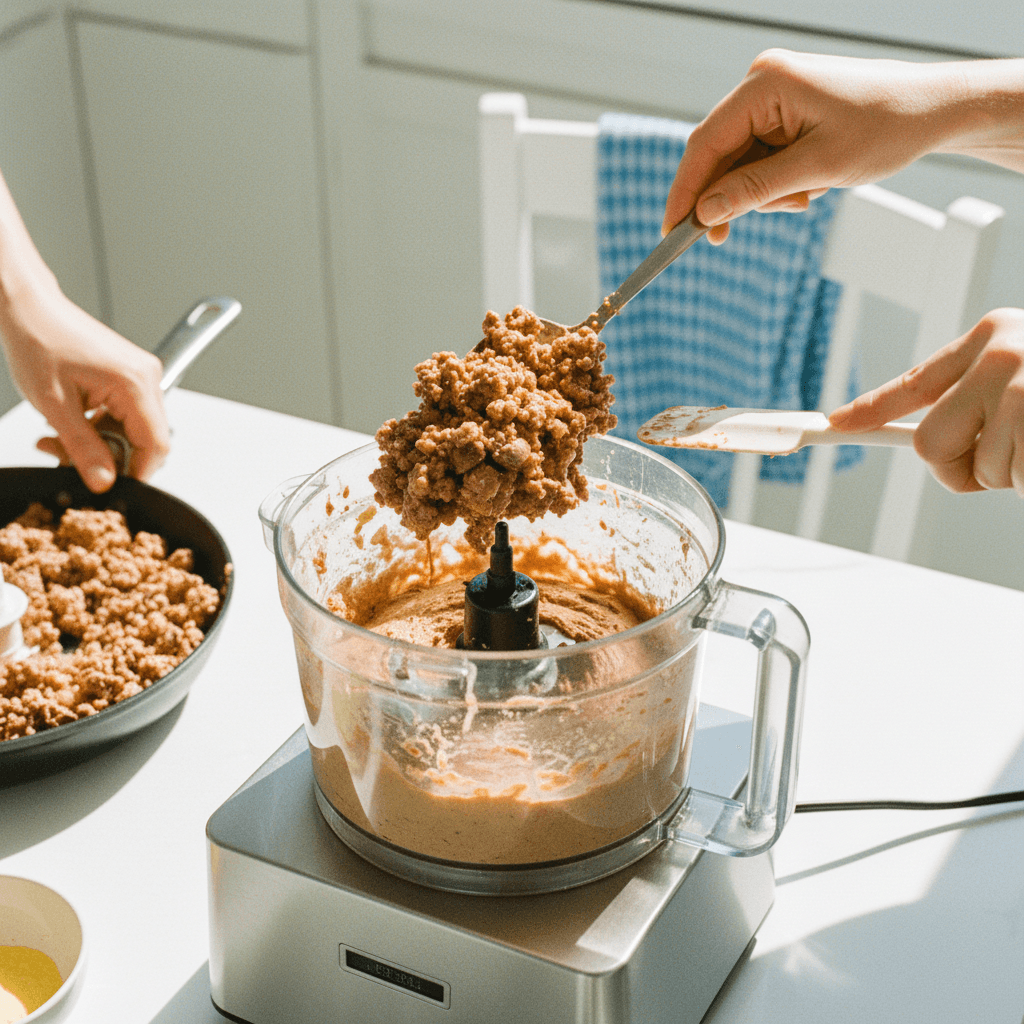
- 11
Transfer the pâté to a clean container or ramekins. Cover tightly with plastic wrap, pressing the wrap directly onto the surface of the pâté to prevent a skin from forming. Refrigerate for at least 2 hours, or preferably overnight, to allow the flavors to meld and the pâté to firm up.
⏱️ 5 min
- 12
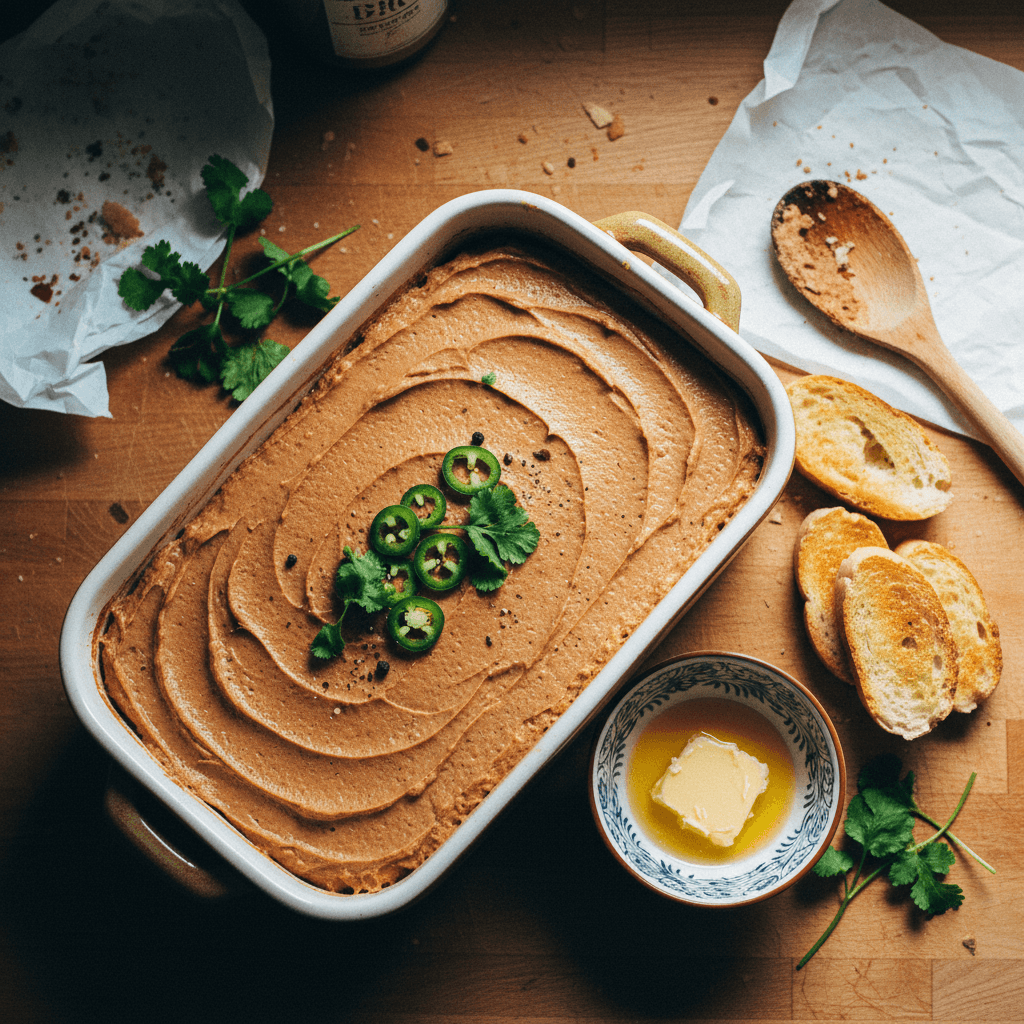
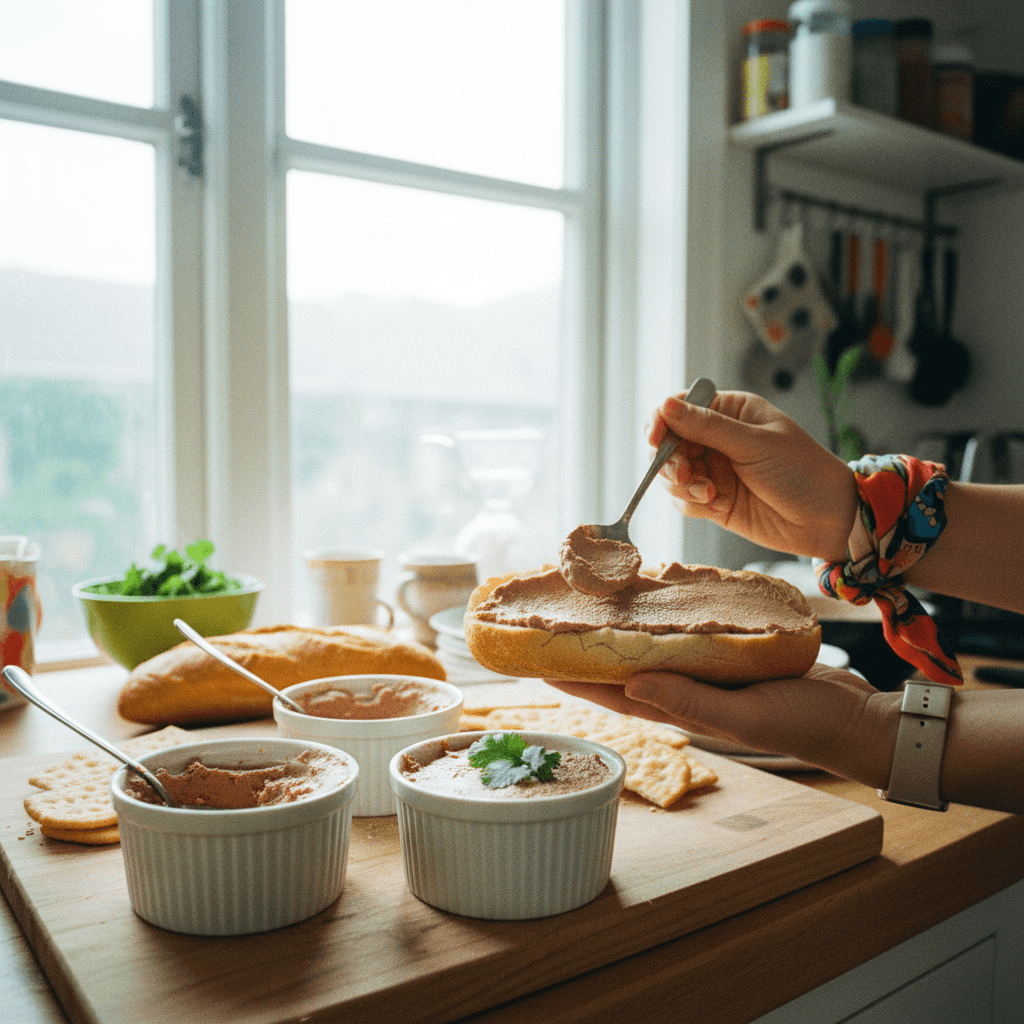
Serve chilled as a spread for banh mi sandwiches, with crackers, or crusty bread.
Kitchen Tools
Nutrition Facts (per serving)
Vietnamese Pâté for Banh Mi
For the Pâté
- 1 pound chicken liver, trimmed of any membranes or green spots
- 2 cups milk
- 1/2 teaspoon salt, plus more to taste
- 1 tablespoon cooking oil
- 1 tablespoon garlic, minced
- 1 tablespoon ginger, minced
- 1/2 cup red onion, finely chopped, or 2 shallots
- 1/2 pound ground pork
- 1 teaspoon five-spice powder
- 1 tablespoon fish sauce
- 4 tablespoons unsalted butter, cut into cubes, chilled
- 1/4 teaspoon black pepper, freshly ground, or to taste
Instructions
- 1
Cut the chicken liver into 1-inch pieces, ensuring any membranes, connective tissue, or green spots are removed. Place the liver in a medium bowl.
⏱️ 5 min - 2
Pour the milk over the chicken liver, ensuring it is fully submerged. Add 1/2 teaspoon of salt and stir gently. Cover the bowl and refrigerate for at least 30 minutes to an hour. This step helps to tenderize the liver and remove any metallic taste.
⏱️ 5 min - 3
While the liver is soaking, heat the cooking oil in a large skillet or Dutch oven over medium heat.
⏱️ 1 min - 4
Add the minced garlic and ginger to the hot oil and sauté for 30 seconds until fragrant, being careful not to burn them.
⏱️ 1 min - 5
Add the chopped red onion or shallots to the skillet and cook, stirring occasionally, until softened and translucent, about 3-4 minutes.
⏱️ 4 min - 6
Add the ground pork to the skillet. Break it up with a spoon and cook until it is thoroughly browned and crumbled, about 8-10 minutes. Drain off any excess fat.
⏱️ 10 min - 7
Drain the soaked chicken liver thoroughly, discarding the milk. Add the drained liver to the skillet with the pork and aromatics. Stir to combine.
⏱️ 2 min - 8
Sprinkle the five-spice powder, fish sauce, and black pepper over the mixture. Cook, stirring occasionally, for about 5-7 minutes, until the liver is cooked through but still slightly pink in the center. Do not overcook, as this can make the pâté dry.
⏱️ 7 min - 9
Remove the skillet from the heat. Add the chilled, cubed unsalted butter to the mixture. Stir until the butter has melted and is well incorporated.
⏱️ 2 min - 10
Carefully transfer the entire mixture to a food processor. Process until very smooth and creamy, scraping down the sides as needed. This may take 3-5 minutes. Taste and adjust seasoning with additional salt or pepper if desired.
⏱️ 5 min - 11
Transfer the pâté to a clean container or ramekins. Cover tightly with plastic wrap, pressing the wrap directly onto the surface of the pâté to prevent a skin from forming. Refrigerate for at least 2 hours, or preferably overnight, to allow the flavors to meld and the pâté to firm up.
⏱️ 5 min - 12
Serve chilled as a spread for banh mi sandwiches, with crackers, or crusty bread.