Perfect Classic Cheesecake
Perfect Classic Cheesecake

Ingredients
For the Graham Cracker Crust
- 21 graham cracker sheets, whole
- 1/4 cup granulated sugar
- 1/2 cup unsalted butter, melted
For the Cheesecake Filling
- 16 ounces cream cheese, softened, at room temperature
- 1 1/4 cups granulated sugar
- 1/2 cup sour cream, at room temperature
- 1 teaspoon vanilla extract
- 3 large eggs, at room temperature
- 1 tablespoon lemon juice, freshly squeezed (optional)
For the Sour Cream Topping (Optional)
- 1 cup sour cream
- 1/4 cup granulated sugar
- 1/2 teaspoon vanilla extract
Instructions
- 1
Preheat your oven to 325°F. Line the bottom of a 9-inch springform pan with a round of parchment paper (this is not optional). Tightly wrap the outside of the springform pan with several layers of heavy-duty aluminum foil to prevent water from seeping in during the water bath.
⏱️ 5 min•🌡️ 325
- 2
In a food processor, combine the whole graham cracker sheets and 1/4 cup granulated sugar. Process until fine crumbs form, resembling fine sand. Pour in the 1/2 cup melted unsalted butter and pulse until the mixture resembles wet sand.
⏱️ 5 min
- 3
Pour the graham cracker mixture into the prepared springform pan. Use the bottom of a flat-bottomed glass or measuring cup to pack the crust down very tightly and evenly across the bottom of the pan. Set aside.
⏱️ 5 min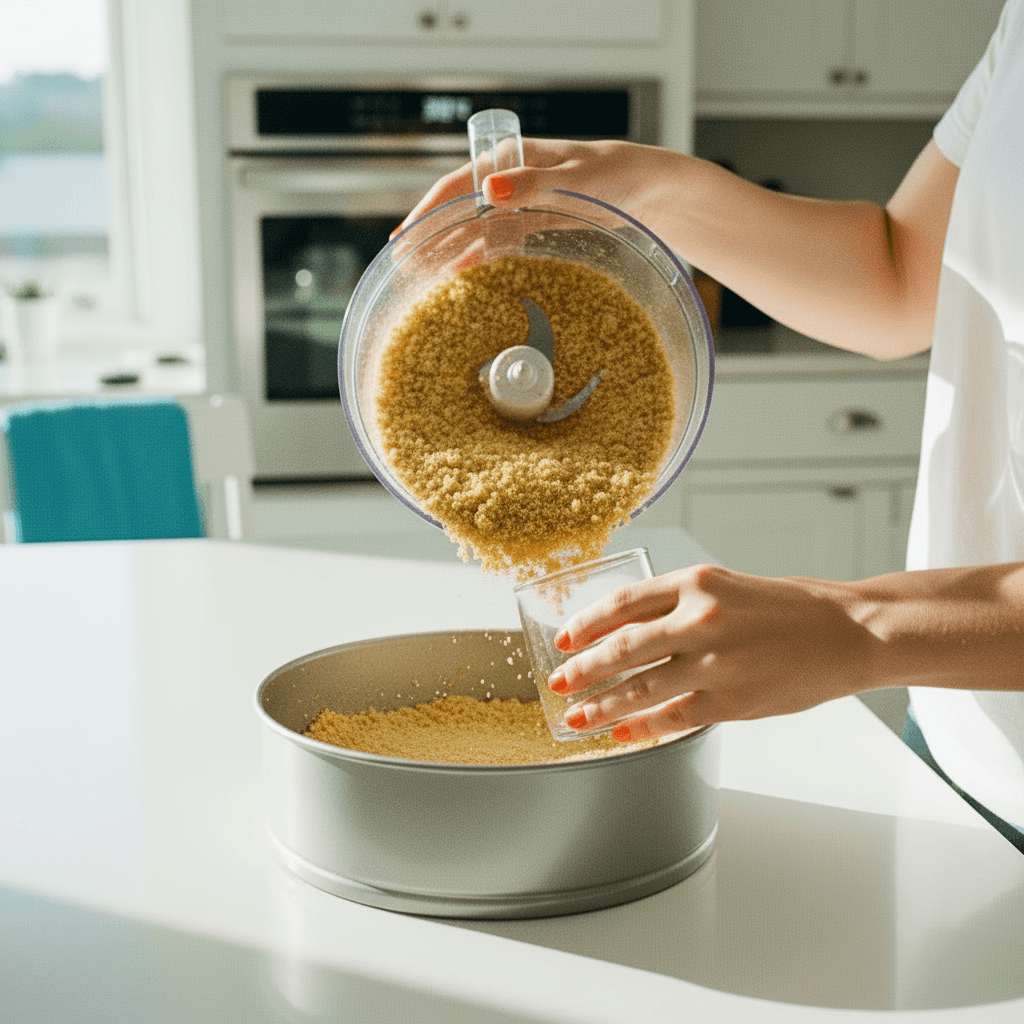
- 4
In a large mixing bowl, using an electric mixer on medium speed, beat the softened cream cheese until it is completely smooth and creamy, about 2-3 minutes. Scrape down the sides of the bowl as needed.
⏱️ 5 min
- 5
Gradually add the 1 1/4 cups granulated sugar to the cream cheese, beating on low speed until just combined and smooth. Mix in the 1/2 cup room temperature sour cream, 1 teaspoon vanilla extract, and 1 tablespoon freshly squeezed lemon juice (if using) until well incorporated. Be careful not to overmix at this stage.
⏱️ 3 min
- 6
Add the large eggs one at a time, beating on low speed just until each egg is incorporated into the mixture. Scrape down the bowl after each addition. It is crucial not to overmix once the eggs are added, as this can introduce too much air and cause cracks in the cheesecake.
⏱️ 3 min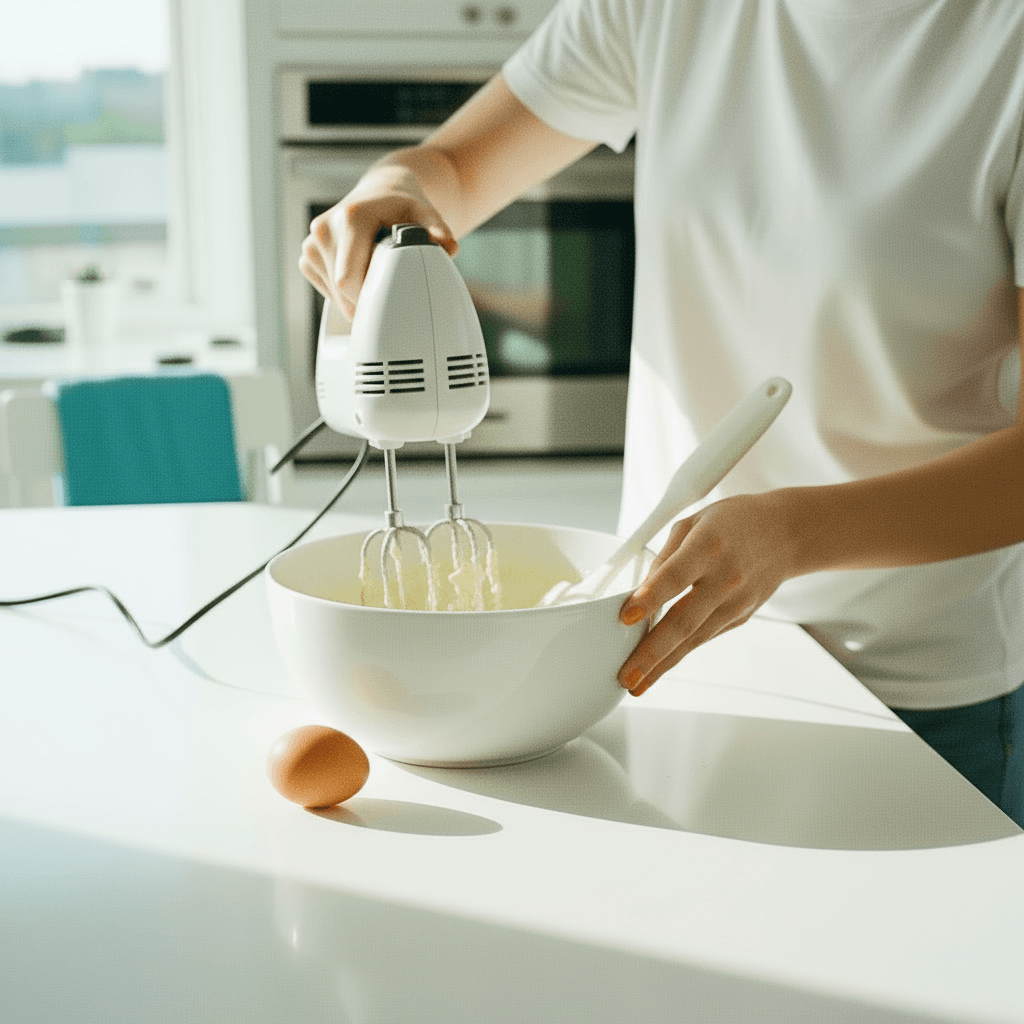
- 7
Carefully pour the cheesecake filling over the prepared graham cracker crust in the springform pan. Place the foil-wrapped springform pan into a larger roasting pan. Carefully pour hot water into the roasting pan, reaching about halfway up the sides of the springform pan. This water bath helps ensure even baking and prevents cracks.
⏱️ 2 min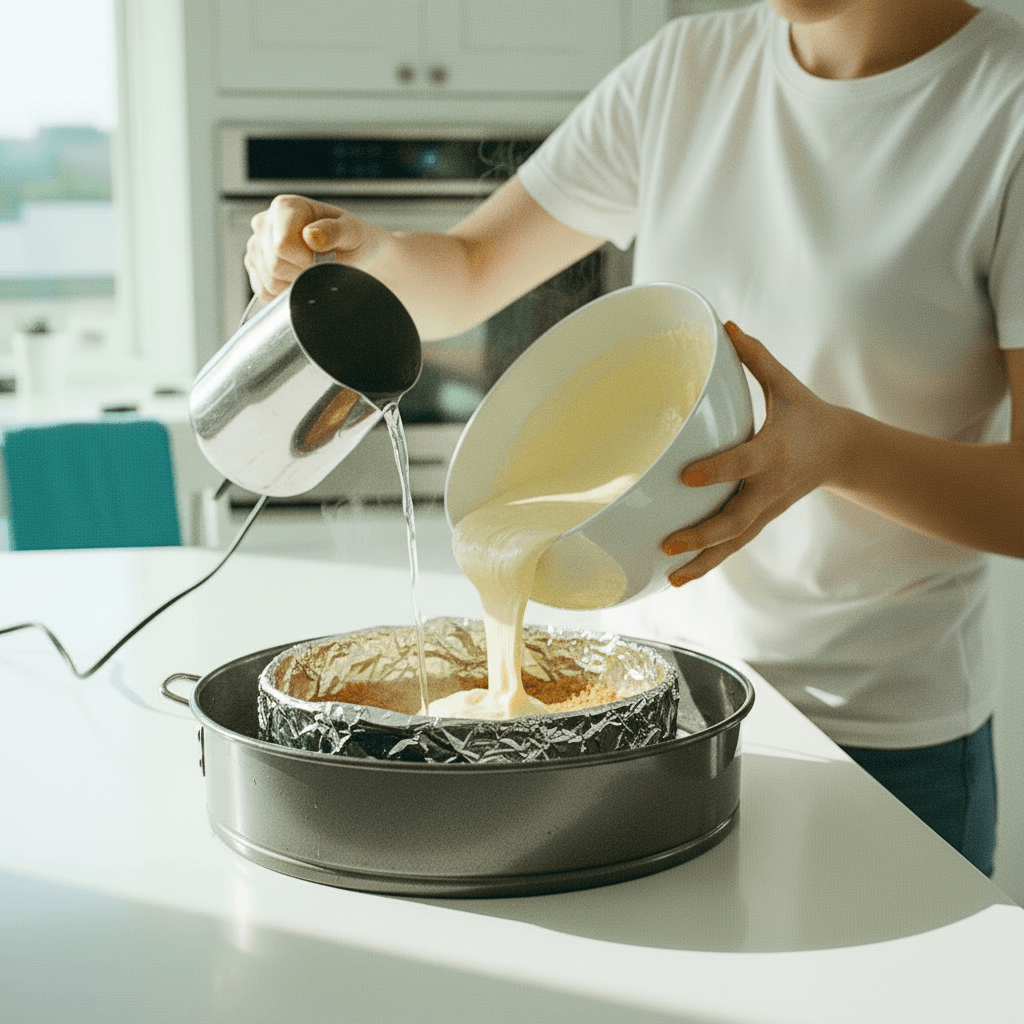
- 8
Carefully transfer the roasting pan with the cheesecake to the preheated oven. Bake for 75 minutes, or until the edges are set but the center still jiggles slightly when gently shaken. Do not open the oven door during baking unless absolutely necessary.
⏱️ 75 min•🌡️ 325
- 9
Once baking is complete, turn off the oven, crack the oven door open slightly, and let the cheesecake cool in the water bath inside the oven for 1 hour. This slow cooling process is key to preventing cracks.
⏱️ 60 min
- 10
Remove the cheesecake from the water bath and the roasting pan. Carefully remove the aluminum foil. Let it cool completely on a wire rack at room temperature for another 1-2 hours.
⏱️ 90 min
- 11
Once completely cool, cover the cheesecake loosely with plastic wrap and refrigerate for at least 4 hours, or preferably overnight, before serving. Chilling is essential for the cheesecake to fully set and develop its flavor.
⏱️ 240 min
- 12
If using the optional topping, in a small bowl, whisk together 1 cup sour cream, 1/4 cup granulated sugar, and 1/2 teaspoon vanilla extract until smooth.
⏱️ 3 min
- 13
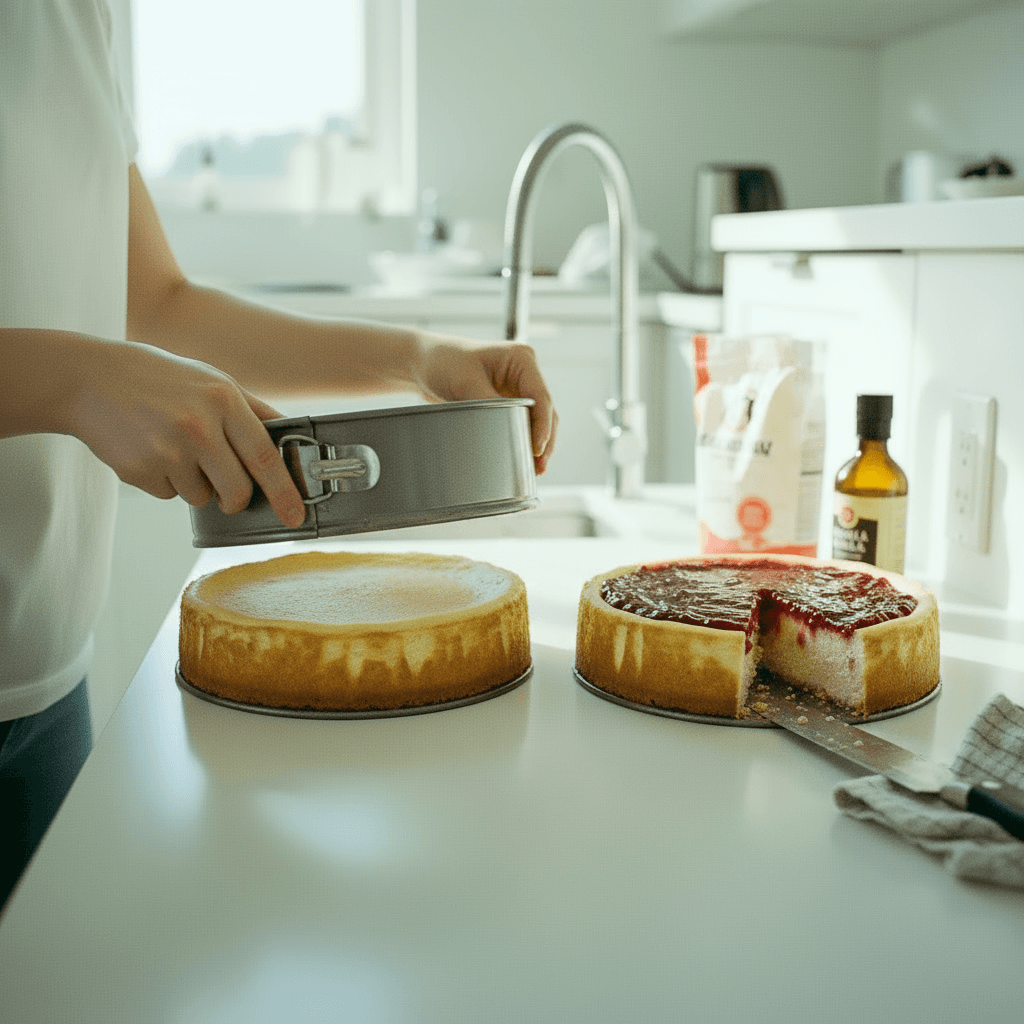
Once chilled, carefully remove the sides of the springform pan. If using the topping, spread it evenly over the top of the cheesecake. For clean cuts, slice the cheesecake with a hot, dry knife, wiping the blade clean between each slice.
Kitchen Tools
Nutrition Facts (per serving)
Perfect Classic Cheesecake
For the Graham Cracker Crust
- 21 graham cracker sheets, whole
- 1/4 cup granulated sugar
- 1/2 cup unsalted butter, melted
For the Cheesecake Filling
- 16 ounces cream cheese, softened, at room temperature
- 1 1/4 cups granulated sugar
- 1/2 cup sour cream, at room temperature
- 1 teaspoon vanilla extract
- 3 large eggs, at room temperature
- 1 tablespoon lemon juice, freshly squeezed (optional)
For the Sour Cream Topping (Optional)
- 1 cup sour cream
- 1/4 cup granulated sugar
- 1/2 teaspoon vanilla extract
Instructions
- 1
Preheat your oven to 325°F. Line the bottom of a 9-inch springform pan with a round of parchment paper (this is not optional). Tightly wrap the outside of the springform pan with several layers of heavy-duty aluminum foil to prevent water from seeping in during the water bath.
⏱️ 5 min•🌡️ 325 - 2
In a food processor, combine the whole graham cracker sheets and 1/4 cup granulated sugar. Process until fine crumbs form, resembling fine sand. Pour in the 1/2 cup melted unsalted butter and pulse until the mixture resembles wet sand.
⏱️ 5 min - 3
Pour the graham cracker mixture into the prepared springform pan. Use the bottom of a flat-bottomed glass or measuring cup to pack the crust down very tightly and evenly across the bottom of the pan. Set aside.
⏱️ 5 min - 4
In a large mixing bowl, using an electric mixer on medium speed, beat the softened cream cheese until it is completely smooth and creamy, about 2-3 minutes. Scrape down the sides of the bowl as needed.
⏱️ 5 min - 5
Gradually add the 1 1/4 cups granulated sugar to the cream cheese, beating on low speed until just combined and smooth. Mix in the 1/2 cup room temperature sour cream, 1 teaspoon vanilla extract, and 1 tablespoon freshly squeezed lemon juice (if using) until well incorporated. Be careful not to overmix at this stage.
⏱️ 3 min - 6
Add the large eggs one at a time, beating on low speed just until each egg is incorporated into the mixture. Scrape down the bowl after each addition. It is crucial not to overmix once the eggs are added, as this can introduce too much air and cause cracks in the cheesecake.
⏱️ 3 min - 7
Carefully pour the cheesecake filling over the prepared graham cracker crust in the springform pan. Place the foil-wrapped springform pan into a larger roasting pan. Carefully pour hot water into the roasting pan, reaching about halfway up the sides of the springform pan. This water bath helps ensure even baking and prevents cracks.
⏱️ 2 min - 8
Carefully transfer the roasting pan with the cheesecake to the preheated oven. Bake for 75 minutes, or until the edges are set but the center still jiggles slightly when gently shaken. Do not open the oven door during baking unless absolutely necessary.
⏱️ 75 min•🌡️ 325 - 9
Once baking is complete, turn off the oven, crack the oven door open slightly, and let the cheesecake cool in the water bath inside the oven for 1 hour. This slow cooling process is key to preventing cracks.
⏱️ 60 min - 10
Remove the cheesecake from the water bath and the roasting pan. Carefully remove the aluminum foil. Let it cool completely on a wire rack at room temperature for another 1-2 hours.
⏱️ 90 min - 11
Once completely cool, cover the cheesecake loosely with plastic wrap and refrigerate for at least 4 hours, or preferably overnight, before serving. Chilling is essential for the cheesecake to fully set and develop its flavor.
⏱️ 240 min - 12
If using the optional topping, in a small bowl, whisk together 1 cup sour cream, 1/4 cup granulated sugar, and 1/2 teaspoon vanilla extract until smooth.
⏱️ 3 min - 13
Once chilled, carefully remove the sides of the springform pan. If using the topping, spread it evenly over the top of the cheesecake. For clean cuts, slice the cheesecake with a hot, dry knife, wiping the blade clean between each slice.