Cacio e Pepe
Cacio e Pepe

Ingredients
- 1 pound long pasta, such as spaghetti or linguine
- 4 cups Pecorino Romano cheese, finely grated
- 2 tablespoons black peppercorns, freshly ground, coarse
- 1 tablespoon salt, for pasta water, or as needed
- as needed pasta water, reserved from cooking
Instructions
- 1
Freshly grind the black peppercorns using a mortar and pestle or a spice grinder until they are coarsely ground. Freshly ground pepper is crucial for the best flavor.
⏱️ 3 min
- 2
Finely grate the Pecorino Romano cheese. Set aside.
⏱️ 5 min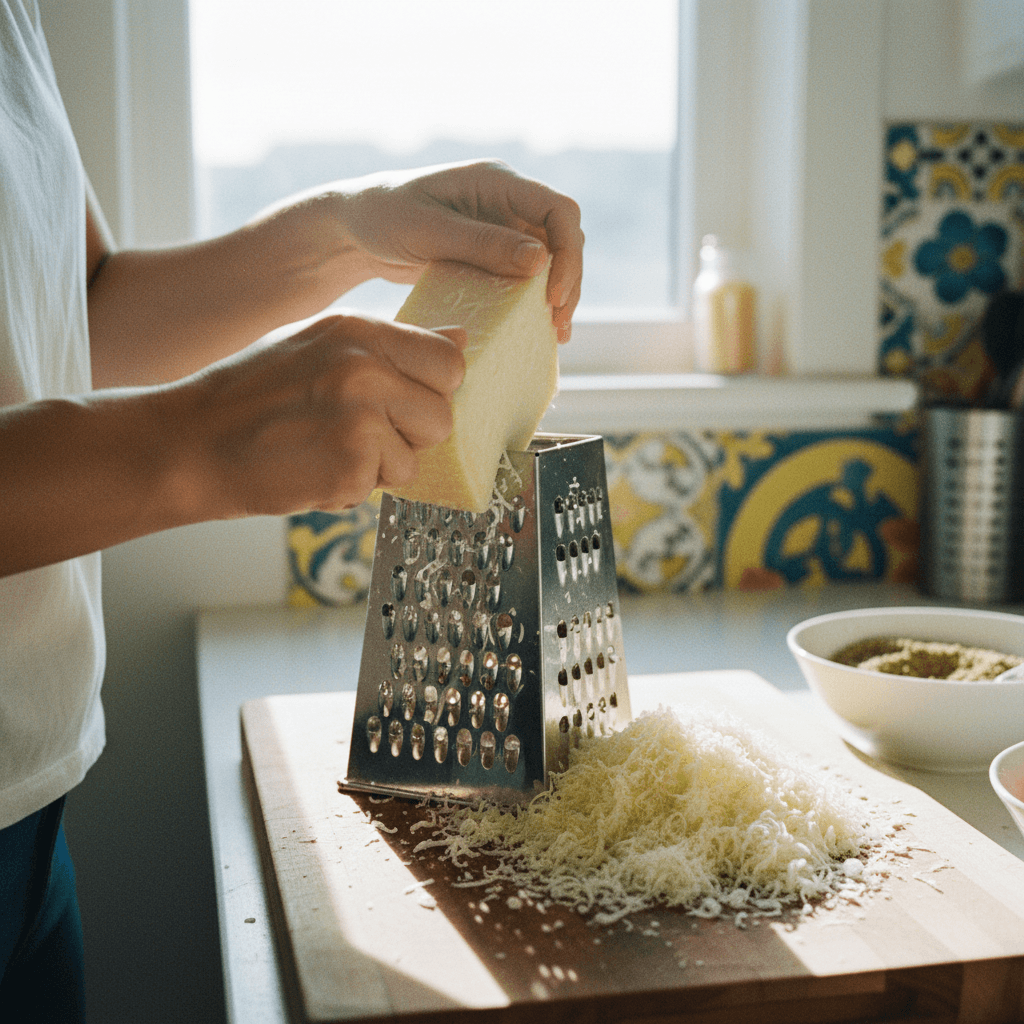
- 3
Bring a shallow pot of water to a rolling boil. A shallow pot helps to concentrate the starch in the pasta water, which is beneficial for the sauce. Season the water generously with salt.
⏱️ 5 min•🌡️ 212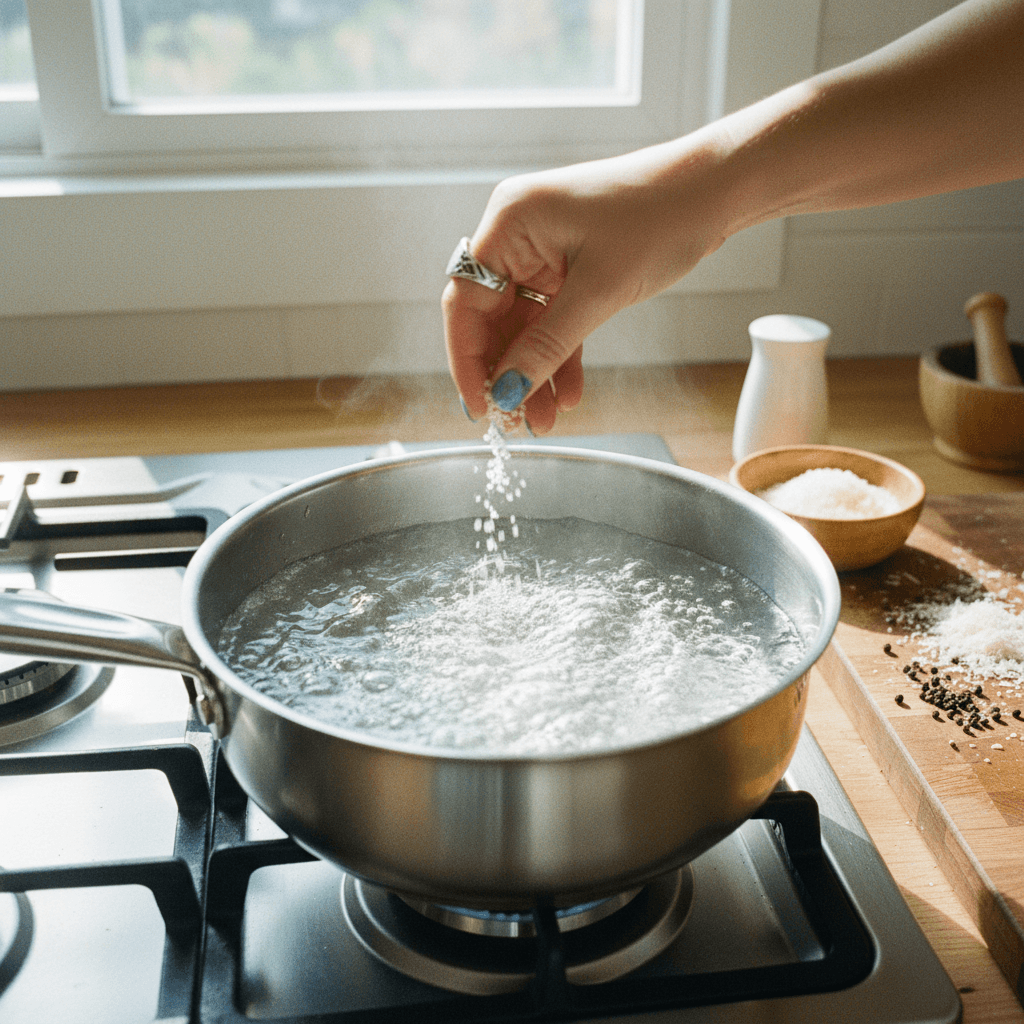
- 4
Add the pasta to the boiling, salted water. Cook the pasta for approximately half the amount of time indicated on the package instructions.
⏱️ 4 min•🌡️ 212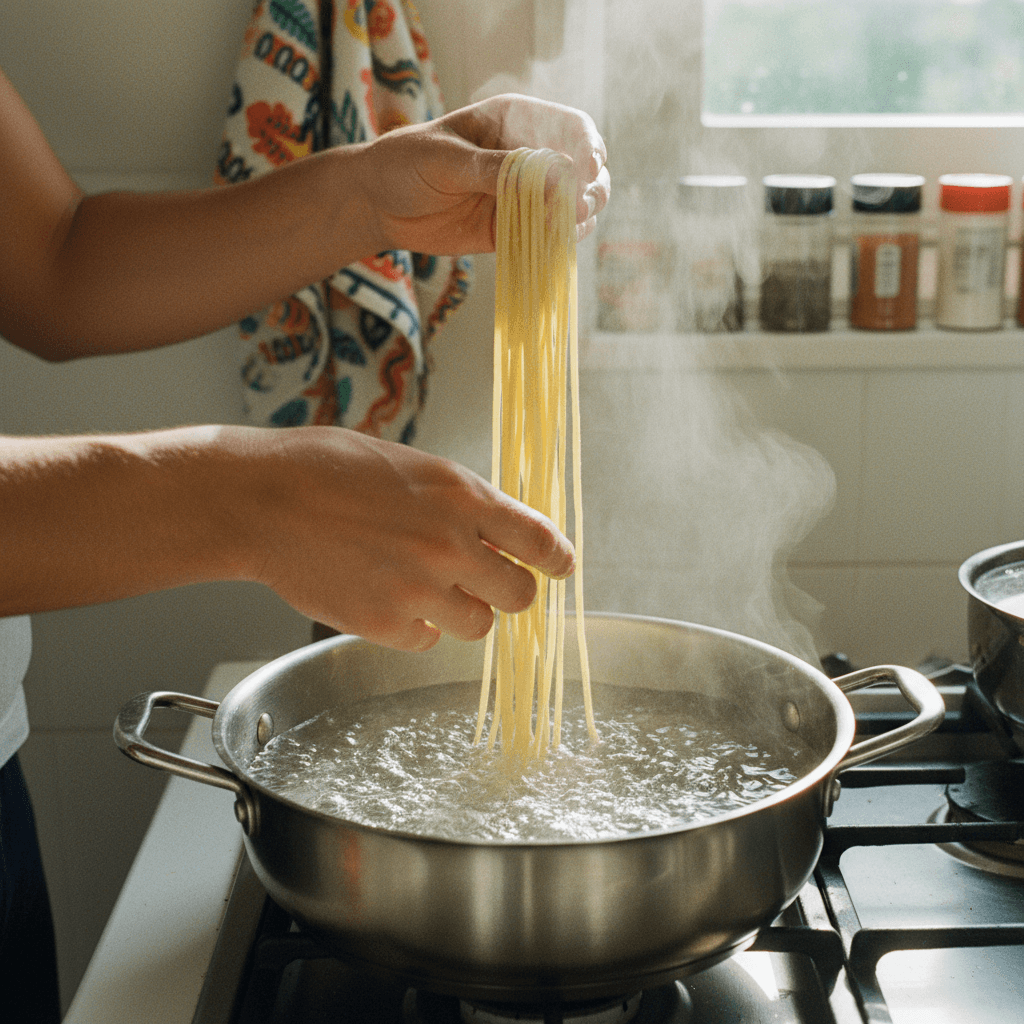
- 5
While the pasta is par-cooking, add the coarse ground pepper to a separate large pan over medium heat. Toast the pepper for 1 to 2 minutes, stirring occasionally with a wooden spoon, until it is fragrant.
⏱️ 2 min
- 6
Stir in one ladle of the hot pasta water into the toasted pepper in the pan. This will prevent the pepper from burning and begin to build the sauce base.
⏱️ 1 min
- 7
Once the pasta is halfway cooked, use a spider strainer or tongs to transfer it directly from the boiling pot to the pan with the pepper and pasta water. Do not drain the pasta water.
⏱️ 1 min
- 8
Add a few more ladles of pasta water to the pan with the pasta and pepper. Continue cooking the pasta in this pan, stirring frequently, until it is al dente and fully cooked, absorbing the starchy water.
⏱️ 5 min
- 9
While the pasta finishes cooking, add one ladle of the hot pasta water to the finely grated Pecorino Romano cheese in a separate bowl. Stir vigorously with a wooden spoon to create a thick, creamy paste. This step is crucial for a smooth sauce and prevents the cheese from clumping.
⏱️ 2 min
- 10
Once the pasta is al dente and has absorbed most of the water in the pan, turn off the heat under the pasta pan. Immediately add the Pecorino cheese paste to the pasta in the pan. Stir vigorously with a spatula or tongs, adding a little bit more pasta water as needed, until the sauce is creamy, emulsified, and evenly coats the pasta.
⏱️ 3 min
- 11
Serve the Cacio e Pepe immediately, garnished with extra freshly ground black pepper if desired. Enjoy!
⏱️ 1 min
Kitchen Tools
Nutrition Facts (per serving)
Cacio e Pepe
- 1 pound long pasta, such as spaghetti or linguine
- 4 cups Pecorino Romano cheese, finely grated
- 2 tablespoons black peppercorns, freshly ground, coarse
- 1 tablespoon salt, for pasta water, or as needed
- as needed pasta water, reserved from cooking
Instructions
- 1
Freshly grind the black peppercorns using a mortar and pestle or a spice grinder until they are coarsely ground. Freshly ground pepper is crucial for the best flavor.
⏱️ 3 min - 2
Finely grate the Pecorino Romano cheese. Set aside.
⏱️ 5 min - 3
Bring a shallow pot of water to a rolling boil. A shallow pot helps to concentrate the starch in the pasta water, which is beneficial for the sauce. Season the water generously with salt.
⏱️ 5 min•🌡️ 212 - 4
Add the pasta to the boiling, salted water. Cook the pasta for approximately half the amount of time indicated on the package instructions.
⏱️ 4 min•🌡️ 212 - 5
While the pasta is par-cooking, add the coarse ground pepper to a separate large pan over medium heat. Toast the pepper for 1 to 2 minutes, stirring occasionally with a wooden spoon, until it is fragrant.
⏱️ 2 min - 6
Stir in one ladle of the hot pasta water into the toasted pepper in the pan. This will prevent the pepper from burning and begin to build the sauce base.
⏱️ 1 min - 7
Once the pasta is halfway cooked, use a spider strainer or tongs to transfer it directly from the boiling pot to the pan with the pepper and pasta water. Do not drain the pasta water.
⏱️ 1 min - 8
Add a few more ladles of pasta water to the pan with the pasta and pepper. Continue cooking the pasta in this pan, stirring frequently, until it is al dente and fully cooked, absorbing the starchy water.
⏱️ 5 min - 9
While the pasta finishes cooking, add one ladle of the hot pasta water to the finely grated Pecorino Romano cheese in a separate bowl. Stir vigorously with a wooden spoon to create a thick, creamy paste. This step is crucial for a smooth sauce and prevents the cheese from clumping.
⏱️ 2 min - 10
Once the pasta is al dente and has absorbed most of the water in the pan, turn off the heat under the pasta pan. Immediately add the Pecorino cheese paste to the pasta in the pan. Stir vigorously with a spatula or tongs, adding a little bit more pasta water as needed, until the sauce is creamy, emulsified, and evenly coats the pasta.
⏱️ 3 min - 11
Serve the Cacio e Pepe immediately, garnished with extra freshly ground black pepper if desired. Enjoy!
⏱️ 1 min