Tonkotsu Ramen
Tonkotsu Ramen
Ingredients
For the Broth
- 2 kg pork bones
- as needed water, to cover
- 2 leeks
- 1 onion
- 1 head garlic
- 1 inch ginger
For the Chashu (Pork Belly)
- 1.5 kg pork belly
- 1 tablespoon salt
- 1 tablespoon pepper
- 1 cup soy sauce
- 1/2 cup mirin
- 1/4 cup sake
- 1/4 cup sugar
- 1/2 cup water
- 1 teaspoon dashi powder
For the Ramen Eggs
- 3 eggs
- 1/4 cup soy sauce
- 1/4 cup mirin
- 1/4 cup water
- 2 tablespoons sugar
For the Spicy Sauce
- 1 tablespoon sesame oil
- 1 tablespoon minced garlic
- 1 tablespoon white sesame seeds
- 1 tablespoon chili oil
- 1 tablespoon soy sauce
- 1 tablespoon vinegar
- 2 tablespoons water
- 1 tablespoon sugar
For Assembly
- 400 g ramen noodles
- as needed tonkotsu broth, prepared earlier
- as needed chashu, prepared earlier
- as needed ramen egg, prepared earlier
- as needed green onions, sliced
- as needed sheets nori
- as needed wood ear mushrooms, sliced
- as needed spicy sauce, prepared earlier
Instructions
- 1
Rinse the pork bones thoroughly under cold running water.
⏱️ 5 min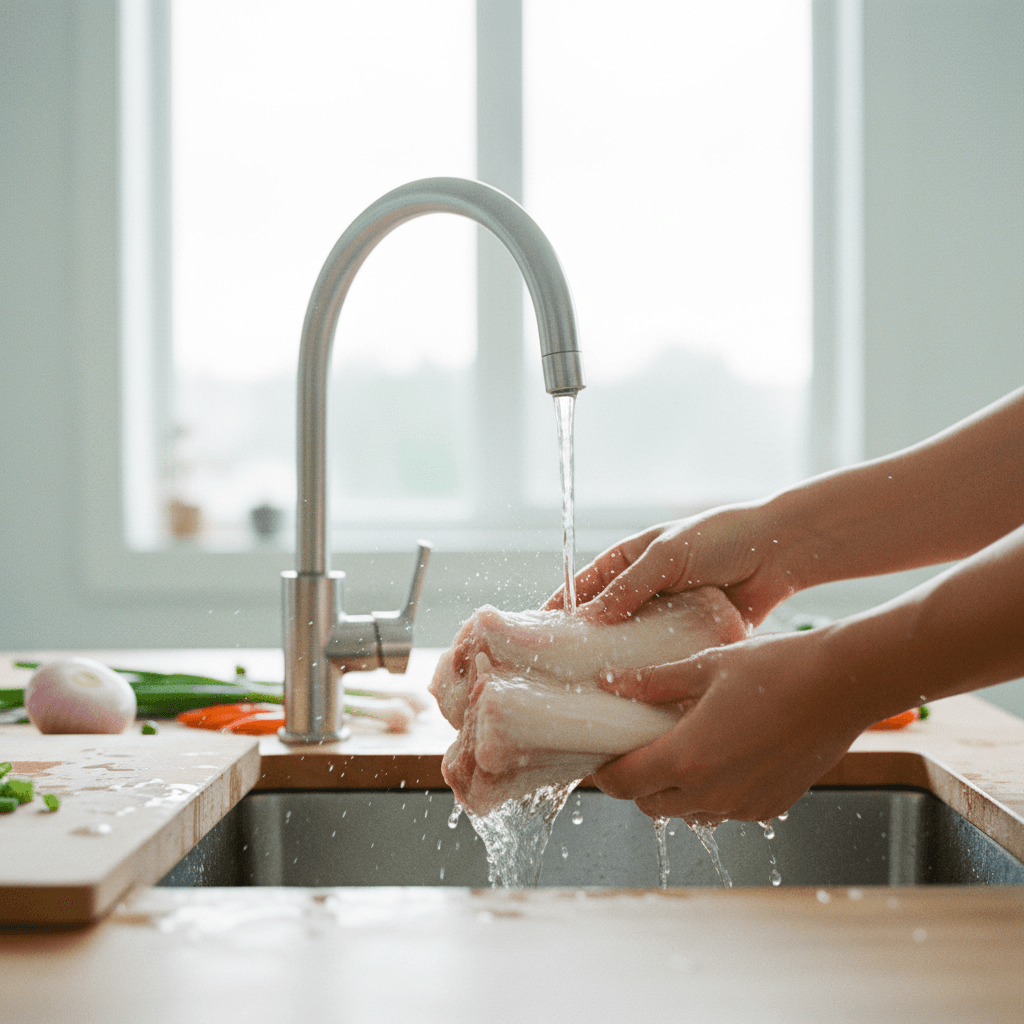
- 2
Place the rinsed bones in a large pot, cover with water, and bring to a rolling boil. Boil for 20 minutes to remove impurities. Skim off any foam that rises to the surface.
⏱️ 25 min•🌡️ 100
- 3
Drain the bones and scrub them clean under running water to remove any remaining impurities.
⏱️ 10 min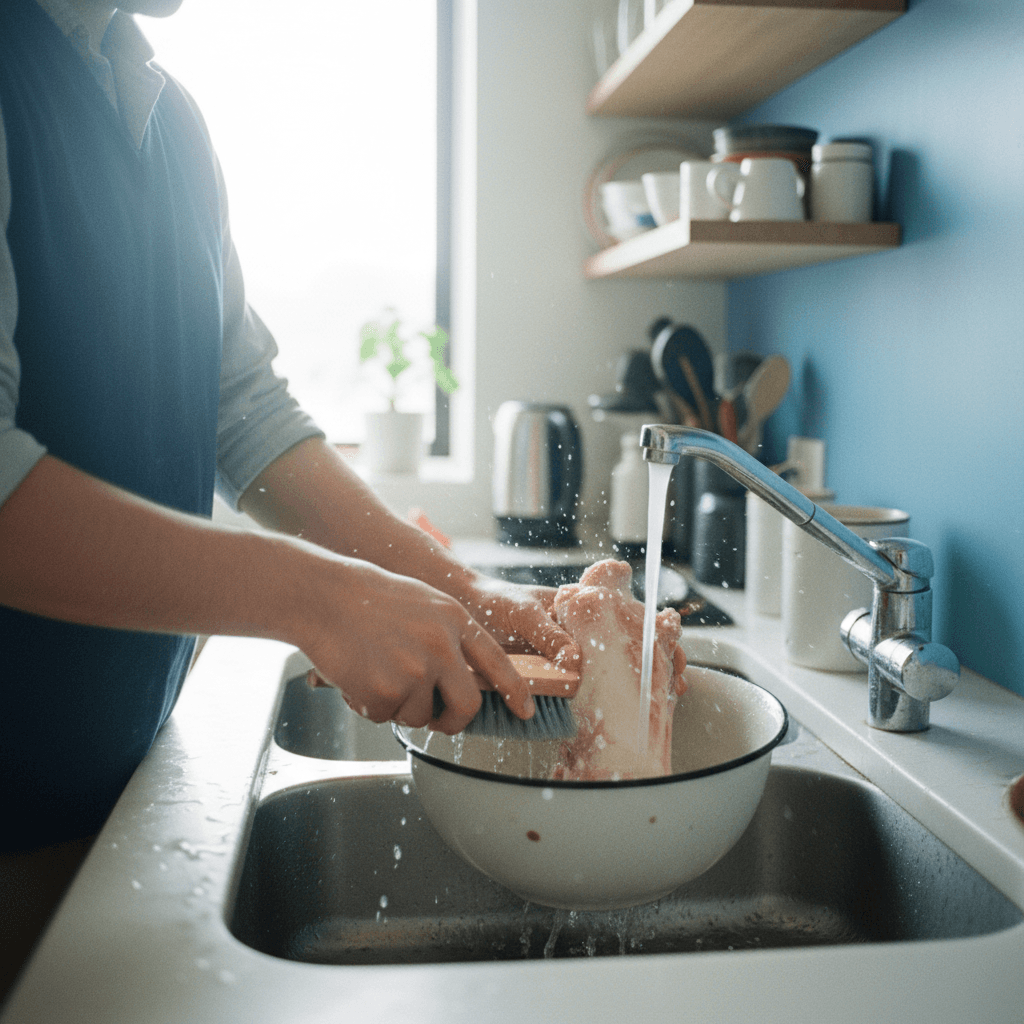
- 4
Transfer the cleaned bones to a pressure cooker. Add the leeks, onion, head of garlic, and ginger.
⏱️ 5 min
- 5
Fill the pressure cooker with water until all ingredients are completely submerged.
⏱️ 2 min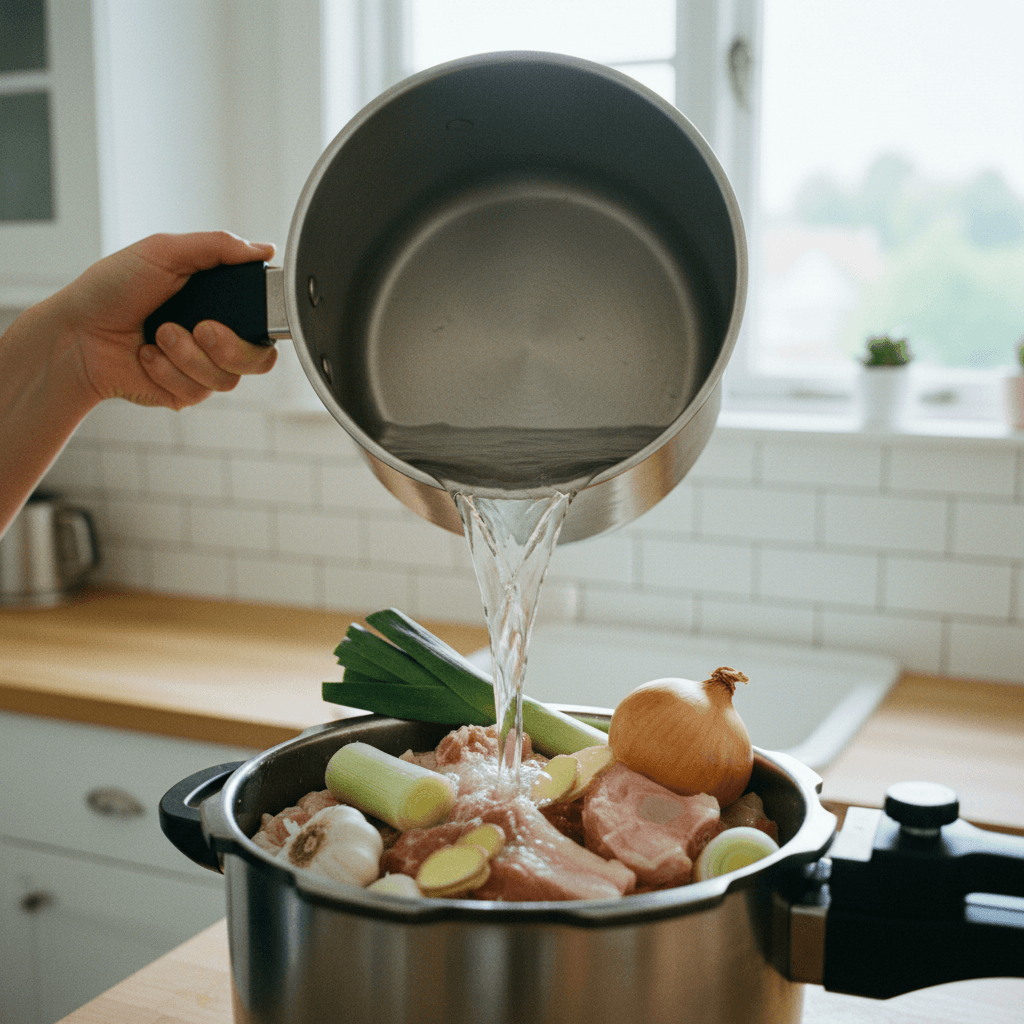
- 6
Pressure cook the broth for 2 hours.
⏱️ 120 min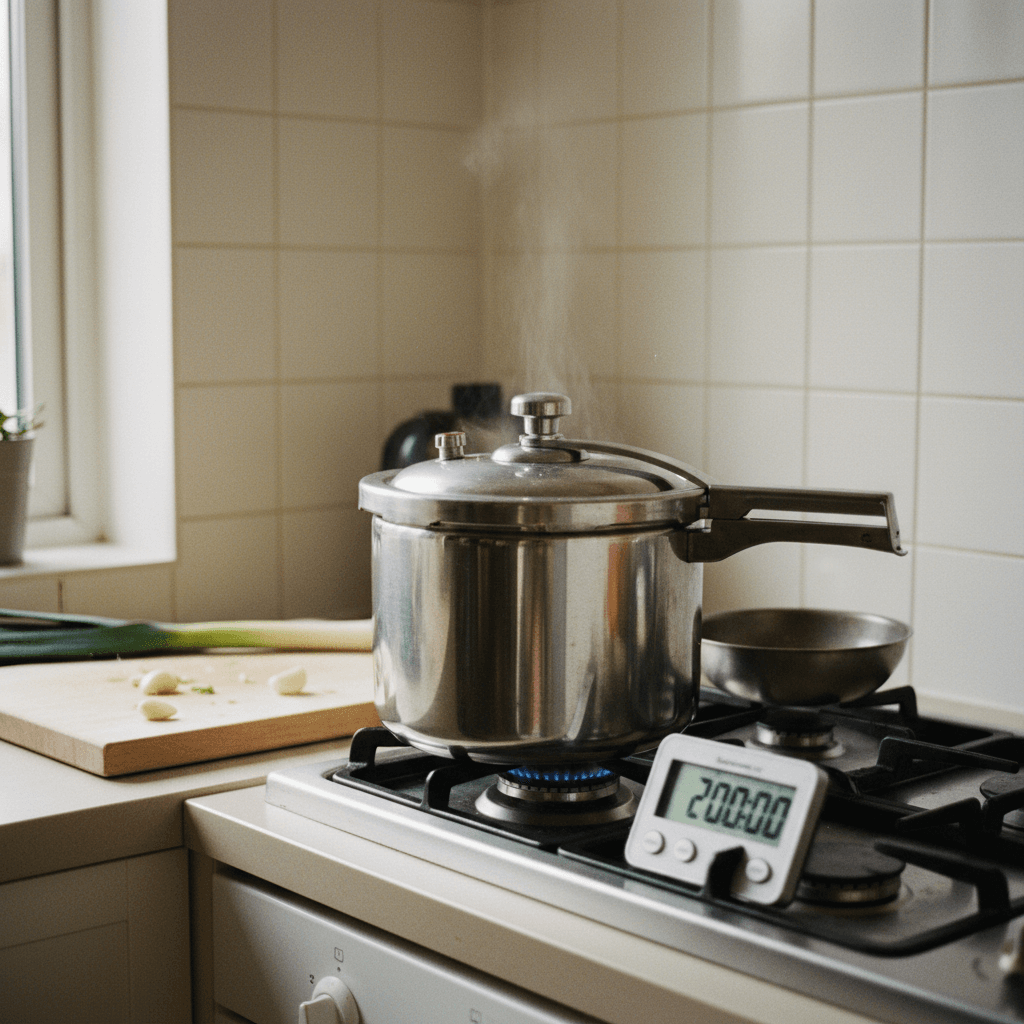
- 7
After the first 2 hours, carefully release the pressure and remove the lid. Remove and discard the aromatics (leeks, onion, garlic, ginger).
⏱️ 10 min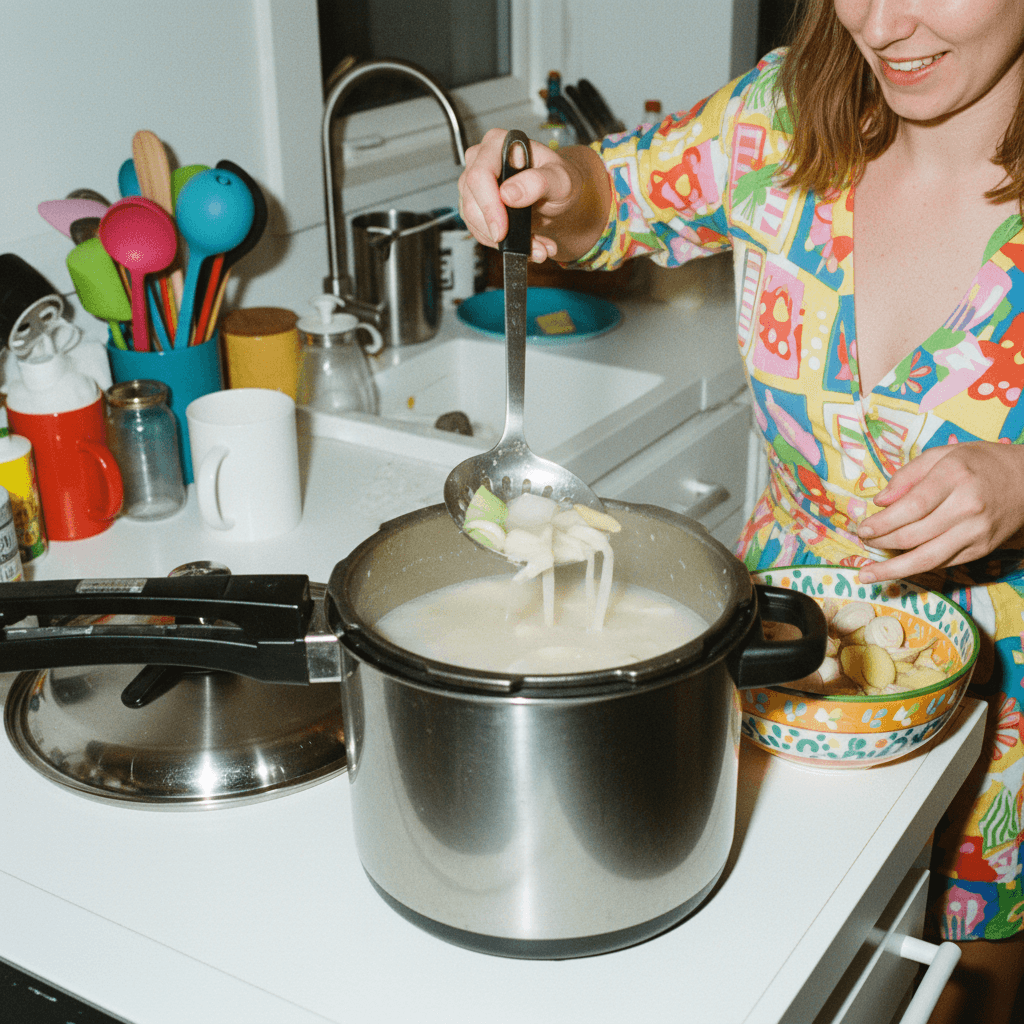
- 8
Using tongs or a sturdy spoon, break down the pork bones to expose more surface area and release additional flavor into the broth.
⏱️ 10 min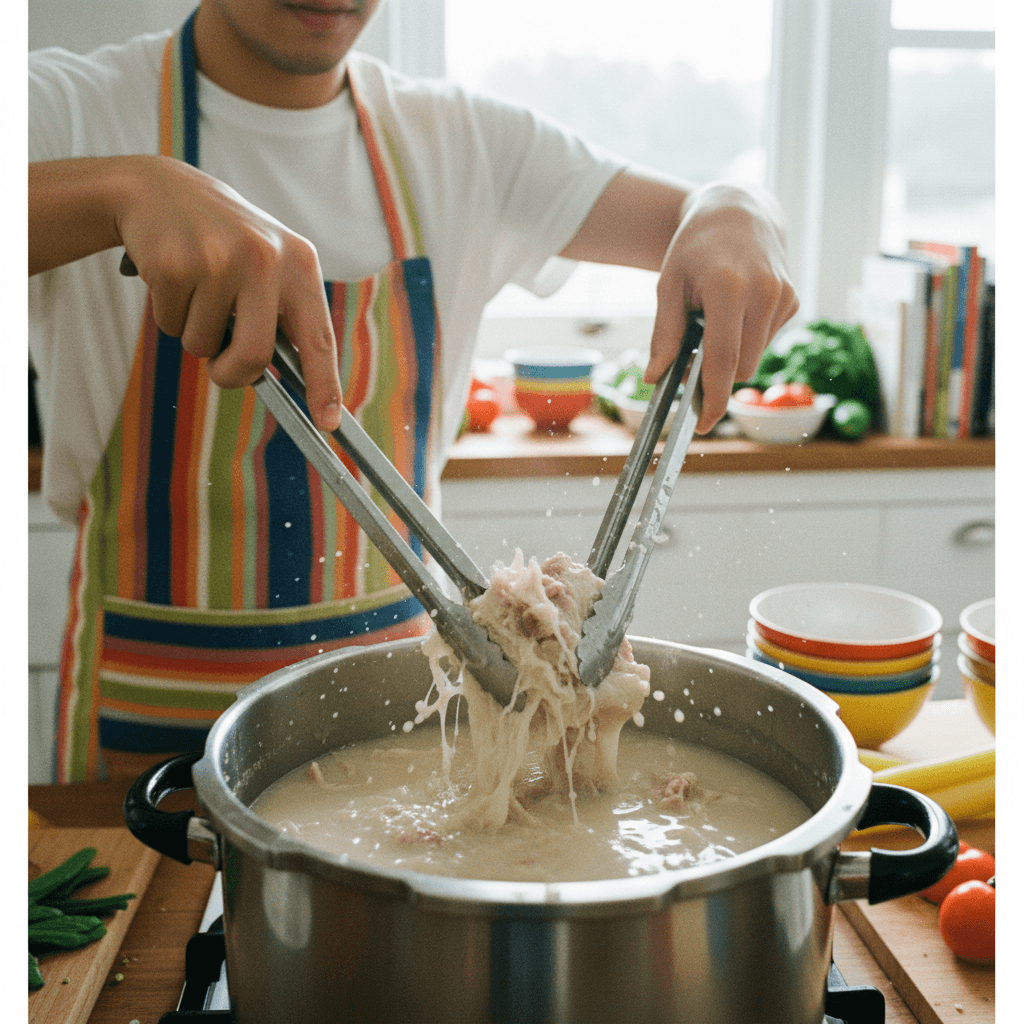
- 9
Continue pressure cooking the broth for another 2 hours.
⏱️ 120 min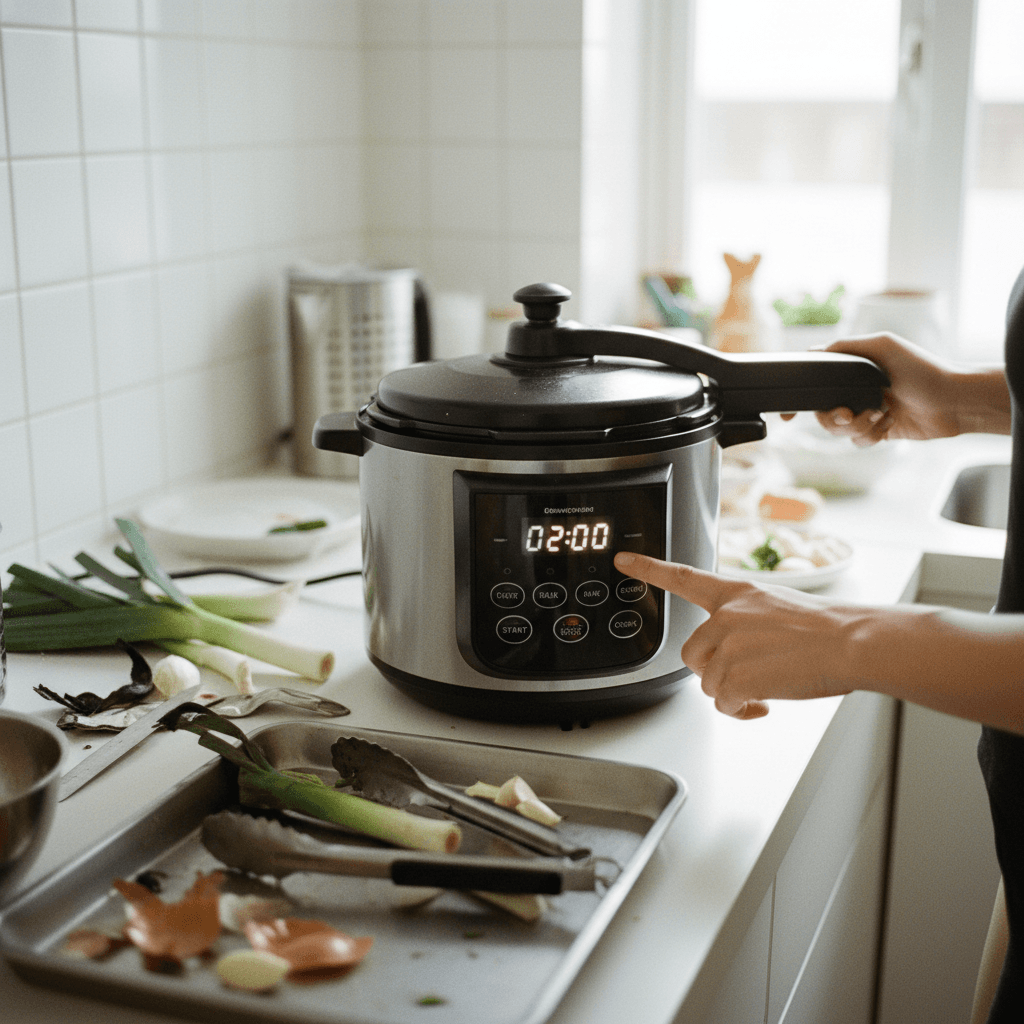
- 10
Once the broth is done, carefully strain it through a fine-mesh sieve or cheesecloth to remove all solids. Set the clear broth aside.
⏱️ 15 min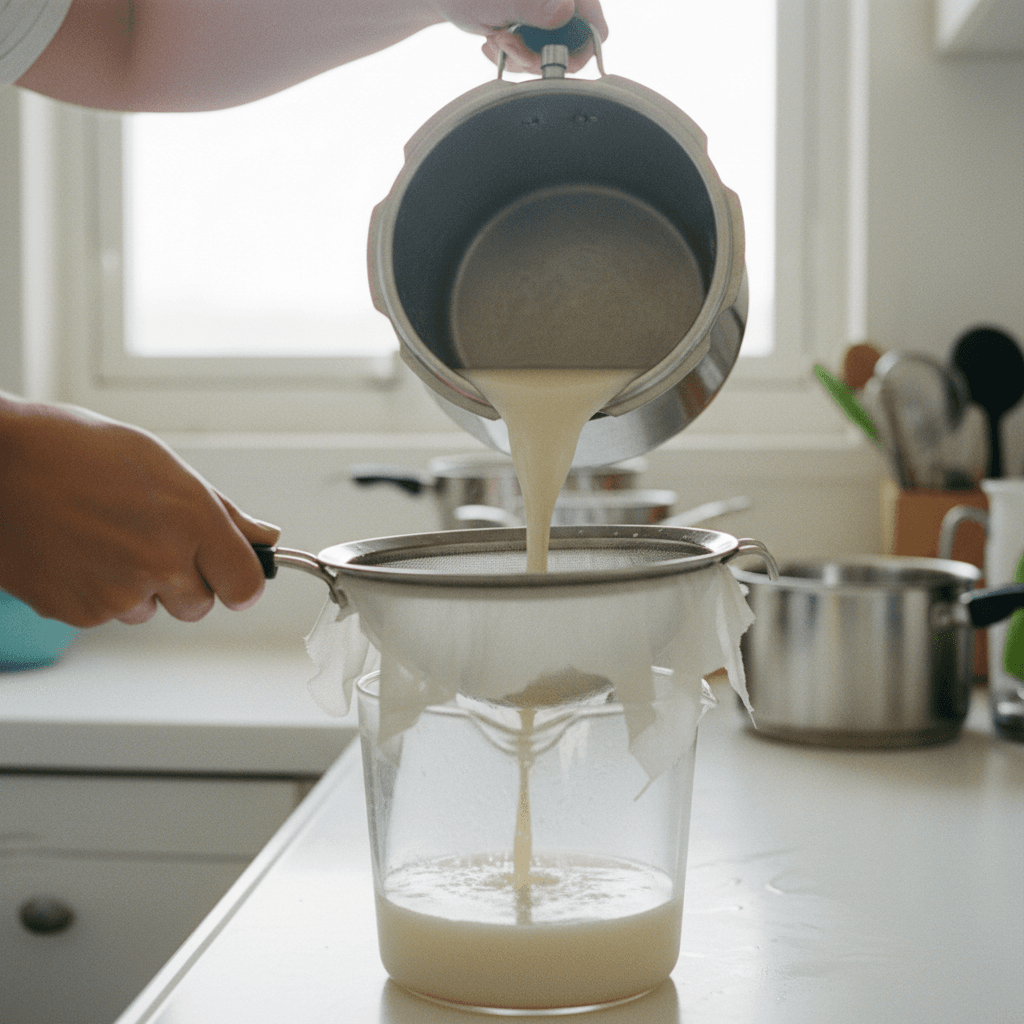
- 11
Score the skin/fat side of the pork belly in a crosshatch pattern.
⏱️ 5 min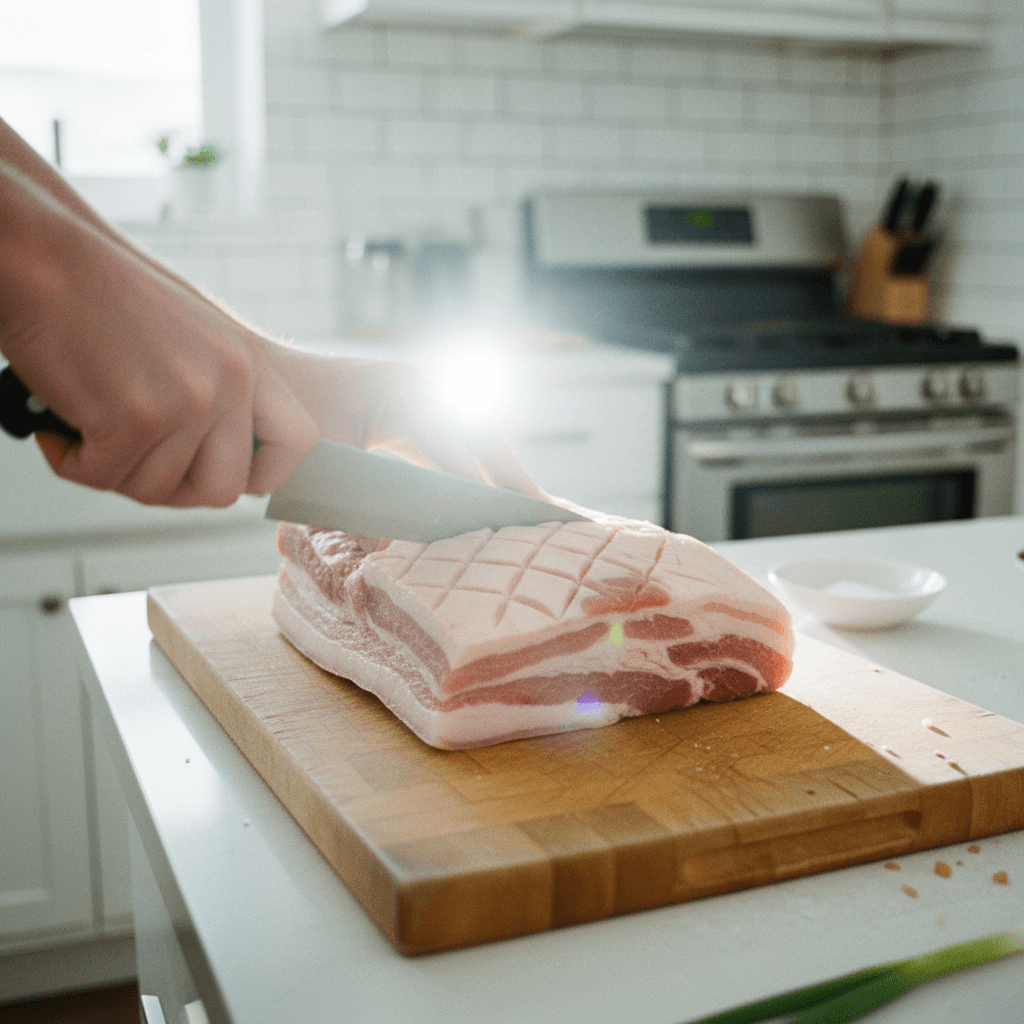
- 12
Season the pork belly generously on all sides with salt and pepper.
⏱️ 2 min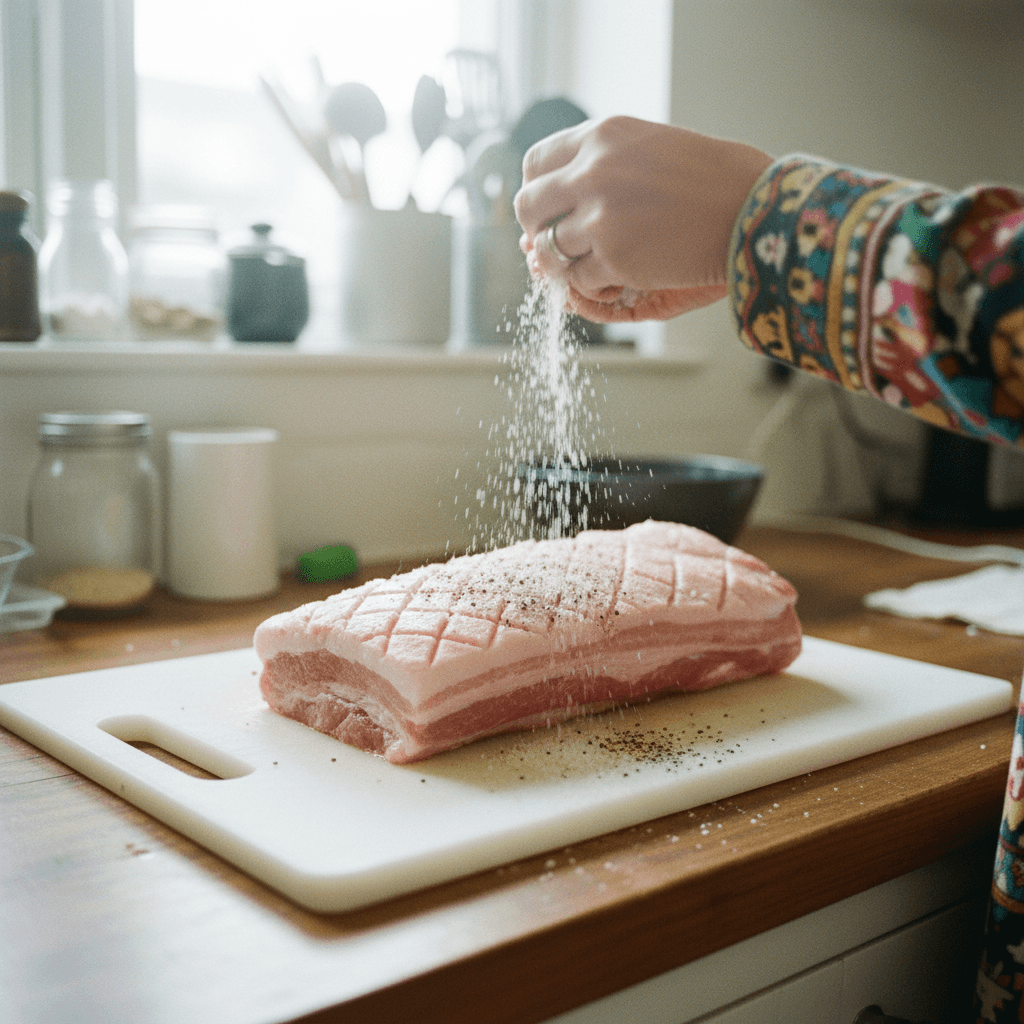
- 13
Sear the pork belly in a hot pan or pot over medium-high heat until all sides are deeply browned.
⏱️ 15 min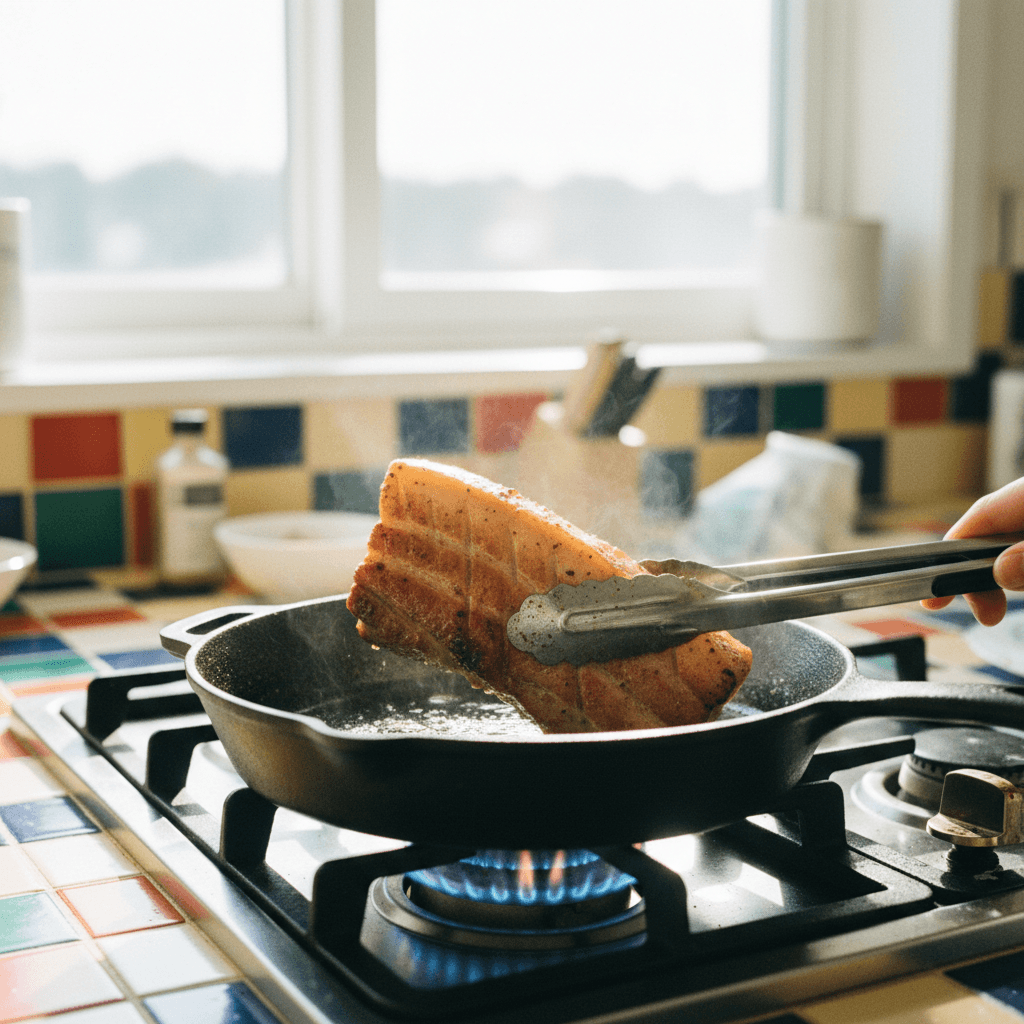
- 14
In a separate pot, combine soy sauce, mirin, sake, sugar, 1/2 cup water, and dashi powder. Stir until the sugar and dashi powder are dissolved.
⏱️ 5 min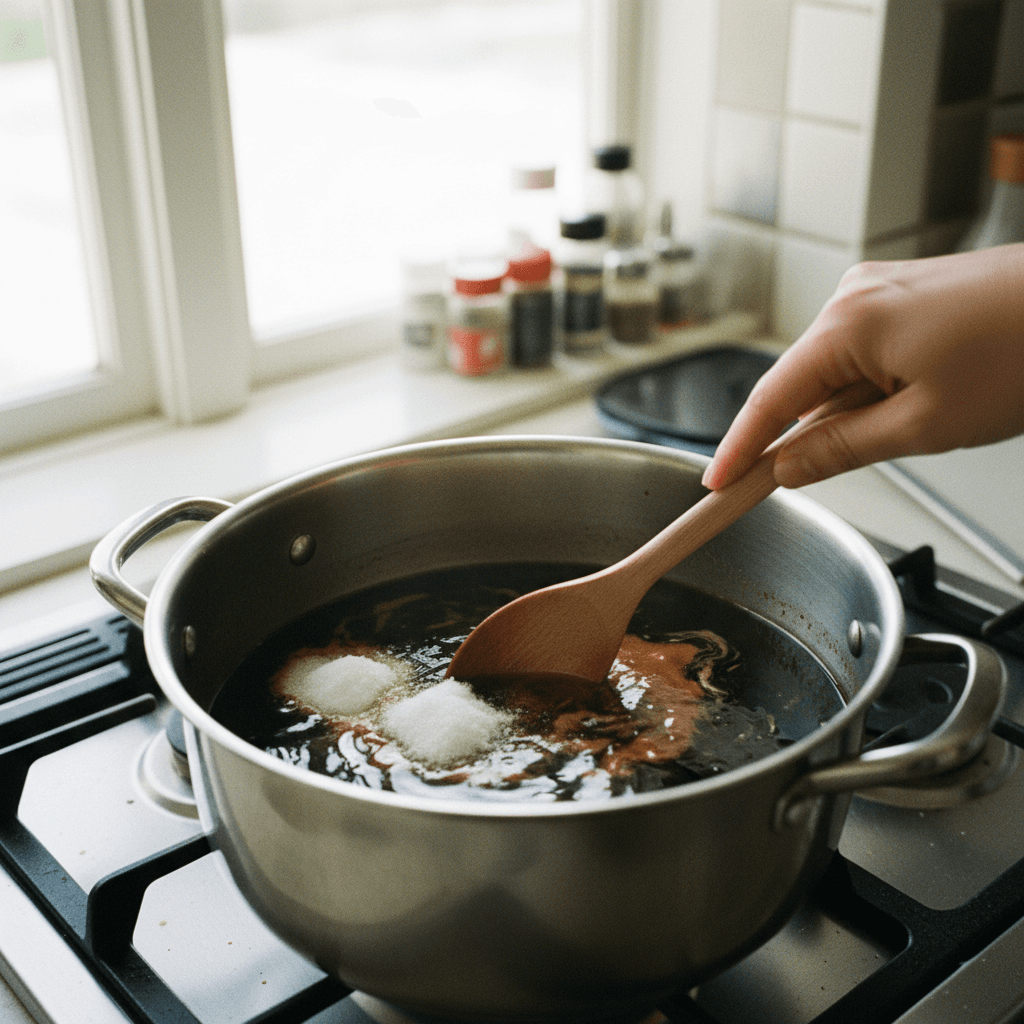
- 15
Add the seared pork belly to the liquid, ensuring it is mostly submerged. If needed, add a little more water to cover.
⏱️ 2 min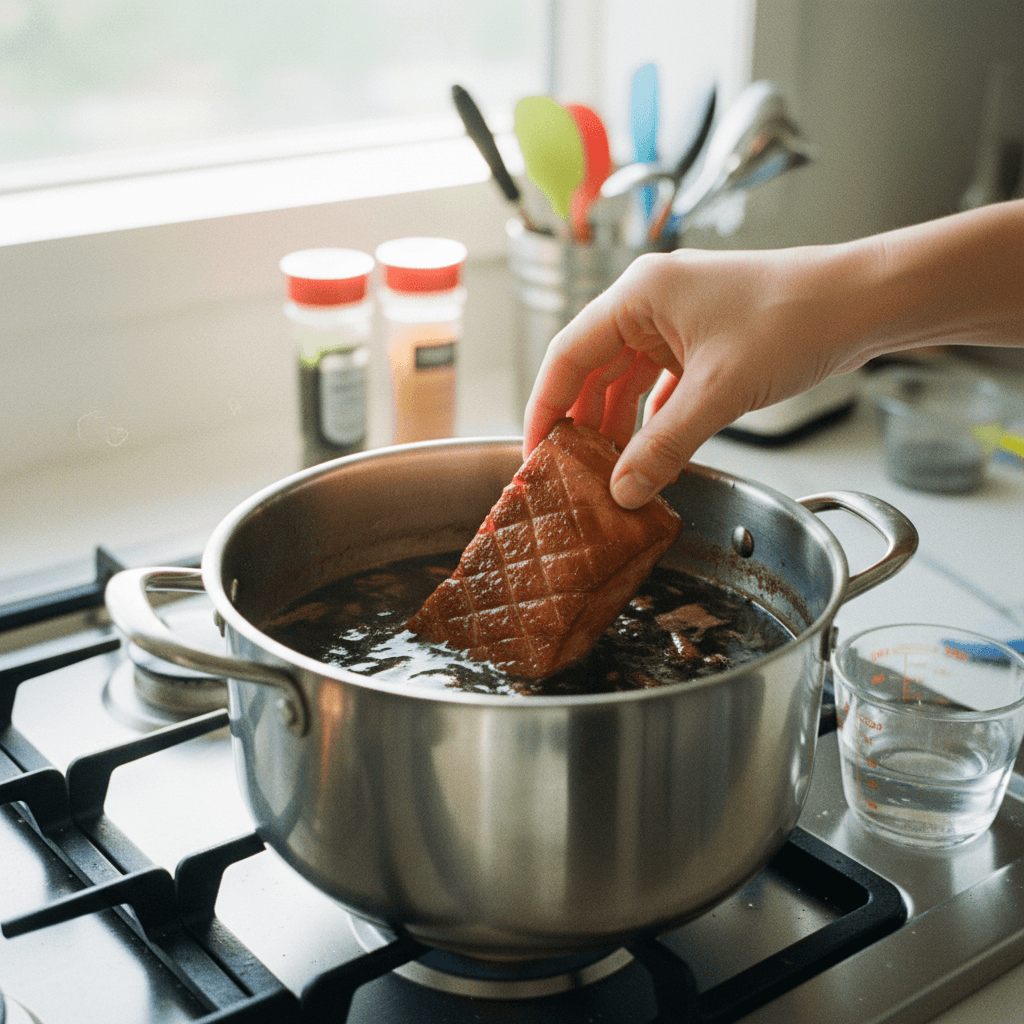
- 16
Bring the liquid to a boil, then reduce the heat to a gentle simmer.
⏱️ 10 min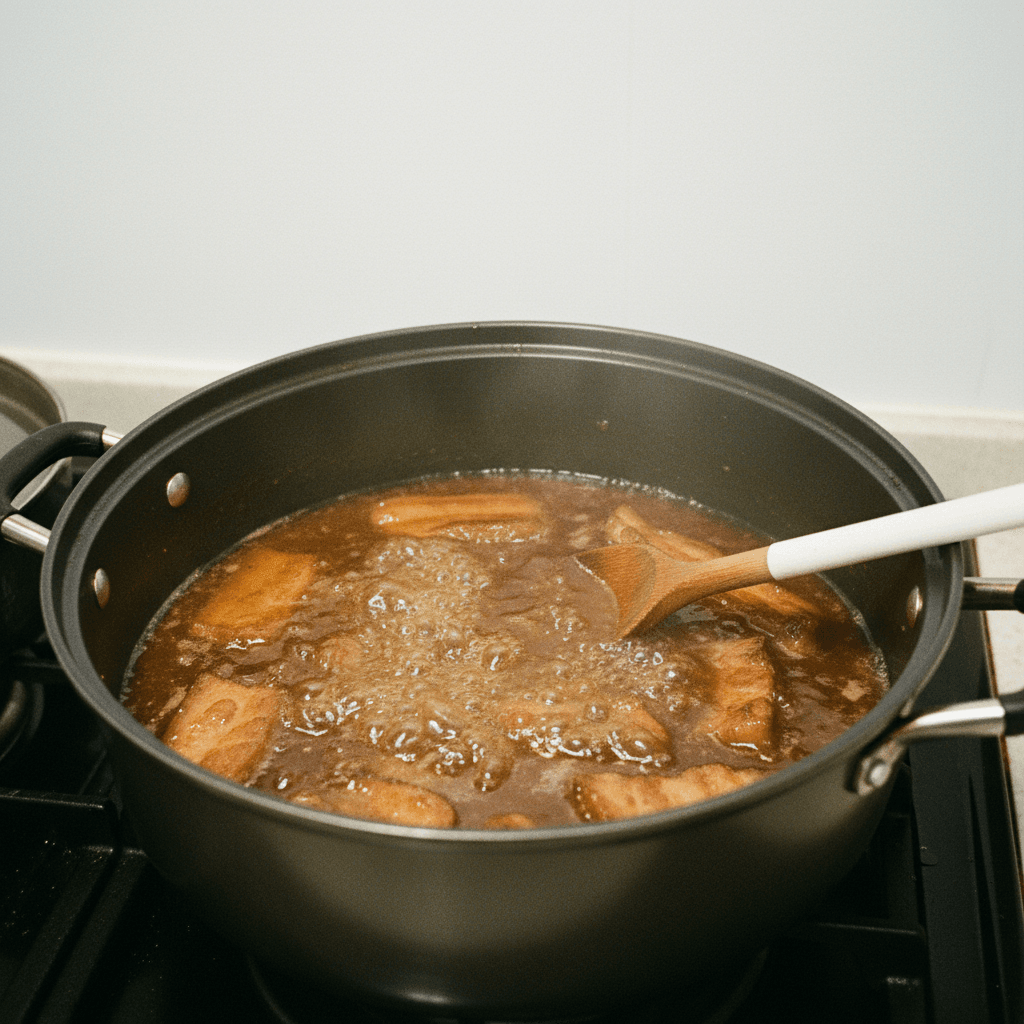
- 17
Simmer the pork belly for 1 hour, turning it occasionally to ensure even cooking and flavor absorption.
⏱️ 60 min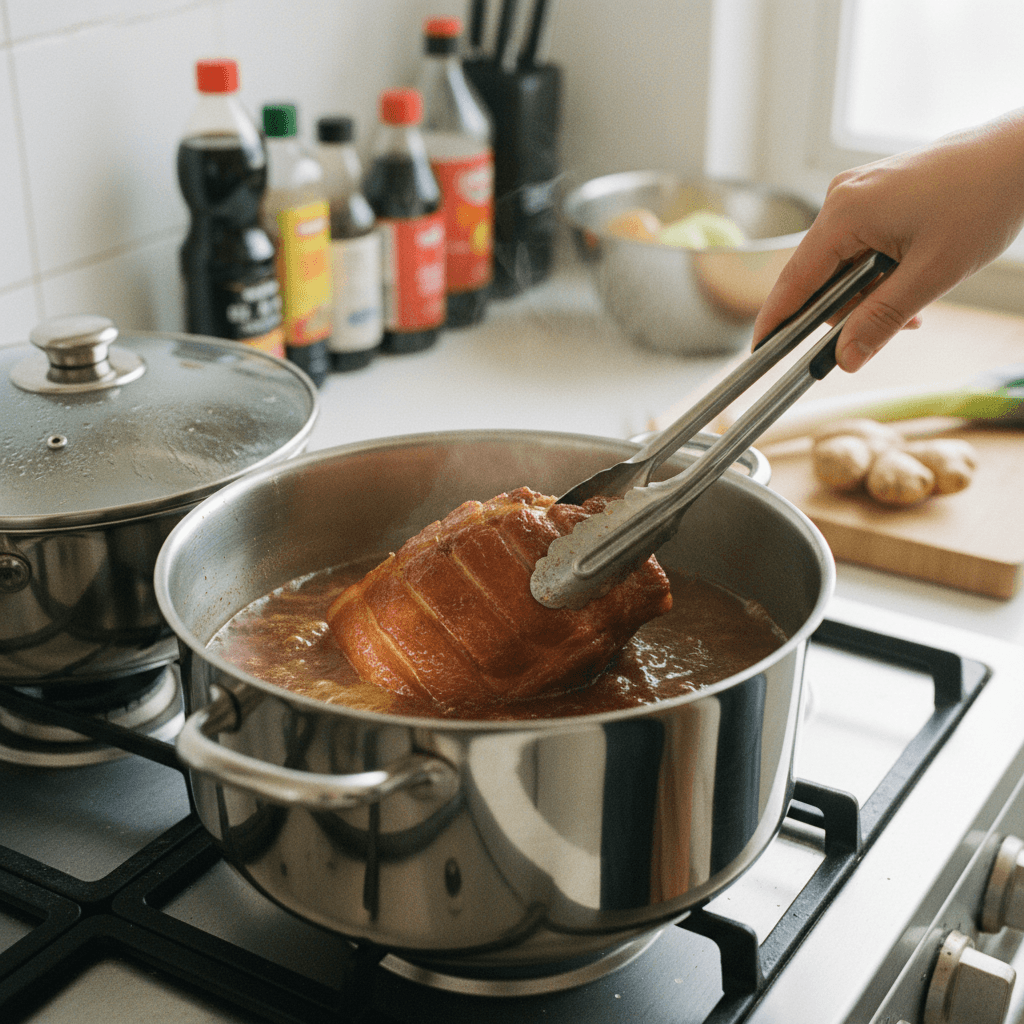
- 18
Remove the pork belly from the liquid and let it cool slightly.
⏱️ 5 min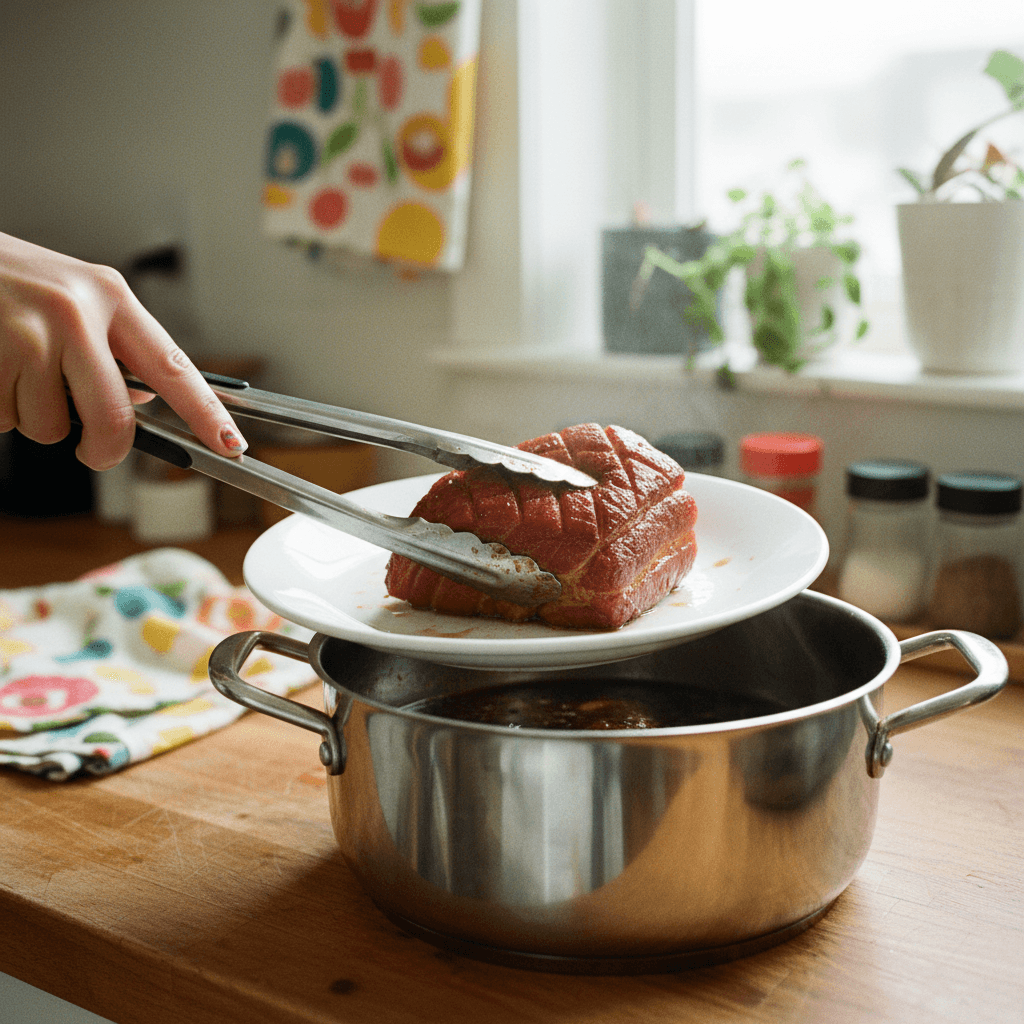
- 19
Roll the pork belly tightly and tie it with butcher's twine to maintain its shape as it cools.
⏱️ 5 min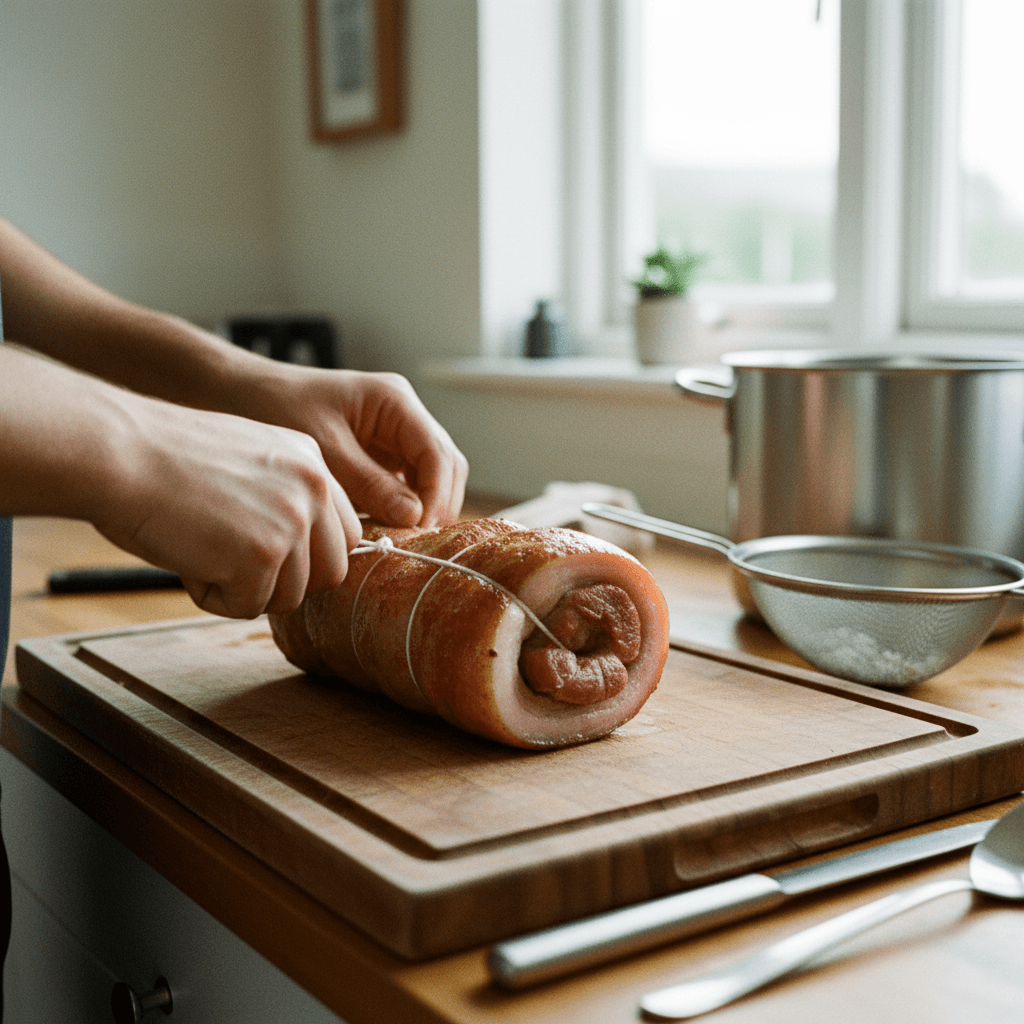
- 20
Refrigerate the rolled pork belly overnight to allow it to firm up and for flavors to meld.
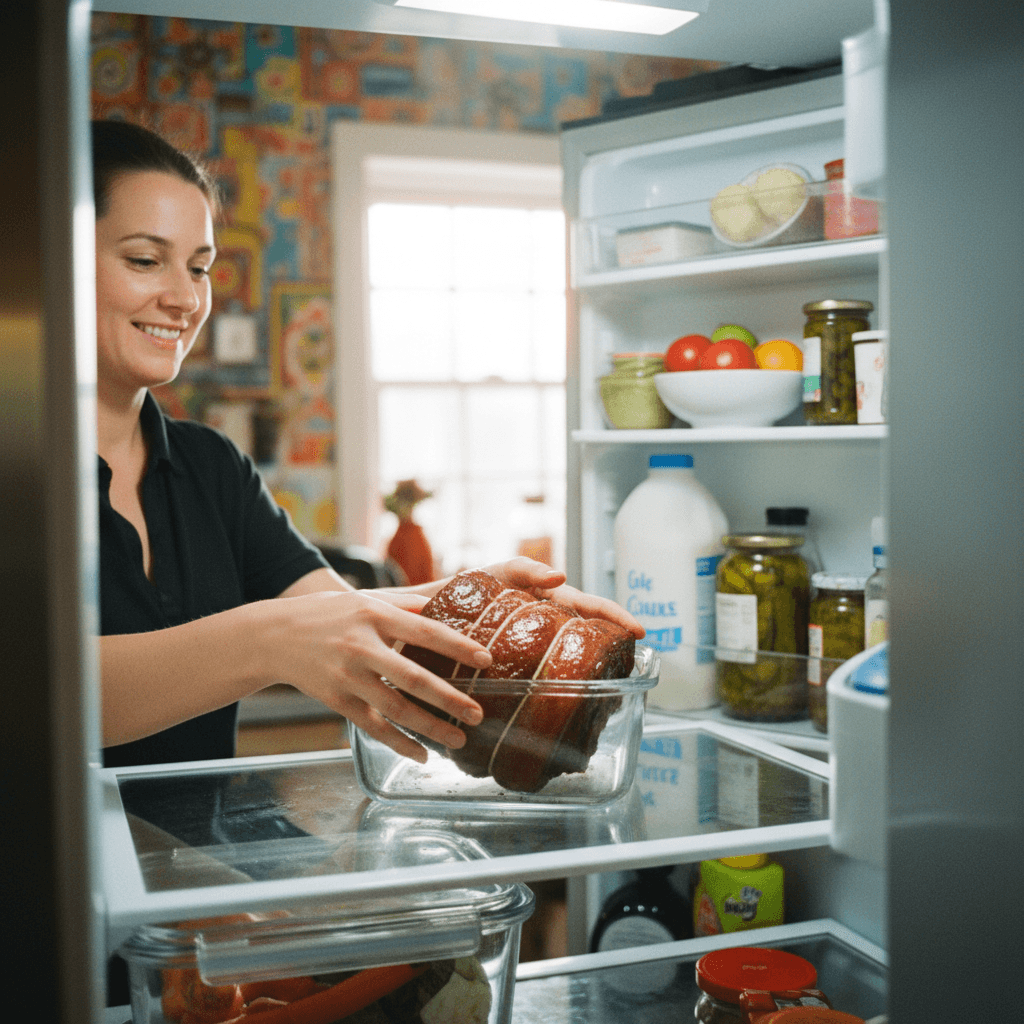
- 21
Bring a pot of water to a rolling boil. Carefully add the eggs and boil for exactly 6 minutes and 30 seconds for a jammy yolk.
⏱️ 8 min•🌡️ 100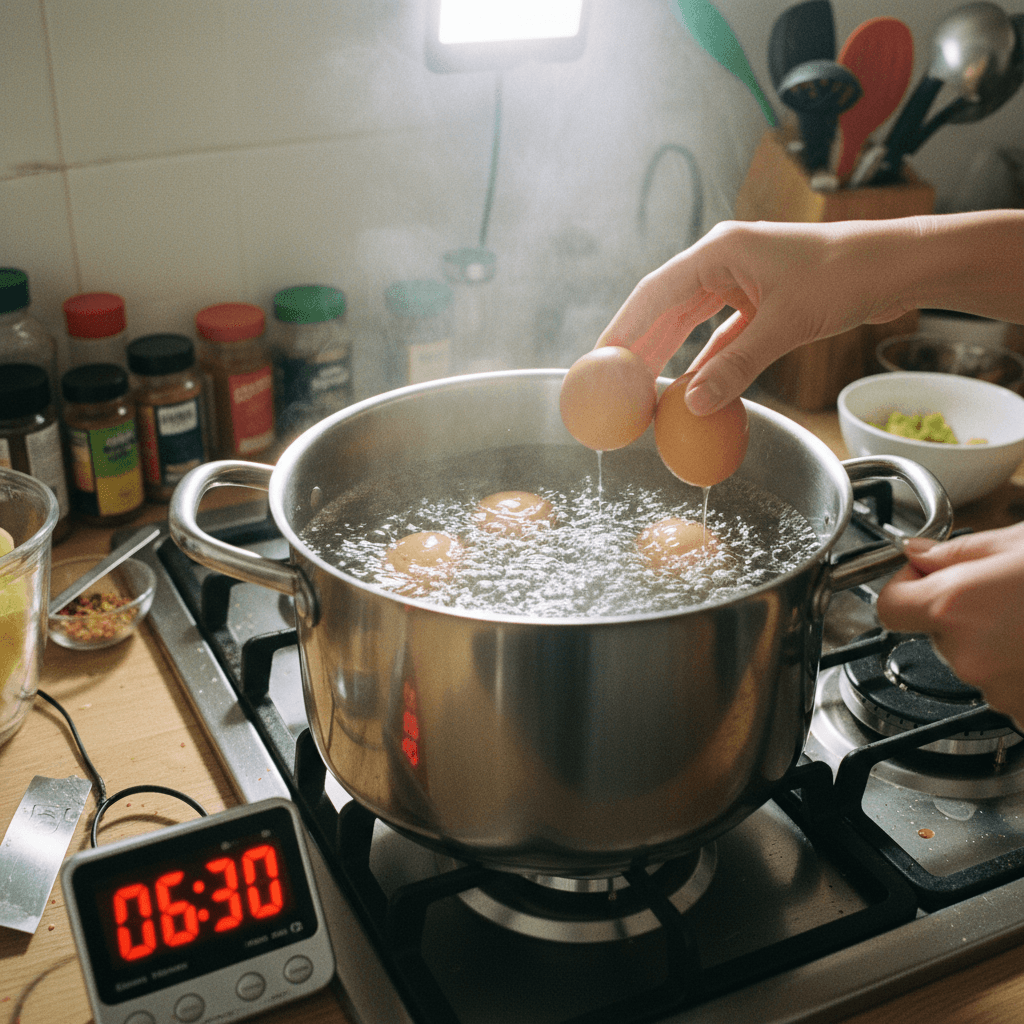
- 22
Immediately transfer the boiled eggs to an ice bath to stop the cooking process.
⏱️ 5 min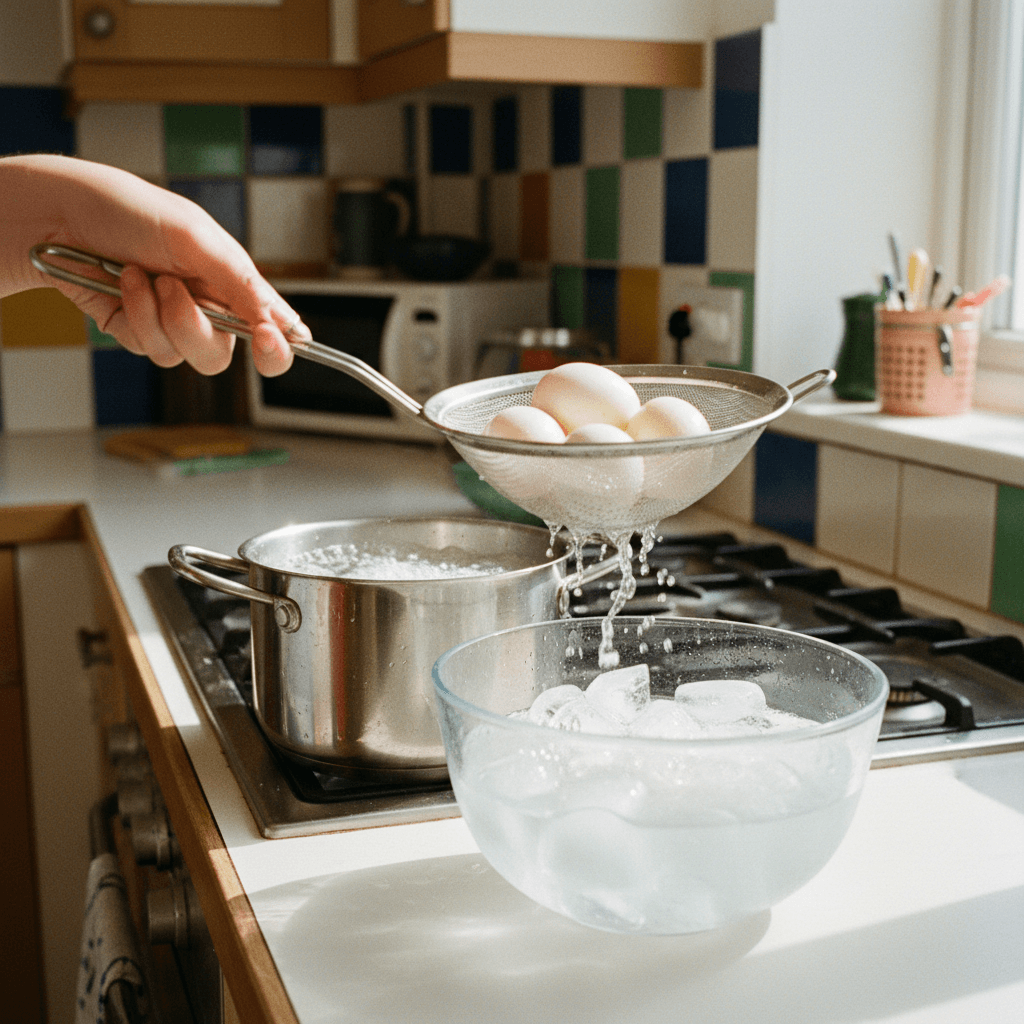
- 23
Once cooled, carefully peel the eggs.
⏱️ 5 min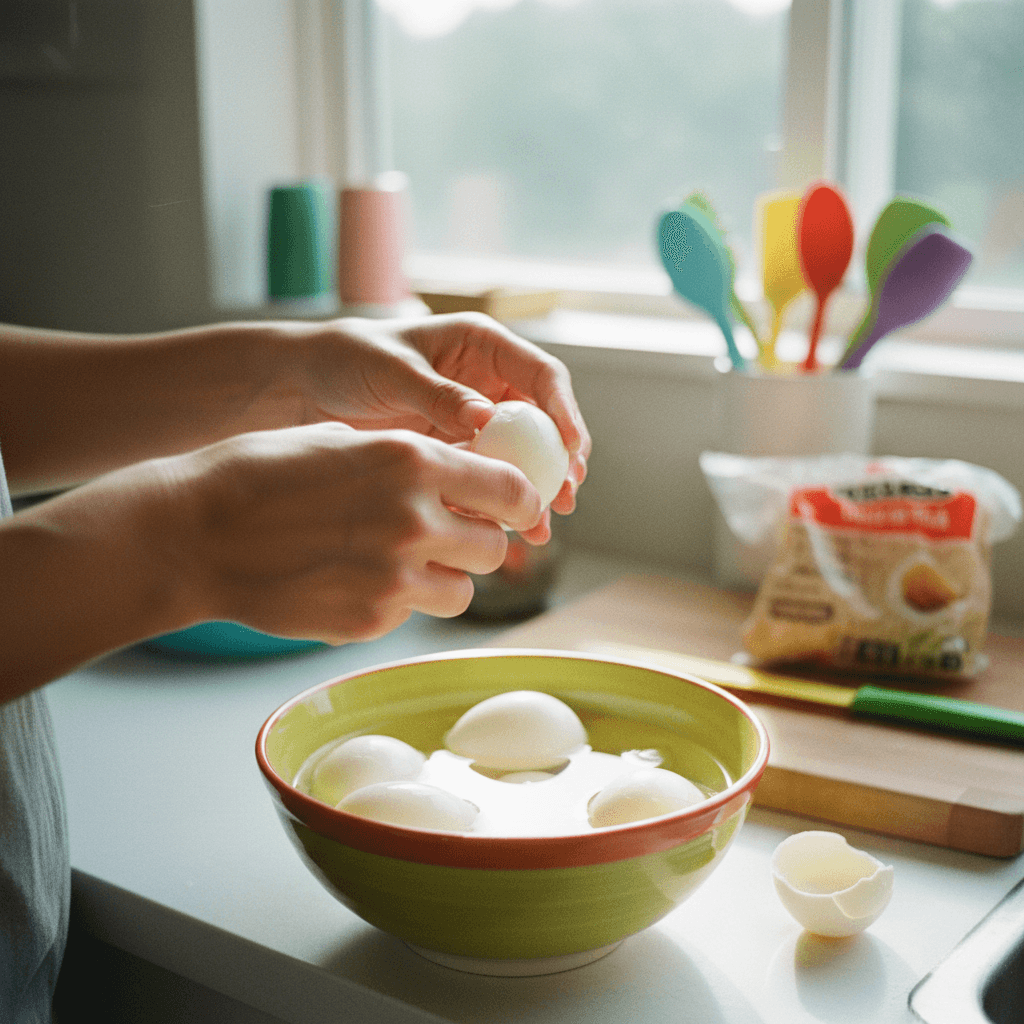
- 24
In a bowl, combine soy sauce, mirin, 1/4 cup water, and sugar. Stir until the sugar is completely dissolved.
⏱️ 2 min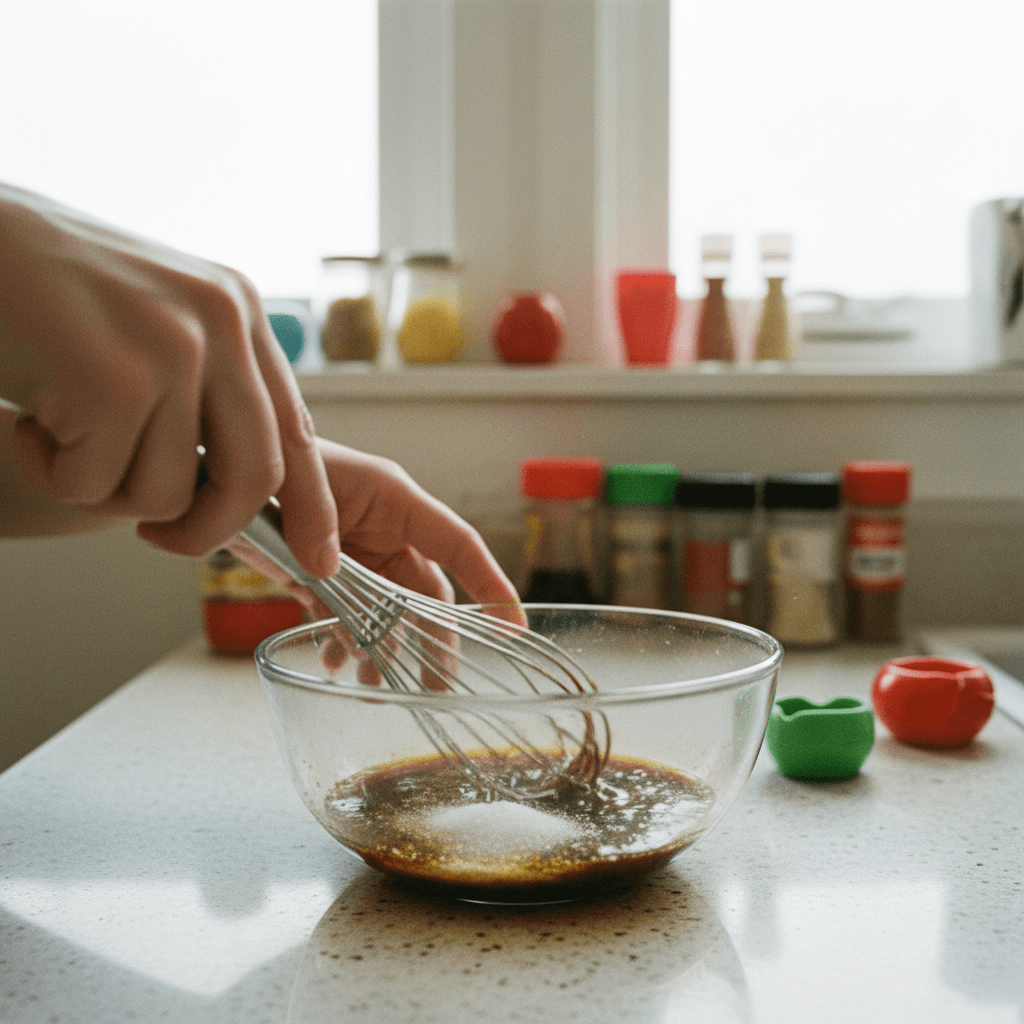
- 25
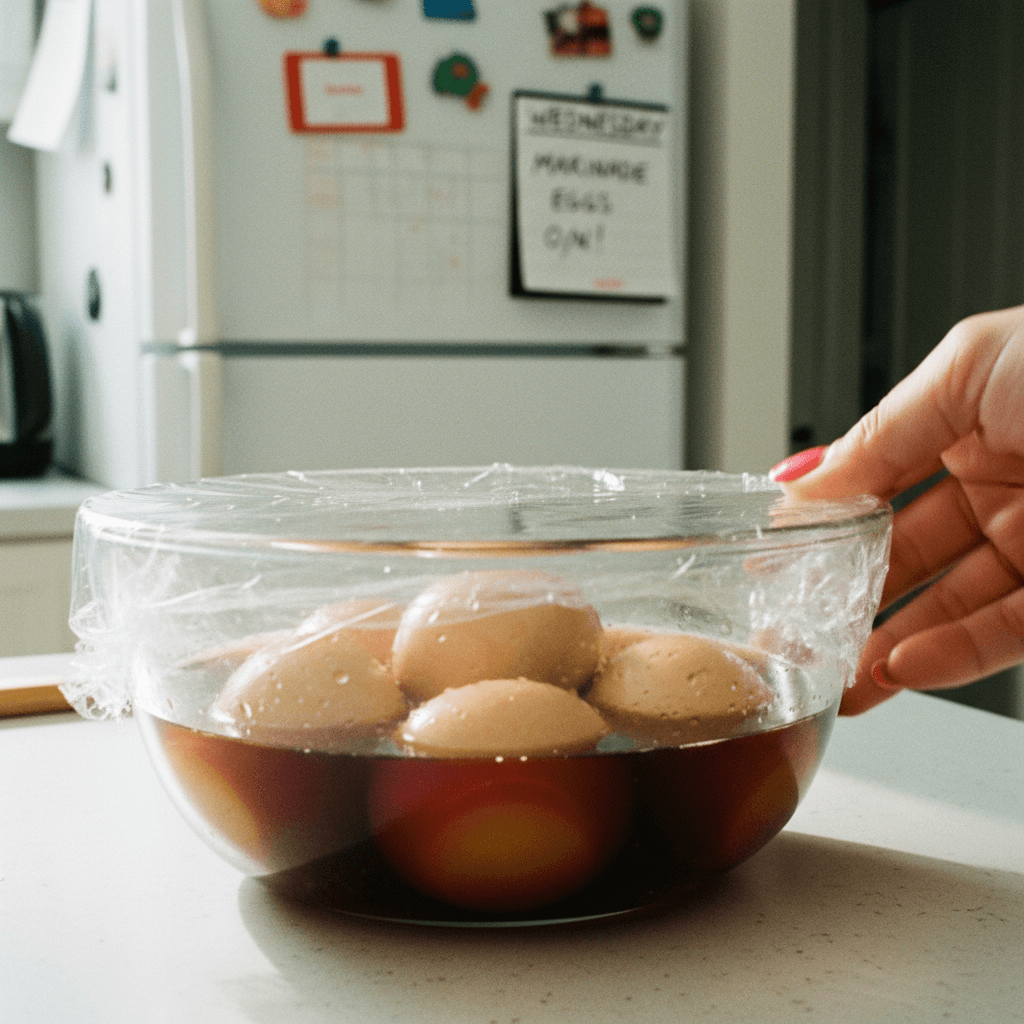
Submerge the peeled eggs in this marinade. Ensure they are fully covered.
⏱️ 1 min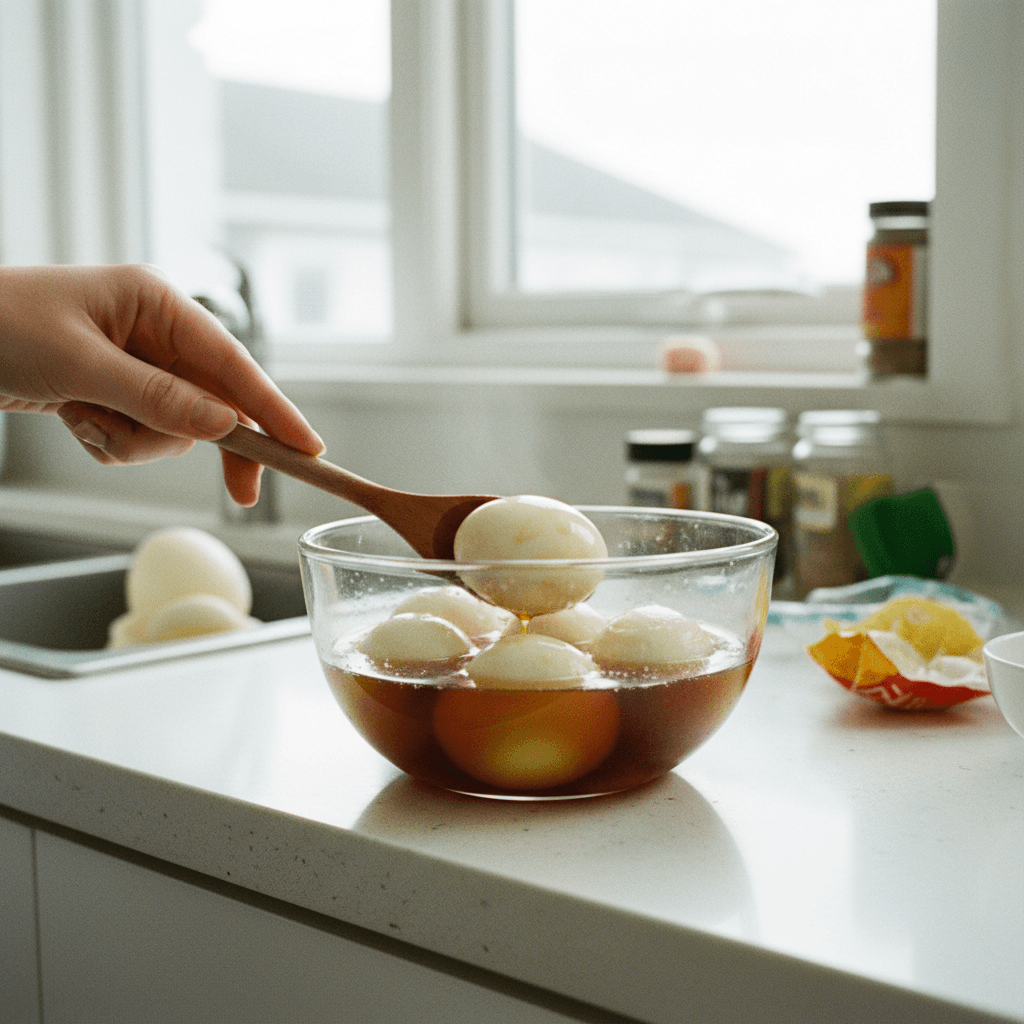
- 26
Refrigerate the eggs in the marinade overnight.
- 27
In a small bowl, combine sesame oil, minced garlic, white sesame seeds, chili oil, soy sauce, vinegar, 2 tablespoons water, and 1 tablespoon sugar.
⏱️ 5 min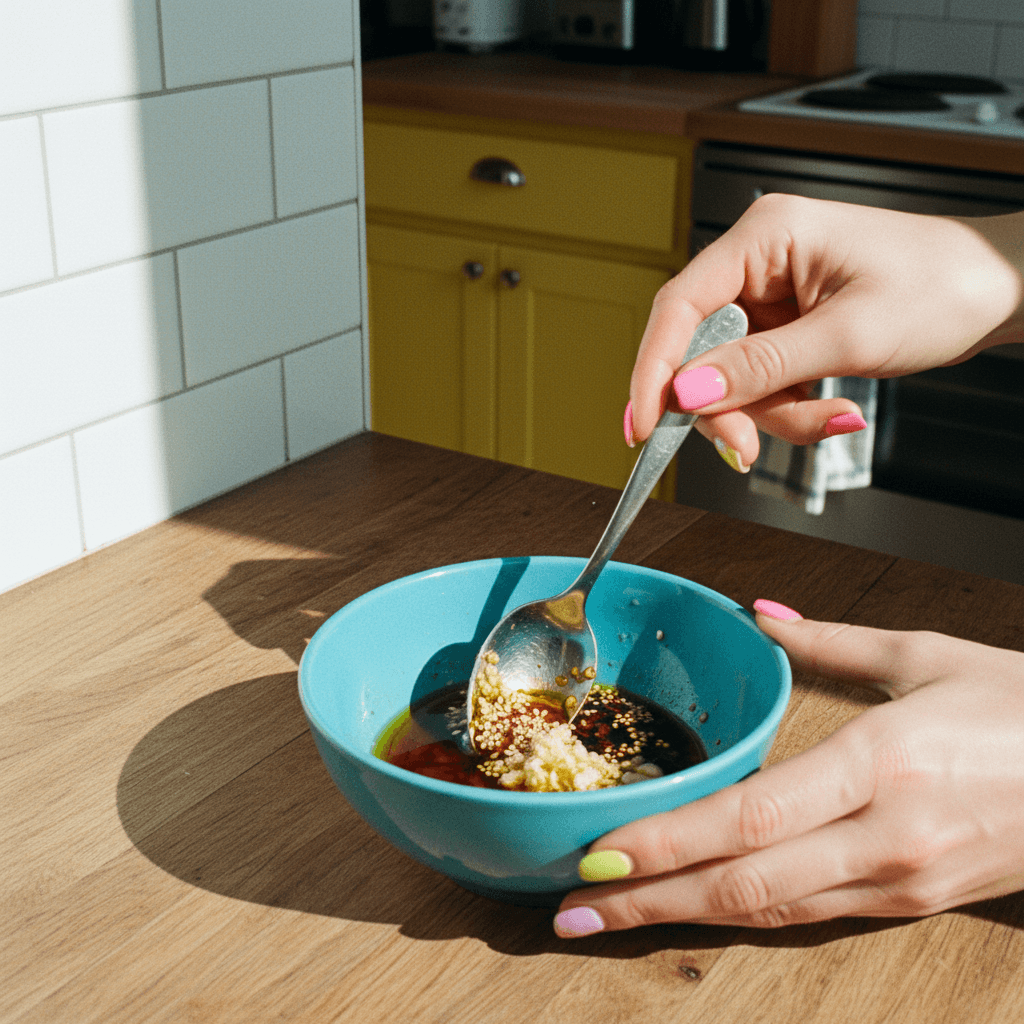
- 28
Mix all ingredients thoroughly until well combined. Set aside.
⏱️ 1 min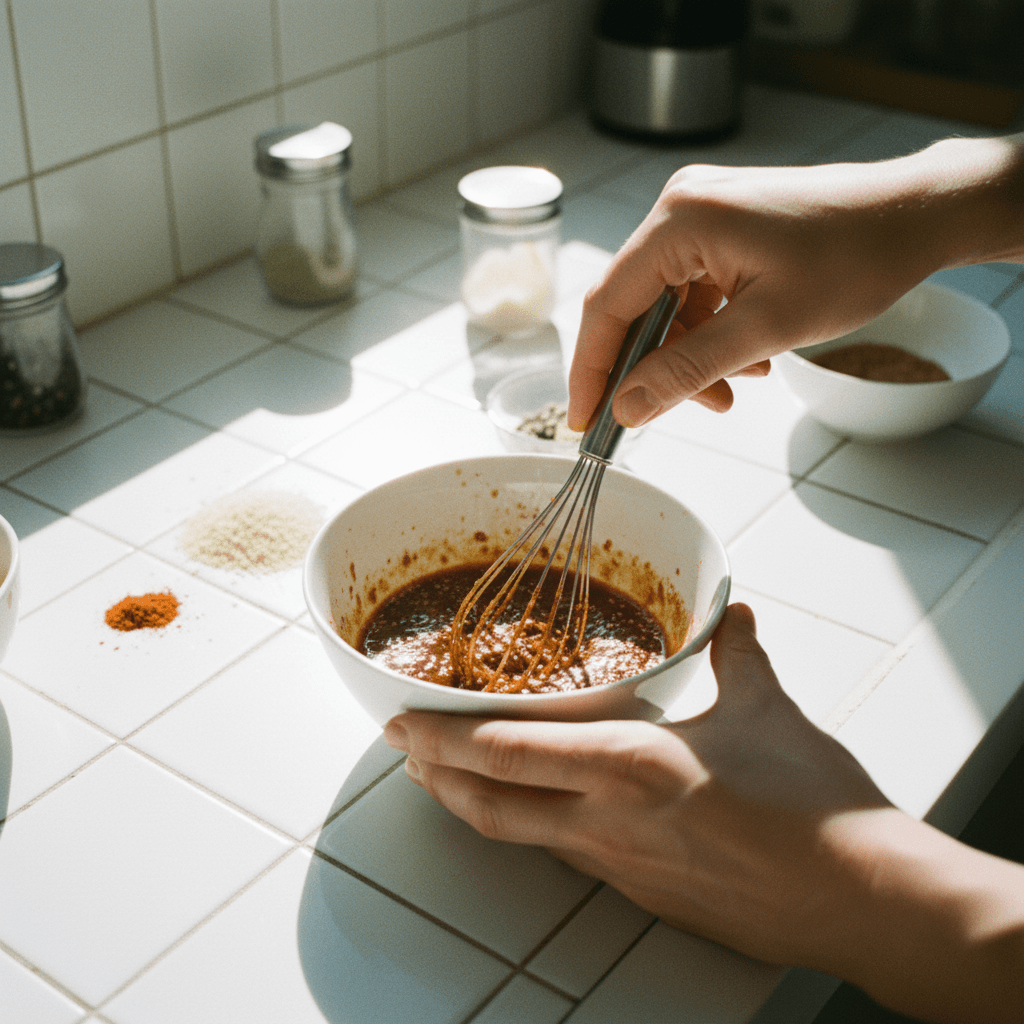
- 29
When ready to serve, thinly slice the refrigerated chashu.
⏱️ 5 min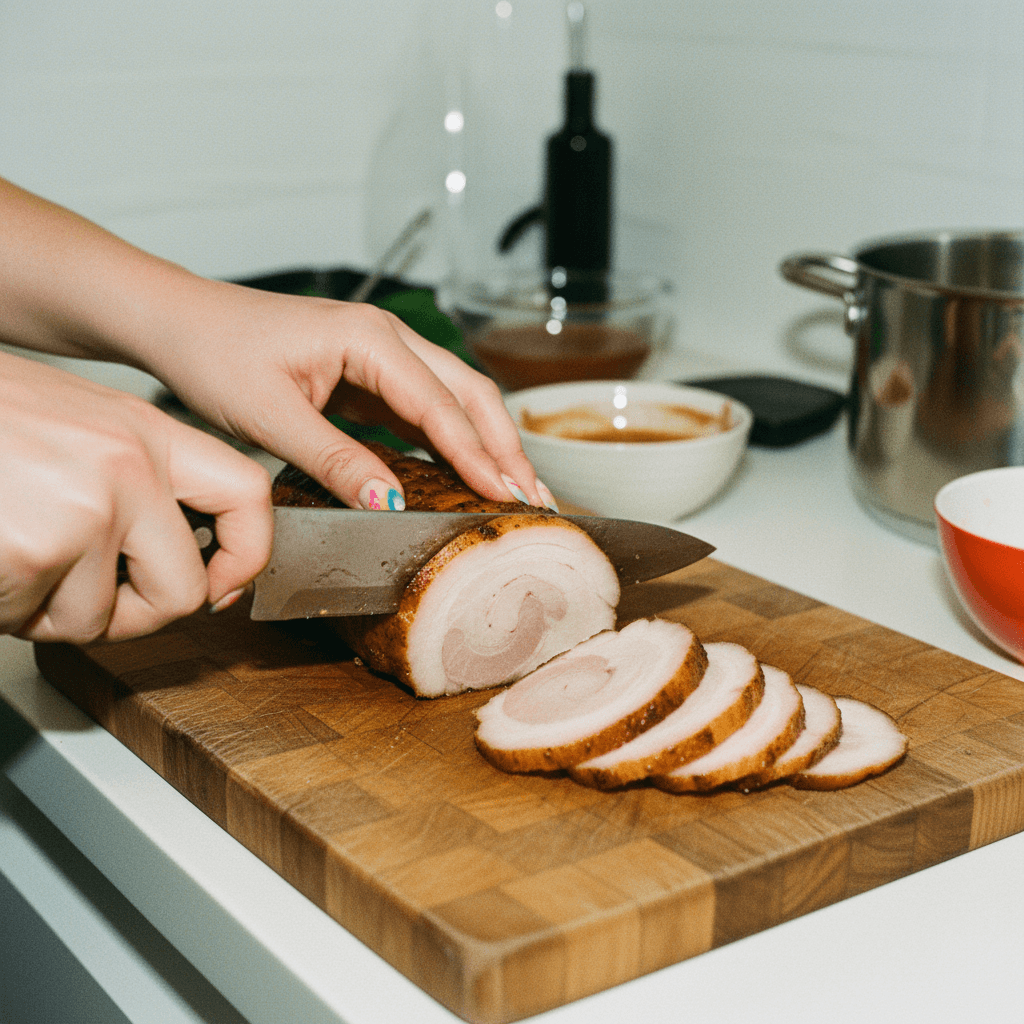
- 30
Boil the ramen noodles according to the package instructions until al dente.
⏱️ 5 min•🌡️ 100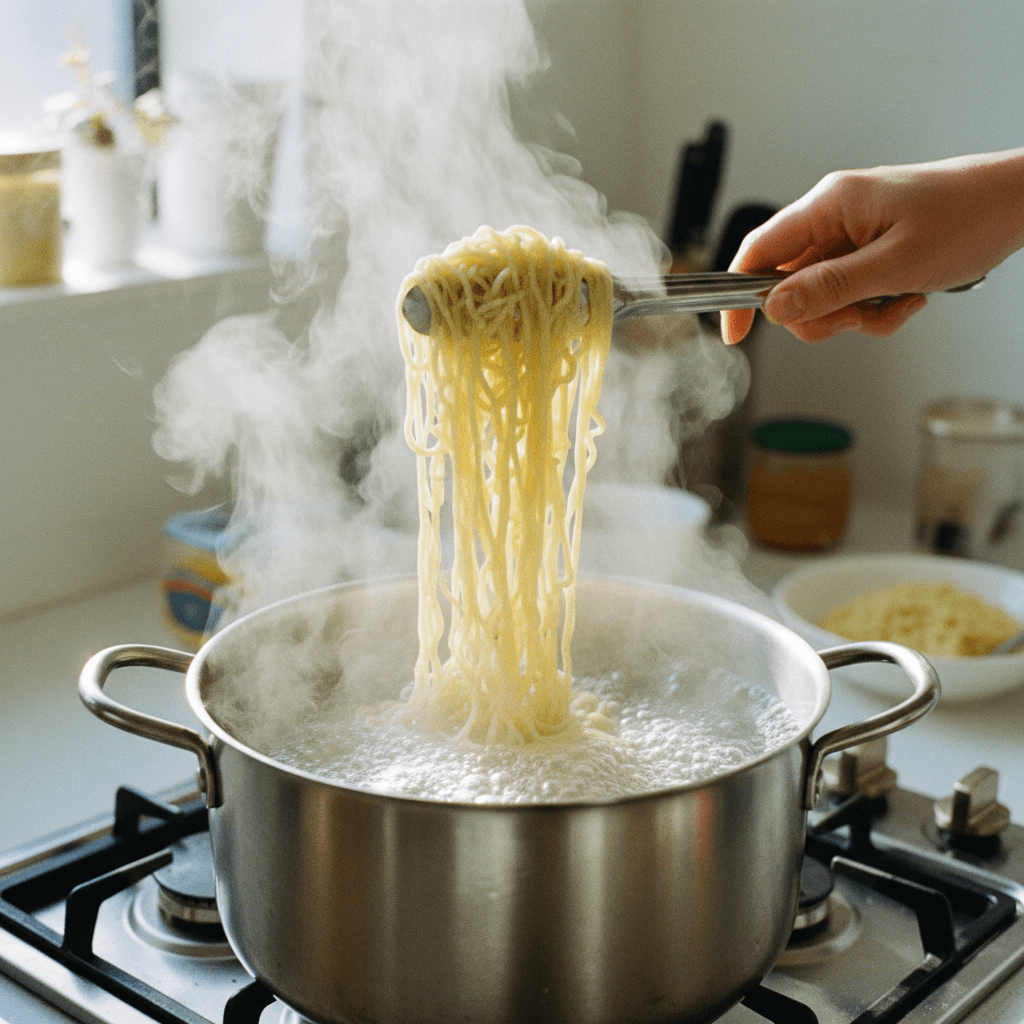
- 31
While the noodles are cooking, gently reheat the tonkotsu broth in a saucepan until hot.
⏱️ 5 min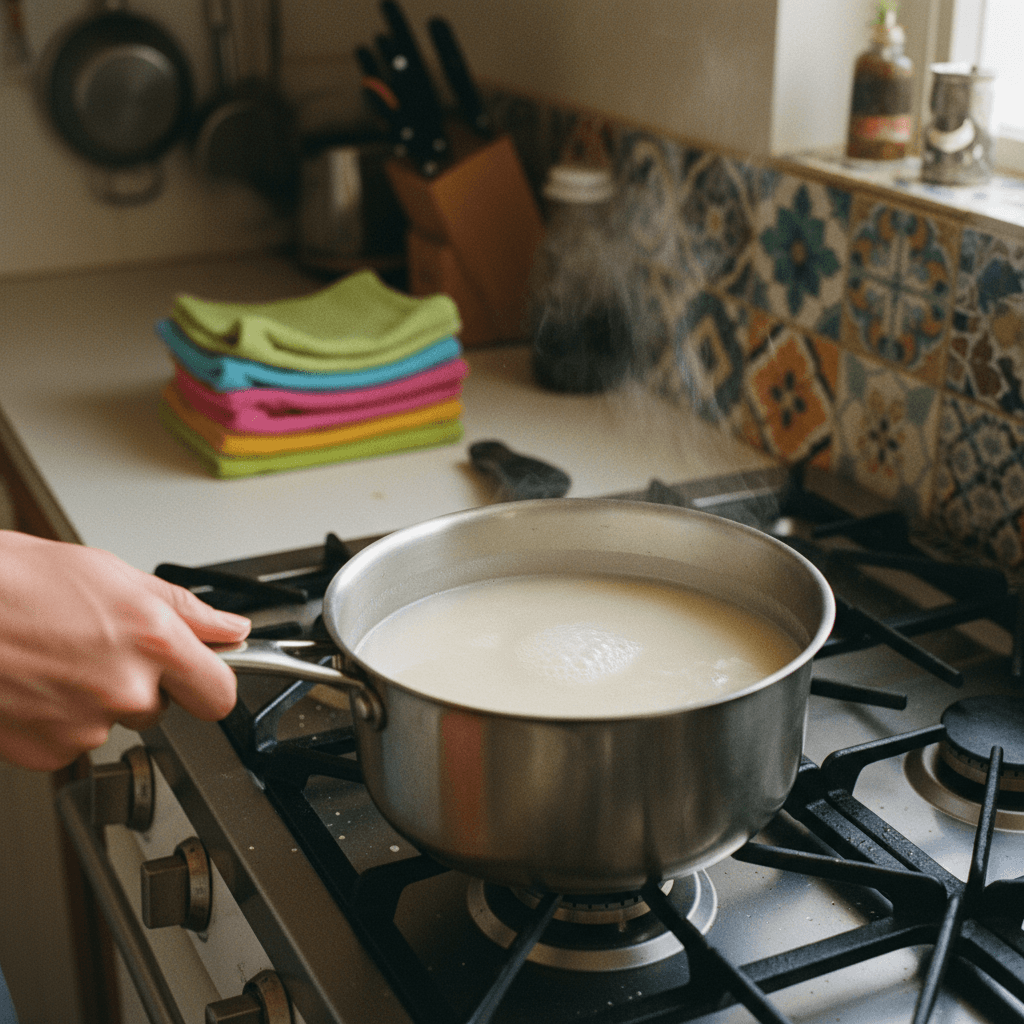
- 32
Drain the cooked noodles and divide them among serving bowls.
⏱️ 1 min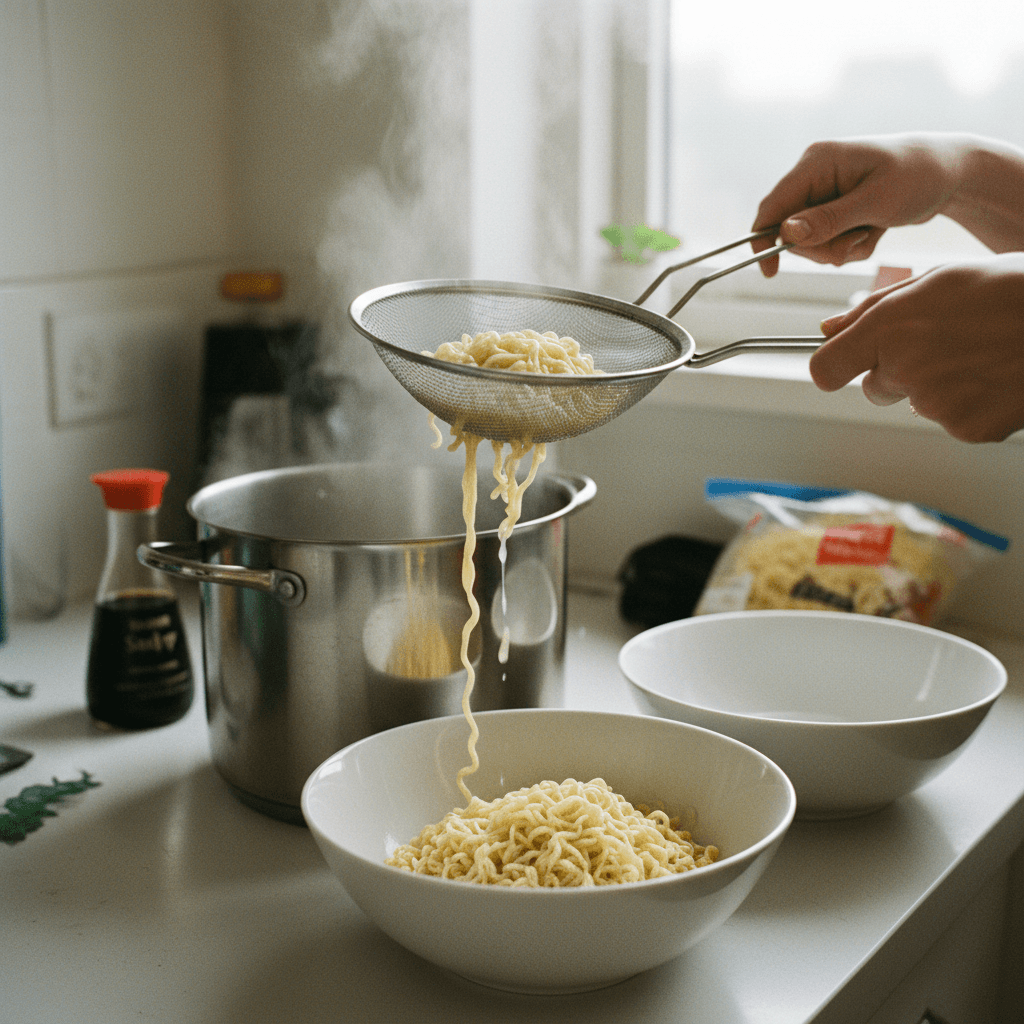
- 33
Pour the hot tonkotsu broth over the noodles.
⏱️ 1 min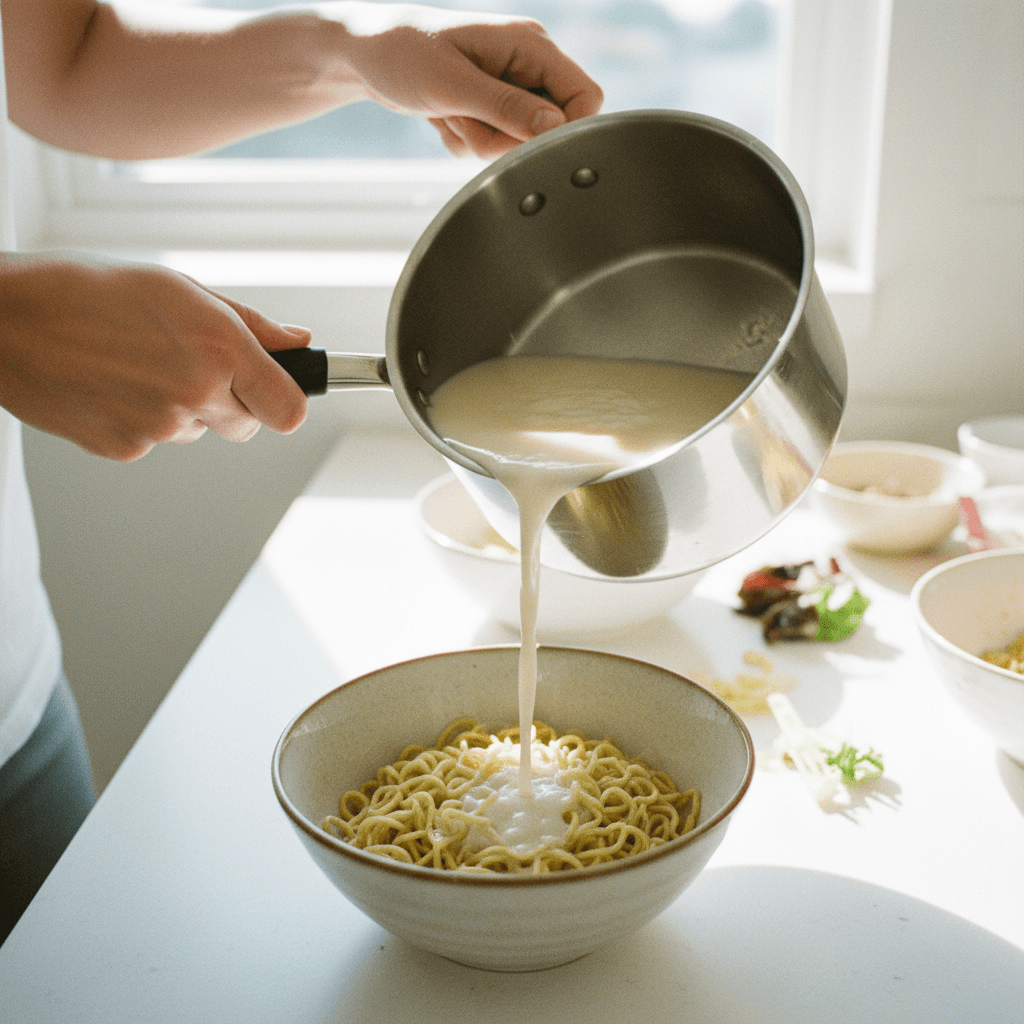
- 34
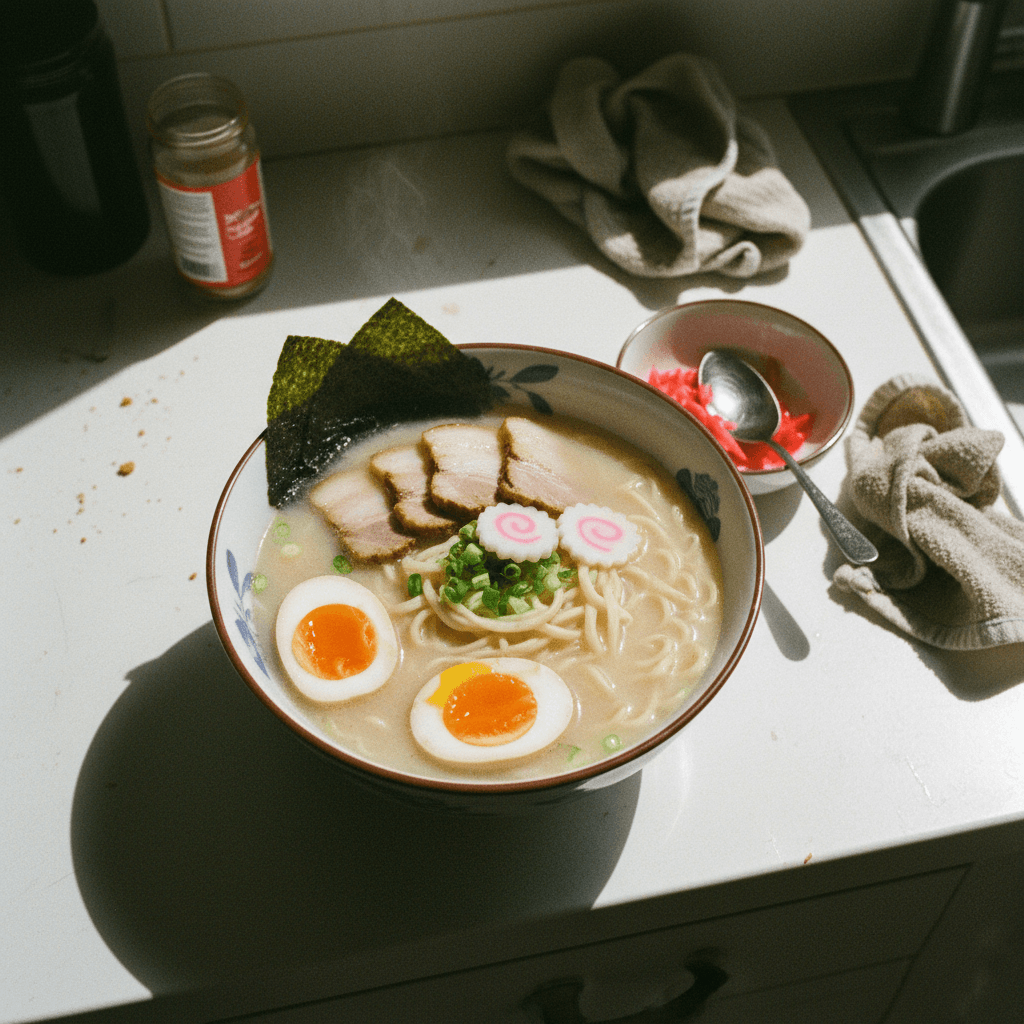
Garnish each bowl with slices of chashu, a ramen egg (halved), sliced green onions, nori sheets, and sliced wood ear mushrooms.
⏱️ 5 min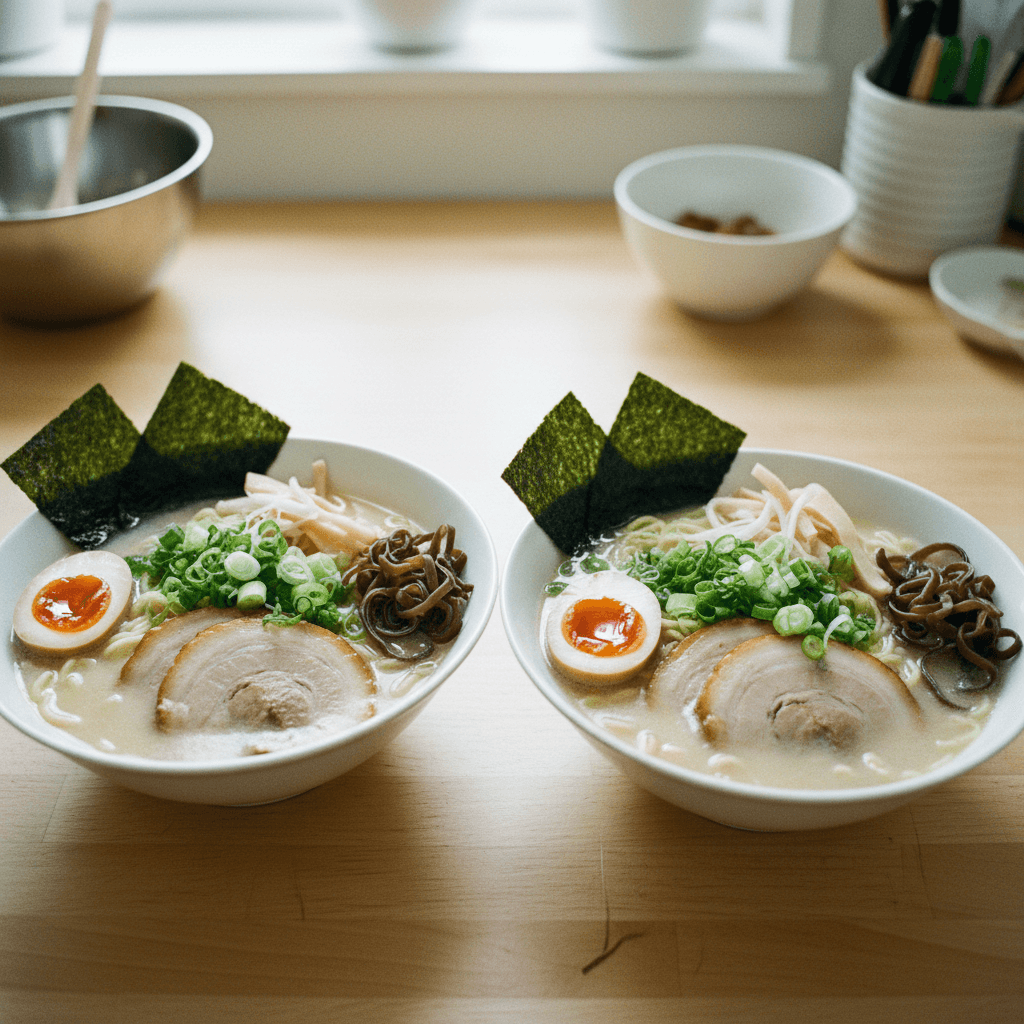
- 35
Add a spoonful of the spicy sauce to each bowl, or to taste. Serve immediately.
⏱️ 1 min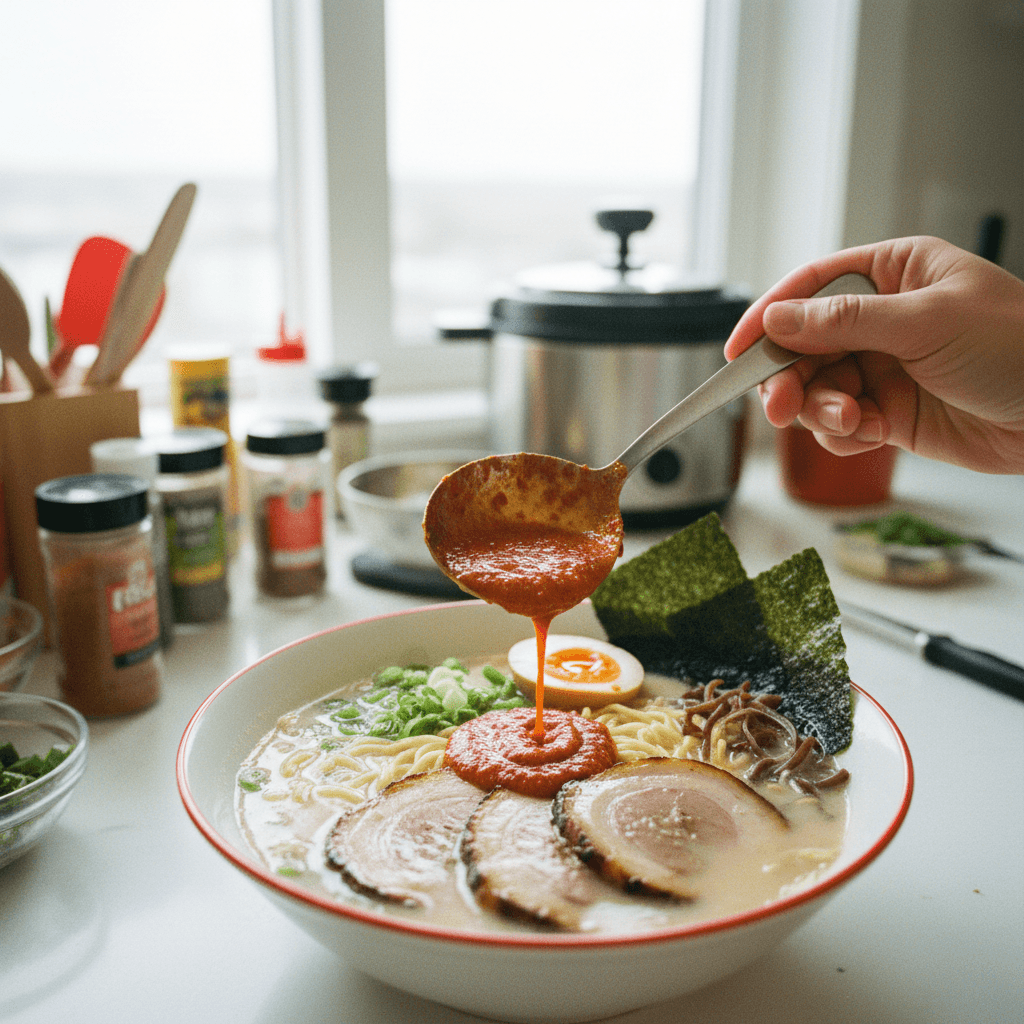
Kitchen Tools
Nutrition Facts (per serving)
Tonkotsu Ramen
For the Broth
- 2 kg pork bones
- as needed water, to cover
- 2 leeks
- 1 onion
- 1 head garlic
- 1 inch ginger
For the Chashu (Pork Belly)
- 1.5 kg pork belly
- 1 tablespoon salt
- 1 tablespoon pepper
- 1 cup soy sauce
- 1/2 cup mirin
- 1/4 cup sake
- 1/4 cup sugar
- 1/2 cup water
- 1 teaspoon dashi powder
For the Ramen Eggs
- 3 eggs
- 1/4 cup soy sauce
- 1/4 cup mirin
- 1/4 cup water
- 2 tablespoons sugar
For the Spicy Sauce
- 1 tablespoon sesame oil
- 1 tablespoon minced garlic
- 1 tablespoon white sesame seeds
- 1 tablespoon chili oil
- 1 tablespoon soy sauce
- 1 tablespoon vinegar
- 2 tablespoons water
- 1 tablespoon sugar
For Assembly
- 400 g ramen noodles
- as needed tonkotsu broth, prepared earlier
- as needed chashu, prepared earlier
- as needed ramen egg, prepared earlier
- as needed green onions, sliced
- as needed sheets nori
- as needed wood ear mushrooms, sliced
- as needed spicy sauce, prepared earlier
Instructions
- 1
Rinse the pork bones thoroughly under cold running water.
⏱️ 5 min - 2
Place the rinsed bones in a large pot, cover with water, and bring to a rolling boil. Boil for 20 minutes to remove impurities. Skim off any foam that rises to the surface.
⏱️ 25 min•🌡️ 100 - 3
Drain the bones and scrub them clean under running water to remove any remaining impurities.
⏱️ 10 min - 4
Transfer the cleaned bones to a pressure cooker. Add the leeks, onion, head of garlic, and ginger.
⏱️ 5 min - 5
Fill the pressure cooker with water until all ingredients are completely submerged.
⏱️ 2 min - 6
Pressure cook the broth for 2 hours.
⏱️ 120 min - 7
After the first 2 hours, carefully release the pressure and remove the lid. Remove and discard the aromatics (leeks, onion, garlic, ginger).
⏱️ 10 min - 8
Using tongs or a sturdy spoon, break down the pork bones to expose more surface area and release additional flavor into the broth.
⏱️ 10 min - 9
Continue pressure cooking the broth for another 2 hours.
⏱️ 120 min - 10
Once the broth is done, carefully strain it through a fine-mesh sieve or cheesecloth to remove all solids. Set the clear broth aside.
⏱️ 15 min - 11
Score the skin/fat side of the pork belly in a crosshatch pattern.
⏱️ 5 min - 12
Season the pork belly generously on all sides with salt and pepper.
⏱️ 2 min - 13
Sear the pork belly in a hot pan or pot over medium-high heat until all sides are deeply browned.
⏱️ 15 min - 14
In a separate pot, combine soy sauce, mirin, sake, sugar, 1/2 cup water, and dashi powder. Stir until the sugar and dashi powder are dissolved.
⏱️ 5 min - 15
Add the seared pork belly to the liquid, ensuring it is mostly submerged. If needed, add a little more water to cover.
⏱️ 2 min - 16
Bring the liquid to a boil, then reduce the heat to a gentle simmer.
⏱️ 10 min - 17
Simmer the pork belly for 1 hour, turning it occasionally to ensure even cooking and flavor absorption.
⏱️ 60 min - 18
Remove the pork belly from the liquid and let it cool slightly.
⏱️ 5 min - 19
Roll the pork belly tightly and tie it with butcher's twine to maintain its shape as it cools.
⏱️ 5 min - 20
Refrigerate the rolled pork belly overnight to allow it to firm up and for flavors to meld.
- 21
Bring a pot of water to a rolling boil. Carefully add the eggs and boil for exactly 6 minutes and 30 seconds for a jammy yolk.
⏱️ 8 min•🌡️ 100 - 22
Immediately transfer the boiled eggs to an ice bath to stop the cooking process.
⏱️ 5 min - 23
Once cooled, carefully peel the eggs.
⏱️ 5 min - 24
In a bowl, combine soy sauce, mirin, 1/4 cup water, and sugar. Stir until the sugar is completely dissolved.
⏱️ 2 min - 25
Submerge the peeled eggs in this marinade. Ensure they are fully covered.
⏱️ 1 min - 26
Refrigerate the eggs in the marinade overnight.
- 27
In a small bowl, combine sesame oil, minced garlic, white sesame seeds, chili oil, soy sauce, vinegar, 2 tablespoons water, and 1 tablespoon sugar.
⏱️ 5 min - 28
Mix all ingredients thoroughly until well combined. Set aside.
⏱️ 1 min - 29
When ready to serve, thinly slice the refrigerated chashu.
⏱️ 5 min - 30
Boil the ramen noodles according to the package instructions until al dente.
⏱️ 5 min•🌡️ 100 - 31
While the noodles are cooking, gently reheat the tonkotsu broth in a saucepan until hot.
⏱️ 5 min - 32
Drain the cooked noodles and divide them among serving bowls.
⏱️ 1 min - 33
Pour the hot tonkotsu broth over the noodles.
⏱️ 1 min - 34
Garnish each bowl with slices of chashu, a ramen egg (halved), sliced green onions, nori sheets, and sliced wood ear mushrooms.
⏱️ 5 min - 35
Add a spoonful of the spicy sauce to each bowl, or to taste. Serve immediately.
⏱️ 1 min