Tonkatsu (Japanese Pork Cutlet)
Tonkatsu (Japanese Pork Cutlet)
Ingredients
For the Pork Cutlets
- 4 boneless pork loin chops, about 1/2 inch thick, pounded to 1/4 inch thickness
- 1/2 teaspoon salt
- 1/4 teaspoon black pepper, freshly ground
- 1/2 cup all-purpose flour
- 2 large eggs, beaten
- 2 cups panko breadcrumbs
- 4 cups vegetable oil, for deep frying
For Serving
- 1/2 cup tonkatsu sauce
- 4 cups shredded cabbage
- 4 lemon wedges
Instructions
- 1
Prepare the pork: Pat the pork loin chops dry with paper towels. Make several shallow cuts along the edges of each chop to prevent curling during frying. Pound each chop evenly to about 1/4 inch thickness using a meat mallet or the back of a heavy pan. Season both sides of the pork with salt and black pepper.
⏱️ 10 min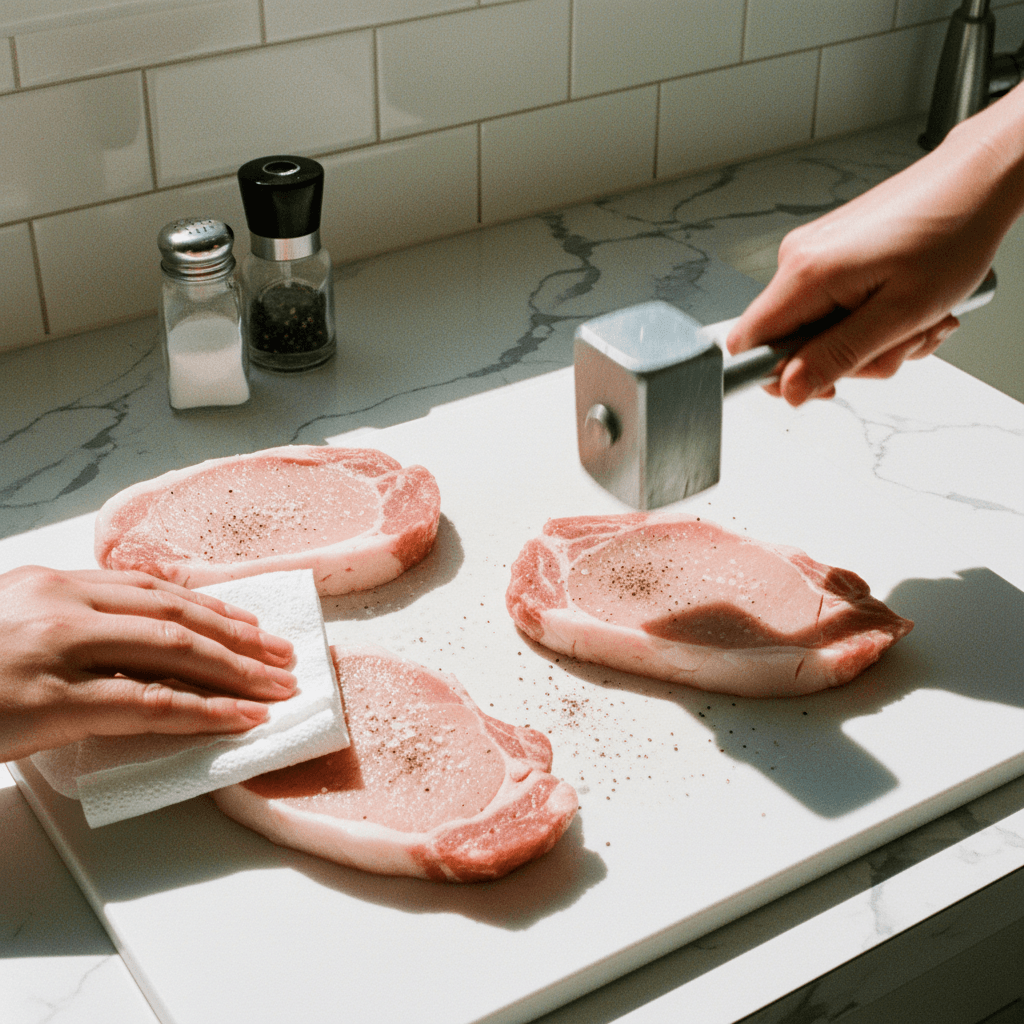
- 2
Set up the breading station: Prepare three shallow dishes. In the first dish, place the all-purpose flour. In the second dish, pour the beaten eggs. In the third dish, spread the panko breadcrumbs.
⏱️ 5 min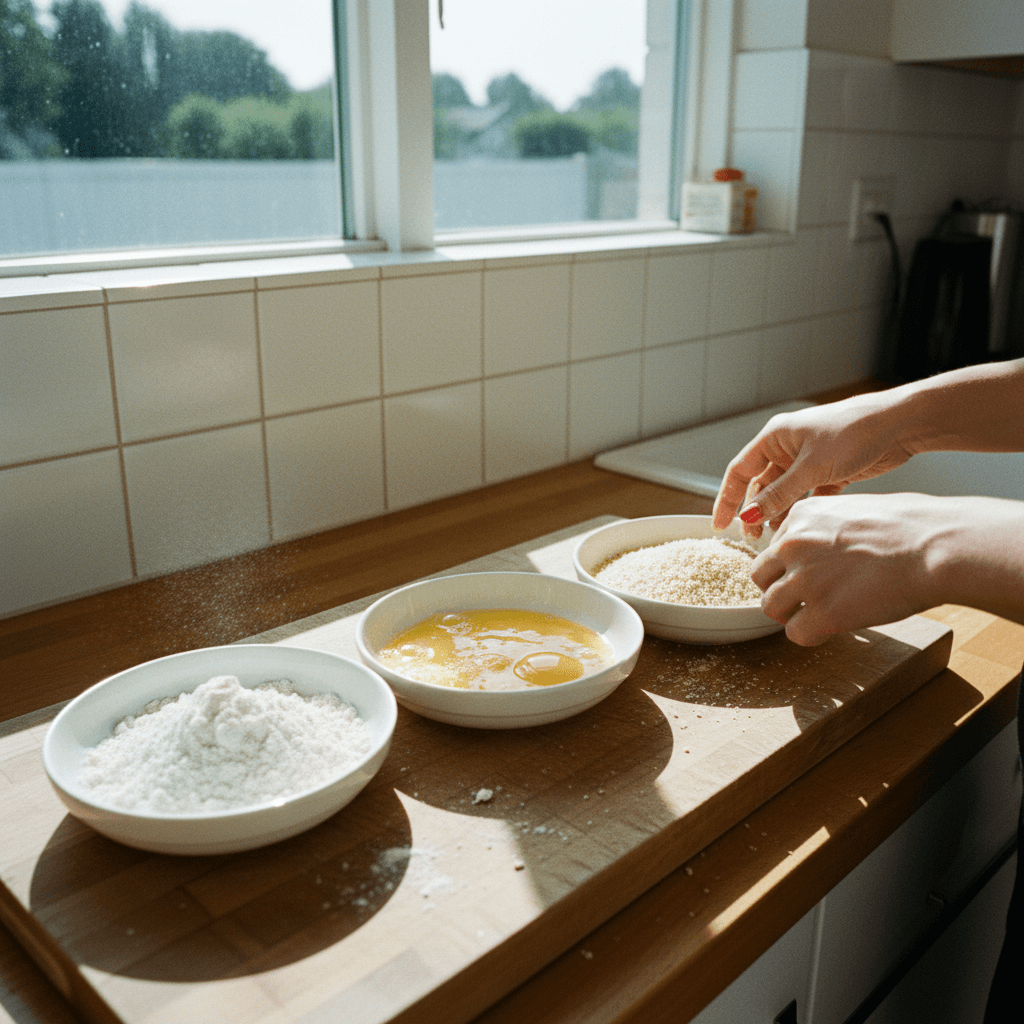
- 3
Bread the pork: Dredge each pork chop in the flour, shaking off any excess. Dip it into the beaten egg, ensuring it's fully coated, then transfer it to the panko breadcrumbs. Press the panko firmly onto both sides of the pork chop to ensure a thick, even coating. Repeat for all chops.
⏱️ 10 min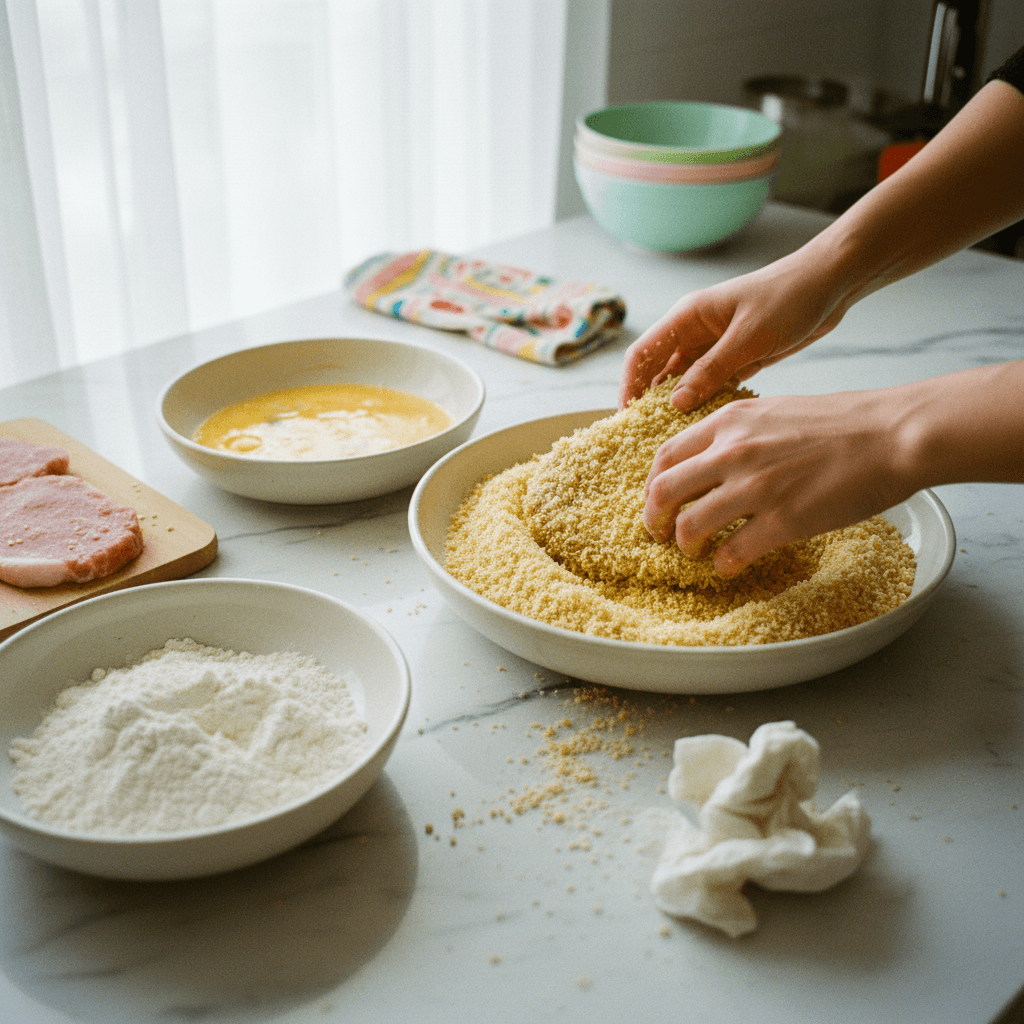
- 4
Chill the breaded pork: Place the breaded pork chops on a wire rack set over a baking sheet. Refrigerate for at least 30 minutes. This helps the panko adhere better and results in a crispier crust.
⏱️ 30 min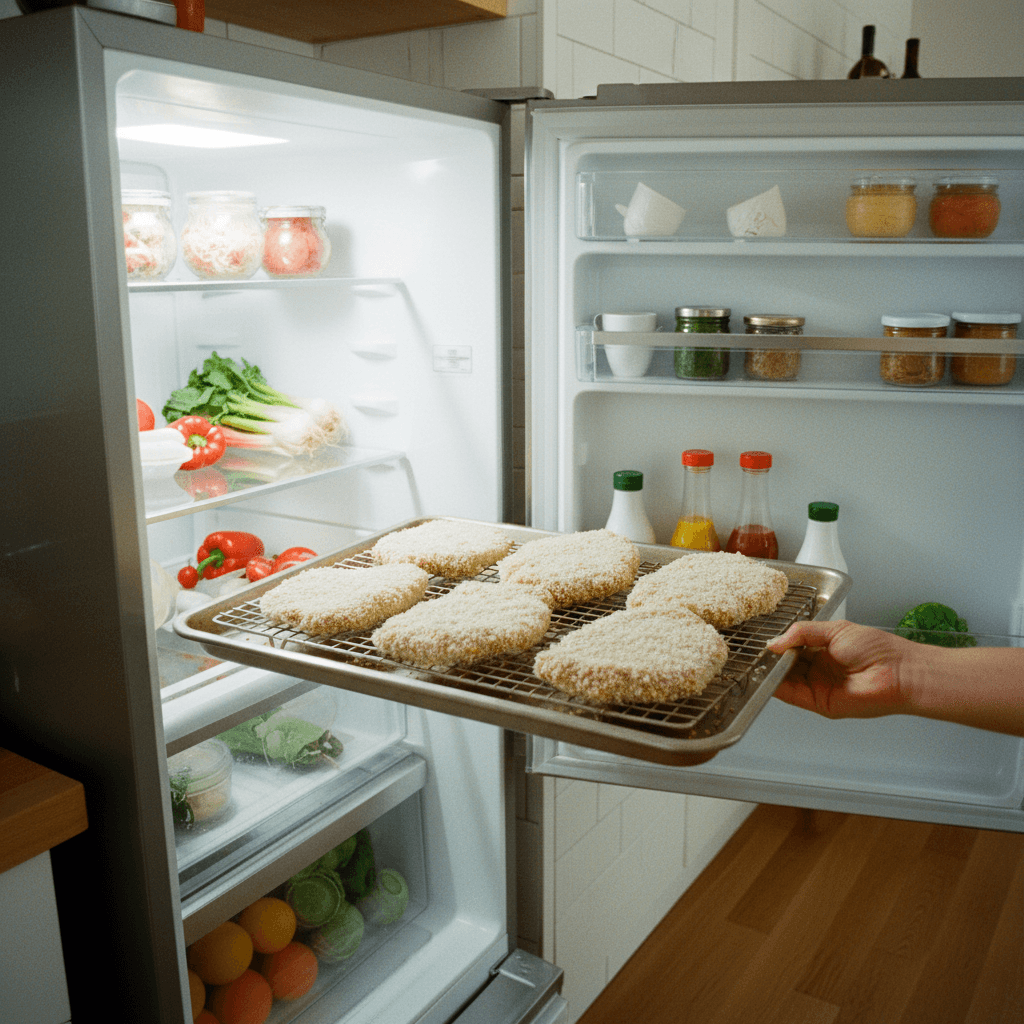
- 5
Heat the oil: In a large, heavy-bottomed pot or Dutch oven, pour the vegetable oil to a depth of about 2-3 inches. Heat the oil over medium-high heat until it reaches 350°F (175°C). Use a kitchen thermometer to ensure accuracy.
⏱️ 5 min•🌡️ 350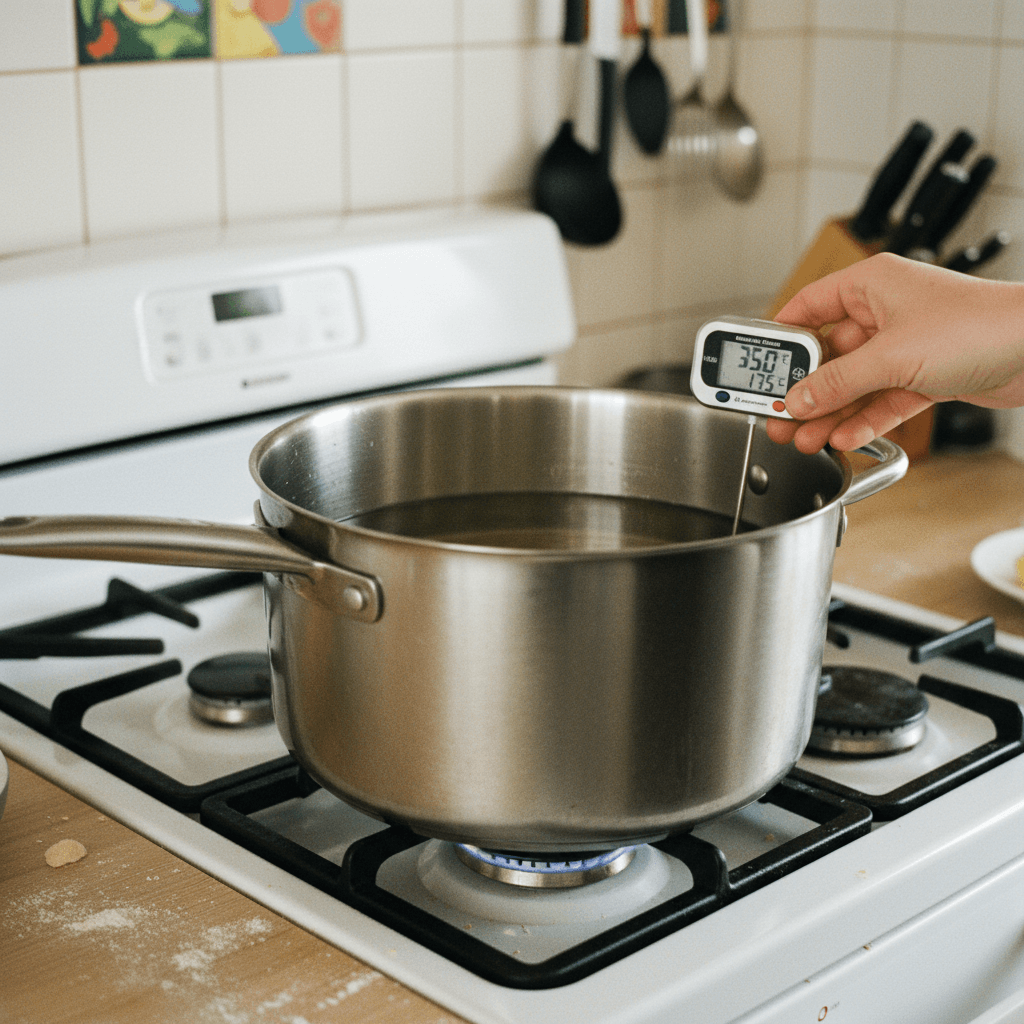
- 6
Fry the tonkatsu: Carefully lower 1-2 pork chops into the hot oil, ensuring not to overcrowd the pot. Fry for 3-4 minutes per side, or until golden brown and cooked through. The internal temperature of the pork should reach 145°F (63°C).
⏱️ 10 min•🌡️ 350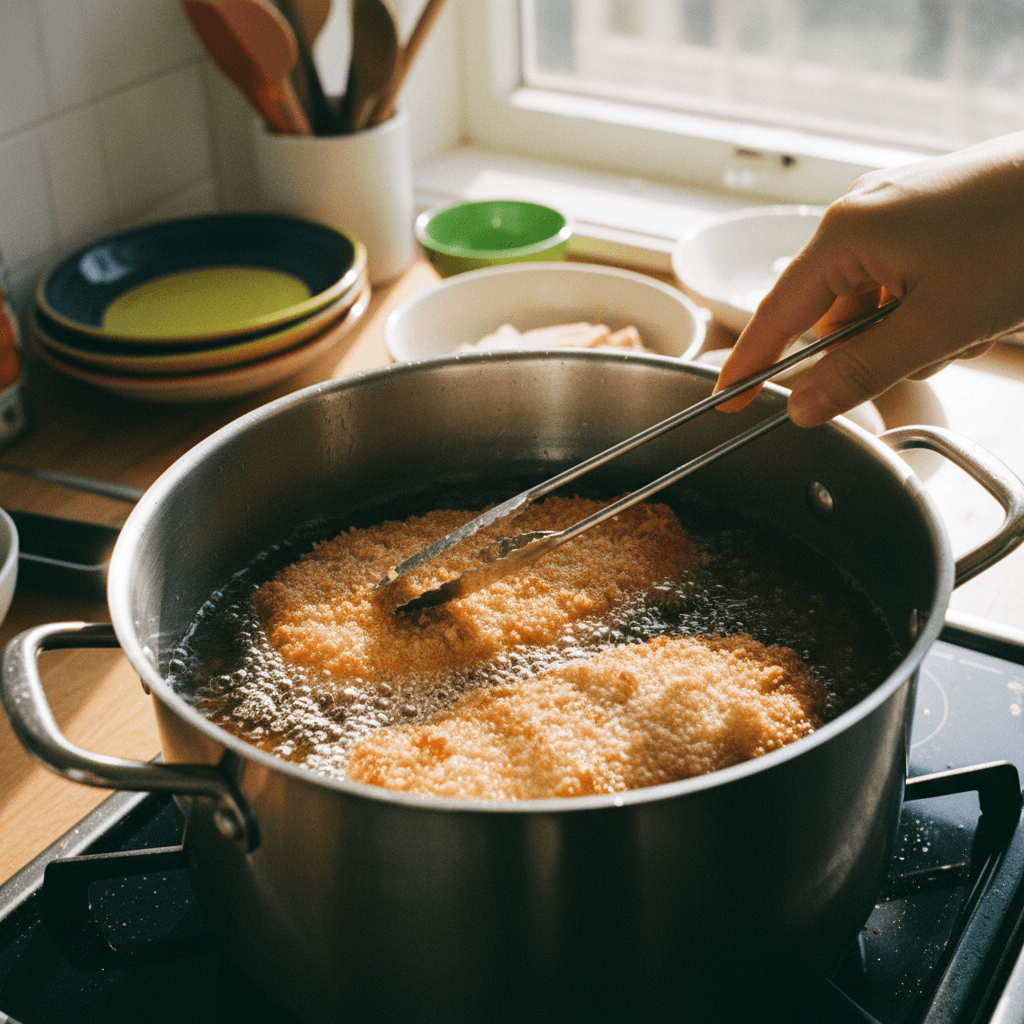
- 7
Drain and rest: Remove the cooked tonkatsu from the oil and place them on a wire rack set over a baking sheet lined with paper towels to drain excess oil. Allow them to rest for a few minutes before slicing.
⏱️ 5 min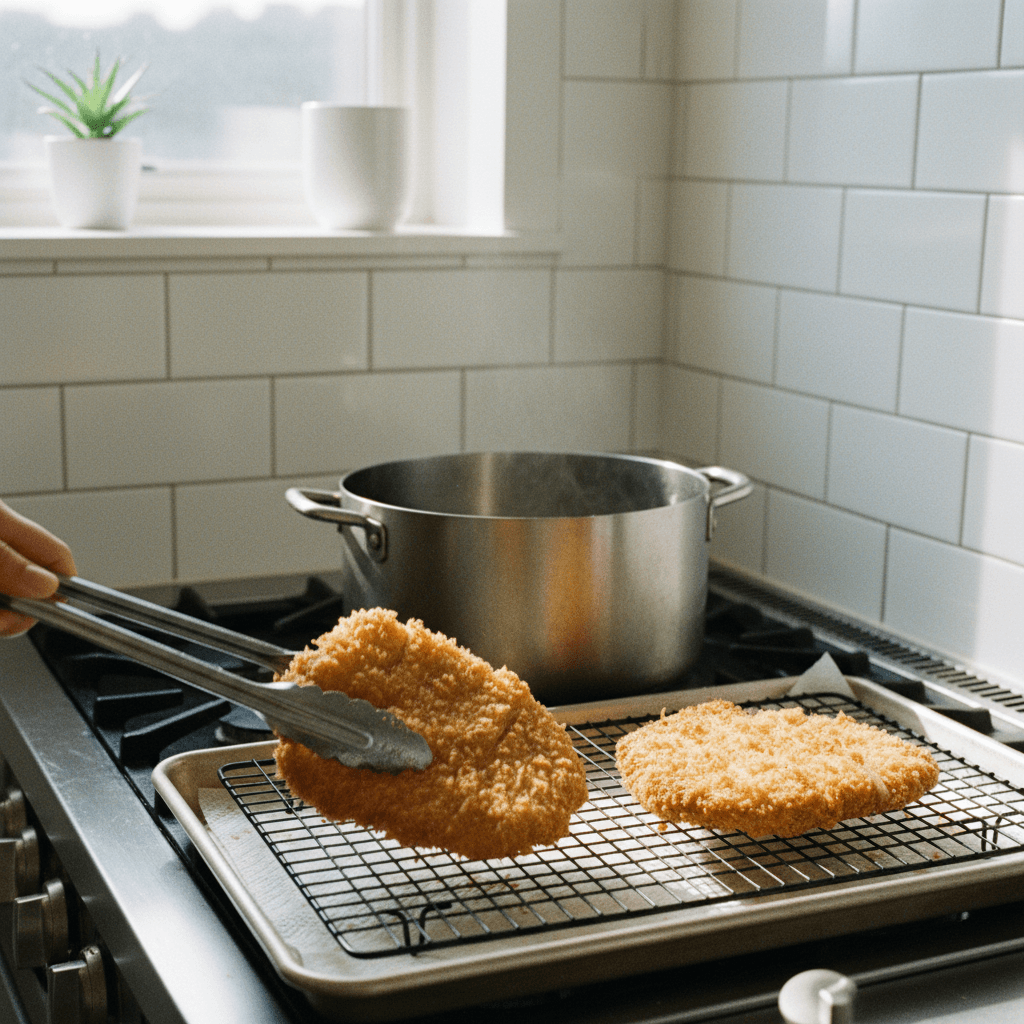
- 8
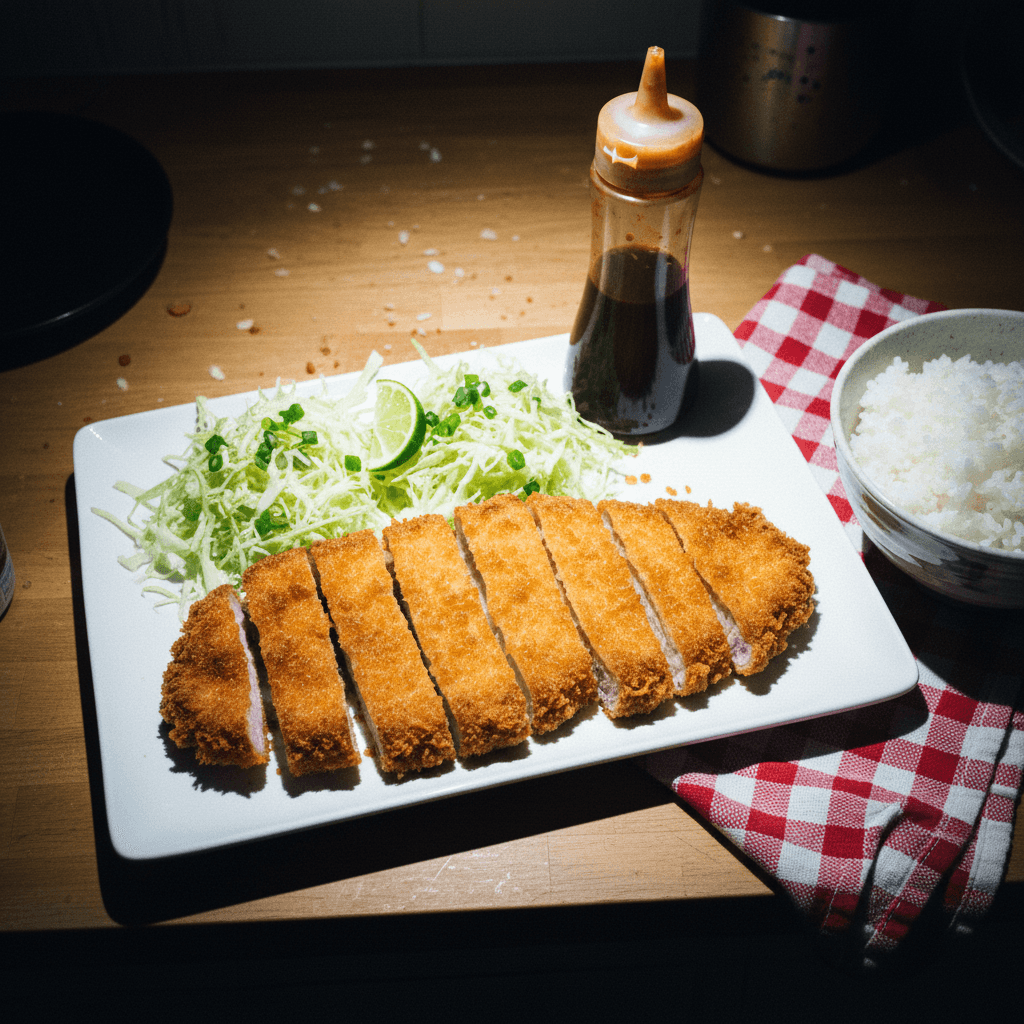
Slice and serve: Slice each tonkatsu into 1-inch wide strips. Arrange on plates with shredded cabbage and lemon wedges. Serve immediately with tonkatsu sauce.
⏱️ 5 min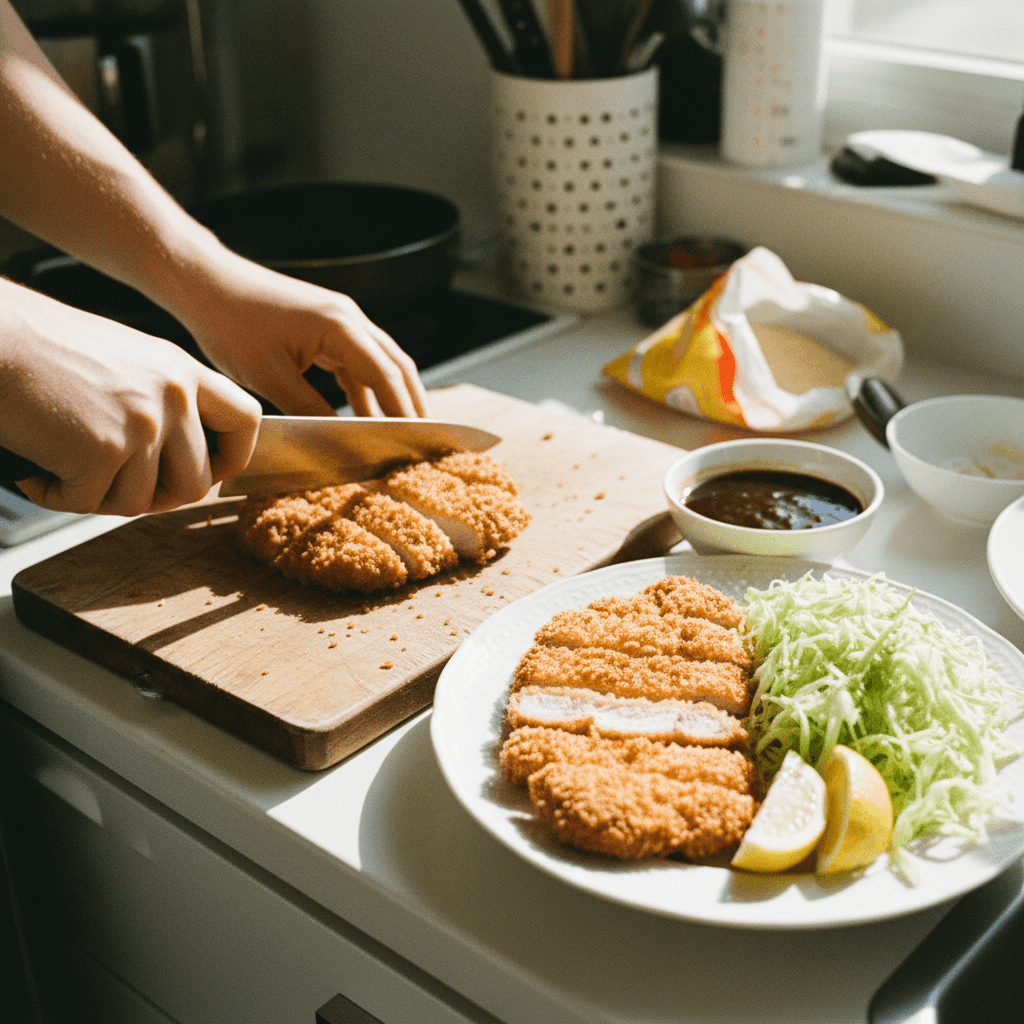
Kitchen Tools
Nutrition Facts (per serving)
Tonkatsu (Japanese Pork Cutlet)
For the Pork Cutlets
- 4 boneless pork loin chops, about 1/2 inch thick, pounded to 1/4 inch thickness
- 1/2 teaspoon salt
- 1/4 teaspoon black pepper, freshly ground
- 1/2 cup all-purpose flour
- 2 large eggs, beaten
- 2 cups panko breadcrumbs
- 4 cups vegetable oil, for deep frying
For Serving
- 1/2 cup tonkatsu sauce
- 4 cups shredded cabbage
- 4 lemon wedges
Instructions
- 1
Prepare the pork: Pat the pork loin chops dry with paper towels. Make several shallow cuts along the edges of each chop to prevent curling during frying. Pound each chop evenly to about 1/4 inch thickness using a meat mallet or the back of a heavy pan. Season both sides of the pork with salt and black pepper.
⏱️ 10 min - 2
Set up the breading station: Prepare three shallow dishes. In the first dish, place the all-purpose flour. In the second dish, pour the beaten eggs. In the third dish, spread the panko breadcrumbs.
⏱️ 5 min - 3
Bread the pork: Dredge each pork chop in the flour, shaking off any excess. Dip it into the beaten egg, ensuring it's fully coated, then transfer it to the panko breadcrumbs. Press the panko firmly onto both sides of the pork chop to ensure a thick, even coating. Repeat for all chops.
⏱️ 10 min - 4
Chill the breaded pork: Place the breaded pork chops on a wire rack set over a baking sheet. Refrigerate for at least 30 minutes. This helps the panko adhere better and results in a crispier crust.
⏱️ 30 min - 5
Heat the oil: In a large, heavy-bottomed pot or Dutch oven, pour the vegetable oil to a depth of about 2-3 inches. Heat the oil over medium-high heat until it reaches 350°F (175°C). Use a kitchen thermometer to ensure accuracy.
⏱️ 5 min•🌡️ 350 - 6
Fry the tonkatsu: Carefully lower 1-2 pork chops into the hot oil, ensuring not to overcrowd the pot. Fry for 3-4 minutes per side, or until golden brown and cooked through. The internal temperature of the pork should reach 145°F (63°C).
⏱️ 10 min•🌡️ 350 - 7
Drain and rest: Remove the cooked tonkatsu from the oil and place them on a wire rack set over a baking sheet lined with paper towels to drain excess oil. Allow them to rest for a few minutes before slicing.
⏱️ 5 min - 8
Slice and serve: Slice each tonkatsu into 1-inch wide strips. Arrange on plates with shredded cabbage and lemon wedges. Serve immediately with tonkatsu sauce.
⏱️ 5 min