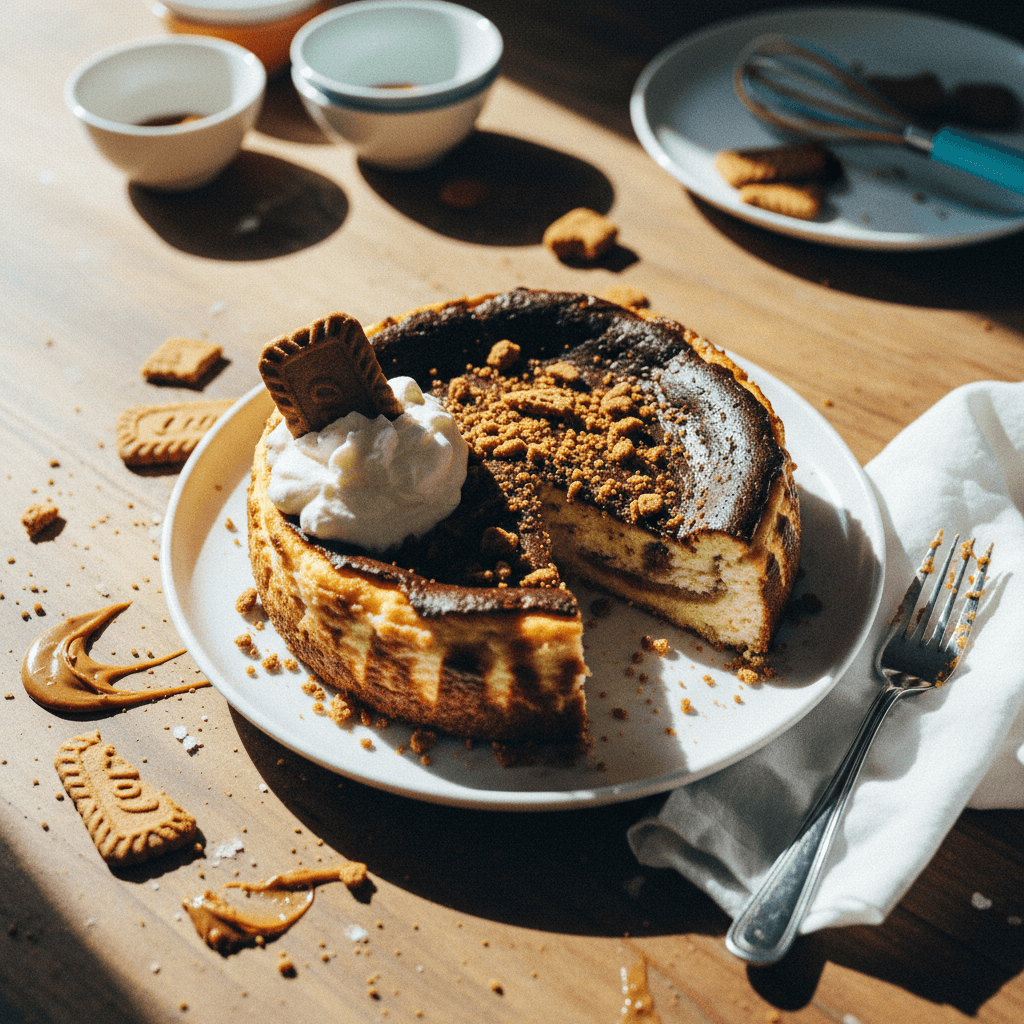
Biscoff Burnt Basque Cheesecake
Biscoff Burnt Basque Cheesecake
Ingredients
- 24 ounces cream cheese, softened, 3 blocks
- 1 cup granulated sugar
- 2 eggs
- 1 tablespoon all-purpose flour
- 1 tablespoon cornstarch
- 1/2 cup Biscoff spread
- 1/2 cup heavy cream
- 12 Biscoff cookies, plus more for topping
For Topping
- 1/4 cup Biscoff spread, for piping
- 1/2 cup whipped cream, for piping
- 2 Biscoff cookies, crumbled
Instructions
- 1
Preheat your oven to 450 degrees Fahrenheit (232 degrees Celsius). Line a loaf pan with parchment paper, ensuring it overhangs on all sides for easy removal. Line the sides of the parchment-lined loaf pan with whole Biscoff cookies, standing them upright.
⏱️ 5 min•🌡️ 450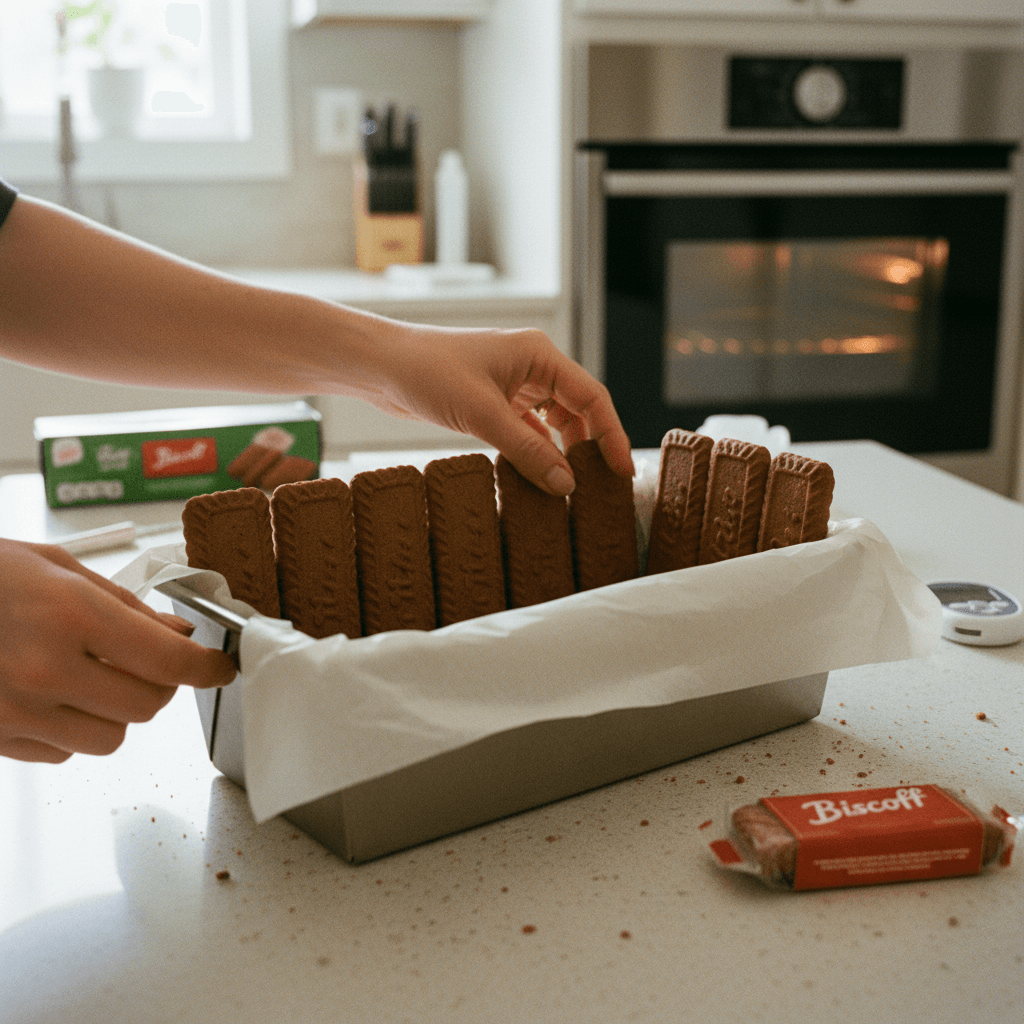
- 2
In a food processor, add the 3 softened blocks of cream cheese. Blend until completely smooth and free of lumps.
⏱️ 2 min
- 3
Add the granulated sugar and eggs to the cream cheese mixture in the food processor. Pulse a few times until just combined.
⏱️ 1 min
- 4
Add the all-purpose flour, cornstarch, and Biscoff spread to the food processor. Pulse, scraping down the sides of the food processor in between each pulse, until the mixture is smooth and well incorporated.
⏱️ 3 min
- 5
Pour the heavy cream into the food processor and pulse briefly until just combined. Do not overmix.
⏱️ 1 min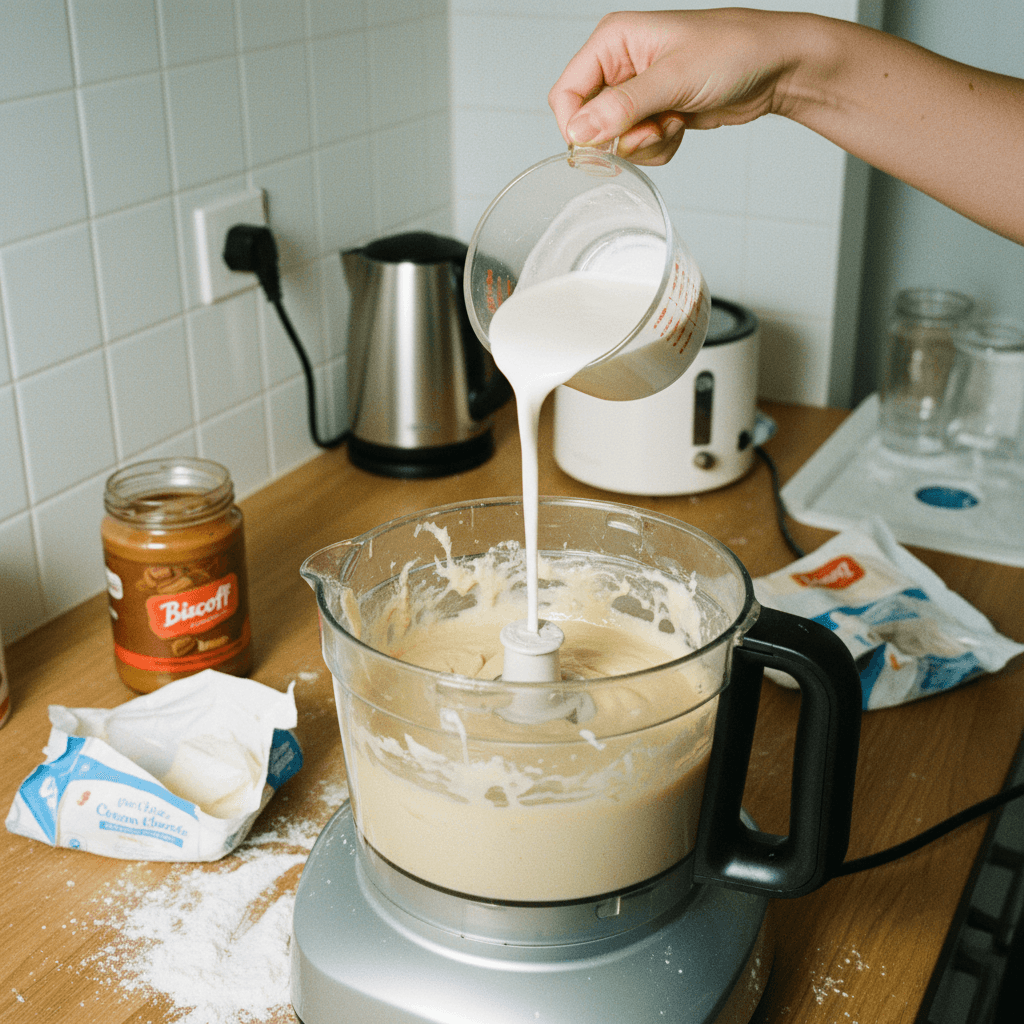
- 6
Carefully pour the cheesecake mixture through a fine-mesh sieve directly into the prepared loaf pan. This step ensures an extra smooth cheesecake texture.
⏱️ 3 min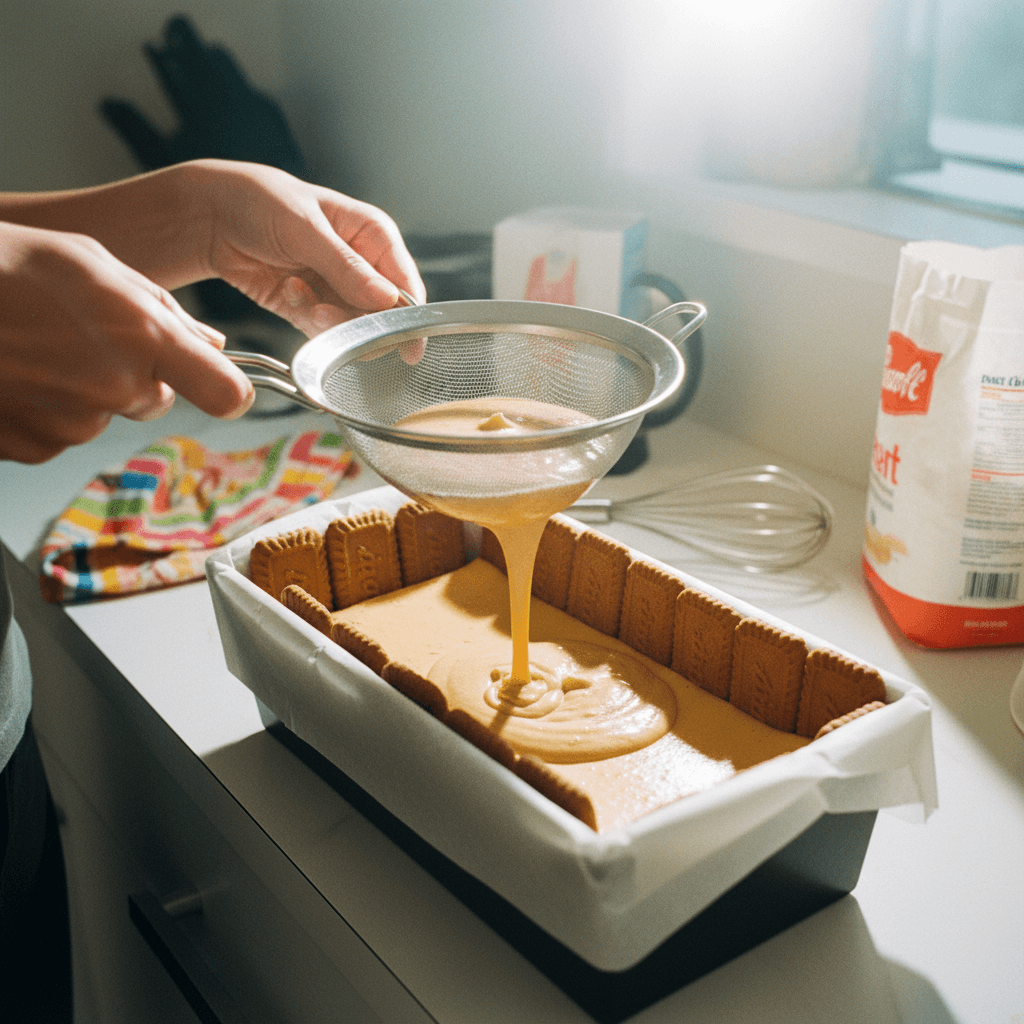
- 7
Bake the cheesecake in the preheated oven for about 30 minutes. The high temperature is intentional to create a 'burnt' top. The cheesecake will still have a significant jiggle in the center when it comes out of the oven.
⏱️ 30 min•🌡️ 450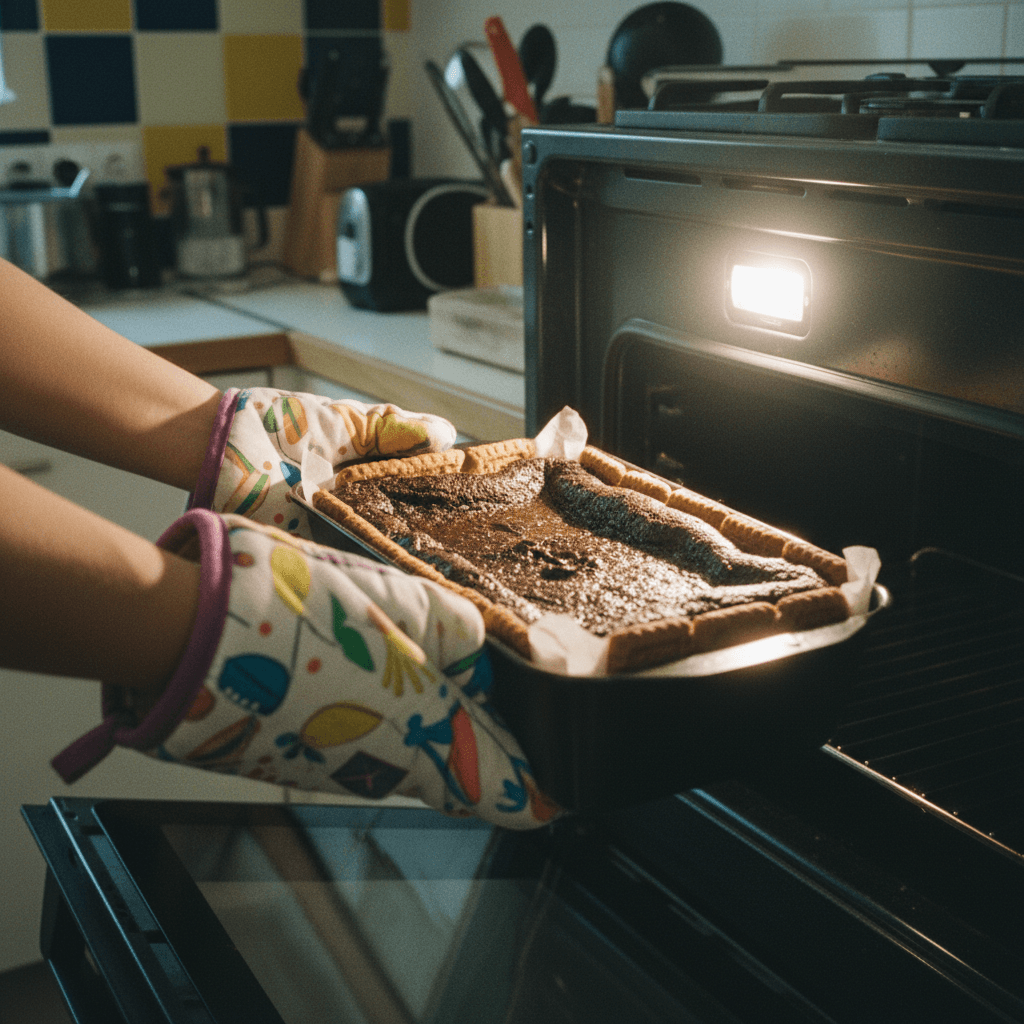
- 8
Remove the cheesecake from the oven and let it cool completely in the pan on a wire rack. Once cooled, carefully lift the cheesecake out of the loaf pan using the parchment paper overhang and place it on a serving plate.
⏱️ 10 min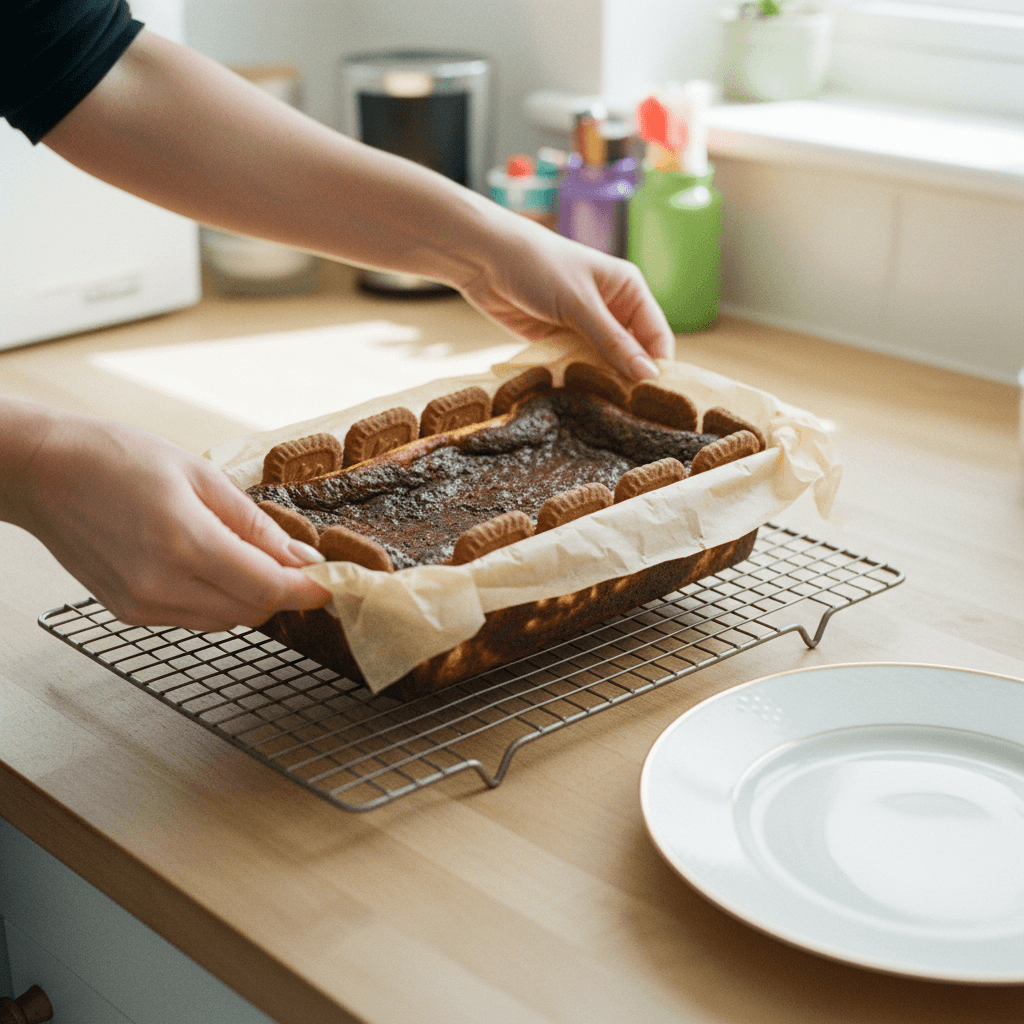
- 9
This is a non-negotiable step: Refrigerate the cheesecake for at least 24 hours before serving. This allows it to set properly and develop its full flavor and texture.
⏱️ 1440 min
- 10
Once chilled, pipe the additional Biscoff spread decoratively over the top of the cheesecake. Then, pipe whipped cream in a desired pattern over the Biscoff spread.
⏱️ 3 min
- 11
Crumble the remaining Biscoff cookies over the whipped cream and Biscoff spread. Slice and serve your Biscoff Burnt Basque Cheesecake.
⏱️ 2 min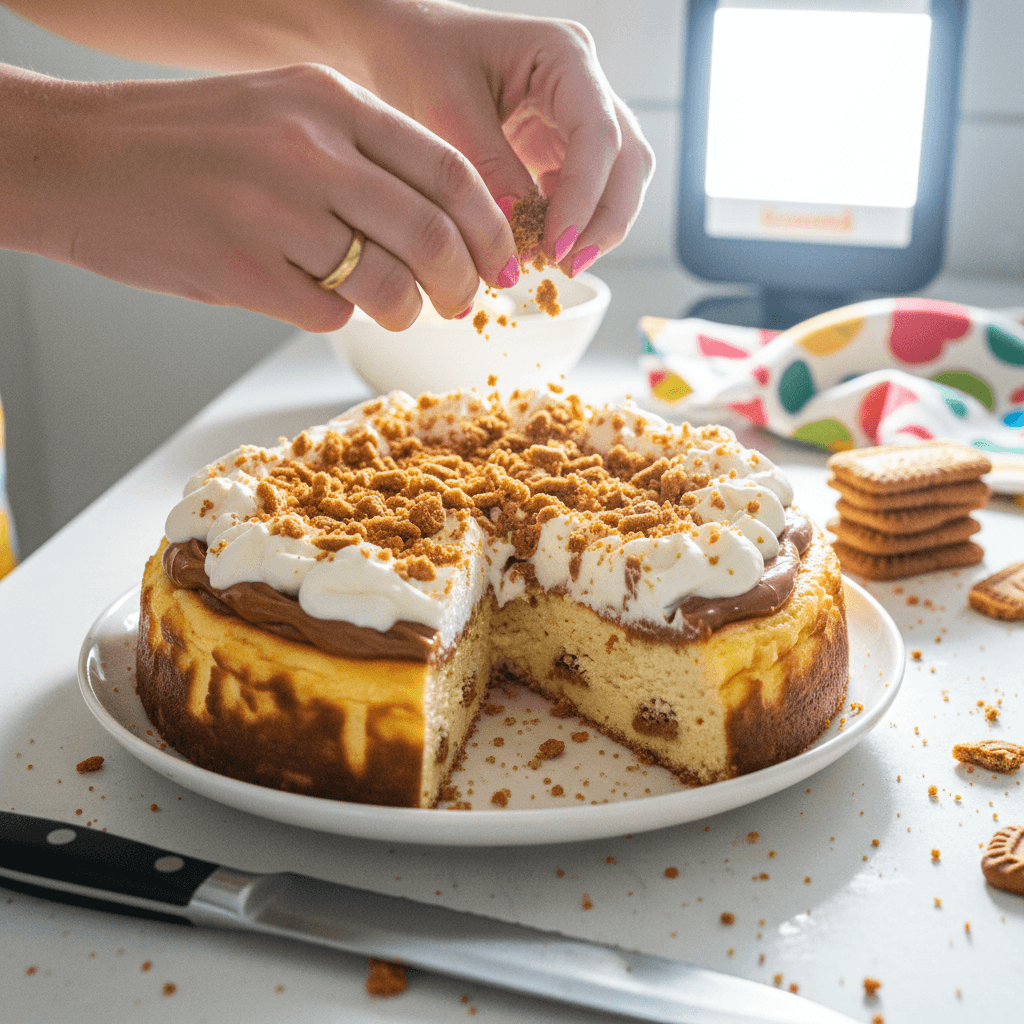
Kitchen Tools
Nutrition Facts (per serving)
Biscoff Burnt Basque Cheesecake
- 24 ounces cream cheese, softened, 3 blocks
- 1 cup granulated sugar
- 2 eggs
- 1 tablespoon all-purpose flour
- 1 tablespoon cornstarch
- 1/2 cup Biscoff spread
- 1/2 cup heavy cream
- 12 Biscoff cookies, plus more for topping
For Topping
- 1/4 cup Biscoff spread, for piping
- 1/2 cup whipped cream, for piping
- 2 Biscoff cookies, crumbled
Instructions
- 1
Preheat your oven to 450 degrees Fahrenheit (232 degrees Celsius). Line a loaf pan with parchment paper, ensuring it overhangs on all sides for easy removal. Line the sides of the parchment-lined loaf pan with whole Biscoff cookies, standing them upright.
⏱️ 5 min•🌡️ 450 - 2
In a food processor, add the 3 softened blocks of cream cheese. Blend until completely smooth and free of lumps.
⏱️ 2 min - 3
Add the granulated sugar and eggs to the cream cheese mixture in the food processor. Pulse a few times until just combined.
⏱️ 1 min - 4
Add the all-purpose flour, cornstarch, and Biscoff spread to the food processor. Pulse, scraping down the sides of the food processor in between each pulse, until the mixture is smooth and well incorporated.
⏱️ 3 min - 5
Pour the heavy cream into the food processor and pulse briefly until just combined. Do not overmix.
⏱️ 1 min - 6
Carefully pour the cheesecake mixture through a fine-mesh sieve directly into the prepared loaf pan. This step ensures an extra smooth cheesecake texture.
⏱️ 3 min - 7
Bake the cheesecake in the preheated oven for about 30 minutes. The high temperature is intentional to create a 'burnt' top. The cheesecake will still have a significant jiggle in the center when it comes out of the oven.
⏱️ 30 min•🌡️ 450 - 8
Remove the cheesecake from the oven and let it cool completely in the pan on a wire rack. Once cooled, carefully lift the cheesecake out of the loaf pan using the parchment paper overhang and place it on a serving plate.
⏱️ 10 min - 9
This is a non-negotiable step: Refrigerate the cheesecake for at least 24 hours before serving. This allows it to set properly and develop its full flavor and texture.
⏱️ 1440 min - 10
Once chilled, pipe the additional Biscoff spread decoratively over the top of the cheesecake. Then, pipe whipped cream in a desired pattern over the Biscoff spread.
⏱️ 3 min - 11
Crumble the remaining Biscoff cookies over the whipped cream and Biscoff spread. Slice and serve your Biscoff Burnt Basque Cheesecake.
⏱️ 2 min