Classic Pasta Bolognese
Classic Pasta Bolognese
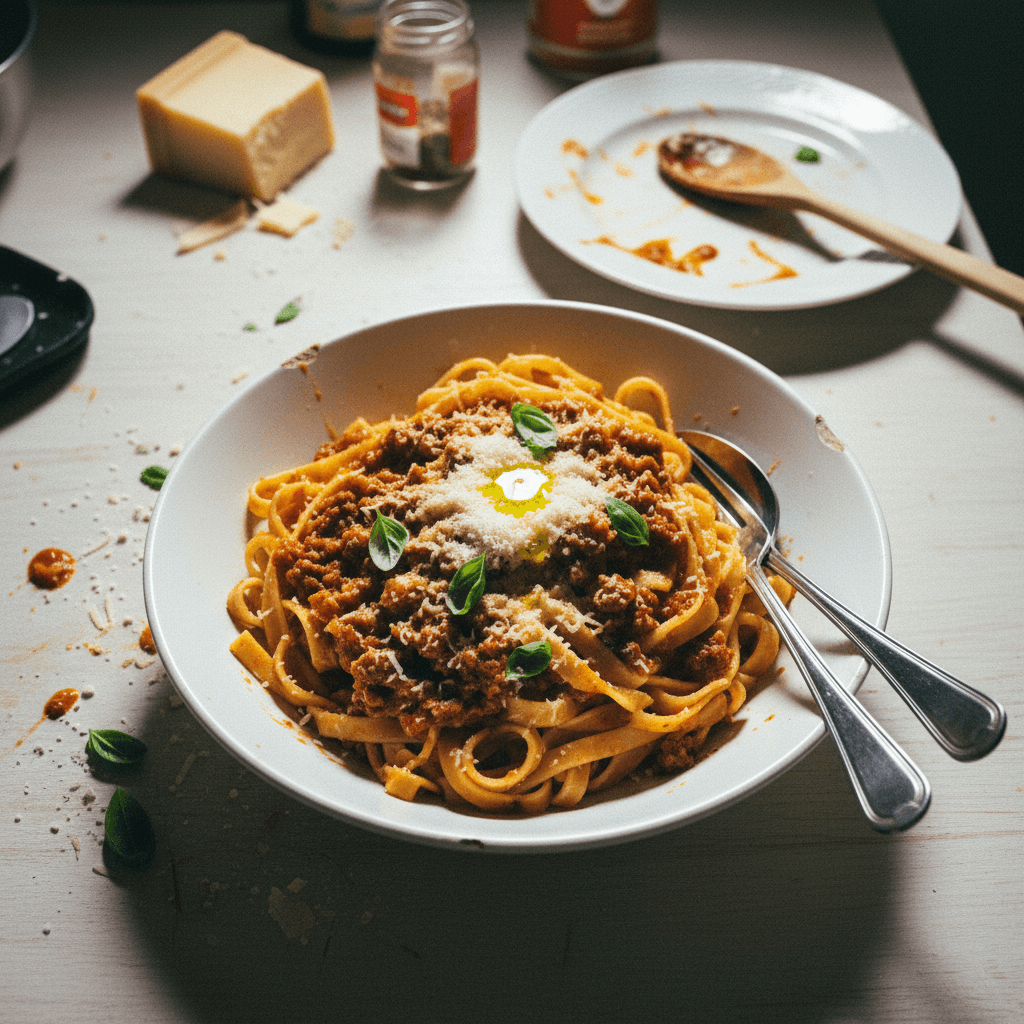
Ingredients
For the Bolognese Sauce
- 1 1/2 cups carrots, finely diced
- 1 cup celery stalks, finely diced
- 1 1/2 cups yellow onion, finely diced
- 4 ounces diced pancetta
- 1 pound ground beef, 80/20 lean
- 1 pound ground pork
- 4 garlic, minced
- 3 tablespoons tomato paste
- 1 cup dry white wine, such as Pinot Grigio
- 3 cups passata, strained tomatoes
- 2 cups beef stock
- 2 Parmesan rinds, optional
- 2 bay leaves
- 1 cup whole milk
- 1 teaspoon kosher salt, plus more to taste
- 1/2 teaspoon black pepper, freshly cracked, plus more to taste
For the Pasta and Serving
- 1 pound pappardelle pasta, or other wide, flat pasta
- 1/2 cup Parmigiano cheese, freshly grated, plus more for serving
Instructions
- 1
Prepare the vegetables: Peel and finely dice the carrots, celery, and yellow onion. The goal is to dice all vegetables as fine as possible to create a smooth sofrito base for the sauce.
⏱️ 20 min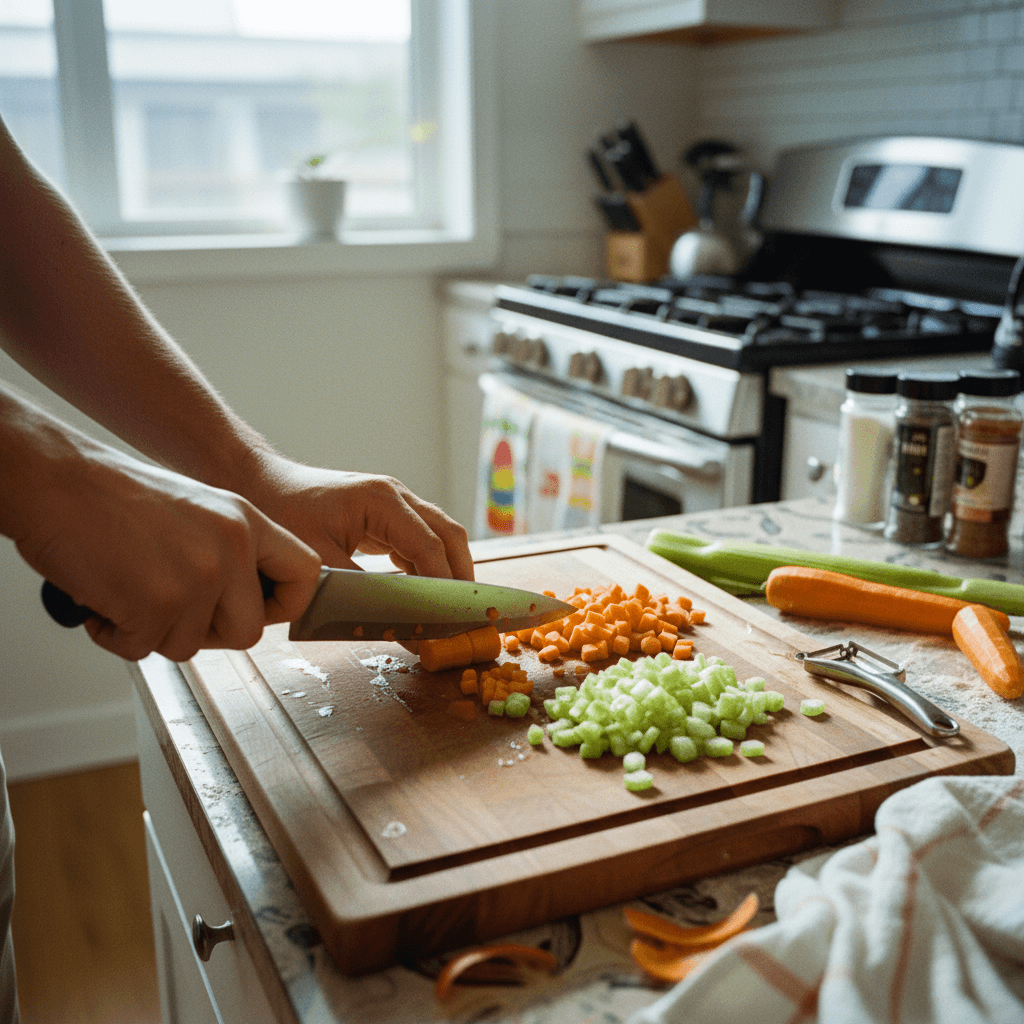
- 2
Render the pancetta: In a large Dutch oven or heavy-bottomed pot, cook the diced pancetta over medium heat until it is crispy and its fat has rendered. Remove the crispy pancetta with a slotted spoon and set aside, leaving the rendered fat in the pot.
⏱️ 7 min
- 3
Sauté the sofrito: Add the finely diced carrots, celery, and onion to the pancetta fat in the Dutch oven. Sauté over medium-low heat, stirring occasionally, until the vegetables are softened and slightly translucent but without developing any color. This should take about 10-12 minutes.
⏱️ 12 min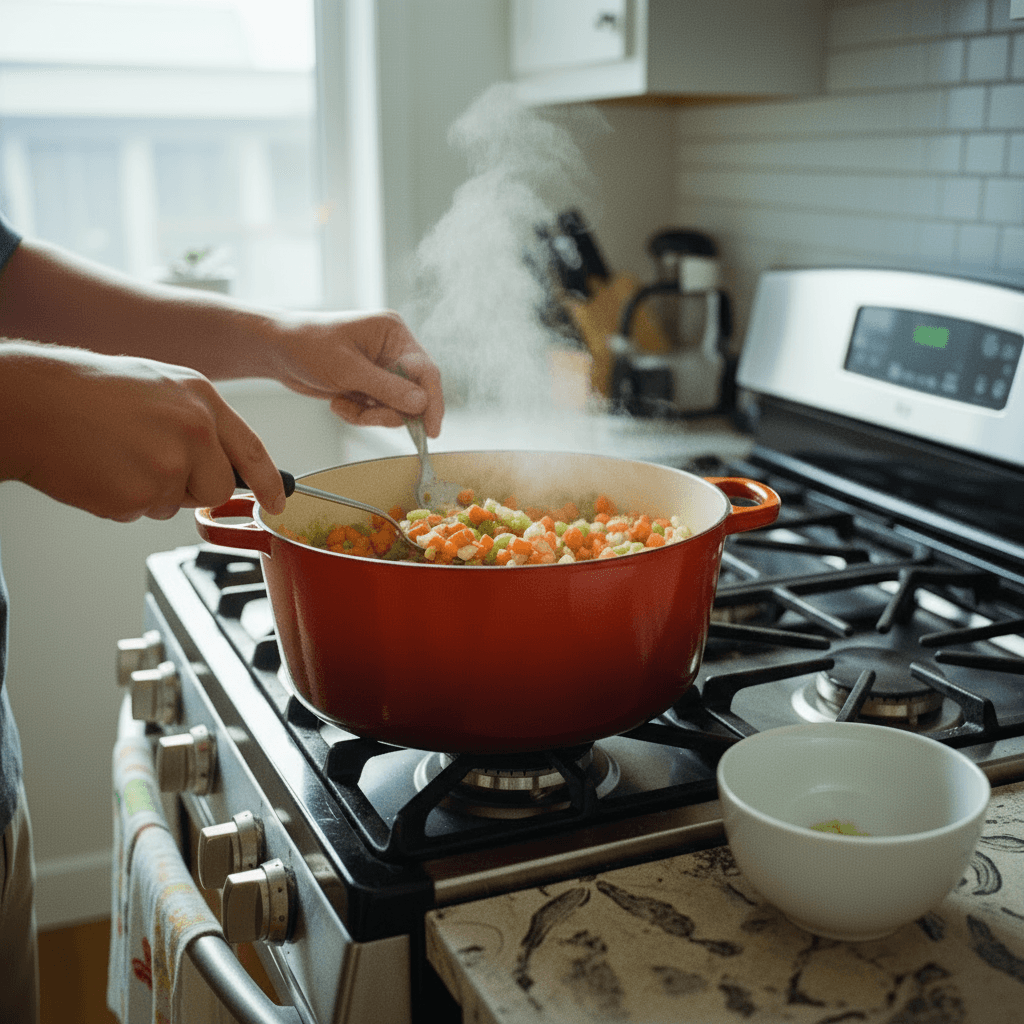
- 4
Brown the meats: Increase the heat to medium-high. Add the ground beef and ground pork to the pot with the sofrito. Season with 1 teaspoon of kosher salt. Break up the meat thoroughly with a wooden spoon, ensuring no large chunks remain. Cook until all the water from the meat has evaporated and the meat begins to fry in its own fat, developing some browning at the bottom of the pot. This will take about 15-18 minutes.
⏱️ 18 min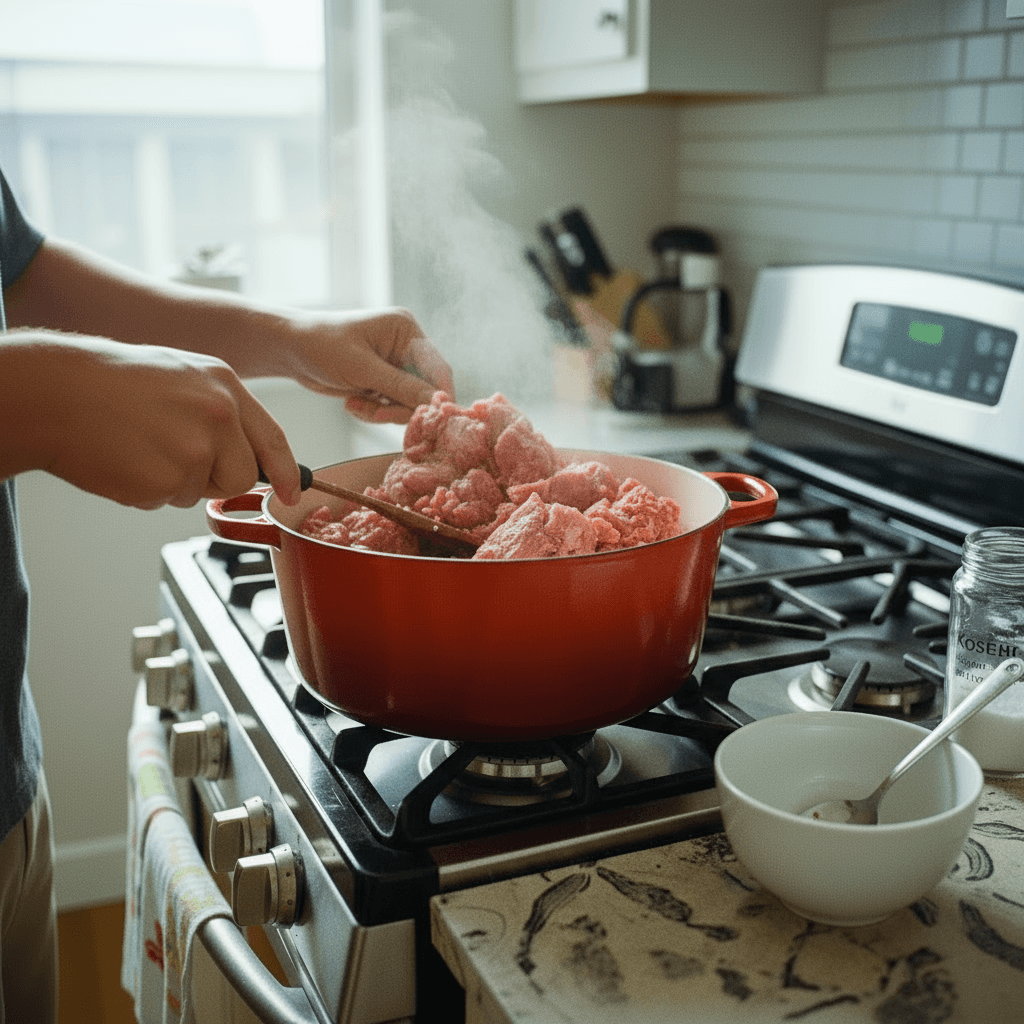
- 5
Add aromatics and tomato paste: Stir in the minced garlic and cook for 1 minute until fragrant. Then, add the tomato paste and cook it down for 2-3 minutes, stirring constantly, to deepen its flavor and color.
⏱️ 5 min
- 6
Deglaze with wine: Pour in the dry white wine and scrape up any browned bits from the bottom of the pot with your wooden spoon. Cook until the wine has mostly evaporated, about 5-6 minutes.
⏱️ 6 min
- 7
Simmer the sauce (first stage): Stir in the passata and beef stock. Return the reserved crispy pancetta to the pot. Add the Parmesan rinds (if using) and bay leaves. Bring the sauce to a gentle simmer, then reduce the heat to low, cover the Dutch oven, and let it cook for 1 hour, stirring occasionally to prevent sticking.
⏱️ 65 min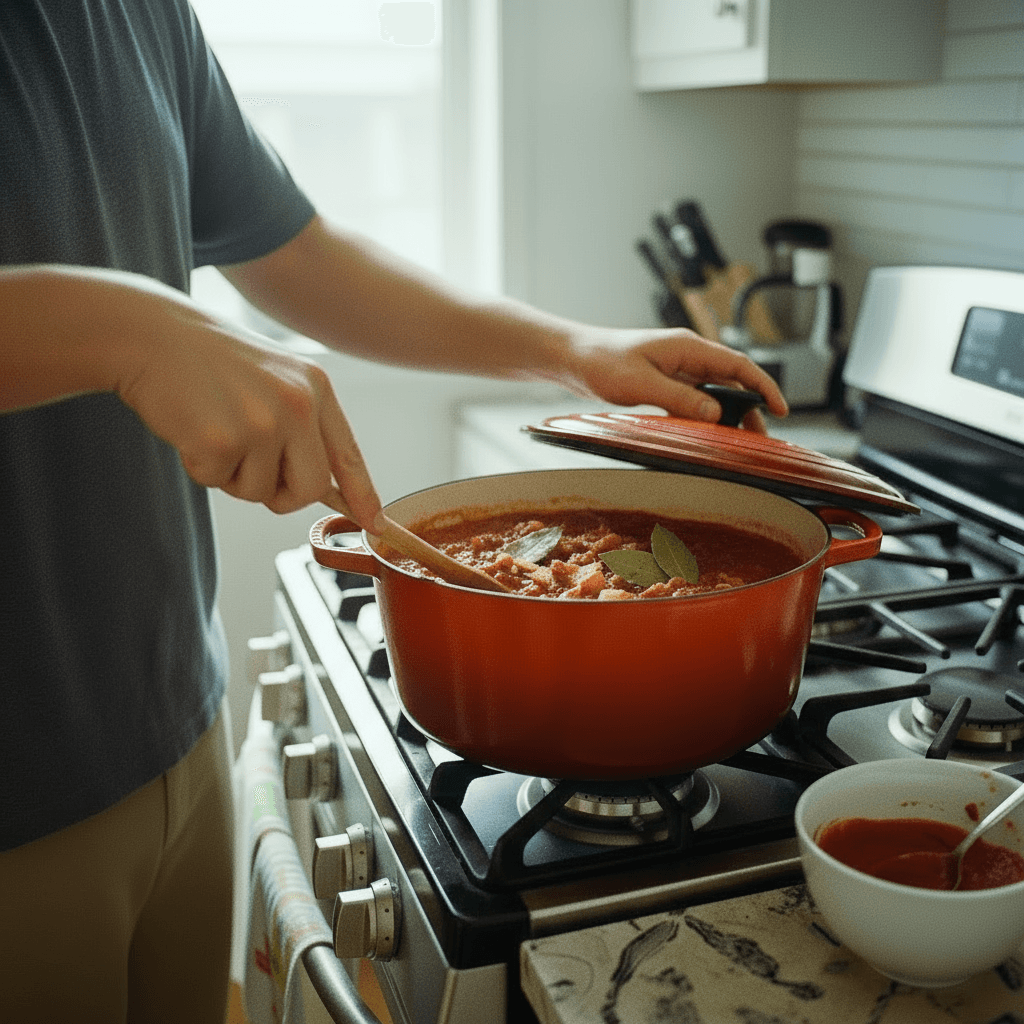
- 8
Simmer the sauce (second stage): After 1 hour, remove the lid and stir in the whole milk. Continue to simmer the sauce, uncovered, for another 30 minutes, or until it is beautifully rich and thickened. Remove and discard the bay leaves and Parmesan rinds before proceeding.
⏱️ 35 min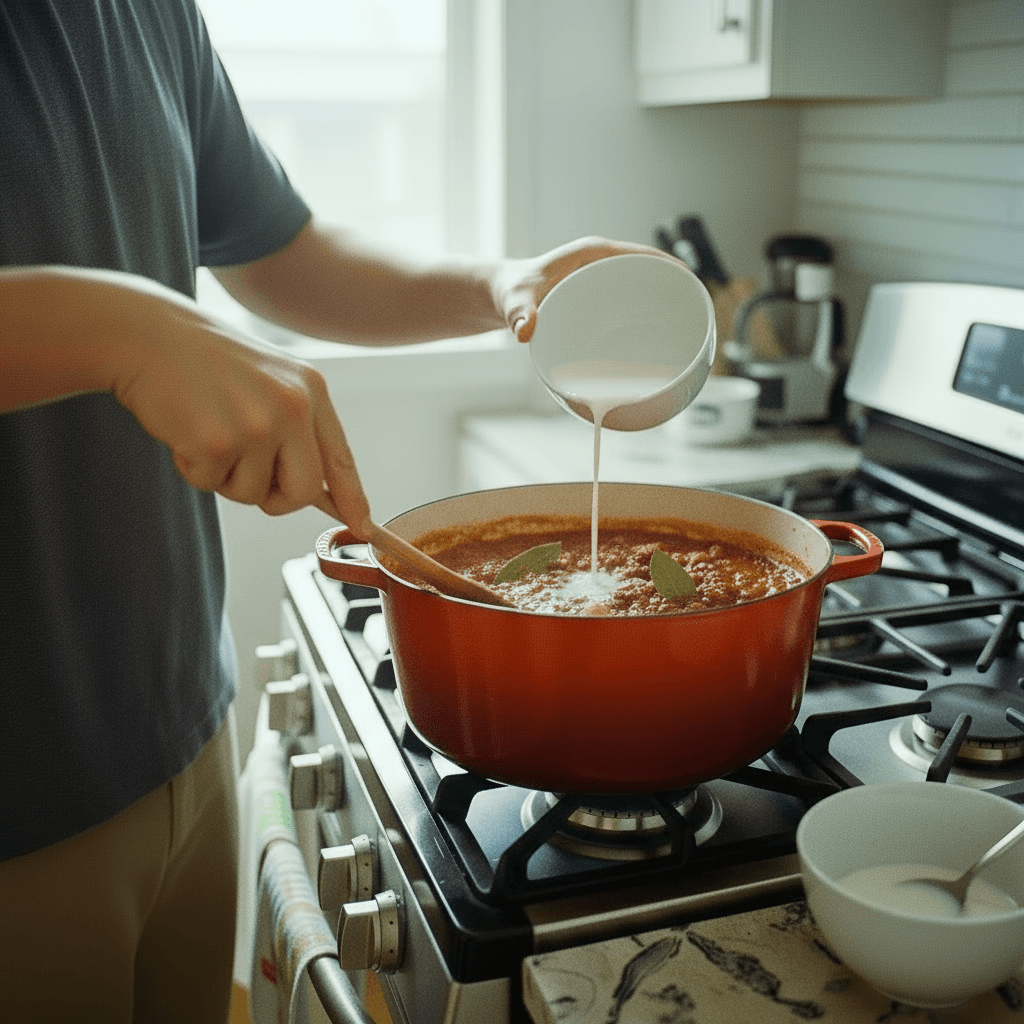
- 9
Cook the pasta: While the sauce finishes simmering, bring a separate large pot of generously salted water to a rolling boil. Add the pappardelle pasta and cook it for approximately 70% of the recommended cooking time on the package, so it's still very al dente. Reserve about 1 1/2 cups of the pasta cooking water before draining.
⏱️ 10 min
- 10
Finish pasta in sauce: In a large pan, add a generous portion of the bolognese sauce. Transfer the partially cooked pasta directly from the boiling water into the pan with the sauce. Add a ladleful (about 1/2 cup) of the reserved pasta water and the freshly grated Parmigiano cheese. Cook, stirring constantly and vigorously, until the pasta is fully cooked, the sauce has emulsified, and it clings beautifully to the pasta. Add more pasta water, a tablespoon at a time, if the sauce becomes too thick.
⏱️ 5 min
- 11
Serve: Plate the pasta bolognese immediately, topping with more freshly grated Parmigiano cheese and a sprinkle of freshly cracked black pepper. Enjoy!
⏱️ 2 min
Kitchen Tools
Nutrition Facts (per serving)
Classic Pasta Bolognese
Ingredients
For the Bolognese Sauce
- 1 1/2 cups carrots, finely diced
- 1 cup celery stalks, finely diced
- 1 1/2 cups yellow onion, finely diced
- 4 ounces diced pancetta
- 1 pound ground beef, 80/20 lean
- 1 pound ground pork
- 4 garlic, minced
- 3 tablespoons tomato paste
- 1 cup dry white wine, such as Pinot Grigio
- 3 cups passata, strained tomatoes
- 2 cups beef stock
- 2 Parmesan rinds, optional
- 2 bay leaves
- 1 cup whole milk
- 1 teaspoon kosher salt, plus more to taste
- 1/2 teaspoon black pepper, freshly cracked, plus more to taste
For the Pasta and Serving
- 1 pound pappardelle pasta, or other wide, flat pasta
- 1/2 cup Parmigiano cheese, freshly grated, plus more for serving
Instructions
- 1
Prepare the vegetables: Peel and finely dice the carrots, celery, and yellow onion. The goal is to dice all vegetables as fine as possible to create a smooth sofrito base for the sauce.
⏱️ 20 min - 2
Render the pancetta: In a large Dutch oven or heavy-bottomed pot, cook the diced pancetta over medium heat until it is crispy and its fat has rendered. Remove the crispy pancetta with a slotted spoon and set aside, leaving the rendered fat in the pot.
⏱️ 7 min - 3
Sauté the sofrito: Add the finely diced carrots, celery, and onion to the pancetta fat in the Dutch oven. Sauté over medium-low heat, stirring occasionally, until the vegetables are softened and slightly translucent but without developing any color. This should take about 10-12 minutes.
⏱️ 12 min - 4
Brown the meats: Increase the heat to medium-high. Add the ground beef and ground pork to the pot with the sofrito. Season with 1 teaspoon of kosher salt. Break up the meat thoroughly with a wooden spoon, ensuring no large chunks remain. Cook until all the water from the meat has evaporated and the meat begins to fry in its own fat, developing some browning at the bottom of the pot. This will take about 15-18 minutes.
⏱️ 18 min - 5
Add aromatics and tomato paste: Stir in the minced garlic and cook for 1 minute until fragrant. Then, add the tomato paste and cook it down for 2-3 minutes, stirring constantly, to deepen its flavor and color.
⏱️ 5 min - 6
Deglaze with wine: Pour in the dry white wine and scrape up any browned bits from the bottom of the pot with your wooden spoon. Cook until the wine has mostly evaporated, about 5-6 minutes.
⏱️ 6 min - 7
Simmer the sauce (first stage): Stir in the passata and beef stock. Return the reserved crispy pancetta to the pot. Add the Parmesan rinds (if using) and bay leaves. Bring the sauce to a gentle simmer, then reduce the heat to low, cover the Dutch oven, and let it cook for 1 hour, stirring occasionally to prevent sticking.
⏱️ 65 min - 8
Simmer the sauce (second stage): After 1 hour, remove the lid and stir in the whole milk. Continue to simmer the sauce, uncovered, for another 30 minutes, or until it is beautifully rich and thickened. Remove and discard the bay leaves and Parmesan rinds before proceeding.
⏱️ 35 min - 9
Cook the pasta: While the sauce finishes simmering, bring a separate large pot of generously salted water to a rolling boil. Add the pappardelle pasta and cook it for approximately 70% of the recommended cooking time on the package, so it's still very al dente. Reserve about 1 1/2 cups of the pasta cooking water before draining.
⏱️ 10 min - 10
Finish pasta in sauce: In a large pan, add a generous portion of the bolognese sauce. Transfer the partially cooked pasta directly from the boiling water into the pan with the sauce. Add a ladleful (about 1/2 cup) of the reserved pasta water and the freshly grated Parmigiano cheese. Cook, stirring constantly and vigorously, until the pasta is fully cooked, the sauce has emulsified, and it clings beautifully to the pasta. Add more pasta water, a tablespoon at a time, if the sauce becomes too thick.
⏱️ 5 min - 11
Serve: Plate the pasta bolognese immediately, topping with more freshly grated Parmigiano cheese and a sprinkle of freshly cracked black pepper. Enjoy!
⏱️ 2 min