Pizza Dough (24-72 Hour Fermentation)
Pizza Dough (24-72 Hour Fermentation)

Ingredients
- 545 grams bread flour
- 295 grams all-purpose flour
- 0.5 grams instant yeast
- 21 grams salt
- 16 grams sugar
- 16 grams olive oil
- 545 grams water, at 55°F
Instructions
- 1
In a large bowl, combine the bread flour, all-purpose flour, instant yeast, salt, and sugar. Mix thoroughly with your hands to ensure all dry ingredients are well combined.
⏱️ 3 min
- 2
Add the olive oil and water (at 55°F) to the dry mixture in the bowl.
⏱️ 1 min
- 3
Mix all ingredients together using your hands until no dry spots remain. The dough will be very shaggy and sticky at this stage.
⏱️ 3 min
- 4
Cover the bowl and let the dough rest for 30 minutes at room temperature (autolyse).
⏱️ 30 min
- 5
After the 30-minute rest, wet your hands. Grab one side of the dough from underneath, stretch it upwards, and fold it over to the opposite side of the bowl. Rotate the bowl and repeat this process 4-5 times until the dough starts to feel stronger and shows some elasticity.
⏱️ 5 min
- 6
Cover the bowl again and let the dough rest for another 30 minutes.
⏱️ 30 min
- 7
Perform another set of stretch and folds, similar to the first. The dough should now feel noticeably stronger and more cohesive.
⏱️ 5 min
- 8
Cover the bowl and let the dough rest for a final 30 minutes.
⏱️ 30 min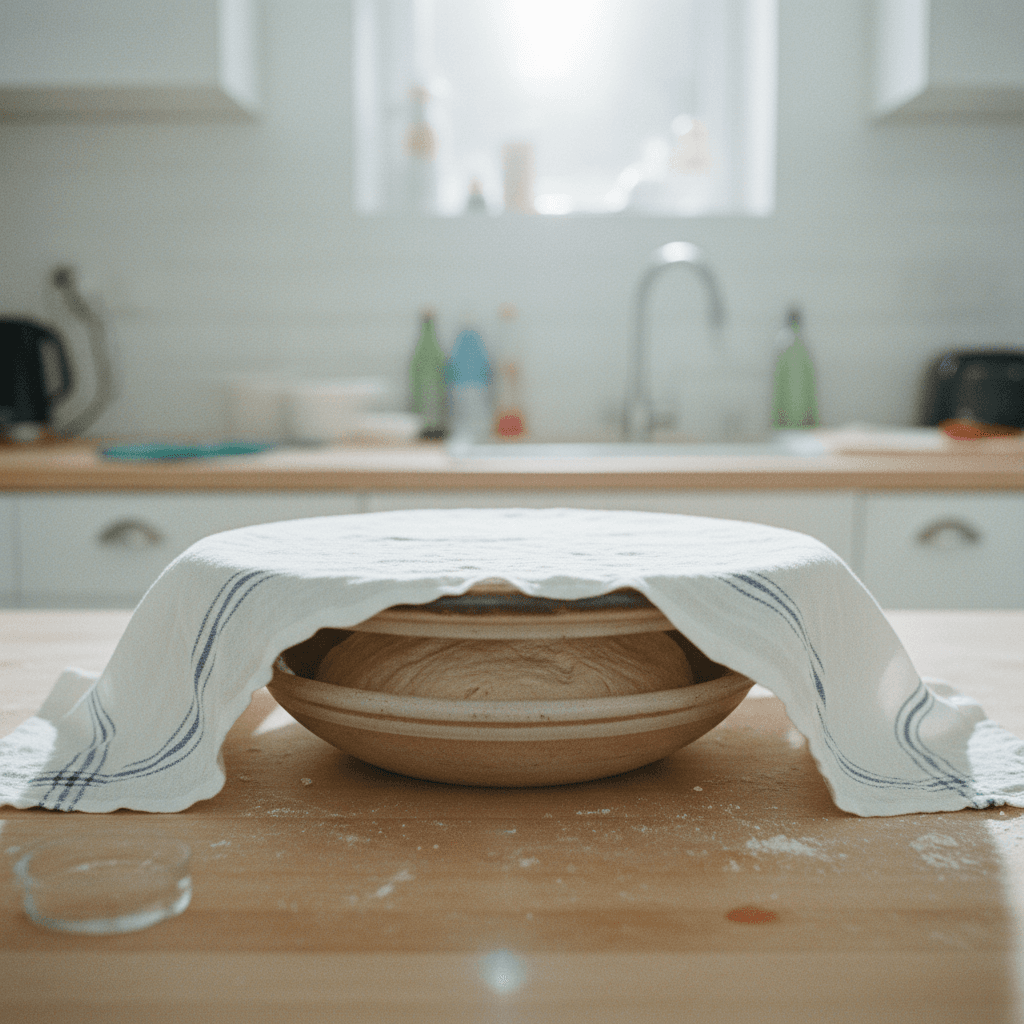
- 9
Complete the third set of stretch and folds. At this point, the dough should feel very strong, smooth, and elastic.
⏱️ 5 min
- 10
Cover the dough and let it sit at room temperature, ideally around 70-72°F (21-22°C), for 12 to 24 hours. The dough should visibly double in size and be very bubbly.
⏱️ 720 min•🌡️ 70
- 11
Lightly flour a clean work surface. Gently scrape the fermented dough out of the bowl onto the floured surface. Divide the dough into three equal pieces, each weighing approximately 500g. Shape each piece into a tight ball by pulling the edges of the dough underneath and rotating it against the surface.
⏱️ 10 min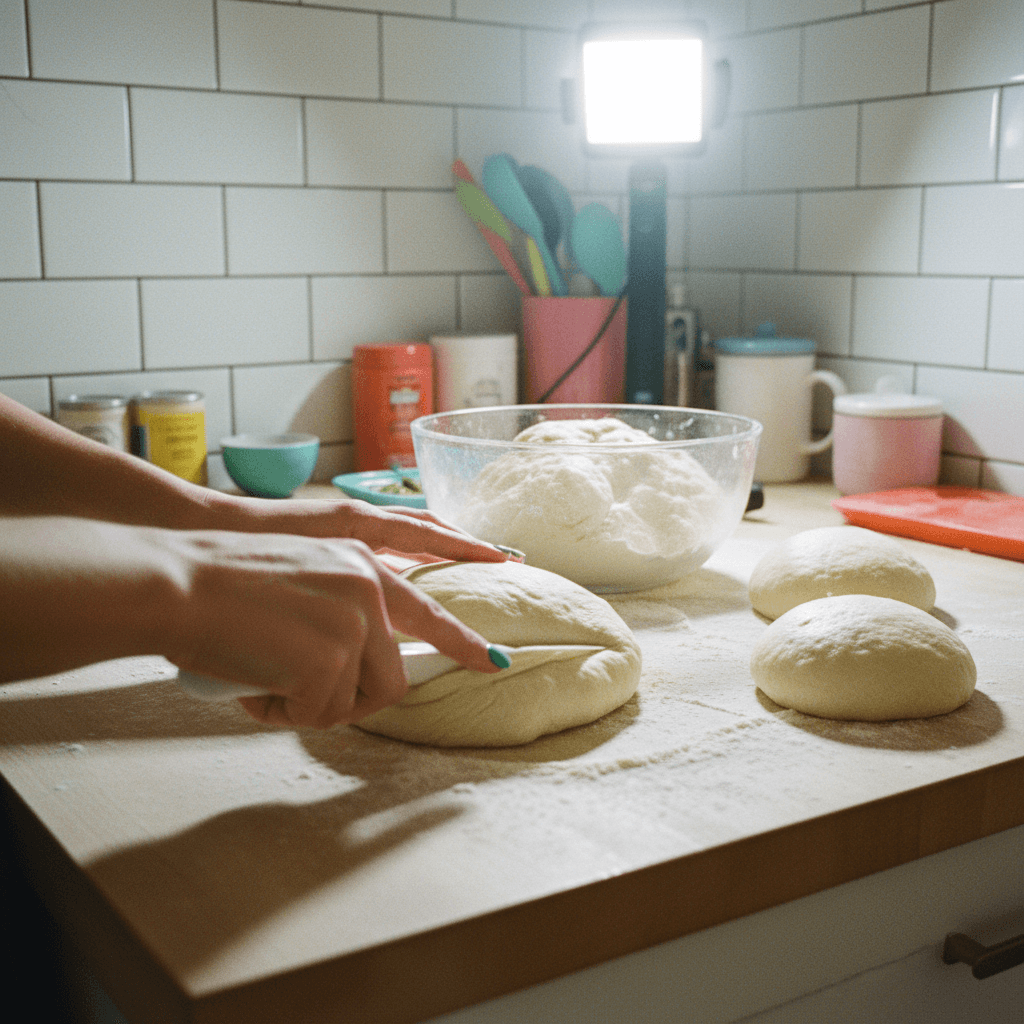
- 12
Place each dough ball into a separate, lightly oiled container. Cover the containers tightly to prevent the dough from drying out. Transfer them to the refrigerator for cold fermentation, which can last from 24 to 72 hours.
⏱️ 1440 min
- 13
When you are ready to bake, remove the dough balls from the refrigerator at least 2 hours before you plan to use them. This allows the dough to come to room temperature and relax, making it easier to shape and resulting in a better crust.
⏱️ 120 min
Kitchen Tools
Pizza Dough (24-72 Hour Fermentation)
- 545 grams bread flour
- 295 grams all-purpose flour
- 0.5 grams instant yeast
- 21 grams salt
- 16 grams sugar
- 16 grams olive oil
- 545 grams water, at 55°F
Instructions
- 1
In a large bowl, combine the bread flour, all-purpose flour, instant yeast, salt, and sugar. Mix thoroughly with your hands to ensure all dry ingredients are well combined.
⏱️ 3 min - 2
Add the olive oil and water (at 55°F) to the dry mixture in the bowl.
⏱️ 1 min - 3
Mix all ingredients together using your hands until no dry spots remain. The dough will be very shaggy and sticky at this stage.
⏱️ 3 min - 4
Cover the bowl and let the dough rest for 30 minutes at room temperature (autolyse).
⏱️ 30 min - 5
After the 30-minute rest, wet your hands. Grab one side of the dough from underneath, stretch it upwards, and fold it over to the opposite side of the bowl. Rotate the bowl and repeat this process 4-5 times until the dough starts to feel stronger and shows some elasticity.
⏱️ 5 min - 6
Cover the bowl again and let the dough rest for another 30 minutes.
⏱️ 30 min - 7
Perform another set of stretch and folds, similar to the first. The dough should now feel noticeably stronger and more cohesive.
⏱️ 5 min - 8
Cover the bowl and let the dough rest for a final 30 minutes.
⏱️ 30 min - 9
Complete the third set of stretch and folds. At this point, the dough should feel very strong, smooth, and elastic.
⏱️ 5 min - 10
Cover the dough and let it sit at room temperature, ideally around 70-72°F (21-22°C), for 12 to 24 hours. The dough should visibly double in size and be very bubbly.
⏱️ 720 min•🌡️ 70 - 11
Lightly flour a clean work surface. Gently scrape the fermented dough out of the bowl onto the floured surface. Divide the dough into three equal pieces, each weighing approximately 500g. Shape each piece into a tight ball by pulling the edges of the dough underneath and rotating it against the surface.
⏱️ 10 min - 12
Place each dough ball into a separate, lightly oiled container. Cover the containers tightly to prevent the dough from drying out. Transfer them to the refrigerator for cold fermentation, which can last from 24 to 72 hours.
⏱️ 1440 min - 13
When you are ready to bake, remove the dough balls from the refrigerator at least 2 hours before you plan to use them. This allows the dough to come to room temperature and relax, making it easier to shape and resulting in a better crust.
⏱️ 120 min