Homemade Butter from All-Purpose Cream
Homemade Butter from All-Purpose Cream
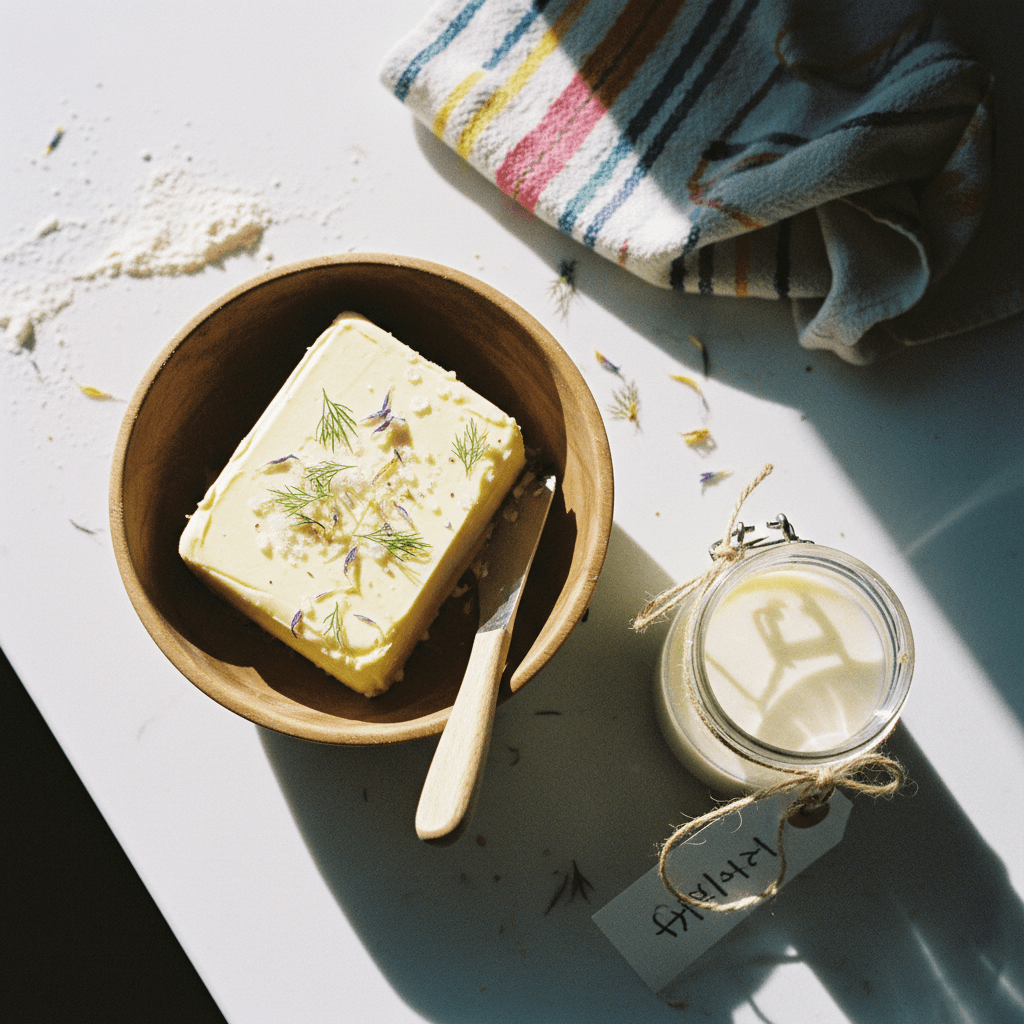
Ingredients
- 2 packs all-purpose cream, chilled overnight
- 1/2 teaspoon salt, optional
- as needed cold water
Instructions
- 1
Ensure 2 packs of all-purpose cream are chilled overnight. The cream should be very cold before proceeding.

- 2
Pour the chilled all-purpose cream into a large mixing bowl.
⏱️ 1 min
- 3
Using an electric mixer, start whisking the cream on low speed and gradually increase the speed to high.
⏱️ 1 min
- 4
Continue whisking. Initially, the cream will thicken to a whipped cream consistency.
⏱️ 3 min
- 5
Keep whisking until the texture changes significantly, becoming grainy and clumpy, and the butter solids visibly separate from a yellowish liquid (buttermilk). This process indicates the butter has "broken."
⏱️ 5 min
- 6
Carefully drain the separated liquid (buttermilk) from the bowl into another container. This buttermilk can be saved for other recipes.
⏱️ 1 min
- 7
Add fresh cold water to the butter solids remaining in the bowl.
⏱️ 1 min
- 8
Squeeze and knead the butter in the cold water to wash out any remaining buttermilk.
⏱️ 2 min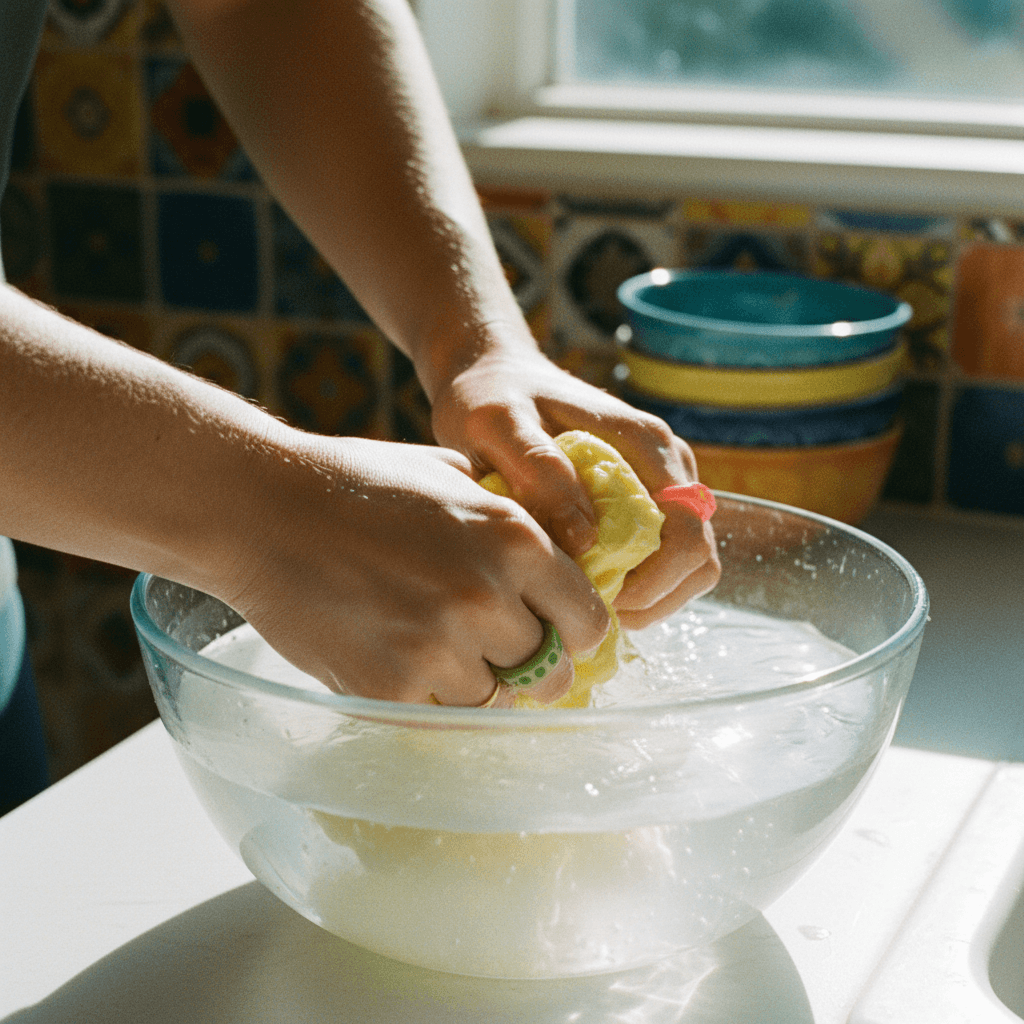
- 9
Discard the cloudy water and repeat the washing process with fresh cold water. Continue washing until the water runs clear, indicating all buttermilk has been removed. This is crucial for butter preservation.
⏱️ 3 min
- 10
Transfer the clean butter solids to a separate bowl.
⏱️ 1 min
- 11
Add 1/2 teaspoon of salt (optional) to the butter.
⏱️ 1 min
- 12
Mix the salt thoroughly into the butter using a spatula until well combined.
⏱️ 1 min
- 13
Shape the butter into a desired block or log form using the spatula.
⏱️ 2 min
- 14
Wrap the homemade butter in parchment paper for storage.
⏱️ 1 min
Kitchen Tools
Homemade Butter from All-Purpose Cream
- 2 packs all-purpose cream, chilled overnight
- 1/2 teaspoon salt, optional
- as needed cold water
Instructions
- 1
Ensure 2 packs of all-purpose cream are chilled overnight. The cream should be very cold before proceeding.
- 2
Pour the chilled all-purpose cream into a large mixing bowl.
⏱️ 1 min - 3
Using an electric mixer, start whisking the cream on low speed and gradually increase the speed to high.
⏱️ 1 min - 4
Continue whisking. Initially, the cream will thicken to a whipped cream consistency.
⏱️ 3 min - 5
Keep whisking until the texture changes significantly, becoming grainy and clumpy, and the butter solids visibly separate from a yellowish liquid (buttermilk). This process indicates the butter has "broken."
⏱️ 5 min - 6
Carefully drain the separated liquid (buttermilk) from the bowl into another container. This buttermilk can be saved for other recipes.
⏱️ 1 min - 7
Add fresh cold water to the butter solids remaining in the bowl.
⏱️ 1 min - 8
Squeeze and knead the butter in the cold water to wash out any remaining buttermilk.
⏱️ 2 min - 9
Discard the cloudy water and repeat the washing process with fresh cold water. Continue washing until the water runs clear, indicating all buttermilk has been removed. This is crucial for butter preservation.
⏱️ 3 min - 10
Transfer the clean butter solids to a separate bowl.
⏱️ 1 min - 11
Add 1/2 teaspoon of salt (optional) to the butter.
⏱️ 1 min - 12
Mix the salt thoroughly into the butter using a spatula until well combined.
⏱️ 1 min - 13
Shape the butter into a desired block or log form using the spatula.
⏱️ 2 min - 14
Wrap the homemade butter in parchment paper for storage.
⏱️ 1 min