Tahdig (Persian Crispy Rice)
Tahdig (Persian Crispy Rice)
Ingredients
For the Rice
- 2 cups Basmati rice, rinsed thoroughly and soaked in water for 30 minutes
- 8 cups water, for par-boiling
- 1 tablespoon salt
For the Tahdig Layer
- 1/2 teaspoon saffron threads
- 2 tablespoons hot water
- 1/4 cup vegetable oil
- 2 tablespoons butter, melted
Instructions
- 1
Rinse the Basmati rice under cold water until the water runs clear. Place the rinsed rice in a large bowl, cover with fresh water, and let it soak for at least 30 minutes. Drain the rice thoroughly before proceeding.
⏱️ 5 min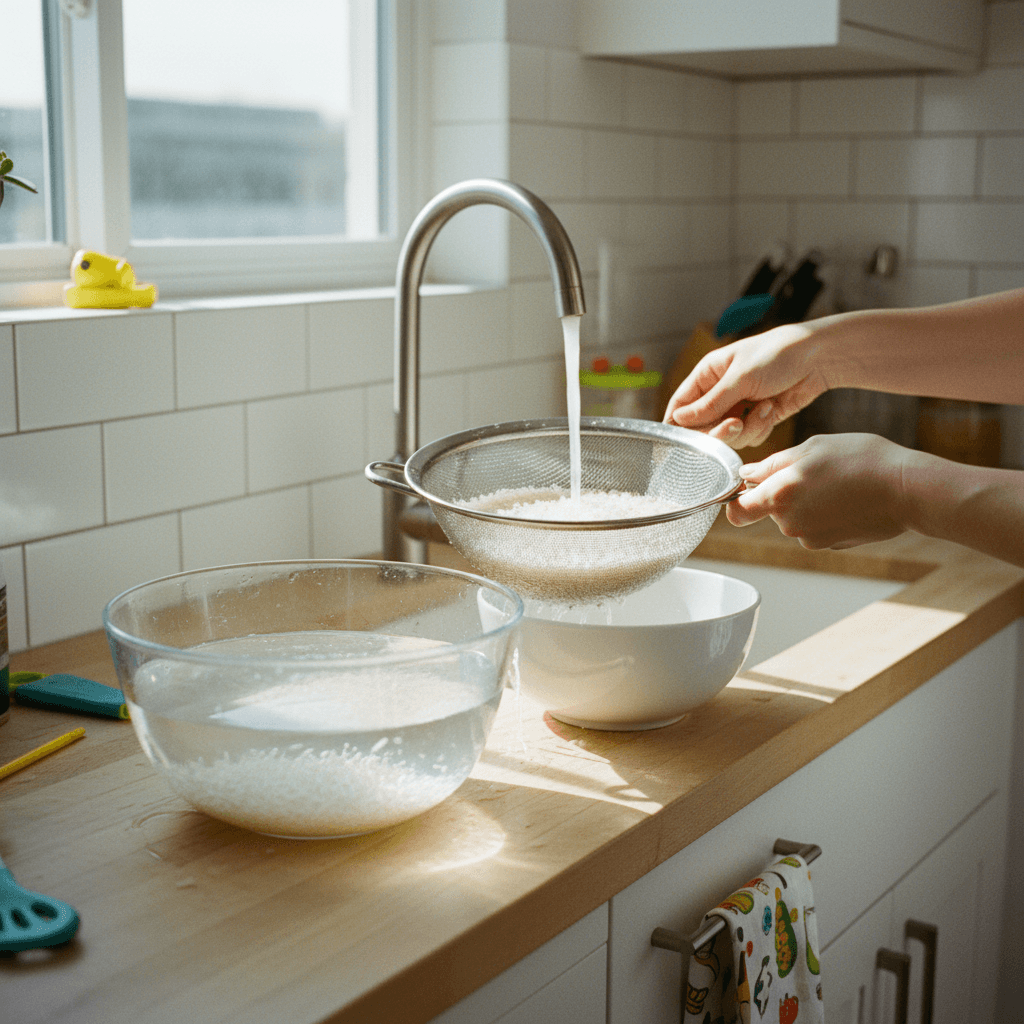
- 2
While the rice soaks, prepare the saffron. Grind the saffron threads into a fine powder using a mortar and pestle or by crushing them between two spoons. Transfer the saffron powder to a small bowl and pour 2 tablespoons of hot water over it. Let it steep for at least 10 minutes to release its color and aroma.
⏱️ 2 min
- 3
Bring 8 cups of water to a rolling boil in a large, non-stick pot (preferably with a heavy bottom). Add 1 tablespoon of salt to the boiling water. Add the drained Basmati rice and par-boil for 5 to 7 minutes, or until the rice grains are elongated and slightly softened but still firm in the center (al dente). They should not be fully cooked.
⏱️ 15 min•🌡️ 212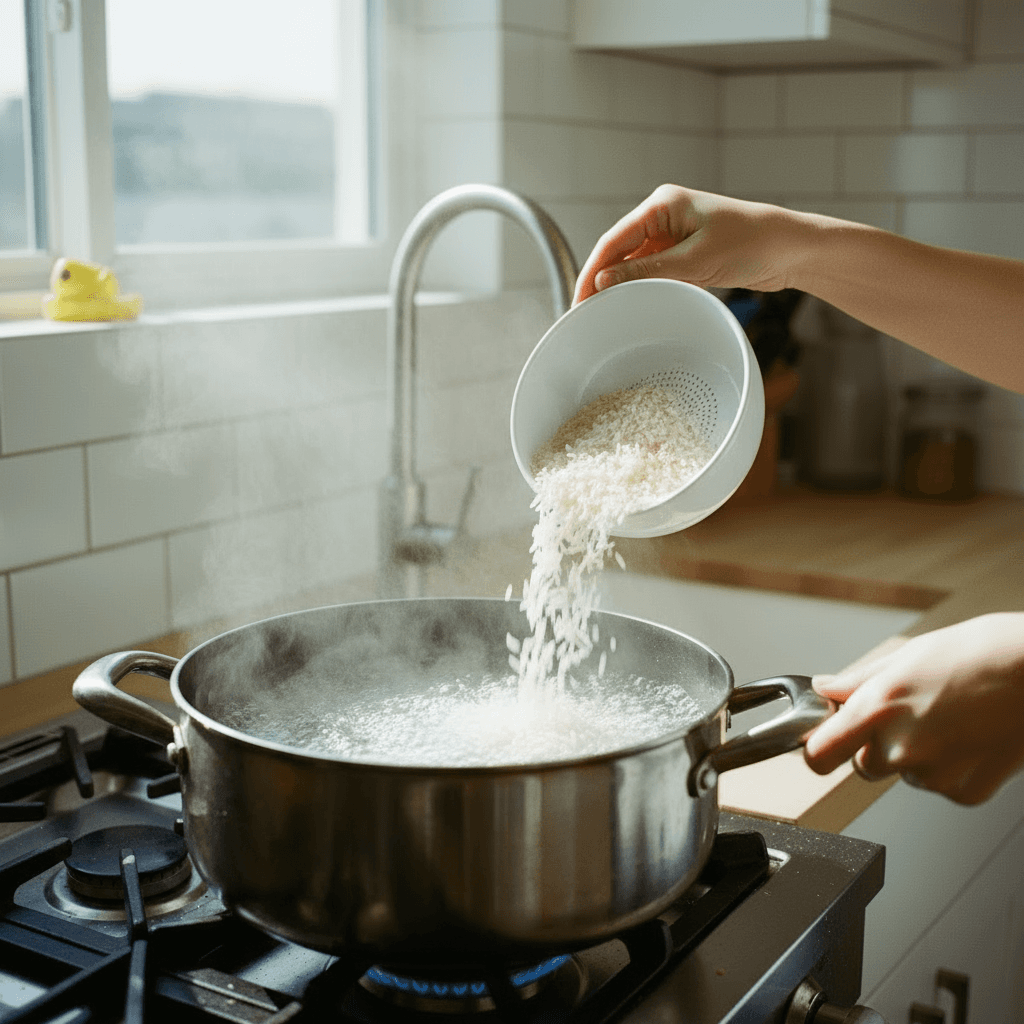
- 4
Drain the par-boiled rice immediately using a fine-mesh colander. Rinse it quickly with a little lukewarm water to stop the cooking process and wash off excess starch. Set aside.
⏱️ 2 min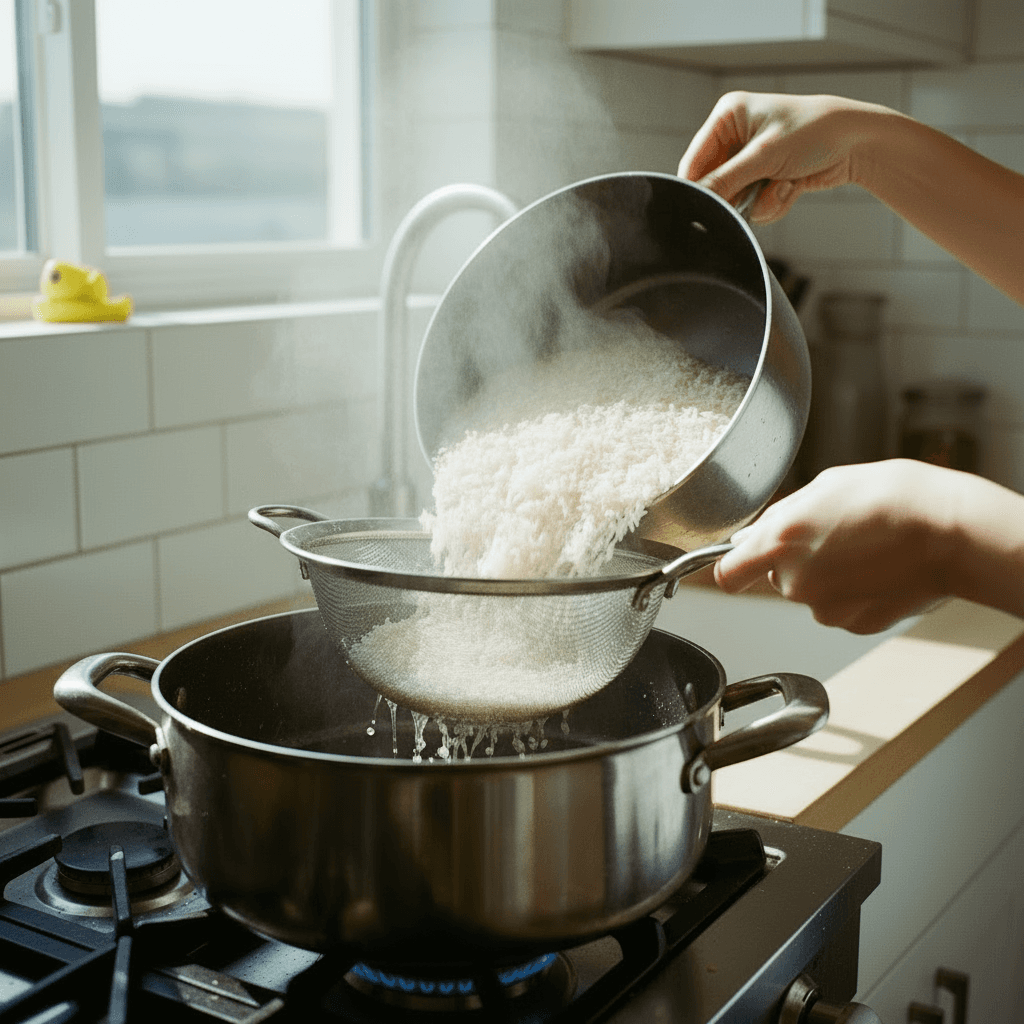
- 5
Return the same pot (cleaned, if necessary) to medium-high heat. Add the vegetable oil and melted butter to the bottom of the pot. Swirl to coat the entire bottom evenly. Add 1 tablespoon of the steeped saffron water to the oil mixture.
⏱️ 3 min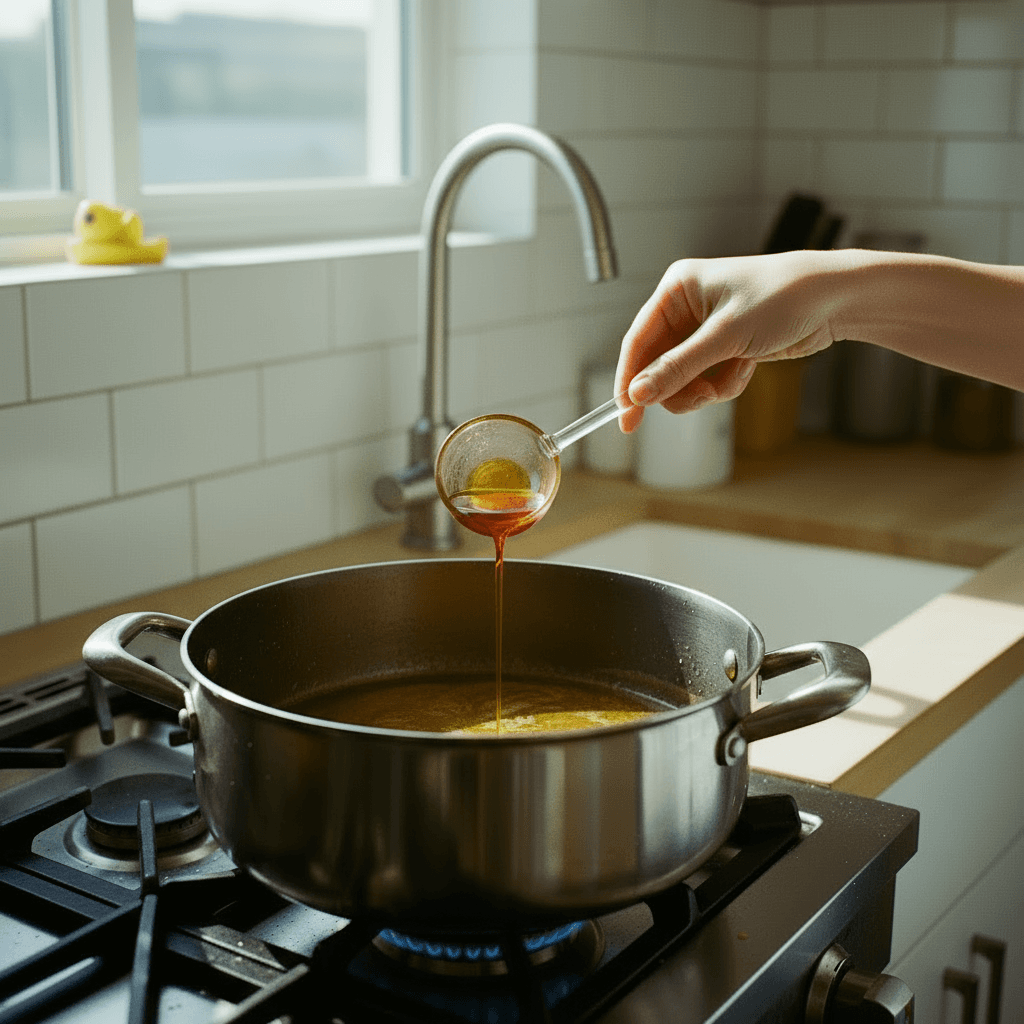
- 6
Carefully spoon about 1/3 of the par-boiled rice into the pot, spreading it evenly over the oil and saffron mixture. This will be your crispy tahdig layer. Gently add the remaining rice on top, forming a pyramid shape in the center of the pot. Use the back of a spoon to create 3-4 small holes in the rice mound, which will help the steam escape.
⏱️ 5 min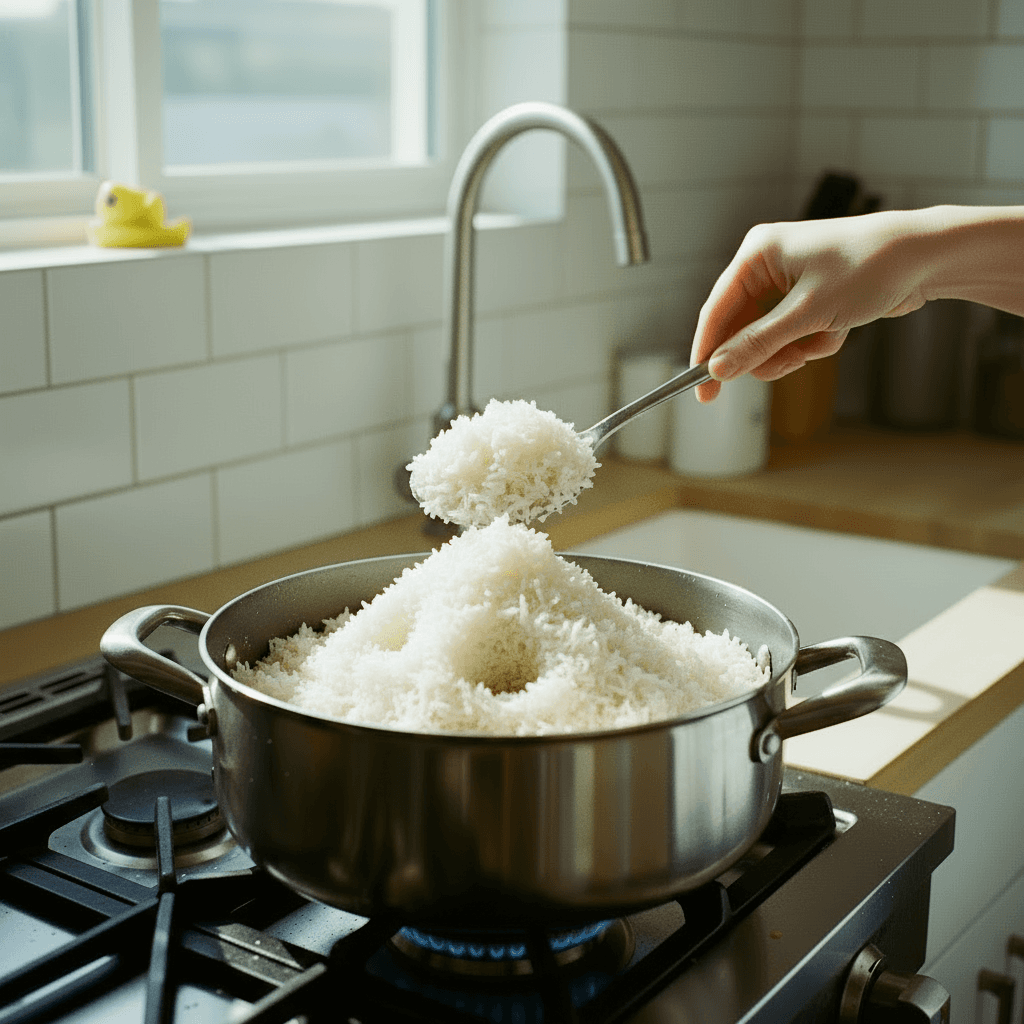
- 7
Cover the pot tightly with a lid, preferably one wrapped in a clean kitchen towel to absorb condensation. Cook on medium-high heat for 10 minutes, allowing steam to build up. Then, reduce the heat to low and continue to cook for 40 to 50 minutes. Do not lift the lid during this time.
⏱️ 50 min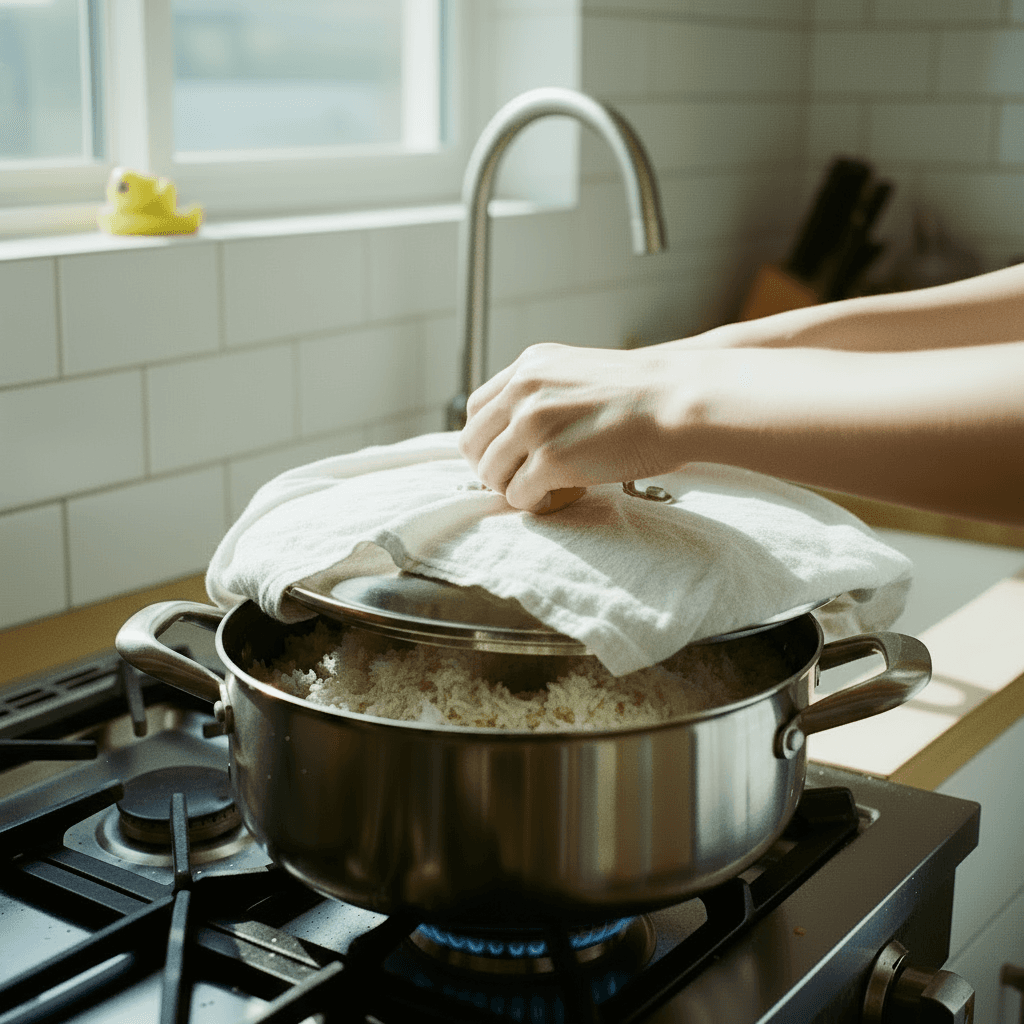
- 8
After the cooking time, remove the pot from the heat. Let it rest, covered, for 5 to 10 minutes. This helps the tahdig release from the bottom of the pot.
⏱️ 10 min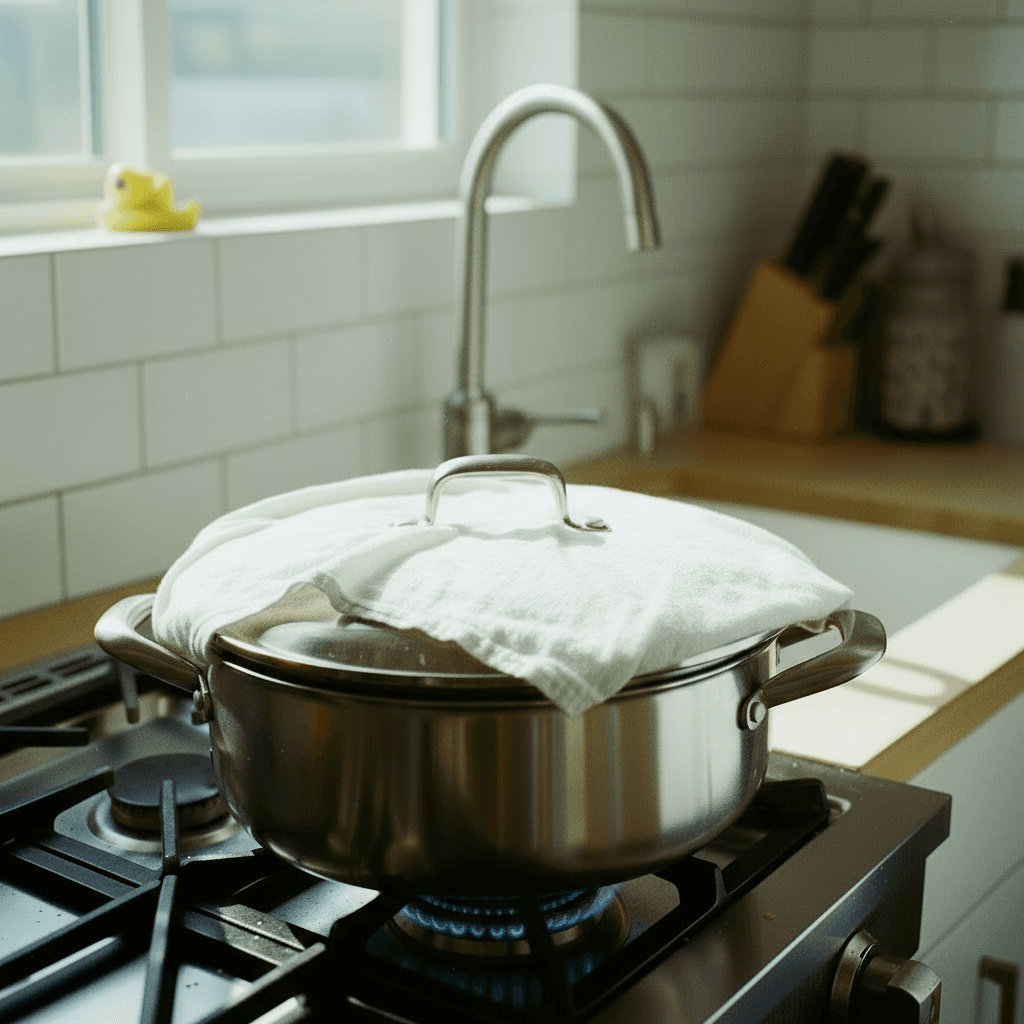
- 9
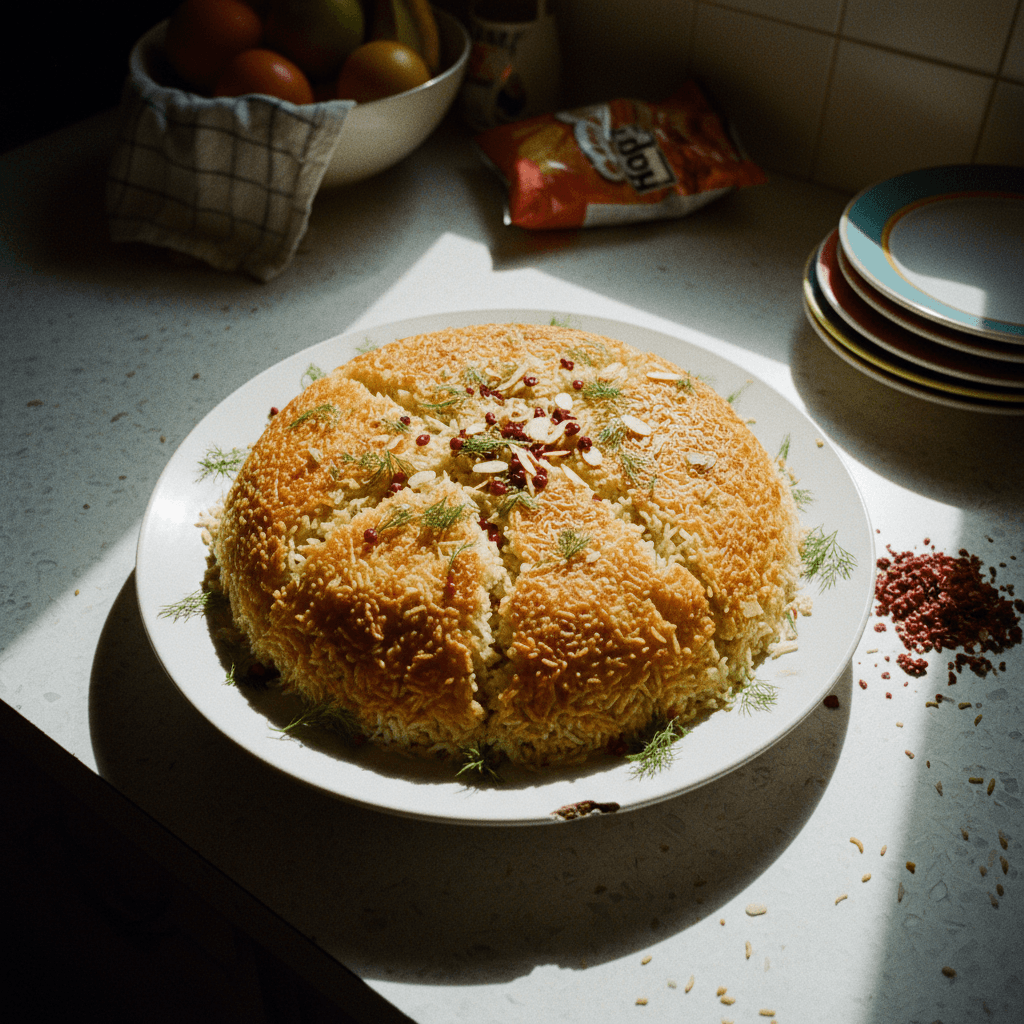
To serve, place a large, round serving platter over the top of the pot. Using oven mitts, carefully and confidently invert the pot onto the platter. The fluffy rice will be on top, and the golden, crispy tahdig will be revealed on the bottom. Drizzle the remaining saffron water over the fluffy rice, if desired.
⏱️ 3 min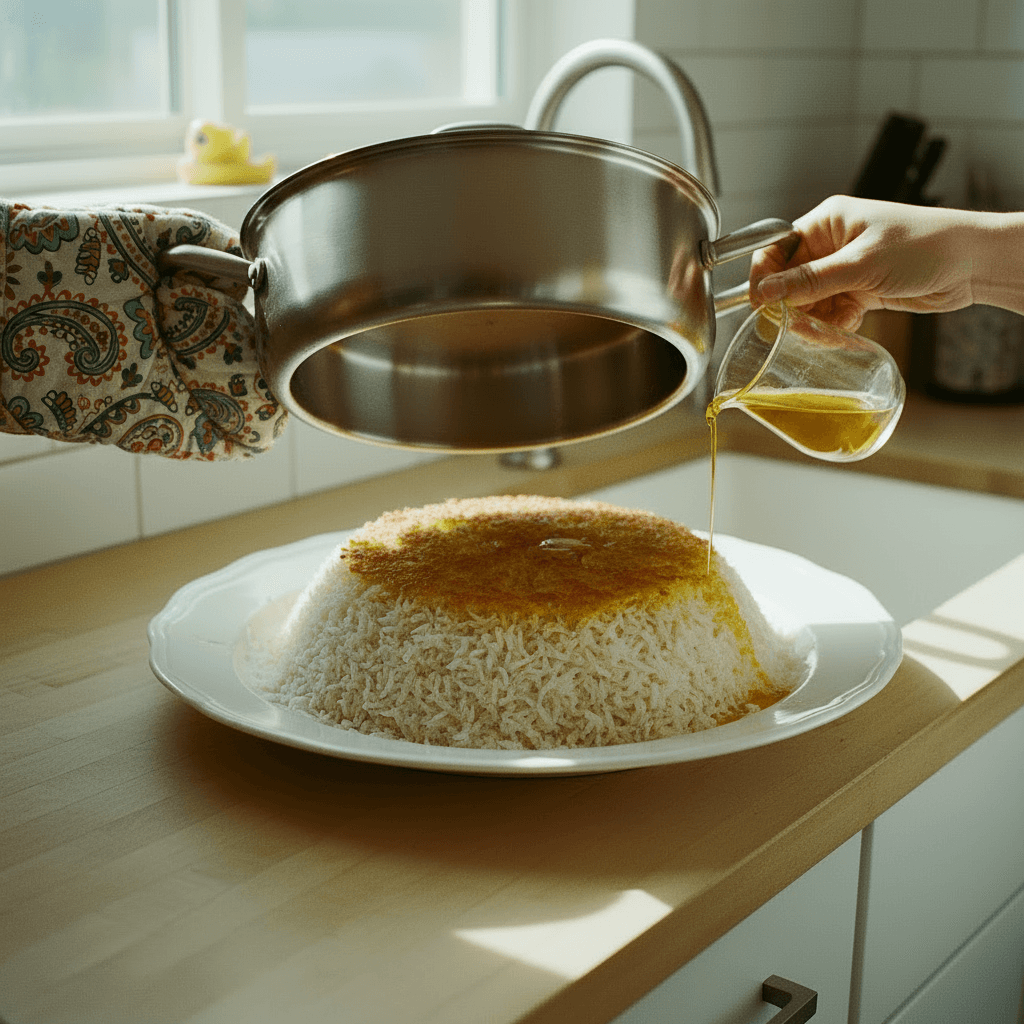
Kitchen Tools
Nutrition Facts (per serving)
Tahdig (Persian Crispy Rice)
Ingredients
For the Rice
- 2 cups Basmati rice, rinsed thoroughly and soaked in water for 30 minutes
- 8 cups water, for par-boiling
- 1 tablespoon salt
For the Tahdig Layer
- 1/2 teaspoon saffron threads
- 2 tablespoons hot water
- 1/4 cup vegetable oil
- 2 tablespoons butter, melted
Instructions
- 1
Rinse the Basmati rice under cold water until the water runs clear. Place the rinsed rice in a large bowl, cover with fresh water, and let it soak for at least 30 minutes. Drain the rice thoroughly before proceeding.
⏱️ 5 min - 2
While the rice soaks, prepare the saffron. Grind the saffron threads into a fine powder using a mortar and pestle or by crushing them between two spoons. Transfer the saffron powder to a small bowl and pour 2 tablespoons of hot water over it. Let it steep for at least 10 minutes to release its color and aroma.
⏱️ 2 min - 3
Bring 8 cups of water to a rolling boil in a large, non-stick pot (preferably with a heavy bottom). Add 1 tablespoon of salt to the boiling water. Add the drained Basmati rice and par-boil for 5 to 7 minutes, or until the rice grains are elongated and slightly softened but still firm in the center (al dente). They should not be fully cooked.
⏱️ 15 min•🌡️ 212 - 4
Drain the par-boiled rice immediately using a fine-mesh colander. Rinse it quickly with a little lukewarm water to stop the cooking process and wash off excess starch. Set aside.
⏱️ 2 min - 5
Return the same pot (cleaned, if necessary) to medium-high heat. Add the vegetable oil and melted butter to the bottom of the pot. Swirl to coat the entire bottom evenly. Add 1 tablespoon of the steeped saffron water to the oil mixture.
⏱️ 3 min - 6
Carefully spoon about 1/3 of the par-boiled rice into the pot, spreading it evenly over the oil and saffron mixture. This will be your crispy tahdig layer. Gently add the remaining rice on top, forming a pyramid shape in the center of the pot. Use the back of a spoon to create 3-4 small holes in the rice mound, which will help the steam escape.
⏱️ 5 min - 7
Cover the pot tightly with a lid, preferably one wrapped in a clean kitchen towel to absorb condensation. Cook on medium-high heat for 10 minutes, allowing steam to build up. Then, reduce the heat to low and continue to cook for 40 to 50 minutes. Do not lift the lid during this time.
⏱️ 50 min - 8
After the cooking time, remove the pot from the heat. Let it rest, covered, for 5 to 10 minutes. This helps the tahdig release from the bottom of the pot.
⏱️ 10 min - 9
To serve, place a large, round serving platter over the top of the pot. Using oven mitts, carefully and confidently invert the pot onto the platter. The fluffy rice will be on top, and the golden, crispy tahdig will be revealed on the bottom. Drizzle the remaining saffron water over the fluffy rice, if desired.
⏱️ 3 min