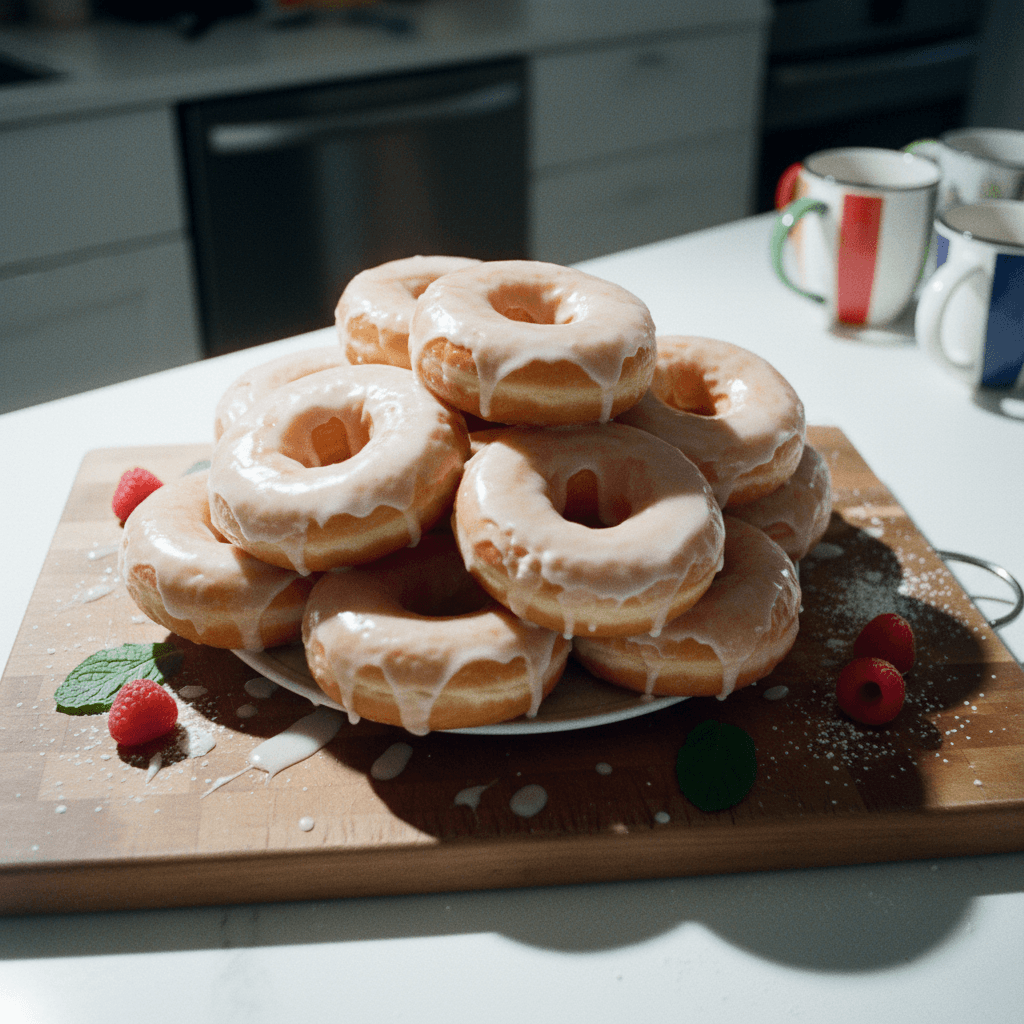
COPYCAT Krispy Kreme Glazed Donuts
COPYCAT Krispy Kreme Glazed Donuts
Ingredients
For the Donuts
- 1 1/2 cups milk, warm (no more than 110°F / 43°C)
- 2 1/4 teaspoons active dry yeast
- 1 tablespoon granulated sugar, for yeast
- 1/2 cup granulated sugar
- 1 teaspoon salt
- 2 eggs, room temperature
- 6 tablespoons butter, super softened (or butter-flavored Crisco shortening)
- 4 1/2 cups all-purpose flour
- 2 tablespoons cornstarch
- as needed oil, for frying
For the Glaze
- 4 cups powdered sugar
- 4 tablespoons milk, to 6 tablespoons
- a pinch salt
- 1/2 teaspoon vanilla extract, to 1 teaspoon
- 2 tablespoons light corn syrup
Instructions
- 1
Pour 1 1/2 cups of warm milk (no more than 110°F / 43°C) into a large mixing bowl.
⏱️ 1 min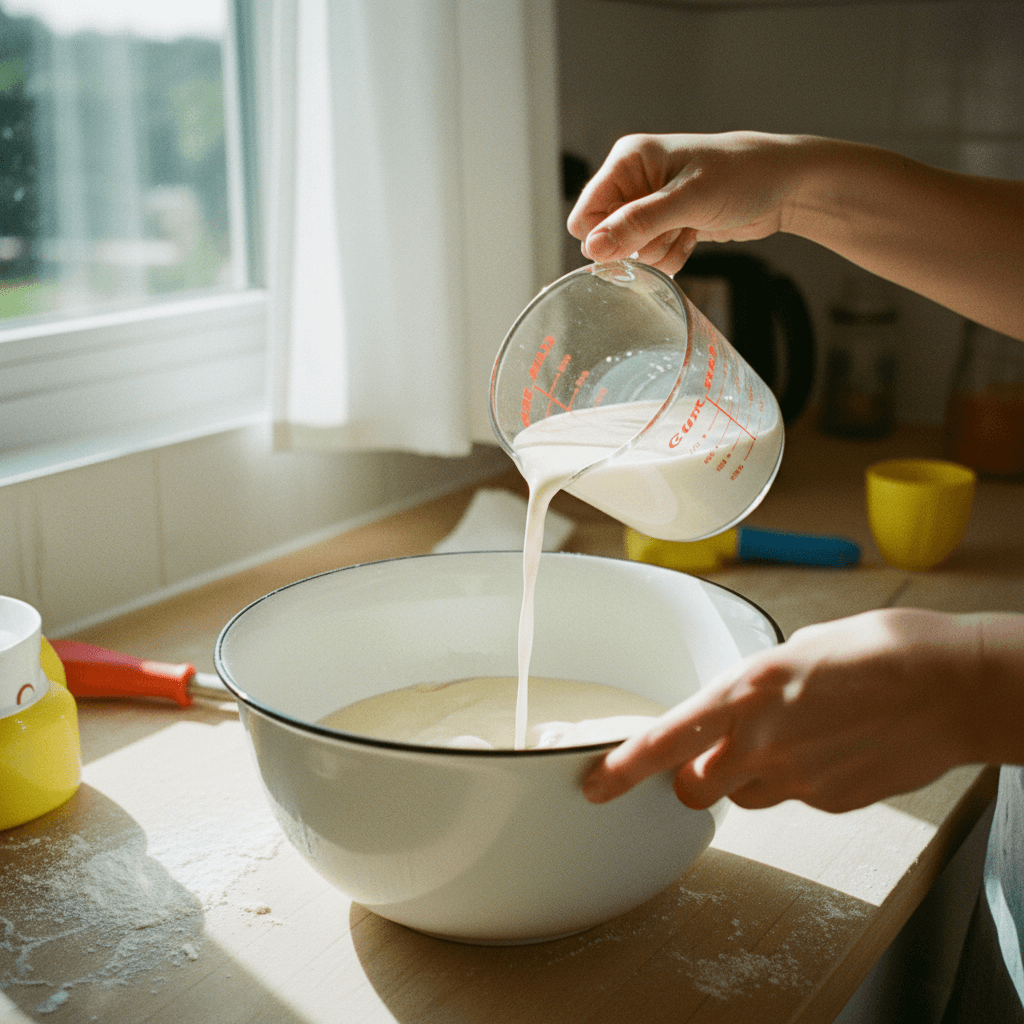
- 2
Add 2 1/4 teaspoons of active dry yeast and 1 tablespoon of granulated sugar to the milk.
⏱️ 1 min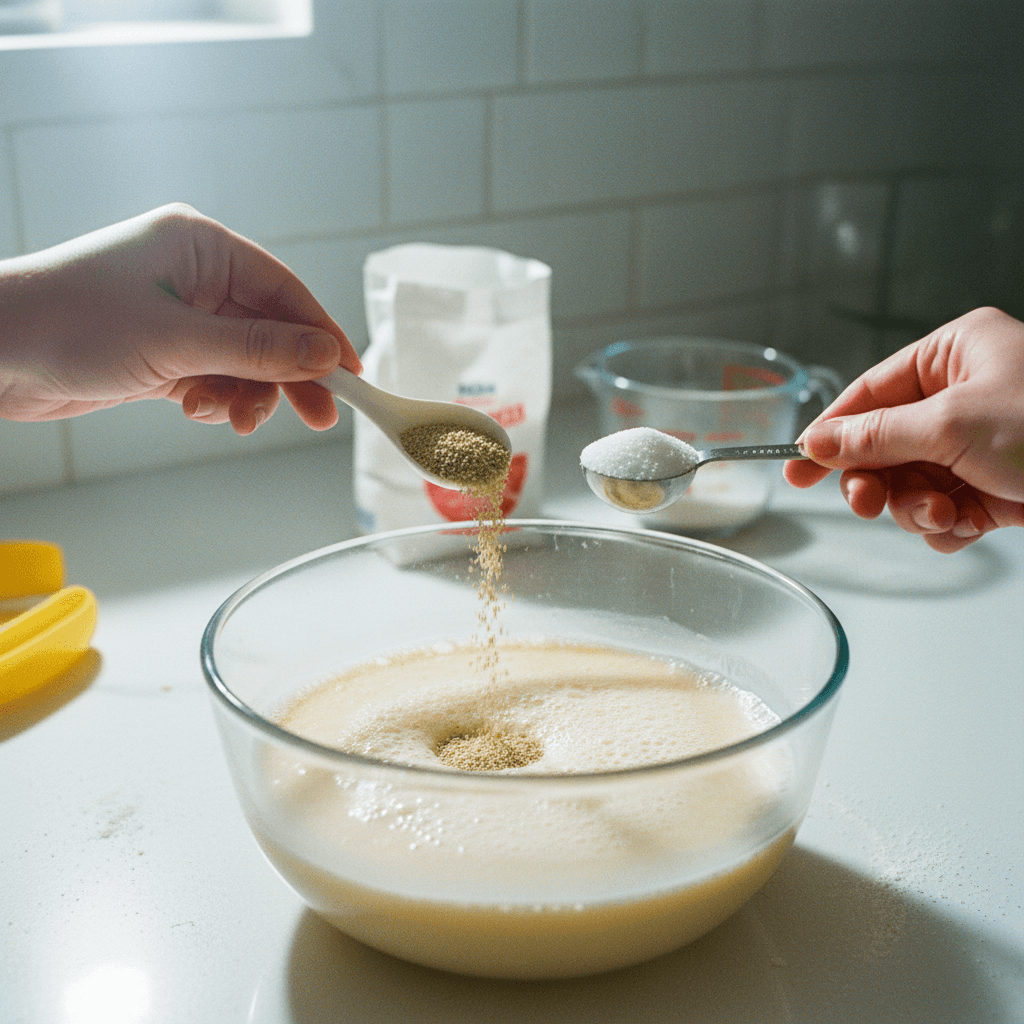
- 3
Stir the mixture gently and let it sit for about 5 to 10 minutes until a layer of foam forms on top, indicating the yeast is active.
⏱️ 10 min
- 4
Once the yeast mixture is foamy, add 1/2 cup of granulated sugar, 1 teaspoon of salt, and 2 room temperature eggs to the bowl.
⏱️ 2 min
- 5
Whisk the mixture thoroughly to break up the eggs and combine the ingredients.
⏱️ 1 min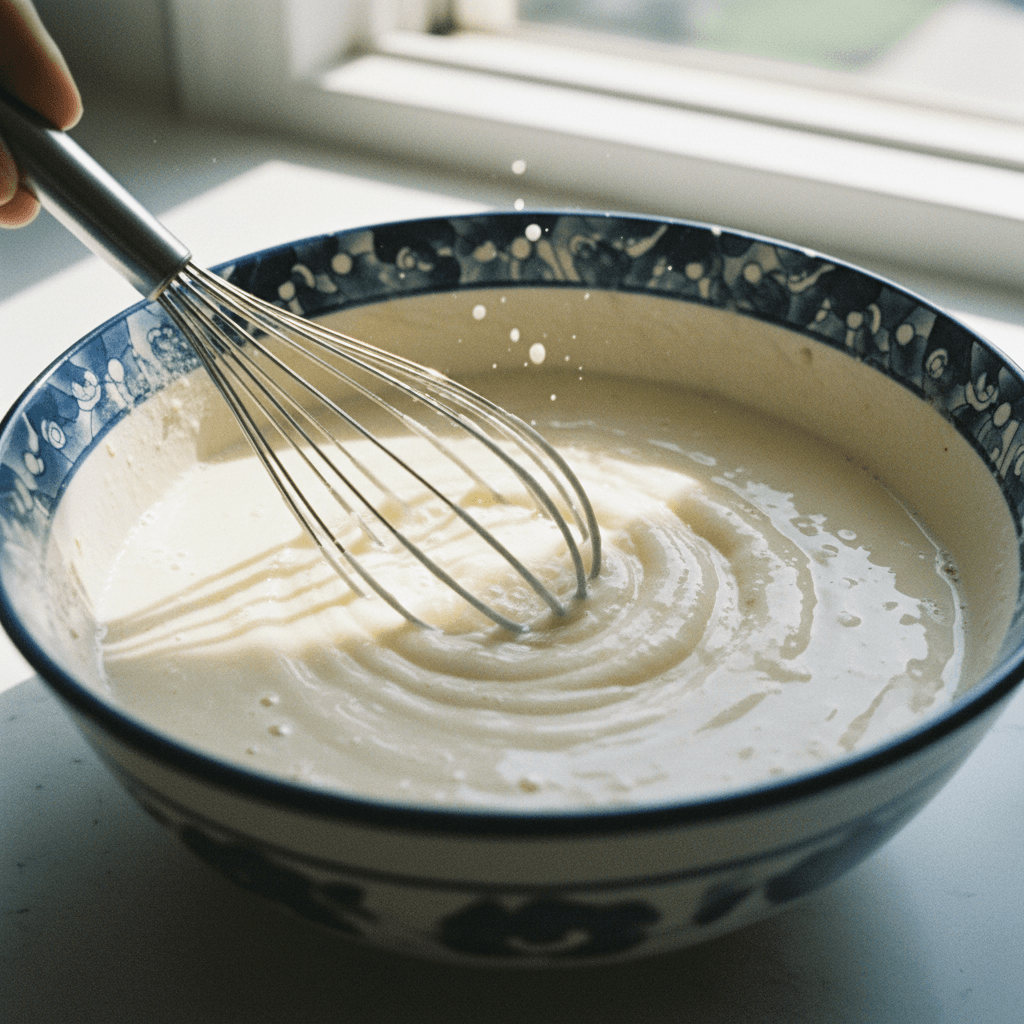
- 6
Add 6 tablespoons of super softened butter (or butter-flavored Crisco shortening) to the mixture.
⏱️ 1 min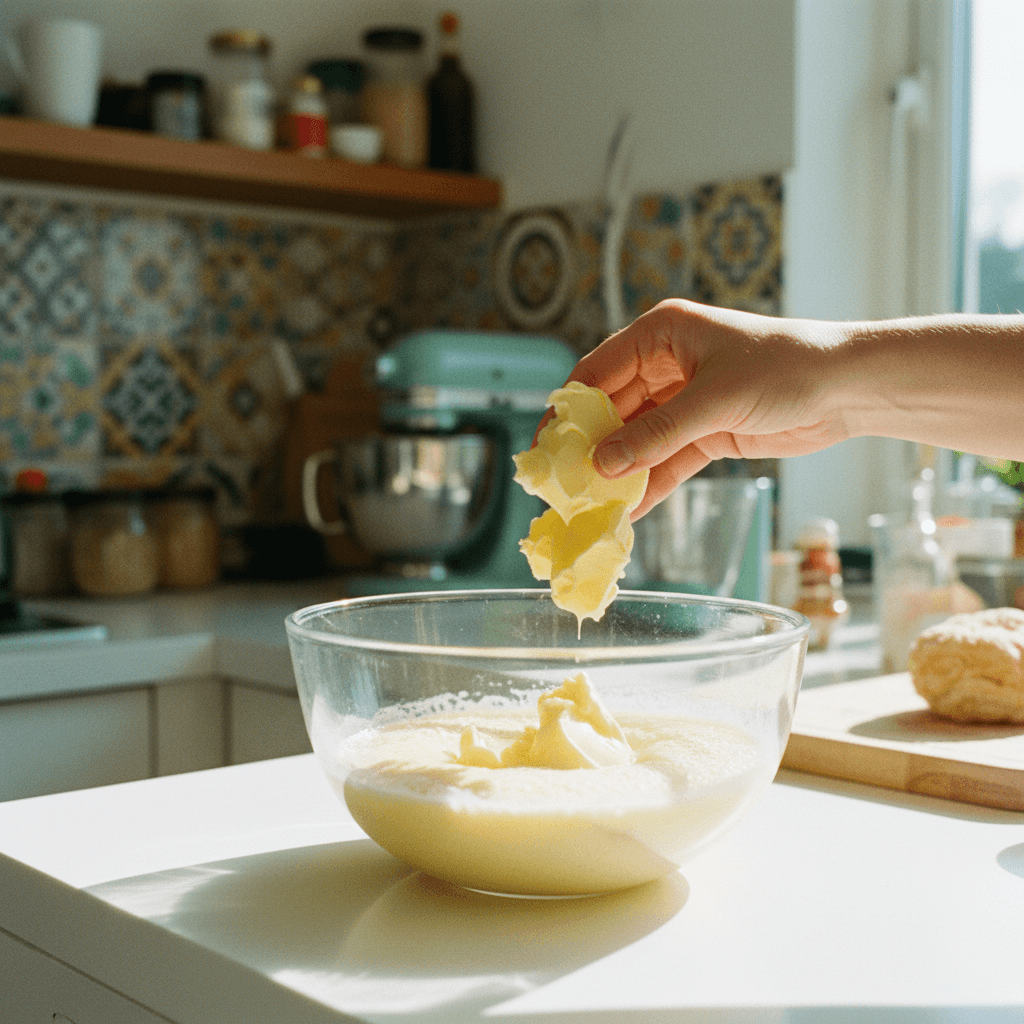
- 7
Mix everything together for about 30 seconds to emulsify the butter into the liquid ingredients.
⏱️ 1 min
- 8
Add half of the 4 1/2 cups of all-purpose flour and 2 tablespoons of cornstarch to the bowl.
⏱️ 1 min
- 9
Mix these ingredients in a little bit, then add the remaining flour.
⏱️ 1 min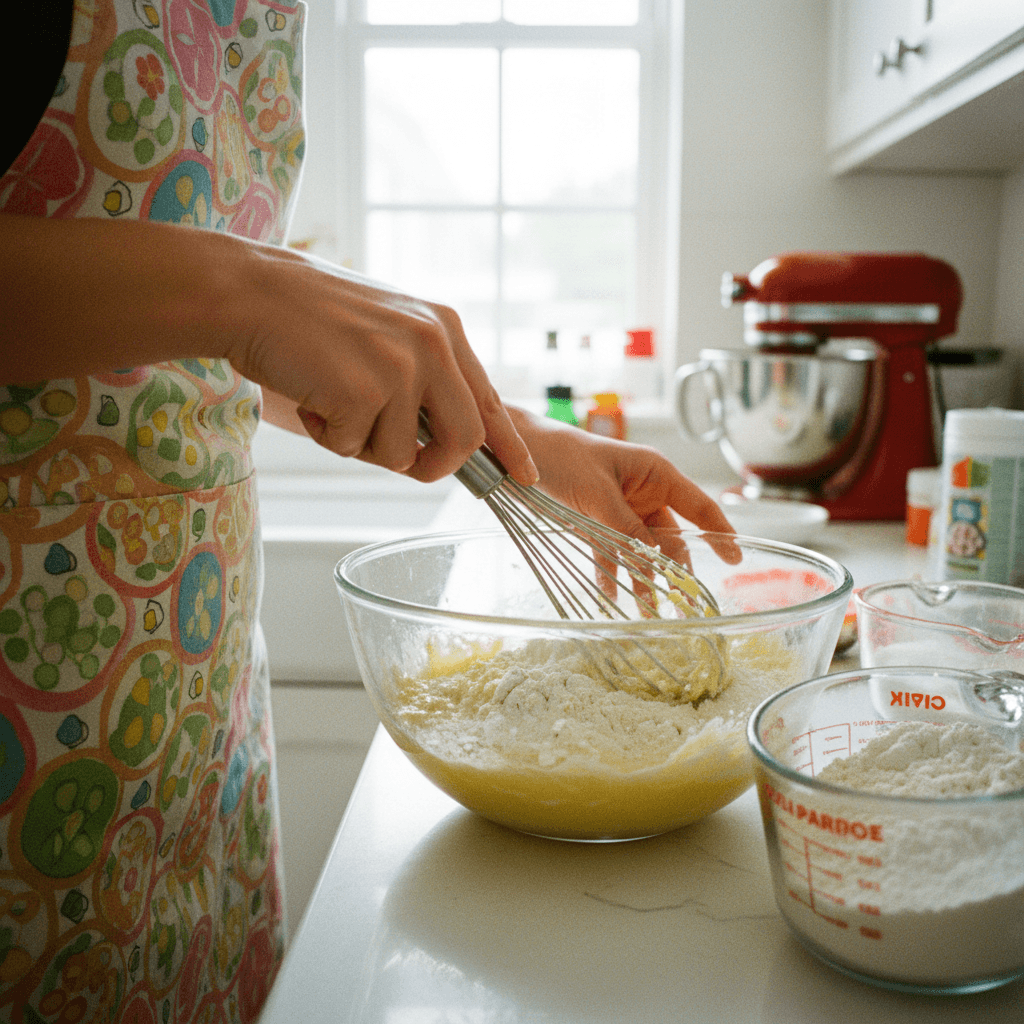
- 10
Continue mixing until a soft dough forms.
⏱️ 2 min
- 11
Turn the dough out onto a clean, lightly floured surface.
⏱️ 1 min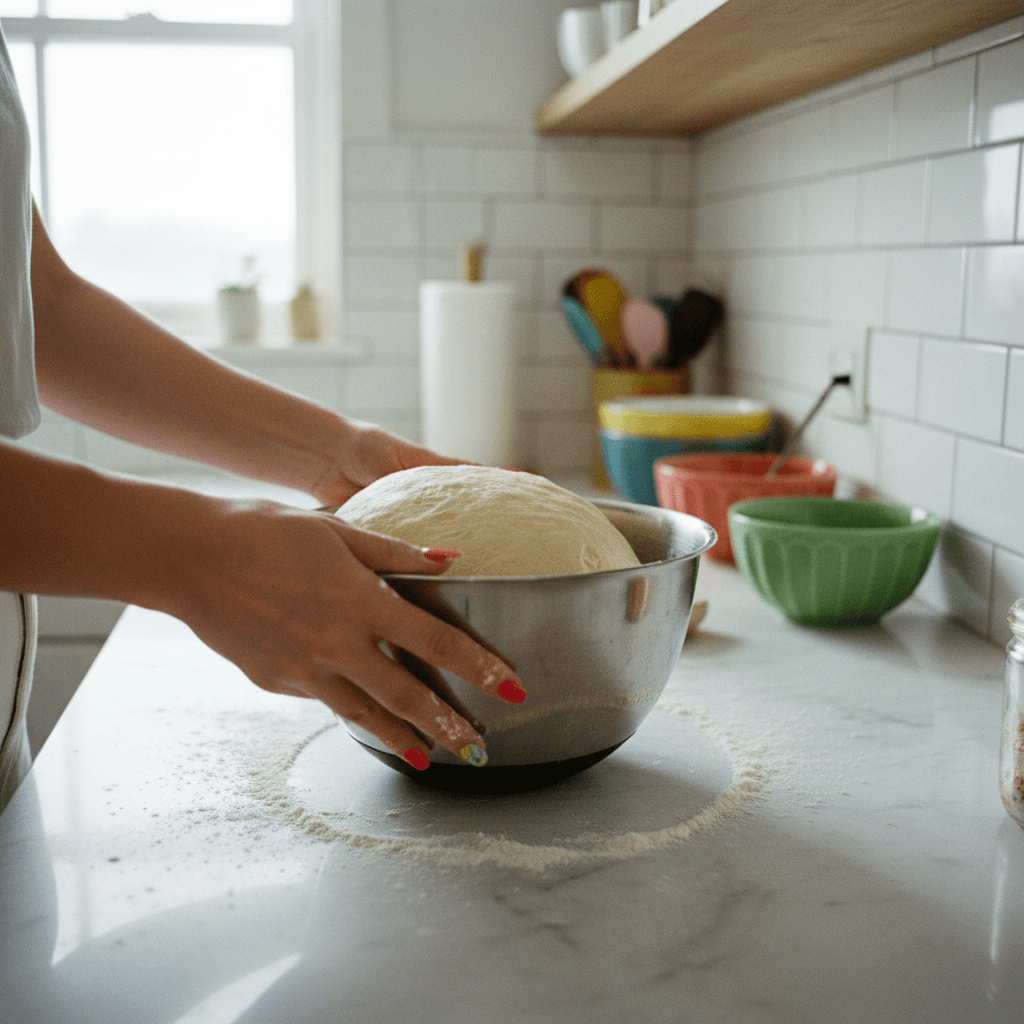
- 12
Knead the dough for approximately 3 minutes. The dough should be slightly sticky but not fully committed to sticking to your hands. If it's not coming together after 3 minutes, add a little more flour, but avoid adding too much just because it's sticky.
⏱️ 3 min
- 13
Place the kneaded dough into an oiled bowl.
⏱️ 1 min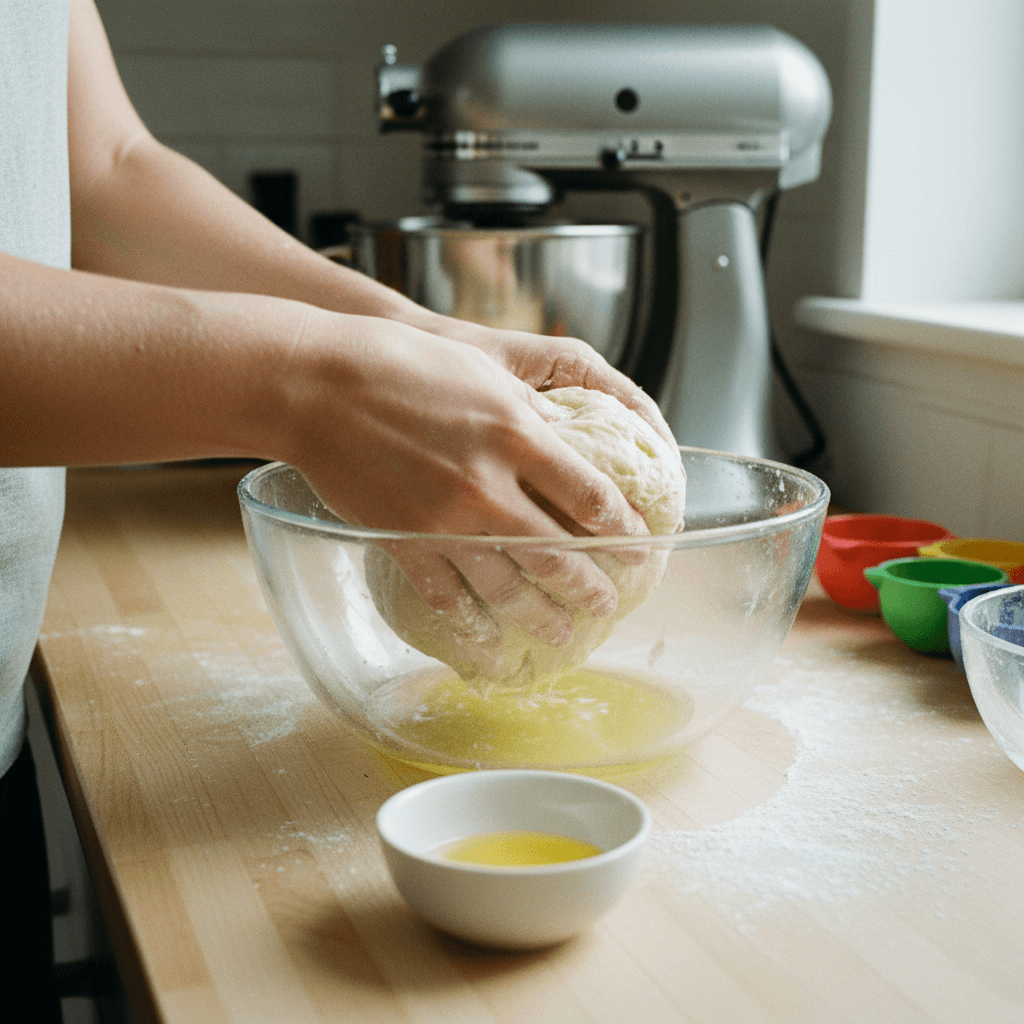
- 14
Cover the bowl with plastic wrap (or a towel if you don't have pets) and let it sit on the counter for about 1 1/2 to 2 hours, or until it has doubled in size.
⏱️ 120 min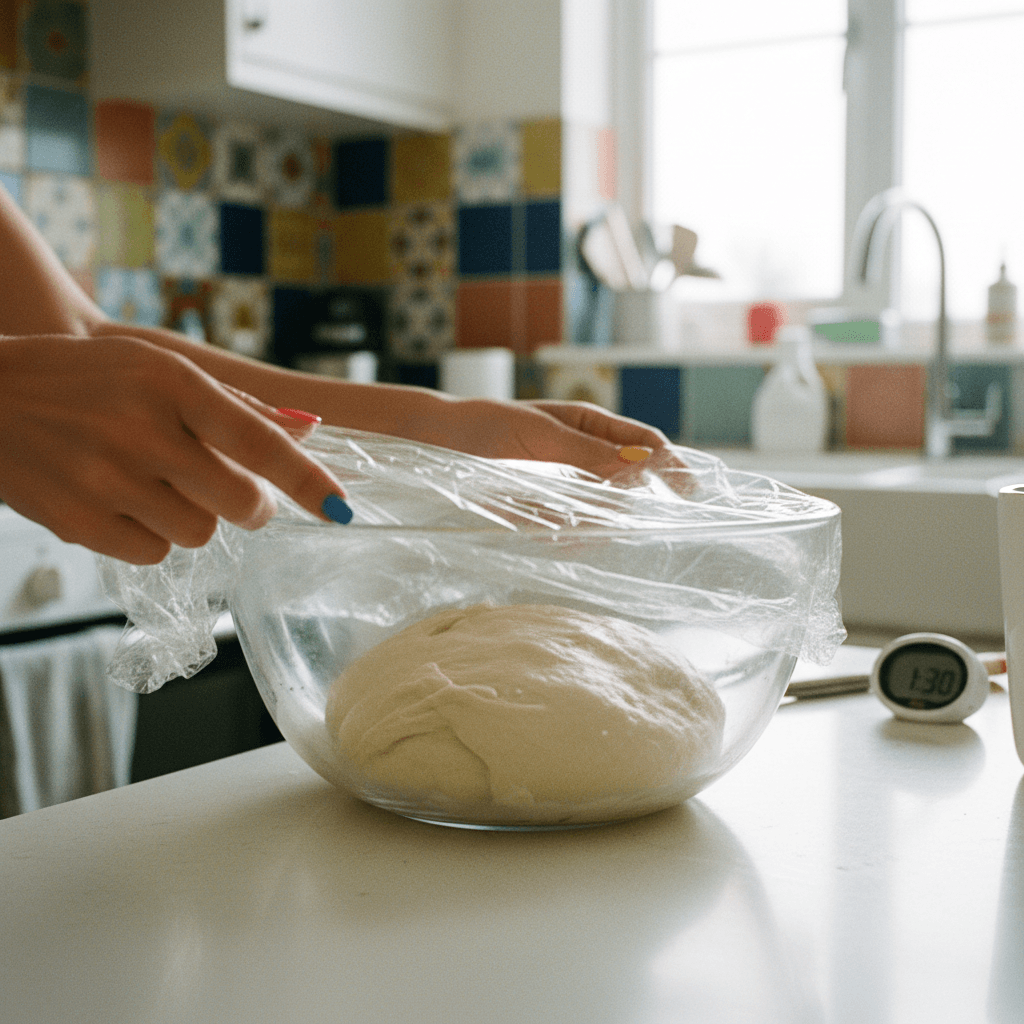
- 15
Once the dough has risen, gently press down in the center to deflate it.
⏱️ 1 min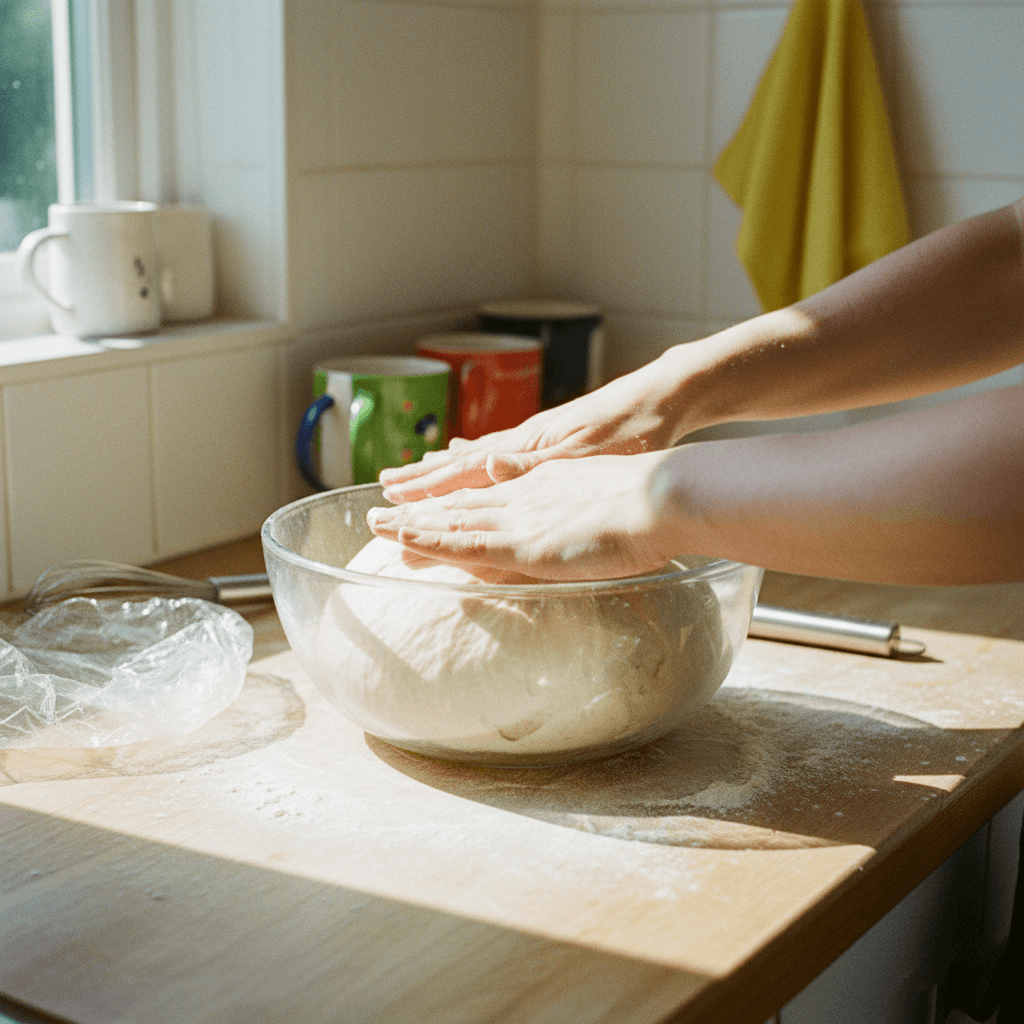
- 16
Lightly flour your work surface.
⏱️ 1 min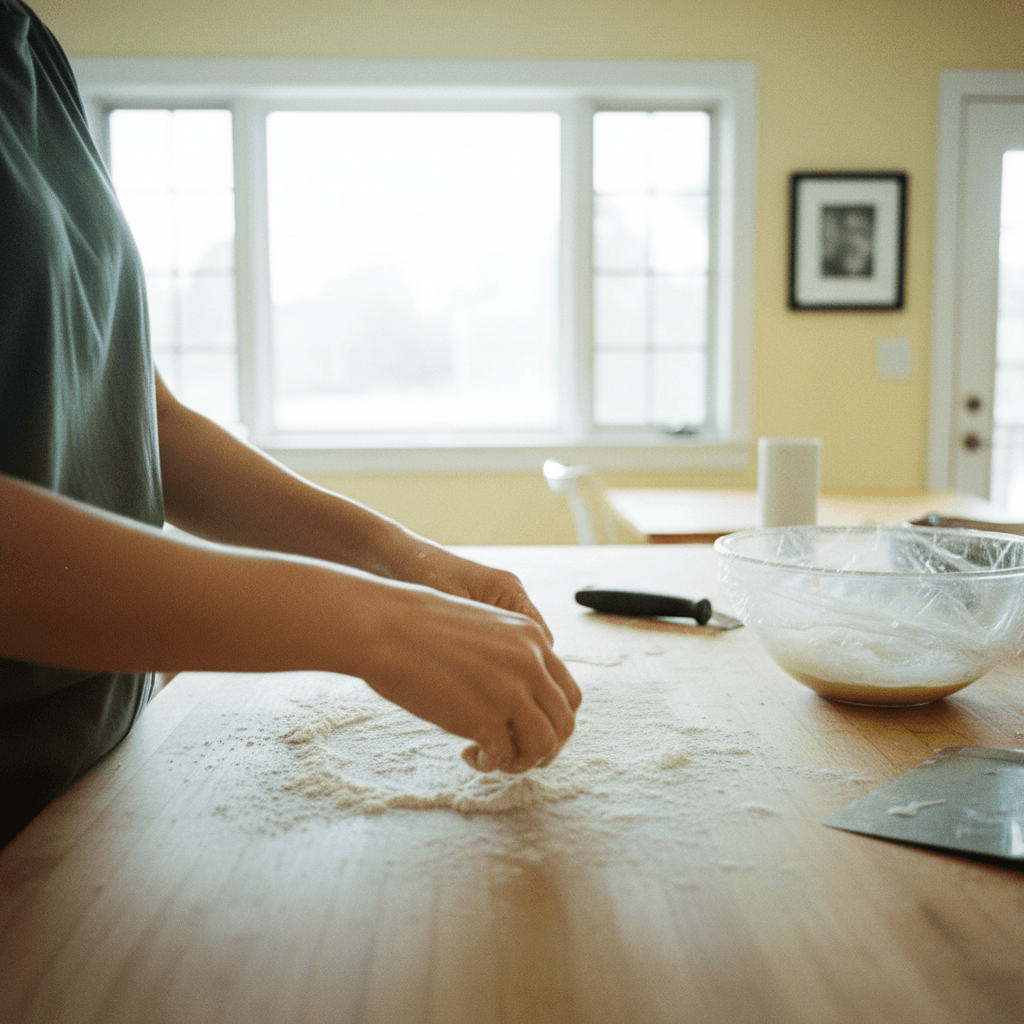
- 17
Scoop the dough out of the bowl and turn it onto the floured counter.
⏱️ 1 min
- 18
Using a rolling pin, roll out the dough to about a half-inch thickness.
⏱️ 3 min
- 19
Use a circular cookie cutter to cut out the donut shapes. For the middle holes, use a large Wilton 8B tip (or a smaller circular cutter).
⏱️ 5 min
- 20
Using a super thin metal spatula (or similar tool), carefully transfer each cut donut onto a square of parchment paper. The recipe yields about 22 donuts and several donut holes.
⏱️ 5 min
- 21
Cover the cut donuts and donut holes with plastic wrap and let them rise for another 30 to 40 minutes, or until they become puffy and "jiggly."
⏱️ 40 min
- 22
While the donuts are undergoing their second rise, prepare the glaze. In a mixing bowl, combine 4 cups of powdered sugar, 4 to 6 tablespoons of milk, a pinch of salt, 1/2 to 1 teaspoon of vanilla extract, and 2 tablespoons of light corn syrup.
⏱️ 5 min
- 23
Mix with a hand mixer until a smooth, pourable glaze is formed.
⏱️ 2 min
- 24
Heat oil in a deep pan to 350°F (175°C).
⏱️ 5 min•🌡️ 350
- 25
Carefully place the risen donuts (still on their parchment paper squares) into the hot oil. The parchment paper will help maintain their shape.
⏱️ 2 min
- 26
After a couple of seconds, use tongs to remove the parchment paper from under the donuts.
⏱️ 1 min
- 27
Fry the donuts for about 1 minute on each side, until they are golden brown.
⏱️ 5 min
- 28
Once fried, remove the donuts from the oil and place them on a cookie drying rack set over a cookie sheet (or a paper towel-lined plate) to drain excess oil.
⏱️ 2 min
- 29
It is best to glaze the donuts while they are still warm. Take each warm donut, press it down into the prepared glaze, lift it straight up, and then flip it back onto the cooling rack to allow excess glaze to drip off.
⏱️ 5 min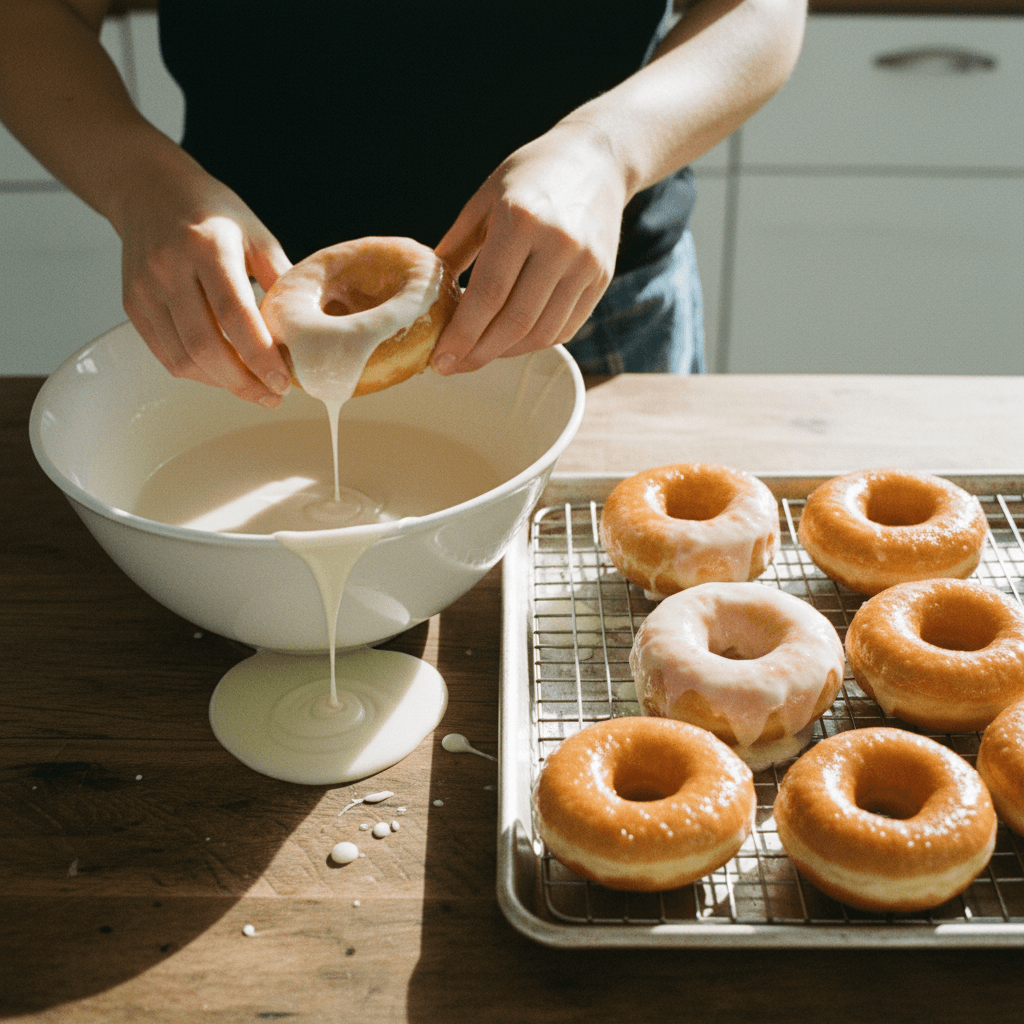
- 30
Serve and enjoy!
⏱️ 1 min
Kitchen Tools
COPYCAT Krispy Kreme Glazed Donuts
For the Donuts
- 1 1/2 cups milk, warm (no more than 110°F / 43°C)
- 2 1/4 teaspoons active dry yeast
- 1 tablespoon granulated sugar, for yeast
- 1/2 cup granulated sugar
- 1 teaspoon salt
- 2 eggs, room temperature
- 6 tablespoons butter, super softened (or butter-flavored Crisco shortening)
- 4 1/2 cups all-purpose flour
- 2 tablespoons cornstarch
- as needed oil, for frying
For the Glaze
- 4 cups powdered sugar
- 4 tablespoons milk, to 6 tablespoons
- a pinch salt
- 1/2 teaspoon vanilla extract, to 1 teaspoon
- 2 tablespoons light corn syrup
Instructions
- 1
Pour 1 1/2 cups of warm milk (no more than 110°F / 43°C) into a large mixing bowl.
⏱️ 1 min - 2
Add 2 1/4 teaspoons of active dry yeast and 1 tablespoon of granulated sugar to the milk.
⏱️ 1 min - 3
Stir the mixture gently and let it sit for about 5 to 10 minutes until a layer of foam forms on top, indicating the yeast is active.
⏱️ 10 min - 4
Once the yeast mixture is foamy, add 1/2 cup of granulated sugar, 1 teaspoon of salt, and 2 room temperature eggs to the bowl.
⏱️ 2 min - 5
Whisk the mixture thoroughly to break up the eggs and combine the ingredients.
⏱️ 1 min - 6
Add 6 tablespoons of super softened butter (or butter-flavored Crisco shortening) to the mixture.
⏱️ 1 min - 7
Mix everything together for about 30 seconds to emulsify the butter into the liquid ingredients.
⏱️ 1 min - 8
Add half of the 4 1/2 cups of all-purpose flour and 2 tablespoons of cornstarch to the bowl.
⏱️ 1 min - 9
Mix these ingredients in a little bit, then add the remaining flour.
⏱️ 1 min - 10
Continue mixing until a soft dough forms.
⏱️ 2 min - 11
Turn the dough out onto a clean, lightly floured surface.
⏱️ 1 min - 12
Knead the dough for approximately 3 minutes. The dough should be slightly sticky but not fully committed to sticking to your hands. If it's not coming together after 3 minutes, add a little more flour, but avoid adding too much just because it's sticky.
⏱️ 3 min - 13
Place the kneaded dough into an oiled bowl.
⏱️ 1 min - 14
Cover the bowl with plastic wrap (or a towel if you don't have pets) and let it sit on the counter for about 1 1/2 to 2 hours, or until it has doubled in size.
⏱️ 120 min - 15
Once the dough has risen, gently press down in the center to deflate it.
⏱️ 1 min - 16
Lightly flour your work surface.
⏱️ 1 min - 17
Scoop the dough out of the bowl and turn it onto the floured counter.
⏱️ 1 min - 18
Using a rolling pin, roll out the dough to about a half-inch thickness.
⏱️ 3 min - 19
Use a circular cookie cutter to cut out the donut shapes. For the middle holes, use a large Wilton 8B tip (or a smaller circular cutter).
⏱️ 5 min - 20
Using a super thin metal spatula (or similar tool), carefully transfer each cut donut onto a square of parchment paper. The recipe yields about 22 donuts and several donut holes.
⏱️ 5 min - 21
Cover the cut donuts and donut holes with plastic wrap and let them rise for another 30 to 40 minutes, or until they become puffy and "jiggly."
⏱️ 40 min - 22
While the donuts are undergoing their second rise, prepare the glaze. In a mixing bowl, combine 4 cups of powdered sugar, 4 to 6 tablespoons of milk, a pinch of salt, 1/2 to 1 teaspoon of vanilla extract, and 2 tablespoons of light corn syrup.
⏱️ 5 min - 23
Mix with a hand mixer until a smooth, pourable glaze is formed.
⏱️ 2 min - 24
Heat oil in a deep pan to 350°F (175°C).
⏱️ 5 min•🌡️ 350 - 25
Carefully place the risen donuts (still on their parchment paper squares) into the hot oil. The parchment paper will help maintain their shape.
⏱️ 2 min - 26
After a couple of seconds, use tongs to remove the parchment paper from under the donuts.
⏱️ 1 min - 27
Fry the donuts for about 1 minute on each side, until they are golden brown.
⏱️ 5 min - 28
Once fried, remove the donuts from the oil and place them on a cookie drying rack set over a cookie sheet (or a paper towel-lined plate) to drain excess oil.
⏱️ 2 min - 29
It is best to glaze the donuts while they are still warm. Take each warm donut, press it down into the prepared glaze, lift it straight up, and then flip it back onto the cooling rack to allow excess glaze to drip off.
⏱️ 5 min - 30
Serve and enjoy!
⏱️ 1 min