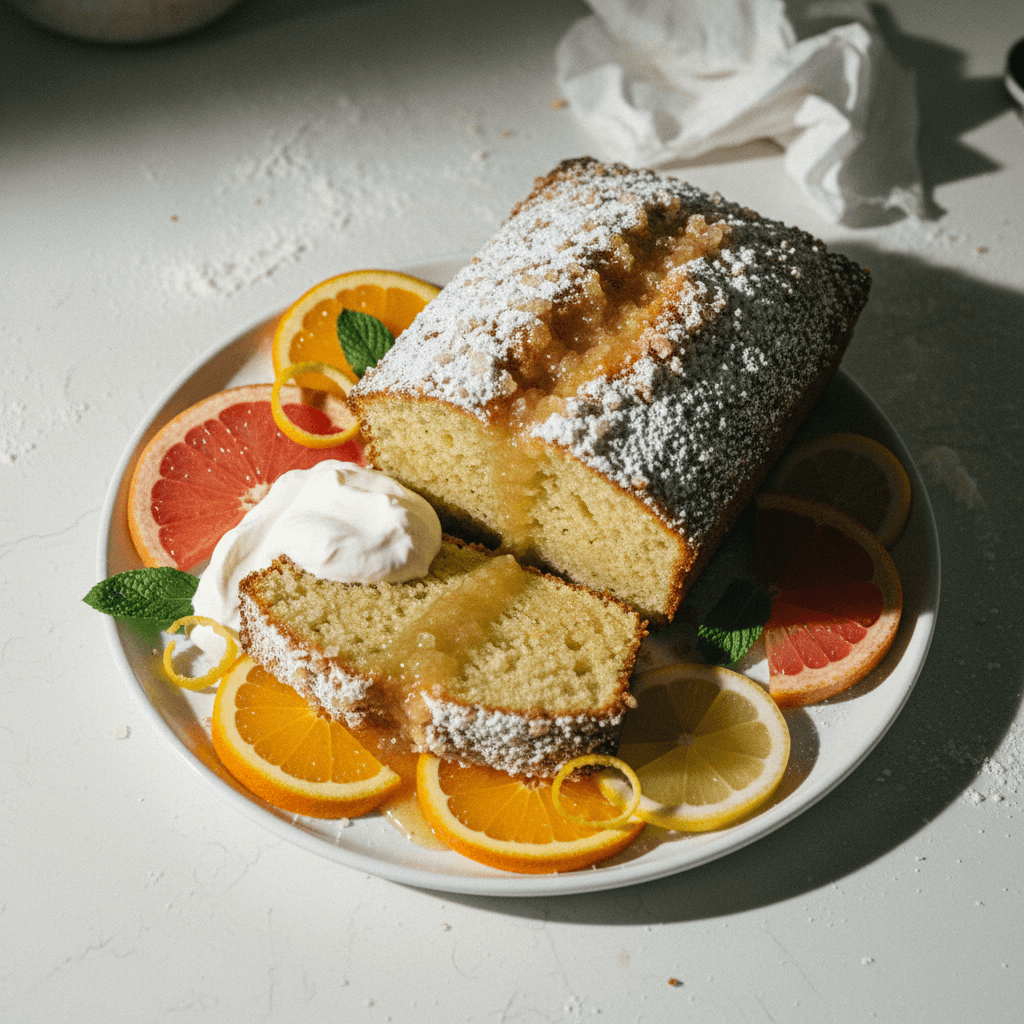
Winter Citrus Olive Oil Loaf with Sour Cream
Winter Citrus Olive Oil Loaf with Sour Cream
Ingredients
For the Loaf
- 1 grapefruit, zested
- 1 lemon, zested
- 1 1/2 cups granulated sugar
- 2 cups all-purpose flour, sifted
- 2 teaspoons baking powder
- 1/2 teaspoon salt
- 3 large eggs
- 1 cup sour cream, full-fat
- 1/2 cup olive oil, light-flavored
- 1 teaspoon vanilla extract
- as needed cooking spray
For the Citrus Soak
- 1 grapefruit, juiced
- 1 orange, juiced
- 1 lemon, juiced
- 1/2 cup granulated sugar
Instructions
- 1
Preheat your oven to 350°F (175°C). Generously spray a 9x5 inch loaf pan with cooking spray.
⏱️ 5 min•🌡️ 350
- 2
In a large mixing bowl, zest the entire grapefruit and lemon directly into the bowl. Add 1 1/2 cups of granulated sugar. Using your hands, rub the zest into the sugar until it is fragrant and the sugar is infused with citrus oils. This step is crucial for maximizing citrus flavor.
⏱️ 5 min
- 3
To the citrus-infused sugar, add the large eggs, sour cream, olive oil, and vanilla extract. Whisk these wet ingredients together until well combined and smooth.
⏱️ 5 min
- 4
In a separate medium bowl, whisk together the sifted all-purpose flour, baking powder, and salt.
⏱️ 2 min
- 5
Gradually add the dry ingredients to the wet ingredients, mixing with a whisk until just combined. Be careful not to overmix; a few lumps are okay. The batter should be thick but pourable.
⏱️ 3 min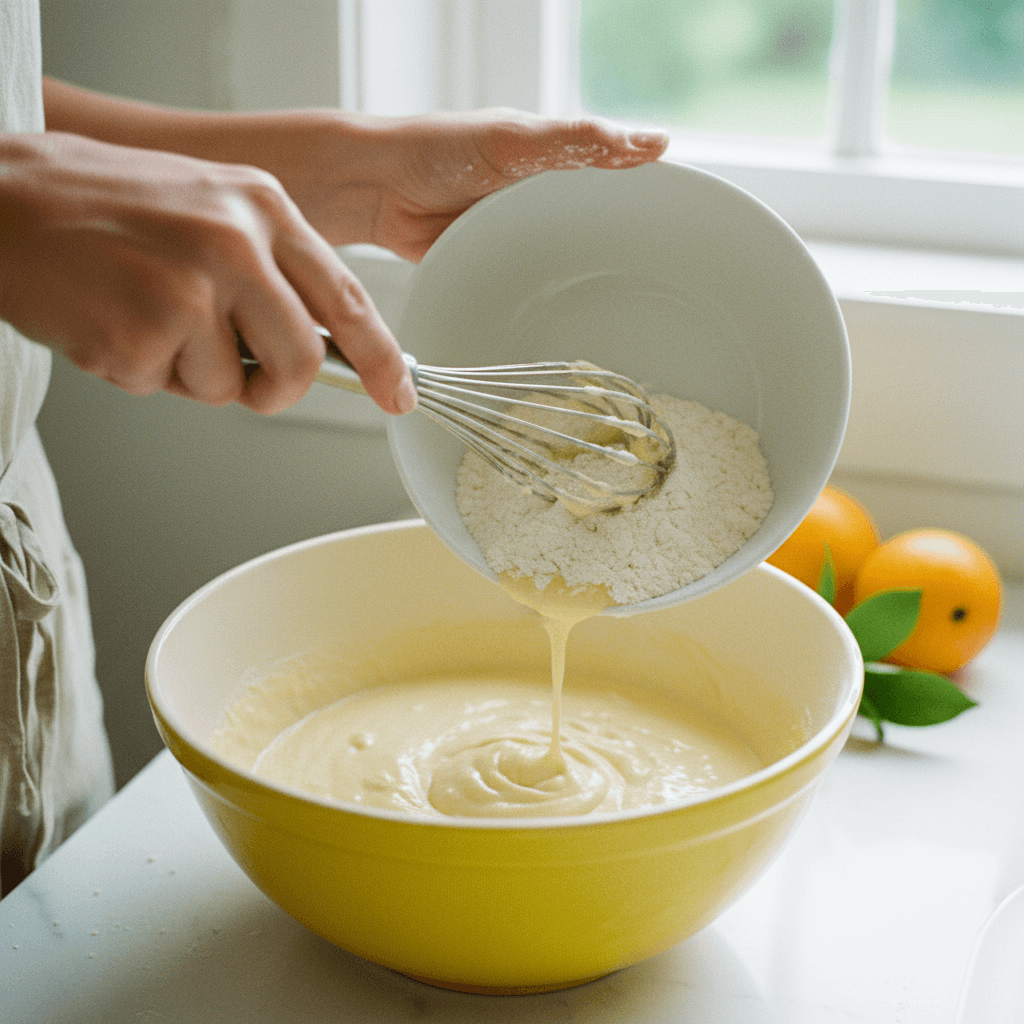
- 6
Pour the prepared batter into the greased loaf pan, using a spatula to scrape out all the batter from the bowl. Gently tap the pan on the counter a few times to release any air bubbles.
⏱️ 2 min
- 7
Use a knife to score a line down the center of the batter in the loaf pan. This helps the loaf bake evenly and creates a characteristic crack on top.
⏱️ 1 min
- 8
Bake for 45-55 minutes, or until a wooden skewer or thin knife inserted into the center of the loaf comes out clean. The loaf should be golden brown on top.
⏱️ 45 min•🌡️ 350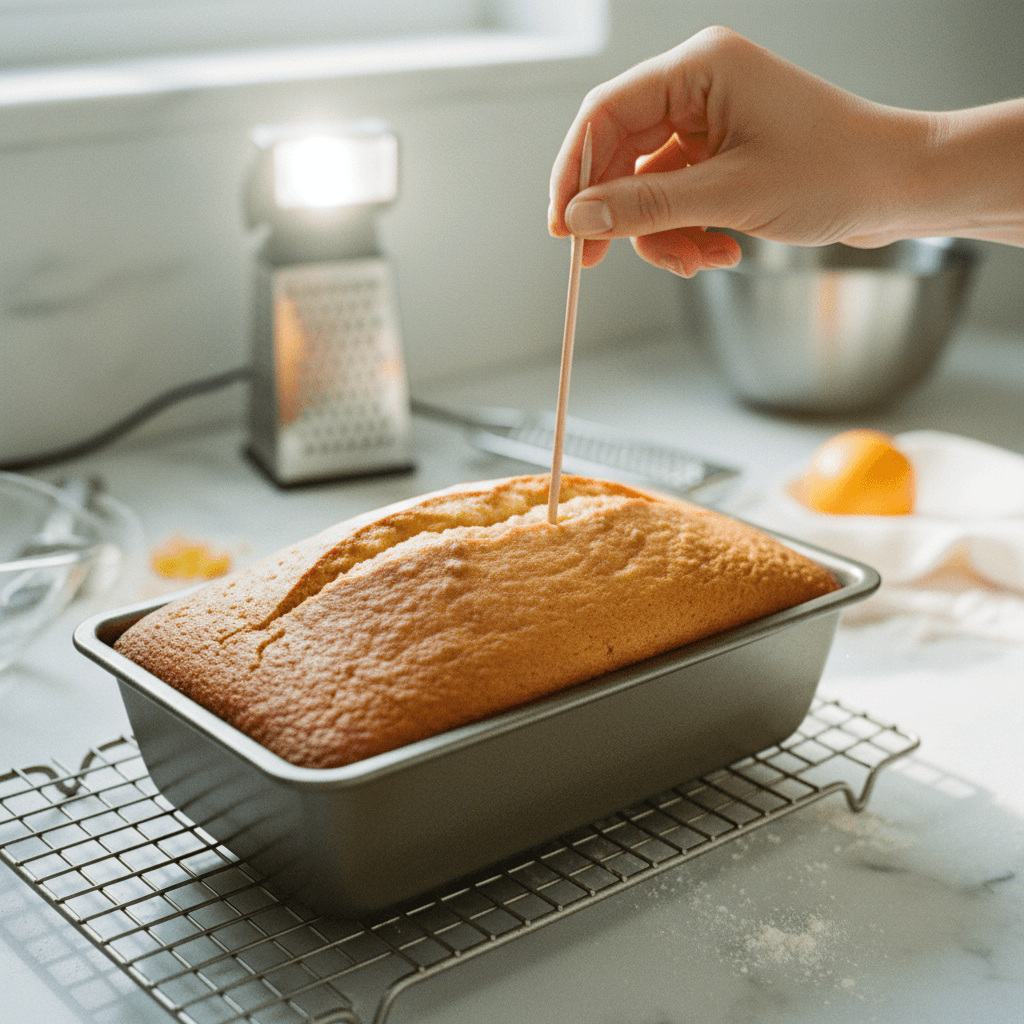
- 9
While the loaf is baking, prepare the citrus soak. Cut the grapefruit, orange, and lemon in half. Using a citrus juicer, extract the juice from all three fruits into a measuring cup. You should aim for about 3/4 to 1 cup of juice.
⏱️ 5 min
- 10
Add 1/2 cup of granulated sugar to the freshly squeezed citrus juice. Stir the mixture until the sugar is dissolved. Do not heat this mixture; keeping it unheated preserves the fresh citrus flavor and allows for sugar recrystallization.
⏱️ 2 min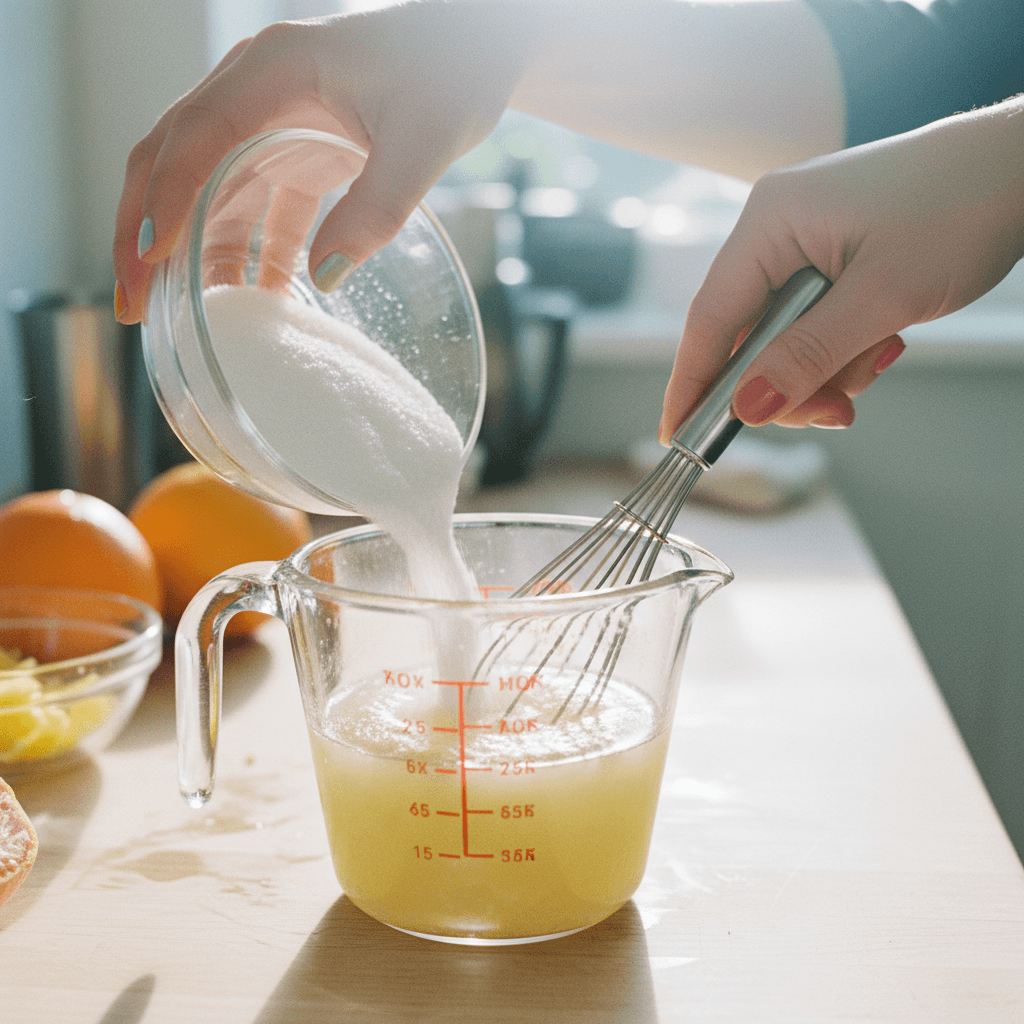
- 11
Once the loaf is removed from the oven, and while it is still hot and in the pan, slowly pour the prepared citrus soak evenly over the top of the loaf. Use a spoon to help distribute the soak and ensure it runs down the sides and into the cracks.
⏱️ 3 min
- 12
Allow the loaf to cool completely in its pan on a wire rack. This passive time is crucial for the loaf to fully absorb the soak and for the sugar to recrystallize, creating a delicious, slightly crunchy edge.
⏱️ 60 min - 13
Once completely cooled, carefully invert the loaf pan to release the loaf onto a cutting board. Slice into thick pieces and serve.
⏱️ 1 min
Kitchen Tools
Nutrition Facts (per serving)
Winter Citrus Olive Oil Loaf with Sour Cream
For the Loaf
- 1 grapefruit, zested
- 1 lemon, zested
- 1 1/2 cups granulated sugar
- 2 cups all-purpose flour, sifted
- 2 teaspoons baking powder
- 1/2 teaspoon salt
- 3 large eggs
- 1 cup sour cream, full-fat
- 1/2 cup olive oil, light-flavored
- 1 teaspoon vanilla extract
- as needed cooking spray
For the Citrus Soak
- 1 grapefruit, juiced
- 1 orange, juiced
- 1 lemon, juiced
- 1/2 cup granulated sugar
Instructions
- 1
Preheat your oven to 350°F (175°C). Generously spray a 9x5 inch loaf pan with cooking spray.
⏱️ 5 min•🌡️ 350 - 2
In a large mixing bowl, zest the entire grapefruit and lemon directly into the bowl. Add 1 1/2 cups of granulated sugar. Using your hands, rub the zest into the sugar until it is fragrant and the sugar is infused with citrus oils. This step is crucial for maximizing citrus flavor.
⏱️ 5 min - 3
To the citrus-infused sugar, add the large eggs, sour cream, olive oil, and vanilla extract. Whisk these wet ingredients together until well combined and smooth.
⏱️ 5 min - 4
In a separate medium bowl, whisk together the sifted all-purpose flour, baking powder, and salt.
⏱️ 2 min - 5
Gradually add the dry ingredients to the wet ingredients, mixing with a whisk until just combined. Be careful not to overmix; a few lumps are okay. The batter should be thick but pourable.
⏱️ 3 min - 6
Pour the prepared batter into the greased loaf pan, using a spatula to scrape out all the batter from the bowl. Gently tap the pan on the counter a few times to release any air bubbles.
⏱️ 2 min - 7
Use a knife to score a line down the center of the batter in the loaf pan. This helps the loaf bake evenly and creates a characteristic crack on top.
⏱️ 1 min - 8
Bake for 45-55 minutes, or until a wooden skewer or thin knife inserted into the center of the loaf comes out clean. The loaf should be golden brown on top.
⏱️ 45 min•🌡️ 350 - 9
While the loaf is baking, prepare the citrus soak. Cut the grapefruit, orange, and lemon in half. Using a citrus juicer, extract the juice from all three fruits into a measuring cup. You should aim for about 3/4 to 1 cup of juice.
⏱️ 5 min - 10
Add 1/2 cup of granulated sugar to the freshly squeezed citrus juice. Stir the mixture until the sugar is dissolved. Do not heat this mixture; keeping it unheated preserves the fresh citrus flavor and allows for sugar recrystallization.
⏱️ 2 min - 11
Once the loaf is removed from the oven, and while it is still hot and in the pan, slowly pour the prepared citrus soak evenly over the top of the loaf. Use a spoon to help distribute the soak and ensure it runs down the sides and into the cracks.
⏱️ 3 min - 12
Allow the loaf to cool completely in its pan on a wire rack. This passive time is crucial for the loaf to fully absorb the soak and for the sugar to recrystallize, creating a delicious, slightly crunchy edge.
⏱️ 60 min - 13
Once completely cooled, carefully invert the loaf pan to release the loaf onto a cutting board. Slice into thick pieces and serve.
⏱️ 1 min