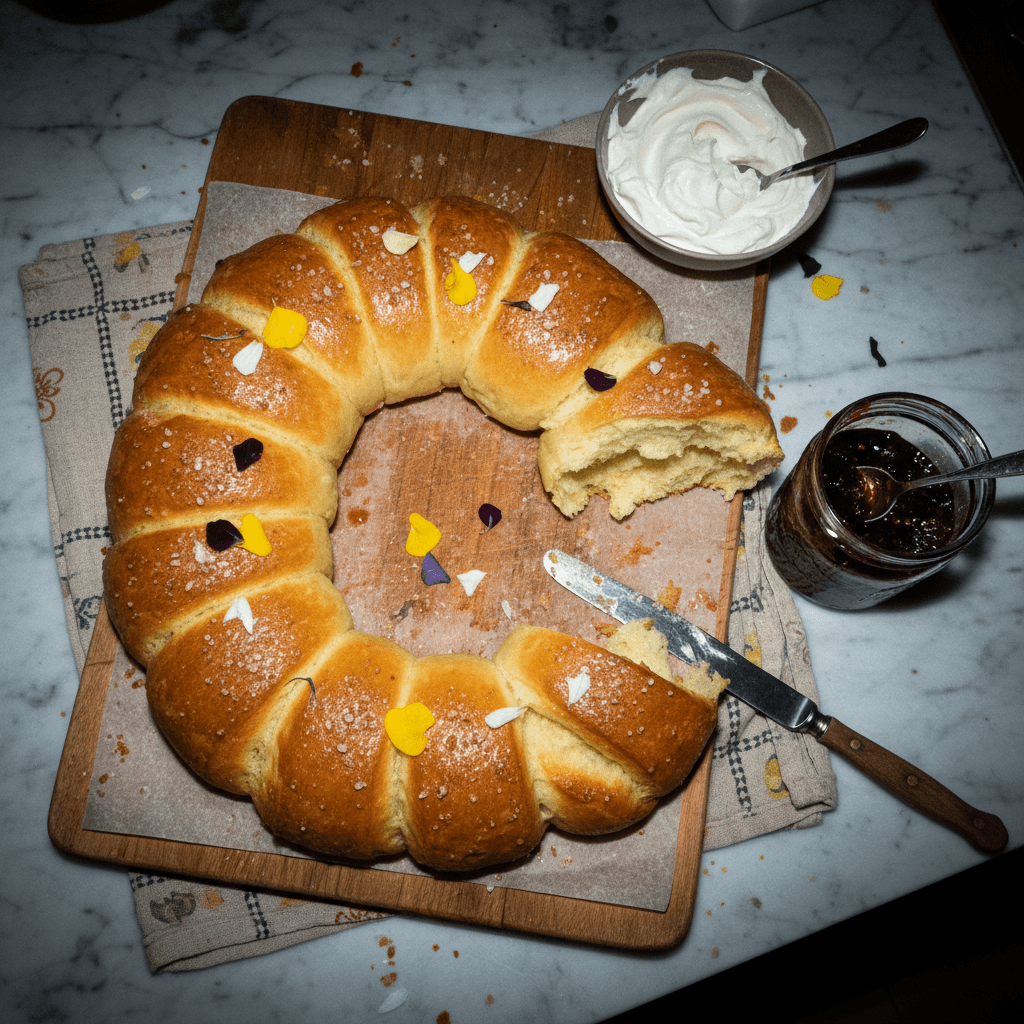
Croissant-shaped Pull-Apart Milk Bread
Croissant-shaped Pull-Apart Milk Bread
Ingredients
For the Milk Bread Dough
- 1 cup warm milk, warmed to 105-115°F
- 1/4 cup granulated sugar, divided
- 2 1/4 teaspoons active dry yeast
- 1 large egg, room temperature
- 3 3/4 cups all-purpose flour
- 1 1/4 teaspoons salt
- 1/4 cup unsalted butter, softened
For the Egg Wash
- 1 large egg
- 1 tablespoon milk
Instructions
- 1
In the bowl of a stand mixer, combine the warm milk and 1 teaspoon of the granulated sugar. Sprinkle the active dry yeast over the mixture and let it sit for 5-10 minutes until foamy. This indicates the yeast is active.
⏱️ 10 min
- 2
Add the remaining granulated sugar, the large egg, all-purpose flour, and salt to the yeast mixture. Using the dough hook attachment, mix on low speed until a shaggy dough forms, about 2-3 minutes. Scrape down the sides of the bowl as needed.
⏱️ 5 min
- 3
Increase the mixer speed to medium-low and knead for 8-10 minutes until the dough is smooth and elastic. The dough should pull away from the sides of the bowl.
⏱️ 10 min
- 4
With the mixer still running on low, add the softened unsalted butter one tablespoon at a time, allowing each piece to incorporate before adding the next. Continue kneading for another 5-7 minutes until the dough is very smooth, soft, and slightly tacky.
⏱️ 7 min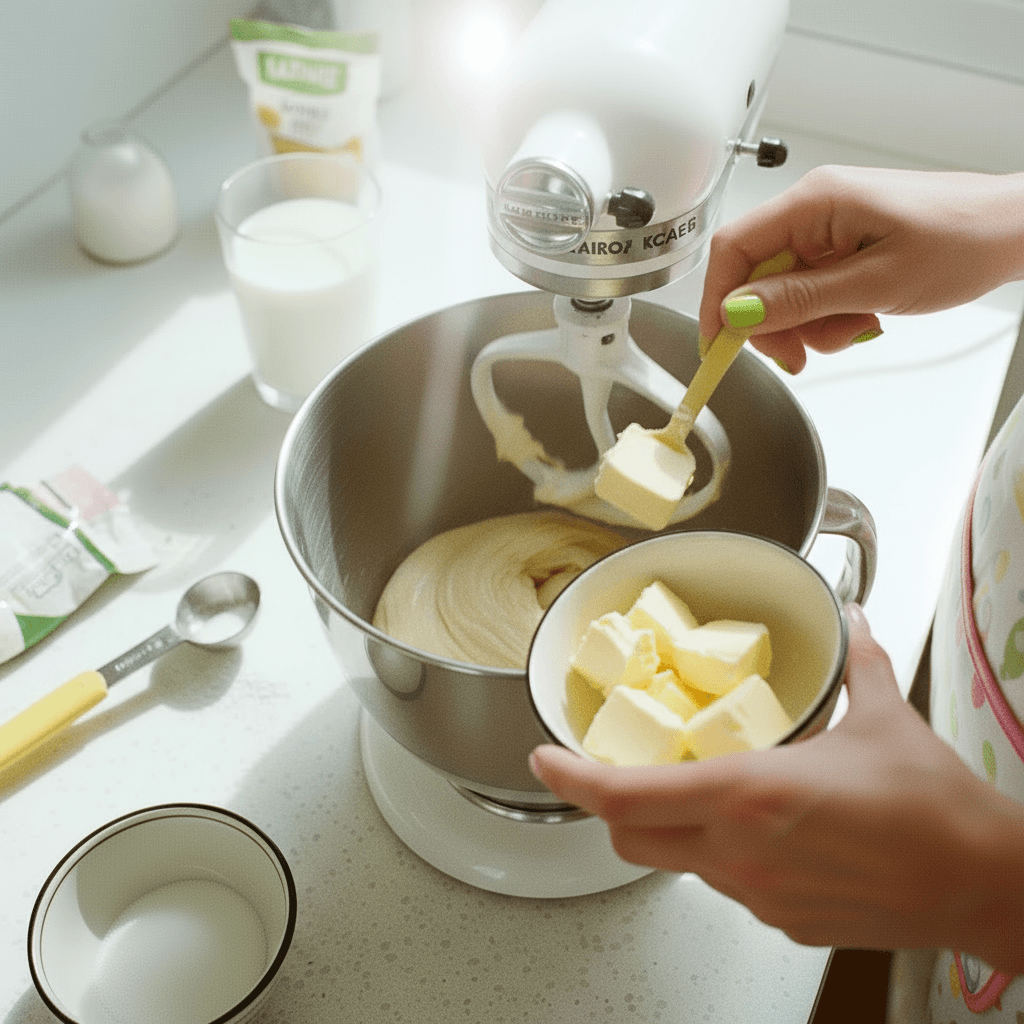
- 5
Transfer the dough to a lightly oiled bowl, turning once to coat. Cover the bowl with plastic wrap or a clean kitchen towel and let it proof in a warm place for 1 to 1 1/2 hours, or until doubled in size.
⏱️ 90 min
- 6
Gently deflate the proofed dough and transfer it to a lightly floured work surface. Divide the dough into 9 equal pieces, each weighing approximately 88 grams. Round each piece into a smooth ball and let them rest, covered, for 10 minutes.
⏱️ 15 min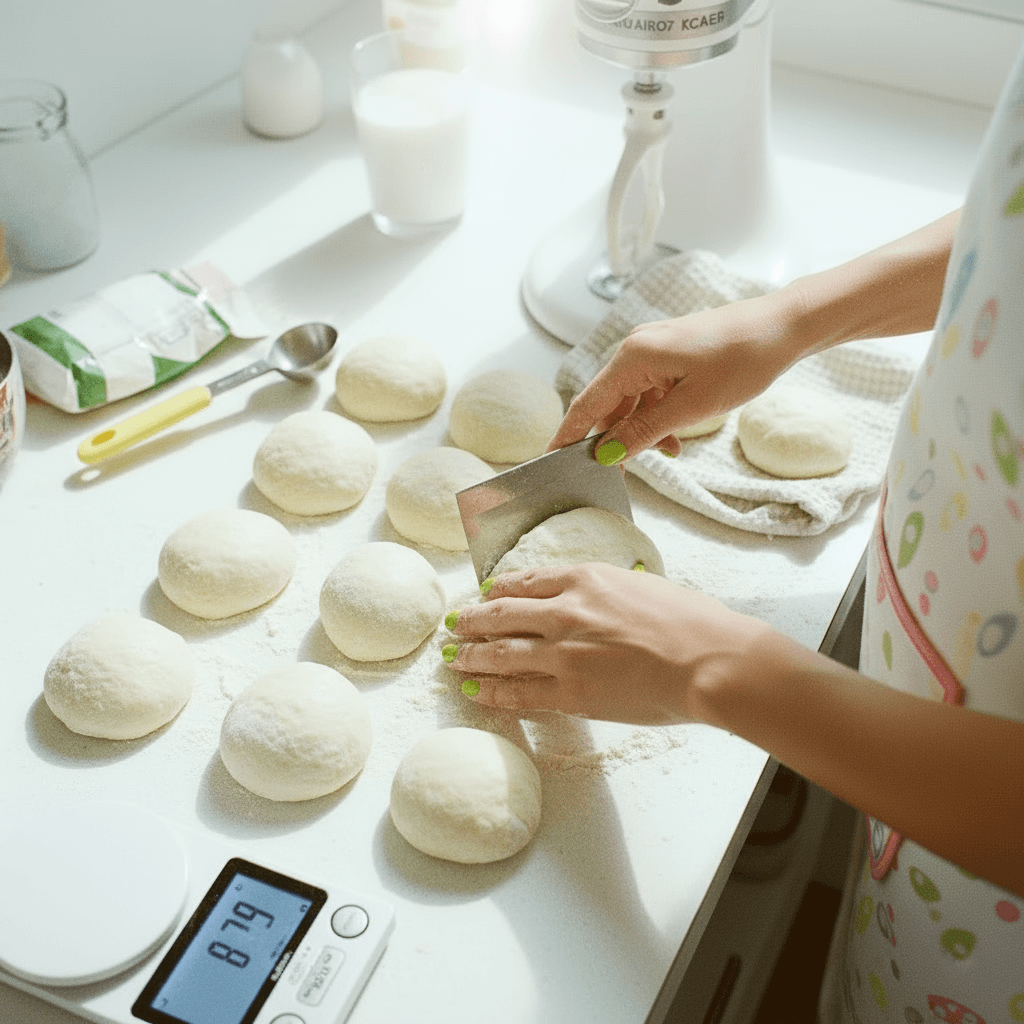
- 7
Take one dough ball and flatten it into a rectangular shape using a rolling pin. Fold the rectangle in half lengthwise and flatten it again, elongating it. This helps create layers.
⏱️ 10 min
- 8
Roll the elongated dough tightly from one end to the other to form a long, thin cylinder. Gently flatten and stretch this cylinder into a tapered strip, making one end wider and the other narrower.
⏱️ 10 min
- 9
Starting from the wider end, carefully roll the tapered strip towards the narrower tip, creating a distinct croissant shape. Repeat this shaping process for all remaining dough pieces.
⏱️ 10 min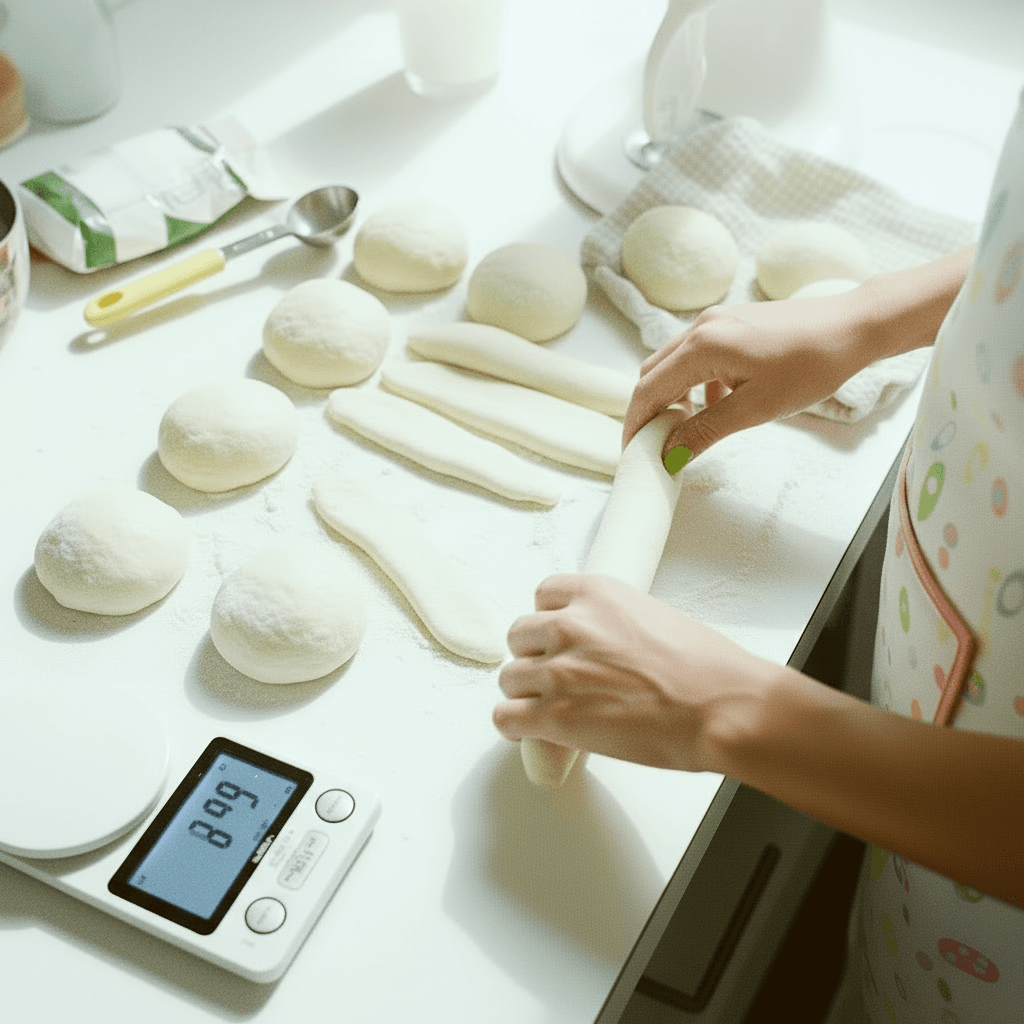
- 10
Lightly grease a 9x13 inch rectangular baking pan. Arrange the shaped dough pieces in a 3x3 grid within the prepared pan, leaving a little space between them.
⏱️ 5 min
- 11
Cover the pan loosely with plastic wrap or a clean kitchen towel and let the rolls proof again in a warm place for 45-60 minutes, or until they have doubled in size and are touching each other, filling the pan.
⏱️ 60 min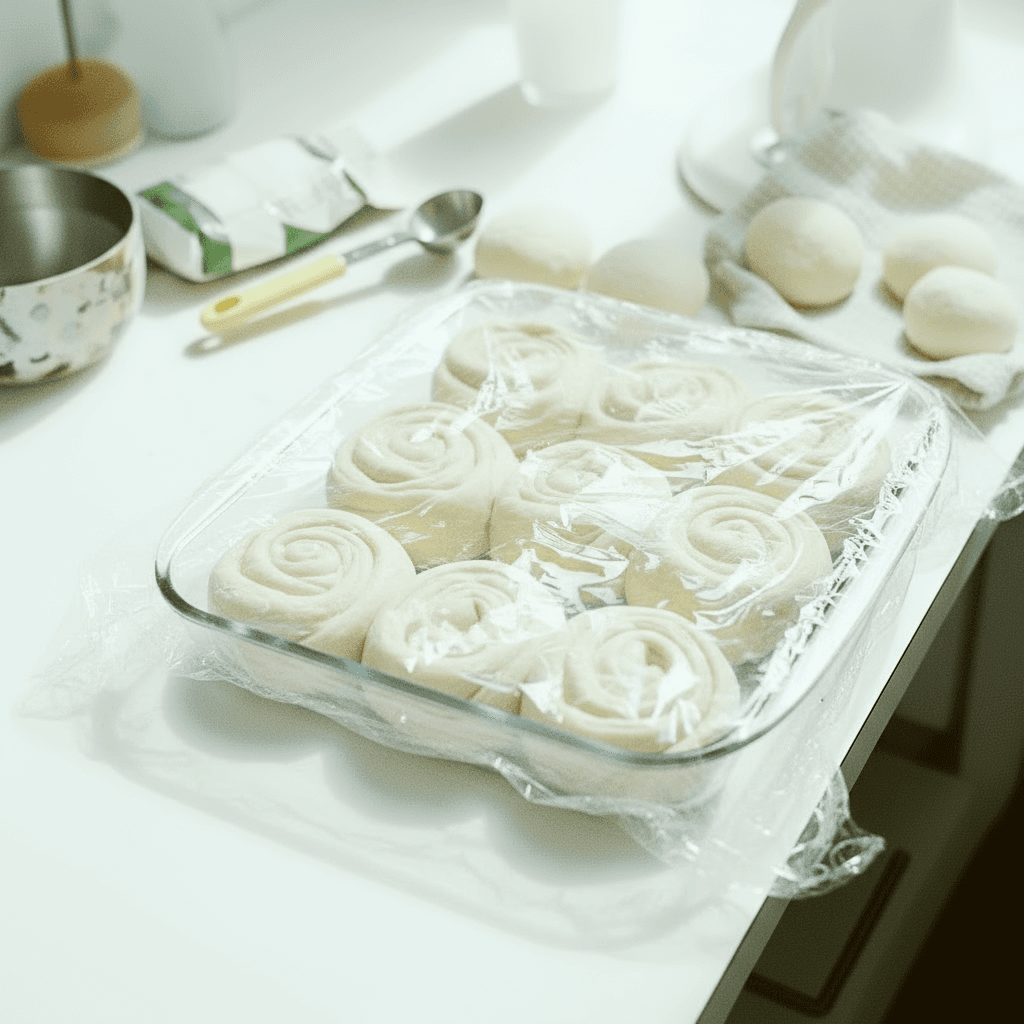
- 12
Preheat your oven to 350°F (175°C). While the oven preheats, prepare the egg wash by whisking together the large egg and 1 tablespoon of milk in a small bowl.
⏱️ 15 min•🌡️ 350
- 13
Gently brush the tops of the proofed rolls with the egg wash. Be careful not to deflate them.
⏱️ 2 min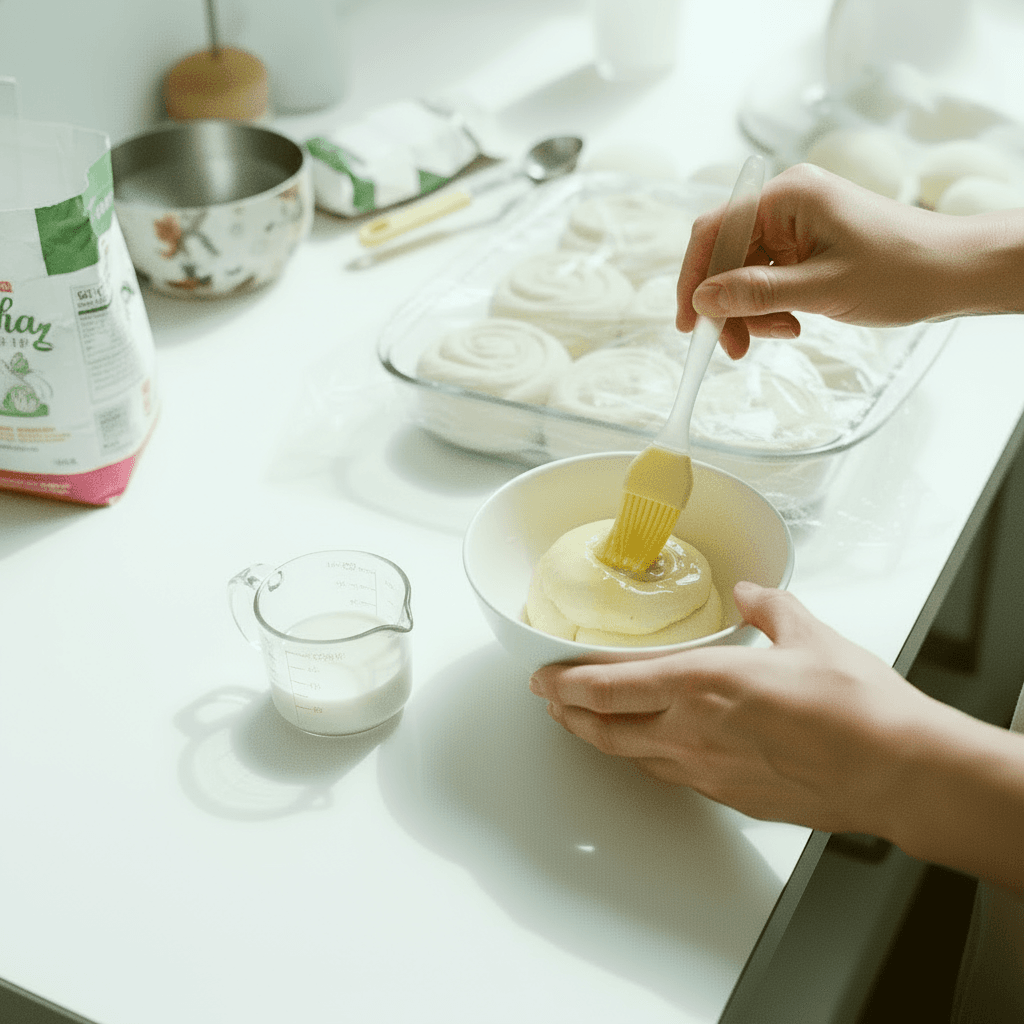
- 14
Bake for 20-25 minutes, or until the rolls are golden brown and glossy on top. If they start to brown too quickly, you can loosely tent them with aluminum foil.
⏱️ 25 min•🌡️ 350
- 15
Remove the pan from the oven and let the bread cool in the pan for 5-10 minutes before transferring it to a wire rack to cool completely. Serve warm or at room temperature.
⏱️ 15 min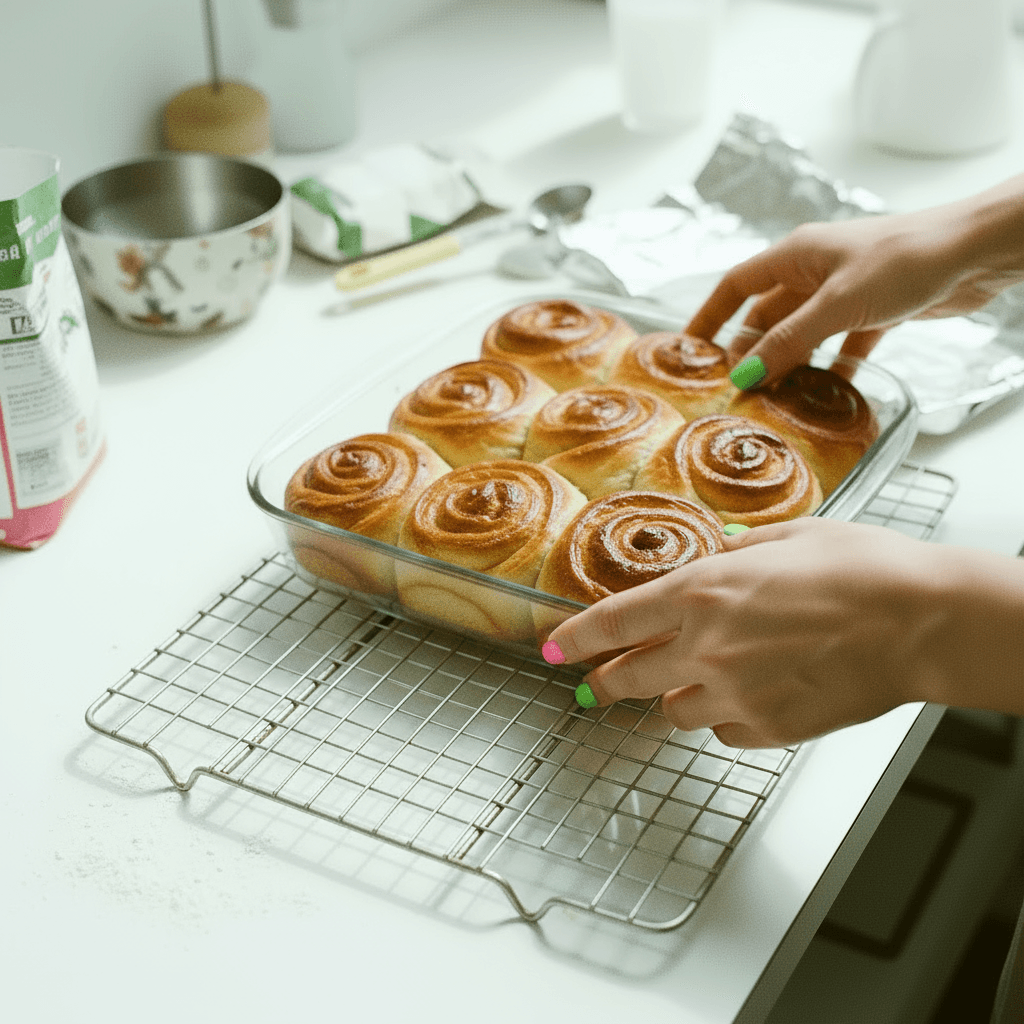
Kitchen Tools
Nutrition Facts (per serving)
Croissant-shaped Pull-Apart Milk Bread
For the Milk Bread Dough
- 1 cup warm milk, warmed to 105-115°F
- 1/4 cup granulated sugar, divided
- 2 1/4 teaspoons active dry yeast
- 1 large egg, room temperature
- 3 3/4 cups all-purpose flour
- 1 1/4 teaspoons salt
- 1/4 cup unsalted butter, softened
For the Egg Wash
- 1 large egg
- 1 tablespoon milk
Instructions
- 1
In the bowl of a stand mixer, combine the warm milk and 1 teaspoon of the granulated sugar. Sprinkle the active dry yeast over the mixture and let it sit for 5-10 minutes until foamy. This indicates the yeast is active.
⏱️ 10 min - 2
Add the remaining granulated sugar, the large egg, all-purpose flour, and salt to the yeast mixture. Using the dough hook attachment, mix on low speed until a shaggy dough forms, about 2-3 minutes. Scrape down the sides of the bowl as needed.
⏱️ 5 min - 3
Increase the mixer speed to medium-low and knead for 8-10 minutes until the dough is smooth and elastic. The dough should pull away from the sides of the bowl.
⏱️ 10 min - 4
With the mixer still running on low, add the softened unsalted butter one tablespoon at a time, allowing each piece to incorporate before adding the next. Continue kneading for another 5-7 minutes until the dough is very smooth, soft, and slightly tacky.
⏱️ 7 min - 5
Transfer the dough to a lightly oiled bowl, turning once to coat. Cover the bowl with plastic wrap or a clean kitchen towel and let it proof in a warm place for 1 to 1 1/2 hours, or until doubled in size.
⏱️ 90 min - 6
Gently deflate the proofed dough and transfer it to a lightly floured work surface. Divide the dough into 9 equal pieces, each weighing approximately 88 grams. Round each piece into a smooth ball and let them rest, covered, for 10 minutes.
⏱️ 15 min - 7
Take one dough ball and flatten it into a rectangular shape using a rolling pin. Fold the rectangle in half lengthwise and flatten it again, elongating it. This helps create layers.
⏱️ 10 min - 8
Roll the elongated dough tightly from one end to the other to form a long, thin cylinder. Gently flatten and stretch this cylinder into a tapered strip, making one end wider and the other narrower.
⏱️ 10 min - 9
Starting from the wider end, carefully roll the tapered strip towards the narrower tip, creating a distinct croissant shape. Repeat this shaping process for all remaining dough pieces.
⏱️ 10 min - 10
Lightly grease a 9x13 inch rectangular baking pan. Arrange the shaped dough pieces in a 3x3 grid within the prepared pan, leaving a little space between them.
⏱️ 5 min - 11
Cover the pan loosely with plastic wrap or a clean kitchen towel and let the rolls proof again in a warm place for 45-60 minutes, or until they have doubled in size and are touching each other, filling the pan.
⏱️ 60 min - 12
Preheat your oven to 350°F (175°C). While the oven preheats, prepare the egg wash by whisking together the large egg and 1 tablespoon of milk in a small bowl.
⏱️ 15 min•🌡️ 350 - 13
Gently brush the tops of the proofed rolls with the egg wash. Be careful not to deflate them.
⏱️ 2 min - 14
Bake for 20-25 minutes, or until the rolls are golden brown and glossy on top. If they start to brown too quickly, you can loosely tent them with aluminum foil.
⏱️ 25 min•🌡️ 350 - 15
Remove the pan from the oven and let the bread cool in the pan for 5-10 minutes before transferring it to a wire rack to cool completely. Serve warm or at room temperature.
⏱️ 15 min