English Scones and Clotted Cream
English Scones and Clotted Cream

Ingredients
For the English Scones
- 300 g all purpose flour
- 30 g white sugar
- 20 g baking powder
- 3 g kosher salt
- 45 g unsalted butter, cold, sliced
- 160 g buttermilk
For the Egg Wash
- 1 egg yolk, beaten
- 2 teaspoons whole milk
For the Clotted Cream
- as needed heavy cream, low-temp pasteurized (non-ultra pasteurized)
Instructions
- 1
Preheat your oven to 180°F (82°C). Pour the heavy cream into a baking dish so that the liquid is about 1.5 inches deep. Bake uncovered for 12 hours.
⏱️ 12 min•🌡️ 180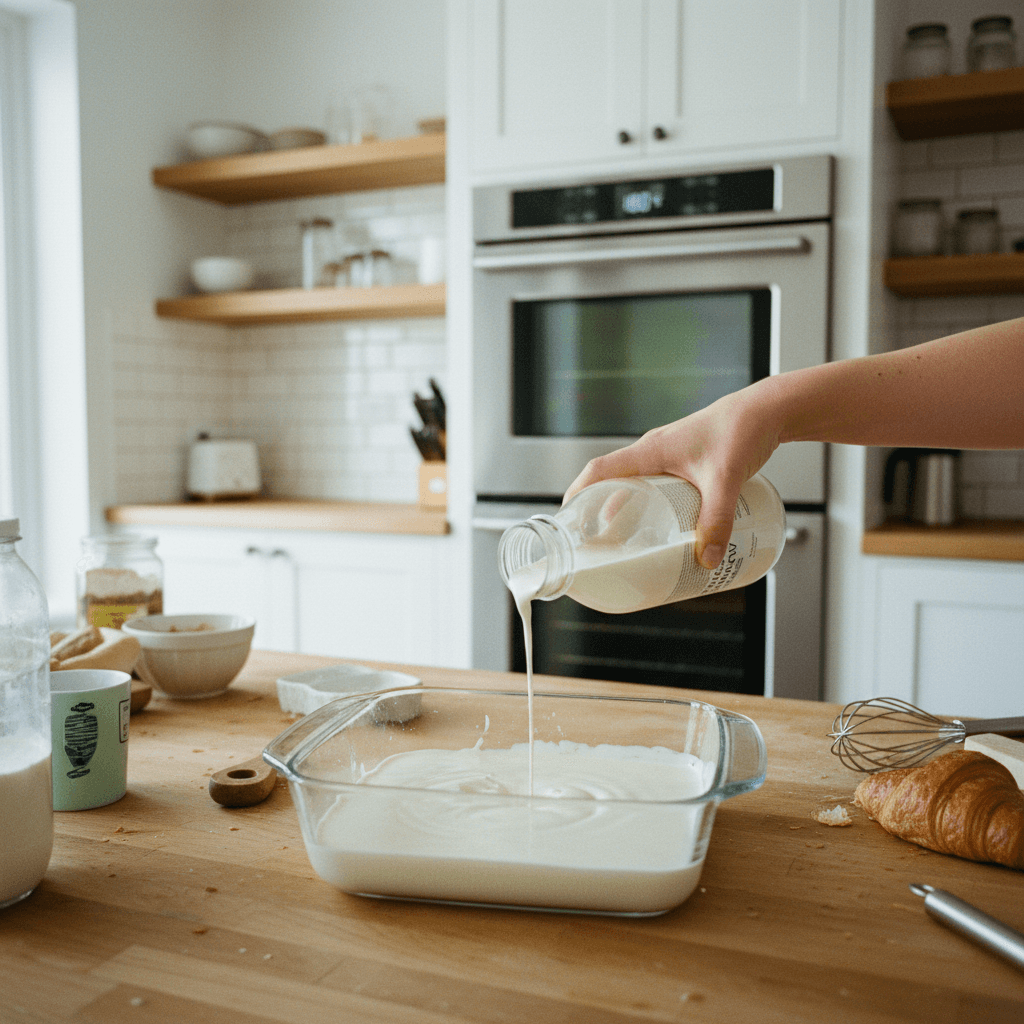
- 2
After 12 hours, remove the baking dish from the oven and let it cool down to room temperature. You should see a thickened skin floating on top. Cover the baking dish and store it in the fridge for another 12 hours. The clotted cream will float to the top and solidify during this time.
⏱️ 720 min
- 3
After 12 hours in the fridge, take out the baking dish and peel the clotted cream off the top using a fork or slotted spoon. Save any leftover buttermilk for making the scones.
⏱️ 5 min
- 4
Preheat your oven to 425°F (220°C). Line a baking sheet tray with a baking mat.
⏱️ 10 min•🌡️ 425
- 5
Sieve the all purpose flour into a large bowl. Add the white sugar, baking powder, and kosher salt, then mix all dry ingredients together.
⏱️ 3 min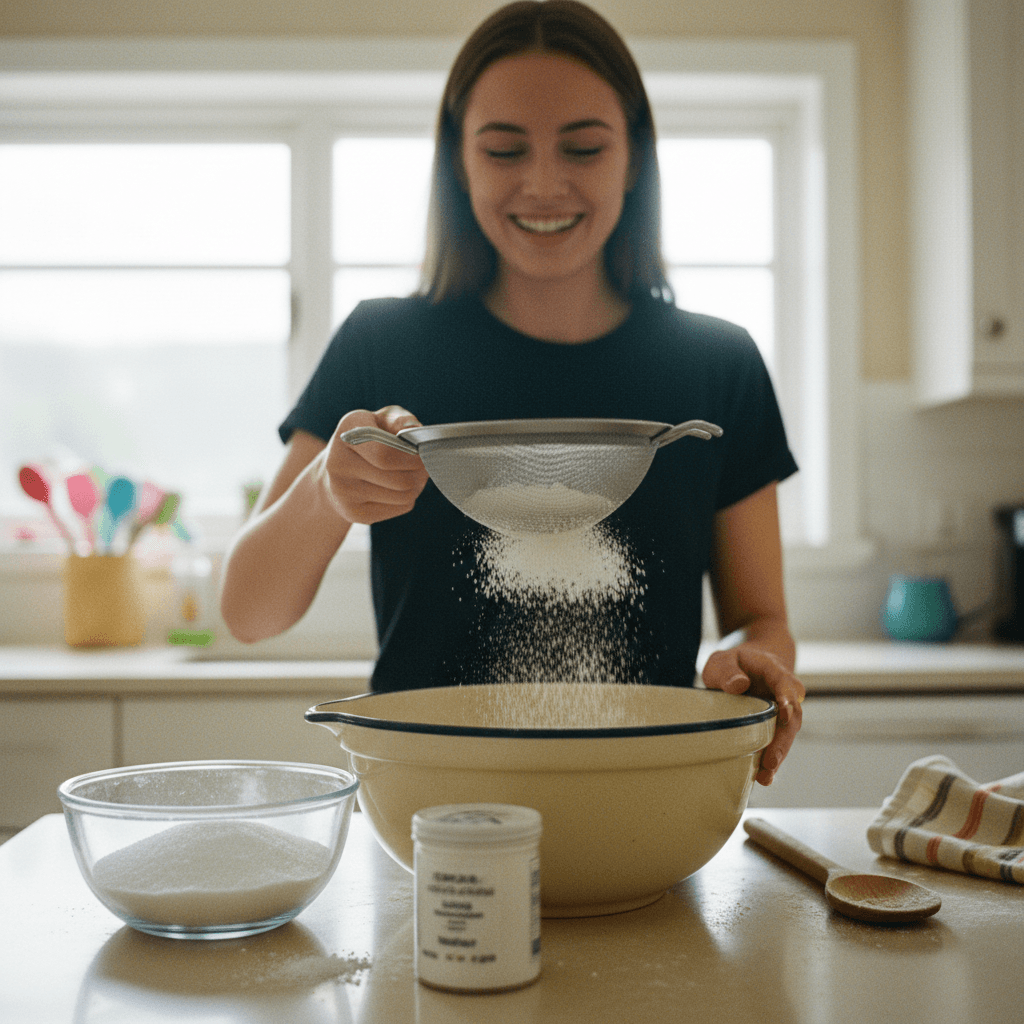
- 6
Rub the sliced cold butter into the flour mixture until there are no more butter clumps and the mixture feels like slightly damp sand.
⏱️ 7 min
- 7
Add the buttermilk to the mixture and lightly mix until you form a cohesive dough. Avoid pressing the dough too hard.
⏱️ 3 min
- 8
Move the dough to a clean, lightly floured surface and gently roll it flat to about 1/2 inch thick using a rolling pin.
⏱️ 3 min
- 9
Cut the dough in half and fold one half over the other to create two layers. Lightly roll the dough again to about 3/4 inch thick.
⏱️ 2 min
- 10
Using a 2.75 inch diameter ring mold with straight sides, cut the scone shapes, making sure to cut straight down and up. Reshape leftover dough to make additional scones.
⏱️ 5 min
- 11
Place the cut scones on the prepared baking sheet. In a small bowl, beat the egg yolk with 2 teaspoons of whole milk for the egg wash. Brush the egg wash on each scone.
⏱️ 3 min
- 12
Put the baking sheet into the preheated 425°F (220°C) oven for 15-18 minutes, or until the internal temperature of the scones reaches 200°F (93°C). Use a probe thermometer to check the temperature.
⏱️ 18 min•🌡️ 425
- 13
Move the baked scones to a wire rack to cool. Serve the scones slightly warm or cooled with the prepared clotted cream.
⏱️ 5 min
Kitchen Tools
Nutrition Facts (per serving)
English Scones and Clotted Cream
For the English Scones
- 300 g all purpose flour
- 30 g white sugar
- 20 g baking powder
- 3 g kosher salt
- 45 g unsalted butter, cold, sliced
- 160 g buttermilk
For the Egg Wash
- 1 egg yolk, beaten
- 2 teaspoons whole milk
For the Clotted Cream
- as needed heavy cream, low-temp pasteurized (non-ultra pasteurized)
Instructions
- 1
Preheat your oven to 180°F (82°C). Pour the heavy cream into a baking dish so that the liquid is about 1.5 inches deep. Bake uncovered for 12 hours.
⏱️ 12 min•🌡️ 180 - 2
After 12 hours, remove the baking dish from the oven and let it cool down to room temperature. You should see a thickened skin floating on top. Cover the baking dish and store it in the fridge for another 12 hours. The clotted cream will float to the top and solidify during this time.
⏱️ 720 min - 3
After 12 hours in the fridge, take out the baking dish and peel the clotted cream off the top using a fork or slotted spoon. Save any leftover buttermilk for making the scones.
⏱️ 5 min - 4
Preheat your oven to 425°F (220°C). Line a baking sheet tray with a baking mat.
⏱️ 10 min•🌡️ 425 - 5
Sieve the all purpose flour into a large bowl. Add the white sugar, baking powder, and kosher salt, then mix all dry ingredients together.
⏱️ 3 min - 6
Rub the sliced cold butter into the flour mixture until there are no more butter clumps and the mixture feels like slightly damp sand.
⏱️ 7 min - 7
Add the buttermilk to the mixture and lightly mix until you form a cohesive dough. Avoid pressing the dough too hard.
⏱️ 3 min - 8
Move the dough to a clean, lightly floured surface and gently roll it flat to about 1/2 inch thick using a rolling pin.
⏱️ 3 min - 9
Cut the dough in half and fold one half over the other to create two layers. Lightly roll the dough again to about 3/4 inch thick.
⏱️ 2 min - 10
Using a 2.75 inch diameter ring mold with straight sides, cut the scone shapes, making sure to cut straight down and up. Reshape leftover dough to make additional scones.
⏱️ 5 min - 11
Place the cut scones on the prepared baking sheet. In a small bowl, beat the egg yolk with 2 teaspoons of whole milk for the egg wash. Brush the egg wash on each scone.
⏱️ 3 min - 12
Put the baking sheet into the preheated 425°F (220°C) oven for 15-18 minutes, or until the internal temperature of the scones reaches 200°F (93°C). Use a probe thermometer to check the temperature.
⏱️ 18 min•🌡️ 425 - 13
Move the baked scones to a wire rack to cool. Serve the scones slightly warm or cooled with the prepared clotted cream.
⏱️ 5 min