Homemade Lox
Homemade Lox

Ingredients
- 1 wild-caught salmon fillet, skin removed, about 1 1/2 to 2 pounds
- 1/2 cup Morton Kosher Salt
- 1/2 cup granulated sugar
- 1/4 cup fresh dill, chopped, or as needed
Instructions
- 1
Unwrap the wild-caught salmon fillet. If the skin is still on, carefully remove it using a sharp knife. Pat the fillet dry with paper towels.
⏱️ 5 min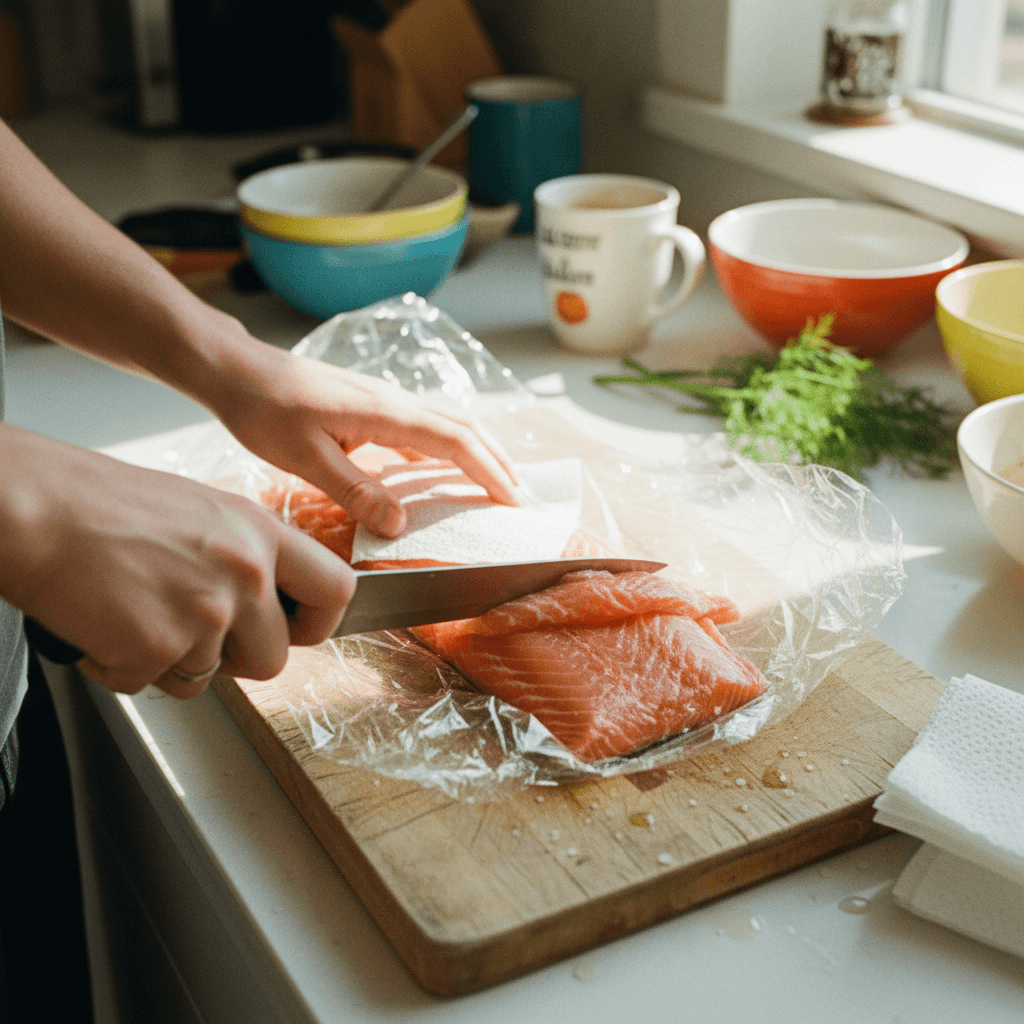
- 2
Cut the salmon fillet into a suitable portion for curing. For example, if you have a large fillet, you might choose to cure half of it. The measurements for the cure are based on a typical portion size.
⏱️ 2 min
- 3
In a mixing bowl, combine the chopped fresh dill, 1/2 cup of Morton Kosher Salt, and 1/2 cup of granulated sugar. Mix well to create a uniform cure mixture.
⏱️ 3 min
- 4
Lay out a large sheet of plastic wrap on a clean cutting board or flat surface. Spread half of the prepared cure mixture evenly onto the plastic wrap, creating a bed for the salmon.
⏱️ 2 min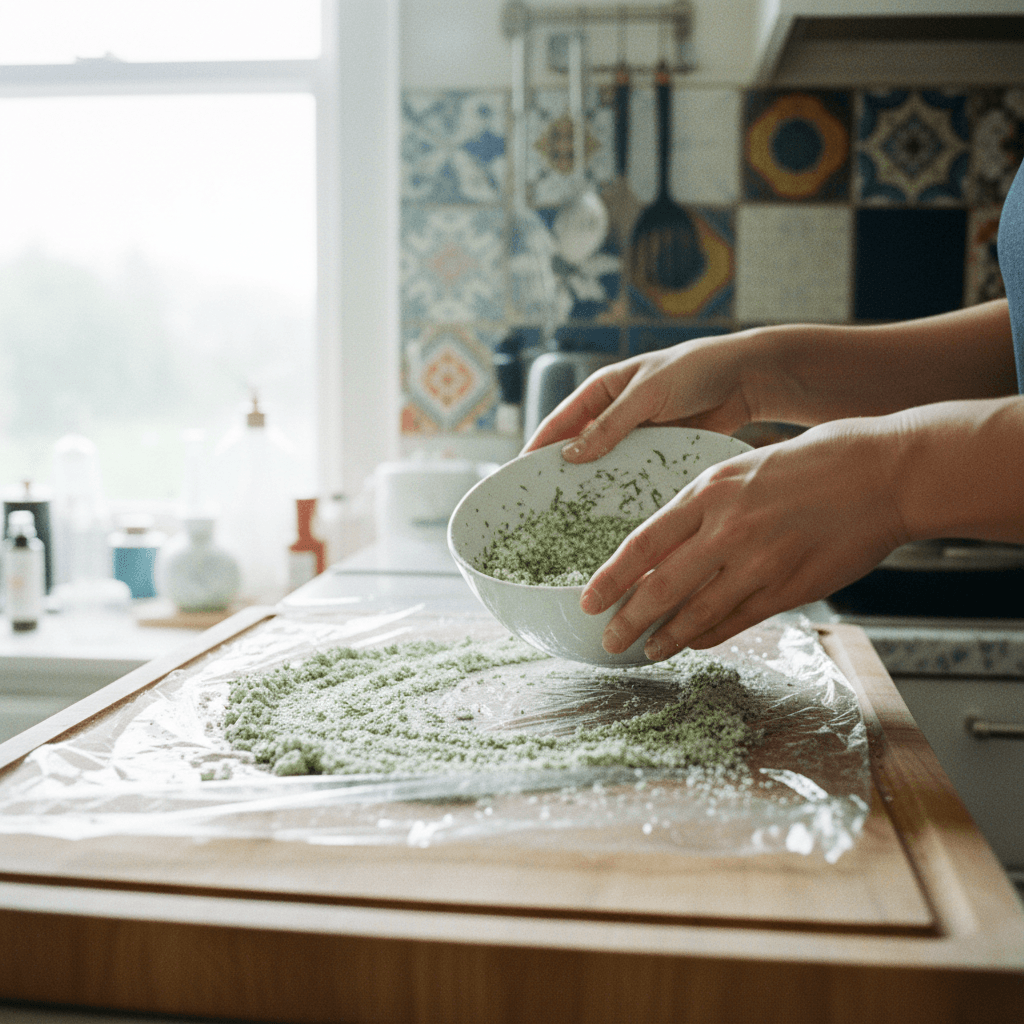
- 5
Place the salmon fillet on top of the cure mixture on the plastic wrap. Pour the remaining cure mixture over the top of the salmon fillet, ensuring it is completely covered on all sides.
⏱️ 2 min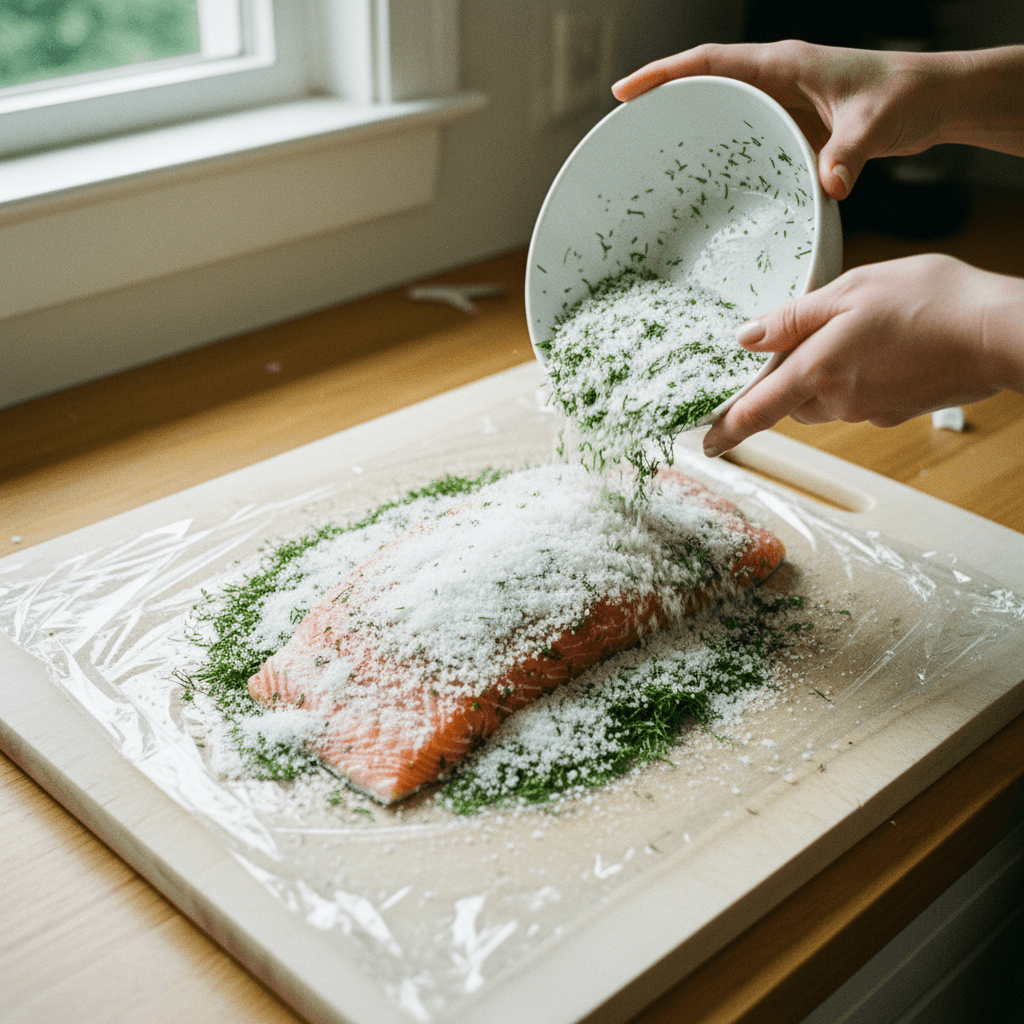
- 6
Tightly wrap the salmon fillet in the plastic wrap, ensuring no cure mixture can escape. Place the wrapped salmon in a tray or a large Ziploc bag.
⏱️ 3 min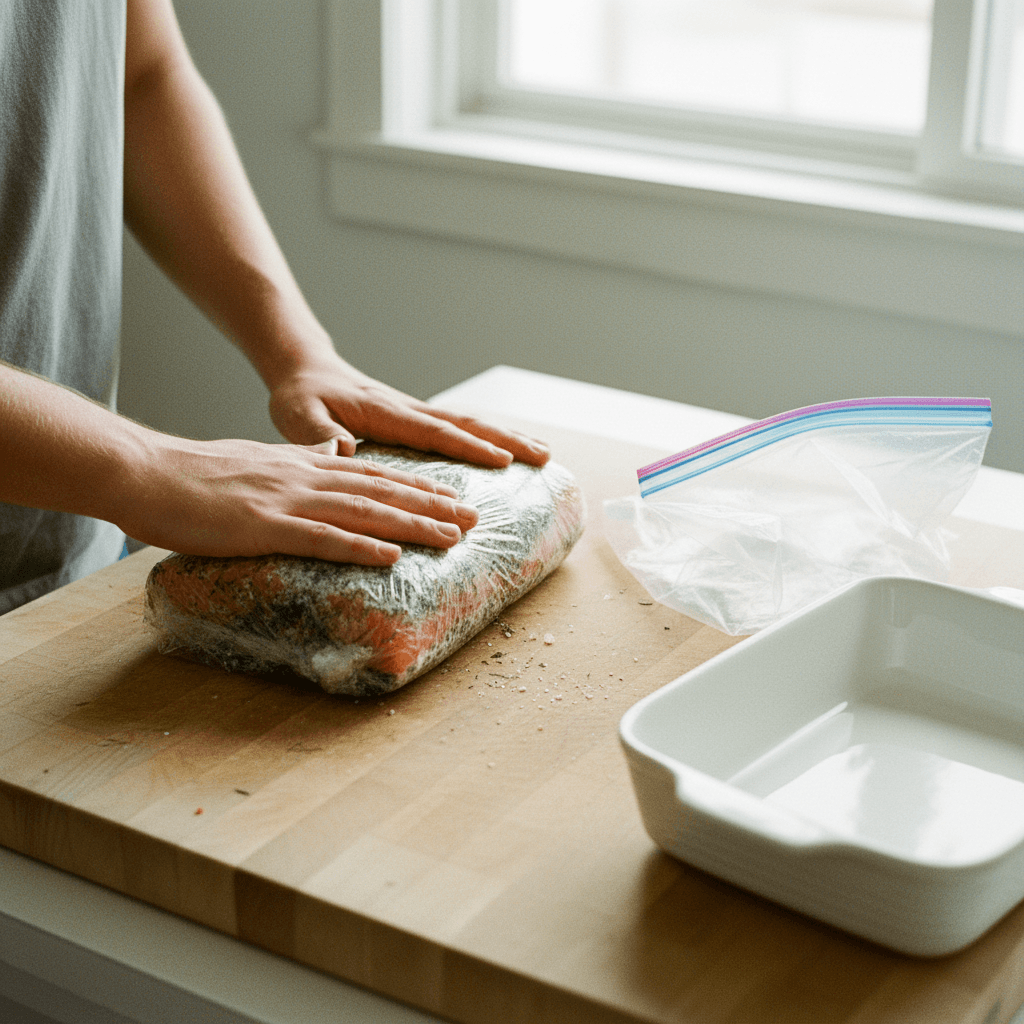
- 7
Place a heavy object on top of the wrapped salmon. This could be a bacon press, a heavy pot, a pan, or even a bag of dried beans. This pressure helps to draw out moisture from the fish.
⏱️ 1 min
- 8
Refrigerate the salmon under pressure for 10 hours. After 10 hours, remove the salmon from the refrigerator, drain any accumulated liquid from the tray, and flip the salmon fillet over (still wrapped and under the heavy object). Return it to the refrigerator for another 14 hours, completing a total curing time of 24 hours.
⏱️ 1440 min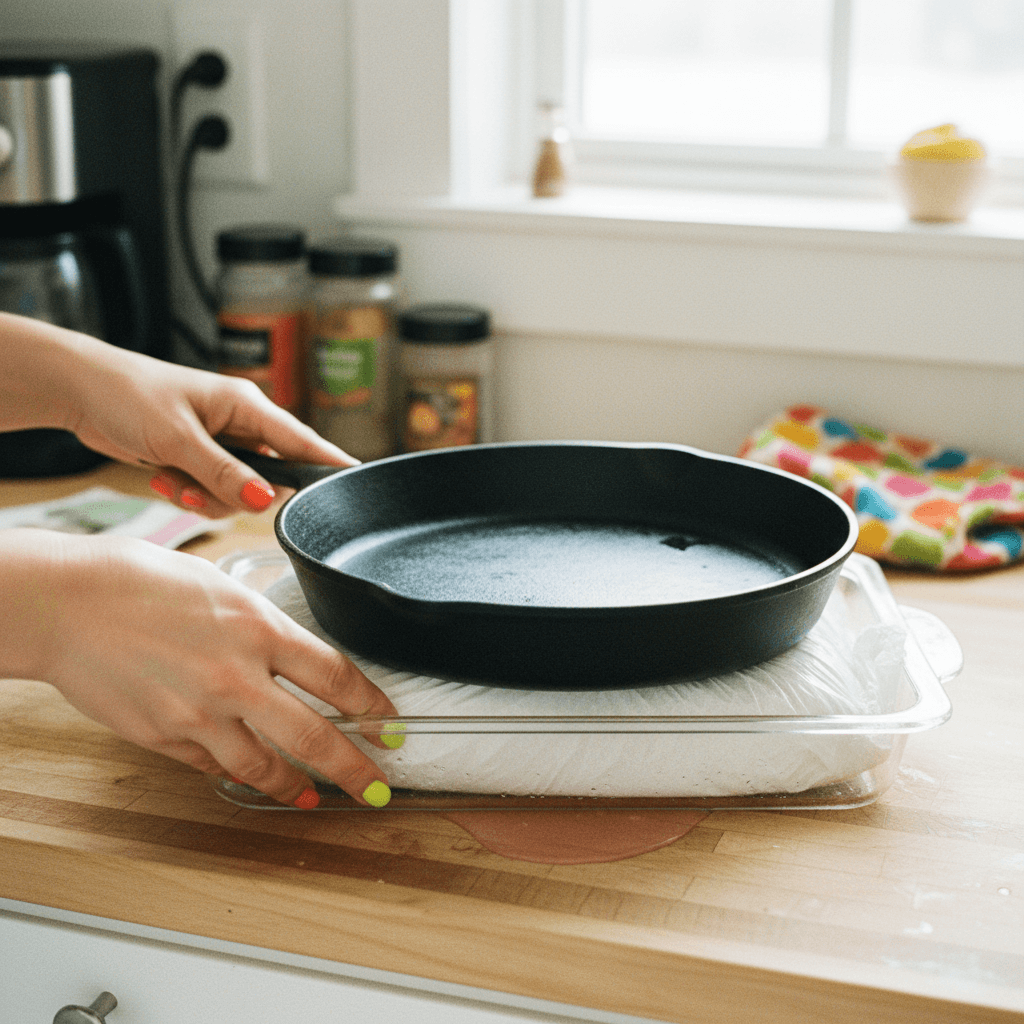
- 9
After the full 24 hours of curing, remove the salmon from the refrigerator and unwrap it from the plastic. Rinse the salmon thoroughly under cold running water to remove all of the cure mixture. Pat the rinsed salmon completely dry with paper towels.
⏱️ 5 min
- 10
Using the sharpest knife available, slice the cured salmon thinly against the grain. The texture will be firmer than uncured salmon, making it easier to slice.
⏱️ 5 min
- 11
Serve the homemade lox immediately. It pairs wonderfully with bagels, cream cheese, sliced red onion, and capers. Store any leftover lox tightly wrapped in the refrigerator for up to 5 days.

Kitchen Tools
Nutrition Facts (per serving)
Homemade Lox
- 1 wild-caught salmon fillet, skin removed, about 1 1/2 to 2 pounds
- 1/2 cup Morton Kosher Salt
- 1/2 cup granulated sugar
- 1/4 cup fresh dill, chopped, or as needed
Instructions
- 1
Unwrap the wild-caught salmon fillet. If the skin is still on, carefully remove it using a sharp knife. Pat the fillet dry with paper towels.
⏱️ 5 min - 2
Cut the salmon fillet into a suitable portion for curing. For example, if you have a large fillet, you might choose to cure half of it. The measurements for the cure are based on a typical portion size.
⏱️ 2 min - 3
In a mixing bowl, combine the chopped fresh dill, 1/2 cup of Morton Kosher Salt, and 1/2 cup of granulated sugar. Mix well to create a uniform cure mixture.
⏱️ 3 min - 4
Lay out a large sheet of plastic wrap on a clean cutting board or flat surface. Spread half of the prepared cure mixture evenly onto the plastic wrap, creating a bed for the salmon.
⏱️ 2 min - 5
Place the salmon fillet on top of the cure mixture on the plastic wrap. Pour the remaining cure mixture over the top of the salmon fillet, ensuring it is completely covered on all sides.
⏱️ 2 min - 6
Tightly wrap the salmon fillet in the plastic wrap, ensuring no cure mixture can escape. Place the wrapped salmon in a tray or a large Ziploc bag.
⏱️ 3 min - 7
Place a heavy object on top of the wrapped salmon. This could be a bacon press, a heavy pot, a pan, or even a bag of dried beans. This pressure helps to draw out moisture from the fish.
⏱️ 1 min - 8
Refrigerate the salmon under pressure for 10 hours. After 10 hours, remove the salmon from the refrigerator, drain any accumulated liquid from the tray, and flip the salmon fillet over (still wrapped and under the heavy object). Return it to the refrigerator for another 14 hours, completing a total curing time of 24 hours.
⏱️ 1440 min - 9
After the full 24 hours of curing, remove the salmon from the refrigerator and unwrap it from the plastic. Rinse the salmon thoroughly under cold running water to remove all of the cure mixture. Pat the rinsed salmon completely dry with paper towels.
⏱️ 5 min - 10
Using the sharpest knife available, slice the cured salmon thinly against the grain. The texture will be firmer than uncured salmon, making it easier to slice.
⏱️ 5 min - 11
Serve the homemade lox immediately. It pairs wonderfully with bagels, cream cheese, sliced red onion, and capers. Store any leftover lox tightly wrapped in the refrigerator for up to 5 days.