Homemade Sandwich Bread
Homemade Sandwich Bread

Ingredients
For the Dough
- 2 cups warm water
- 1 1/2 tablespoons active dry yeast
- 1/2 cup granulated sugar
- 6 cups bread flour
- 1 teaspoon salt
- 1/4 cup vegetable oil, or melted butter
For the Egg Wash
- 1 egg
- 1 tablespoon water
Instructions
- 1
In a large mixing bowl, combine the warm water, active dry yeast, and granulated sugar. Stir gently, then cover the bowl and let the mixture sit for 10 to 15 minutes until it becomes frothy, indicating the yeast is active.
⏱️ 15 min
- 2
In a separate large bowl (or the bowl of a stand mixer), combine the bread flour and salt.
⏱️ 2 min
- 3
Pour the vegetable oil (or melted butter) into the flour mixture. Then, add the bloomed yeast mixture from Step 1 to the bowl.
⏱️ 2 min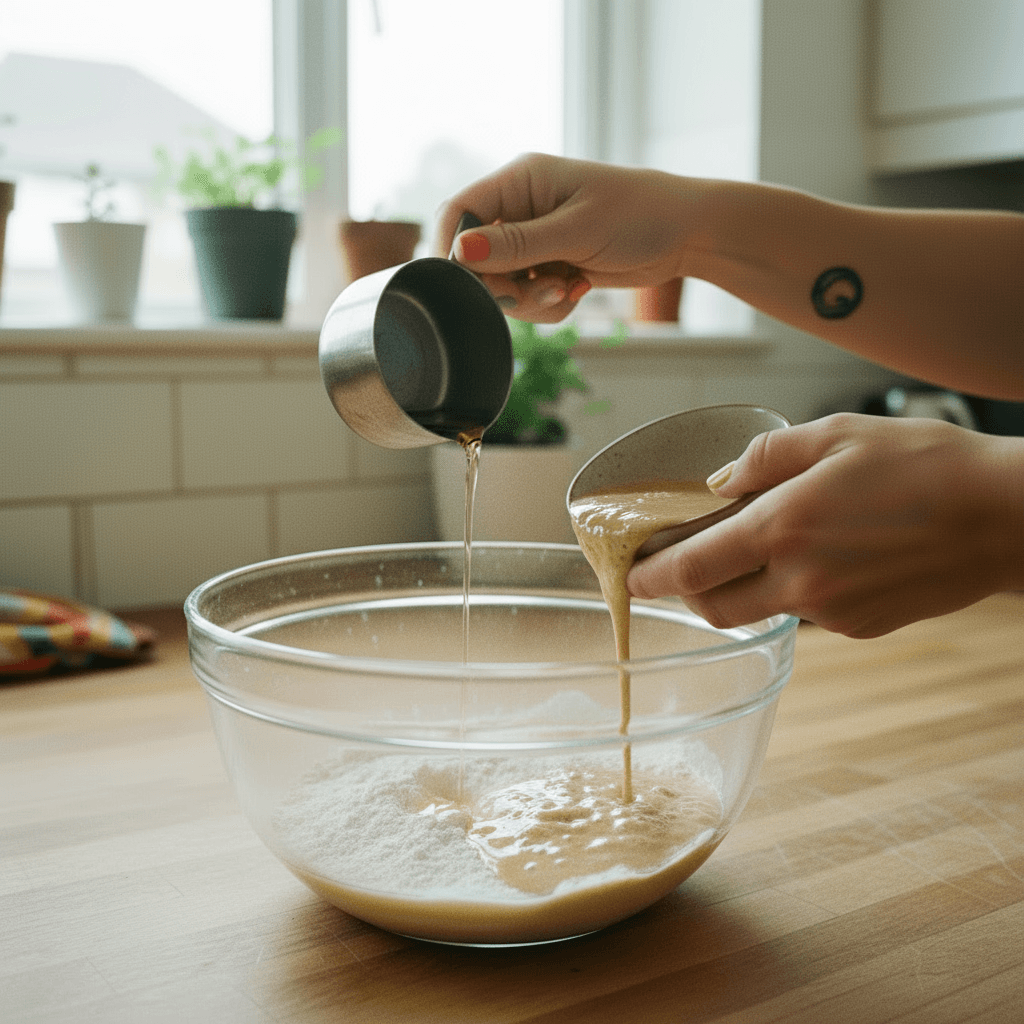
- 4
If using a stand mixer, attach the paddle attachment to bring the ingredients together, then switch to a dough hook and knead on medium speed for 10 minutes until the dough is smooth and elastic. If kneading by hand, use a wooden spoon to combine the ingredients, then turn the dough out onto a lightly floured surface and knead for 10 minutes until smooth.
⏱️ 10 min
- 5
Lightly grease a clean large bowl. Place the kneaded dough into the greased bowl, turning it once to coat. Lightly spray the top of the dough with a little more oil, then cover the bowl with plastic wrap or a clean kitchen towel. Let the dough rise in a warm place (such as an oven with just the light on) for approximately 1 1/2 to 2 hours, or until it has doubled in size.
⏱️ 120 min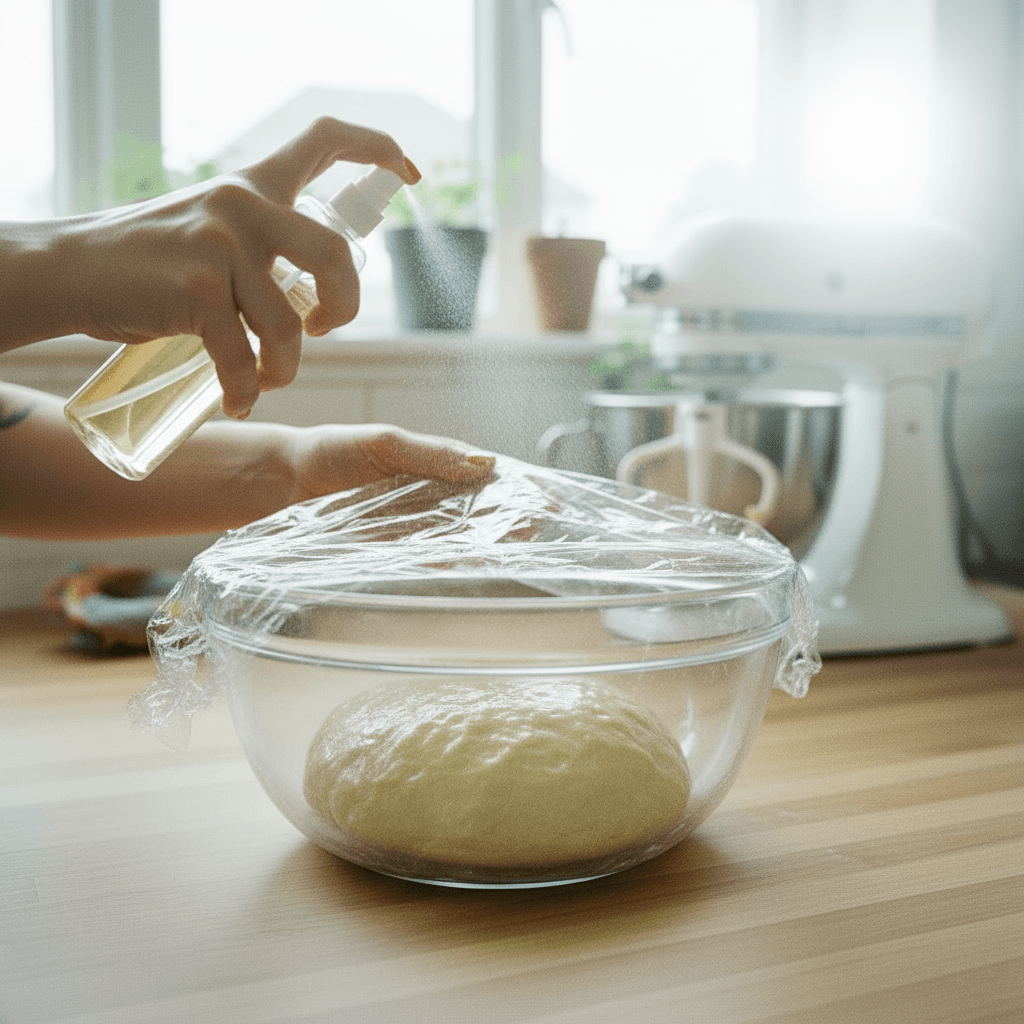
- 6
Once the dough has risen, gently punch it down to release the air.
⏱️ 1 min
- 7
Divide the dough into two equal portions. Shape each portion into a loaf and place into separate greased 9x5-inch loaf pans. Cover the loaf pans with plastic wrap or a kitchen towel and let the dough rise again for about 1 hour, or until it has nearly doubled in size.
⏱️ 60 min
- 8
Preheat your oven to 350°F. In a small bowl, whisk together the egg and water for the egg wash. Once the dough has completed its second rise, gently brush the tops of the loaves with the egg wash for a golden crust.
⏱️ 5 min•🌡️ 350
- 9
Bake the loaves in the preheated oven for 30 to 35 minutes, or until they are golden brown and sound hollow when tapped on the bottom. An instant-read thermometer inserted into the center of the loaf should read 200-210°F.
⏱️ 35 min•🌡️ 350
- 10
Remove the bread from the oven and immediately transfer the loaves from the pans to a wire rack to cool completely before slicing and serving.
⏱️ 30 min
Kitchen Tools
Nutrition Facts (per serving)
Homemade Sandwich Bread
Ingredients
For the Dough
- 2 cups warm water
- 1 1/2 tablespoons active dry yeast
- 1/2 cup granulated sugar
- 6 cups bread flour
- 1 teaspoon salt
- 1/4 cup vegetable oil, or melted butter
For the Egg Wash
- 1 egg
- 1 tablespoon water
Instructions
- 1
In a large mixing bowl, combine the warm water, active dry yeast, and granulated sugar. Stir gently, then cover the bowl and let the mixture sit for 10 to 15 minutes until it becomes frothy, indicating the yeast is active.
⏱️ 15 min - 2
In a separate large bowl (or the bowl of a stand mixer), combine the bread flour and salt.
⏱️ 2 min - 3
Pour the vegetable oil (or melted butter) into the flour mixture. Then, add the bloomed yeast mixture from Step 1 to the bowl.
⏱️ 2 min - 4
If using a stand mixer, attach the paddle attachment to bring the ingredients together, then switch to a dough hook and knead on medium speed for 10 minutes until the dough is smooth and elastic. If kneading by hand, use a wooden spoon to combine the ingredients, then turn the dough out onto a lightly floured surface and knead for 10 minutes until smooth.
⏱️ 10 min - 5
Lightly grease a clean large bowl. Place the kneaded dough into the greased bowl, turning it once to coat. Lightly spray the top of the dough with a little more oil, then cover the bowl with plastic wrap or a clean kitchen towel. Let the dough rise in a warm place (such as an oven with just the light on) for approximately 1 1/2 to 2 hours, or until it has doubled in size.
⏱️ 120 min - 6
Once the dough has risen, gently punch it down to release the air.
⏱️ 1 min - 7
Divide the dough into two equal portions. Shape each portion into a loaf and place into separate greased 9x5-inch loaf pans. Cover the loaf pans with plastic wrap or a kitchen towel and let the dough rise again for about 1 hour, or until it has nearly doubled in size.
⏱️ 60 min - 8
Preheat your oven to 350°F. In a small bowl, whisk together the egg and water for the egg wash. Once the dough has completed its second rise, gently brush the tops of the loaves with the egg wash for a golden crust.
⏱️ 5 min•🌡️ 350 - 9
Bake the loaves in the preheated oven for 30 to 35 minutes, or until they are golden brown and sound hollow when tapped on the bottom. An instant-read thermometer inserted into the center of the loaf should read 200-210°F.
⏱️ 35 min•🌡️ 350 - 10
Remove the bread from the oven and immediately transfer the loaves from the pans to a wire rack to cool completely before slicing and serving.
⏱️ 30 min