5 Caramel Techniques
5 Caramel Techniques

Ingredients
For the Amber Dome
- 80 g water
- 70 g granulated sugar
- 70 g glucose
- 70 g isomalt
For the Honeycomb
- 110 g water
- 600 g granulated sugar
- 60 g honey
- 10 g baking soda
For the Caramel Spiral
- as needed caramel, pre-made, hot and pliable
For the Croissant Caramel
- 1 croissant
- as needed powdered sugar
For the Caramel Tuille
- 100 g fruit juice, any type
- 220 g granulated sugar
- 120 g liquid butter
- 80 g all-purpose flour
Instructions
- 1
Prepare for the Amber Dome: In a heavy-bottomed saucepan, combine 80g water, 70g granulated sugar, and 70g glucose. Heat over medium-high heat without stirring until the mixture begins to caramelize and turns an amber color.
⏱️ 10 min
- 2
Once caramelized, carefully add 70g isomalt to the mixture. Stir gently until the isomalt is fully dissolved and incorporated. Continue to heat until the mixture reaches approximately 160-170°C.
⏱️ 5 min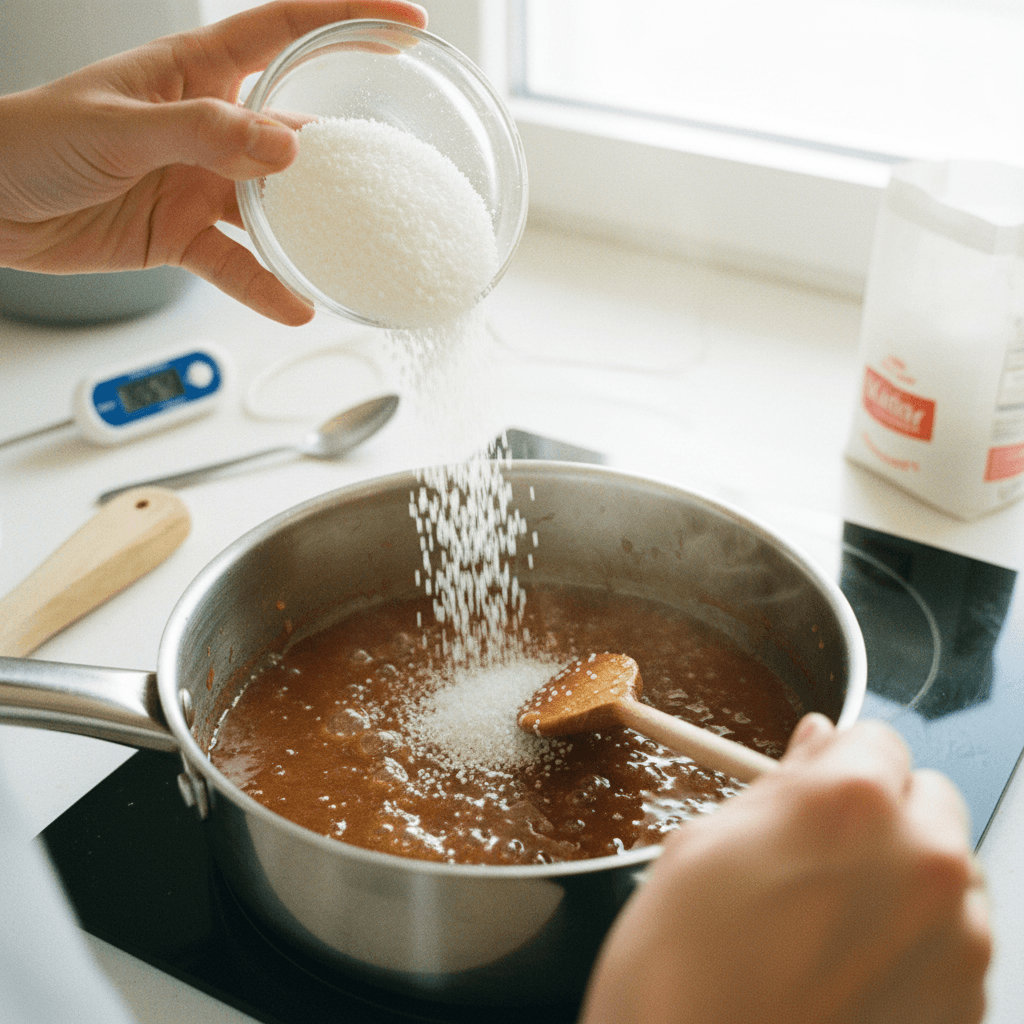
- 3
Remove the caramel from the heat and allow it to cool down to 125°C. This cooling process is crucial for the correct consistency.
⏱️ 10 min
- 4
While the amber caramel cools, prepare a clean, heat-resistant plastic folio (plastic wrap) on a flat surface. Have a frozen metal ring ready.
⏱️ 2 min
- 5
Once the amber caramel reaches 125°C, dip a spoonful of the hot caramel onto the plastic folio. Immediately press down on the caramel with the frozen metal ring to shape it into a dome.
⏱️ 5 min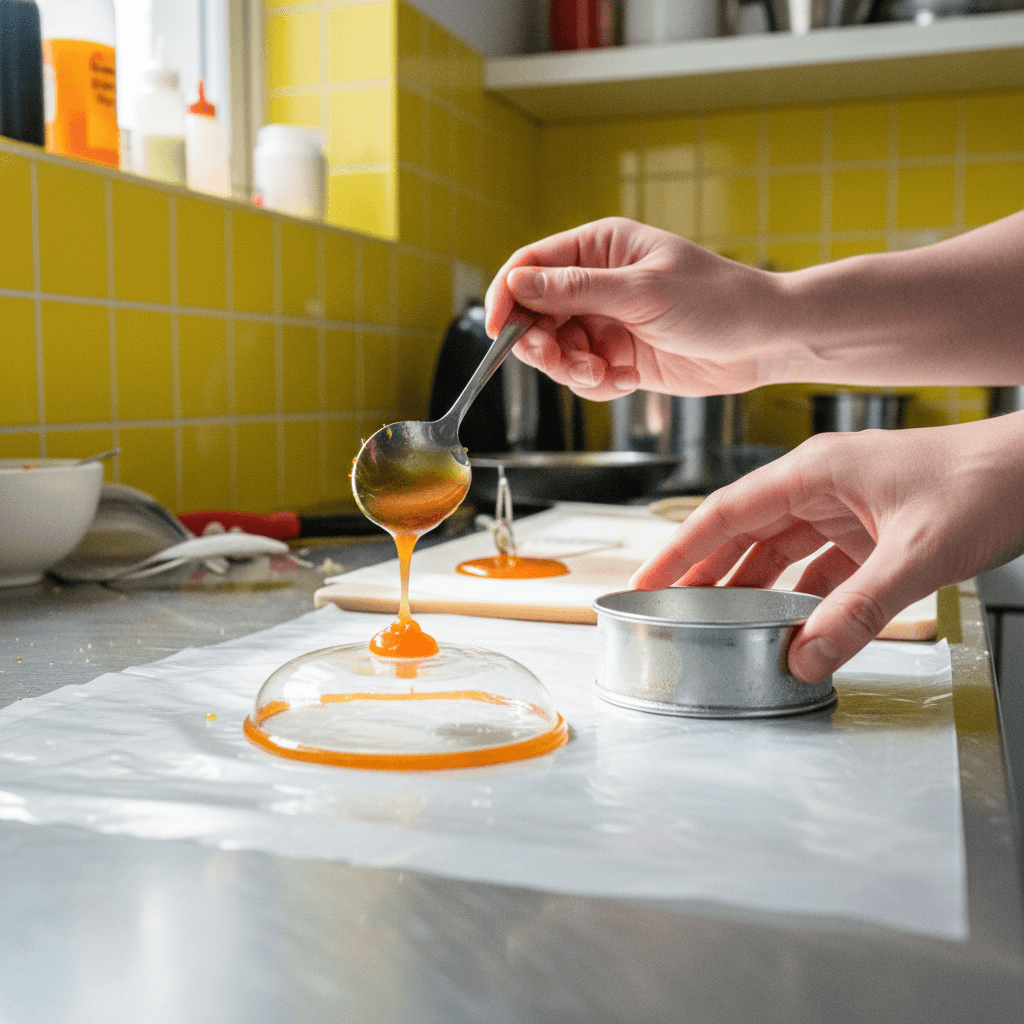
- 6
Allow the caramel dome to harden completely before carefully removing it from the metal ring and plastic folio. Set aside.
⏱️ 15 min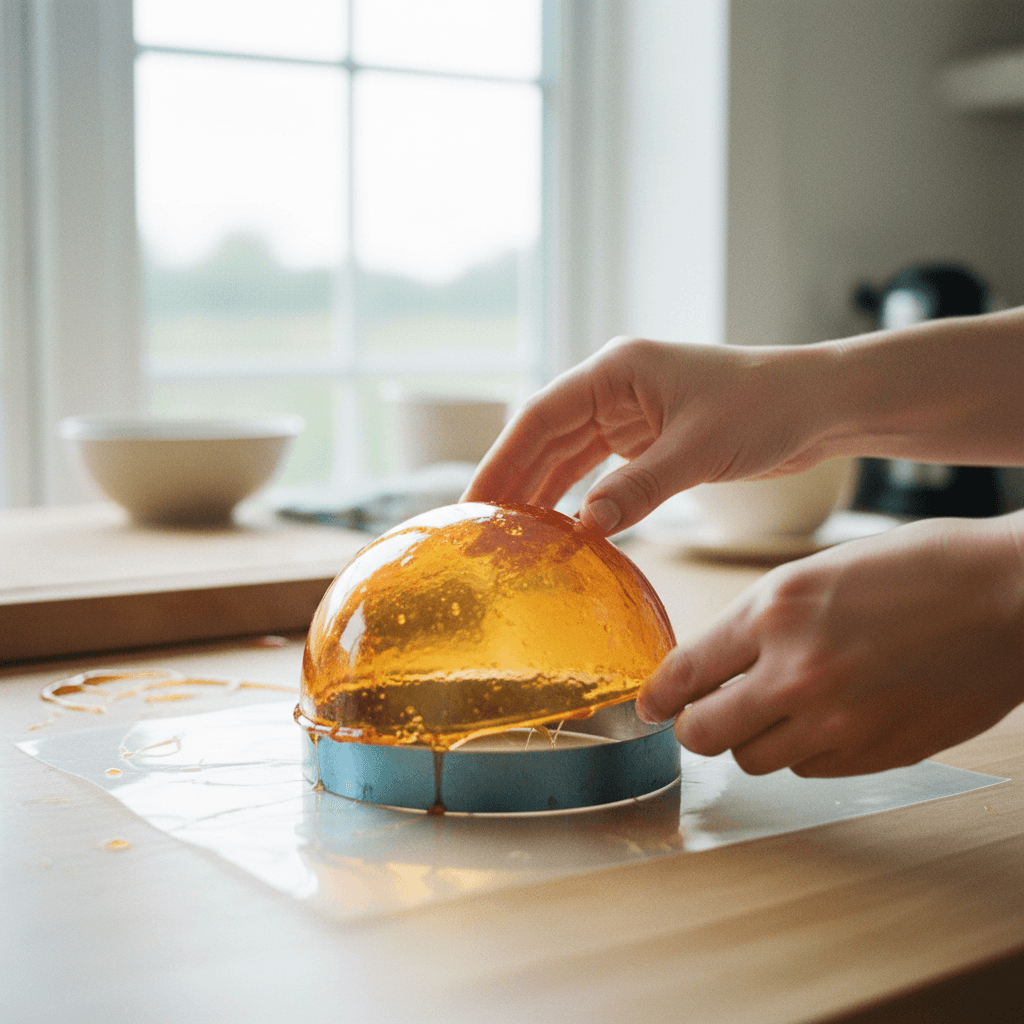
- 7
Prepare for the Honeycomb: In a large, deep saucepan, combine 110g water, 600g granulated sugar, and 60g honey. Heat over medium-high heat, stirring occasionally until the sugar dissolves, then stop stirring.
⏱️ 10 min
- 8
Allow the mixture to boil and caramelize to a deep amber color. This can take some time. Once caramelized, remove from heat.
⏱️ 15 min
- 9
Immediately add 10g baking soda to the hot caramel mixture. Stir as fast and as much as possible; the mixture will rapidly become foamy and expand.
⏱️ 1 min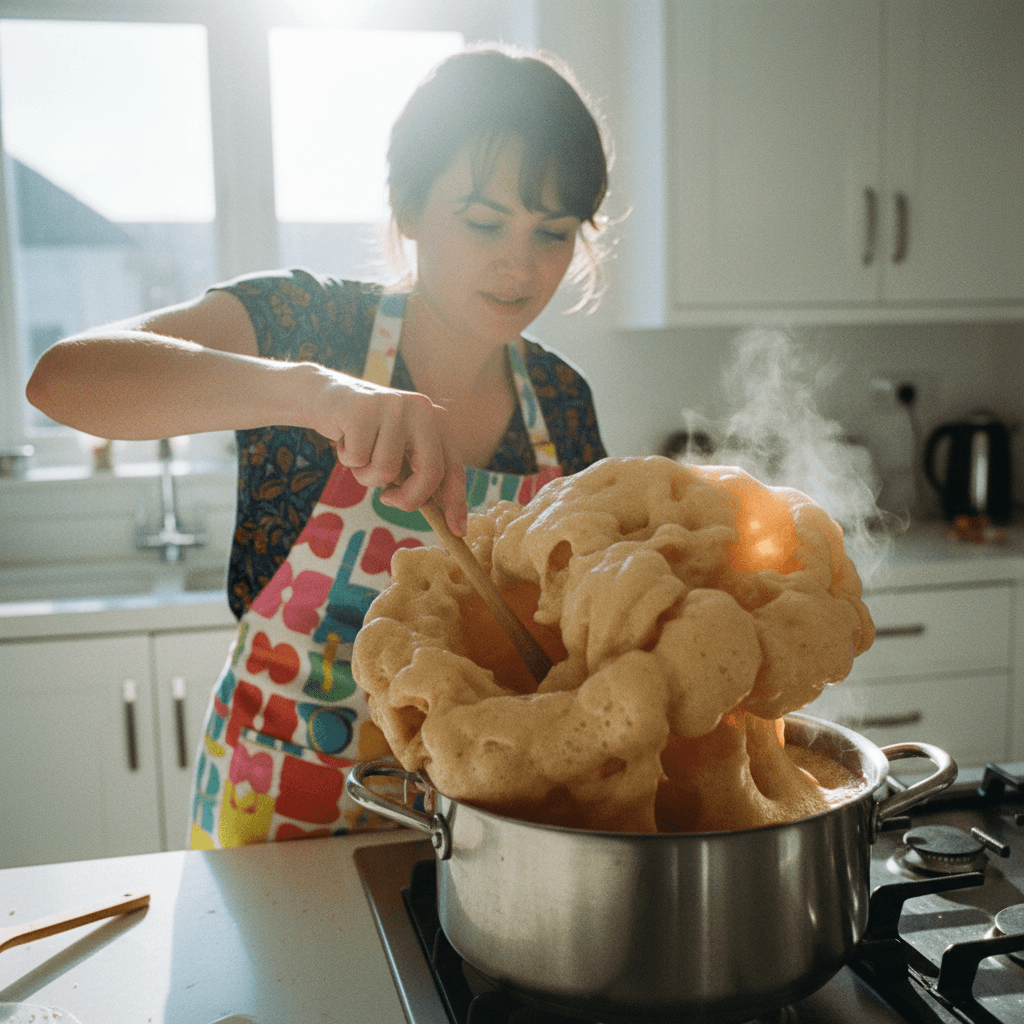
- 10
Immediately pour the foamy honeycomb mixture into a pan lined with parchment paper. Do not spread it; let it settle naturally.
⏱️ 1 min
- 11
Allow the honeycomb to cool and harden completely at room temperature. This will take at least 30 minutes.
⏱️ 30 min
- 12
Once hardened, break the honeycomb into desired pieces. Set aside.
⏱️ 2 min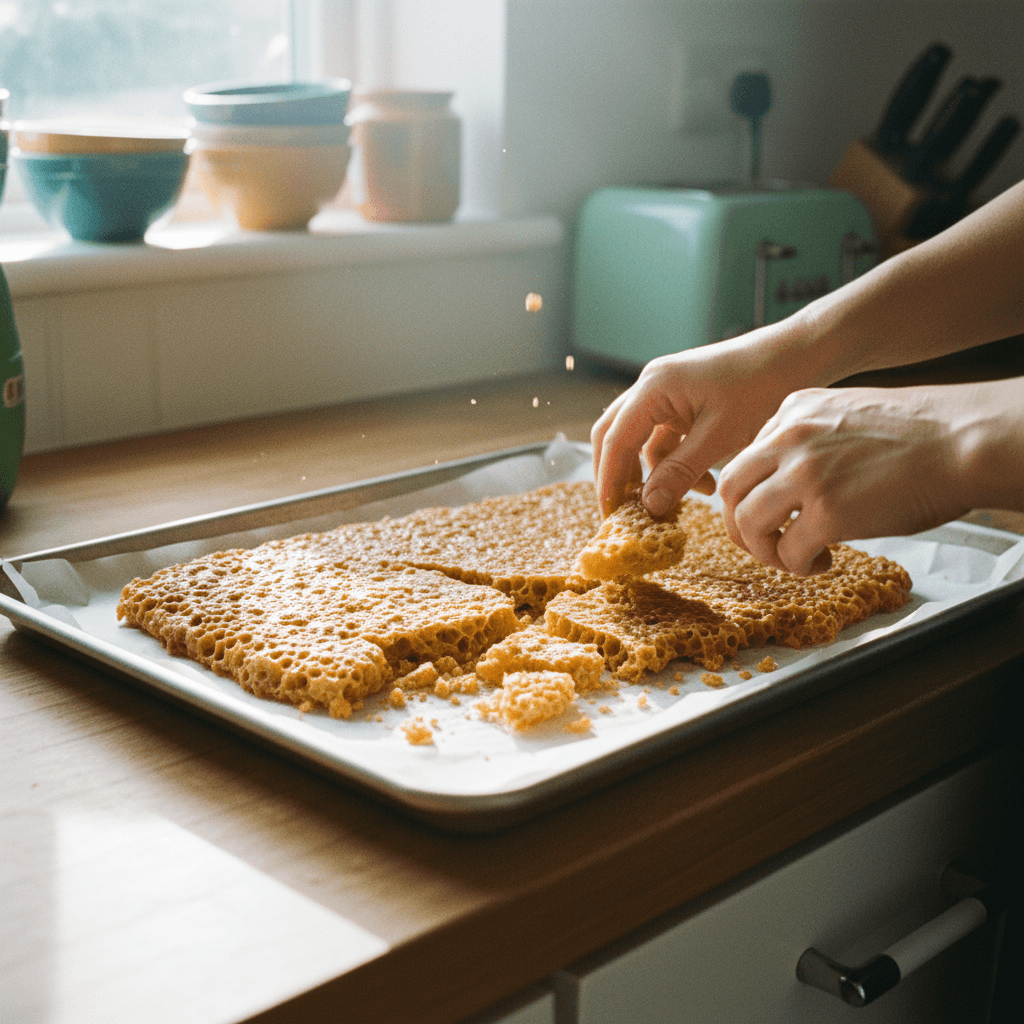
- 13
Prepare for the Caramel Spiral: Set up a metal tube attached to a spinning drill. Ensure the drill is stable and can spin smoothly.
⏱️ 5 min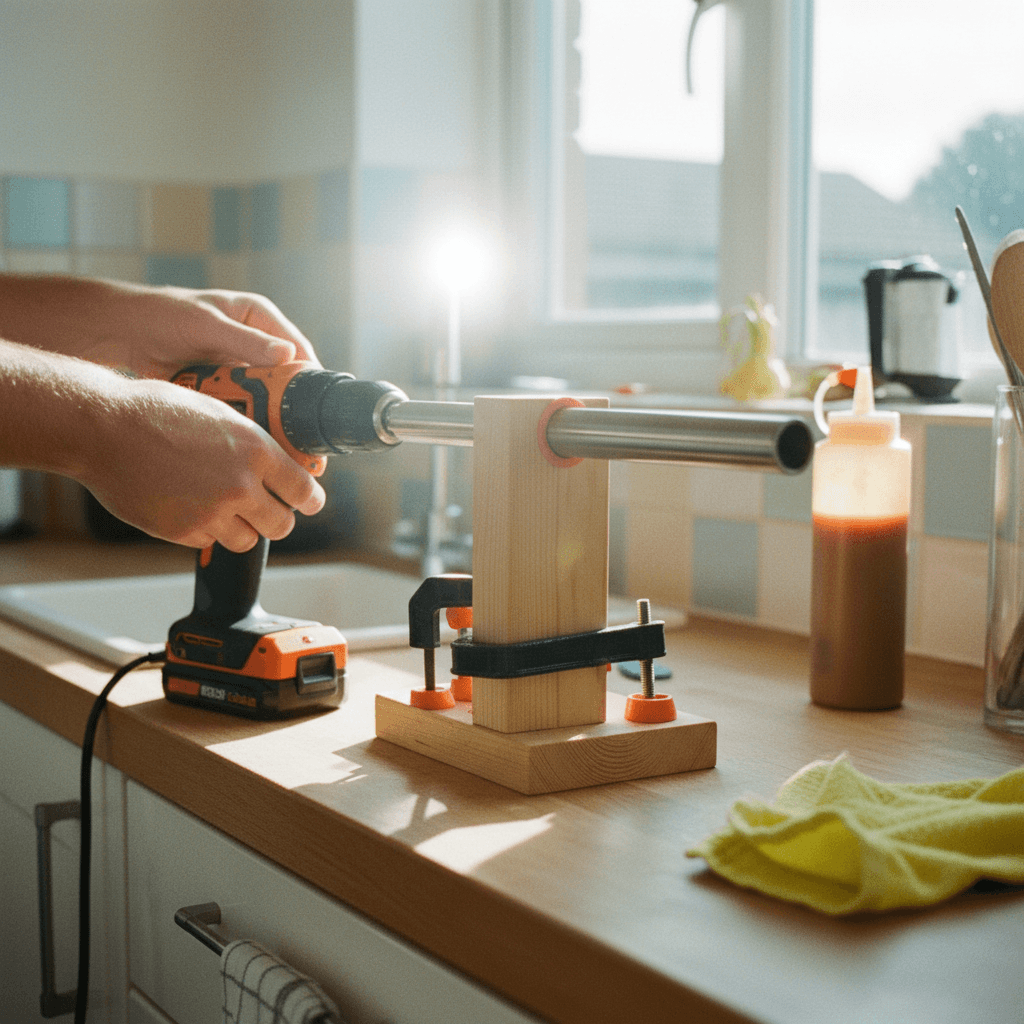
- 14
Using pre-made hot and pliable caramel (ensure it's at a workable temperature), carefully drip a continuous strand from a spoon onto the spinning metal tube, allowing it to form a spiral.
⏱️ 5 min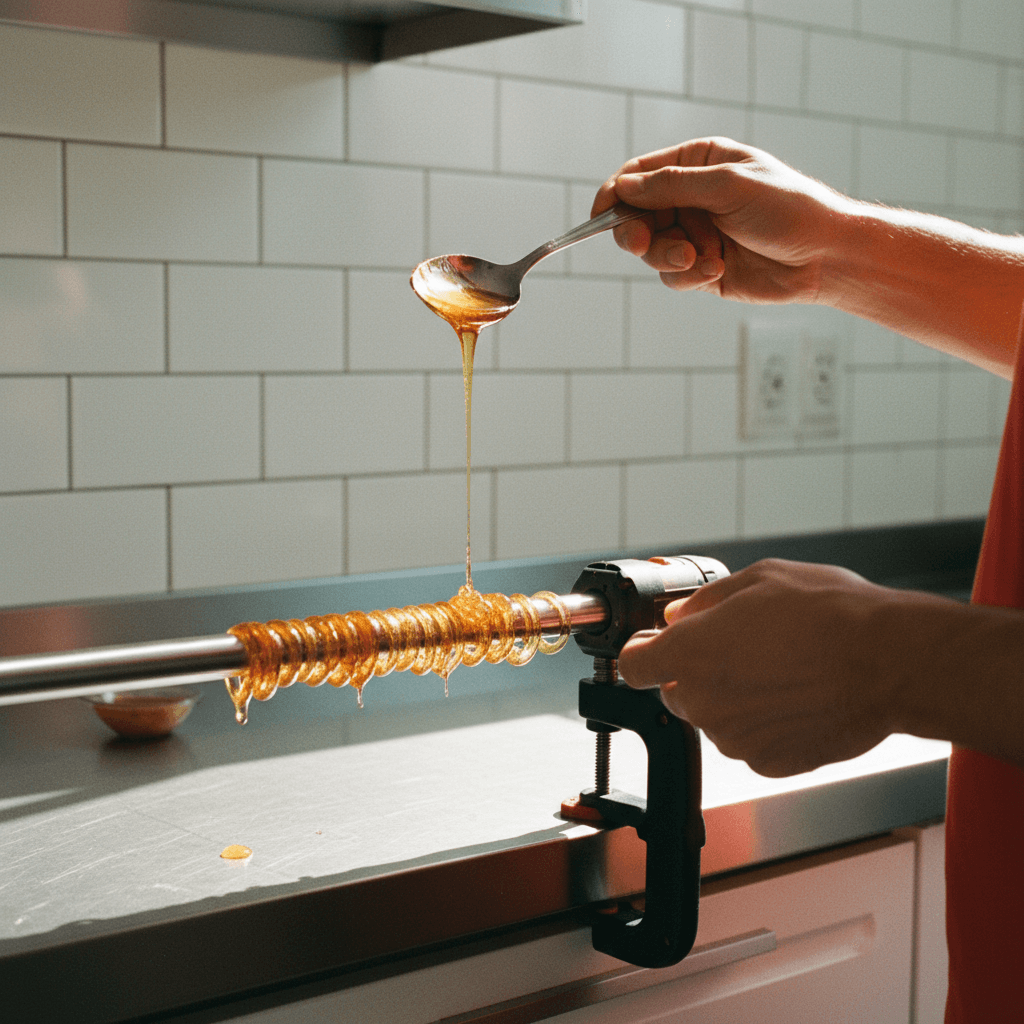
- 15
Allow the caramel spiral to cool down and harden completely on the tube. Once firm, carefully remove the hardened caramel spiral. Set aside.
⏱️ 10 min
- 16
Prepare for the Croissant Caramel: Preheat your oven to 180°C (350°F).
⏱️ 5 min•🌡️ 180
- 17
Cut a croissant into thin slices, approximately 0.5 cm thick.
⏱️ 2 min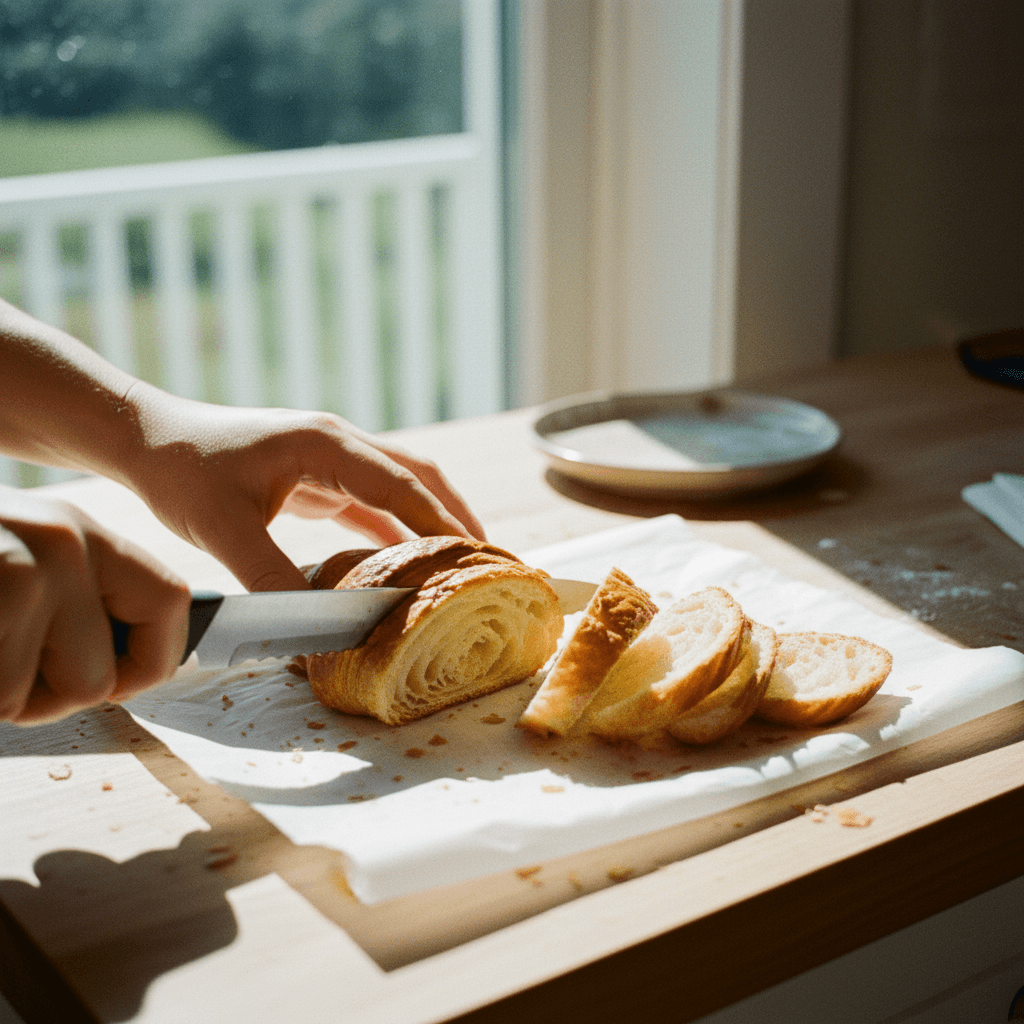
- 18
Arrange the croissant slices on a baking sheet lined with parchment paper. Sift powdered sugar generously over the croissant slices.
⏱️ 3 min
- 19
Bake the sugared croissant slices in the preheated oven for 8-12 minutes, or until they are golden brown, caramelized, and crispy. Keep a close eye on them to prevent burning.
⏱️ 10 min•🌡️ 180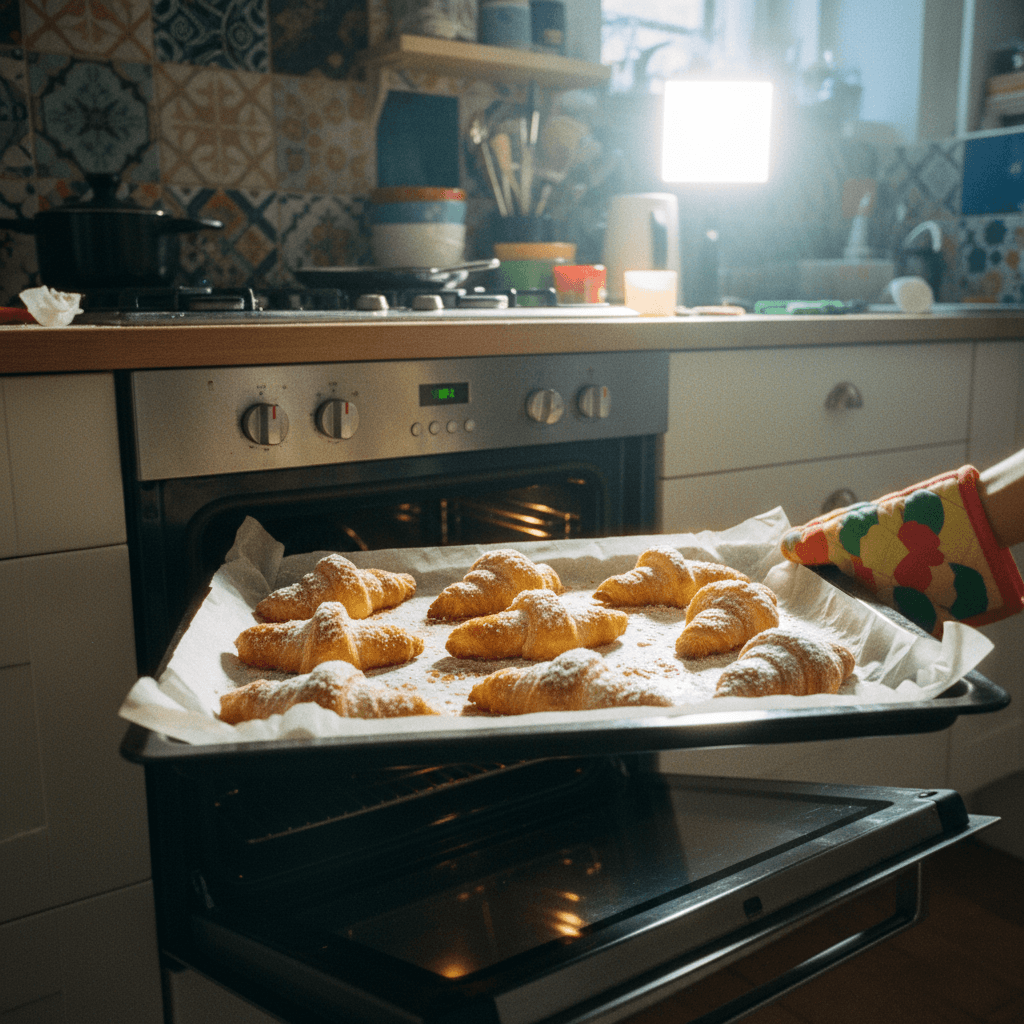
- 20
Remove from the oven and let cool completely on the baking sheet. They will crisp up further as they cool. Set aside.
⏱️ 10 min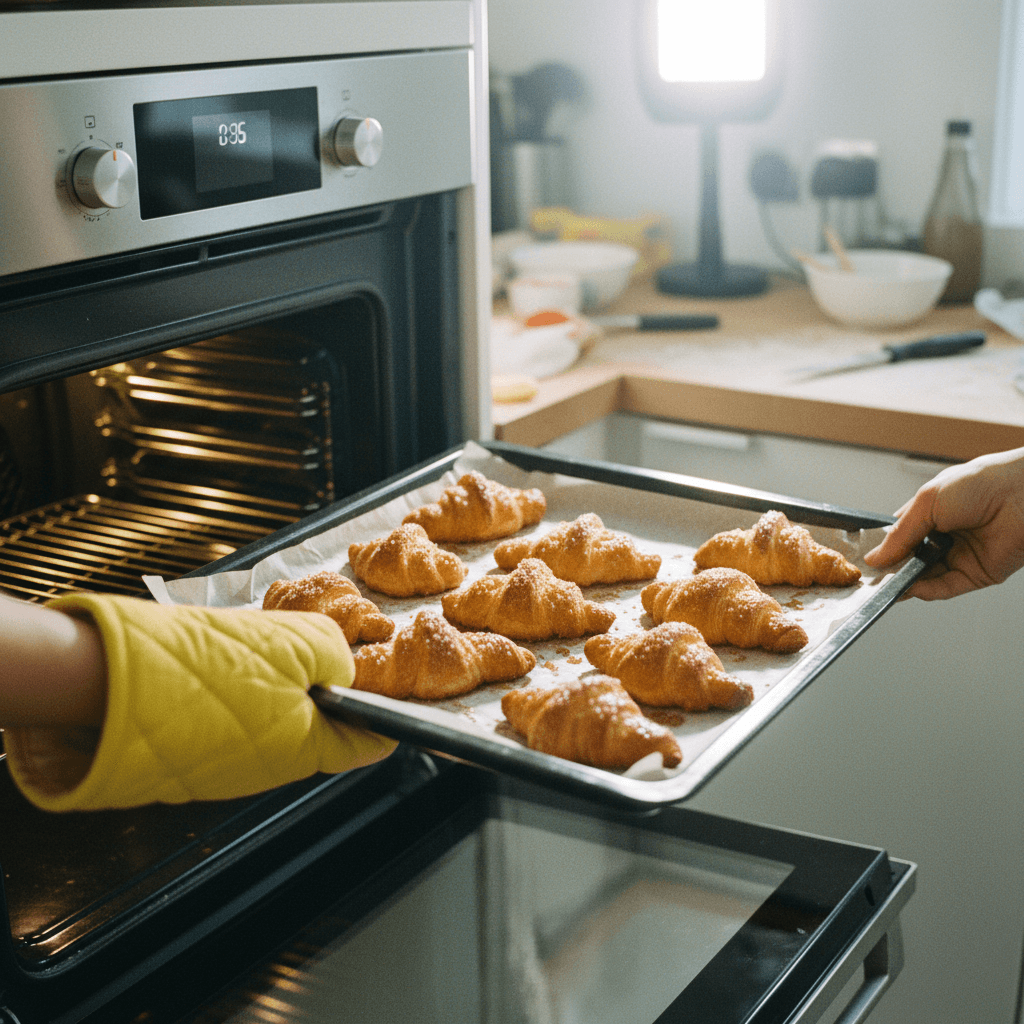
- 21
Prepare for the Caramel Tuille: Preheat your oven to 160°C (325°F). Line a baking sheet with a silicone baking mat.
⏱️ 5 min•🌡️ 160
- 22
In a mixing bowl, combine 100g fruit juice, 220g granulated sugar, 120g liquid butter, and 80g all-purpose flour.
⏱️ 3 min
- 23
Whisk the ingredients together until a smooth, lump-free mixture is formed.
⏱️ 2 min
- 24
Transfer the tuille mixture into a piping bag. Snip a small opening at the tip.
⏱️ 2 min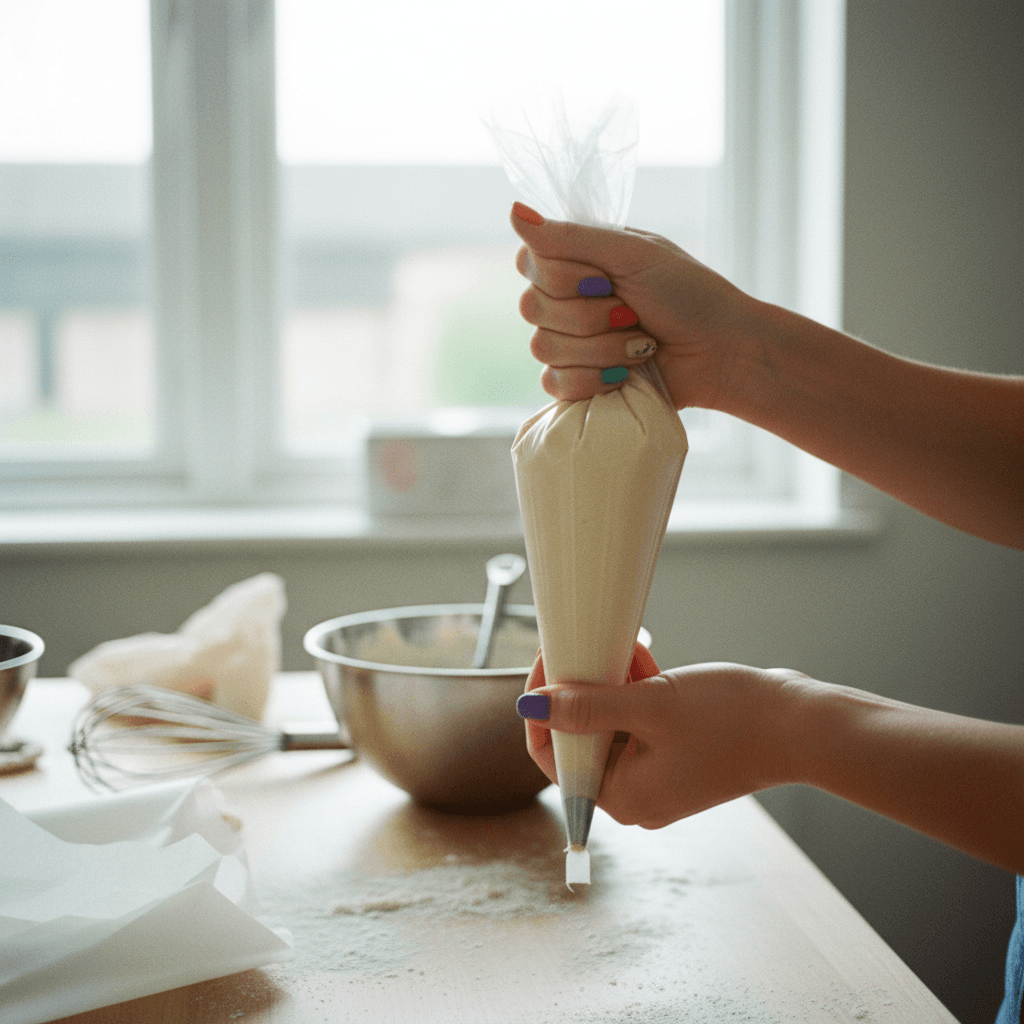
- 25
Pipe small dots or thin lines of the mixture onto the prepared silicone baking mat, leaving space between each. You can create various shapes.
⏱️ 5 min
- 26
Bake in the preheated oven for 8-15 minutes, or until the tuiles are golden brown, caramelized, and appear lacy and crispy. Baking time will vary depending on thickness and oven.
⏱️ 10 min•🌡️ 160
- 27
Immediately after removing from the oven, while still warm and pliable, quickly shape the tuiles as desired (e.g., drape over a rolling pin for curves, or press into molds). They will harden quickly as they cool.
⏱️ 5 min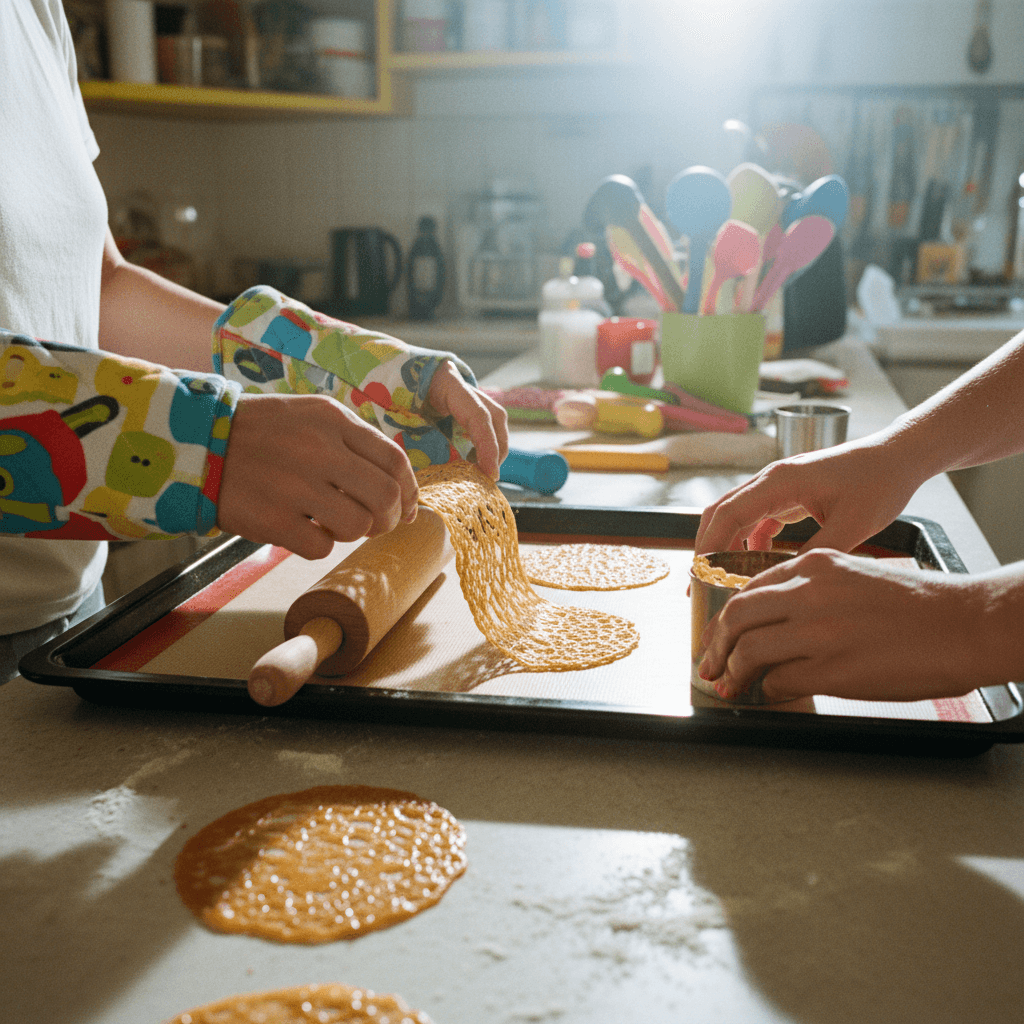
- 28
Allow the shaped tuiles to cool completely and harden. Set aside. All five caramel techniques are now complete and ready for use in pastry decoration.
⏱️ 10 min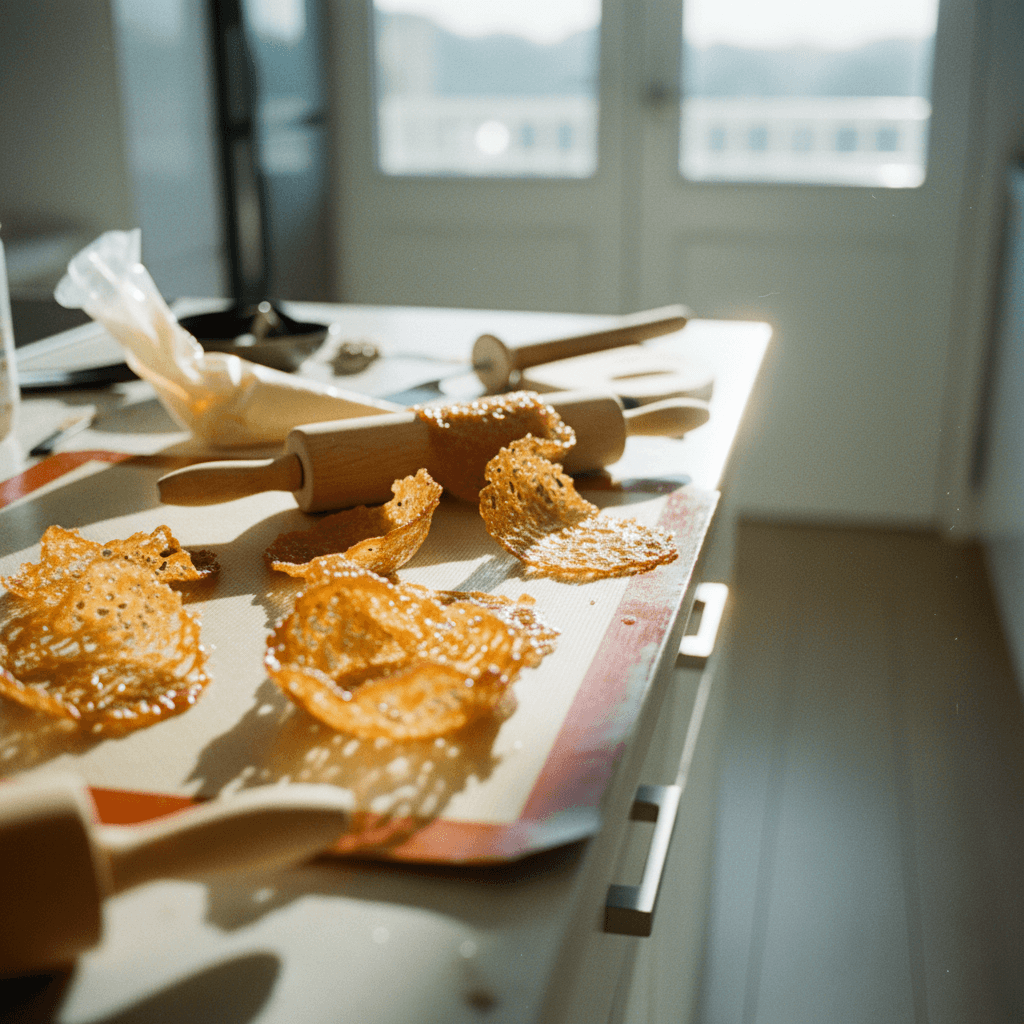
Kitchen Tools
5 Caramel Techniques
For the Amber Dome
- 80 g water
- 70 g granulated sugar
- 70 g glucose
- 70 g isomalt
For the Honeycomb
- 110 g water
- 600 g granulated sugar
- 60 g honey
- 10 g baking soda
For the Caramel Spiral
- as needed caramel, pre-made, hot and pliable
For the Croissant Caramel
- 1 croissant
- as needed powdered sugar
For the Caramel Tuille
- 100 g fruit juice, any type
- 220 g granulated sugar
- 120 g liquid butter
- 80 g all-purpose flour
Instructions
- 1
Prepare for the Amber Dome: In a heavy-bottomed saucepan, combine 80g water, 70g granulated sugar, and 70g glucose. Heat over medium-high heat without stirring until the mixture begins to caramelize and turns an amber color.
⏱️ 10 min - 2
Once caramelized, carefully add 70g isomalt to the mixture. Stir gently until the isomalt is fully dissolved and incorporated. Continue to heat until the mixture reaches approximately 160-170°C.
⏱️ 5 min - 3
Remove the caramel from the heat and allow it to cool down to 125°C. This cooling process is crucial for the correct consistency.
⏱️ 10 min - 4
While the amber caramel cools, prepare a clean, heat-resistant plastic folio (plastic wrap) on a flat surface. Have a frozen metal ring ready.
⏱️ 2 min - 5
Once the amber caramel reaches 125°C, dip a spoonful of the hot caramel onto the plastic folio. Immediately press down on the caramel with the frozen metal ring to shape it into a dome.
⏱️ 5 min - 6
Allow the caramel dome to harden completely before carefully removing it from the metal ring and plastic folio. Set aside.
⏱️ 15 min - 7
Prepare for the Honeycomb: In a large, deep saucepan, combine 110g water, 600g granulated sugar, and 60g honey. Heat over medium-high heat, stirring occasionally until the sugar dissolves, then stop stirring.
⏱️ 10 min - 8
Allow the mixture to boil and caramelize to a deep amber color. This can take some time. Once caramelized, remove from heat.
⏱️ 15 min - 9
Immediately add 10g baking soda to the hot caramel mixture. Stir as fast and as much as possible; the mixture will rapidly become foamy and expand.
⏱️ 1 min - 10
Immediately pour the foamy honeycomb mixture into a pan lined with parchment paper. Do not spread it; let it settle naturally.
⏱️ 1 min - 11
Allow the honeycomb to cool and harden completely at room temperature. This will take at least 30 minutes.
⏱️ 30 min - 12
Once hardened, break the honeycomb into desired pieces. Set aside.
⏱️ 2 min - 13
Prepare for the Caramel Spiral: Set up a metal tube attached to a spinning drill. Ensure the drill is stable and can spin smoothly.
⏱️ 5 min - 14
Using pre-made hot and pliable caramel (ensure it's at a workable temperature), carefully drip a continuous strand from a spoon onto the spinning metal tube, allowing it to form a spiral.
⏱️ 5 min - 15
Allow the caramel spiral to cool down and harden completely on the tube. Once firm, carefully remove the hardened caramel spiral. Set aside.
⏱️ 10 min - 16
Prepare for the Croissant Caramel: Preheat your oven to 180°C (350°F).
⏱️ 5 min•🌡️ 180 - 17
Cut a croissant into thin slices, approximately 0.5 cm thick.
⏱️ 2 min - 18
Arrange the croissant slices on a baking sheet lined with parchment paper. Sift powdered sugar generously over the croissant slices.
⏱️ 3 min - 19
Bake the sugared croissant slices in the preheated oven for 8-12 minutes, or until they are golden brown, caramelized, and crispy. Keep a close eye on them to prevent burning.
⏱️ 10 min•🌡️ 180 - 20
Remove from the oven and let cool completely on the baking sheet. They will crisp up further as they cool. Set aside.
⏱️ 10 min - 21
Prepare for the Caramel Tuille: Preheat your oven to 160°C (325°F). Line a baking sheet with a silicone baking mat.
⏱️ 5 min•🌡️ 160 - 22
In a mixing bowl, combine 100g fruit juice, 220g granulated sugar, 120g liquid butter, and 80g all-purpose flour.
⏱️ 3 min - 23
Whisk the ingredients together until a smooth, lump-free mixture is formed.
⏱️ 2 min - 24
Transfer the tuille mixture into a piping bag. Snip a small opening at the tip.
⏱️ 2 min - 25
Pipe small dots or thin lines of the mixture onto the prepared silicone baking mat, leaving space between each. You can create various shapes.
⏱️ 5 min - 26
Bake in the preheated oven for 8-15 minutes, or until the tuiles are golden brown, caramelized, and appear lacy and crispy. Baking time will vary depending on thickness and oven.
⏱️ 10 min•🌡️ 160 - 27
Immediately after removing from the oven, while still warm and pliable, quickly shape the tuiles as desired (e.g., drape over a rolling pin for curves, or press into molds). They will harden quickly as they cool.
⏱️ 5 min - 28
Allow the shaped tuiles to cool completely and harden. Set aside. All five caramel techniques are now complete and ready for use in pastry decoration.
⏱️ 10 min