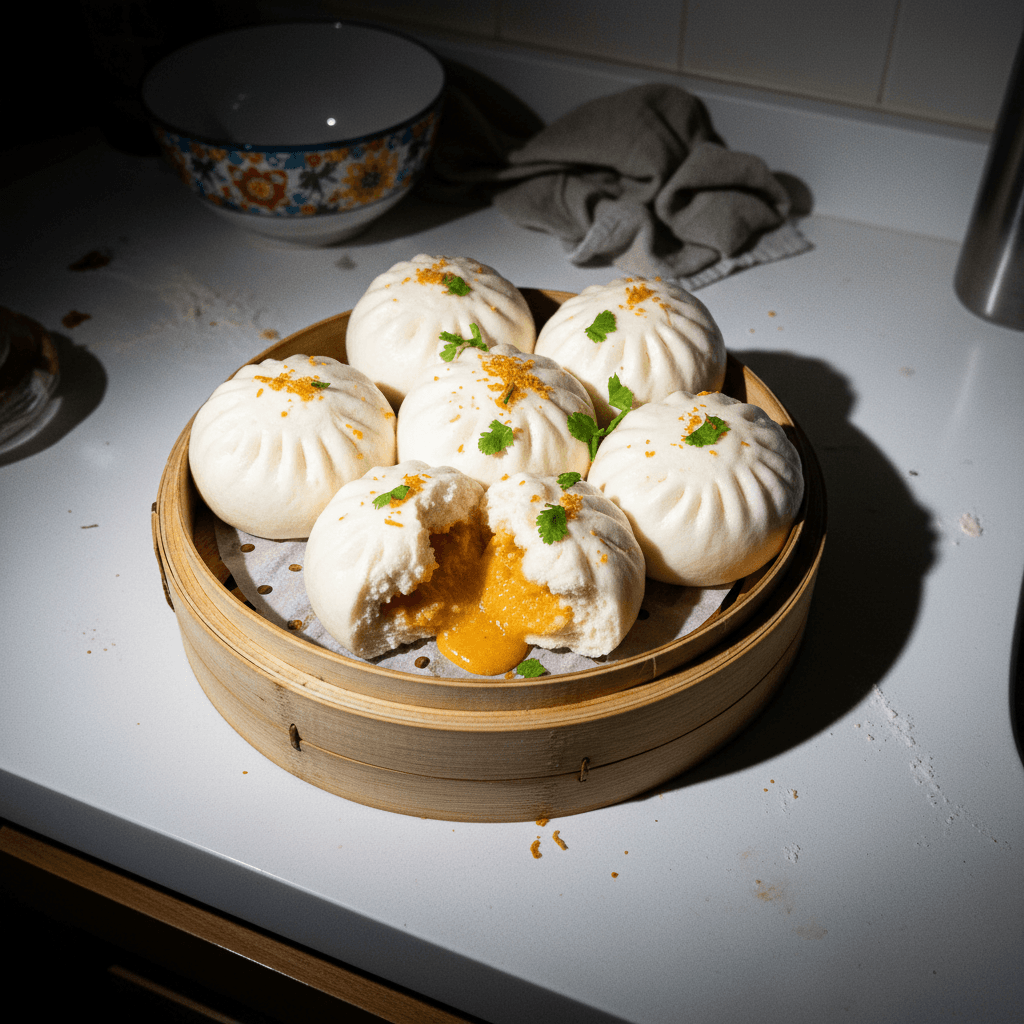
Salted Egg Yolk Custard Bao "Liu Sha Bao"
Salted Egg Yolk Custard Bao "Liu Sha Bao"
Ingredients
For the Salted Egg Yolk Custard Filling
- 144 g salted egg yolk, 12 pieces
- 180 g butter
- 180 g sugar
- 30 g milk powder
- 40 g cornstarch
- 12 g gelatin powder or leaves
- 90 g water
- 1/2 teaspoon vanilla extract, optional, not explicitly listed but mentioned in method
For the Bao Dough
- 410 g low gluten flour
- 100 g skimmed milk
- 100 ml water
- 80 g sugar
- 1 egg white, small
- 3 g instant dry yeast
- 6 g baking powder
For Assembly (Optional)
- as needed oil, for hands when portioning custard
- as needed black sesame seeds, for animal baos
- as needed paper cups, for proofing baos
Instructions
- 1
Preheat your oven to 180°C. Place the salted egg yolks on a piece of parchment paper on a baking sheet. Roast for 12 minutes until they are lightly caramelized. Remove from oven and allow to cool completely.
⏱️ 15 min•🌡️ 180
- 2
In a small pot, combine the gelatin, 180g sugar, and 90g water. Heat gently, stirring until the gelatin and sugar are fully dissolved. Do not boil.
⏱️ 5 min
- 3
Add the butter and vanilla extract (if using) to the pot with the gelatin mixture. Continue to heat gently, stirring until the butter is completely melted. Remove the pot from the heat.
⏱️ 5 min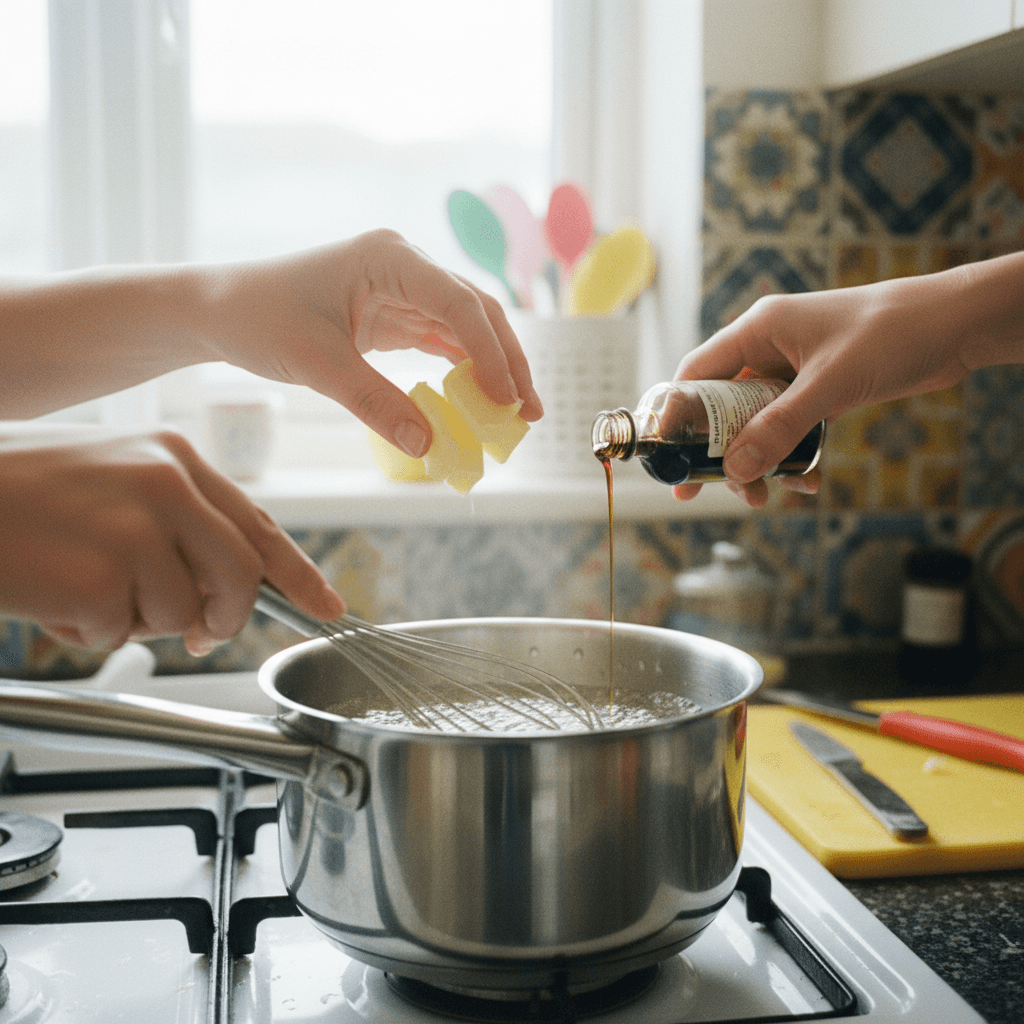
- 4
In a blender, combine the cooled roasted egg yolks, milk powder, and cornstarch. With the blender running on low, slowly pour the hot liquid mixture (from step 3) into the blender. Blend until the custard mixture is completely smooth.
⏱️ 5 min
- 5
Pour the custard mixture into a container and chill in the refrigerator until cool, then transfer to the freezer for 4 to 6 hours, or preferably overnight, until firm enough to handle.
⏱️ 360 min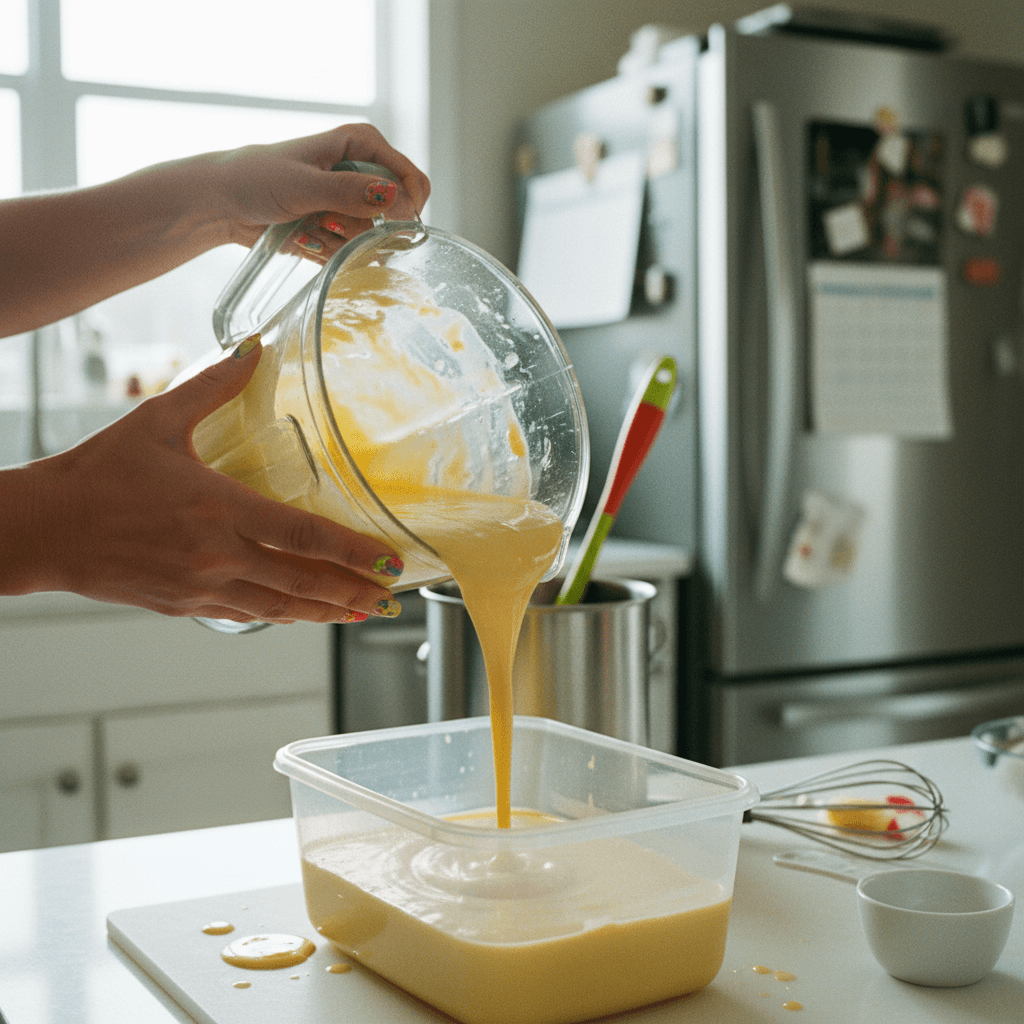
- 6
Once the custard is frozen solid, lightly oil your hands. Scoop out portions of the frozen custard and roll them into 30g balls. Keep these custard balls in the freezer until ready to use. Any leftover custard can be stored in the freezer for other desserts.
⏱️ 15 min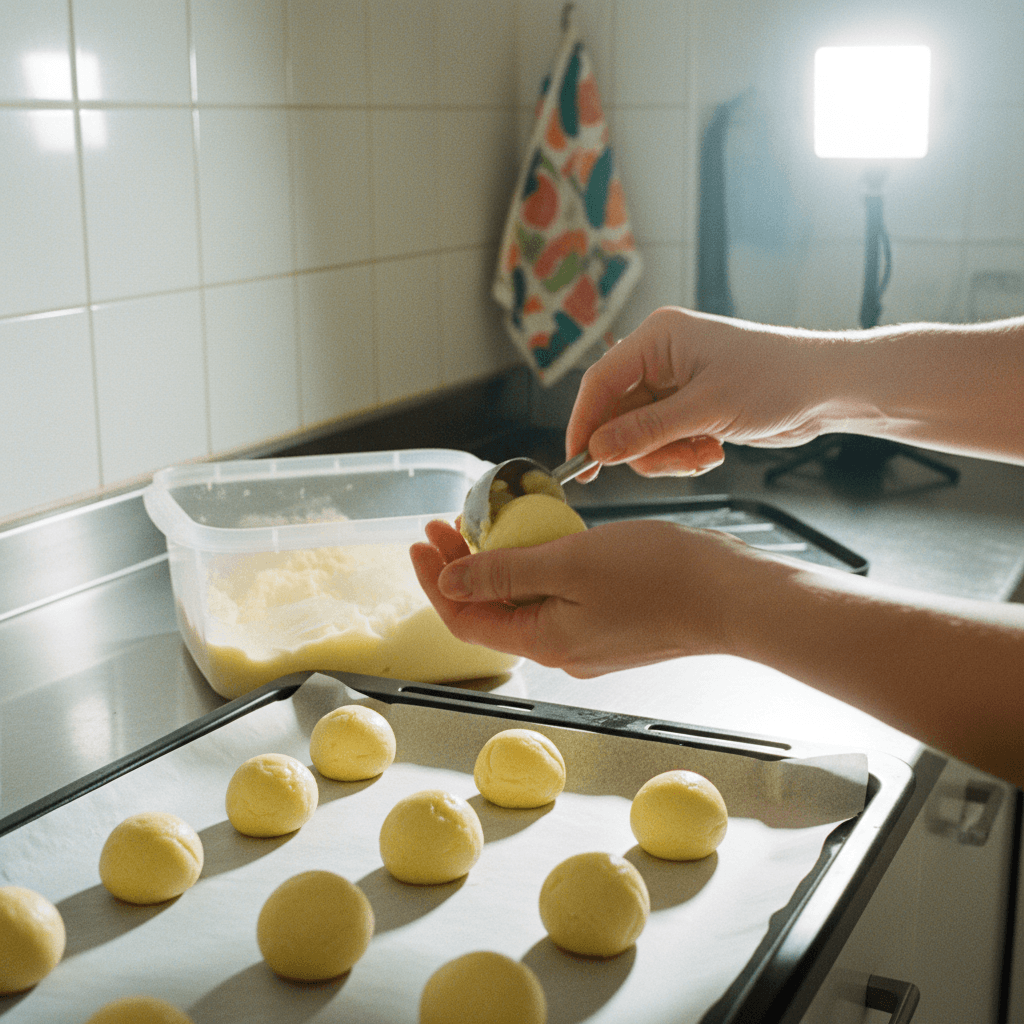
- 7
In a large mixing bowl, combine all the bao dough ingredients: low gluten flour, skimmed milk, water, 80g sugar, small egg white, instant dry yeast, and baking powder. Mix until a shaggy dough forms.
⏱️ 5 min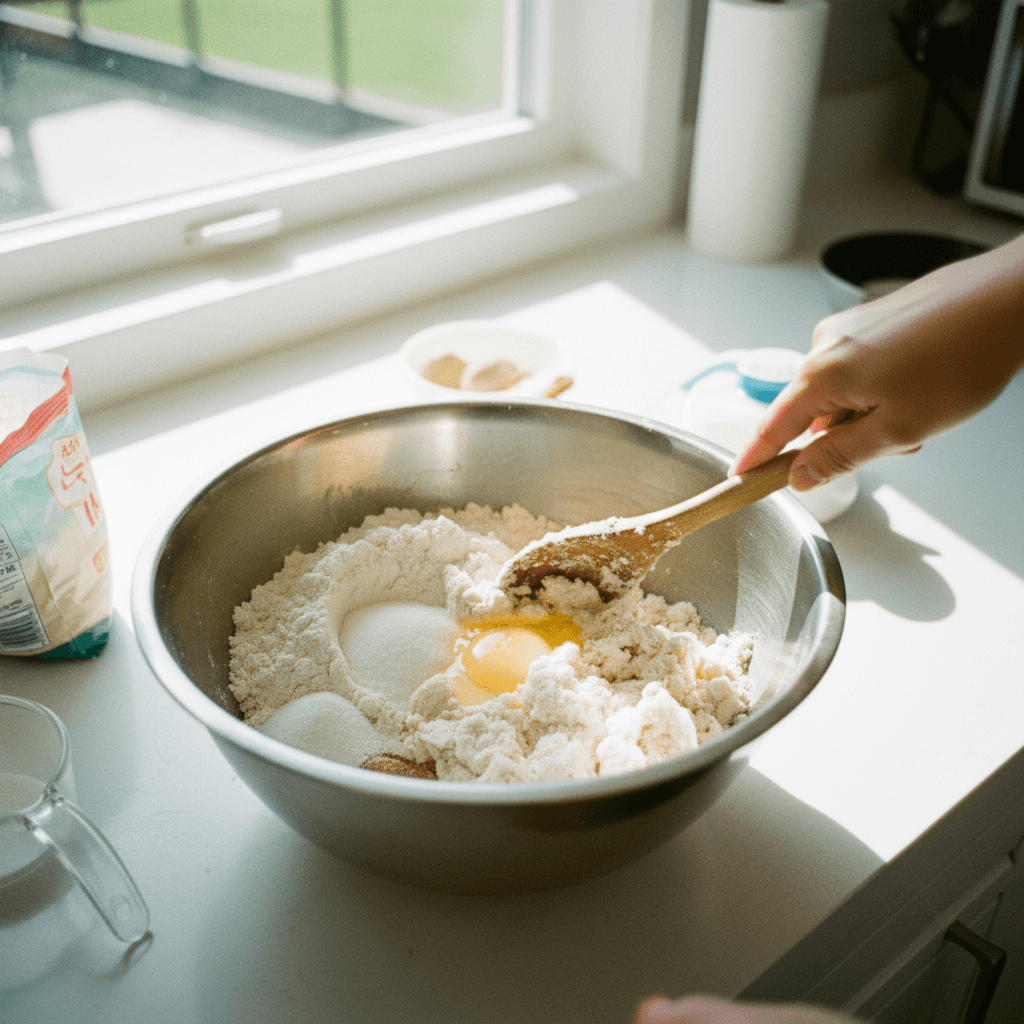
- 8
Cover the bowl and let the dough rest for 10 minutes.
⏱️ 10 min - 9
Turn the dough out onto a clean surface and knead for 15 to 20 minutes until it becomes smooth and elastic, like clay.
⏱️ 20 min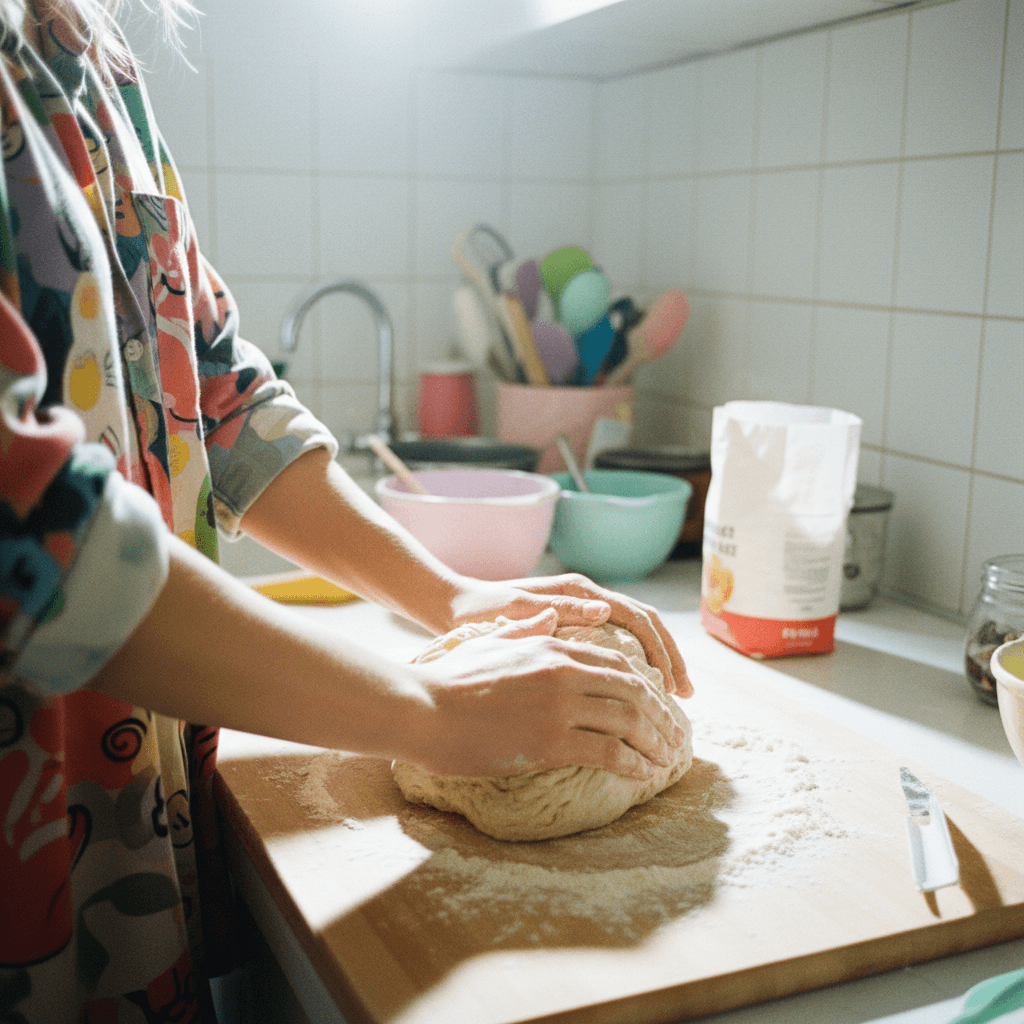
- 10
Place the kneaded dough back into the bowl, cover, and let it rest again for 10 to 20 minutes.
⏱️ 20 min
- 11
Divide the dough into 45g balls. Take each dough ball and, using a small rolling pin, roll it into a disc, ensuring the center remains slightly thicker than the edges.
⏱️ 10 min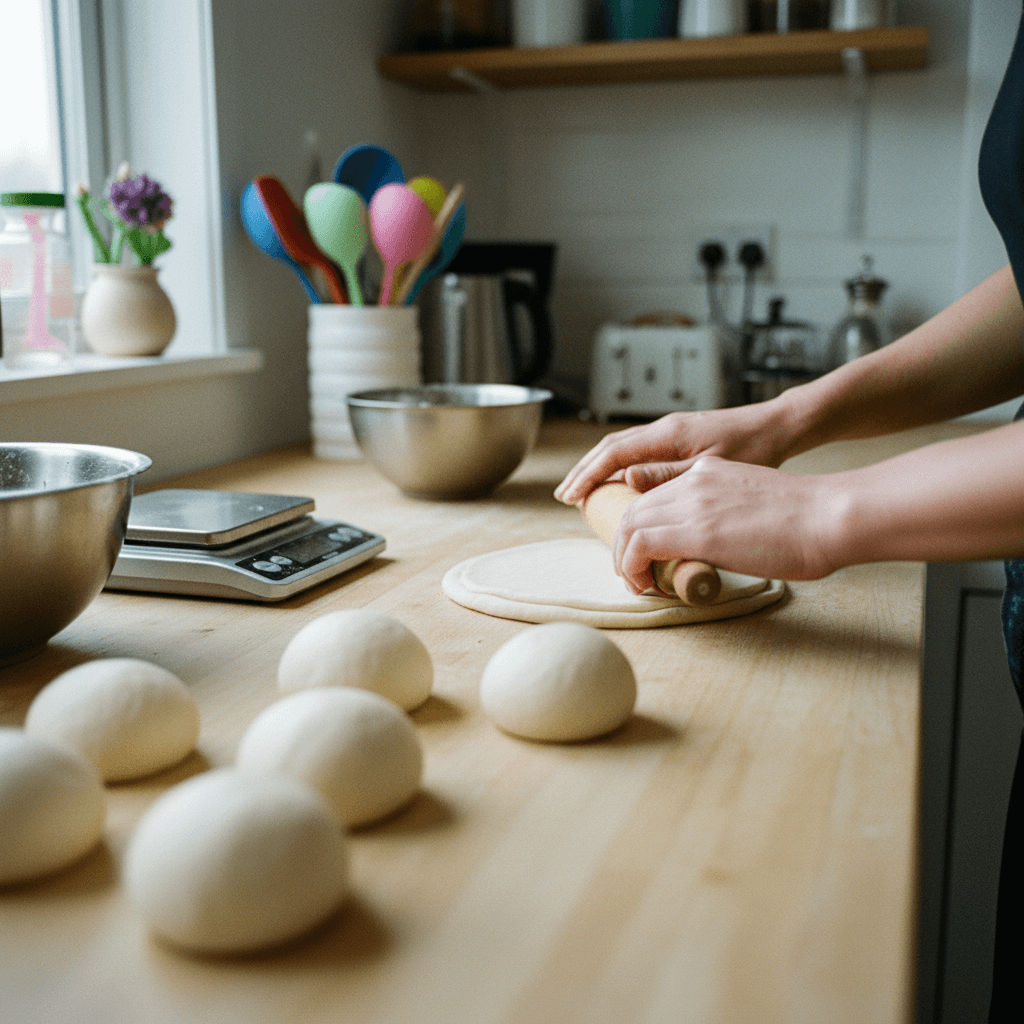
- 12
Take one rolled dough disc and place a frozen 30g custard ball in its center. Gather the edges of the dough around the custard filling and pinch them together tightly to seal. Roll the filled bao into a smooth, round ball.
⏱️ 10 min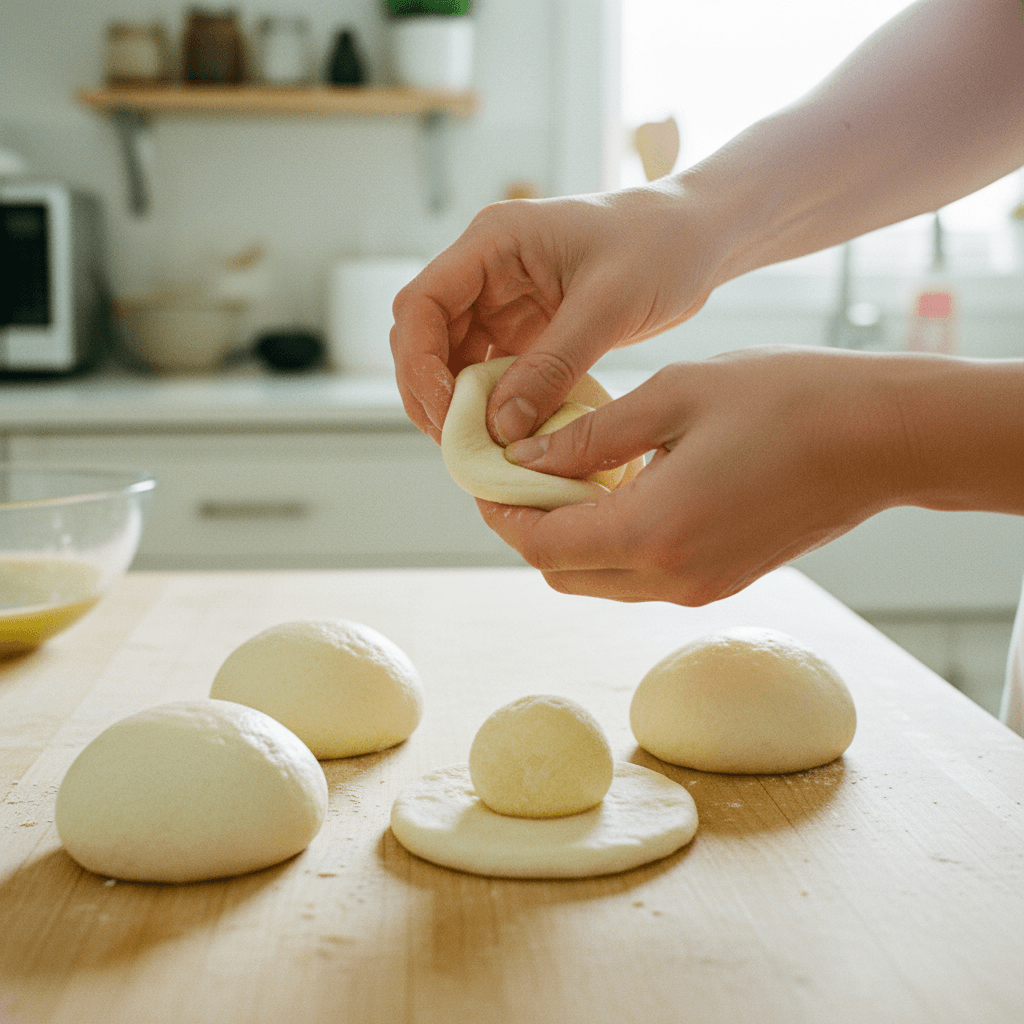
- 13
Place each sealed bao into a paper cup. If making 'chubby animal baos,' use a knife to create small 'ears' and add black sesame seeds for 'eyes' at this stage.
⏱️ 5 min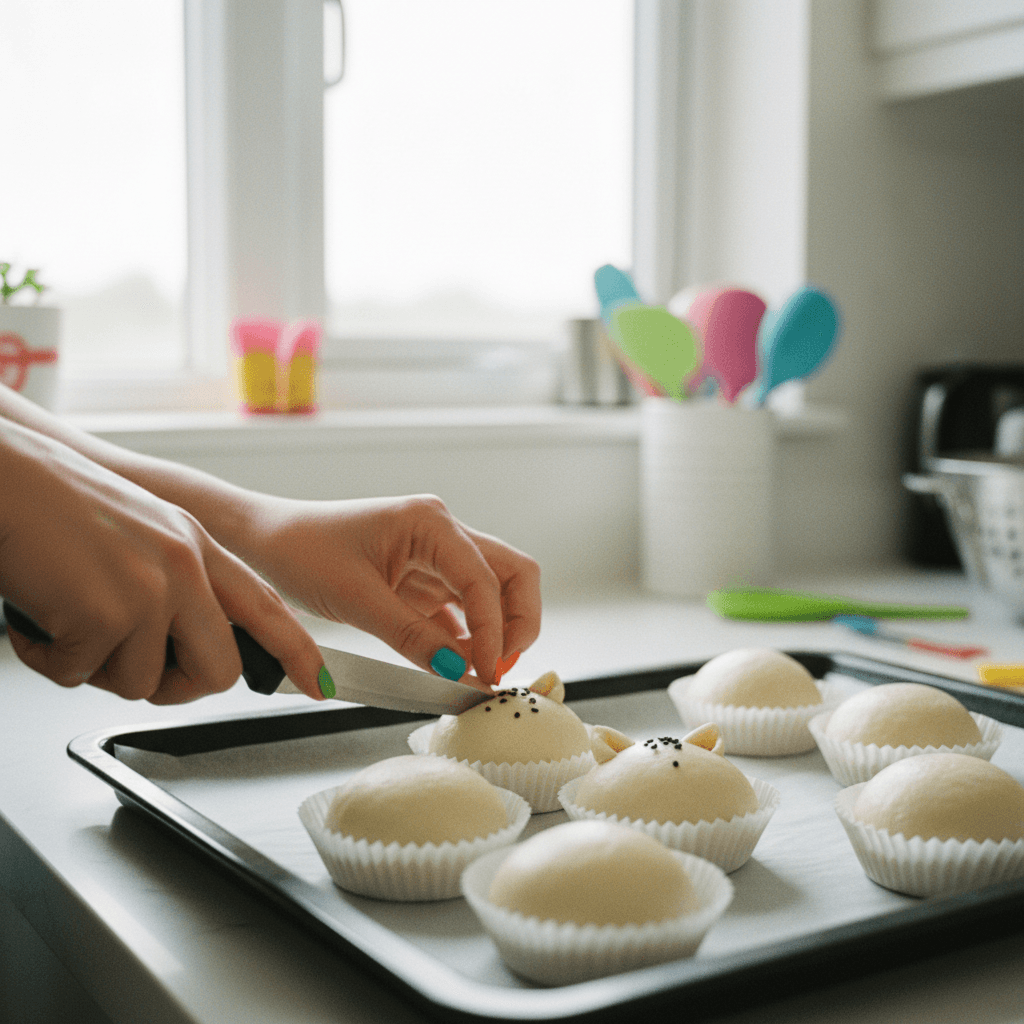
- 14
Proof the baos in a warm, humid environment (e.g., a steamer with the heat off, or an oven at 30°C) for 30 minutes, or until they are soft and puffy to the touch and have visibly increased in size.
⏱️ 30 min•🌡️ 30
- 15
Once proofed, prepare your steamer. Steam the baos on high heat for 12 minutes.
⏱️ 12 min•🌡️ 100
- 16
After steaming, turn off the heat but leave the baos in the steamer with the lid on for 5 minutes before opening. This prevents the baos from deflating. Serve warm.
⏱️ 5 min
Kitchen Tools
Nutrition Facts (per serving)
Salted Egg Yolk Custard Bao "Liu Sha Bao"
For the Salted Egg Yolk Custard Filling
- 144 g salted egg yolk, 12 pieces
- 180 g butter
- 180 g sugar
- 30 g milk powder
- 40 g cornstarch
- 12 g gelatin powder or leaves
- 90 g water
- 1/2 teaspoon vanilla extract, optional, not explicitly listed but mentioned in method
For the Bao Dough
- 410 g low gluten flour
- 100 g skimmed milk
- 100 ml water
- 80 g sugar
- 1 egg white, small
- 3 g instant dry yeast
- 6 g baking powder
For Assembly (Optional)
- as needed oil, for hands when portioning custard
- as needed black sesame seeds, for animal baos
- as needed paper cups, for proofing baos
Instructions
- 1
Preheat your oven to 180°C. Place the salted egg yolks on a piece of parchment paper on a baking sheet. Roast for 12 minutes until they are lightly caramelized. Remove from oven and allow to cool completely.
⏱️ 15 min•🌡️ 180 - 2
In a small pot, combine the gelatin, 180g sugar, and 90g water. Heat gently, stirring until the gelatin and sugar are fully dissolved. Do not boil.
⏱️ 5 min - 3
Add the butter and vanilla extract (if using) to the pot with the gelatin mixture. Continue to heat gently, stirring until the butter is completely melted. Remove the pot from the heat.
⏱️ 5 min - 4
In a blender, combine the cooled roasted egg yolks, milk powder, and cornstarch. With the blender running on low, slowly pour the hot liquid mixture (from step 3) into the blender. Blend until the custard mixture is completely smooth.
⏱️ 5 min - 5
Pour the custard mixture into a container and chill in the refrigerator until cool, then transfer to the freezer for 4 to 6 hours, or preferably overnight, until firm enough to handle.
⏱️ 360 min - 6
Once the custard is frozen solid, lightly oil your hands. Scoop out portions of the frozen custard and roll them into 30g balls. Keep these custard balls in the freezer until ready to use. Any leftover custard can be stored in the freezer for other desserts.
⏱️ 15 min - 7
In a large mixing bowl, combine all the bao dough ingredients: low gluten flour, skimmed milk, water, 80g sugar, small egg white, instant dry yeast, and baking powder. Mix until a shaggy dough forms.
⏱️ 5 min - 8
Cover the bowl and let the dough rest for 10 minutes.
⏱️ 10 min - 9
Turn the dough out onto a clean surface and knead for 15 to 20 minutes until it becomes smooth and elastic, like clay.
⏱️ 20 min - 10
Place the kneaded dough back into the bowl, cover, and let it rest again for 10 to 20 minutes.
⏱️ 20 min - 11
Divide the dough into 45g balls. Take each dough ball and, using a small rolling pin, roll it into a disc, ensuring the center remains slightly thicker than the edges.
⏱️ 10 min - 12
Take one rolled dough disc and place a frozen 30g custard ball in its center. Gather the edges of the dough around the custard filling and pinch them together tightly to seal. Roll the filled bao into a smooth, round ball.
⏱️ 10 min - 13
Place each sealed bao into a paper cup. If making 'chubby animal baos,' use a knife to create small 'ears' and add black sesame seeds for 'eyes' at this stage.
⏱️ 5 min - 14
Proof the baos in a warm, humid environment (e.g., a steamer with the heat off, or an oven at 30°C) for 30 minutes, or until they are soft and puffy to the touch and have visibly increased in size.
⏱️ 30 min•🌡️ 30 - 15
Once proofed, prepare your steamer. Steam the baos on high heat for 12 minutes.
⏱️ 12 min•🌡️ 100 - 16
After steaming, turn off the heat but leave the baos in the steamer with the lid on for 5 minutes before opening. This prevents the baos from deflating. Serve warm.
⏱️ 5 min