Brown Butter Sage Rigatoni
Brown Butter Sage Rigatoni

Ingredients
- 6 ounces rigatoni
- 4 tablespoons butter
- 12 sage leaves
- 1/2 cup heavy cream, or half and half
- 1/2 cup fresh Parmigiano Reggiano, grated
- 1/2 teaspoon salt
- 1/2 teaspoon pepper
- 1 clove garlic, minced, optional
- as needed fresh Parmigiano Reggiano, for serving
- as needed fresh sage leaf, for garnish
Instructions
- 1
Bring a large pot of salted water to a rolling boil. Add the rigatoni and cook according to package directions until al dente, typically 8-10 minutes. Reserve 1 cup of pasta water before draining.
⏱️ 10 min
- 2
While the pasta is cooking, place a large skillet or pan over medium heat. Add the butter and allow it to melt completely.
⏱️ 2 min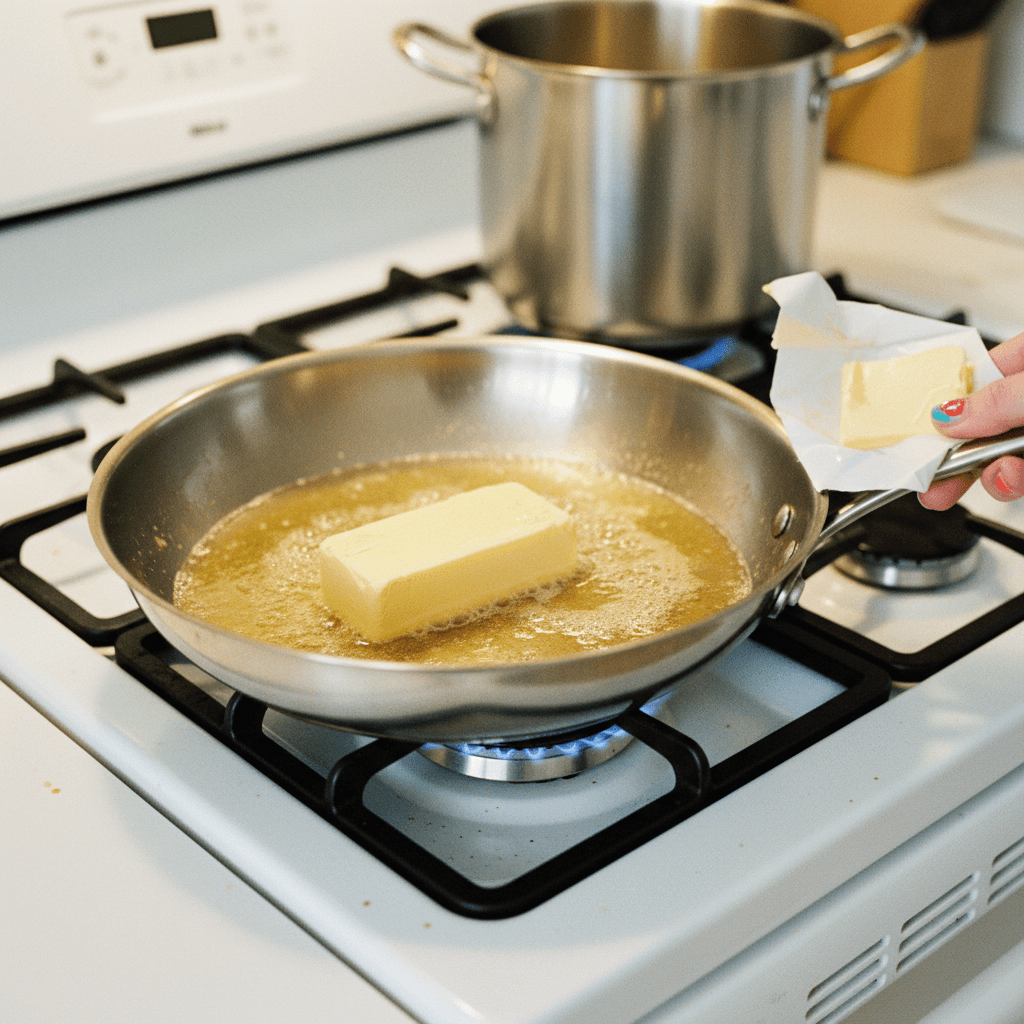
- 3
Once the butter is melted, add the sage leaves to the pan. If using, add the minced garlic now as well.
⏱️ 1 min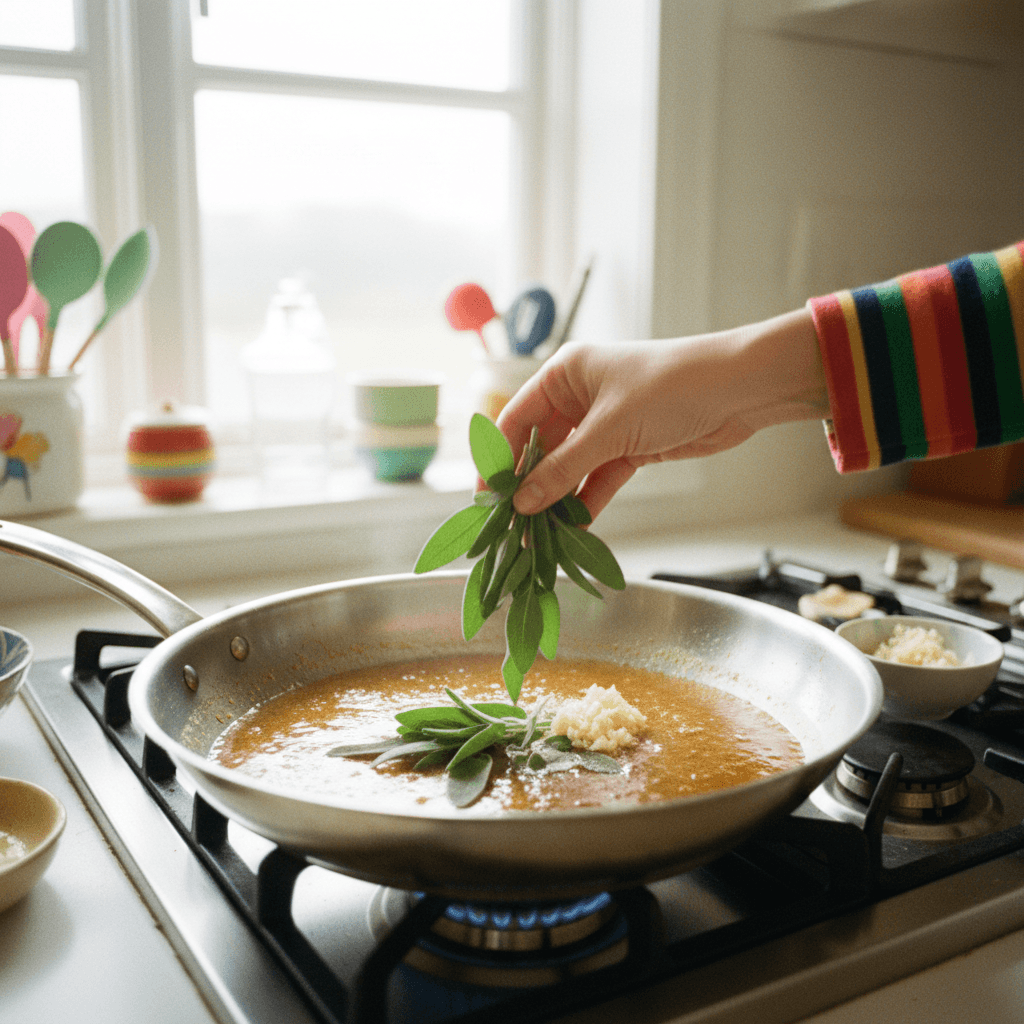
- 4
Continue to cook the butter and sage (and garlic, if using), stirring occasionally. The butter will begin to foam, then turn golden brown, developing a nutty aroma. The sage leaves will become crisp. This process usually takes 3-5 minutes. Watch carefully to prevent burning.
⏱️ 4 min
- 5
Carefully pour in the heavy cream (or half and half) to the browned butter and sage mixture. Stir well to combine, scraping any browned bits from the bottom of the pan.
⏱️ 1 min
- 6
Stir in the grated Parmigiano Reggiano until it melts into the sauce.
⏱️ 1 min
- 7
Season the sauce with salt and pepper. Taste and adjust seasoning as needed.
⏱️ 1 min
- 8
Using tongs, transfer the cooked rigatoni directly from the pot into the pan with the sauce. This will naturally bring some pasta water along. Add 3-4 tablespoons of the reserved pasta water to the sauce.
⏱️ 1 min
- 9
Toss the pasta and sauce together until the rigatoni is thoroughly coated and the sauce has emulsified to a creamy consistency. If the sauce is too thick, add another tablespoon or two of pasta water until desired consistency is reached.
⏱️ 2 min
- 10
Serve the pasta immediately. Grate more fresh Parmigiano Reggiano on top and garnish with a fresh sage leaf, if desired.
⏱️ 1 min
Kitchen Tools
Nutrition Facts (per serving)
Brown Butter Sage Rigatoni
- 6 ounces rigatoni
- 4 tablespoons butter
- 12 sage leaves
- 1/2 cup heavy cream, or half and half
- 1/2 cup fresh Parmigiano Reggiano, grated
- 1/2 teaspoon salt
- 1/2 teaspoon pepper
- 1 clove garlic, minced, optional
- as needed fresh Parmigiano Reggiano, for serving
- as needed fresh sage leaf, for garnish
Instructions
- 1
Bring a large pot of salted water to a rolling boil. Add the rigatoni and cook according to package directions until al dente, typically 8-10 minutes. Reserve 1 cup of pasta water before draining.
⏱️ 10 min - 2
While the pasta is cooking, place a large skillet or pan over medium heat. Add the butter and allow it to melt completely.
⏱️ 2 min - 3
Once the butter is melted, add the sage leaves to the pan. If using, add the minced garlic now as well.
⏱️ 1 min - 4
Continue to cook the butter and sage (and garlic, if using), stirring occasionally. The butter will begin to foam, then turn golden brown, developing a nutty aroma. The sage leaves will become crisp. This process usually takes 3-5 minutes. Watch carefully to prevent burning.
⏱️ 4 min - 5
Carefully pour in the heavy cream (or half and half) to the browned butter and sage mixture. Stir well to combine, scraping any browned bits from the bottom of the pan.
⏱️ 1 min - 6
Stir in the grated Parmigiano Reggiano until it melts into the sauce.
⏱️ 1 min - 7
Season the sauce with salt and pepper. Taste and adjust seasoning as needed.
⏱️ 1 min - 8
Using tongs, transfer the cooked rigatoni directly from the pot into the pan with the sauce. This will naturally bring some pasta water along. Add 3-4 tablespoons of the reserved pasta water to the sauce.
⏱️ 1 min - 9
Toss the pasta and sauce together until the rigatoni is thoroughly coated and the sauce has emulsified to a creamy consistency. If the sauce is too thick, add another tablespoon or two of pasta water until desired consistency is reached.
⏱️ 2 min - 10
Serve the pasta immediately. Grate more fresh Parmigiano Reggiano on top and garnish with a fresh sage leaf, if desired.
⏱️ 1 min