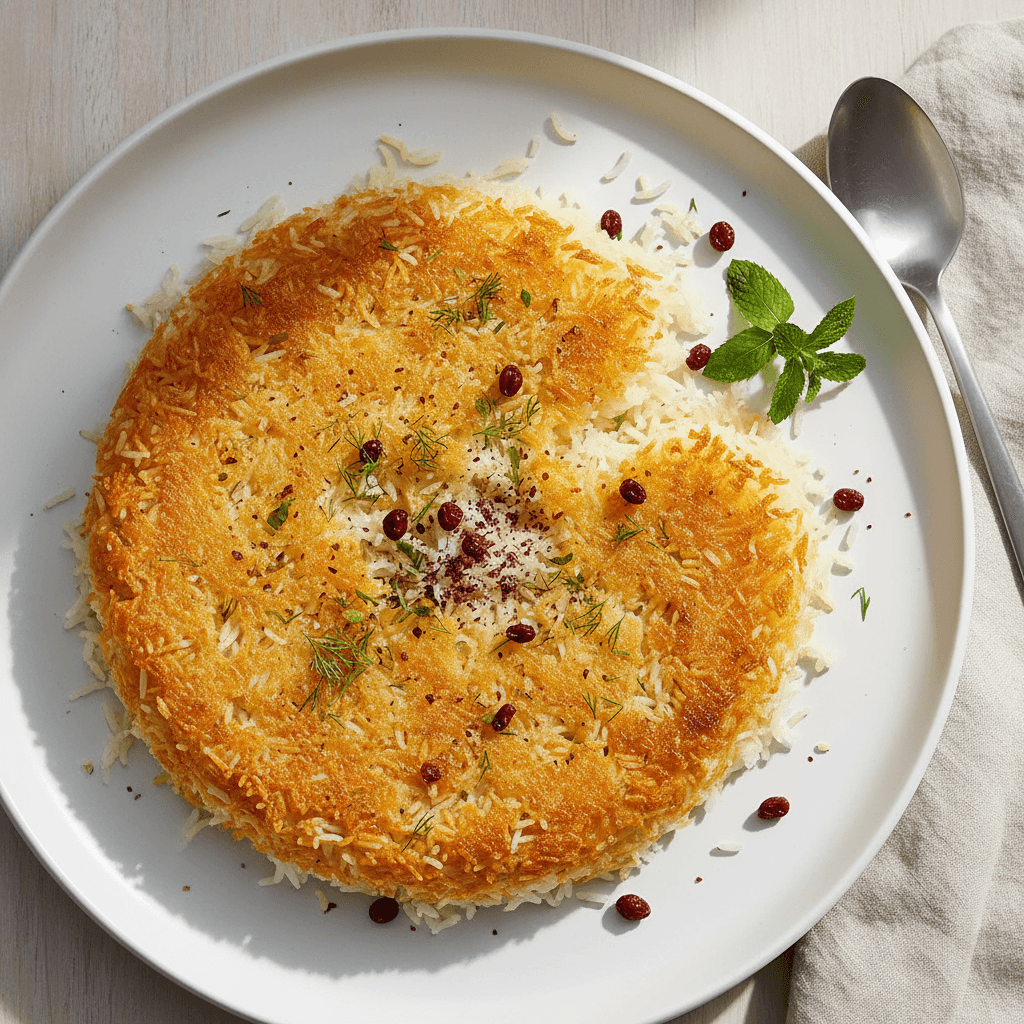
Tadig (Persian Crispy Rice)
Tadig (Persian Crispy Rice)
Ingredients
For the Rice
- 3 cups basmati sela rice
- 6 cups water, for parboiling
- salt, as needed, to taste (for parboiling water)
For the Saffron Brew
- 1/2 teaspoon saffron, crushed threads
- salt, pinch
- 1/2 cup ice, cubes, to melt into liquid
For the Tadig Base
- 1/3 cup neutral oil
- 3/4 teaspoon turmeric
Instructions
- 1
Rinse the basmati sela rice thoroughly under cold running water until the water runs clear. This removes excess starch. Cover the rinsed rice again with fresh water and let it soak for 1 hour.
⏱️ 5 min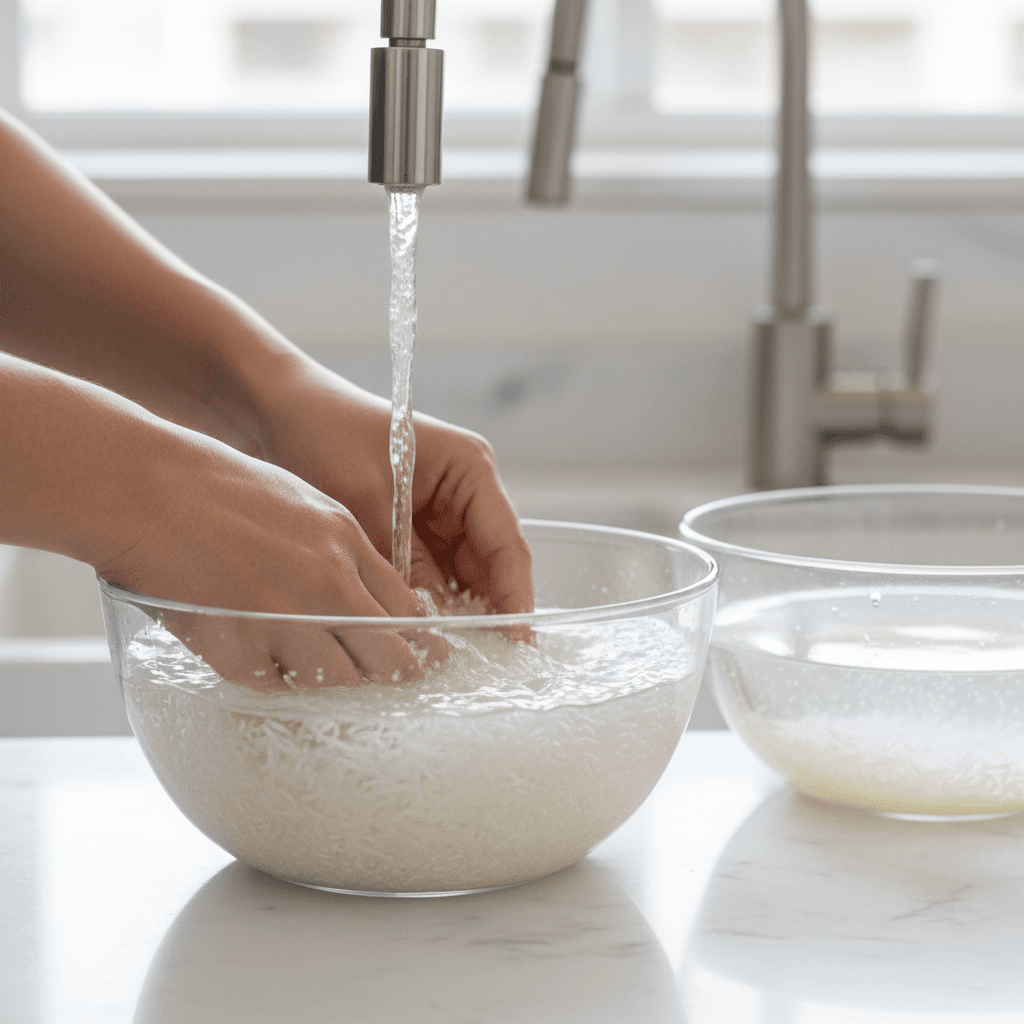
- 2
While the rice soaks, prepare the saffron brew. Add the crushed saffron threads and a pinch of salt to a mortar and pestle. Grind until the saffron is a fine powder. Add the ice cubes to the ground saffron and let them melt completely to create a rich saffron liquid. This method helps preserve the color and flavor.
⏱️ 5 min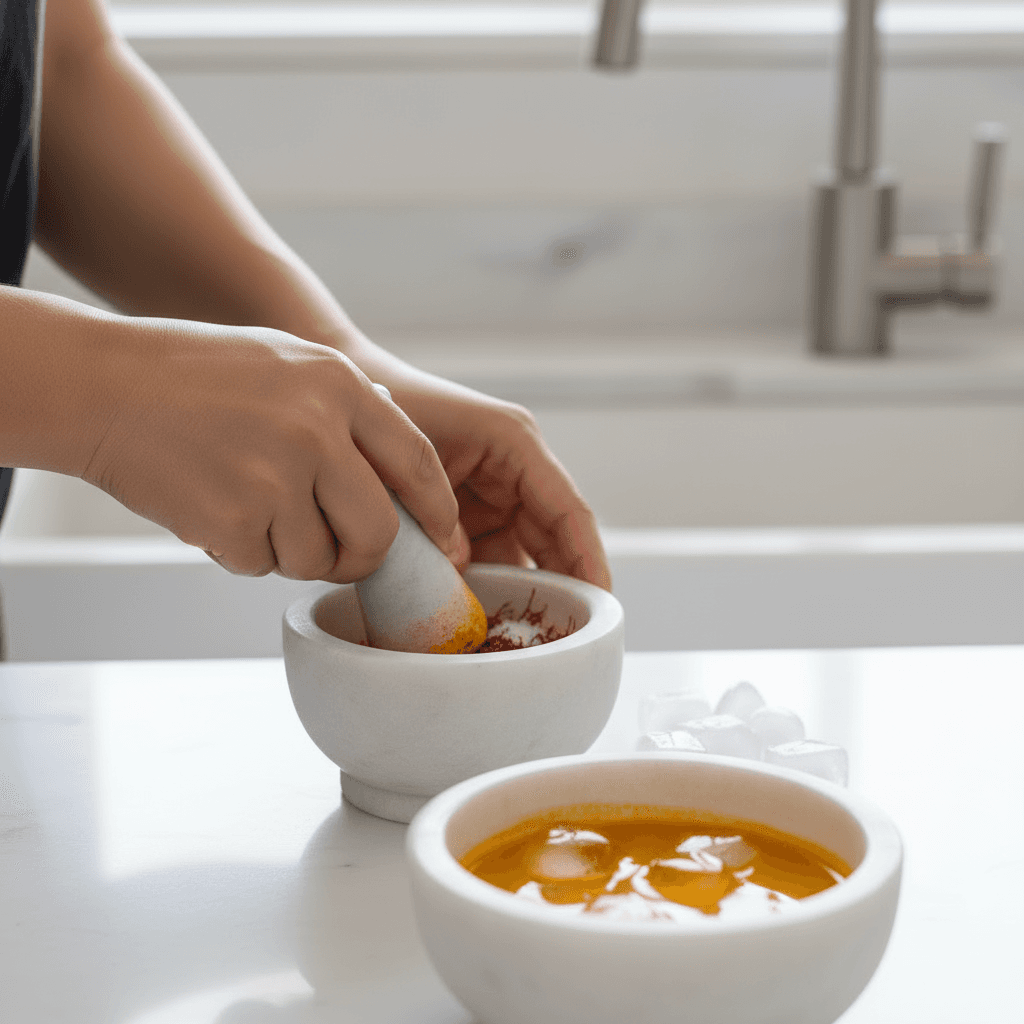
- 3
After the rice has soaked, drain it. In a large non-stick pot, bring 6 cups of water to a rolling boil. Add enough salt to the water so it tastes as salty as the sea. Add the drained rice to the boiling water and parboil for about 5 minutes, or until the rice is about 70% cooked. It should be al dente with a slightly white, opaque center. Drain the rice immediately and rinse it with cold water to stop the cooking process.
⏱️ 7 min•🌡️ 212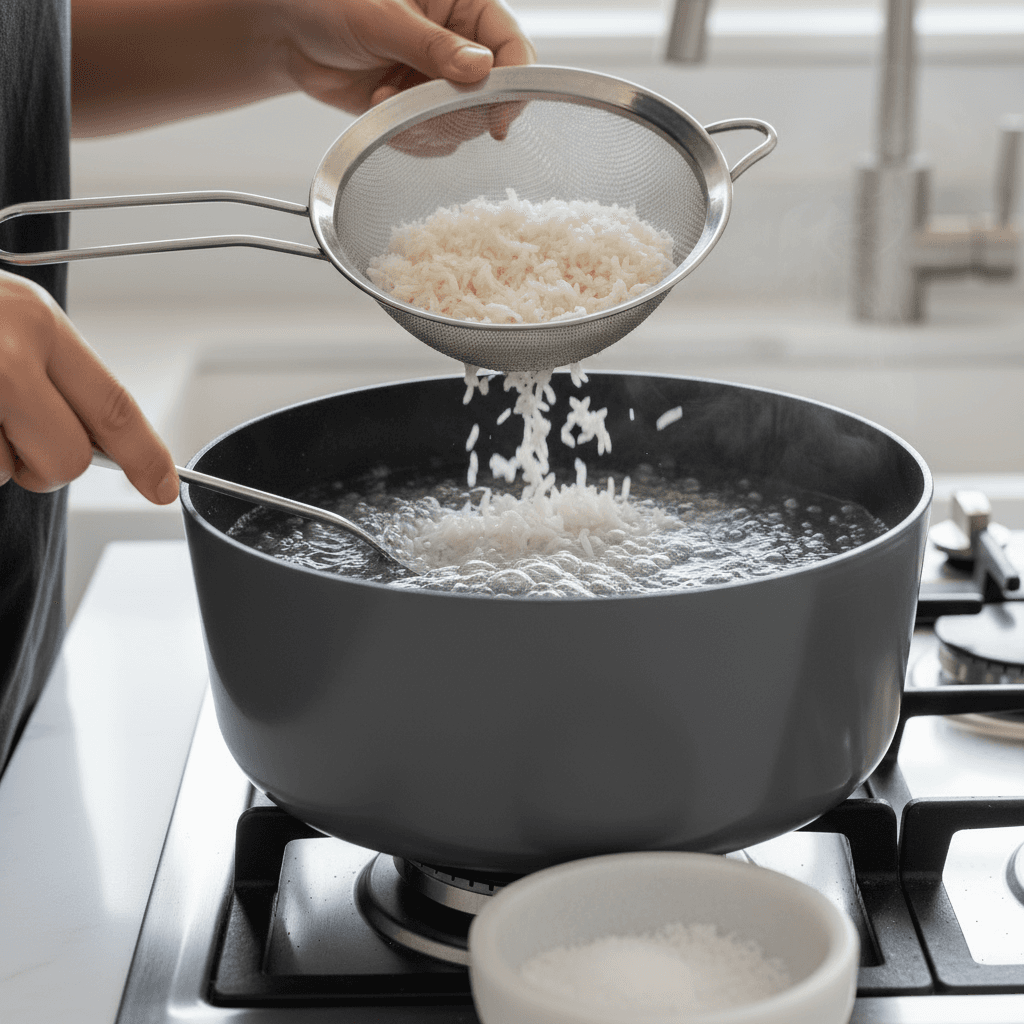
- 4
In the same non-stick pot (cleaned and dried if necessary), add the neutral oil, turmeric, and about 2 tablespoons of the prepared saffron brew. Swirl to combine the ingredients evenly across the bottom of the pot.
⏱️ 2 min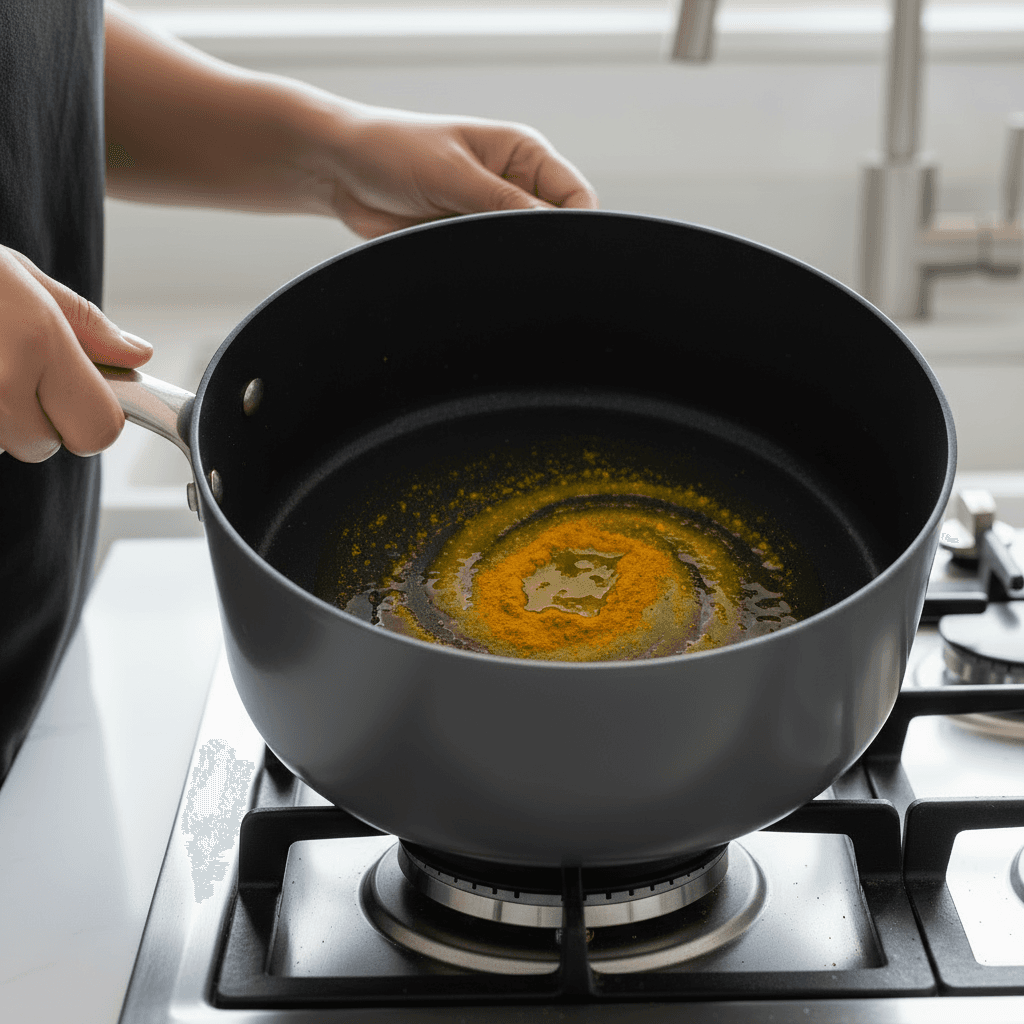
- 5
Carefully add the parboiled rice to the pot, piling it into a pyramid shape on top of the oil and saffron mixture. Using the handle of a wooden spoon or similar utensil, poke several holes halfway down into the rice pyramid to allow steam to escape during cooking. Drizzle any remaining saffron brew over the top of the rice in a circular pattern.
⏱️ 2 min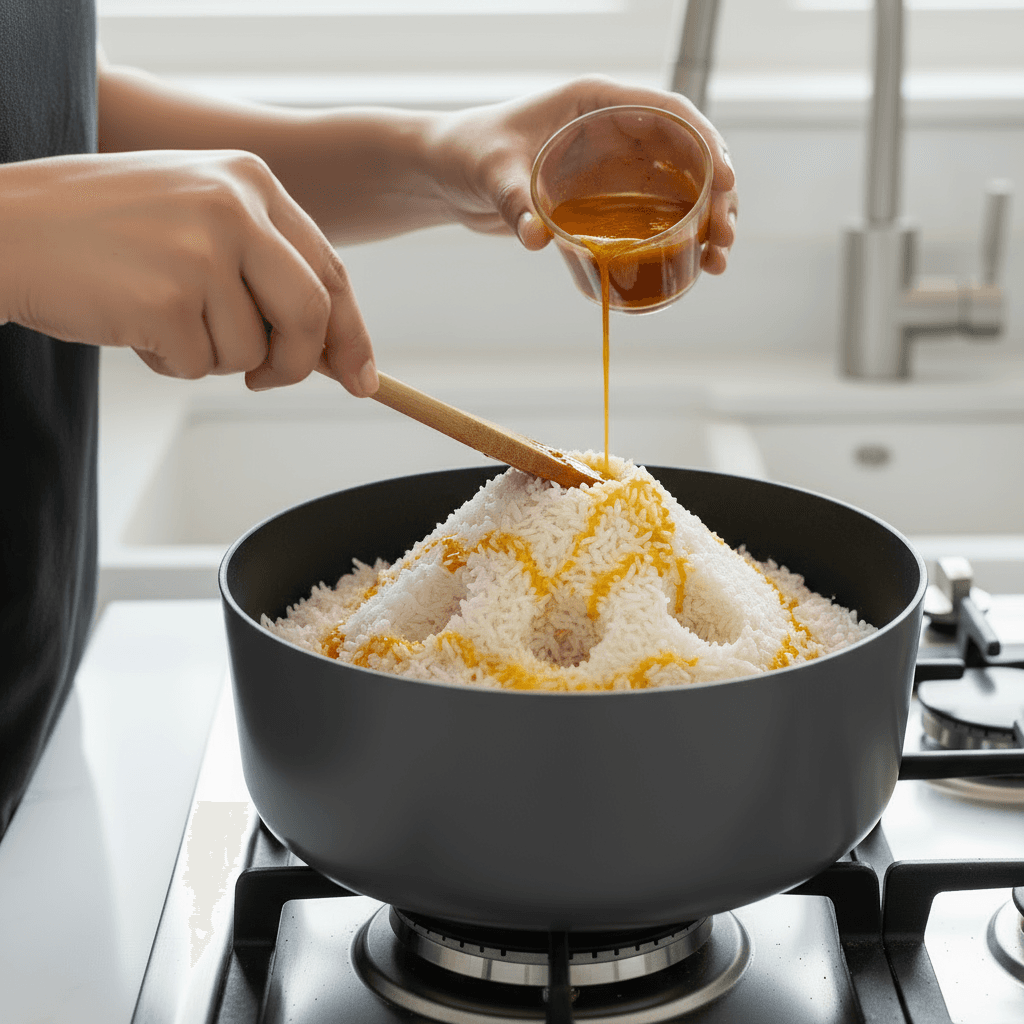
- 6
Cover the pot with a lid, preferably one wrapped in a clean kitchen towel to absorb condensation and ensure a crispier Tadig. Place the pot over medium-high heat and cook for 15 minutes. After 15 minutes, reduce the heat to low and continue to cook for an additional 50 minutes to 1 hour, or until the bottom layer of rice is deeply golden brown and crispy. You can gently lift the edge of the rice with a rubber spatula to check the color.
⏱️ 65 min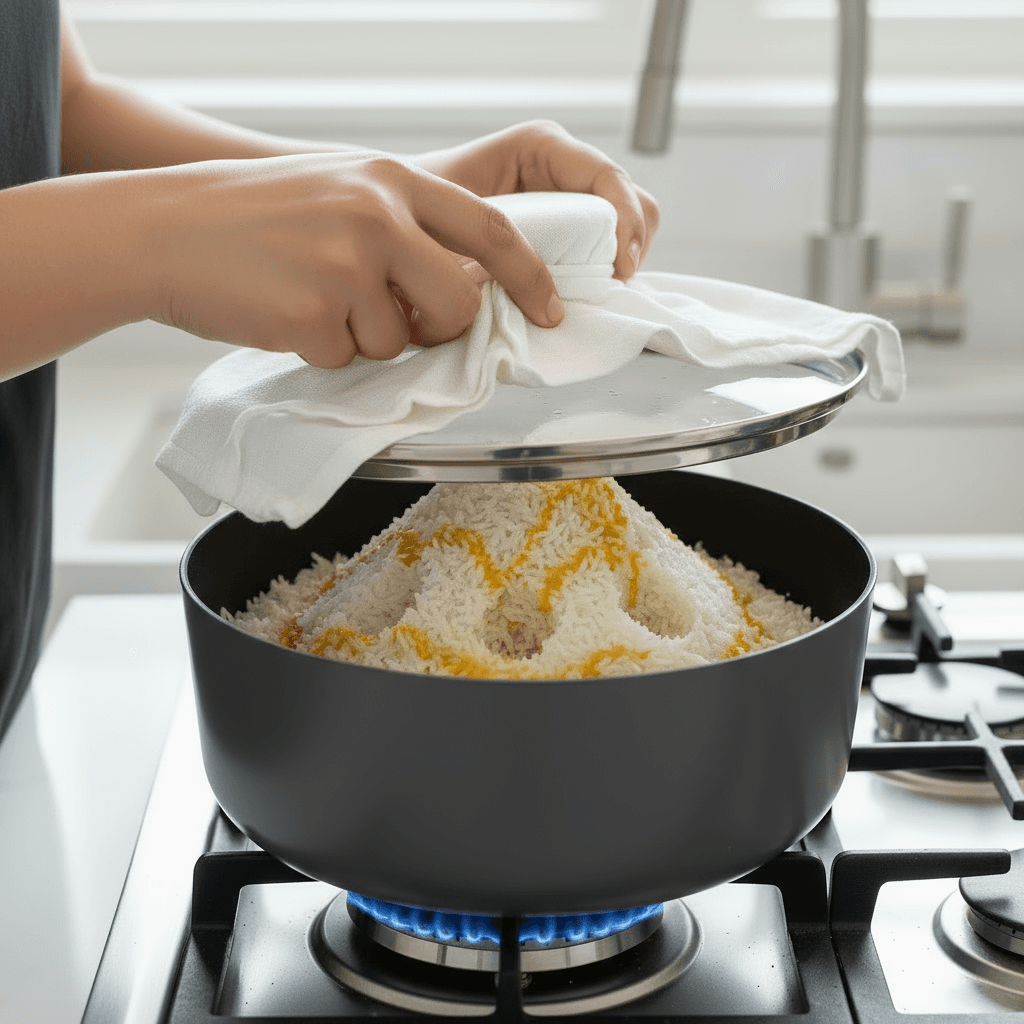
- 7
To serve, carefully place a large serving plate over the top of the pot. Using oven mitts or a thick towel to protect your hands, hold both the plate and the pot firmly together and swiftly invert the pot onto the plate in one smooth motion. The crispy Tadig should now be on top, with the fluffy rice underneath. Serve immediately.
⏱️ 1 min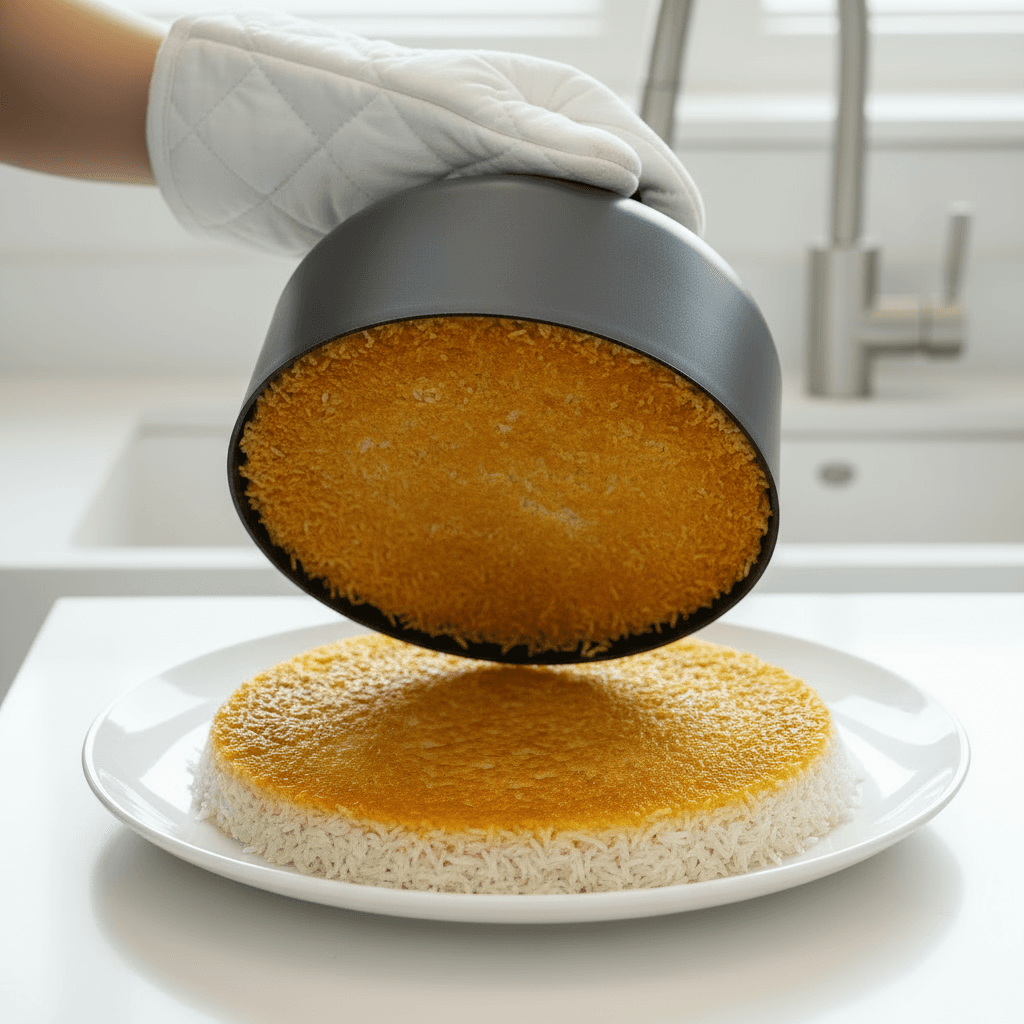
Kitchen Tools
Nutrition Facts (per serving)
Tadig (Persian Crispy Rice)
Ingredients
For the Rice
- 3 cups basmati sela rice
- 6 cups water, for parboiling
- salt, as needed, to taste (for parboiling water)
For the Saffron Brew
- 1/2 teaspoon saffron, crushed threads
- salt, pinch
- 1/2 cup ice, cubes, to melt into liquid
For the Tadig Base
- 1/3 cup neutral oil
- 3/4 teaspoon turmeric
Instructions
- 1
Rinse the basmati sela rice thoroughly under cold running water until the water runs clear. This removes excess starch. Cover the rinsed rice again with fresh water and let it soak for 1 hour.
⏱️ 5 min - 2
While the rice soaks, prepare the saffron brew. Add the crushed saffron threads and a pinch of salt to a mortar and pestle. Grind until the saffron is a fine powder. Add the ice cubes to the ground saffron and let them melt completely to create a rich saffron liquid. This method helps preserve the color and flavor.
⏱️ 5 min - 3
After the rice has soaked, drain it. In a large non-stick pot, bring 6 cups of water to a rolling boil. Add enough salt to the water so it tastes as salty as the sea. Add the drained rice to the boiling water and parboil for about 5 minutes, or until the rice is about 70% cooked. It should be al dente with a slightly white, opaque center. Drain the rice immediately and rinse it with cold water to stop the cooking process.
⏱️ 7 min•🌡️ 212 - 4
In the same non-stick pot (cleaned and dried if necessary), add the neutral oil, turmeric, and about 2 tablespoons of the prepared saffron brew. Swirl to combine the ingredients evenly across the bottom of the pot.
⏱️ 2 min - 5
Carefully add the parboiled rice to the pot, piling it into a pyramid shape on top of the oil and saffron mixture. Using the handle of a wooden spoon or similar utensil, poke several holes halfway down into the rice pyramid to allow steam to escape during cooking. Drizzle any remaining saffron brew over the top of the rice in a circular pattern.
⏱️ 2 min - 6
Cover the pot with a lid, preferably one wrapped in a clean kitchen towel to absorb condensation and ensure a crispier Tadig. Place the pot over medium-high heat and cook for 15 minutes. After 15 minutes, reduce the heat to low and continue to cook for an additional 50 minutes to 1 hour, or until the bottom layer of rice is deeply golden brown and crispy. You can gently lift the edge of the rice with a rubber spatula to check the color.
⏱️ 65 min - 7
To serve, carefully place a large serving plate over the top of the pot. Using oven mitts or a thick towel to protect your hands, hold both the plate and the pot firmly together and swiftly invert the pot onto the plate in one smooth motion. The crispy Tadig should now be on top, with the fluffy rice underneath. Serve immediately.
⏱️ 1 min