Pasta al Limone
Pasta al Limone
Ingredients
For the Pasta al Limone
- 400 g spaghetti
- 1/2 cup extra virgin olive oil
- 1 cup Parmigiano Reggiano cheese, grated, plus more for garnish
- 1 lemon, ripe, zested and juiced
- 10 g salt, per liter of water, or to taste
- 1/4 cup fresh basil leaves, torn, plus more for garnish
Instructions
- 1
Bring a large pot of water to a rolling boil. Add salt to the boiling water, using approximately 10 to 15 grams of salt for every liter of water. The water should taste like the ocean.
⏱️ 5 min
- 2
Add the spaghetti to the salted boiling water and cook according to package directions until al dente.
⏱️ 8 min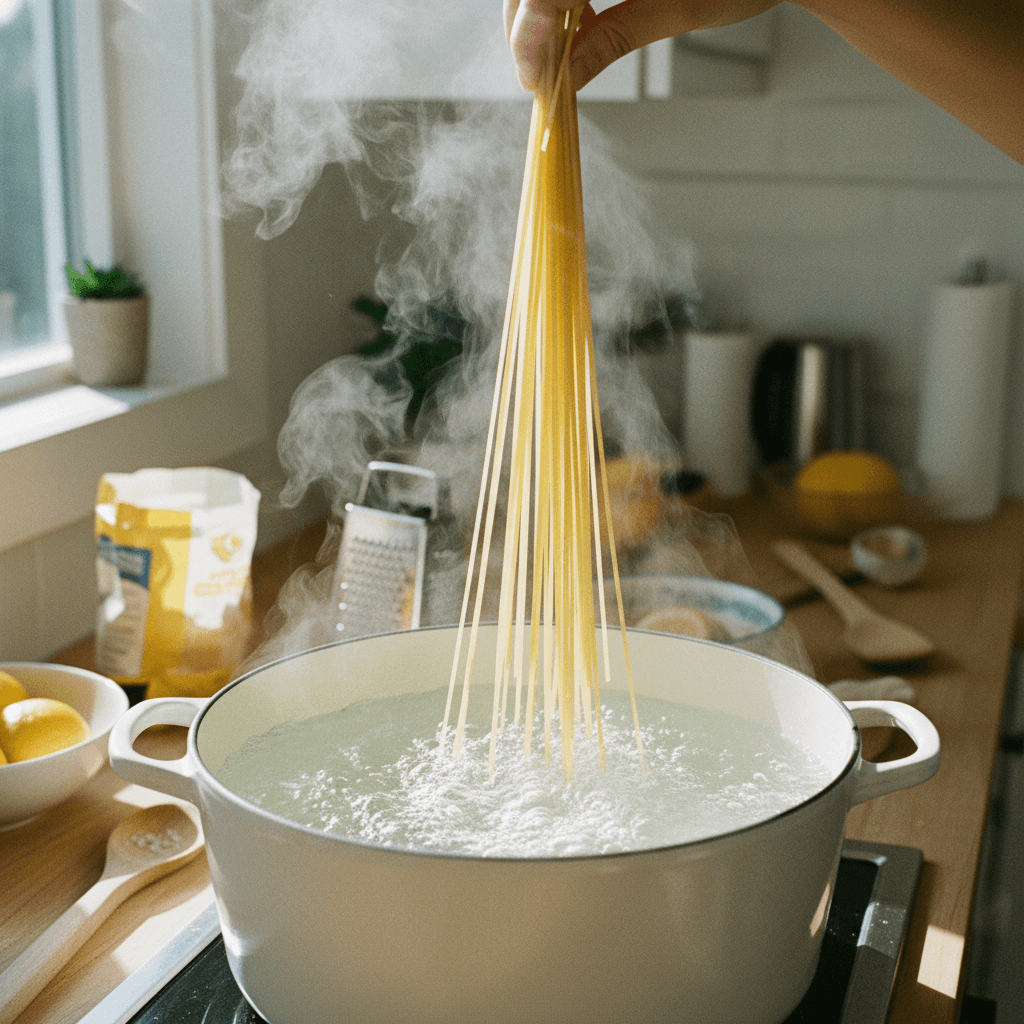
- 3
While the pasta cooks, prepare the sauce using a double boiler method. Place a metal bowl over the pot of boiling pasta water, ensuring the bottom of the bowl does not touch the water.
⏱️ 1 min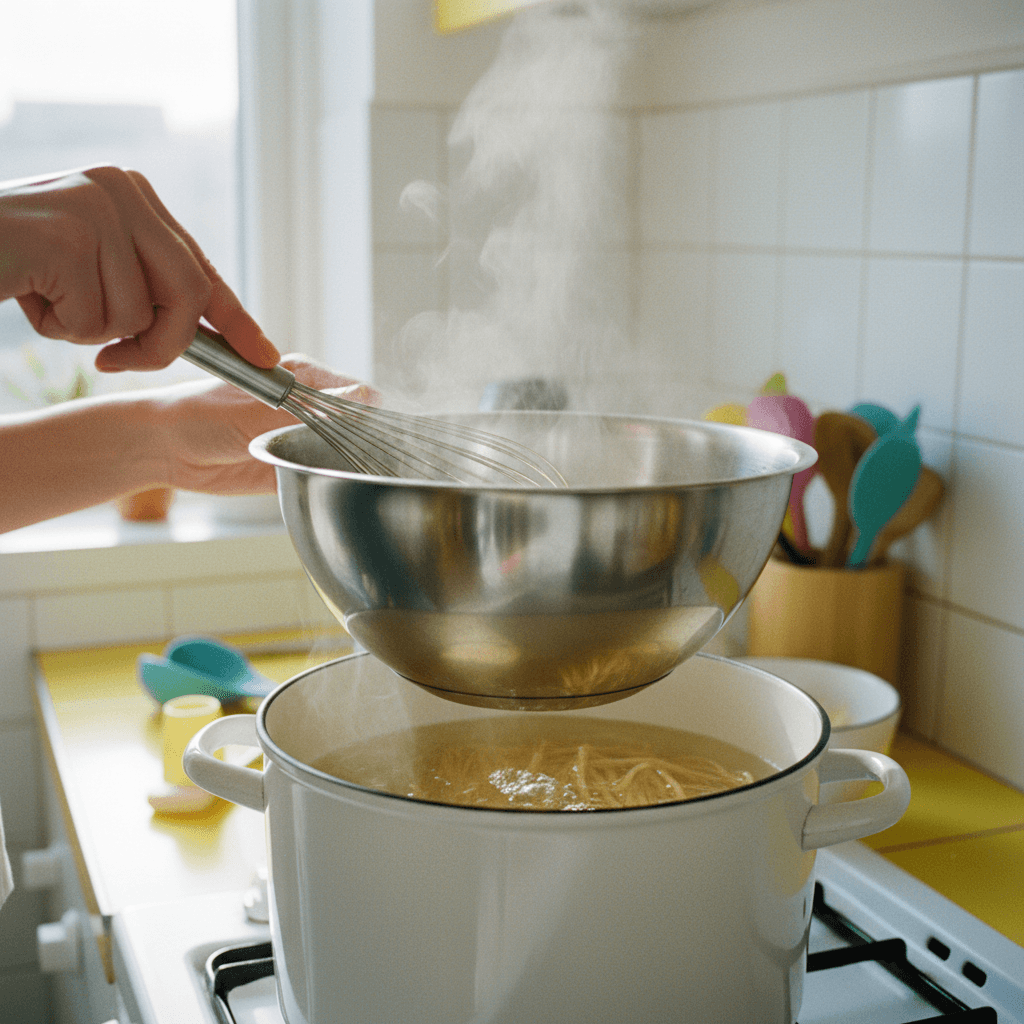
- 4
Cut the lemon in half. Squeeze the juice from one half of the lemon into the bowl, using a small strainer to catch any seeds or pulp. Pour a generous amount of extra virgin olive oil into the bowl.
⏱️ 2 min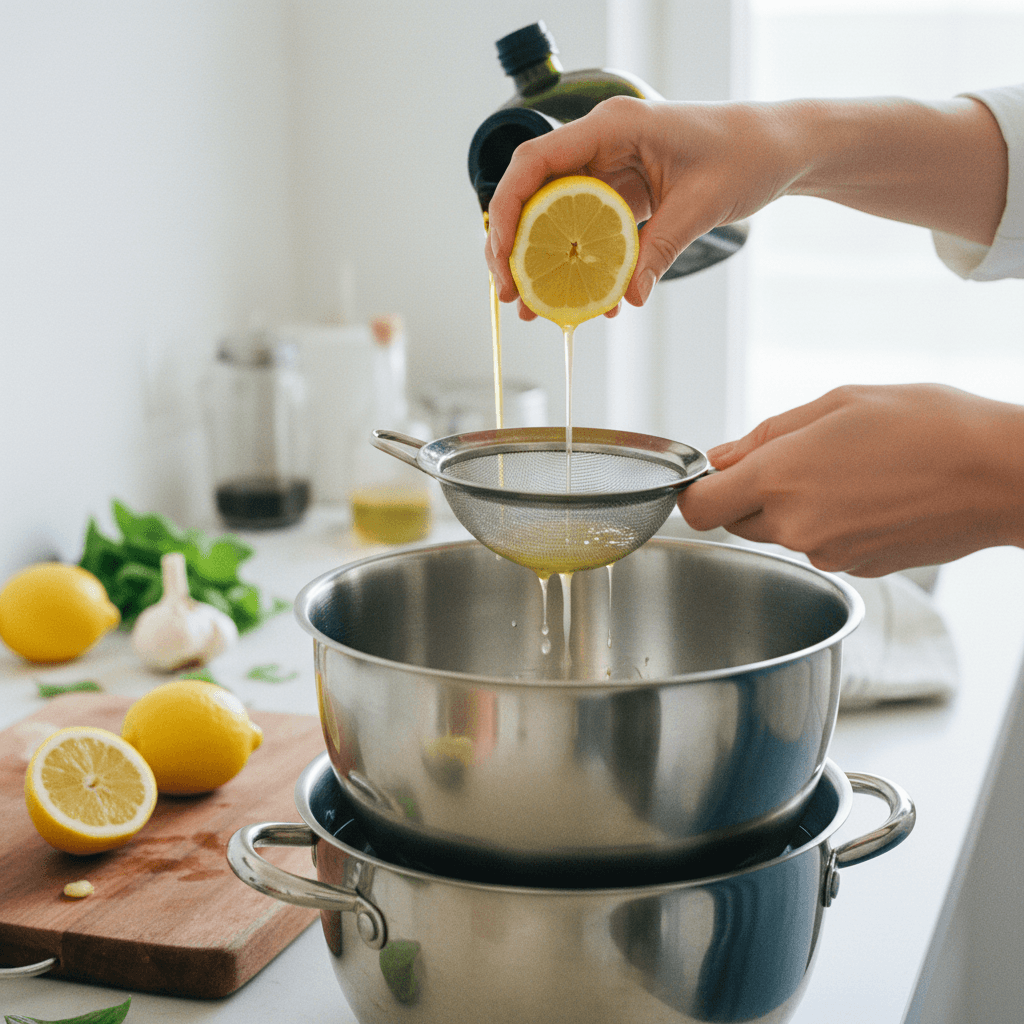
- 5
Zest the entire lemon directly into the bowl. Grate a substantial amount of Parmigiano Reggiano cheese into the bowl. Tear and add a few fresh basil leaves to the mixture. Grate a little more Parmigiano Reggiano into the bowl.
⏱️ 3 min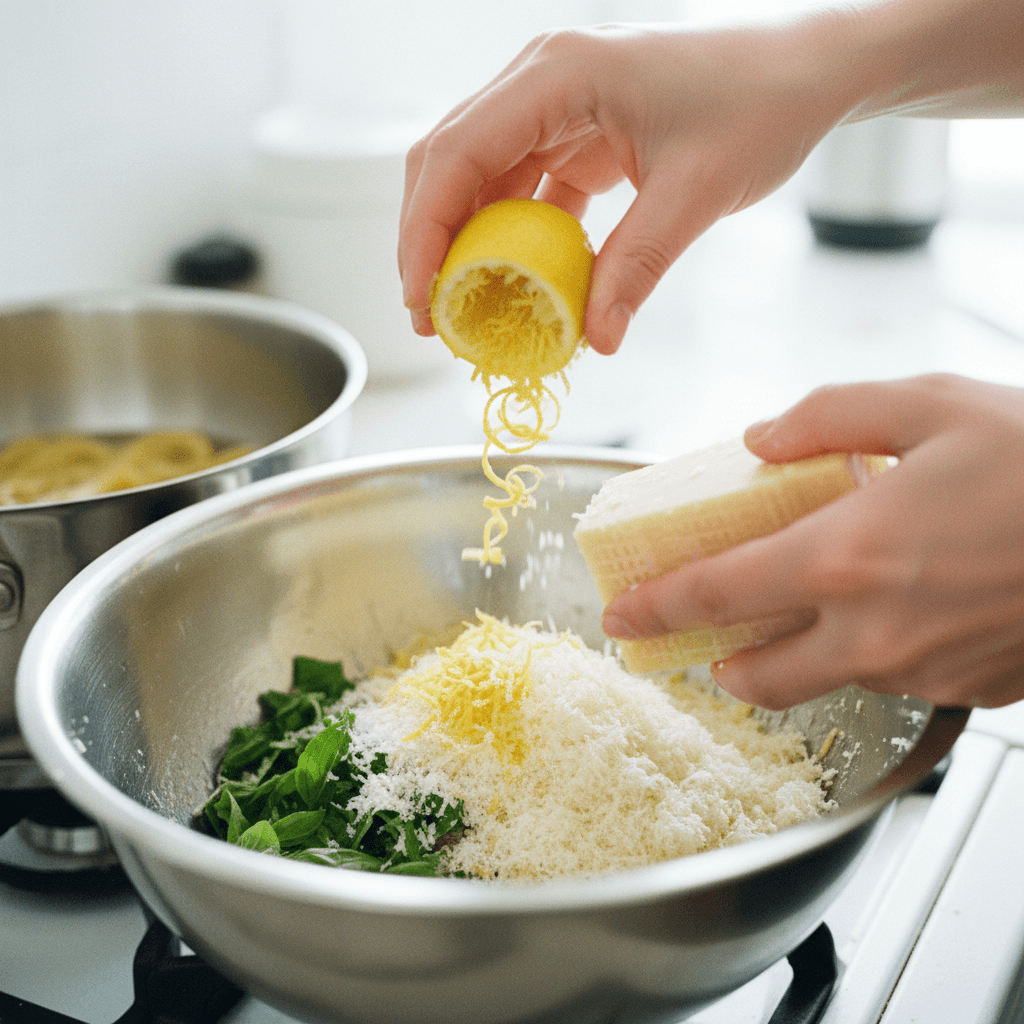
- 6
Ladle a small amount of the hot pasta cooking water into the bowl with the sauce ingredients. Stir the mixture vigorously with a spatula until it forms a creamy, emulsified sauce.
⏱️ 2 min
- 7
Once the spaghetti is cooked al dente, use tongs to transfer it directly from the boiling water into the bowl with the lemon-Parmesan sauce. Toss the spaghetti thoroughly with the sauce until every strand is coated.
⏱️ 2 min
- 8
If the sauce appears too thick or not creamy enough, add another ladle of pasta cooking water and mix again until the desired consistency is achieved.
⏱️ 1 min
- 9
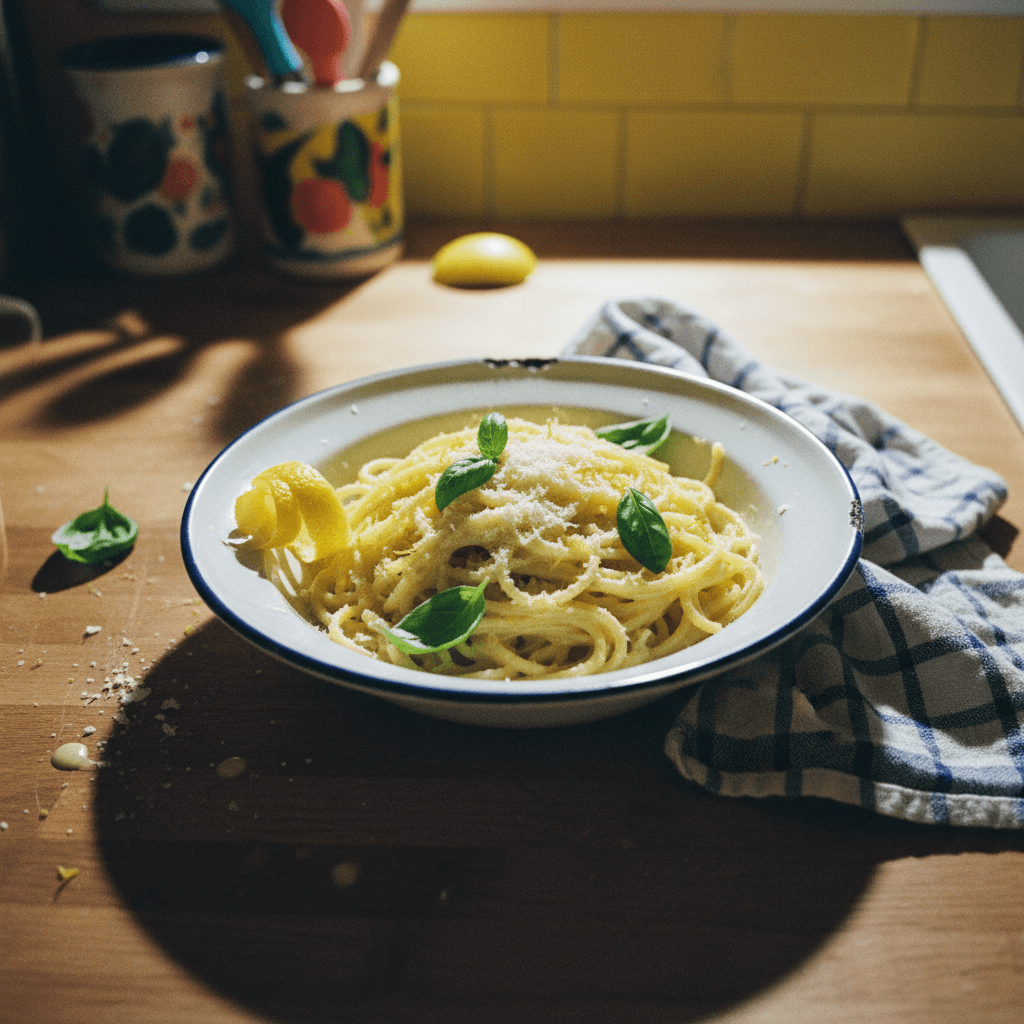
Using tongs, twirl and plate a portion of the pasta into a serving bowl. Spoon any remaining sauce from the bowl over the plated pasta. Garnish with additional fresh lemon zest, freshly grated Parmigiano Reggiano cheese, and a few more fresh basil leaves.
⏱️ 1 min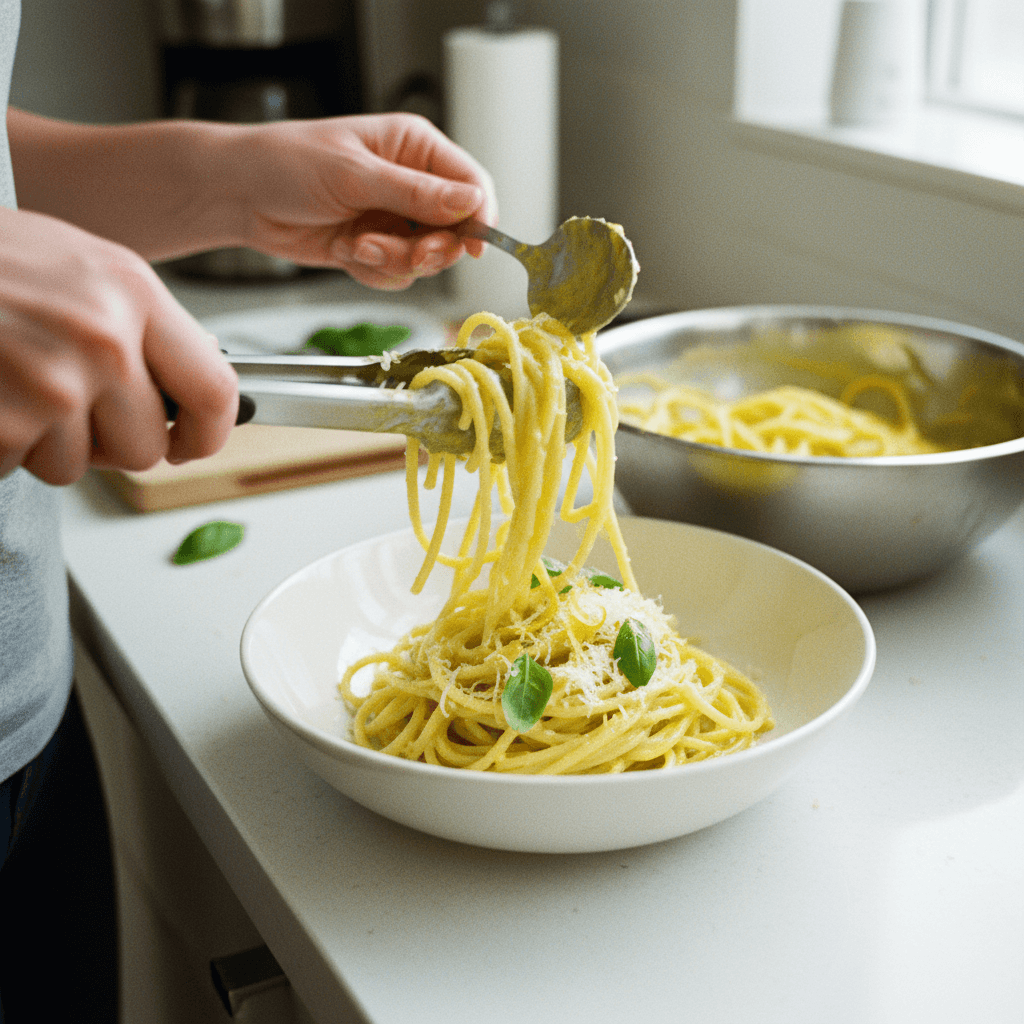
Kitchen Tools
Nutrition Facts (per serving)
Pasta al Limone
For the Pasta al Limone
- 400 g spaghetti
- 1/2 cup extra virgin olive oil
- 1 cup Parmigiano Reggiano cheese, grated, plus more for garnish
- 1 lemon, ripe, zested and juiced
- 10 g salt, per liter of water, or to taste
- 1/4 cup fresh basil leaves, torn, plus more for garnish
Instructions
- 1
Bring a large pot of water to a rolling boil. Add salt to the boiling water, using approximately 10 to 15 grams of salt for every liter of water. The water should taste like the ocean.
⏱️ 5 min - 2
Add the spaghetti to the salted boiling water and cook according to package directions until al dente.
⏱️ 8 min - 3
While the pasta cooks, prepare the sauce using a double boiler method. Place a metal bowl over the pot of boiling pasta water, ensuring the bottom of the bowl does not touch the water.
⏱️ 1 min - 4
Cut the lemon in half. Squeeze the juice from one half of the lemon into the bowl, using a small strainer to catch any seeds or pulp. Pour a generous amount of extra virgin olive oil into the bowl.
⏱️ 2 min - 5
Zest the entire lemon directly into the bowl. Grate a substantial amount of Parmigiano Reggiano cheese into the bowl. Tear and add a few fresh basil leaves to the mixture. Grate a little more Parmigiano Reggiano into the bowl.
⏱️ 3 min - 6
Ladle a small amount of the hot pasta cooking water into the bowl with the sauce ingredients. Stir the mixture vigorously with a spatula until it forms a creamy, emulsified sauce.
⏱️ 2 min - 7
Once the spaghetti is cooked al dente, use tongs to transfer it directly from the boiling water into the bowl with the lemon-Parmesan sauce. Toss the spaghetti thoroughly with the sauce until every strand is coated.
⏱️ 2 min - 8
If the sauce appears too thick or not creamy enough, add another ladle of pasta cooking water and mix again until the desired consistency is achieved.
⏱️ 1 min - 9
Using tongs, twirl and plate a portion of the pasta into a serving bowl. Spoon any remaining sauce from the bowl over the plated pasta. Garnish with additional fresh lemon zest, freshly grated Parmigiano Reggiano cheese, and a few more fresh basil leaves.
⏱️ 1 min