Easy Sourdough French Bread
Easy Sourdough French Bread

Ingredients
For the Dough
- 1/2 cup active sourdough starter
- 1 1/2 cups water
- 2 tablespoons olive oil
- 4 1/4 cups unbleached all-purpose flour
- 1 3/4 teaspoons salt
Instructions
- 1
In a large bowl, combine the active sourdough starter, water, and olive oil. Mix thoroughly with a whisk or Danish dough whisk until well combined.
⏱️ 5 min
- 2
Add the unbleached all-purpose flour and salt to the wet mixture.
⏱️ 2 min
- 3
Mix the ingredients until a shaggy dough forms. It doesn't need to be smooth at this stage.
⏱️ 3 min
- 4
Cover the bowl with a plastic cover or damp towel and let the dough rest for one hour at room temperature.
⏱️ 60 min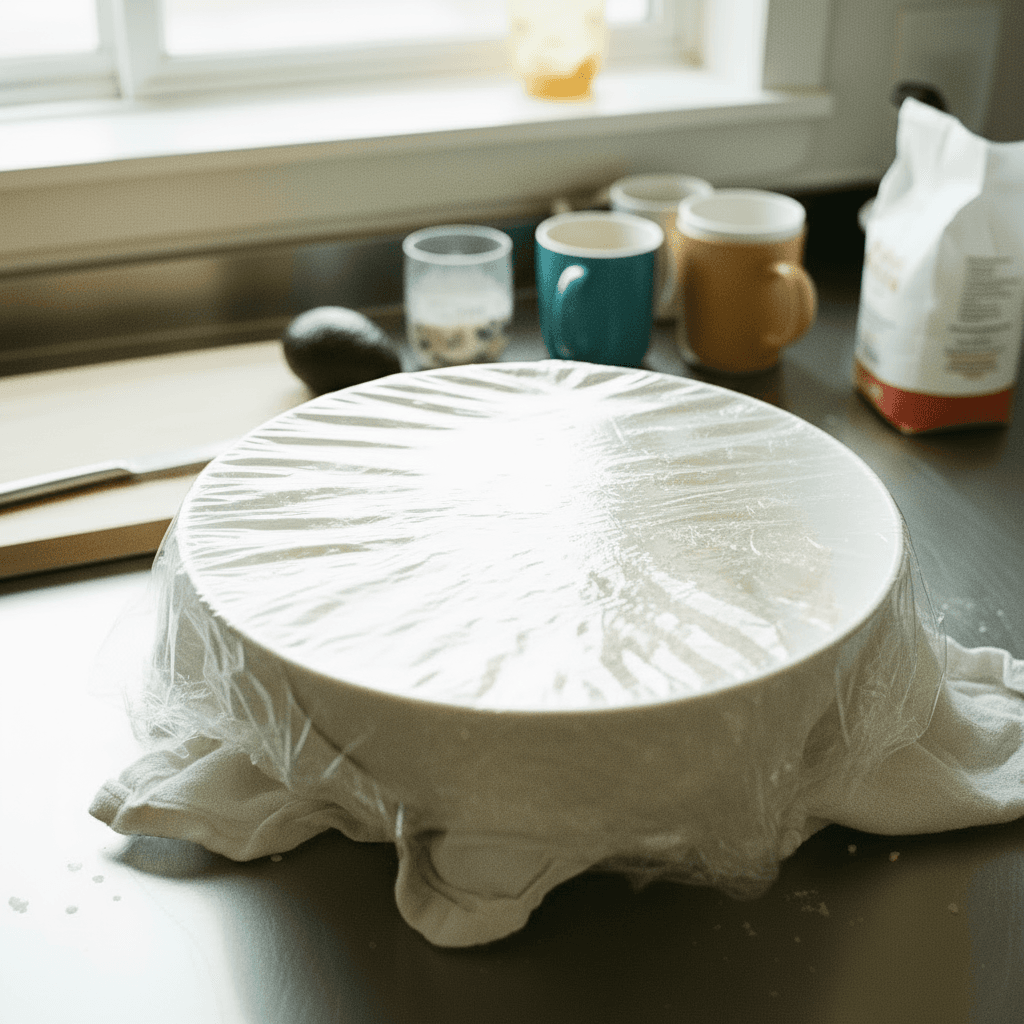
- 5
After the rest, wet your hands and perform coil folds to strengthen the dough. This involves reaching under the middle of the dough, gently pulling it up, and folding it over itself. Turn the bowl and repeat on the other side. Perform four sets of these folds, rotating the bowl after each set.
⏱️ 5 min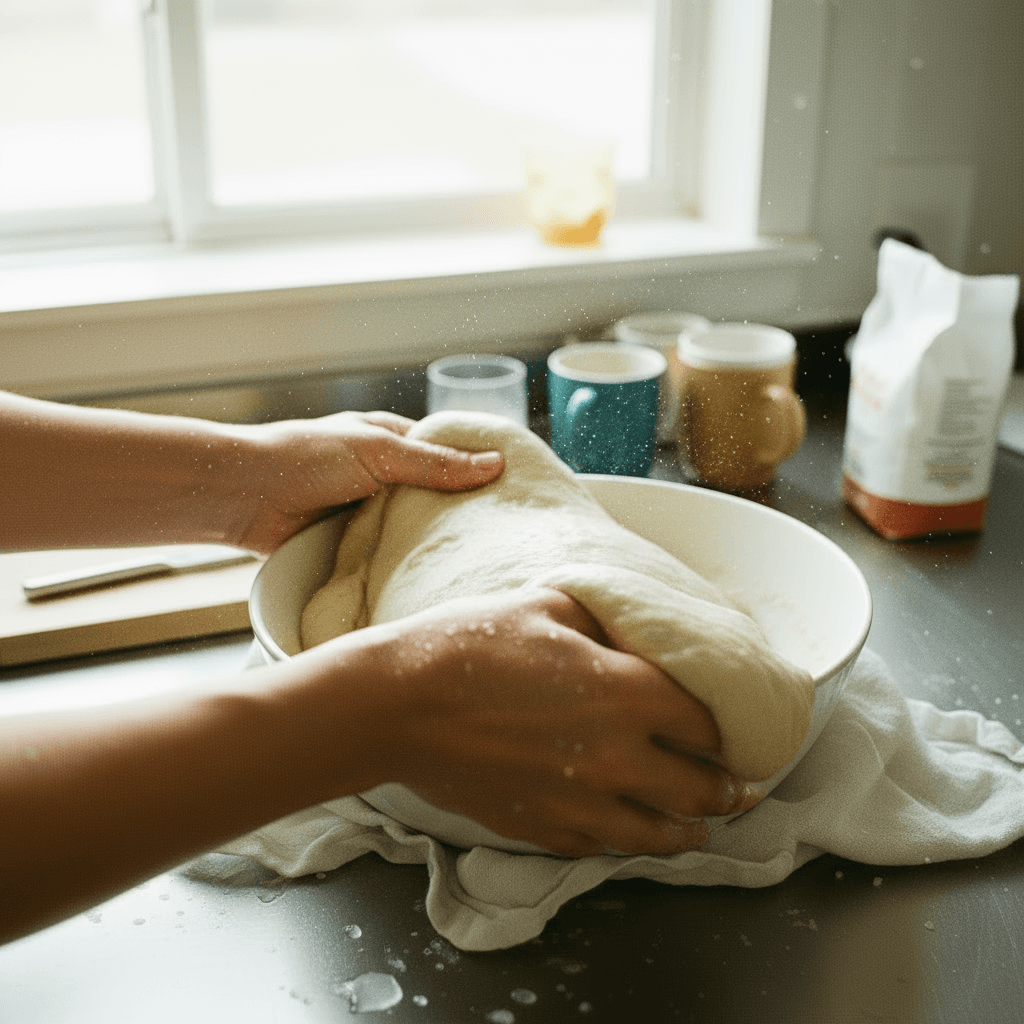
- 6
Allow the dough to bulk ferment at room temperature until it becomes noticeably bubbly, jiggly, and has increased in volume (typically 4-6 hours, depending on your starter's activity and ambient temperature).
⏱️ 240 min
- 7
Gently dump the fermented dough onto a clean, lightly floured surface. Use a bench scraper to split the dough in half. Preshap each half into a ball by using sweeping motions with the bench scraper to create tension on the surface.
⏱️ 10 min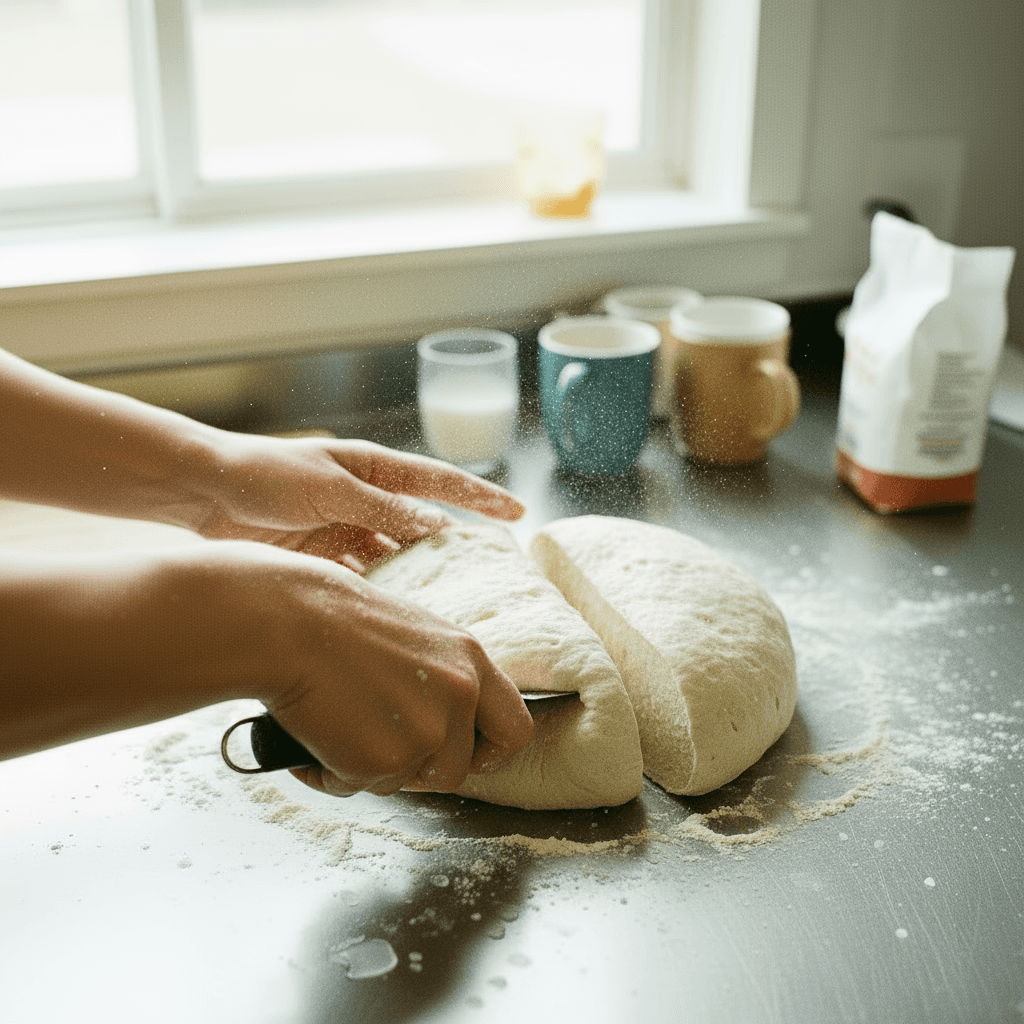
- 8
Let the dough balls rest for about 15 to 30 minutes to relax the gluten, covering them lightly to prevent drying.
⏱️ 20 min
- 9
While the dough rests, line a large cookie sheet with parchment paper.
⏱️ 2 min
- 10
Dust your work surface with a little flour. Take one dough ball, flip it so the smooth side is down. Take one end of the dough, fold it into the middle, and press your fingers firmly into the seam to seal it. Repeat with the opposite end, folding it over the previous fold and pressing your fingers into the seam. Flip the dough so the seam side is down. Starting from the center, gently roll the dough outwards with both hands to lengthen it into a baguette shape, about 12-14 inches long. If the dough sticks, dust with more flour underneath. Repeat with the second dough ball.
⏱️ 10 min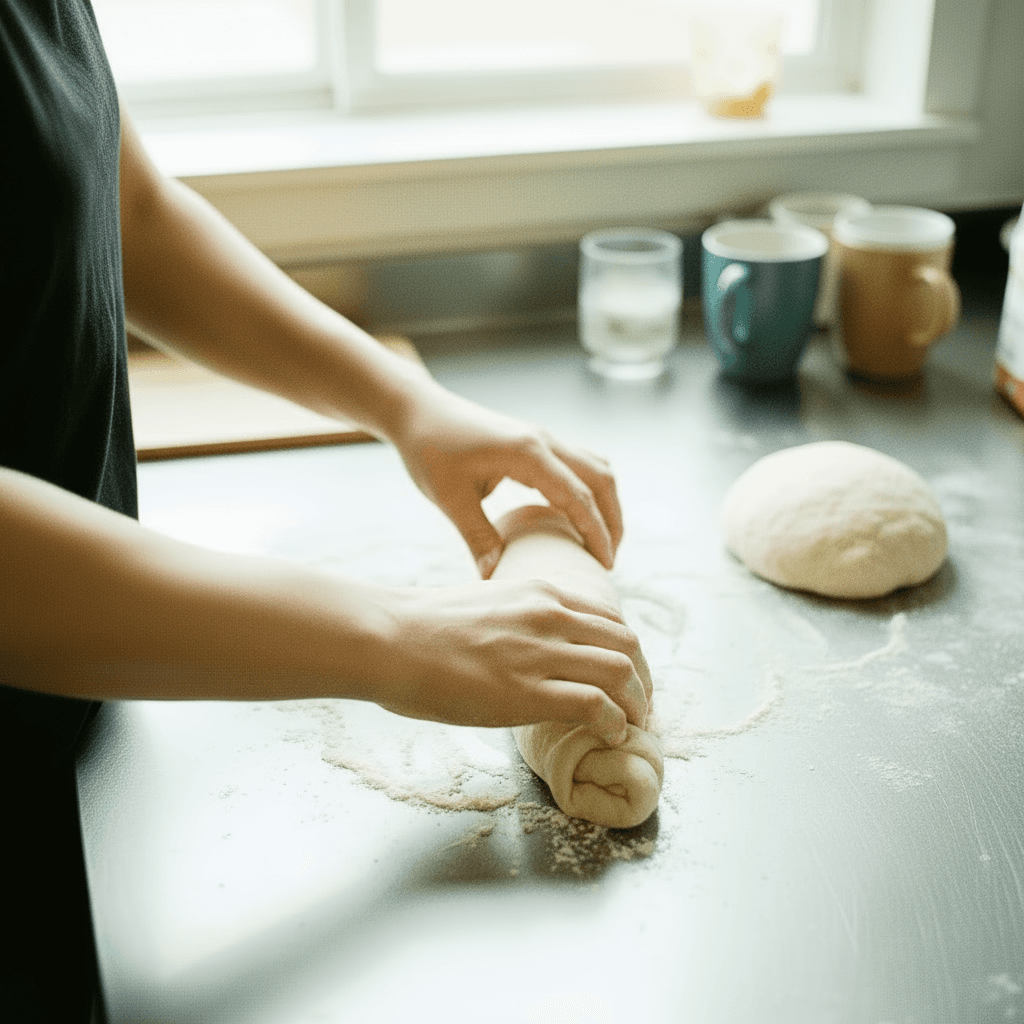
- 11
Carefully transfer the shaped loaves onto the parchment-lined baking sheet, leaving space between them. Proof for approximately two hours in a slightly warm oven (turned off) or a warm spot in your kitchen to encourage rising.
⏱️ 120 min
- 12
Preheat your oven to 450°F. After proofing, lightly spray the loaves with water. Using a bread lame or a very sharp knife, score them diagonally 3-4 times across the top, about 1/2 inch deep.
⏱️ 3 min•🌡️ 450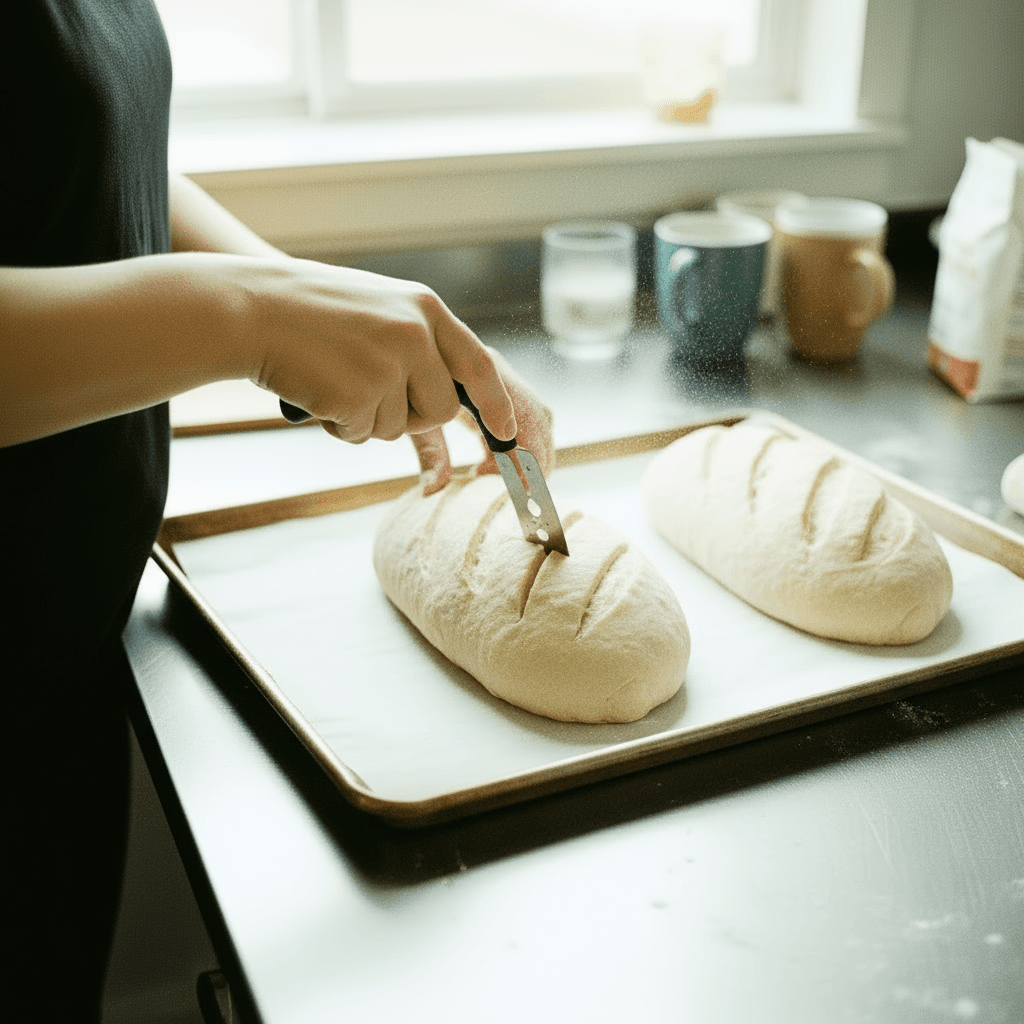
- 13
Bake the French bread loaves in the preheated oven for about 25 to 27 minutes, or until they are golden brown and have a crusty exterior.
⏱️ 27 min•🌡️ 450
Kitchen Tools
Nutrition Facts (per serving)
Easy Sourdough French Bread
Ingredients
For the Dough
- 1/2 cup active sourdough starter
- 1 1/2 cups water
- 2 tablespoons olive oil
- 4 1/4 cups unbleached all-purpose flour
- 1 3/4 teaspoons salt
Instructions
- 1
In a large bowl, combine the active sourdough starter, water, and olive oil. Mix thoroughly with a whisk or Danish dough whisk until well combined.
⏱️ 5 min - 2
Add the unbleached all-purpose flour and salt to the wet mixture.
⏱️ 2 min - 3
Mix the ingredients until a shaggy dough forms. It doesn't need to be smooth at this stage.
⏱️ 3 min - 4
Cover the bowl with a plastic cover or damp towel and let the dough rest for one hour at room temperature.
⏱️ 60 min - 5
After the rest, wet your hands and perform coil folds to strengthen the dough. This involves reaching under the middle of the dough, gently pulling it up, and folding it over itself. Turn the bowl and repeat on the other side. Perform four sets of these folds, rotating the bowl after each set.
⏱️ 5 min - 6
Allow the dough to bulk ferment at room temperature until it becomes noticeably bubbly, jiggly, and has increased in volume (typically 4-6 hours, depending on your starter's activity and ambient temperature).
⏱️ 240 min - 7
Gently dump the fermented dough onto a clean, lightly floured surface. Use a bench scraper to split the dough in half. Preshap each half into a ball by using sweeping motions with the bench scraper to create tension on the surface.
⏱️ 10 min - 8
Let the dough balls rest for about 15 to 30 minutes to relax the gluten, covering them lightly to prevent drying.
⏱️ 20 min - 9
While the dough rests, line a large cookie sheet with parchment paper.
⏱️ 2 min - 10
Dust your work surface with a little flour. Take one dough ball, flip it so the smooth side is down. Take one end of the dough, fold it into the middle, and press your fingers firmly into the seam to seal it. Repeat with the opposite end, folding it over the previous fold and pressing your fingers into the seam. Flip the dough so the seam side is down. Starting from the center, gently roll the dough outwards with both hands to lengthen it into a baguette shape, about 12-14 inches long. If the dough sticks, dust with more flour underneath. Repeat with the second dough ball.
⏱️ 10 min - 11
Carefully transfer the shaped loaves onto the parchment-lined baking sheet, leaving space between them. Proof for approximately two hours in a slightly warm oven (turned off) or a warm spot in your kitchen to encourage rising.
⏱️ 120 min - 12
Preheat your oven to 450°F. After proofing, lightly spray the loaves with water. Using a bread lame or a very sharp knife, score them diagonally 3-4 times across the top, about 1/2 inch deep.
⏱️ 3 min•🌡️ 450 - 13
Bake the French bread loaves in the preheated oven for about 25 to 27 minutes, or until they are golden brown and have a crusty exterior.
⏱️ 27 min•🌡️ 450