Traditional Japanese Breakfast
Traditional Japanese Breakfast
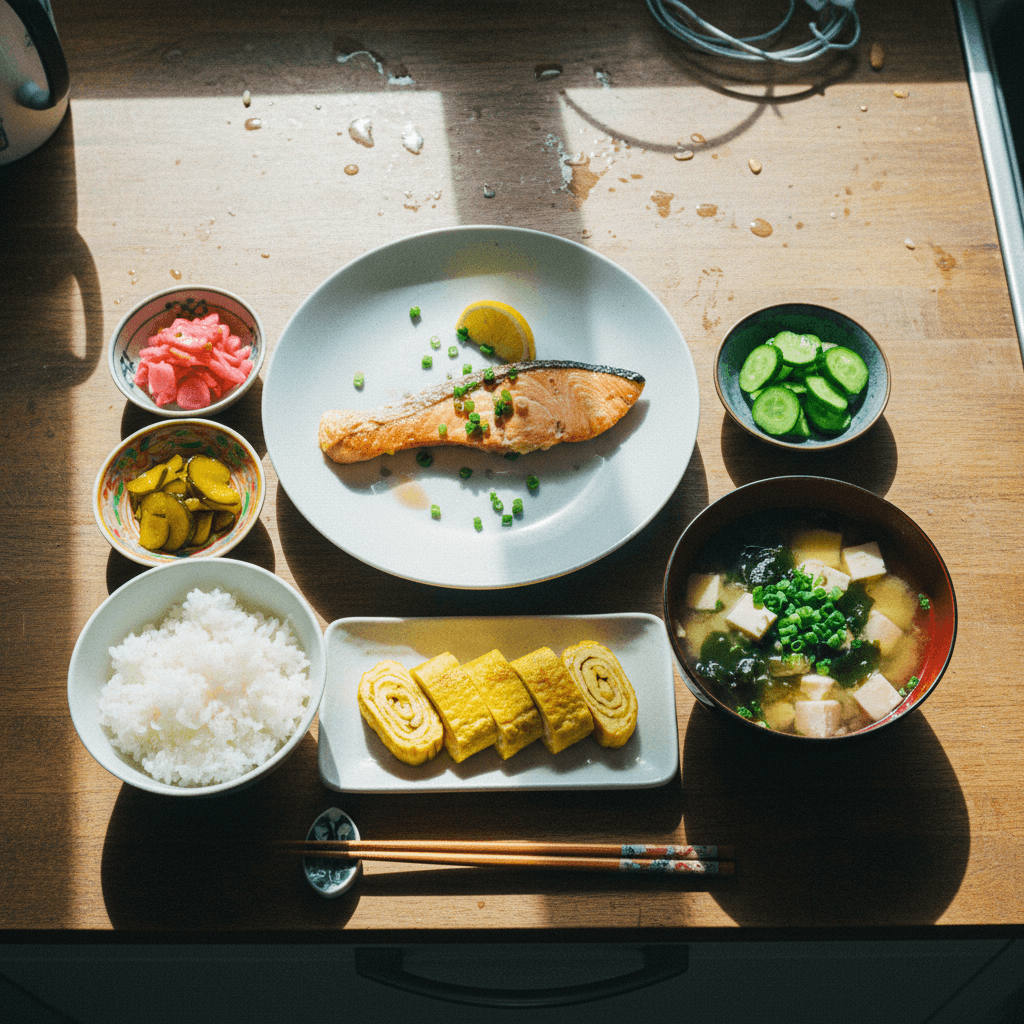
Ingredients
For the Shiozake Salmon
- 4 salmon steaks, about 6 ounces each
- 2 tablespoons kosher salt
- 1/4 cup sake
- as needed paper towels
For the Miso Soup
- 4 cups dashi stock
- 1/4 cup miso paste, white or red
- 8 ounces firm tofu, drained and cut into 1/2-inch cubes
- 1 tablespoon dried wakame seaweed
- 2 green onions, thinly sliced
For the Tamagoyaki
- 6 large eggs
- 1/4 cup dashi stock
- 1 tablespoon sugar
- 1/2 teaspoon soy sauce
- 1 tablespoon vegetable oil, plus more for cooking
For Serving
- 4 cups cooked white rice, hot
- 1/2 cup pickled cucumbers
- 1/2 cup pickled daikon or carrots
Instructions
- 1
Prepare the Shiozake Salmon: Rinse the salmon steaks and pat them very dry with paper towels. If the steaks are very large, you can cut each in half. Line a shallow container with several layers of paper towels. Place the salmon pieces on the paper towels.
⏱️ 5 min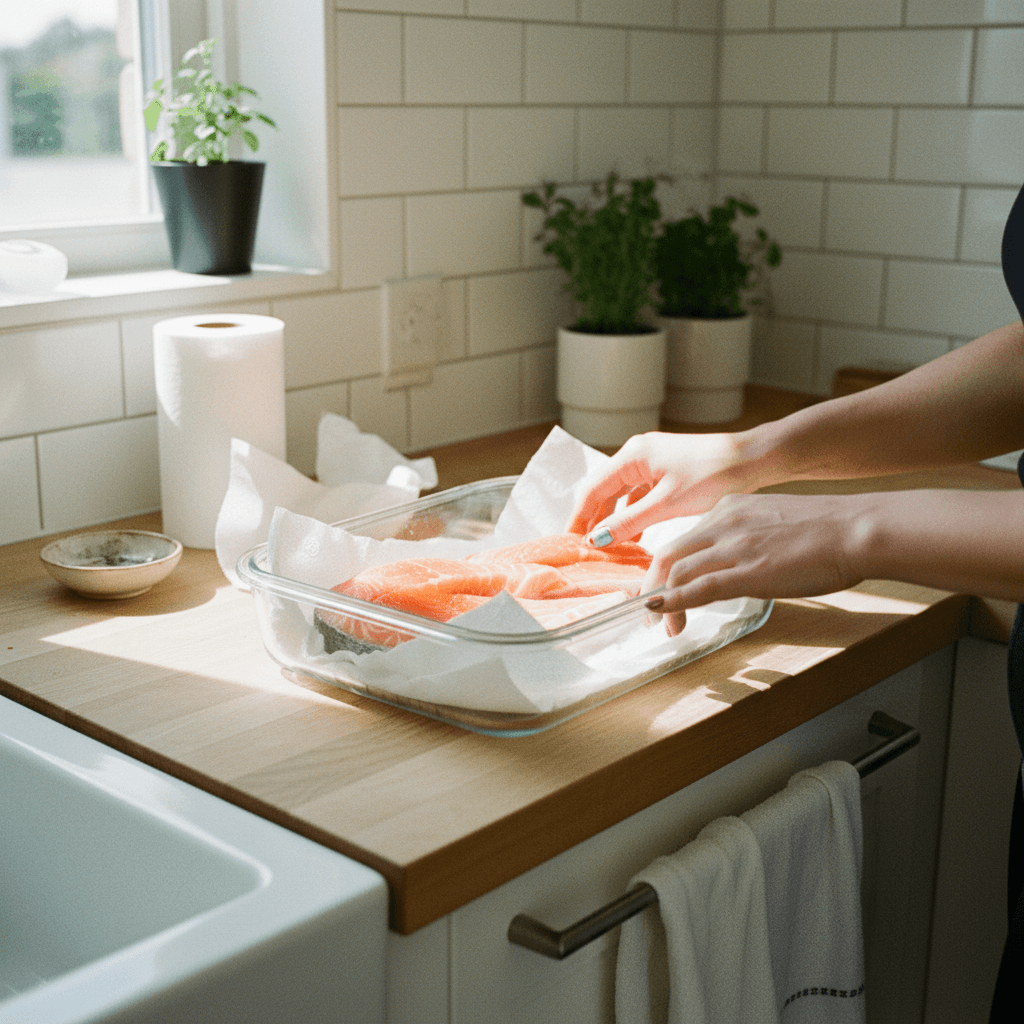
- 2
Generously sprinkle kosher salt over both sides of each salmon piece. Drizzle the sake evenly over the salmon. Cover the container and refrigerate overnight (or for at least 8 hours).
⏱️ 5 min
- 3
The next morning, preheat your oven to 400°F. Line a baking sheet with aluminum foil for easy cleanup.
⏱️ 5 min•🌡️ 400
- 4
Remove the salmon from the refrigerator. Gently pat off any excess moisture with fresh paper towels. Place the salmon pieces skin-side down on the prepared baking sheet.
⏱️ 5 min
- 5
Bake the salmon for 12-18 minutes, or until cooked through and the edges are slightly browned and charred. The cooking time will vary depending on the thickness of the salmon. A good indication of doneness is when the salmon flakes easily with a fork.
⏱️ 15 min•🌡️ 400
- 6
While the salmon bakes, prepare the Miso Soup: In a medium pot, bring the dashi stock to a gentle simmer over medium heat. Do not let it boil vigorously.
⏱️ 5 min
- 7
In a small bowl, whisk together the miso paste with a few tablespoons of the warm dashi stock until smooth. This prevents lumps when adding it to the soup.
⏱️ 2 min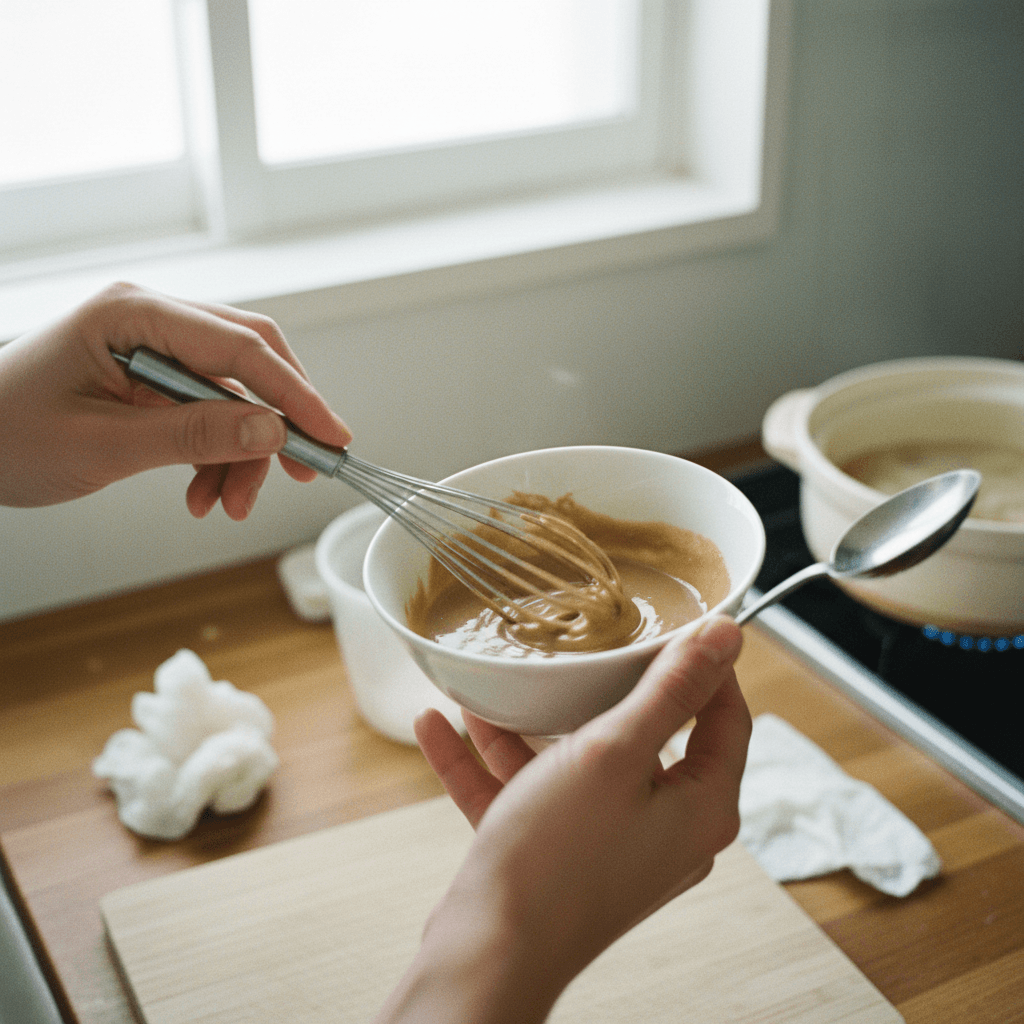
- 8
Add the cubed tofu and dried wakame seaweed to the simmering dashi. Cook for 2-3 minutes, allowing the wakame to rehydrate and the tofu to warm through.
⏱️ 3 min
- 9
Remove the pot from the heat. Stir in the dissolved miso paste. Taste and adjust seasoning if needed. Do not boil the soup after adding miso, as it can diminish the flavor and beneficial properties of the miso.
⏱️ 2 min
- 10
Prepare the Tamagoyaki: In a medium bowl, whisk the eggs until just combined, but not frothy. Stir in the dashi stock, sugar, and soy sauce until the sugar is dissolved.
⏱️ 5 min
- 11
Heat a non-stick tamagoyaki pan (or a small non-stick frying pan) over medium-low heat. Lightly brush the pan with vegetable oil.
⏱️ 2 min
- 12
Pour about 1/4 of the egg mixture into the hot pan, tilting to evenly coat the bottom. As the egg sets, gently push the cooked egg from one end of the pan to the other, forming a roll. If using a rectangular tamagoyaki pan, roll it from one short end to the other.
⏱️ 3 min
- 13
Brush the empty part of the pan with a little more oil. Pour another 1/4 of the egg mixture into the pan, lifting the cooked egg roll slightly to allow the new egg to flow underneath. Once the new layer is mostly set, roll the cooked egg over the new layer, continuing to form a thicker roll.
⏱️ 3 min
- 14
Repeat this process with the remaining egg mixture until all the egg is used and you have a thick, multi-layered omelet. Transfer the tamagoyaki to a cutting board and slice into 1-inch thick pieces.
⏱️ 5 min
- 15
Assemble and Serve: Divide the hot cooked white rice among 4 individual bowls. Place a piece of cooked Shiozake Salmon on each plate. Ladle the miso soup into separate bowls and garnish with sliced green onions.
⏱️ 5 min
- 16
Arrange the sliced Tamagoyaki on small side dishes. Serve with the pickled cucumbers and pickled daikon or carrots. Enjoy your traditional Japanese breakfast!
⏱️ 5 min
Kitchen Tools
Nutrition Facts (per serving)
Traditional Japanese Breakfast
For the Shiozake Salmon
- 4 salmon steaks, about 6 ounces each
- 2 tablespoons kosher salt
- 1/4 cup sake
- as needed paper towels
For the Miso Soup
- 4 cups dashi stock
- 1/4 cup miso paste, white or red
- 8 ounces firm tofu, drained and cut into 1/2-inch cubes
- 1 tablespoon dried wakame seaweed
- 2 green onions, thinly sliced
For the Tamagoyaki
- 6 large eggs
- 1/4 cup dashi stock
- 1 tablespoon sugar
- 1/2 teaspoon soy sauce
- 1 tablespoon vegetable oil, plus more for cooking
For Serving
- 4 cups cooked white rice, hot
- 1/2 cup pickled cucumbers
- 1/2 cup pickled daikon or carrots
Instructions
- 1
Prepare the Shiozake Salmon: Rinse the salmon steaks and pat them very dry with paper towels. If the steaks are very large, you can cut each in half. Line a shallow container with several layers of paper towels. Place the salmon pieces on the paper towels.
⏱️ 5 min - 2
Generously sprinkle kosher salt over both sides of each salmon piece. Drizzle the sake evenly over the salmon. Cover the container and refrigerate overnight (or for at least 8 hours).
⏱️ 5 min - 3
The next morning, preheat your oven to 400°F. Line a baking sheet with aluminum foil for easy cleanup.
⏱️ 5 min•🌡️ 400 - 4
Remove the salmon from the refrigerator. Gently pat off any excess moisture with fresh paper towels. Place the salmon pieces skin-side down on the prepared baking sheet.
⏱️ 5 min - 5
Bake the salmon for 12-18 minutes, or until cooked through and the edges are slightly browned and charred. The cooking time will vary depending on the thickness of the salmon. A good indication of doneness is when the salmon flakes easily with a fork.
⏱️ 15 min•🌡️ 400 - 6
While the salmon bakes, prepare the Miso Soup: In a medium pot, bring the dashi stock to a gentle simmer over medium heat. Do not let it boil vigorously.
⏱️ 5 min - 7
In a small bowl, whisk together the miso paste with a few tablespoons of the warm dashi stock until smooth. This prevents lumps when adding it to the soup.
⏱️ 2 min - 8
Add the cubed tofu and dried wakame seaweed to the simmering dashi. Cook for 2-3 minutes, allowing the wakame to rehydrate and the tofu to warm through.
⏱️ 3 min - 9
Remove the pot from the heat. Stir in the dissolved miso paste. Taste and adjust seasoning if needed. Do not boil the soup after adding miso, as it can diminish the flavor and beneficial properties of the miso.
⏱️ 2 min - 10
Prepare the Tamagoyaki: In a medium bowl, whisk the eggs until just combined, but not frothy. Stir in the dashi stock, sugar, and soy sauce until the sugar is dissolved.
⏱️ 5 min - 11
Heat a non-stick tamagoyaki pan (or a small non-stick frying pan) over medium-low heat. Lightly brush the pan with vegetable oil.
⏱️ 2 min - 12
Pour about 1/4 of the egg mixture into the hot pan, tilting to evenly coat the bottom. As the egg sets, gently push the cooked egg from one end of the pan to the other, forming a roll. If using a rectangular tamagoyaki pan, roll it from one short end to the other.
⏱️ 3 min - 13
Brush the empty part of the pan with a little more oil. Pour another 1/4 of the egg mixture into the pan, lifting the cooked egg roll slightly to allow the new egg to flow underneath. Once the new layer is mostly set, roll the cooked egg over the new layer, continuing to form a thicker roll.
⏱️ 3 min - 14
Repeat this process with the remaining egg mixture until all the egg is used and you have a thick, multi-layered omelet. Transfer the tamagoyaki to a cutting board and slice into 1-inch thick pieces.
⏱️ 5 min - 15
Assemble and Serve: Divide the hot cooked white rice among 4 individual bowls. Place a piece of cooked Shiozake Salmon on each plate. Ladle the miso soup into separate bowls and garnish with sliced green onions.
⏱️ 5 min - 16
Arrange the sliced Tamagoyaki on small side dishes. Serve with the pickled cucumbers and pickled daikon or carrots. Enjoy your traditional Japanese breakfast!
⏱️ 5 min