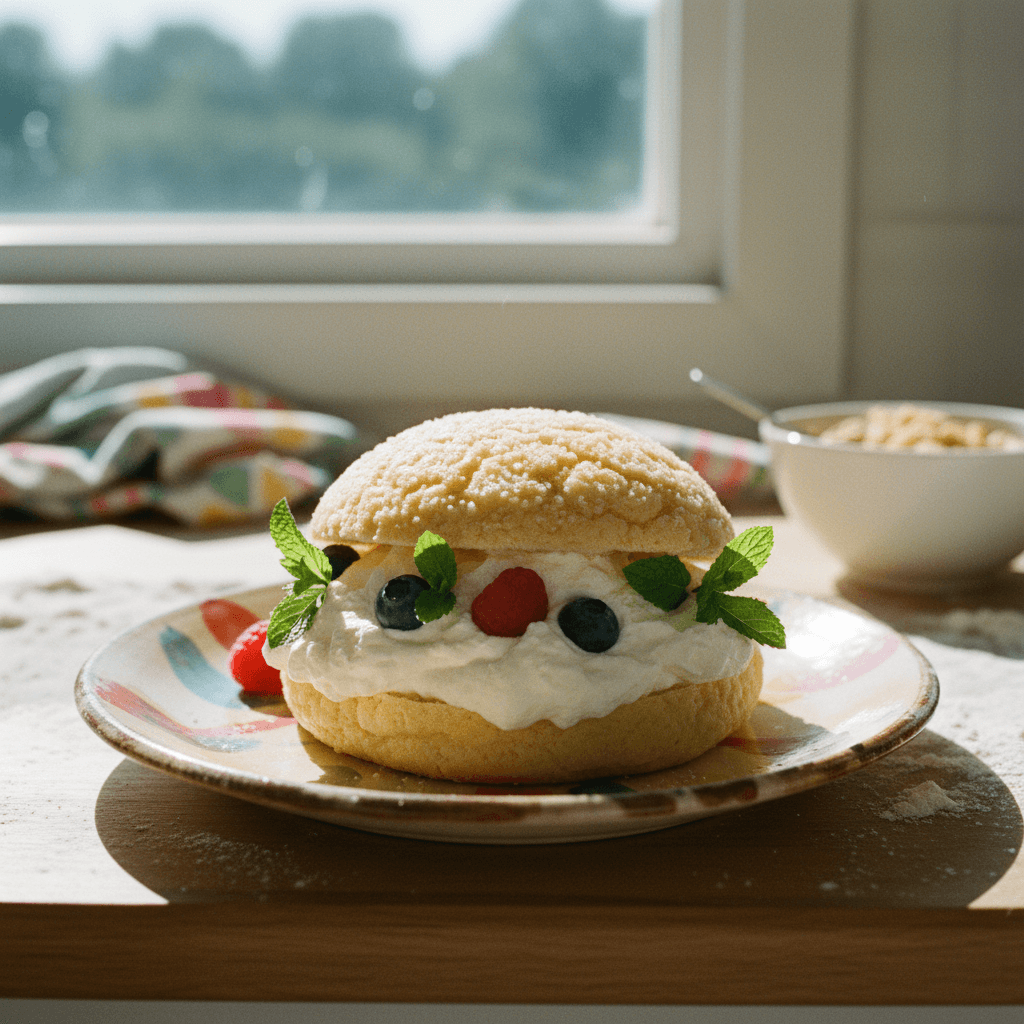
Melon Pan with Whipped Cream
Melon Pan with Whipped Cream
Ingredients
For the Dough
- 1 teaspoon active dry yeast
- 1/2 cup warm milk, 105-115°F
- 1/4 cup granulated sugar
- 1 3/4 cups all-purpose flour
- 1/4 teaspoon salt
- 1 egg, large, beaten
- 2 tablespoons unsalted butter, softened
For the Cookie Crust
- 1/2 cup unsalted butter, softened
- 1/2 cup granulated sugar
- 1 egg, large
- 1 teaspoon vanilla extract
- 1 1/2 cups all-purpose flour
- 1/2 teaspoon baking powder
- green food coloring, as needed, optional
For Assembly and Filling
- granulated sugar, for dusting
- 1 cup heavy cream, cold
- 2 tablespoons powdered sugar
- 1/2 teaspoon vanilla extract
Instructions
- 1
In a small bowl, combine the warm milk (105-115°F), 1 teaspoon of granulated sugar, and active dry yeast. Stir gently and let sit for 5-10 minutes until foamy, indicating the yeast is active.
⏱️ 10 min
- 2
In a large mixing bowl, whisk together the all-purpose flour, remaining 1/4 cup of granulated sugar, and salt. Make a well in the center.
⏱️ 2 min
- 3
Pour the activated yeast mixture, beaten egg, and softened unsalted butter into the well of the dry ingredients. Mix with a wooden spoon or a stand mixer with a dough hook until a shaggy dough forms. Knead the dough on a lightly floured surface or in the mixer for 10-15 minutes, until it is smooth and elastic.
⏱️ 15 min
- 4
Lightly grease a clean bowl. Place the dough in the bowl, turning once to coat. Cover the bowl with plastic wrap or a clean kitchen towel and let it rise in a warm place for 1 to 1 1/2 hours, or until doubled in size.
⏱️ 90 min
- 5
While the dough is rising, prepare the cookie crust. In a medium bowl, cream together the softened unsalted butter and 1/2 cup granulated sugar until light and fluffy. Beat in the egg and vanilla extract. If desired, add a few drops of green food coloring and mix until combined.
⏱️ 8 min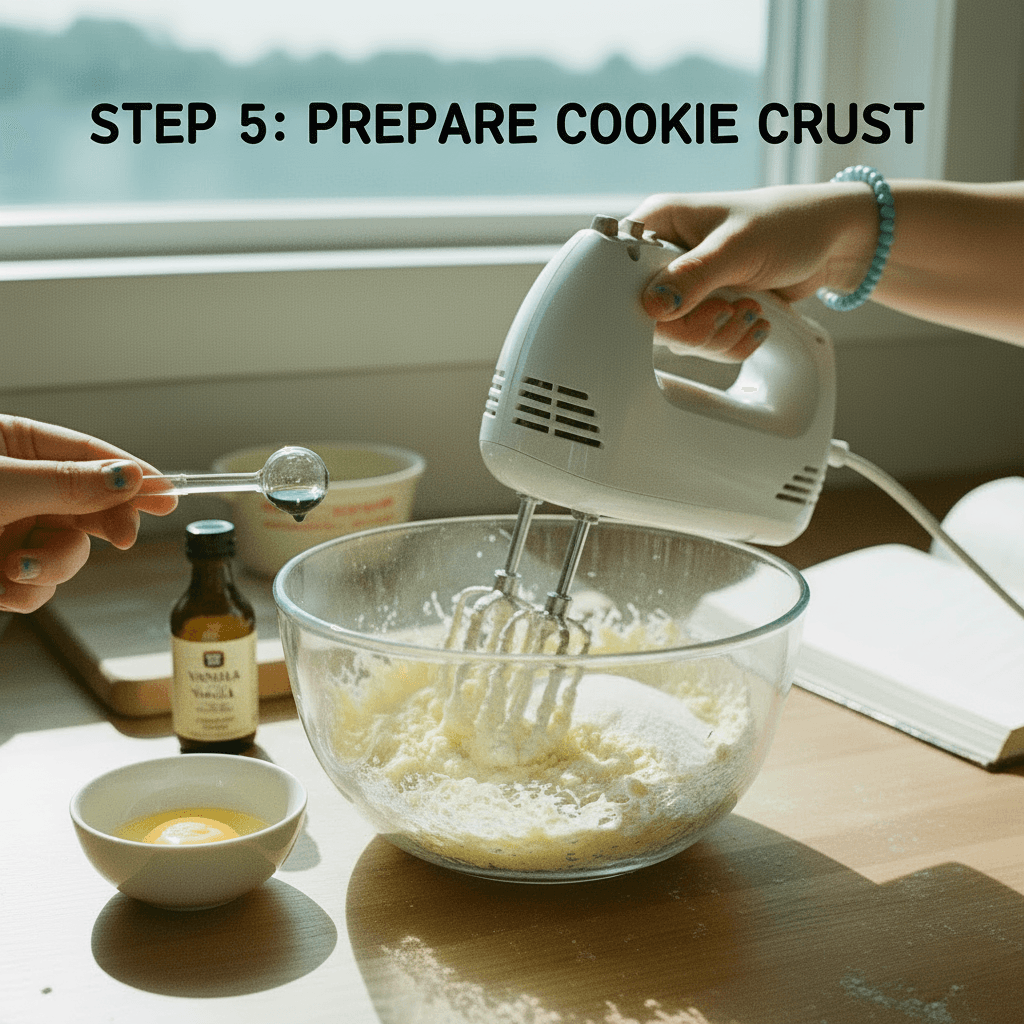
- 6
Gradually add the all-purpose flour and baking powder to the butter mixture, mixing until just combined and a soft dough forms. Do not overmix. Divide the cookie dough into 4 equal portions, flatten each into a disc, wrap in plastic wrap, and chill in the refrigerator for at least 15 minutes.
⏱️ 15 min
- 7
Once the bread dough has doubled, gently punch it down to release the air. Divide the dough into 4 equal pieces and shape each piece into a smooth, round ball.
⏱️ 5 min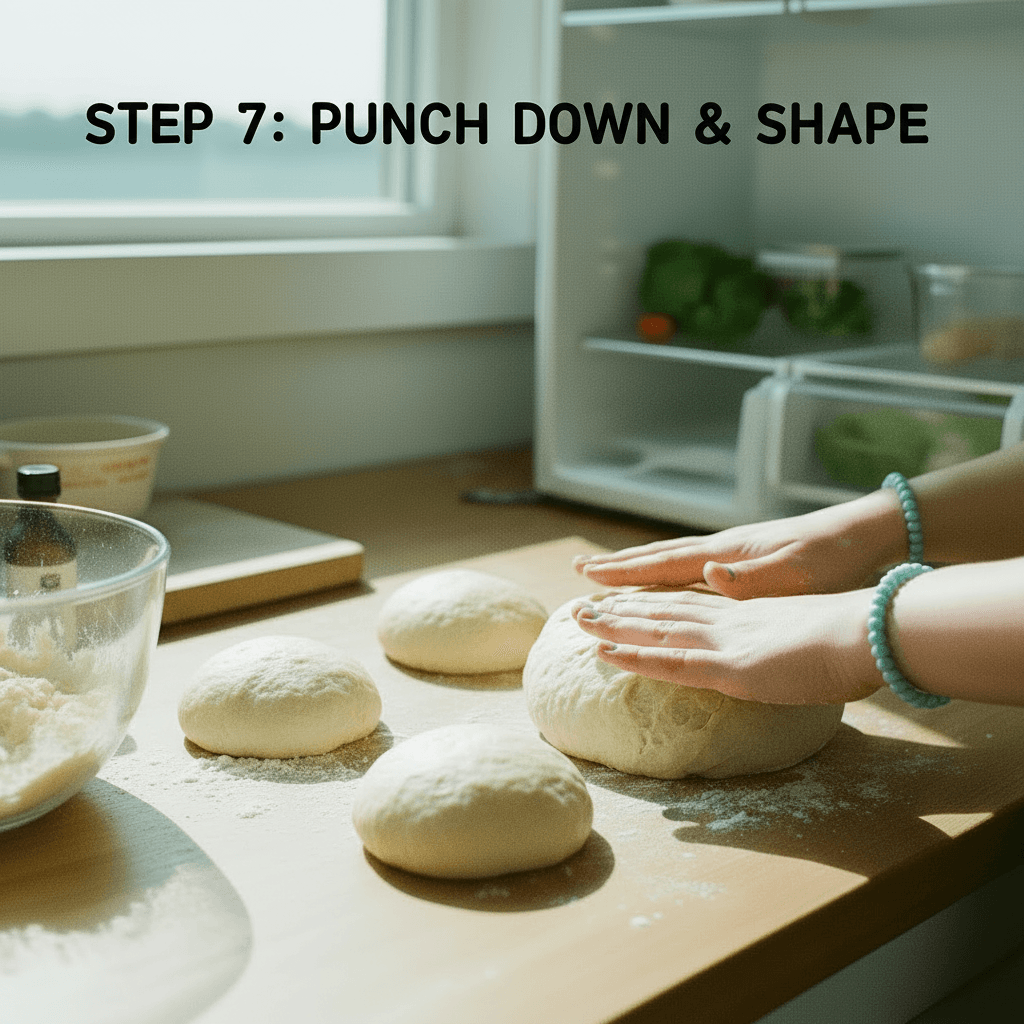
- 8
Remove the chilled cookie crust discs from the refrigerator. Place one dough ball on a piece of parchment paper. Flatten one cookie crust disc and place it over the dough ball, gently wrapping the cookie dough around the bread dough ball until it's mostly covered. Repeat with the remaining dough balls and cookie crusts.
⏱️ 10 min
- 9
Using a sharp knife, gently score a melon-like crosshatch pattern onto the surface of each cookie crust, being careful not to cut too deeply into the bread dough. Dip the top of each melon pan into granulated sugar to coat.
⏱️ 5 min
- 10
Place the shaped melon pans on a baking sheet lined with parchment paper, leaving space between them. Cover loosely with plastic wrap or a clean kitchen towel and let them rise again in a warm place for 30-45 minutes, or until slightly puffy.
⏱️ 40 min
- 11
Preheat your oven to 350°F (175°C).
⏱️ 15 min•🌡️ 350
- 12
Bake the melon pans for 15-20 minutes, or until the cookie crust is golden brown and the bread sounds hollow when tapped. If they start to brown too quickly, you can loosely tent them with foil. Transfer to a wire rack to cool completely.
⏱️ 18 min•🌡️ 350
- 13
While the melon pans cool, prepare the whipped cream. In a cold bowl with cold beaters (chilling them helps), whip the cold heavy cream, powdered sugar, and 1/2 teaspoon vanilla extract until stiff peaks form.
⏱️ 5 min
- 14
Once the melon pans are completely cool, slice them horizontally and fill generously with the prepared whipped cream. Serve immediately.
⏱️ 5 min
Kitchen Tools
Nutrition Facts (per serving)
Melon Pan with Whipped Cream
Ingredients
For the Dough
- 1 teaspoon active dry yeast
- 1/2 cup warm milk, 105-115°F
- 1/4 cup granulated sugar
- 1 3/4 cups all-purpose flour
- 1/4 teaspoon salt
- 1 egg, large, beaten
- 2 tablespoons unsalted butter, softened
For the Cookie Crust
- 1/2 cup unsalted butter, softened
- 1/2 cup granulated sugar
- 1 egg, large
- 1 teaspoon vanilla extract
- 1 1/2 cups all-purpose flour
- 1/2 teaspoon baking powder
- green food coloring, as needed, optional
For Assembly and Filling
- granulated sugar, for dusting
- 1 cup heavy cream, cold
- 2 tablespoons powdered sugar
- 1/2 teaspoon vanilla extract
Instructions
- 1
In a small bowl, combine the warm milk (105-115°F), 1 teaspoon of granulated sugar, and active dry yeast. Stir gently and let sit for 5-10 minutes until foamy, indicating the yeast is active.
⏱️ 10 min - 2
In a large mixing bowl, whisk together the all-purpose flour, remaining 1/4 cup of granulated sugar, and salt. Make a well in the center.
⏱️ 2 min - 3
Pour the activated yeast mixture, beaten egg, and softened unsalted butter into the well of the dry ingredients. Mix with a wooden spoon or a stand mixer with a dough hook until a shaggy dough forms. Knead the dough on a lightly floured surface or in the mixer for 10-15 minutes, until it is smooth and elastic.
⏱️ 15 min - 4
Lightly grease a clean bowl. Place the dough in the bowl, turning once to coat. Cover the bowl with plastic wrap or a clean kitchen towel and let it rise in a warm place for 1 to 1 1/2 hours, or until doubled in size.
⏱️ 90 min - 5
While the dough is rising, prepare the cookie crust. In a medium bowl, cream together the softened unsalted butter and 1/2 cup granulated sugar until light and fluffy. Beat in the egg and vanilla extract. If desired, add a few drops of green food coloring and mix until combined.
⏱️ 8 min - 6
Gradually add the all-purpose flour and baking powder to the butter mixture, mixing until just combined and a soft dough forms. Do not overmix. Divide the cookie dough into 4 equal portions, flatten each into a disc, wrap in plastic wrap, and chill in the refrigerator for at least 15 minutes.
⏱️ 15 min - 7
Once the bread dough has doubled, gently punch it down to release the air. Divide the dough into 4 equal pieces and shape each piece into a smooth, round ball.
⏱️ 5 min - 8
Remove the chilled cookie crust discs from the refrigerator. Place one dough ball on a piece of parchment paper. Flatten one cookie crust disc and place it over the dough ball, gently wrapping the cookie dough around the bread dough ball until it's mostly covered. Repeat with the remaining dough balls and cookie crusts.
⏱️ 10 min - 9
Using a sharp knife, gently score a melon-like crosshatch pattern onto the surface of each cookie crust, being careful not to cut too deeply into the bread dough. Dip the top of each melon pan into granulated sugar to coat.
⏱️ 5 min - 10
Place the shaped melon pans on a baking sheet lined with parchment paper, leaving space between them. Cover loosely with plastic wrap or a clean kitchen towel and let them rise again in a warm place for 30-45 minutes, or until slightly puffy.
⏱️ 40 min - 11
Preheat your oven to 350°F (175°C).
⏱️ 15 min•🌡️ 350 - 12
Bake the melon pans for 15-20 minutes, or until the cookie crust is golden brown and the bread sounds hollow when tapped. If they start to brown too quickly, you can loosely tent them with foil. Transfer to a wire rack to cool completely.
⏱️ 18 min•🌡️ 350 - 13
While the melon pans cool, prepare the whipped cream. In a cold bowl with cold beaters (chilling them helps), whip the cold heavy cream, powdered sugar, and 1/2 teaspoon vanilla extract until stiff peaks form.
⏱️ 5 min - 14
Once the melon pans are completely cool, slice them horizontally and fill generously with the prepared whipped cream. Serve immediately.
⏱️ 5 min