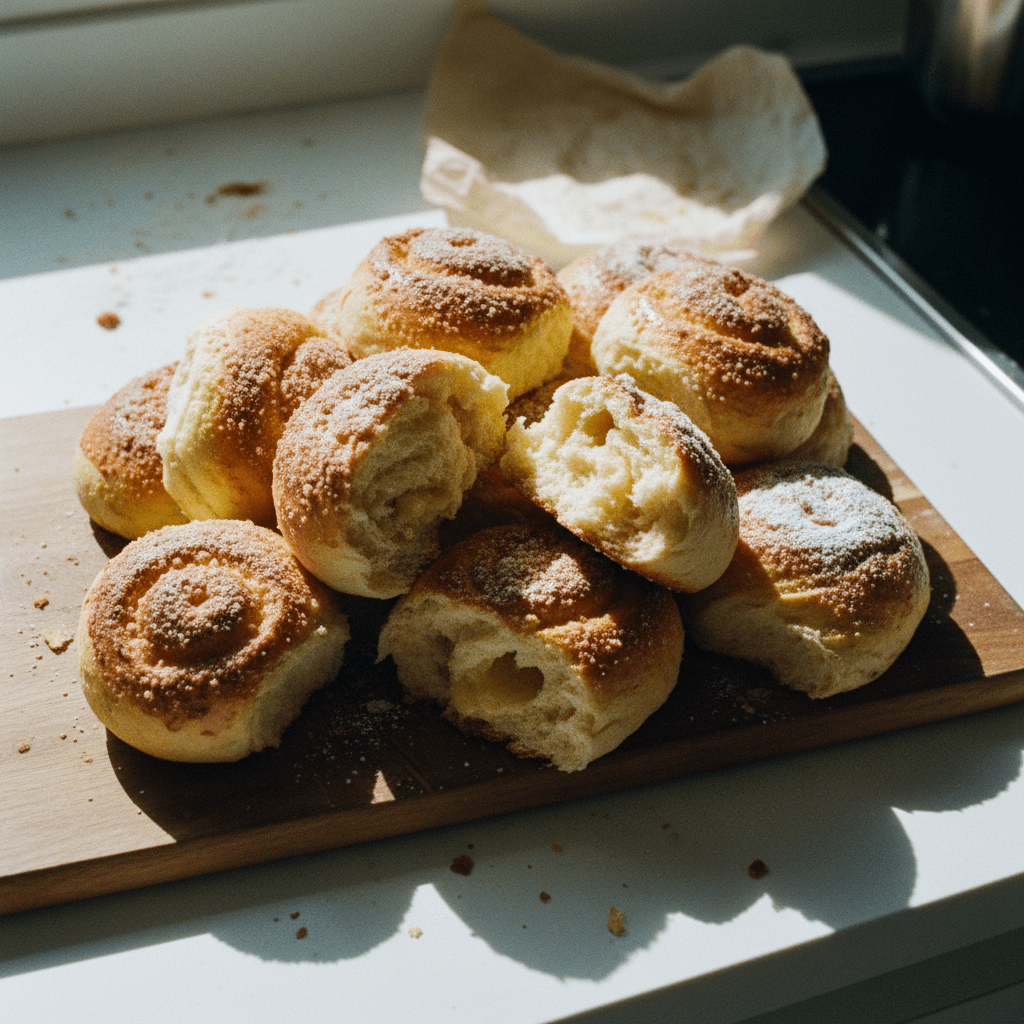
Spanish Bread (Pan de Kasilia)
Spanish Bread (Pan de Kasilia)
Ingredients
For the Dough
- 1/2 cup milk, warm
- 2 large eggs
- 1 teaspoon vanilla extract
- 3 cups all-purpose flour
- 1/2 cup granulated sugar
- 2 1/4 teaspoons active dry yeast
- 1 teaspoon salt
- 1/2 cup unsalted butter, softened, cut into cubes
For the Filling
- 1 cup breadcrumbs
- 1/2 cup brown sugar
- 1/4 cup unsalted butter, softened, cubed
- 1 teaspoon milk
For the Caramelized Crust
- 1/4 cup unsalted butter, melted
- 1/4 cup brown sugar
- 1 tablespoon water
For Coating
- 1/4 cup unsalted butter, melted
- 1 cup breadcrumbs
Instructions
- 1
In a measuring cup, whisk together the warm milk, large eggs, and vanilla extract until well combined. Set aside.
⏱️ 2 min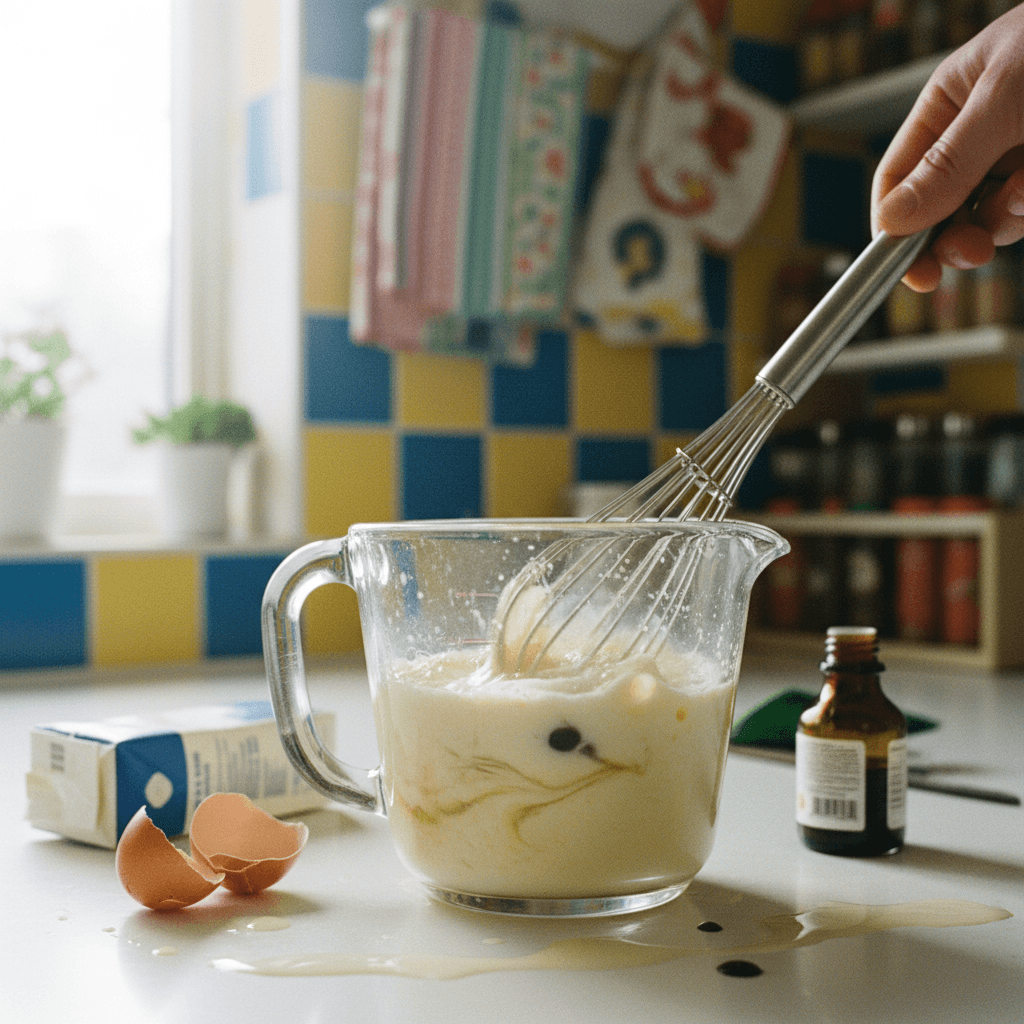
- 2
In a large mixing bowl, combine the all-purpose flour, granulated sugar, active dry yeast, and salt. Stir to combine.
⏱️ 2 min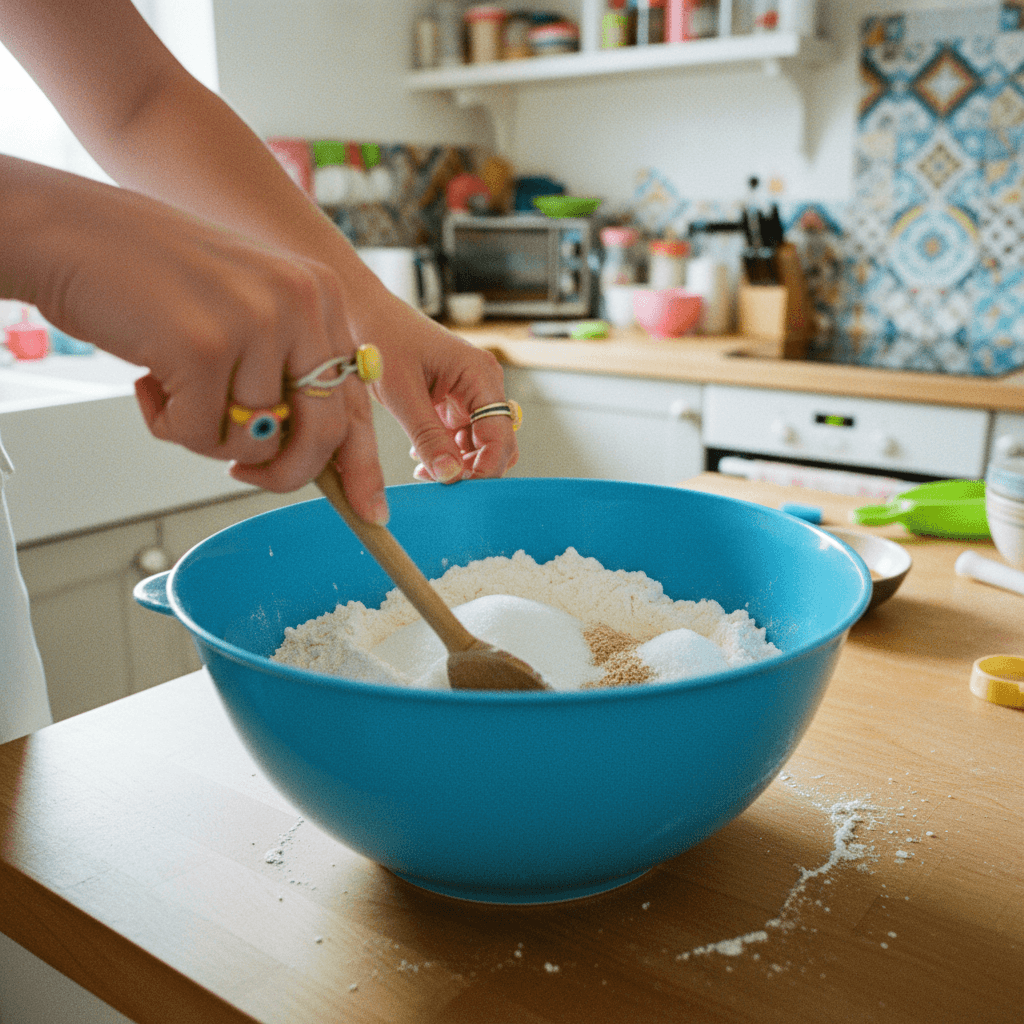
- 3
Transfer the dry ingredients to the bowl of a stand mixer fitted with a dough hook. Pour in the wet ingredients from Step 1. Knead on low speed until a shaggy dough forms, about 3-5 minutes.
⏱️ 5 min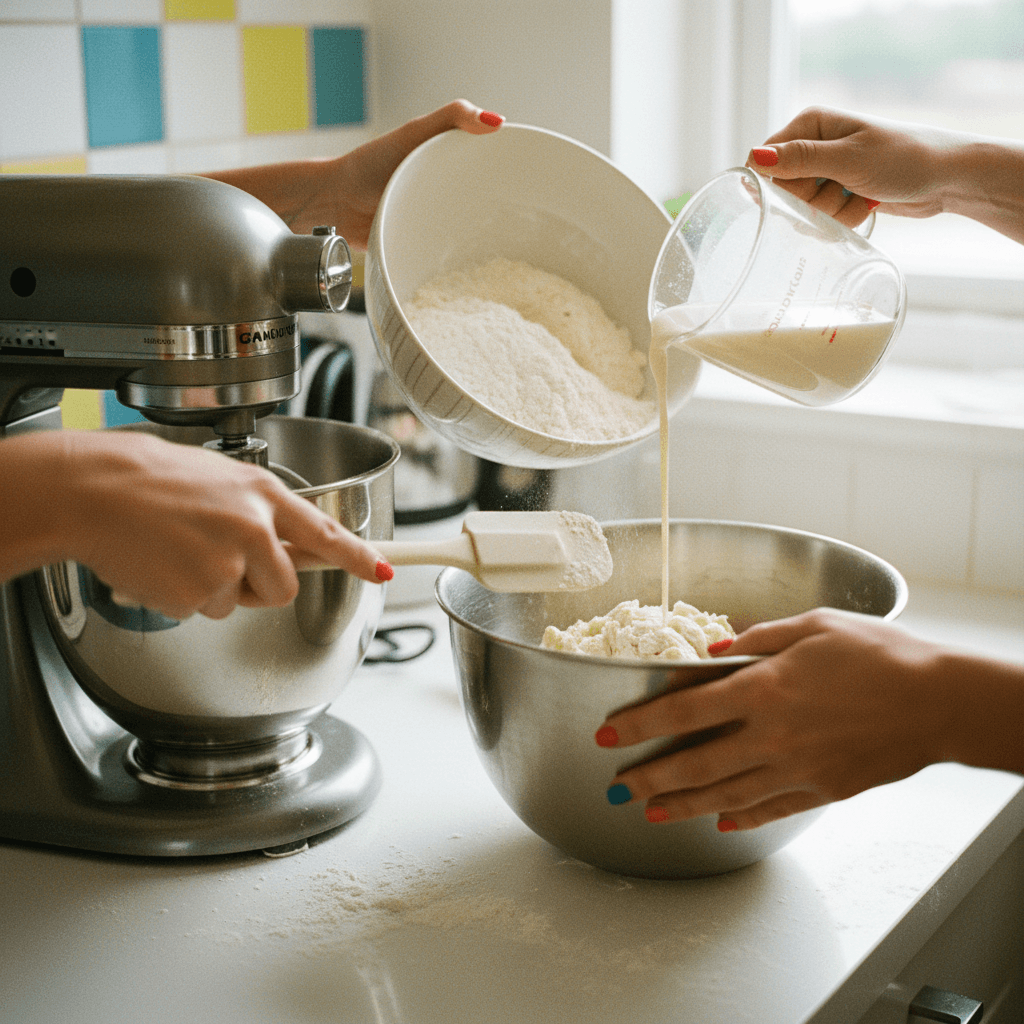
- 4
Gradually add the softened, cubed butter to the dough, one cube at a time, while the mixer is running. Continue kneading on medium speed until the dough is smooth, elastic, and passes the windowpane test (you should be able to stretch a small piece of dough very thin without it tearing). This process may take 10-15 minutes.
⏱️ 15 min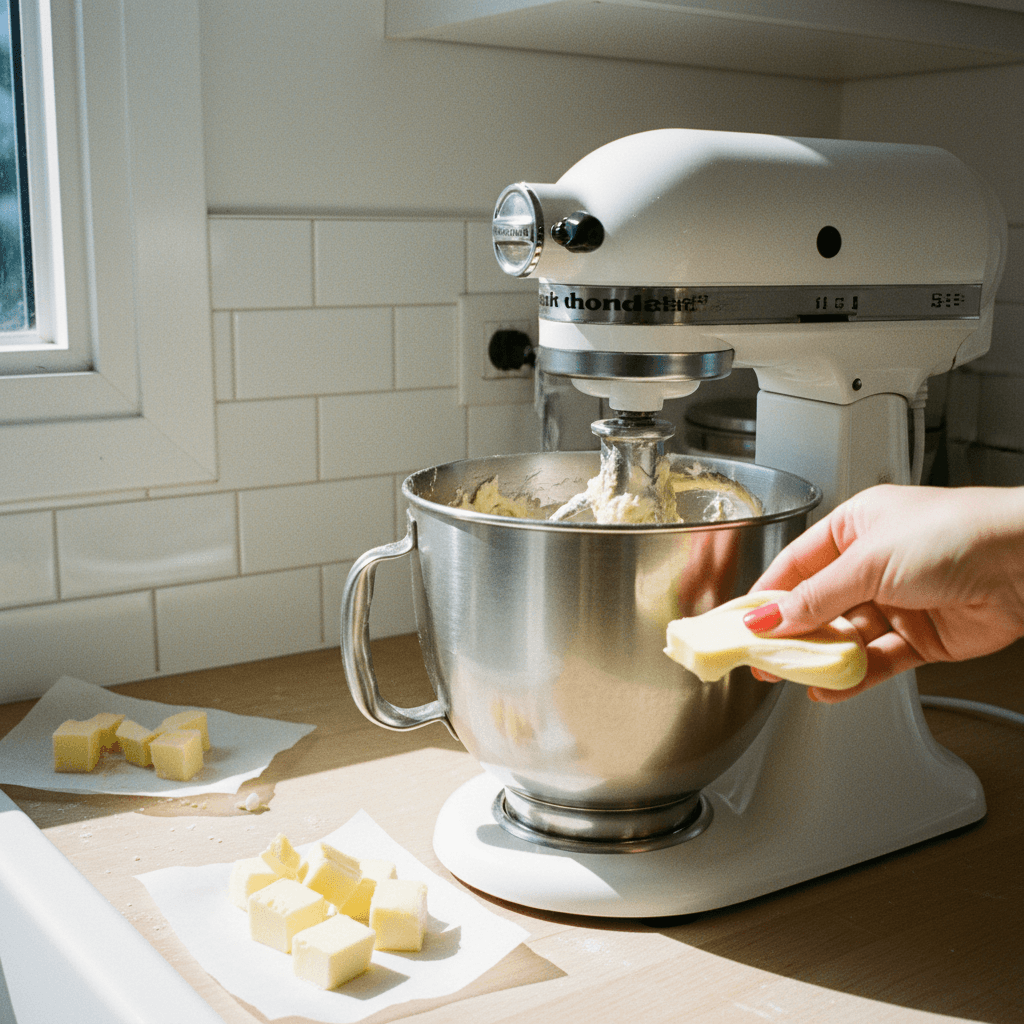
- 5
Transfer the dough to a lightly oiled bowl, turning once to coat. Cover the bowl with plastic wrap and let it rise in a warm place for 1 to 1 1/2 hours, or until it has doubled in size.
⏱️ 90 min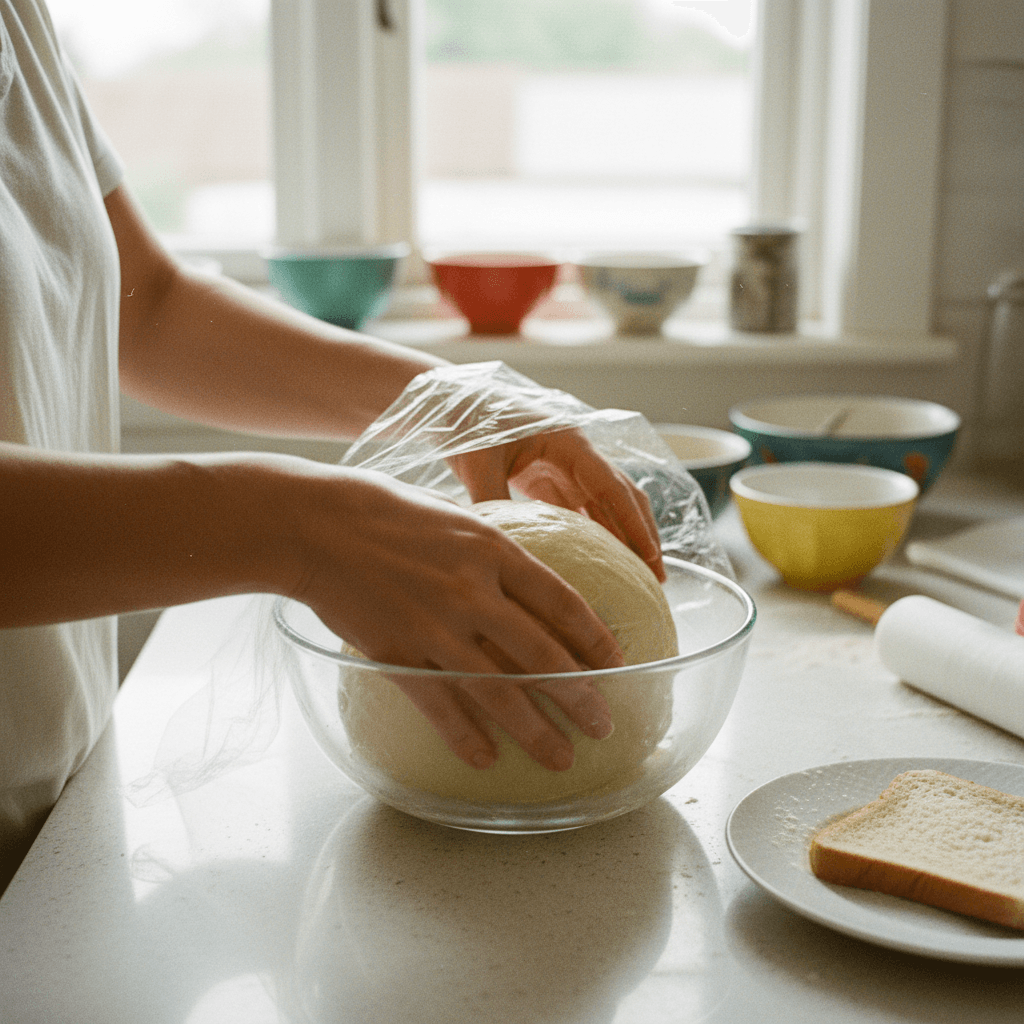
- 6
While the dough is proofing, prepare the filling. In a medium bowl, combine the breadcrumbs, brown sugar, softened cubed butter, and 1 teaspoon of milk. Mix thoroughly with a spatula until a cohesive, paste-like filling is formed.
⏱️ 5 min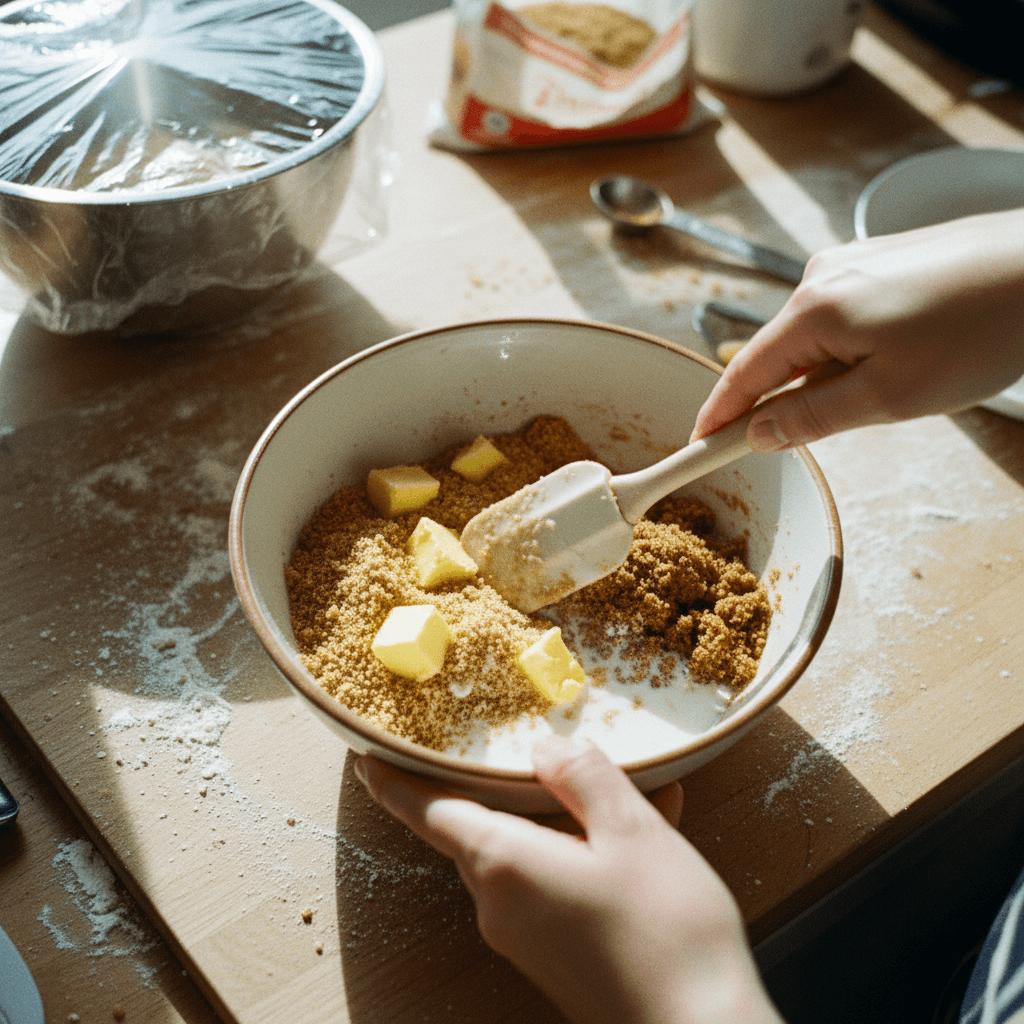
- 7
Prepare the caramelized crust mixture. In a small measuring cup or bowl, whisk together the melted butter, brown sugar, and water until well combined.
⏱️ 2 min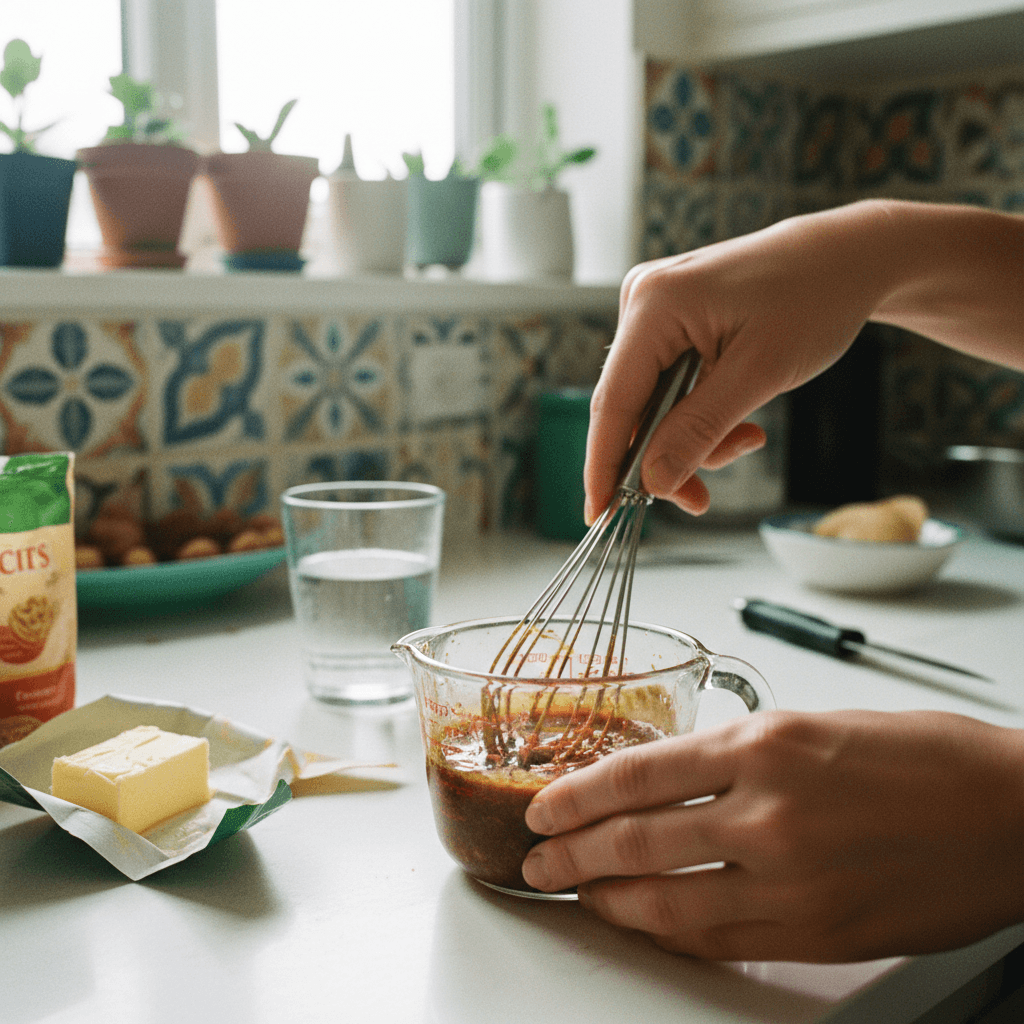
- 8
Once the dough has doubled, gently punch it down to deflate. Turn the dough out onto a lightly floured surface.
⏱️ 1 min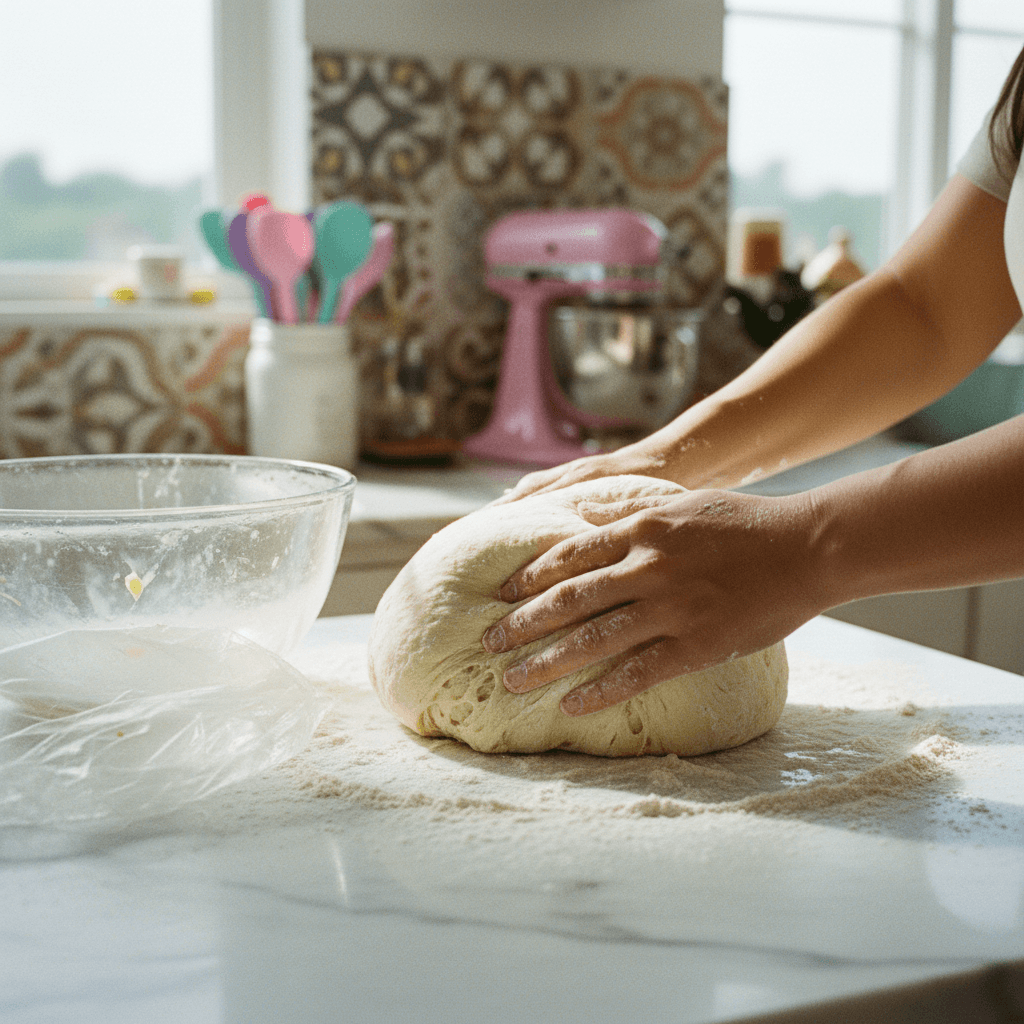
- 9
Divide the dough into equal portions (approximately 12-16 pieces, depending on desired size). Roll each portion into a ball, then flatten it with a rolling pin into a long, somewhat triangular shape.
⏱️ 5 min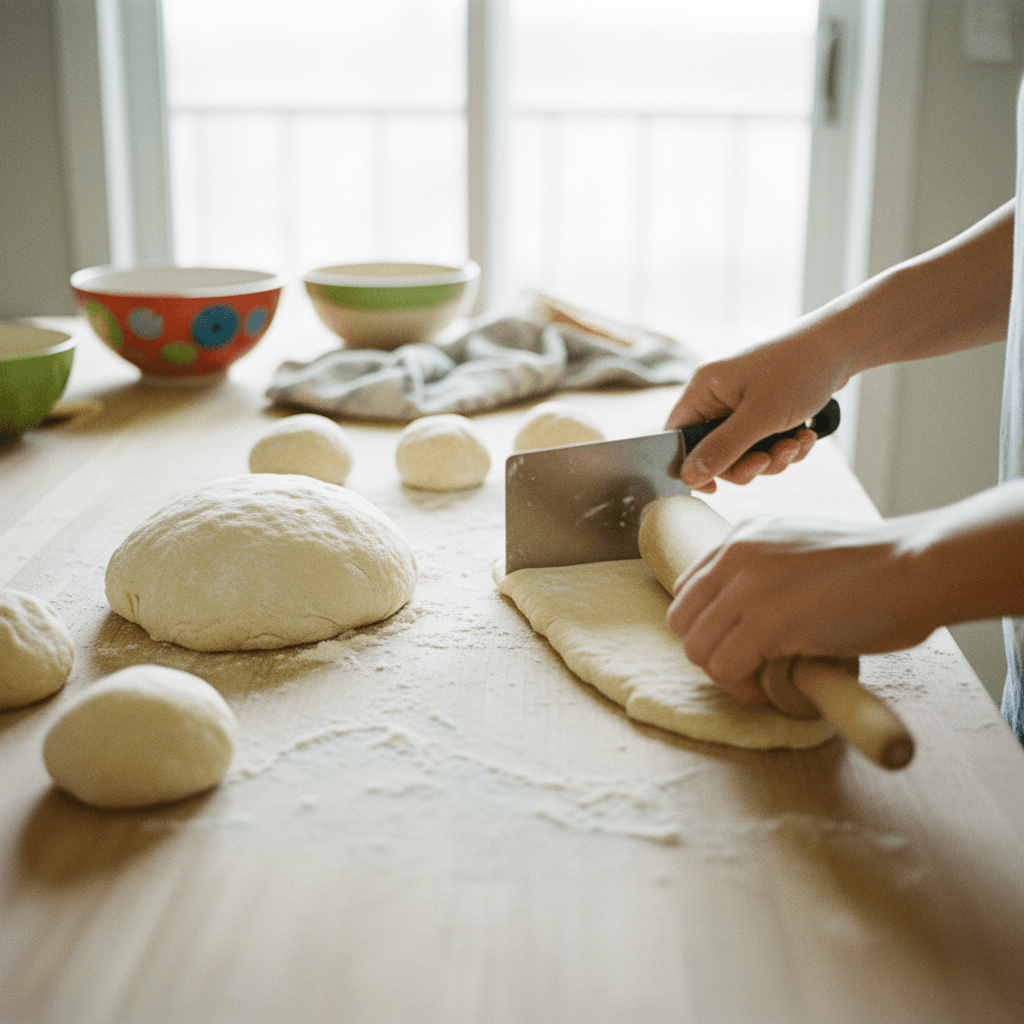
- 10
Spread a generous amount of the prepared filling evenly over each flattened dough piece. Tightly roll up each piece of dough, starting from the wider end, to create the characteristic cylindrical shape of Spanish bread.
⏱️ 10 min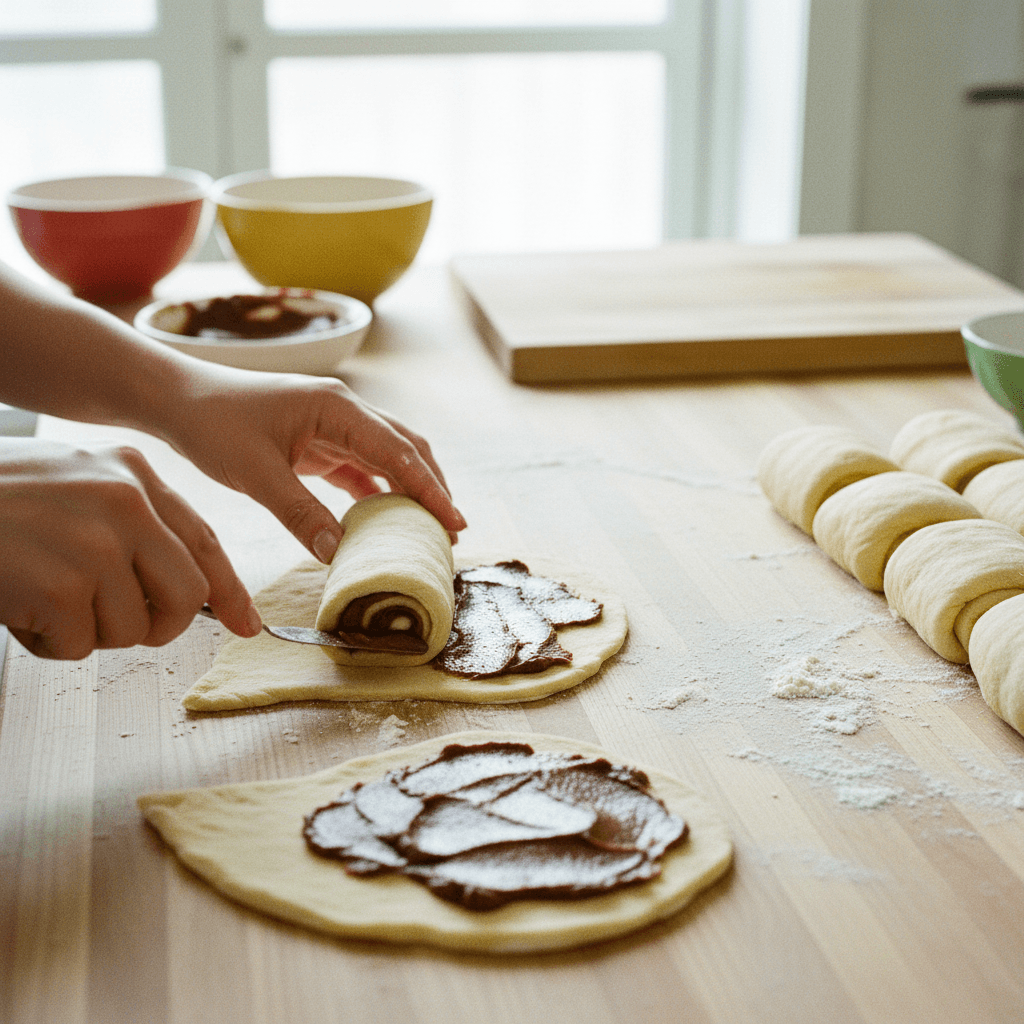
- 11
Pour the caramel mixture (from Step 7) onto a baking tray and spread it thinly and evenly across the bottom.
⏱️ 1 min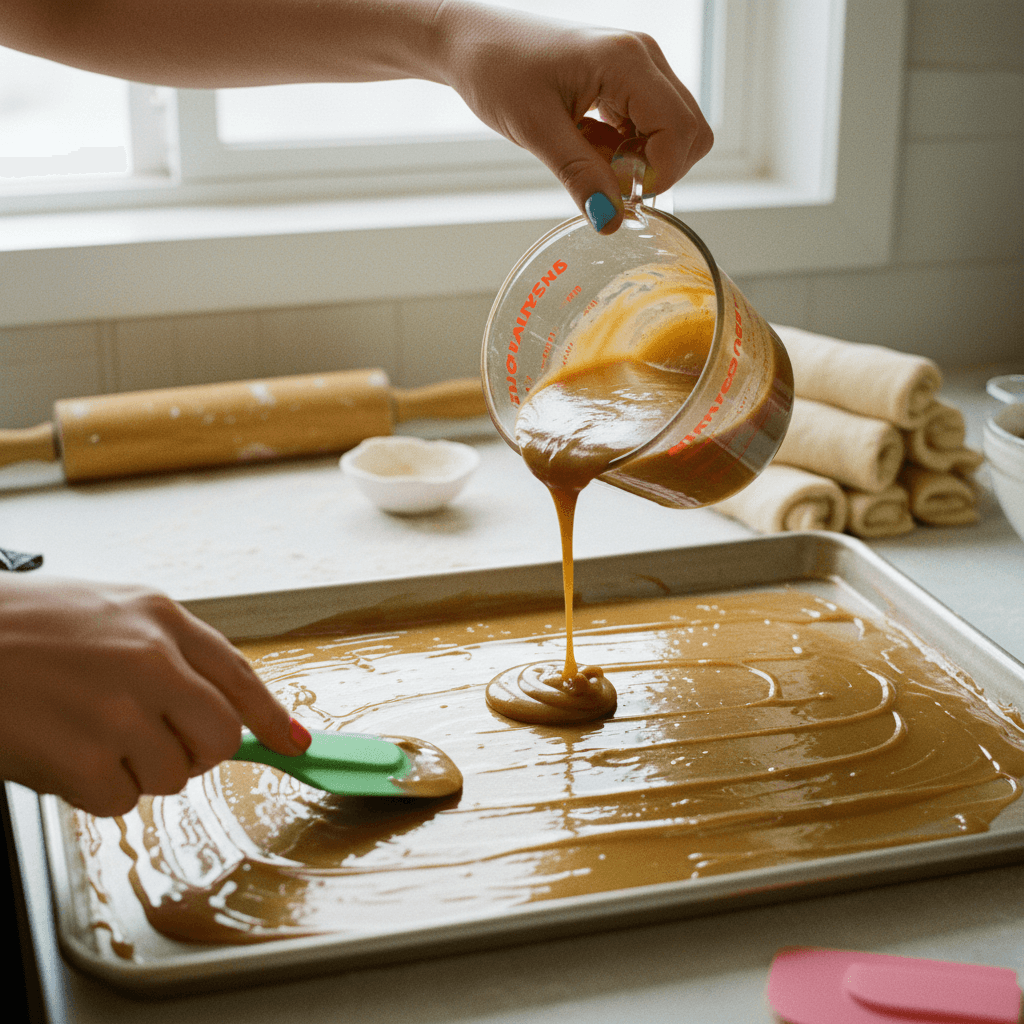
- 12
In a separate shallow bowl, place the 1/4 cup of melted butter for coating. In another shallow bowl, place the 1 cup of breadcrumbs for coating. Dip each rolled bread first in the melted butter, ensuring it's fully coated, then thoroughly coat it with breadcrumbs.
⏱️ 5 min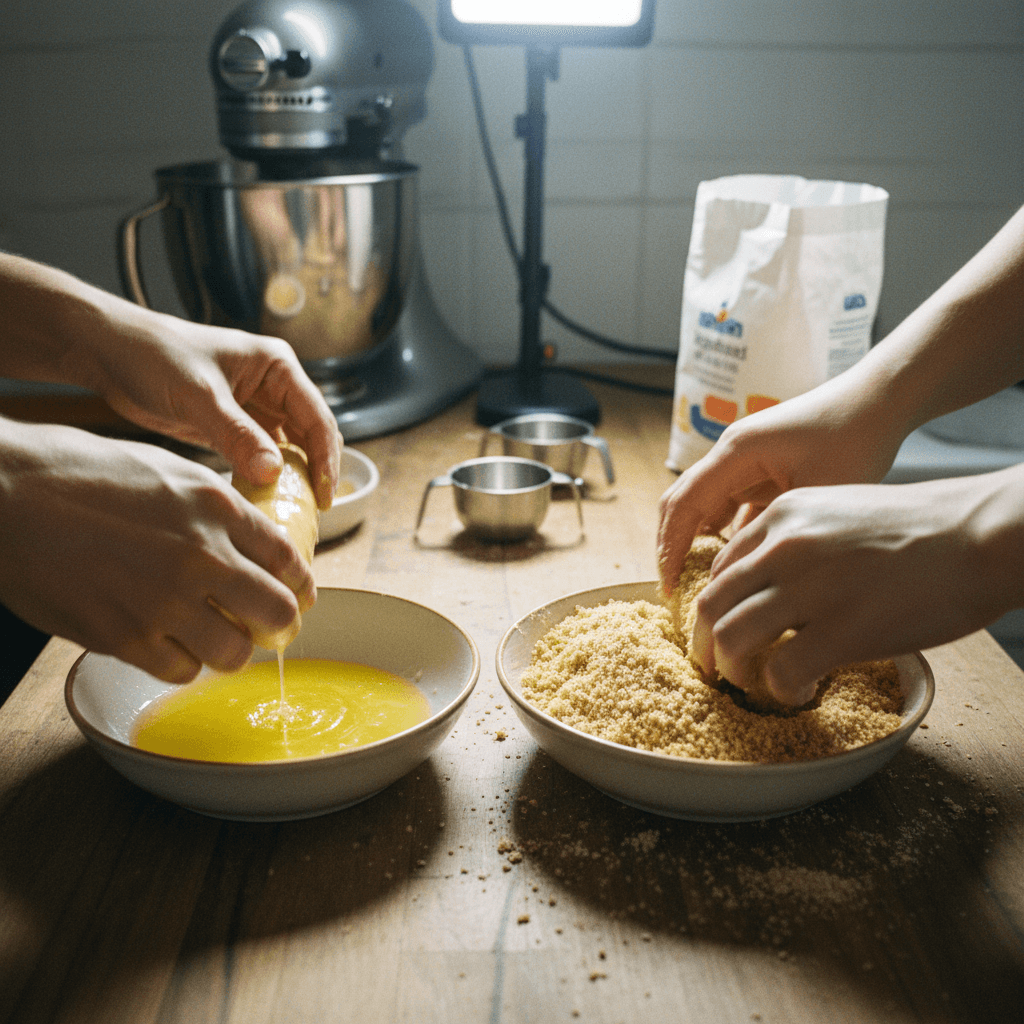
- 13
Arrange the coated bread rolls on the prepared baking tray, ensuring the bottom of each roll makes contact with the caramel mixture. Leave some space between each roll as they will expand.
⏱️ 2 min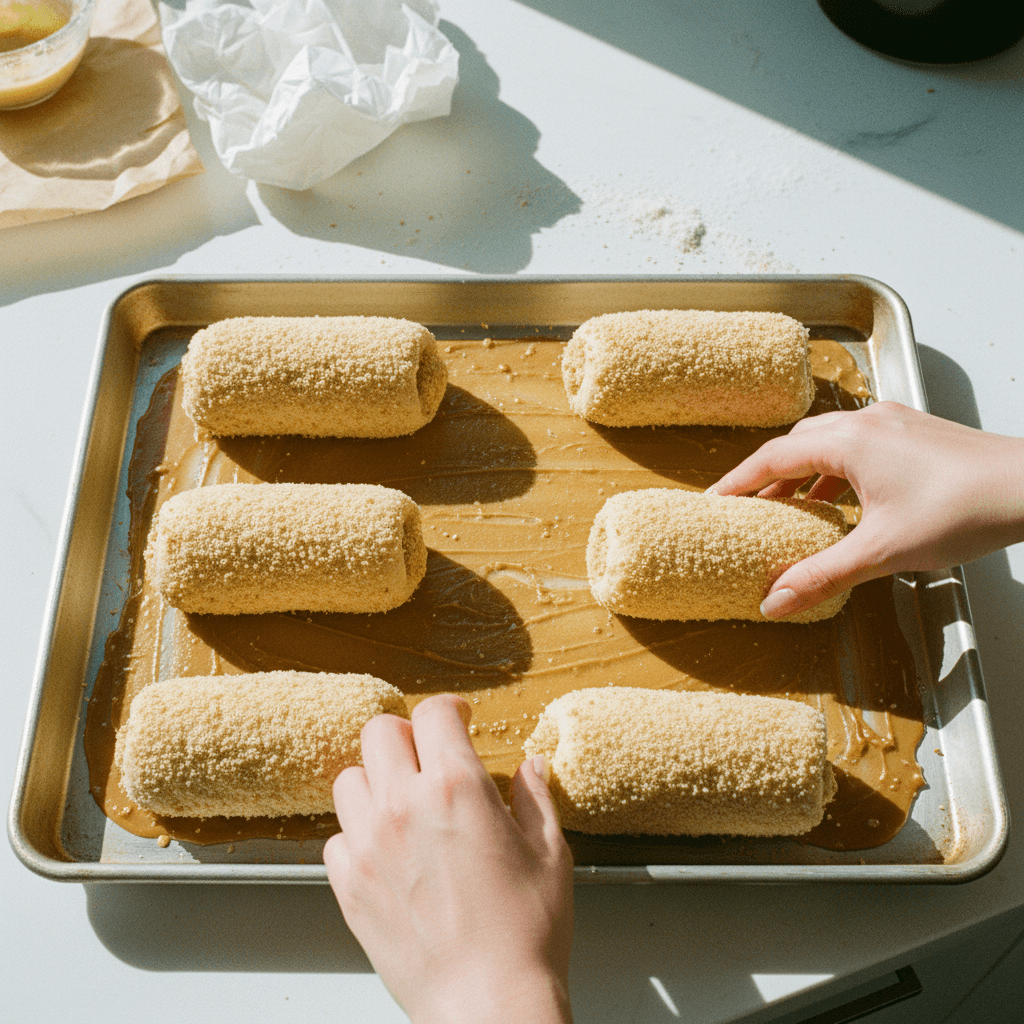
- 14
Cover the baking tray loosely with plastic wrap or a clean kitchen towel and let the rolls rest for a second proofing for 20 minutes.
⏱️ 20 min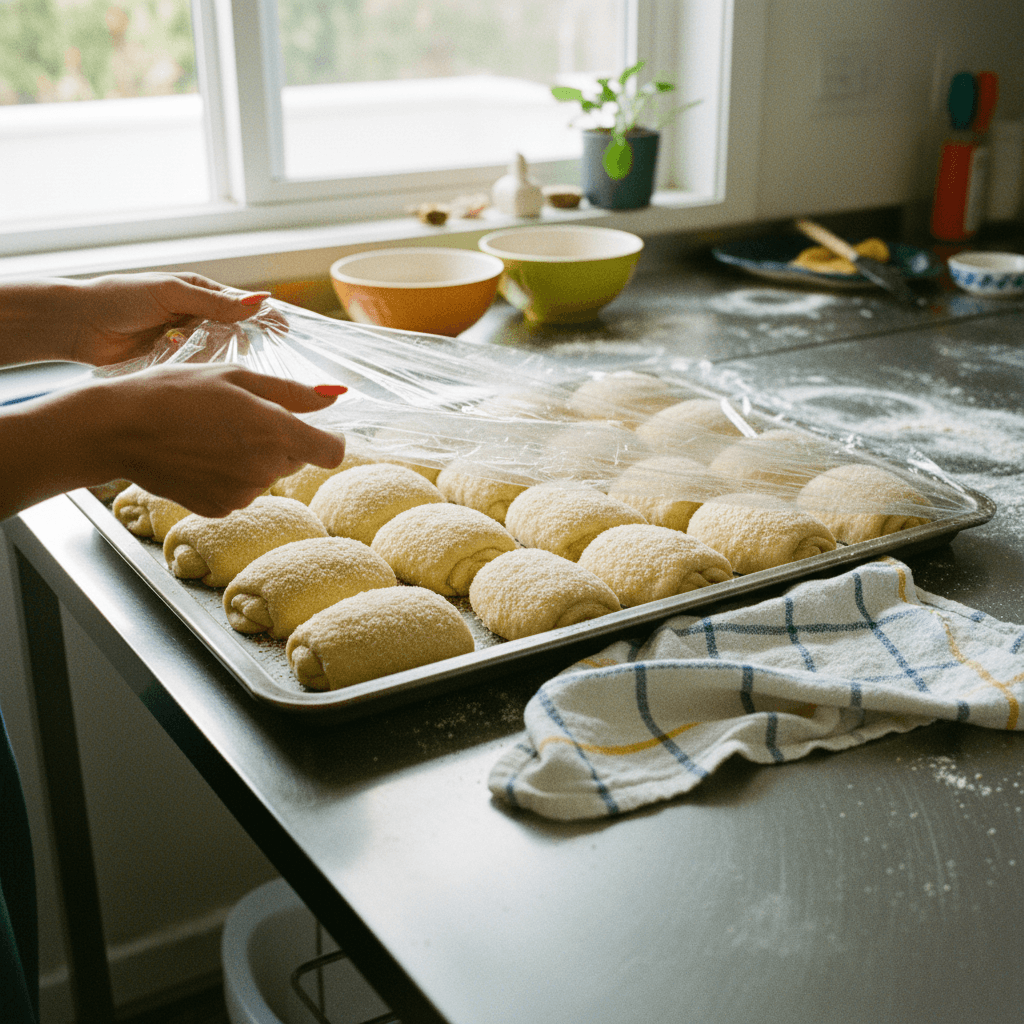
- 15
Preheat your oven to 350°F (180°C).
⏱️ 15 min•🌡️ 350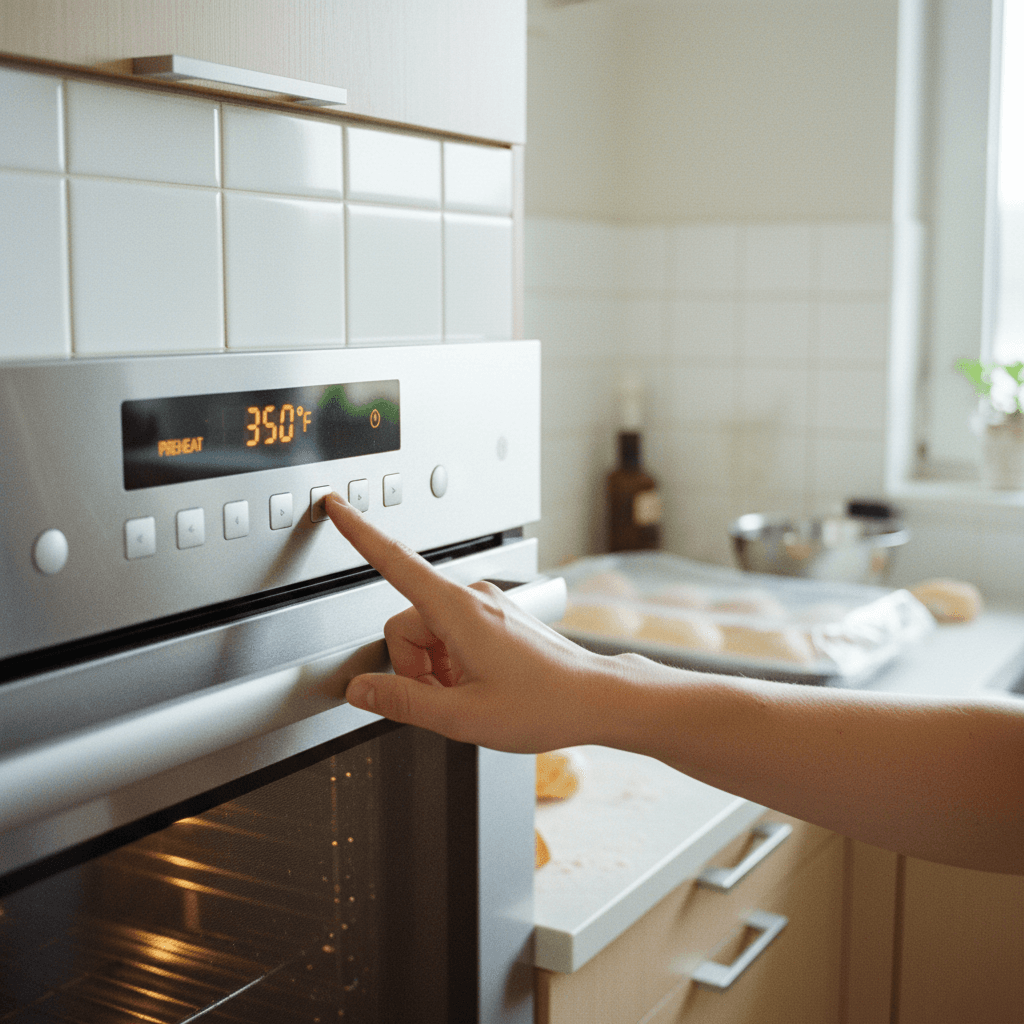
- 16
Bake the Spanish bread in the preheated oven for approximately 20 minutes, or until golden brown and cooked through. The caramel crust should be bubbly and slightly sticky.
⏱️ 20 min•🌡️ 350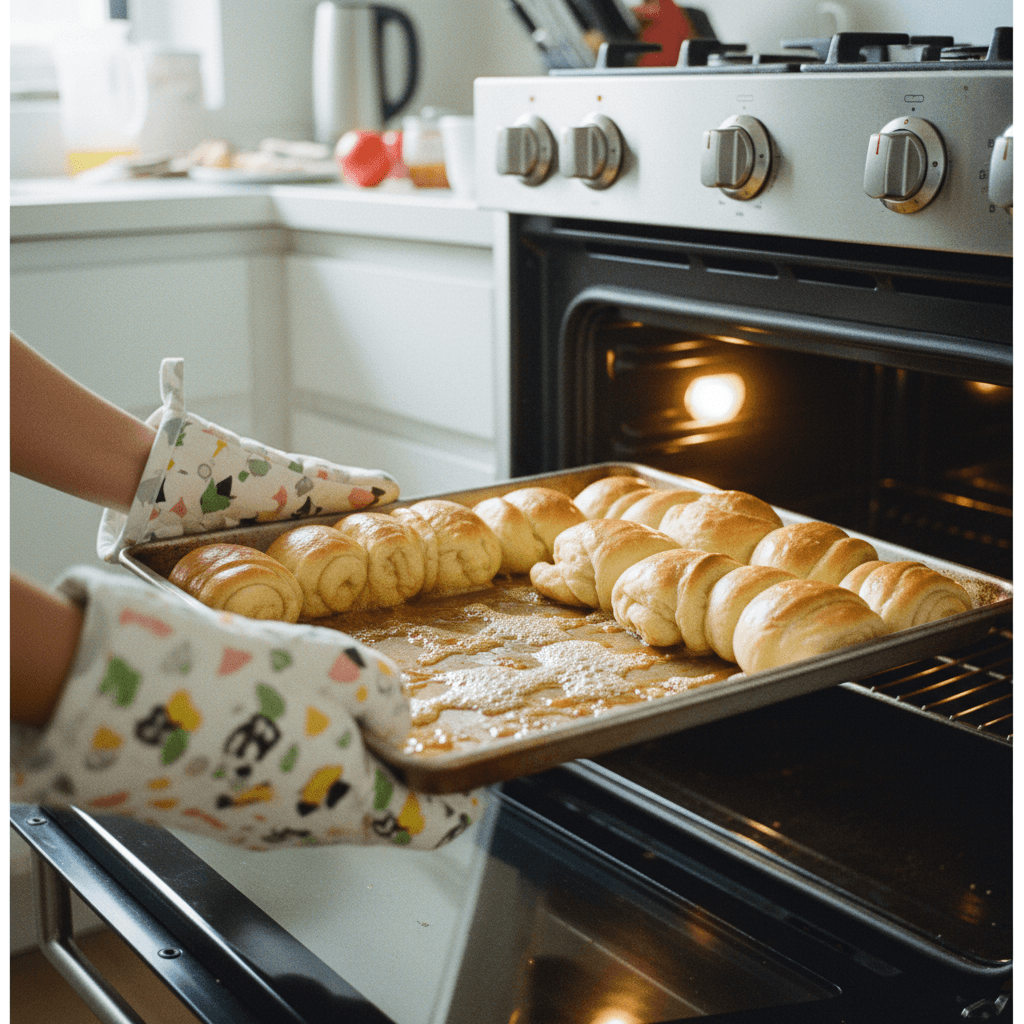
- 17
Remove from the oven and let cool slightly on the baking tray before serving. The caramel will set as it cools.
⏱️ 5 min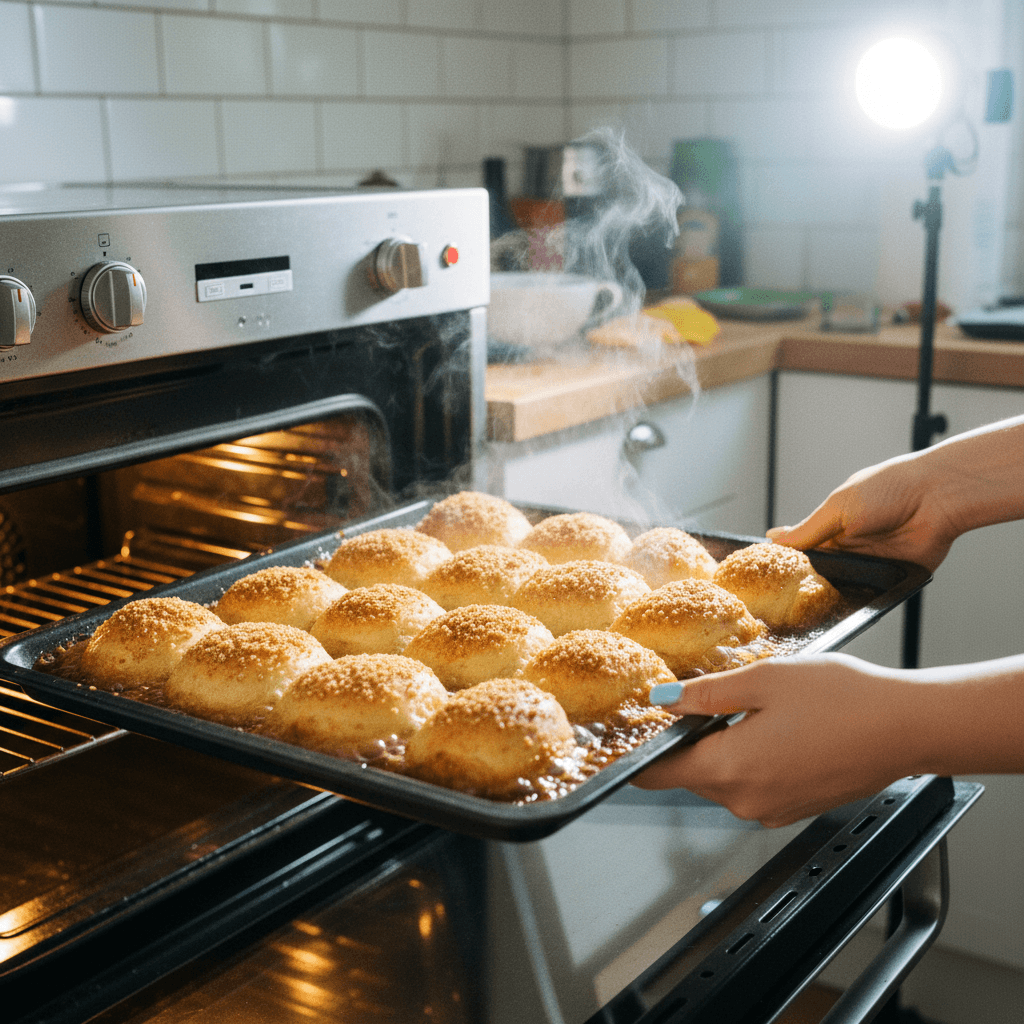
Kitchen Tools
Nutrition Facts (per serving)
Spanish Bread (Pan de Kasilia)
For the Dough
- 1/2 cup milk, warm
- 2 large eggs
- 1 teaspoon vanilla extract
- 3 cups all-purpose flour
- 1/2 cup granulated sugar
- 2 1/4 teaspoons active dry yeast
- 1 teaspoon salt
- 1/2 cup unsalted butter, softened, cut into cubes
For the Filling
- 1 cup breadcrumbs
- 1/2 cup brown sugar
- 1/4 cup unsalted butter, softened, cubed
- 1 teaspoon milk
For the Caramelized Crust
- 1/4 cup unsalted butter, melted
- 1/4 cup brown sugar
- 1 tablespoon water
For Coating
- 1/4 cup unsalted butter, melted
- 1 cup breadcrumbs
Instructions
- 1
In a measuring cup, whisk together the warm milk, large eggs, and vanilla extract until well combined. Set aside.
⏱️ 2 min - 2
In a large mixing bowl, combine the all-purpose flour, granulated sugar, active dry yeast, and salt. Stir to combine.
⏱️ 2 min - 3
Transfer the dry ingredients to the bowl of a stand mixer fitted with a dough hook. Pour in the wet ingredients from Step 1. Knead on low speed until a shaggy dough forms, about 3-5 minutes.
⏱️ 5 min - 4
Gradually add the softened, cubed butter to the dough, one cube at a time, while the mixer is running. Continue kneading on medium speed until the dough is smooth, elastic, and passes the windowpane test (you should be able to stretch a small piece of dough very thin without it tearing). This process may take 10-15 minutes.
⏱️ 15 min - 5
Transfer the dough to a lightly oiled bowl, turning once to coat. Cover the bowl with plastic wrap and let it rise in a warm place for 1 to 1 1/2 hours, or until it has doubled in size.
⏱️ 90 min - 6
While the dough is proofing, prepare the filling. In a medium bowl, combine the breadcrumbs, brown sugar, softened cubed butter, and 1 teaspoon of milk. Mix thoroughly with a spatula until a cohesive, paste-like filling is formed.
⏱️ 5 min - 7
Prepare the caramelized crust mixture. In a small measuring cup or bowl, whisk together the melted butter, brown sugar, and water until well combined.
⏱️ 2 min - 8
Once the dough has doubled, gently punch it down to deflate. Turn the dough out onto a lightly floured surface.
⏱️ 1 min - 9
Divide the dough into equal portions (approximately 12-16 pieces, depending on desired size). Roll each portion into a ball, then flatten it with a rolling pin into a long, somewhat triangular shape.
⏱️ 5 min - 10
Spread a generous amount of the prepared filling evenly over each flattened dough piece. Tightly roll up each piece of dough, starting from the wider end, to create the characteristic cylindrical shape of Spanish bread.
⏱️ 10 min - 11
Pour the caramel mixture (from Step 7) onto a baking tray and spread it thinly and evenly across the bottom.
⏱️ 1 min - 12
In a separate shallow bowl, place the 1/4 cup of melted butter for coating. In another shallow bowl, place the 1 cup of breadcrumbs for coating. Dip each rolled bread first in the melted butter, ensuring it's fully coated, then thoroughly coat it with breadcrumbs.
⏱️ 5 min - 13
Arrange the coated bread rolls on the prepared baking tray, ensuring the bottom of each roll makes contact with the caramel mixture. Leave some space between each roll as they will expand.
⏱️ 2 min - 14
Cover the baking tray loosely with plastic wrap or a clean kitchen towel and let the rolls rest for a second proofing for 20 minutes.
⏱️ 20 min - 15
Preheat your oven to 350°F (180°C).
⏱️ 15 min•🌡️ 350 - 16
Bake the Spanish bread in the preheated oven for approximately 20 minutes, or until golden brown and cooked through. The caramel crust should be bubbly and slightly sticky.
⏱️ 20 min•🌡️ 350 - 17
Remove from the oven and let cool slightly on the baking tray before serving. The caramel will set as it cools.
⏱️ 5 min