Horiatiko Psomi (Greek Rustic Village Bread)
Horiatiko Psomi (Greek Rustic Village Bread)
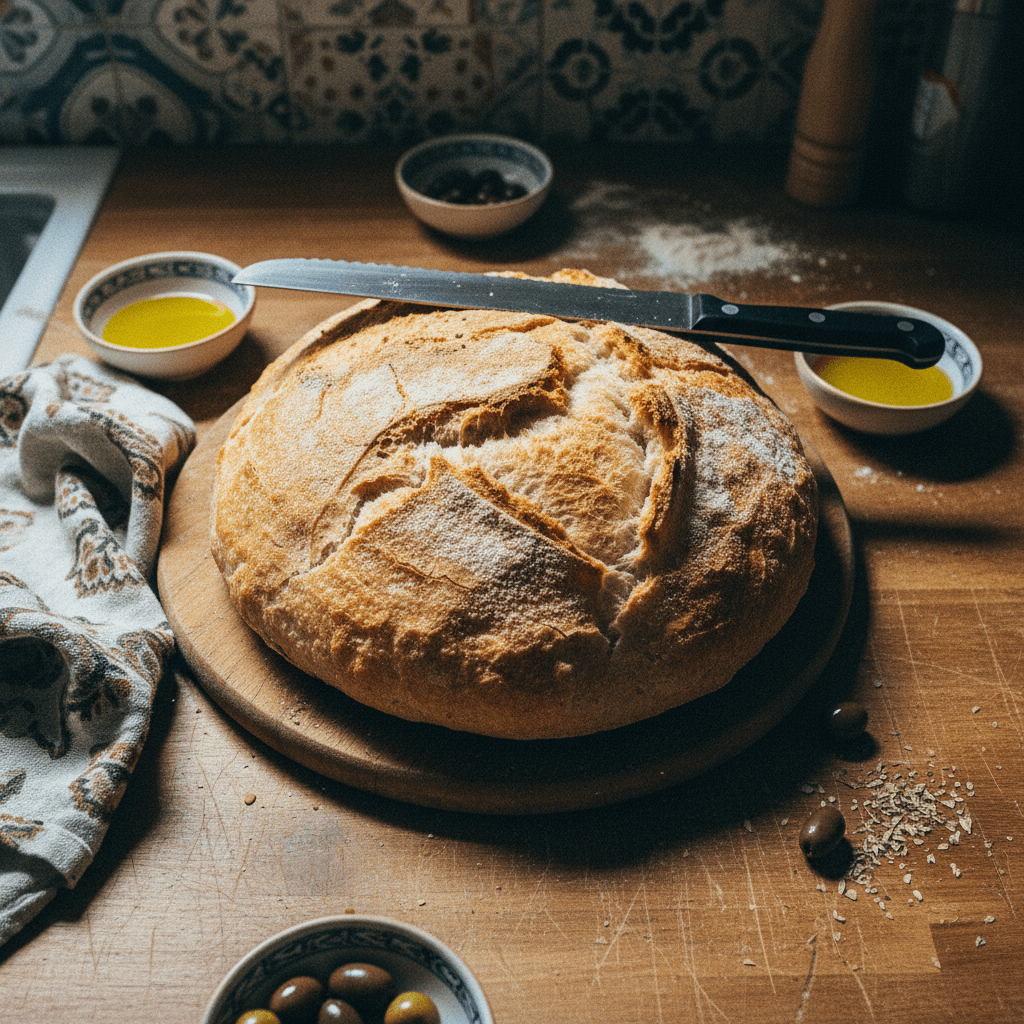
Ingredients
- 1 1/4 cups warm water, (105-115°F)
- 1/2 cup warm milk, (105-115°F)
- 2 1/4 teaspoons active dry yeast
- 1 teaspoon granulated sugar
- 3 1/2 cups all-purpose flour
- 1/2 cup fine semolina
- 2 tablespoons olive oil
- 1 1/2 teaspoons salt
- as needed all-purpose flour, for dusting
Instructions
- 1
In a large mixing bowl, combine the warm water, warm milk, active dry yeast, and granulated sugar. Stir gently until the yeast and sugar are dissolved. Let the mixture sit for 5-10 minutes until foamy, indicating the yeast is active.
⏱️ 10 min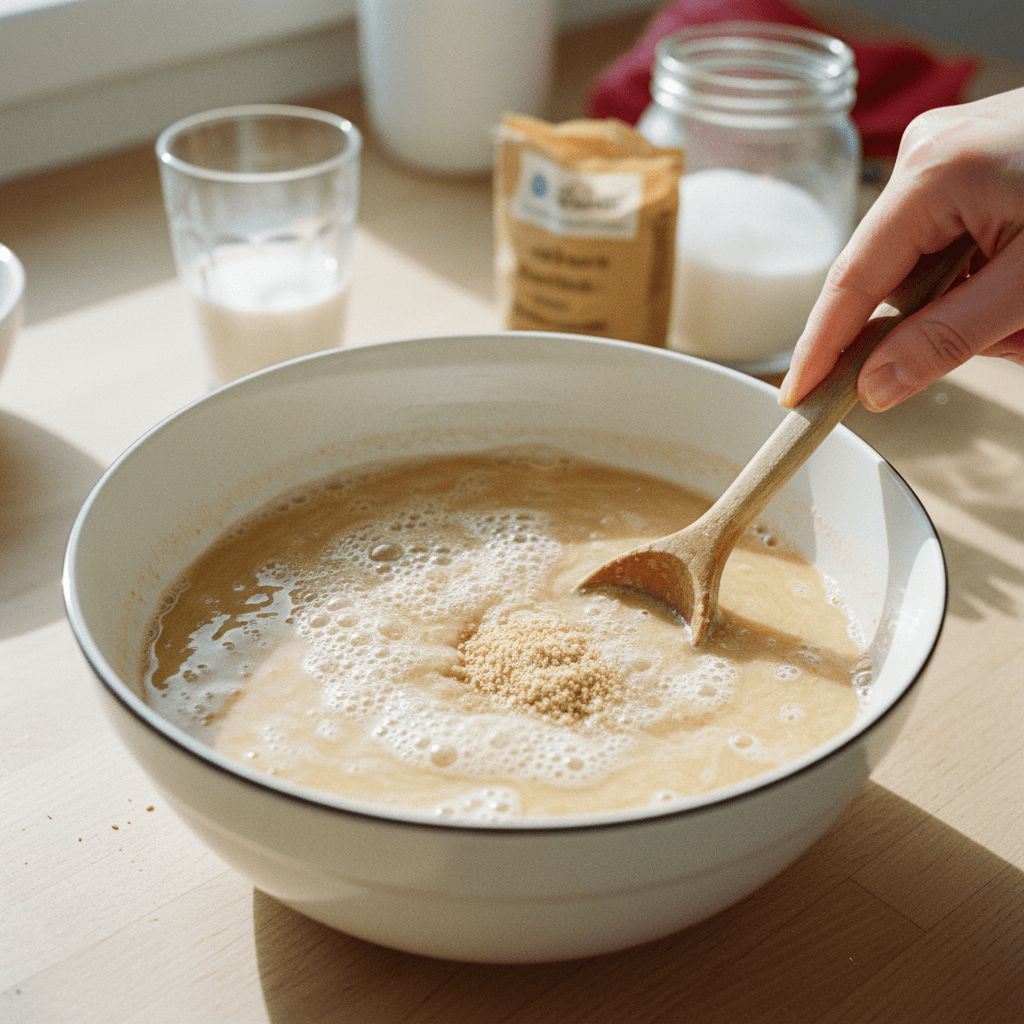
- 2
Add the all-purpose flour, fine semolina, olive oil, and salt to the yeast mixture in the bowl. If using a stand mixer, attach the dough hook. Mix on low speed until all ingredients are combined and a shaggy dough forms, about 2-3 minutes.
⏱️ 5 min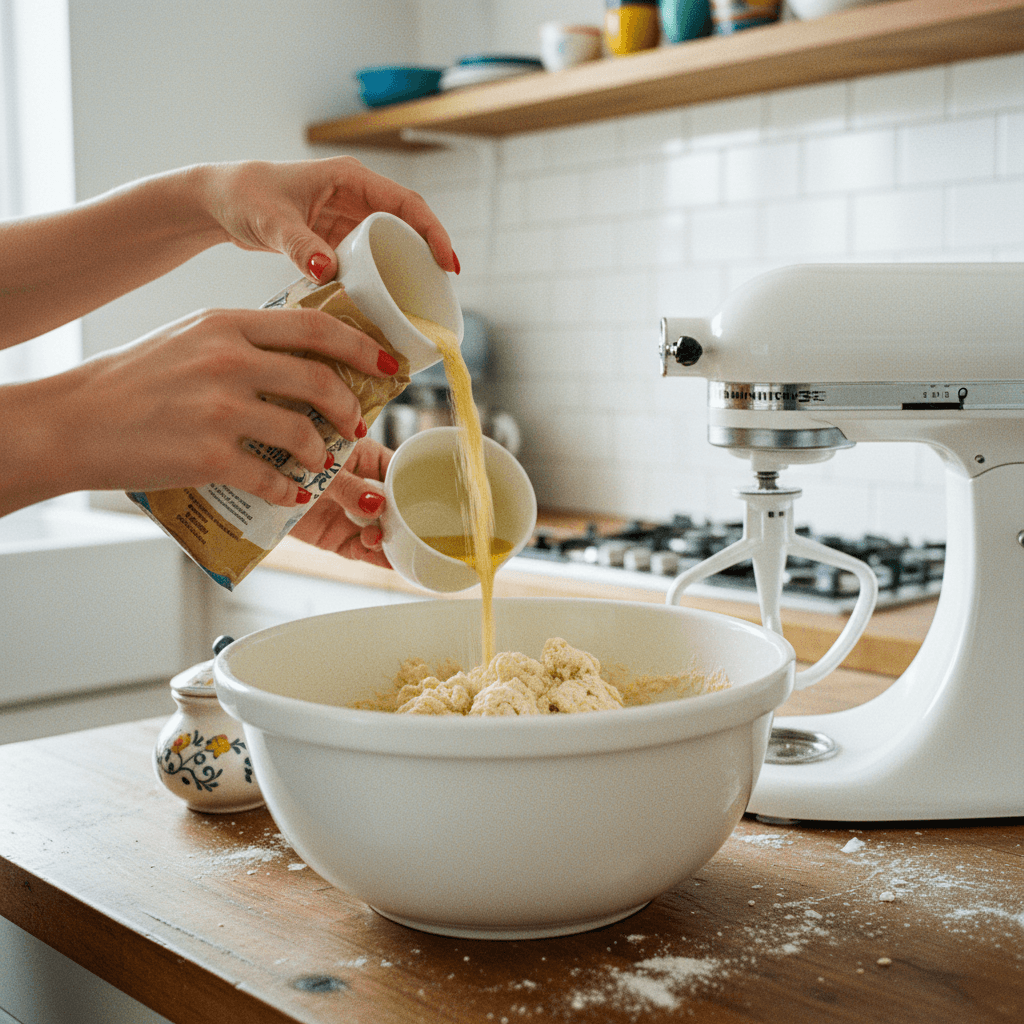
- 3
Increase the mixer speed to medium-low and knead the dough for 8-10 minutes, or until it becomes smooth and elastic. Alternatively, transfer the dough to a lightly floured surface and knead by hand for 10-12 minutes until smooth and elastic.
⏱️ 12 min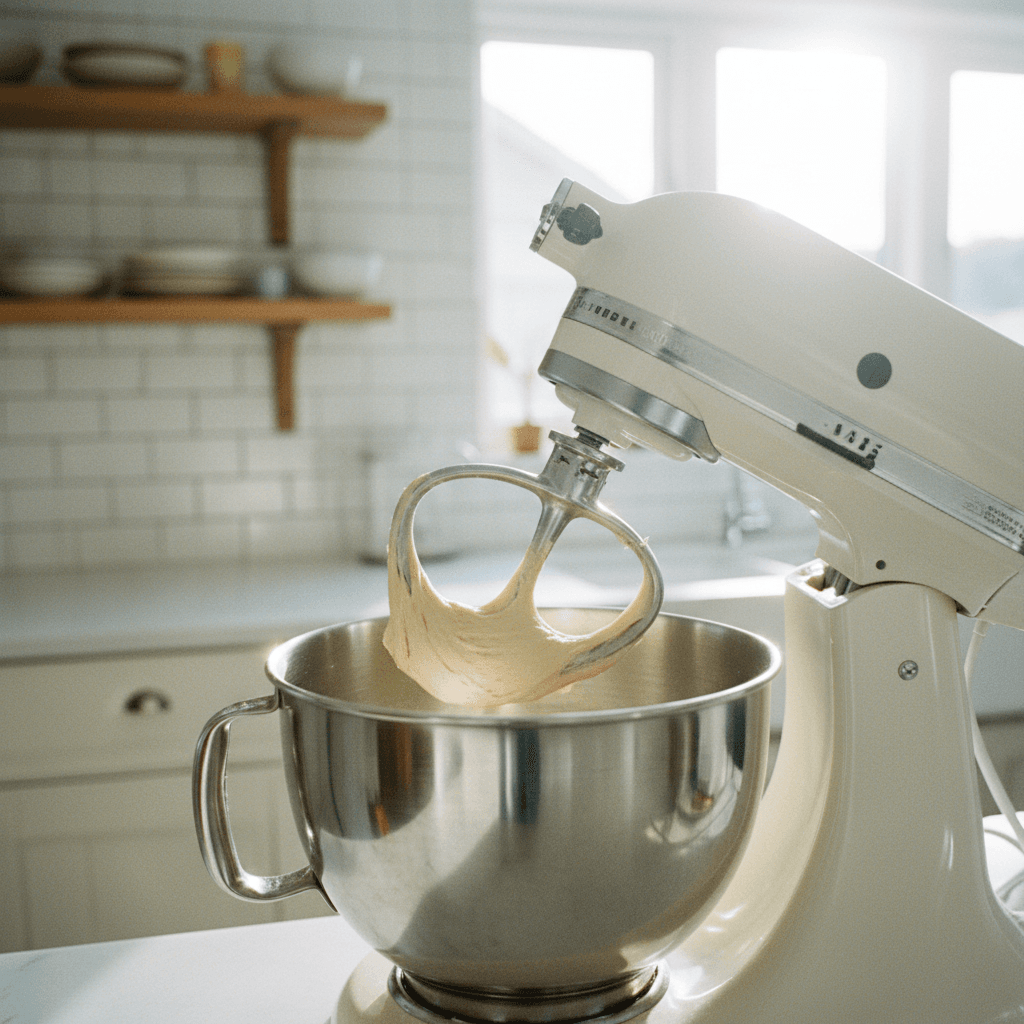
- 4
Lightly grease a clean large mixing bowl with a little olive oil. Form the kneaded dough into a round ball and place it in the greased bowl. Turn the dough once to coat all sides with oil. Cover the bowl with a clean kitchen towel or plastic wrap.
⏱️ 3 min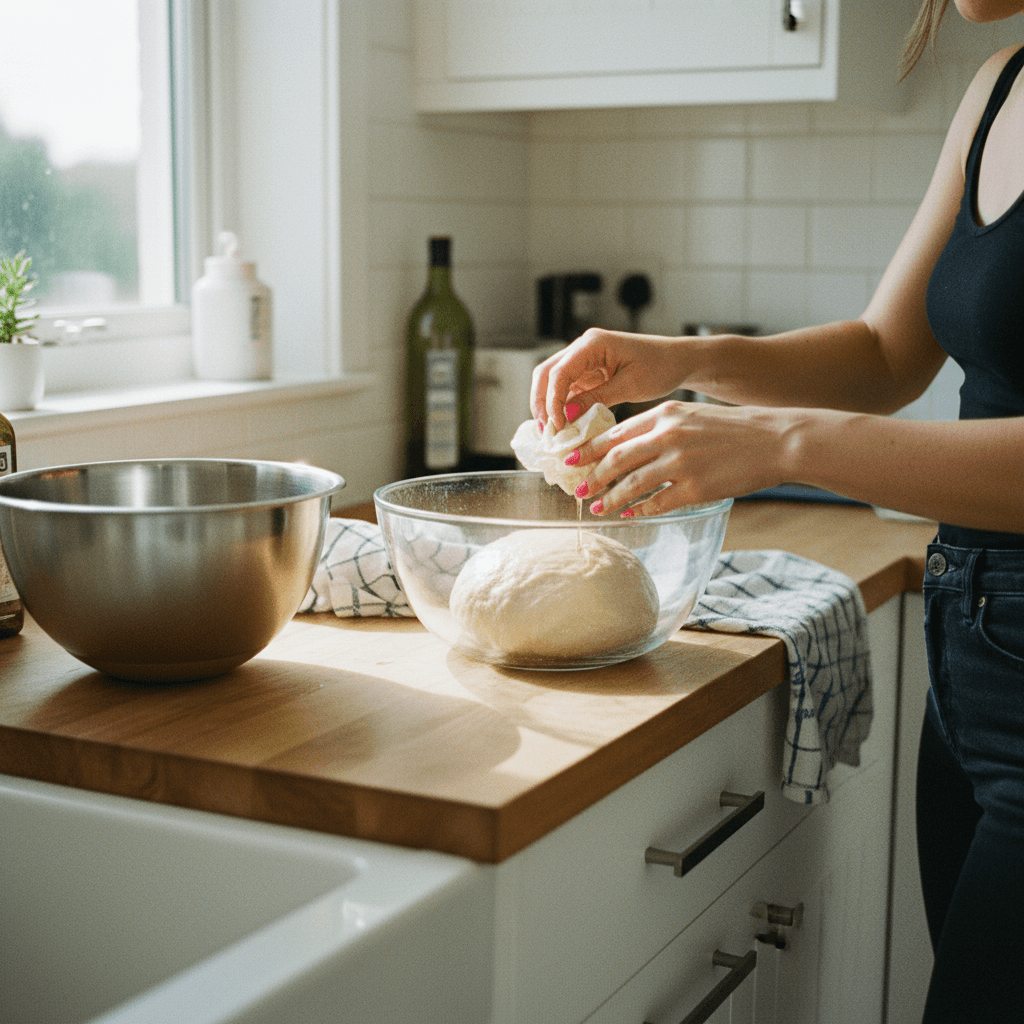
- 5
Allow the dough to proof in a warm place for 1 to 1 1/2 hours, or until it has doubled in size.
⏱️ 90 min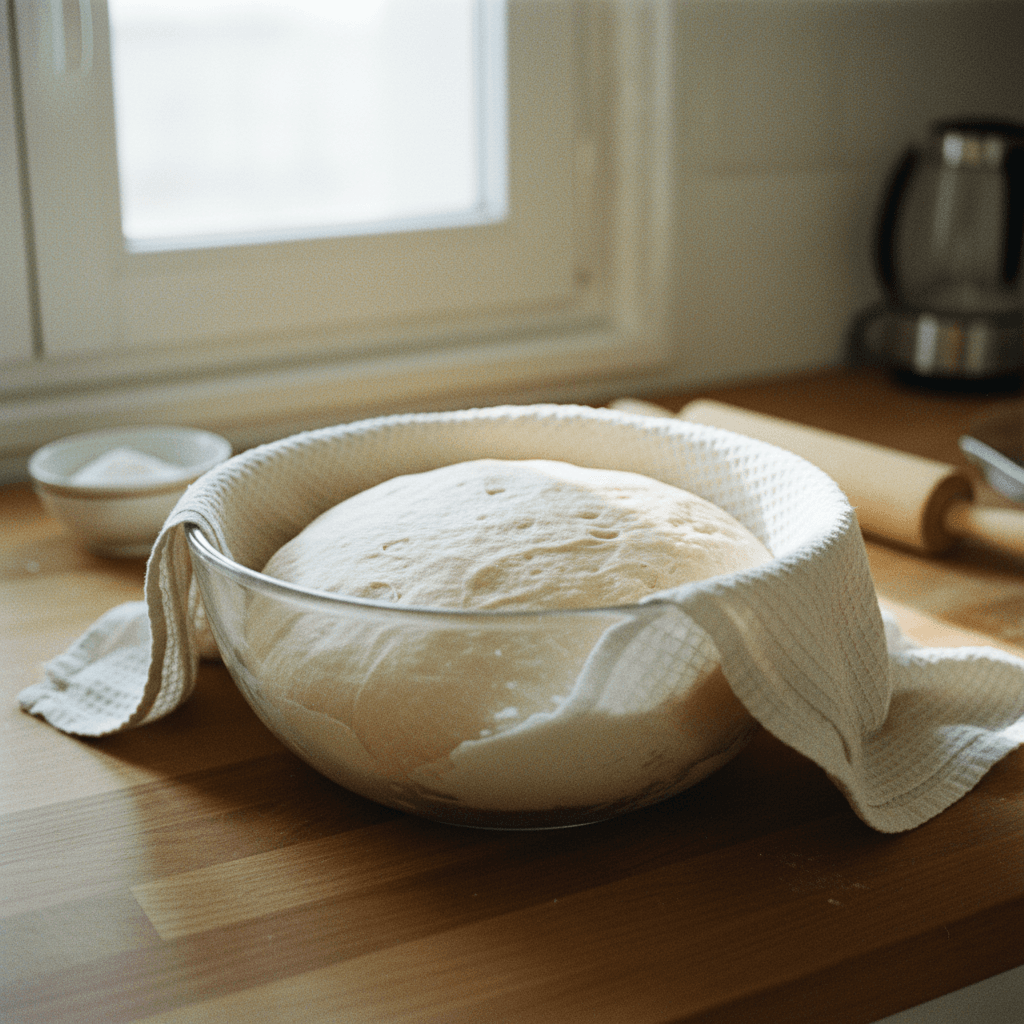
- 6
Gently punch down the risen dough to deflate it. Transfer the dough to a lightly floured surface and gently reshape it into a round loaf.
⏱️ 5 min
- 7
Place the shaped loaf onto a piece of parchment paper on a baking sheet. Loosely cover the loaf with a clean kitchen towel and let it proof for a second time in a warm place for 30-45 minutes, or until it has visibly increased in size.
⏱️ 45 min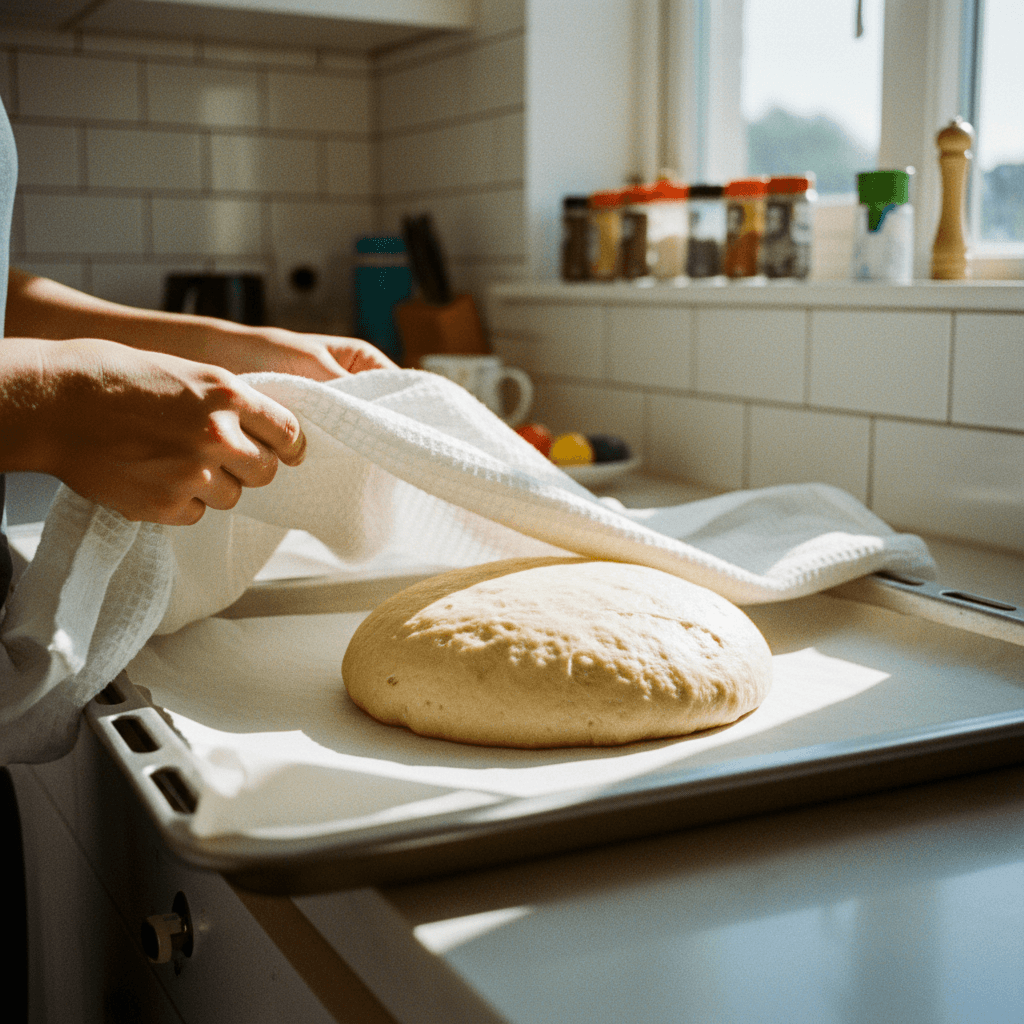
- 8
Preheat your oven to 400°F (200°C) during the last 15 minutes of the second proofing.
⏱️ 15 min•🌡️ 400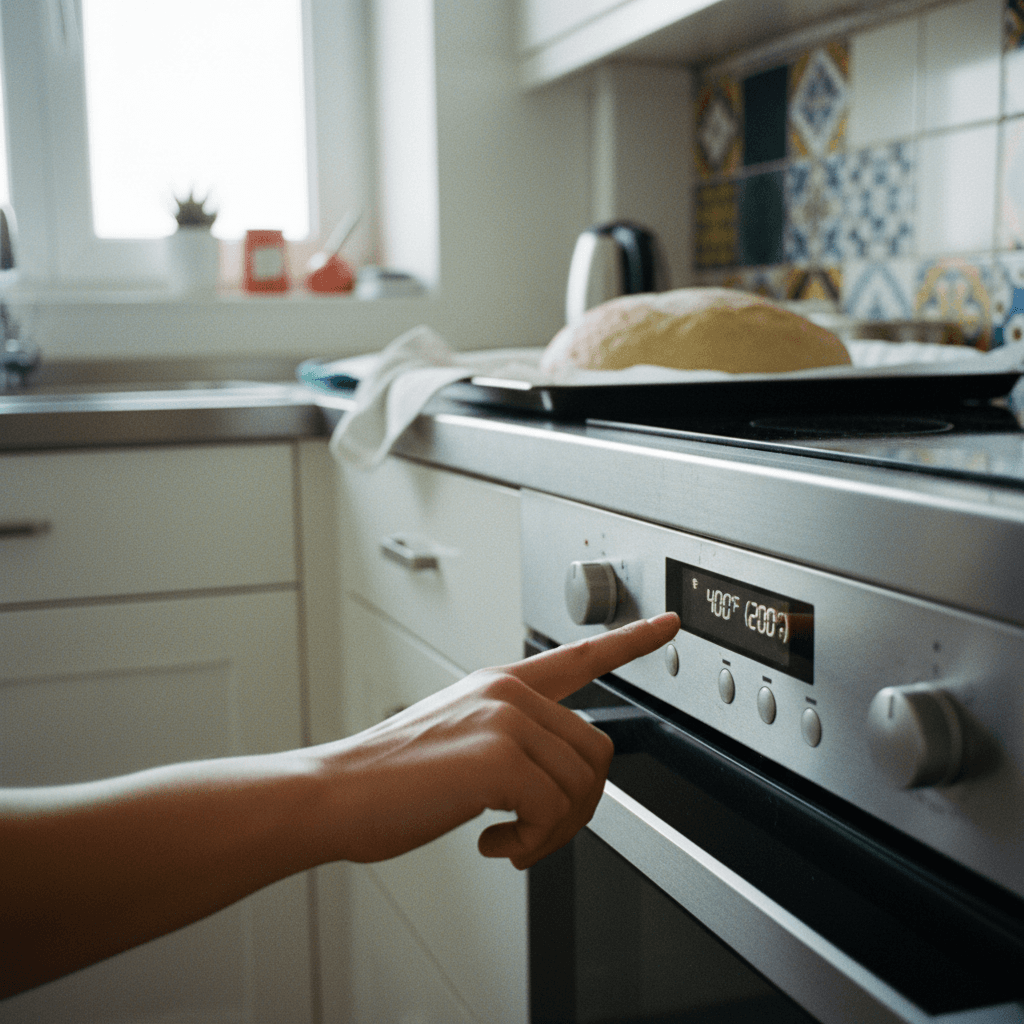
- 9
Bake the bread in the preheated oven for 35-45 minutes, or until the crust is deeply golden brown and the internal temperature reaches 200-210°F (93-99°C). To check for doneness, tap the bottom of the loaf; it should sound hollow.
⏱️ 45 min•🌡️ 400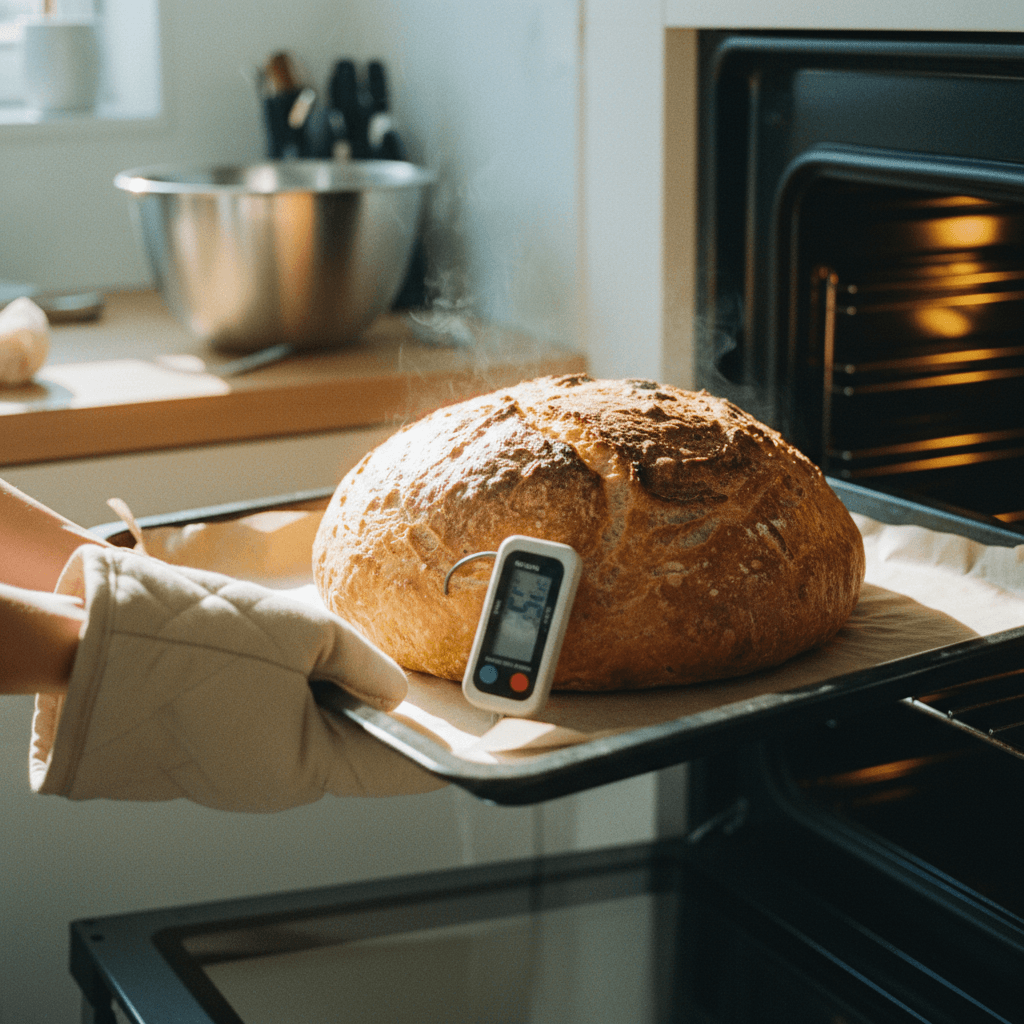
- 10
Remove the bread from the oven and transfer it to a wire rack to cool completely before slicing and serving. This allows the internal structure to set.
⏱️ 5 min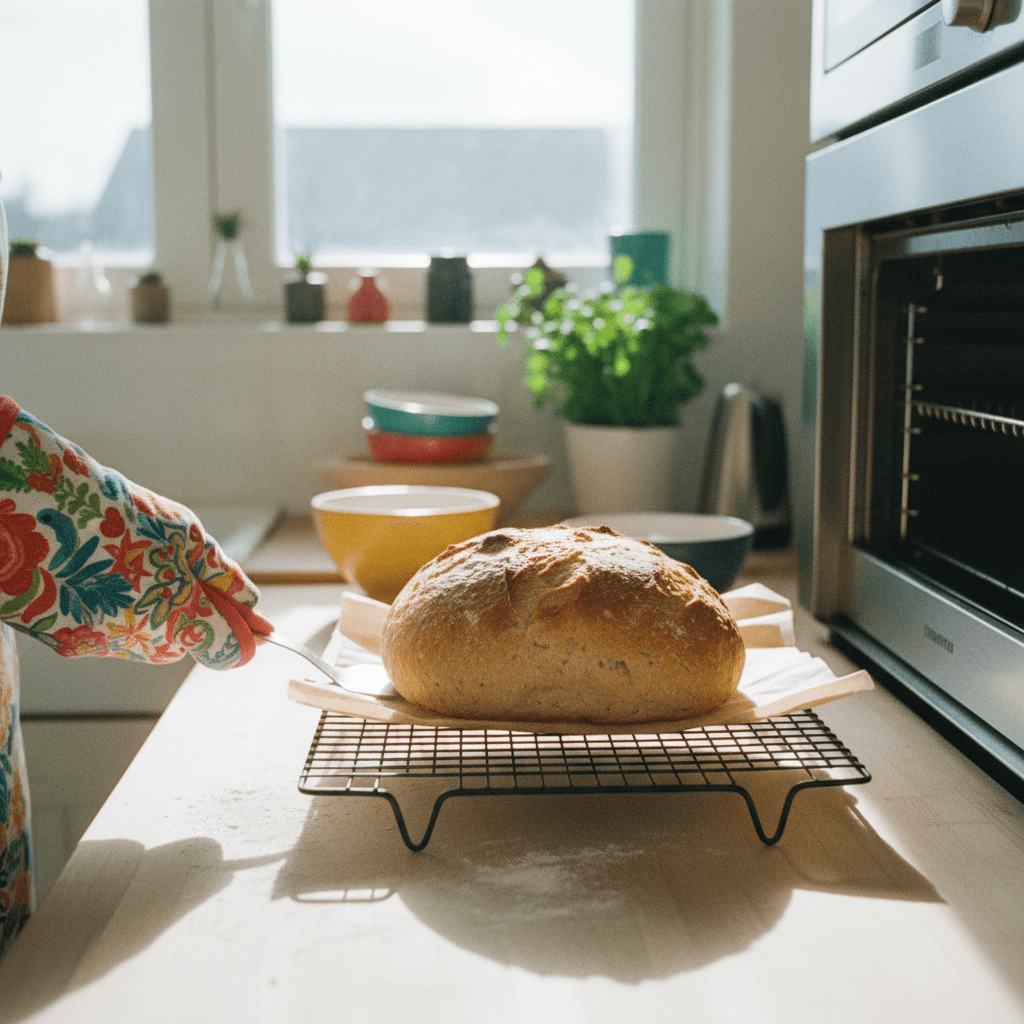
Kitchen Tools
Nutrition Facts (per serving)
Horiatiko Psomi (Greek Rustic Village Bread)
- 1 1/4 cups warm water, (105-115°F)
- 1/2 cup warm milk, (105-115°F)
- 2 1/4 teaspoons active dry yeast
- 1 teaspoon granulated sugar
- 3 1/2 cups all-purpose flour
- 1/2 cup fine semolina
- 2 tablespoons olive oil
- 1 1/2 teaspoons salt
- as needed all-purpose flour, for dusting
Instructions
- 1
In a large mixing bowl, combine the warm water, warm milk, active dry yeast, and granulated sugar. Stir gently until the yeast and sugar are dissolved. Let the mixture sit for 5-10 minutes until foamy, indicating the yeast is active.
⏱️ 10 min - 2
Add the all-purpose flour, fine semolina, olive oil, and salt to the yeast mixture in the bowl. If using a stand mixer, attach the dough hook. Mix on low speed until all ingredients are combined and a shaggy dough forms, about 2-3 minutes.
⏱️ 5 min - 3
Increase the mixer speed to medium-low and knead the dough for 8-10 minutes, or until it becomes smooth and elastic. Alternatively, transfer the dough to a lightly floured surface and knead by hand for 10-12 minutes until smooth and elastic.
⏱️ 12 min - 4
Lightly grease a clean large mixing bowl with a little olive oil. Form the kneaded dough into a round ball and place it in the greased bowl. Turn the dough once to coat all sides with oil. Cover the bowl with a clean kitchen towel or plastic wrap.
⏱️ 3 min - 5
Allow the dough to proof in a warm place for 1 to 1 1/2 hours, or until it has doubled in size.
⏱️ 90 min - 6
Gently punch down the risen dough to deflate it. Transfer the dough to a lightly floured surface and gently reshape it into a round loaf.
⏱️ 5 min - 7
Place the shaped loaf onto a piece of parchment paper on a baking sheet. Loosely cover the loaf with a clean kitchen towel and let it proof for a second time in a warm place for 30-45 minutes, or until it has visibly increased in size.
⏱️ 45 min - 8
Preheat your oven to 400°F (200°C) during the last 15 minutes of the second proofing.
⏱️ 15 min•🌡️ 400 - 9
Bake the bread in the preheated oven for 35-45 minutes, or until the crust is deeply golden brown and the internal temperature reaches 200-210°F (93-99°C). To check for doneness, tap the bottom of the loaf; it should sound hollow.
⏱️ 45 min•🌡️ 400 - 10
Remove the bread from the oven and transfer it to a wire rack to cool completely before slicing and serving. This allows the internal structure to set.
⏱️ 5 min