Croissants (Dough & Butter Block)
Croissants (Dough & Butter Block)

Ingredients
For the Croissant Dough
- 2 1/4 teaspoons active dry yeast
- 1/2 cup milk, lukewarm
- 1/2 cup water, lukewarm
- 1/4 cup granulated sugar
- 3 cups bread flour
- 1/4 cup unsalted butter, softened, cut into small pieces
For the Butter Block
- 1 pound high-quality unsalted butter, such as Kerrygold or Plugrá
Instructions
- 1
In the bowl of a stand mixer, preferably placed on a scale for precise measurement, combine the yeast, lukewarm milk, lukewarm water, granulated sugar, and bread flour.
⏱️ 5 min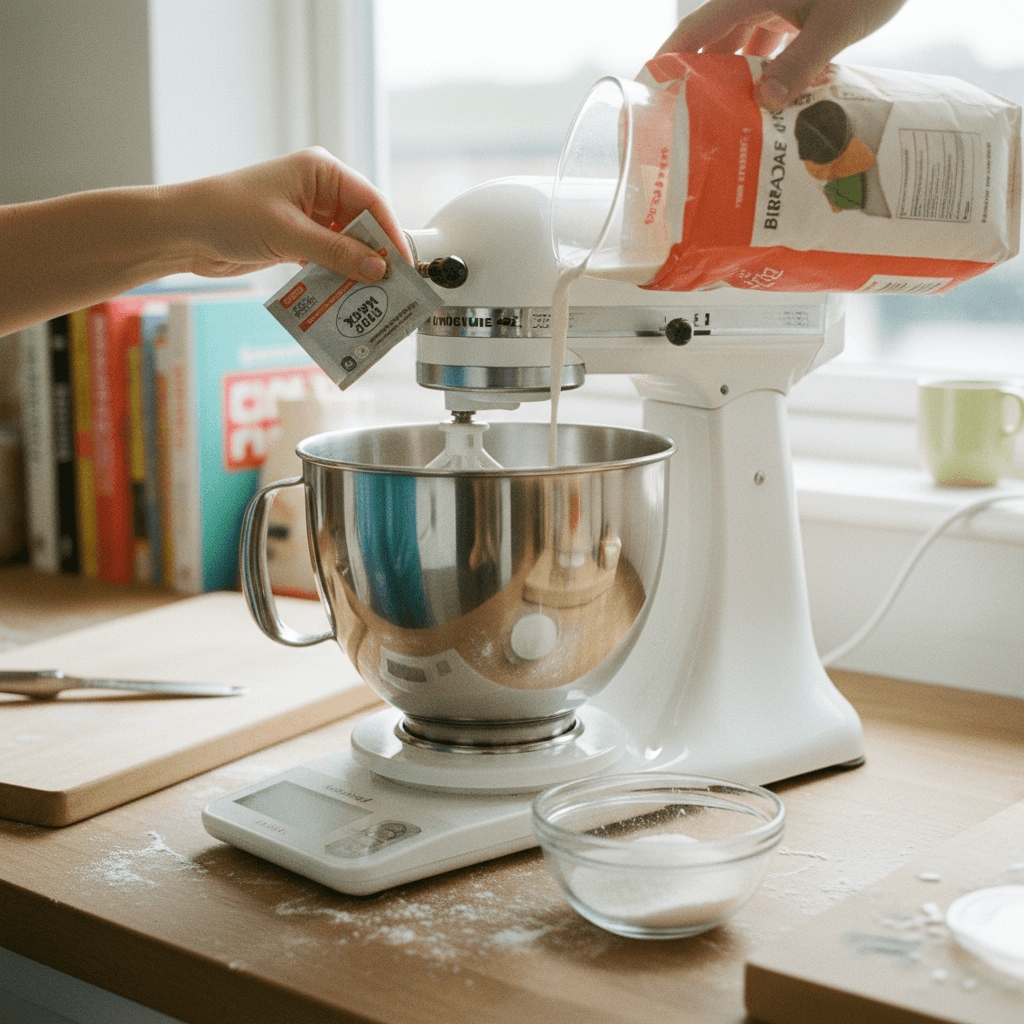
- 2
Using the dough hook attachment, mix the ingredients on low speed until the dough just comes together and no dry flour remains. Do not overmix at this stage.
⏱️ 2 min
- 3
Cover the mixer bowl with a clean kitchen towel or plastic wrap and let the dough rest for 10 minutes. This allows the gluten to relax.
⏱️ 10 min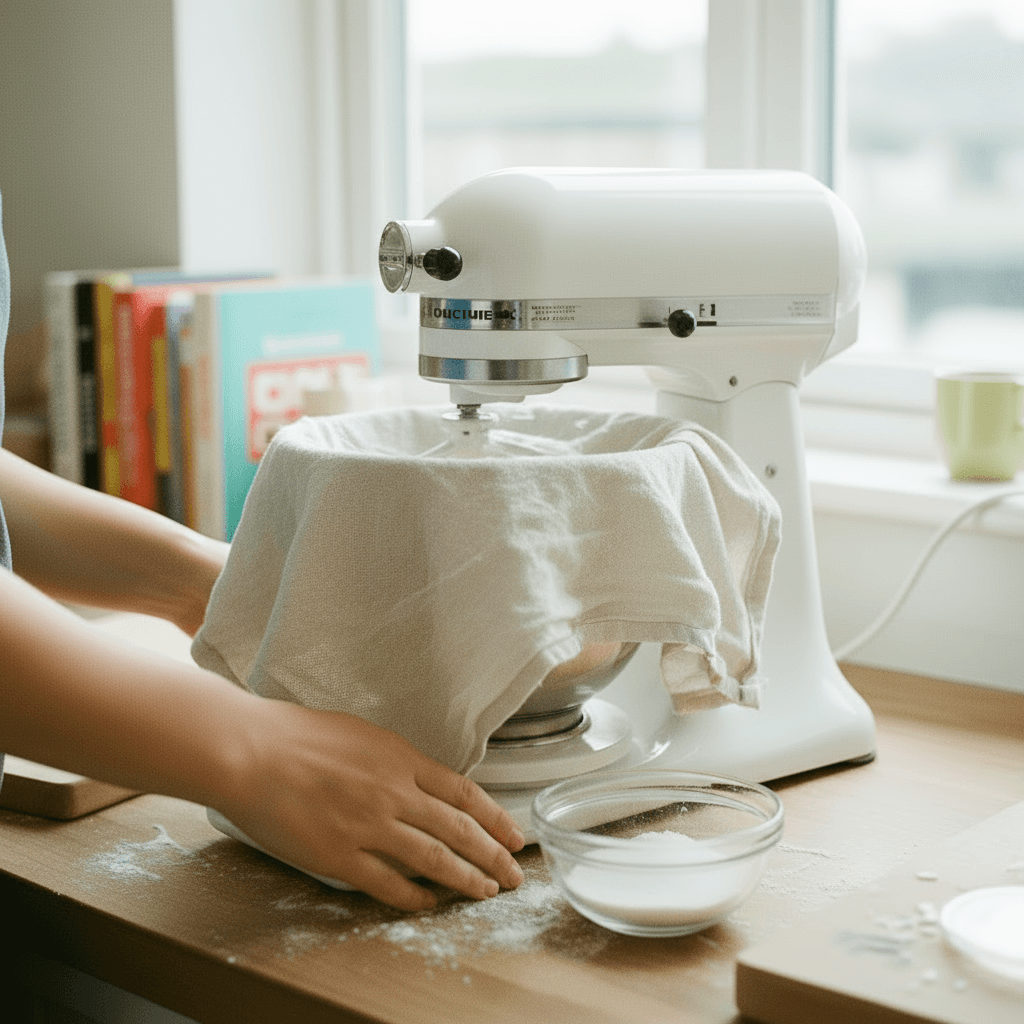
- 4
After 10 minutes, with the mixer running on low speed, begin adding the softened butter pieces to the dough one chunk at a time. Allow each piece to incorporate before adding the next.
⏱️ 5 min
- 5
Continue mixing the dough on medium-low speed until it reaches the 'window pane' stage. To test, tear off a small piece of dough and gently stretch it between your fingers. It should stretch thin enough to see light through it without tearing. This indicates sufficient gluten development.
⏱️ 10 min
- 6
Remove the dough from the bowl, form it into a nice rounded ball, and place it into a lightly greased container. Cover the container and let the dough rise at room temperature for 1 hour, or until it has doubled in size.
⏱️ 60 min
- 7
Turn the risen dough out onto a clean, lightly floured surface. Using a rolling pin, roll out the dough to the approximate width and length of a standard baking sheet. Place the rolled-out dough onto a baking sheet, cover it tightly with plastic wrap, and place it in the freezer overnight until it is frozen solid. This step is crucial for temperature control during lamination.
⏱️ 10 min
- 8
To prepare the butter block, lay out a large piece of parchment paper. Arrange the strips of high-quality butter on one half of the parchment paper, forming a rough rectangle.
⏱️ 2 min
- 9
Fold the other half of the parchment paper over the butter. Use a rolling pin to gently pound the butter, spreading it out evenly within the parchment paper.
⏱️ 3 min
- 10
Continue rolling the butter within the parchment paper until it forms a really even, consistent layer, ensuring the butter is spread uniformly to all corners. This butter block will be used for laminating the croissant dough in subsequent steps (not covered in this recipe).
⏱️ 5 min
Kitchen Tools
Nutrition Facts (per serving)
Croissants (Dough & Butter Block)
For the Croissant Dough
- 2 1/4 teaspoons active dry yeast
- 1/2 cup milk, lukewarm
- 1/2 cup water, lukewarm
- 1/4 cup granulated sugar
- 3 cups bread flour
- 1/4 cup unsalted butter, softened, cut into small pieces
For the Butter Block
- 1 pound high-quality unsalted butter, such as Kerrygold or Plugrá
Instructions
- 1
In the bowl of a stand mixer, preferably placed on a scale for precise measurement, combine the yeast, lukewarm milk, lukewarm water, granulated sugar, and bread flour.
⏱️ 5 min - 2
Using the dough hook attachment, mix the ingredients on low speed until the dough just comes together and no dry flour remains. Do not overmix at this stage.
⏱️ 2 min - 3
Cover the mixer bowl with a clean kitchen towel or plastic wrap and let the dough rest for 10 minutes. This allows the gluten to relax.
⏱️ 10 min - 4
After 10 minutes, with the mixer running on low speed, begin adding the softened butter pieces to the dough one chunk at a time. Allow each piece to incorporate before adding the next.
⏱️ 5 min - 5
Continue mixing the dough on medium-low speed until it reaches the 'window pane' stage. To test, tear off a small piece of dough and gently stretch it between your fingers. It should stretch thin enough to see light through it without tearing. This indicates sufficient gluten development.
⏱️ 10 min - 6
Remove the dough from the bowl, form it into a nice rounded ball, and place it into a lightly greased container. Cover the container and let the dough rise at room temperature for 1 hour, or until it has doubled in size.
⏱️ 60 min - 7
Turn the risen dough out onto a clean, lightly floured surface. Using a rolling pin, roll out the dough to the approximate width and length of a standard baking sheet. Place the rolled-out dough onto a baking sheet, cover it tightly with plastic wrap, and place it in the freezer overnight until it is frozen solid. This step is crucial for temperature control during lamination.
⏱️ 10 min - 8
To prepare the butter block, lay out a large piece of parchment paper. Arrange the strips of high-quality butter on one half of the parchment paper, forming a rough rectangle.
⏱️ 2 min - 9
Fold the other half of the parchment paper over the butter. Use a rolling pin to gently pound the butter, spreading it out evenly within the parchment paper.
⏱️ 3 min - 10
Continue rolling the butter within the parchment paper until it forms a really even, consistent layer, ensuring the butter is spread uniformly to all corners. This butter block will be used for laminating the croissant dough in subsequent steps (not covered in this recipe).
⏱️ 5 min