Homemade Cultured Butter
Homemade Cultured Butter
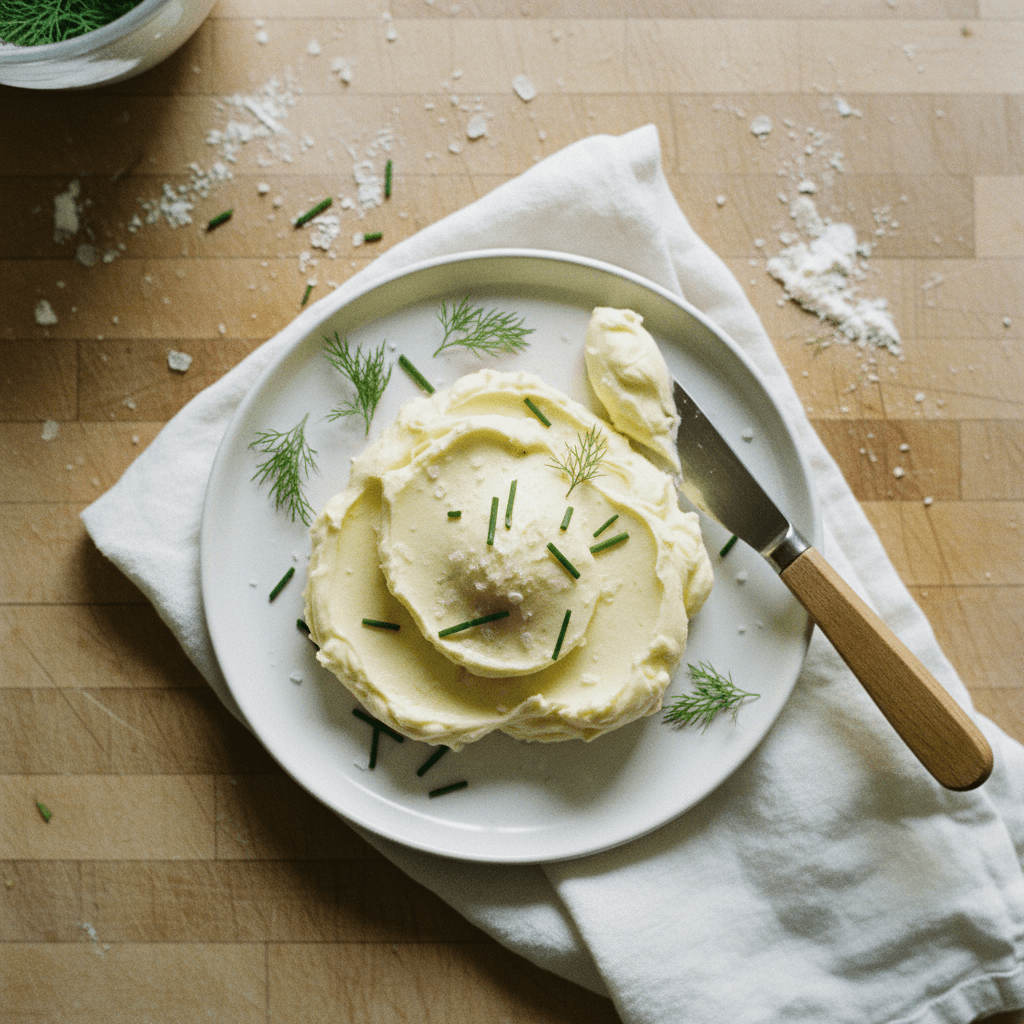
Ingredients
- 1 quart heavy cream
- 1 tablespoon plain yogurt, with live active cultures
- as needed ice water
- 1 teaspoon Maldon sea salt, or to taste
Instructions
- 1
Pour the heavy cream into a large metal mixing bowl. Add the plain yogurt and gently stir to combine. Cover the bowl and let it sit at room temperature (around 68-72°F) for 12-24 hours, or until the cream has thickened to a yogurt-like consistency. This is the culturing process.
⏱️ 720 min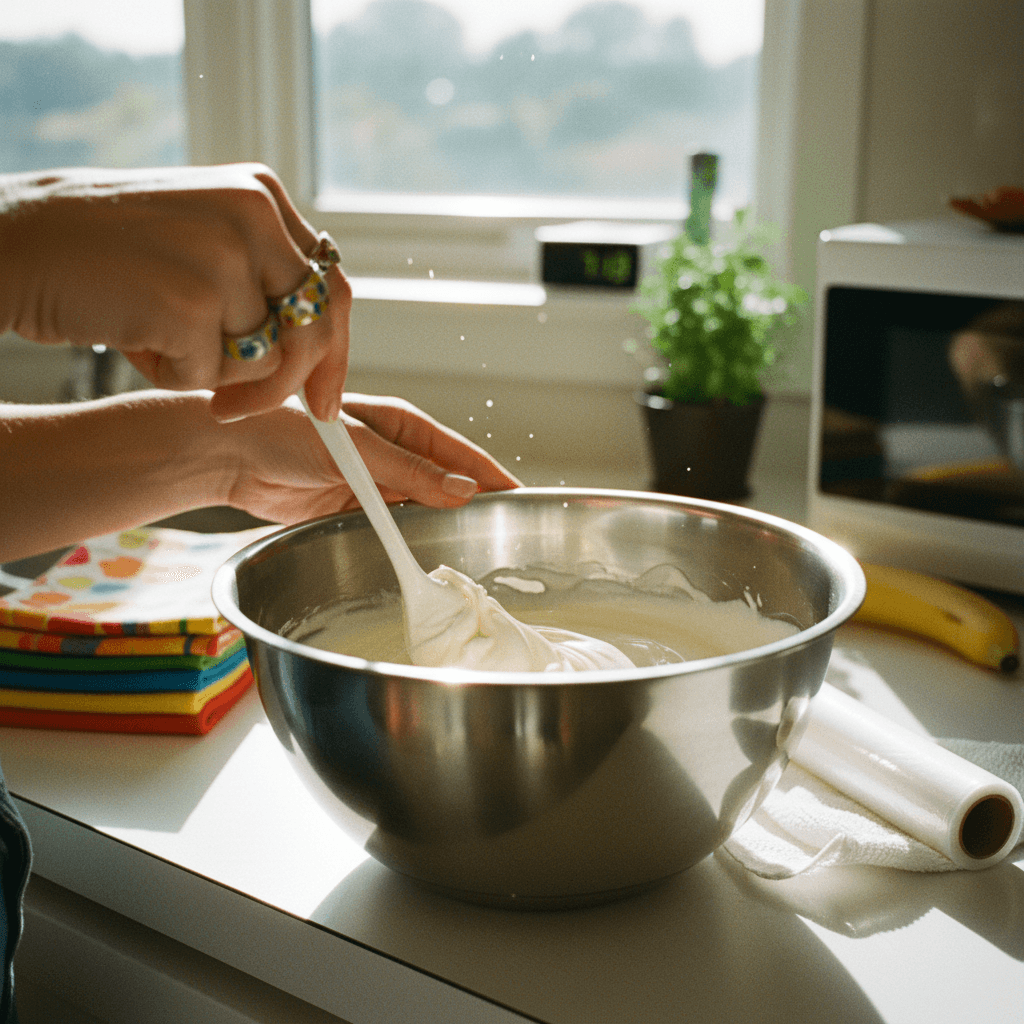
- 2
Once cultured, transfer the thickened cream to the bowl of a stand mixer fitted with a whisk attachment. Begin churning on medium speed. The cream will first become whipped cream, then continue to churn until it separates into solid yellow butter and liquid white buttermilk. This usually takes 10-15 minutes.
⏱️ 15 min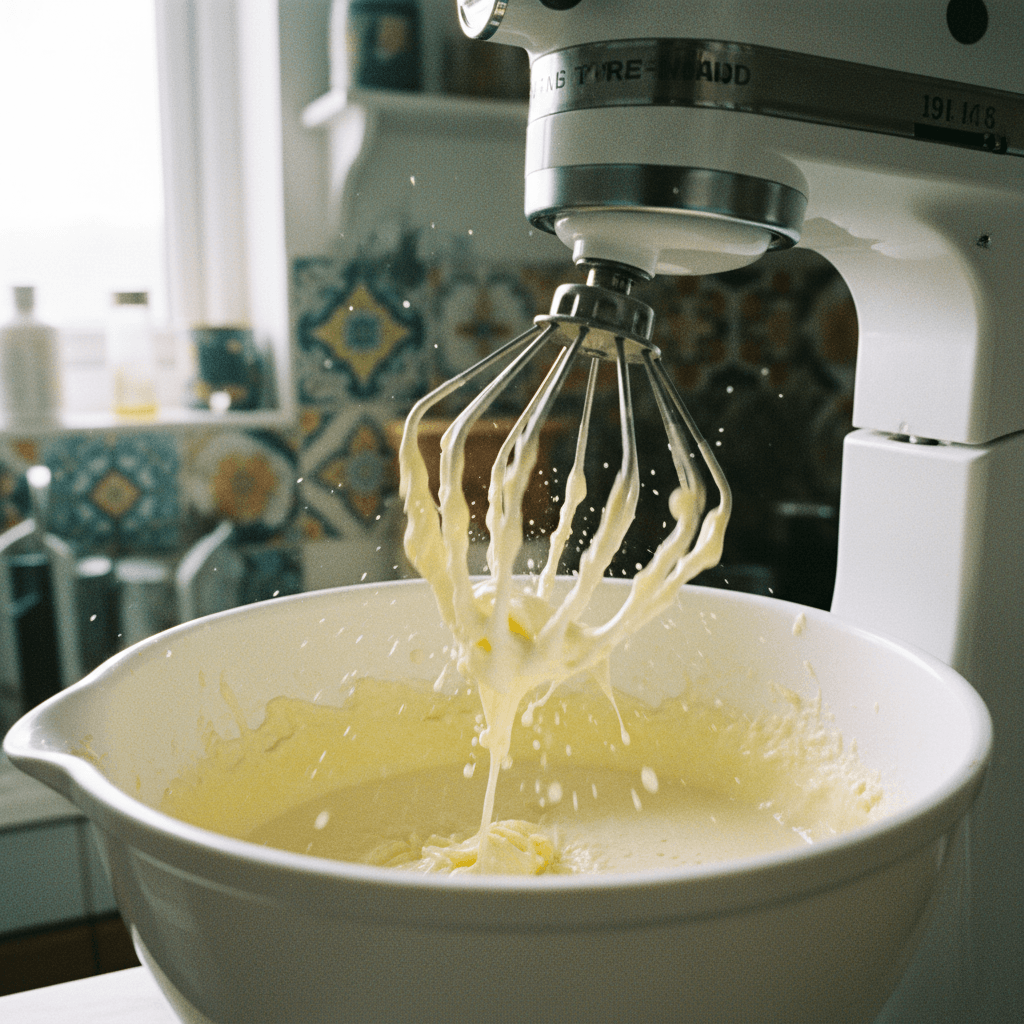
- 3
Stop the mixer and scrape the butter solids off the whisk. Place a fine-mesh sieve over a clean bowl and line it with cheesecloth. Pour the mixture of butter solids and buttermilk into the cheesecloth-lined sieve, allowing the buttermilk to drain into the bowl below. Gather the cheesecloth around the butter solids and gently squeeze to extract as much remaining buttermilk as possible. Reserve the collected buttermilk in a jar for later use.
⏱️ 5 min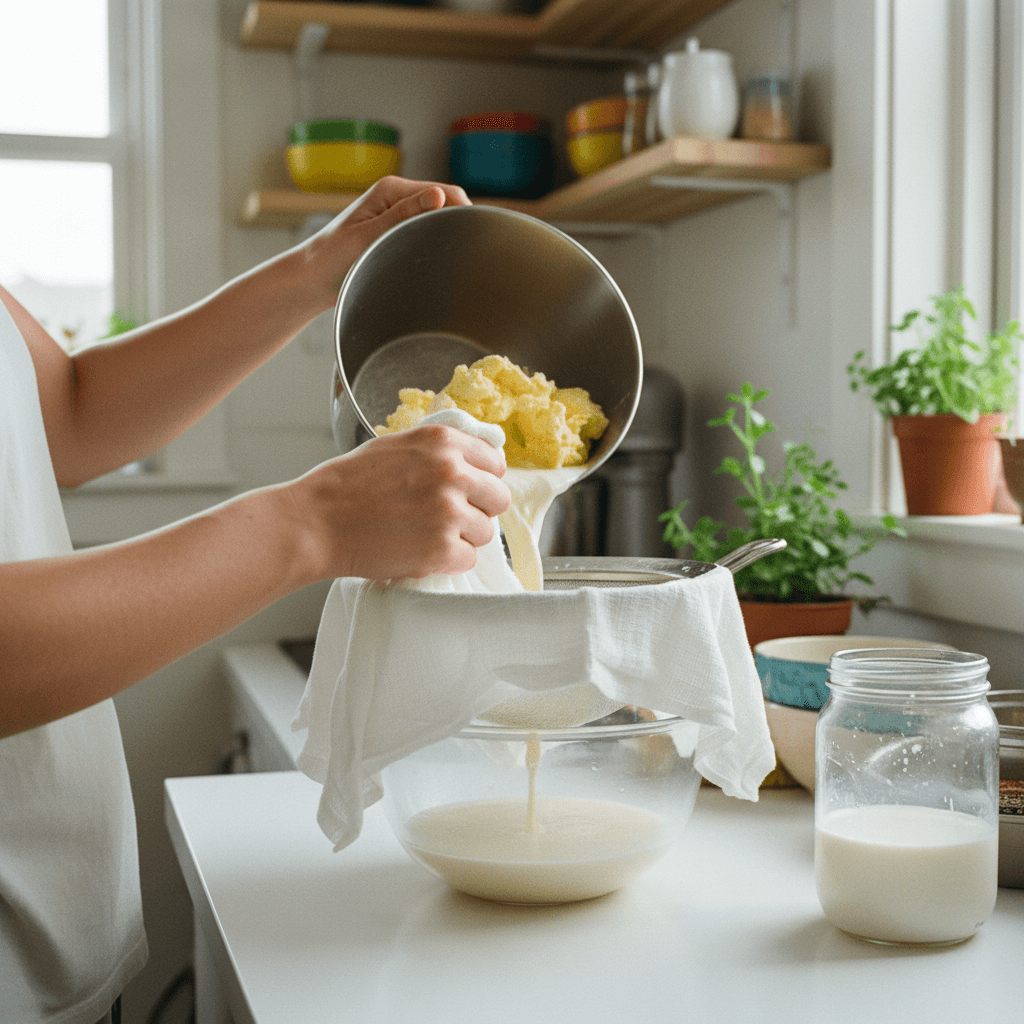
- 4
Transfer the butter solids to a clean glass bowl filled with ice water. Wearing gloves, knead and squeeze the butter vigorously in the ice water. This process helps remove any residual buttermilk. Drain the cloudy water and add fresh ice water. Repeat this washing and draining process 3-5 times, or until the water runs clear, indicating all buttermilk has been removed.
⏱️ 10 min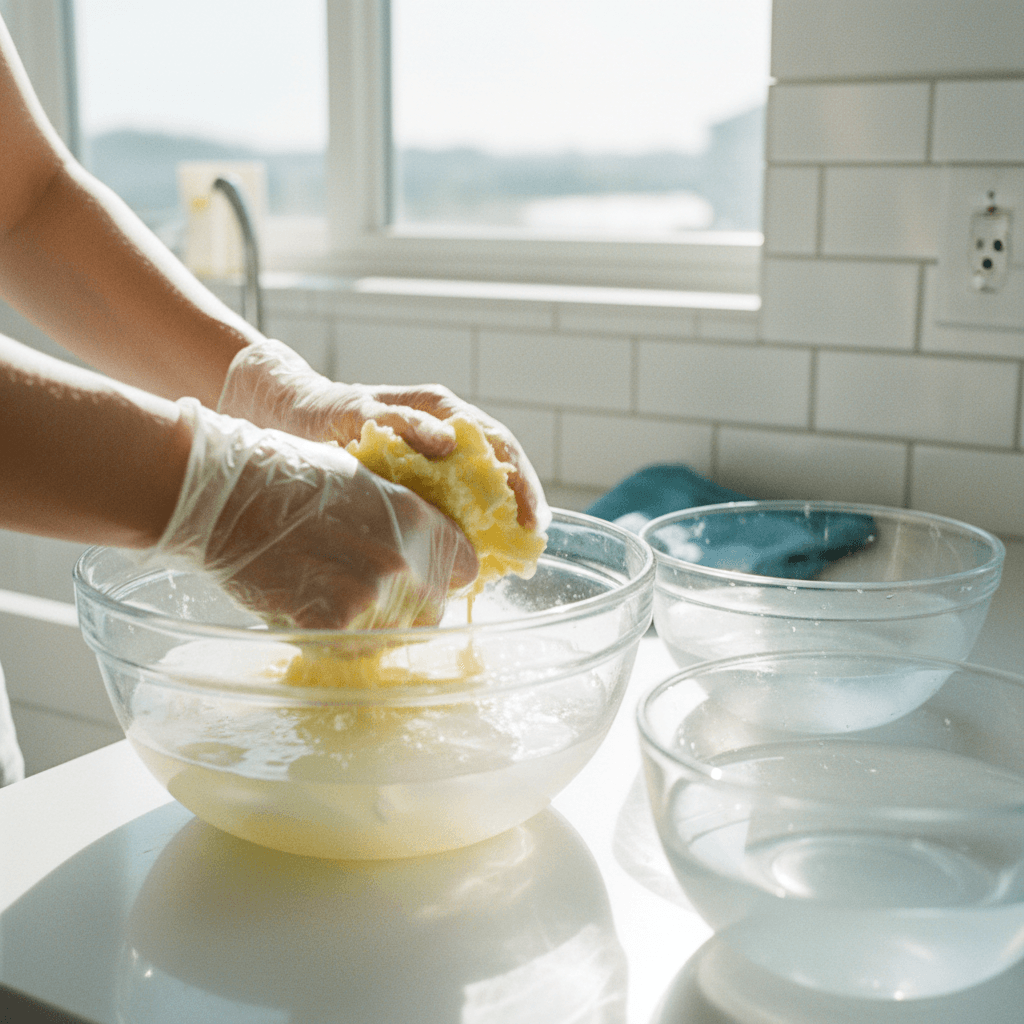
- 5
Place the washed butter onto a clean metal baking sheet. Sprinkle the Maldon sea salt evenly over the butter. Using a wooden paddle or spatula, press and fold the salt into the butter. Continue to knead the butter by hand (while wearing gloves) to ensure the salt is thoroughly and evenly distributed.
⏱️ 5 min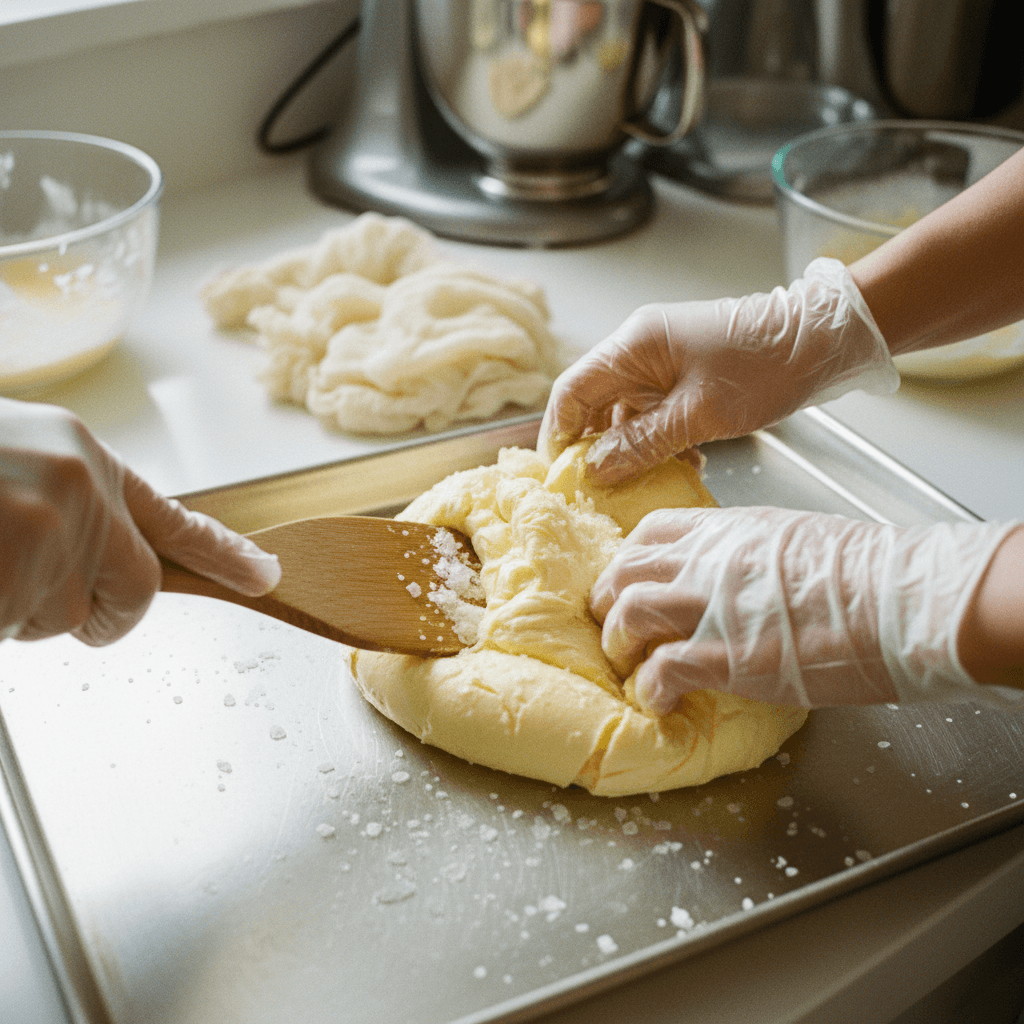
- 6
Shape the salted butter into a log or desired form. Wrap it tightly in plastic wrap, then further wrap it in parchment paper. If desired, cut the large log into smaller, rectangular blocks for easier storage and use.
⏱️ 5 min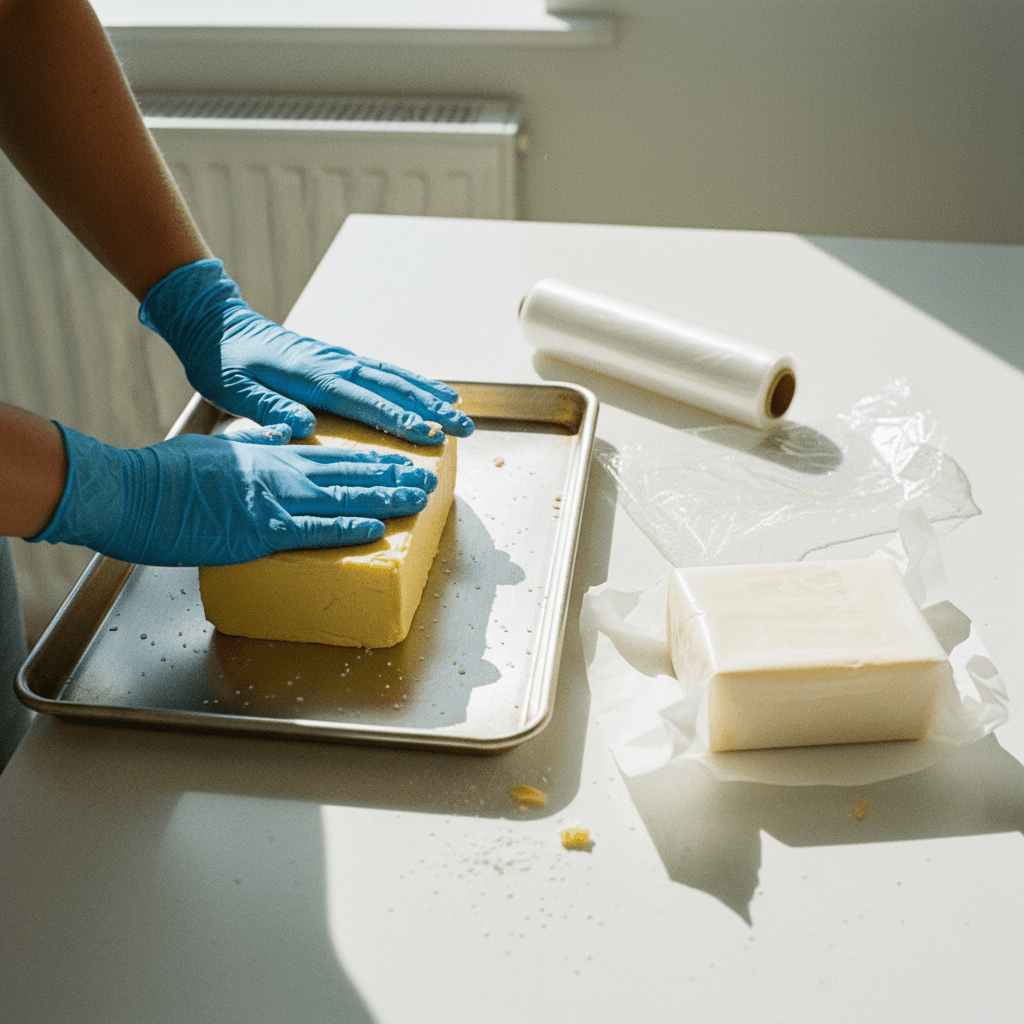
Kitchen Tools
Nutrition Facts (per serving)
Homemade Cultured Butter
- 1 quart heavy cream
- 1 tablespoon plain yogurt, with live active cultures
- as needed ice water
- 1 teaspoon Maldon sea salt, or to taste
Instructions
- 1
Pour the heavy cream into a large metal mixing bowl. Add the plain yogurt and gently stir to combine. Cover the bowl and let it sit at room temperature (around 68-72°F) for 12-24 hours, or until the cream has thickened to a yogurt-like consistency. This is the culturing process.
⏱️ 720 min - 2
Once cultured, transfer the thickened cream to the bowl of a stand mixer fitted with a whisk attachment. Begin churning on medium speed. The cream will first become whipped cream, then continue to churn until it separates into solid yellow butter and liquid white buttermilk. This usually takes 10-15 minutes.
⏱️ 15 min - 3
Stop the mixer and scrape the butter solids off the whisk. Place a fine-mesh sieve over a clean bowl and line it with cheesecloth. Pour the mixture of butter solids and buttermilk into the cheesecloth-lined sieve, allowing the buttermilk to drain into the bowl below. Gather the cheesecloth around the butter solids and gently squeeze to extract as much remaining buttermilk as possible. Reserve the collected buttermilk in a jar for later use.
⏱️ 5 min - 4
Transfer the butter solids to a clean glass bowl filled with ice water. Wearing gloves, knead and squeeze the butter vigorously in the ice water. This process helps remove any residual buttermilk. Drain the cloudy water and add fresh ice water. Repeat this washing and draining process 3-5 times, or until the water runs clear, indicating all buttermilk has been removed.
⏱️ 10 min - 5
Place the washed butter onto a clean metal baking sheet. Sprinkle the Maldon sea salt evenly over the butter. Using a wooden paddle or spatula, press and fold the salt into the butter. Continue to knead the butter by hand (while wearing gloves) to ensure the salt is thoroughly and evenly distributed.
⏱️ 5 min - 6
Shape the salted butter into a log or desired form. Wrap it tightly in plastic wrap, then further wrap it in parchment paper. If desired, cut the large log into smaller, rectangular blocks for easier storage and use.
⏱️ 5 min