Dweji Gomtang
Dweji Gomtang
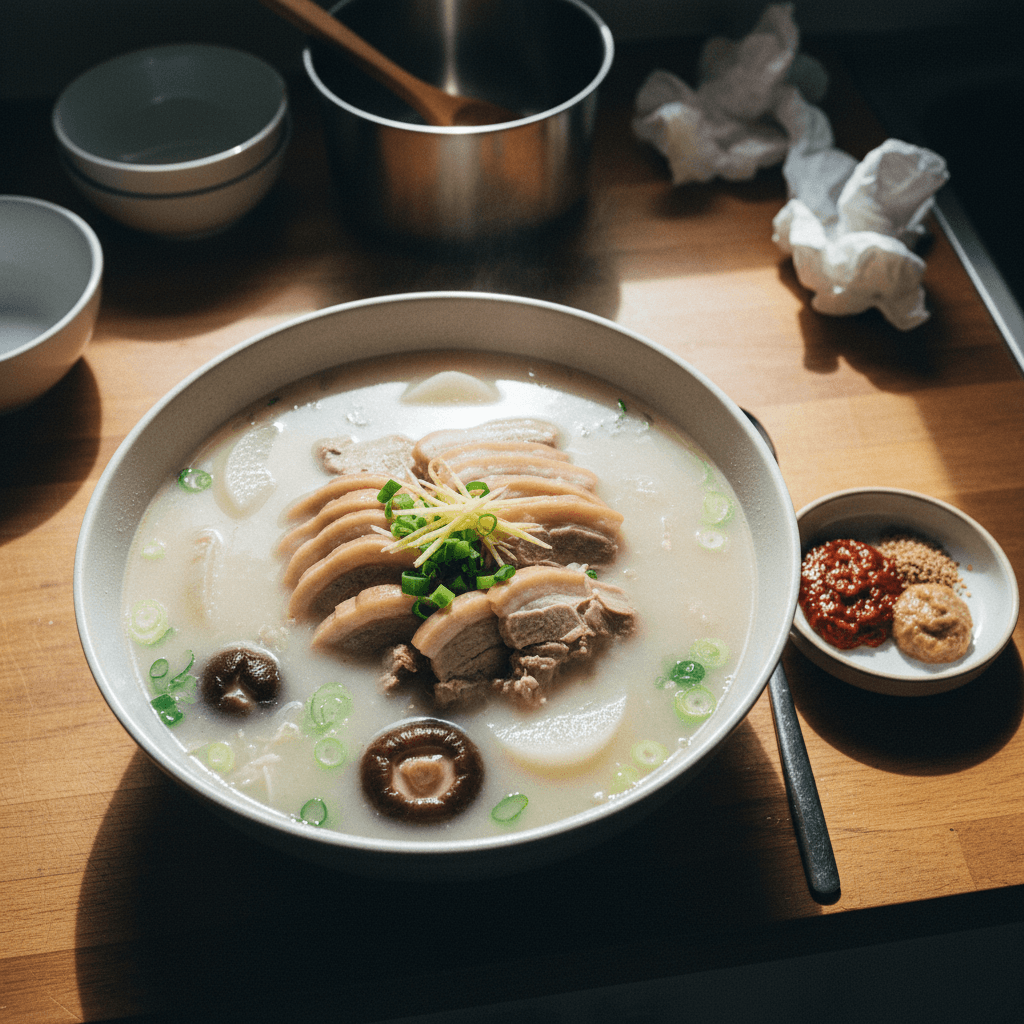
Ingredients
For the Main Broth
- 3 kg pork shoulder, skin on
- 500 g radish, cut into large pieces
- 200 g shiitake mushrooms, about 5, whole
- 200 g leek, about 1, cut into large pieces
- 150 g burdock root, about 1, optional, cut into large pieces
- 50 g ginger, cut into large pieces
- 1 onion, whole
- 6 L water
For the Kelp Seasoning
- 50 g kelp, large pieces
- 2 L water
- 25 g salt
- 5 g MSG, optional, or use 30 g salt total instead
For Serving
- as needed white rice
- as needed green onions, sliced, for garnish
- as needed sukbakji, homemade radish kimchi, optional side dish
Instructions
- 1
Place the pork shoulder, radish, shiitake mushrooms, leek, burdock root (if using), ginger, and whole onion into a large pot. Add 6 L of water. If available, place a metal tray on top of the ingredients to keep them submerged.
⏱️ 10 min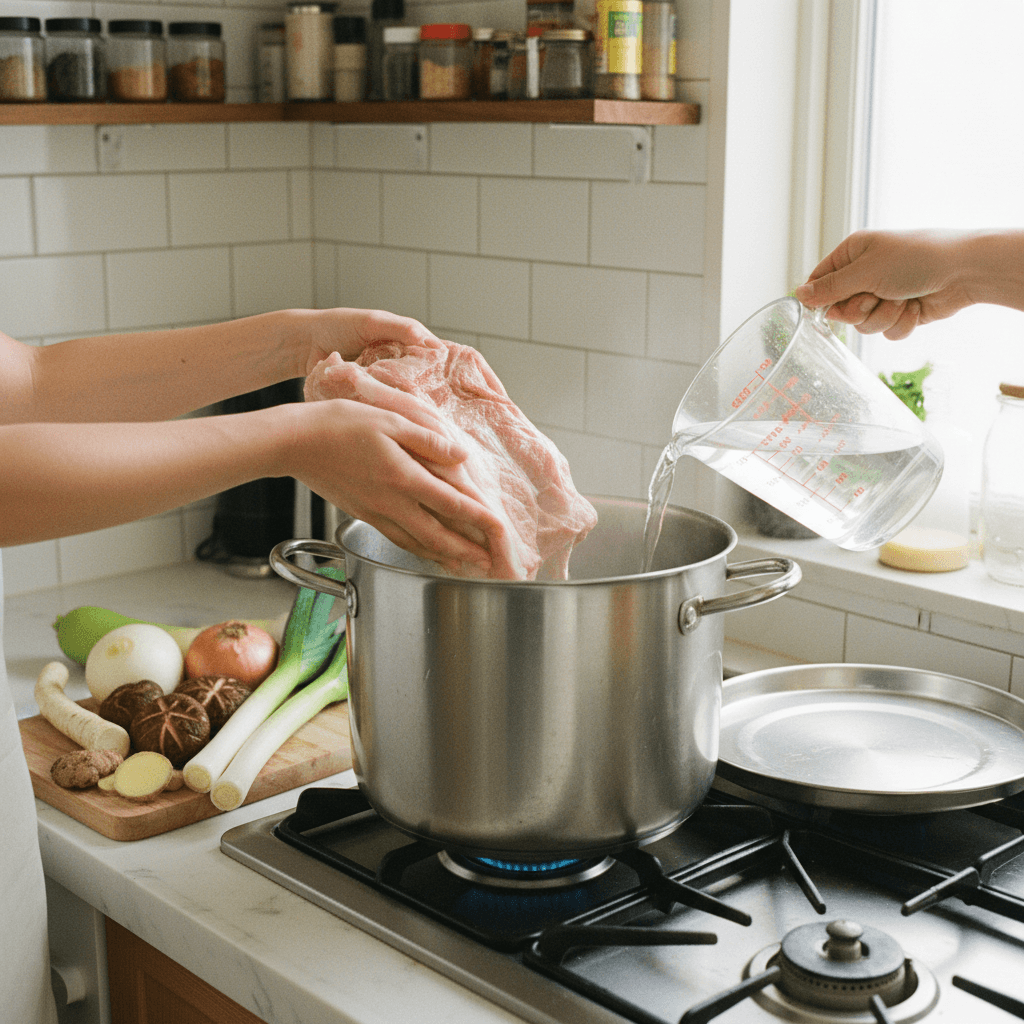
- 2
Bring the pot to a boil over high heat. Once boiling, reduce the heat to low and simmer for 2.5 hours. Skim off any foam or scum that rises to the surface during simmering.
⏱️ 150 min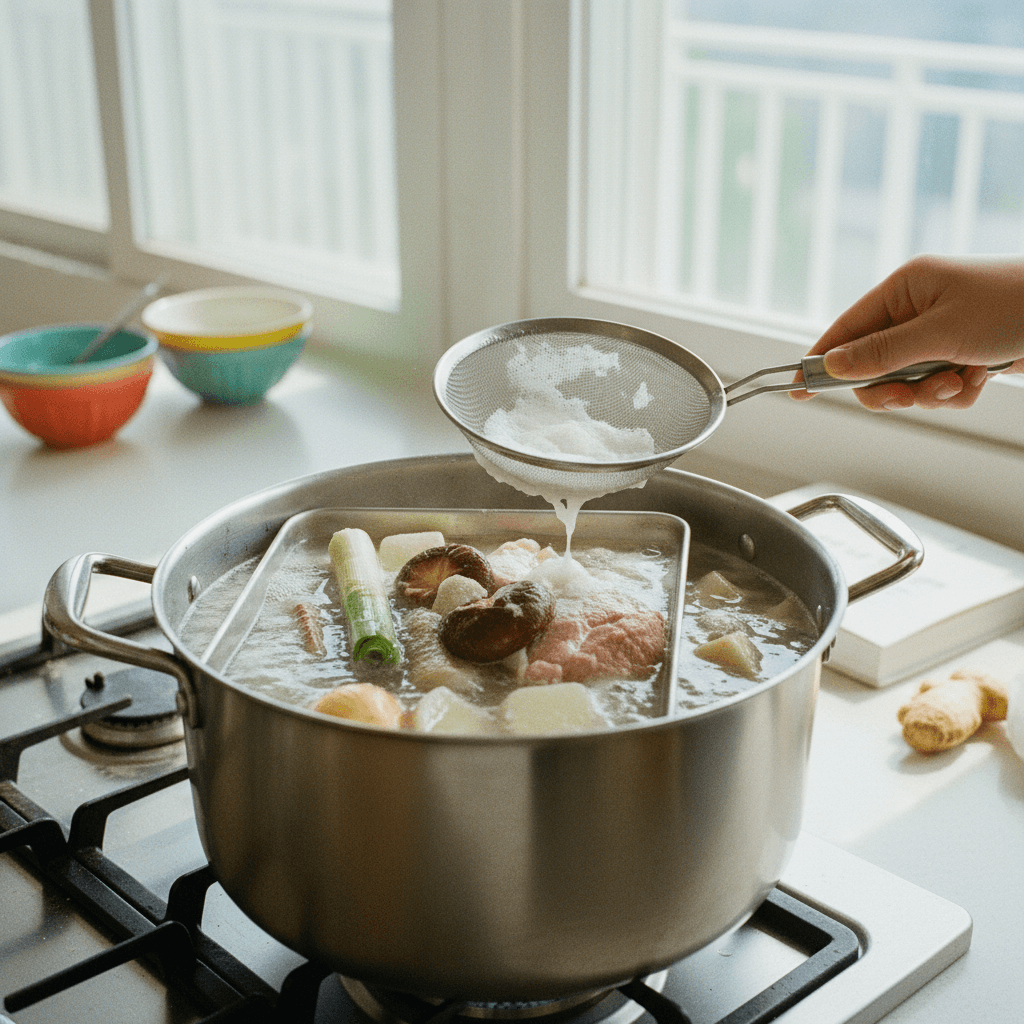
- 3
After simmering, carefully remove the cooked pork shoulder from the pot. Wrap it tightly in cling film and set aside to cool.
⏱️ 5 min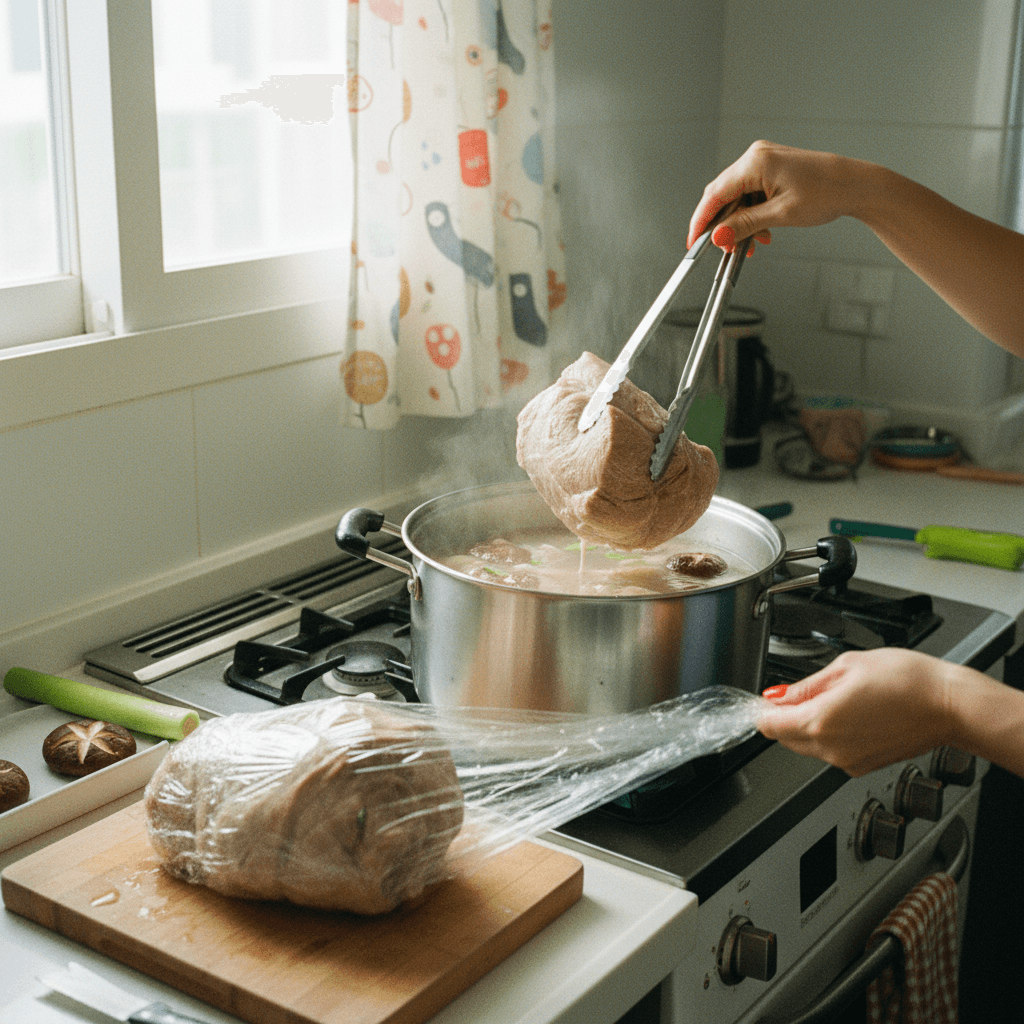
- 4
Discard all the aromatics (radish, shiitake mushrooms, leek, burdock root, ginger, onion) from the broth. Allow the broth to cool slightly, then chill it overnight in the refrigerator.
⏱️ 10 min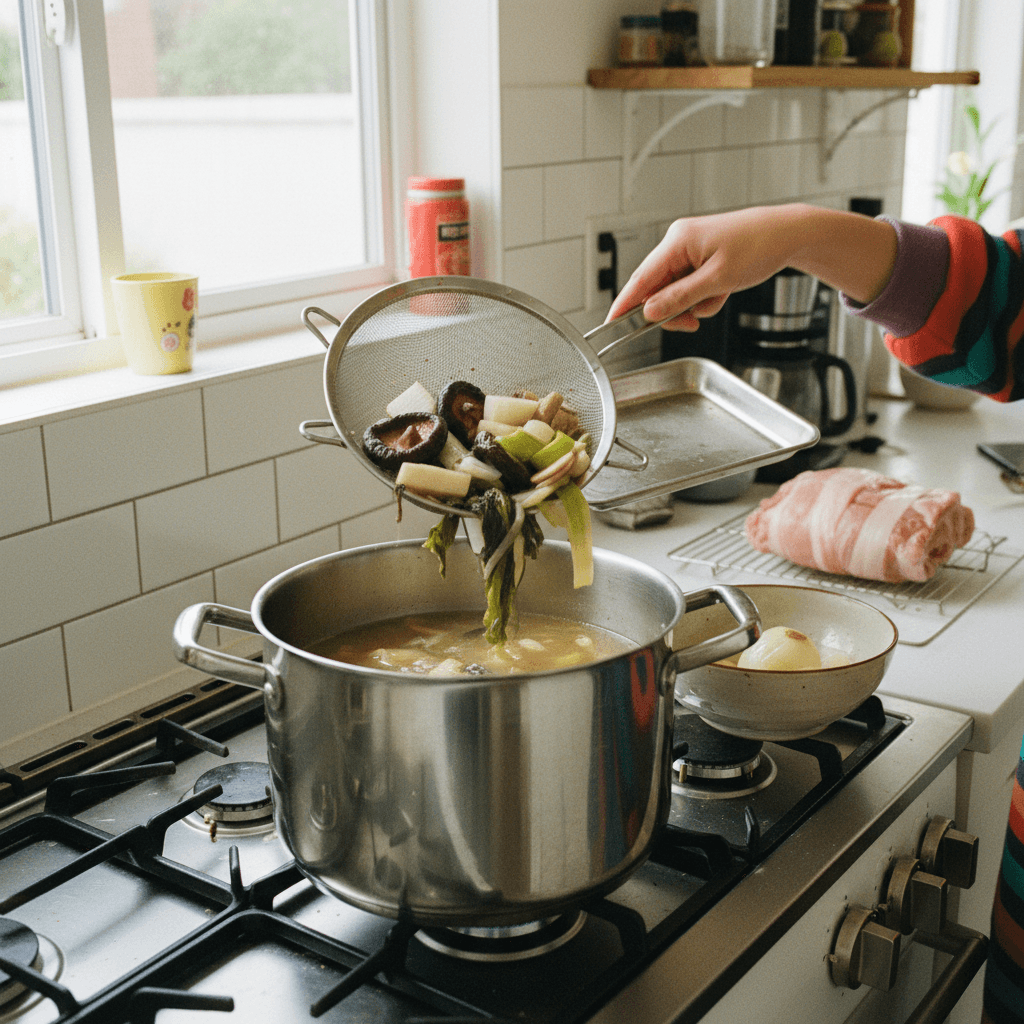
- 5
The next day, remove the solidified fat layer that has risen to the surface of the chilled broth using a ladle. Strain the broth through a fine mesh sieve or cheesecloth to remove any remaining sediment.
⏱️ 10 min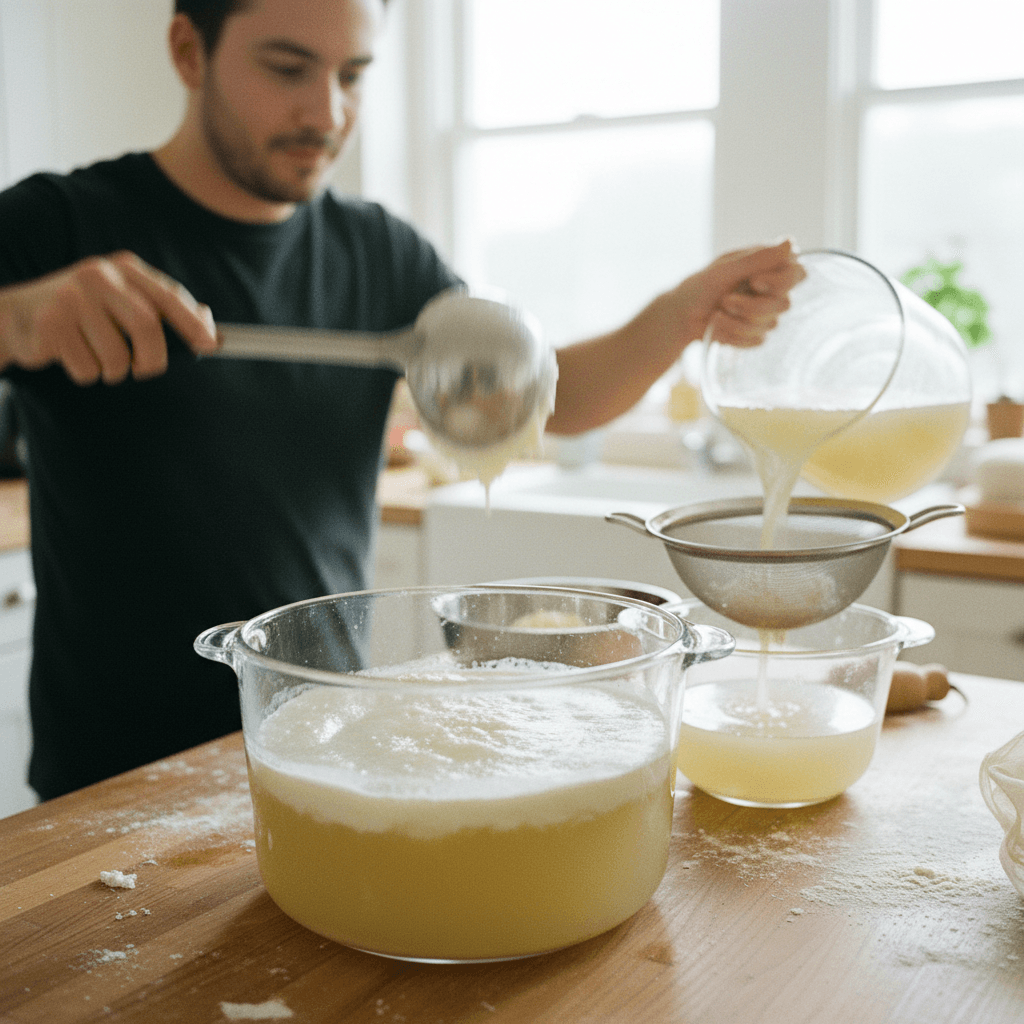
- 6
In a separate pot, soak the 50 g kelp in 2 L of cold water. Gently heat the kelp and water, then dissolve the 25 g salt into the kelp broth. If desired, add 5 g MSG, or increase the salt to 30 g total.
⏱️ 15 min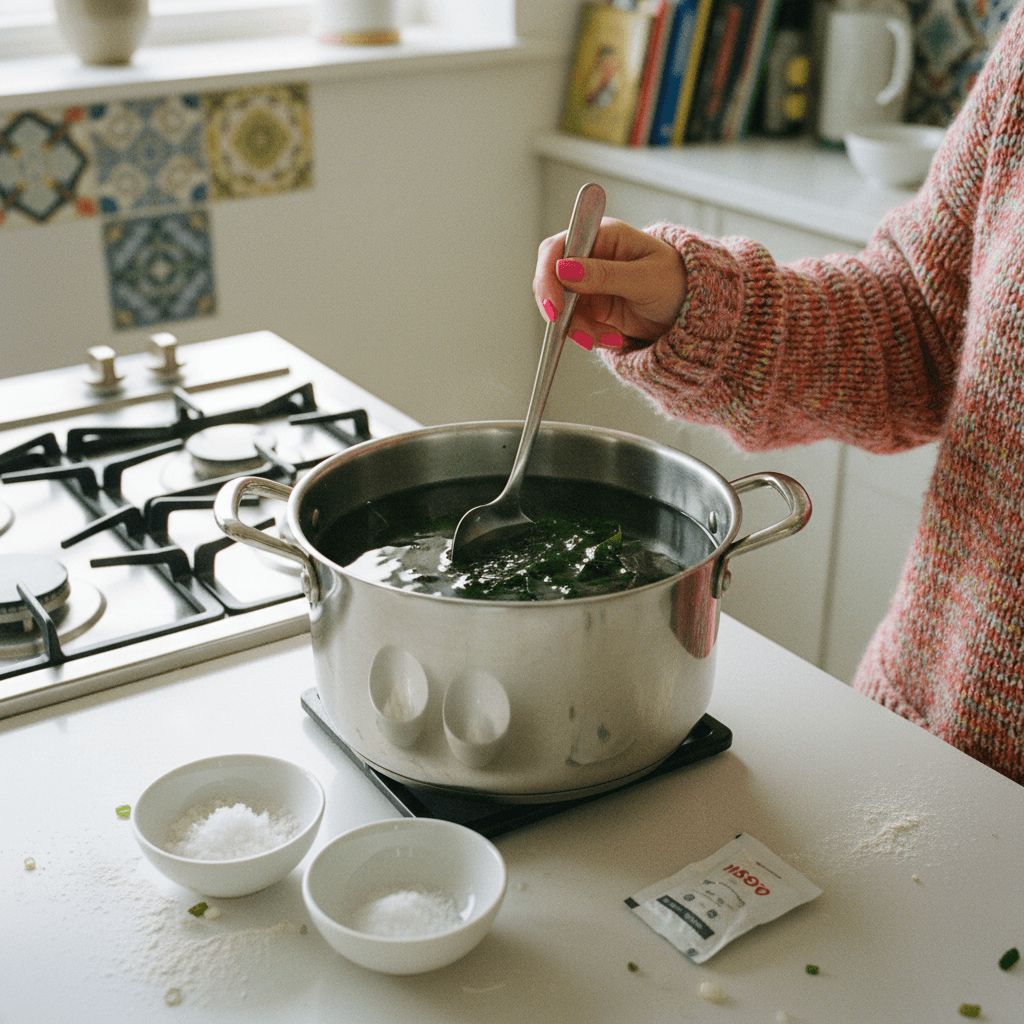
- 7
Strain the kelp broth through a sieve directly into the main pork stock. This will add a savory depth without altering the broth's color.
⏱️ 5 min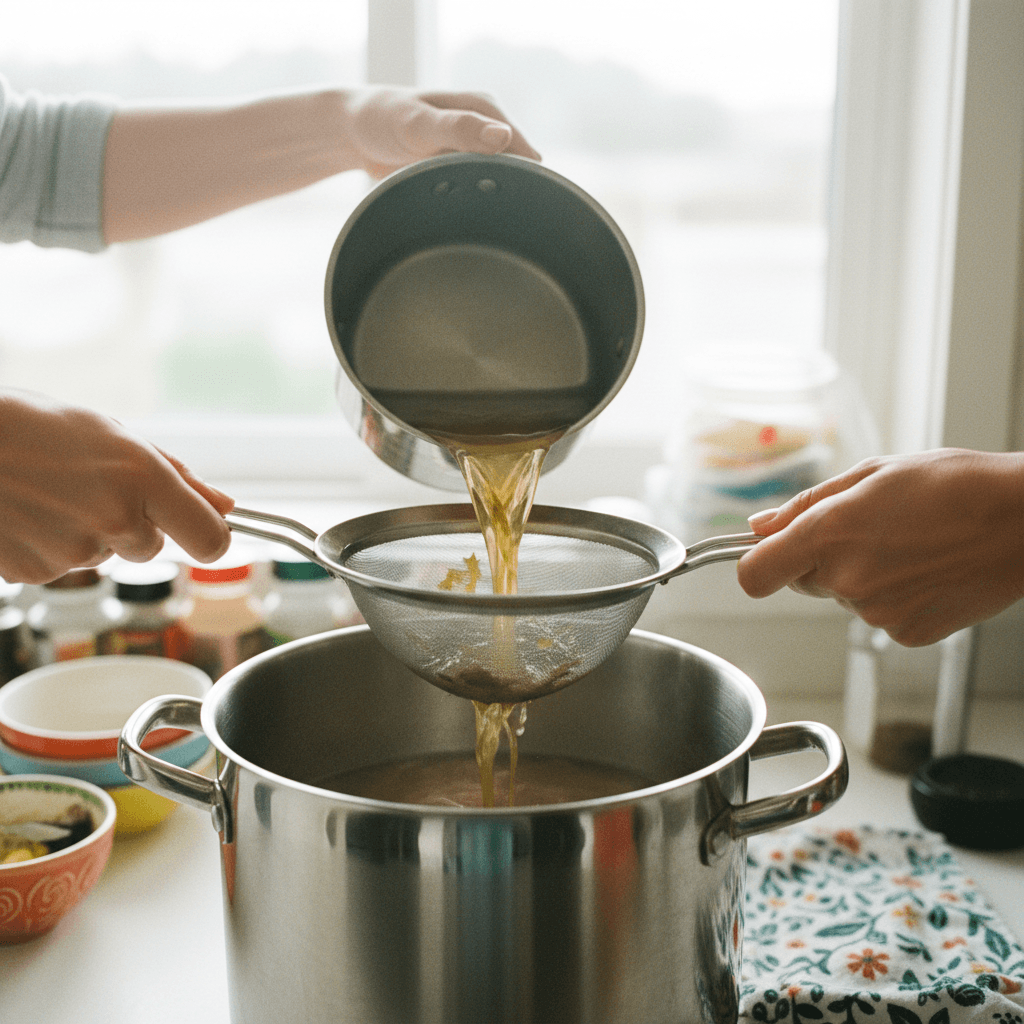
- 8
Wash the white rice thoroughly with water. Cook the white rice in a pot, stopping about 5 minutes before it is fully done so it remains slightly al dente. Stir the partially cooked rice and spread it in a flat tray to cool.
⏱️ 20 min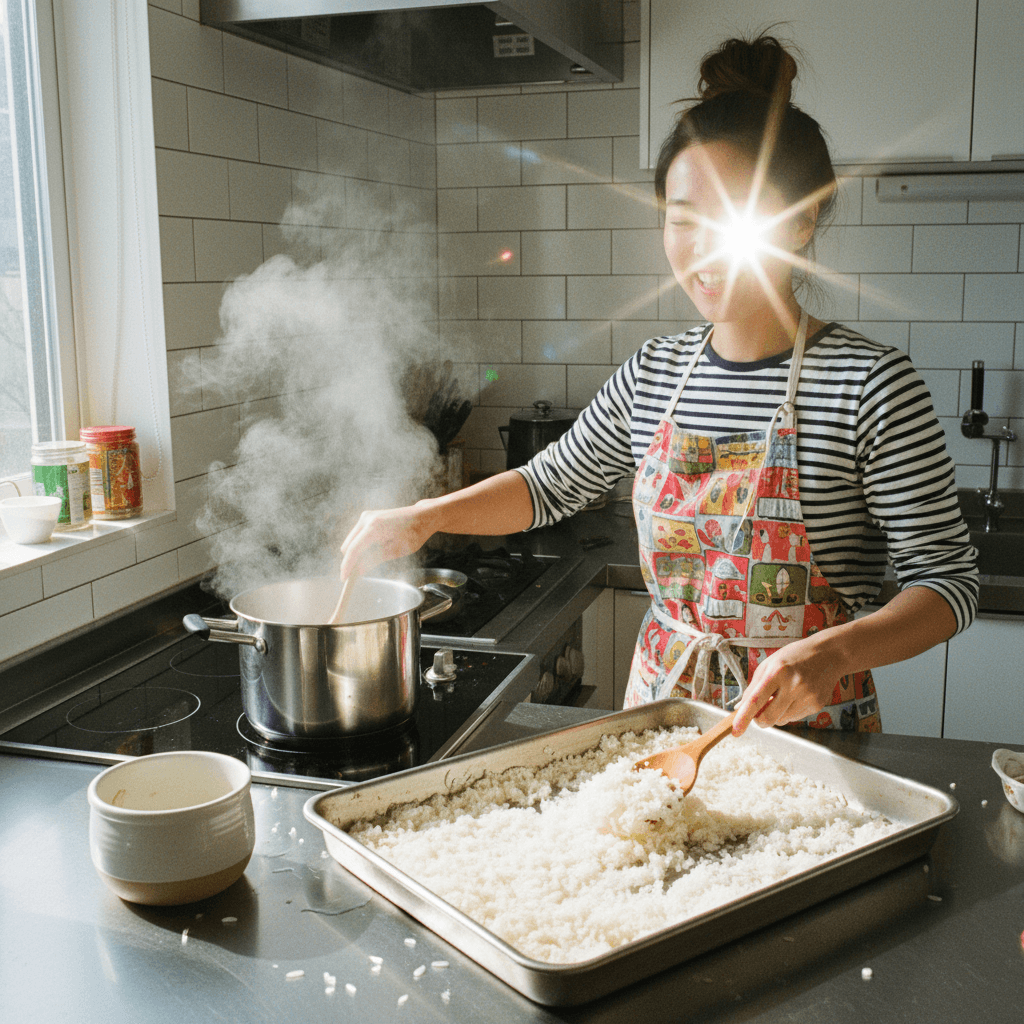
- 9
Thinly slice the cooled, cooked pork shoulder. You can use a meat slicer for very thin cuts if available.
⏱️ 10 min
- 10
To assemble, place a desired amount of the partially cooked rice into a serving bowl. Perform the 'toryum' technique: pour hot broth over the rice in the serving bowl, then immediately pour the broth and rice back into the main pot of hot broth. Repeat this process a few times to temper the rice.
⏱️ 5 min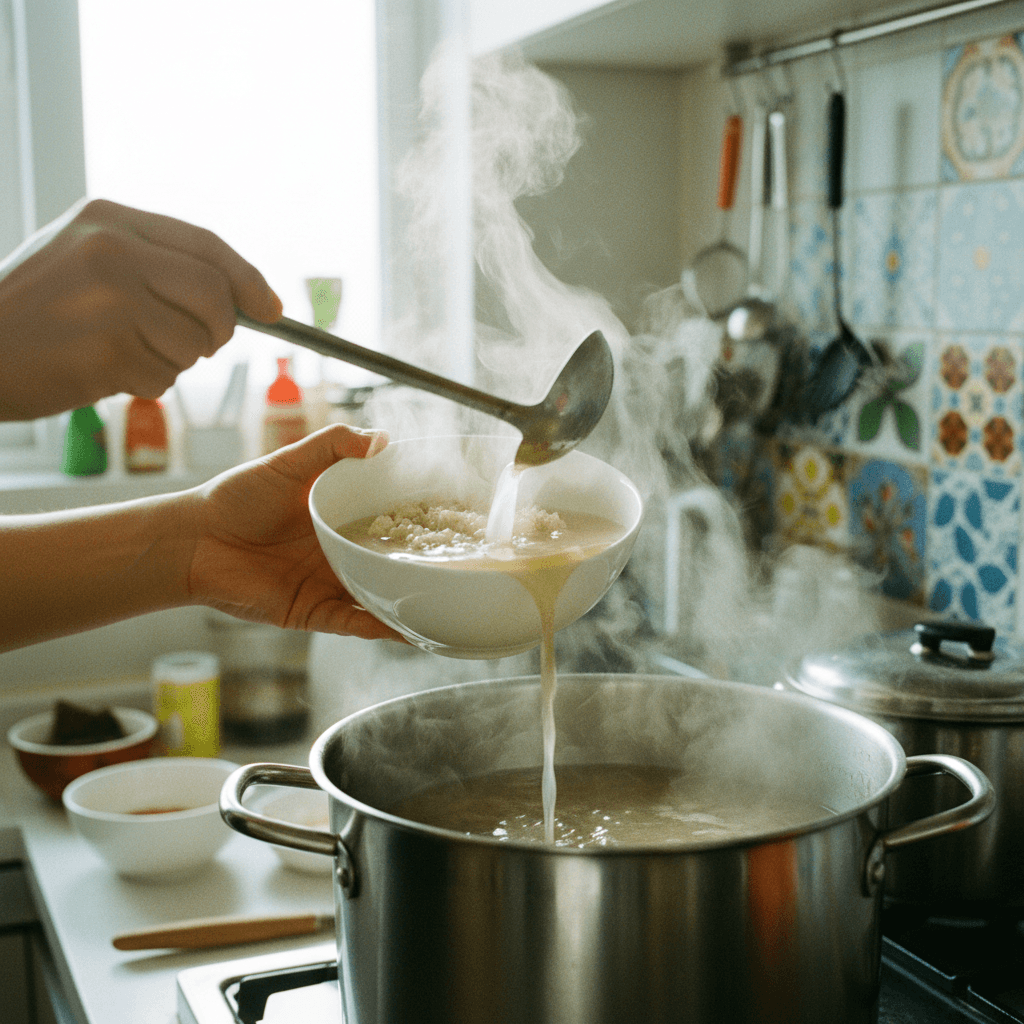
- 11
For the final serving, pour the warmed rice and broth into a bowl. Arrange the thinly sliced pork on top of the rice. Garnish with sliced green onions and serve immediately, optionally with homemade sukbakji (radish kimchi) on the side.
⏱️ 5 min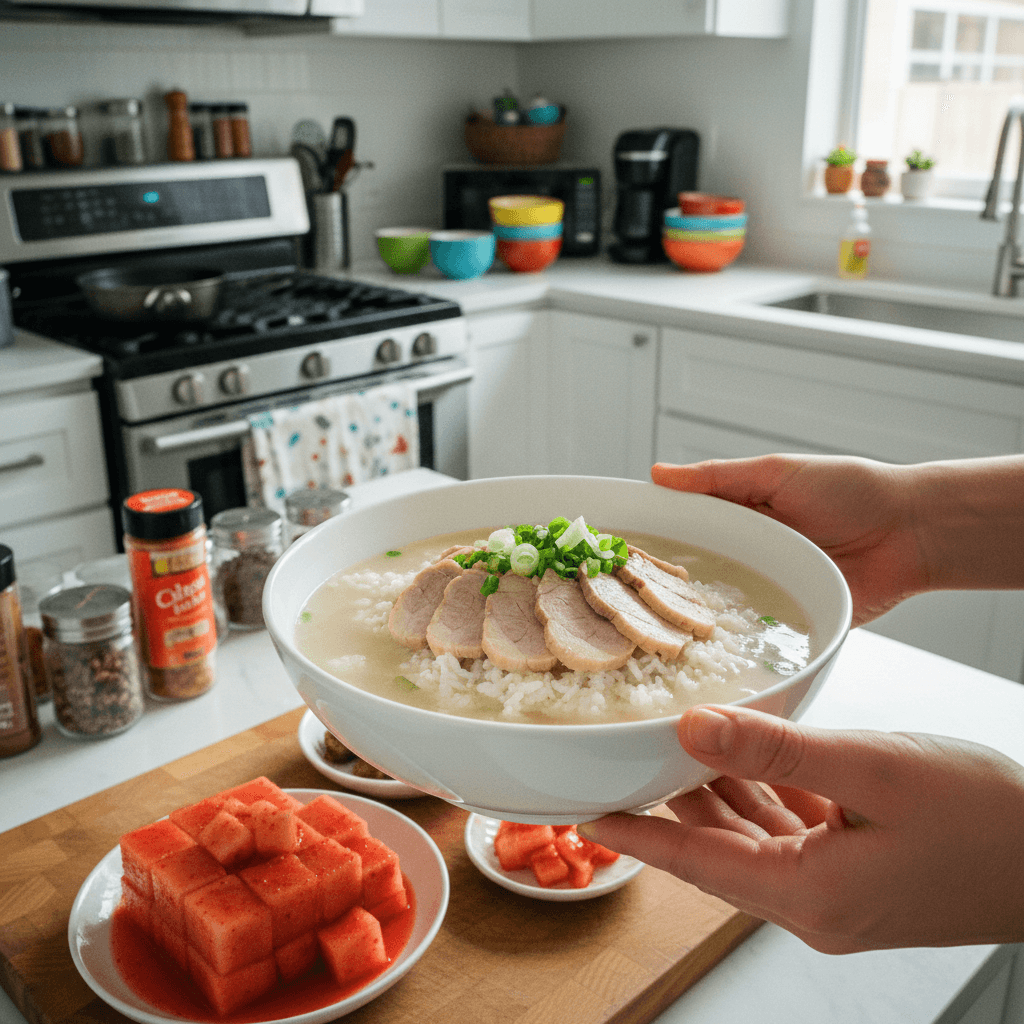
Kitchen Tools
Dweji Gomtang
For the Main Broth
- 3 kg pork shoulder, skin on
- 500 g radish, cut into large pieces
- 200 g shiitake mushrooms, about 5, whole
- 200 g leek, about 1, cut into large pieces
- 150 g burdock root, about 1, optional, cut into large pieces
- 50 g ginger, cut into large pieces
- 1 onion, whole
- 6 L water
For the Kelp Seasoning
- 50 g kelp, large pieces
- 2 L water
- 25 g salt
- 5 g MSG, optional, or use 30 g salt total instead
For Serving
- as needed white rice
- as needed green onions, sliced, for garnish
- as needed sukbakji, homemade radish kimchi, optional side dish
Instructions
- 1
Place the pork shoulder, radish, shiitake mushrooms, leek, burdock root (if using), ginger, and whole onion into a large pot. Add 6 L of water. If available, place a metal tray on top of the ingredients to keep them submerged.
⏱️ 10 min - 2
Bring the pot to a boil over high heat. Once boiling, reduce the heat to low and simmer for 2.5 hours. Skim off any foam or scum that rises to the surface during simmering.
⏱️ 150 min - 3
After simmering, carefully remove the cooked pork shoulder from the pot. Wrap it tightly in cling film and set aside to cool.
⏱️ 5 min - 4
Discard all the aromatics (radish, shiitake mushrooms, leek, burdock root, ginger, onion) from the broth. Allow the broth to cool slightly, then chill it overnight in the refrigerator.
⏱️ 10 min - 5
The next day, remove the solidified fat layer that has risen to the surface of the chilled broth using a ladle. Strain the broth through a fine mesh sieve or cheesecloth to remove any remaining sediment.
⏱️ 10 min - 6
In a separate pot, soak the 50 g kelp in 2 L of cold water. Gently heat the kelp and water, then dissolve the 25 g salt into the kelp broth. If desired, add 5 g MSG, or increase the salt to 30 g total.
⏱️ 15 min - 7
Strain the kelp broth through a sieve directly into the main pork stock. This will add a savory depth without altering the broth's color.
⏱️ 5 min - 8
Wash the white rice thoroughly with water. Cook the white rice in a pot, stopping about 5 minutes before it is fully done so it remains slightly al dente. Stir the partially cooked rice and spread it in a flat tray to cool.
⏱️ 20 min - 9
Thinly slice the cooled, cooked pork shoulder. You can use a meat slicer for very thin cuts if available.
⏱️ 10 min - 10
To assemble, place a desired amount of the partially cooked rice into a serving bowl. Perform the 'toryum' technique: pour hot broth over the rice in the serving bowl, then immediately pour the broth and rice back into the main pot of hot broth. Repeat this process a few times to temper the rice.
⏱️ 5 min - 11
For the final serving, pour the warmed rice and broth into a bowl. Arrange the thinly sliced pork on top of the rice. Garnish with sliced green onions and serve immediately, optionally with homemade sukbakji (radish kimchi) on the side.
⏱️ 5 min