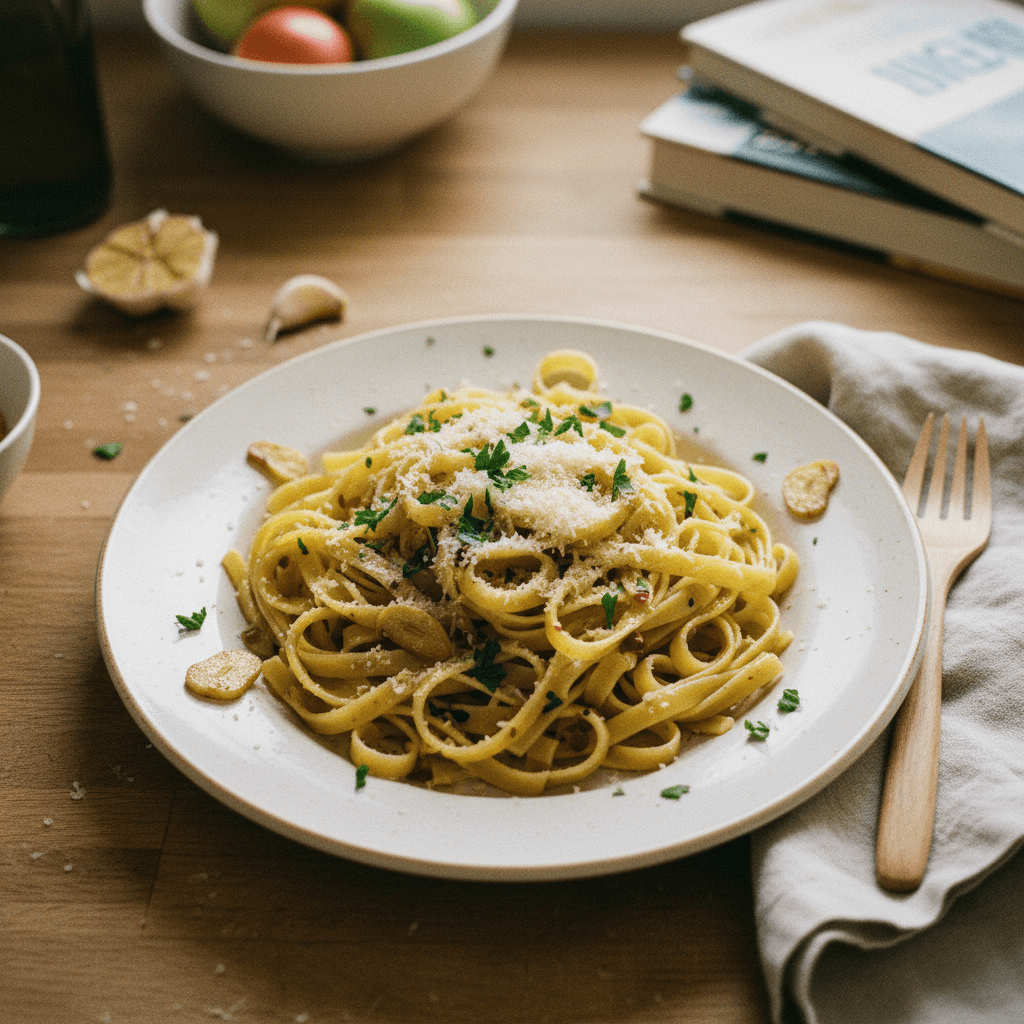
Aglio e Olio with Homemade Pasta
Aglio e Olio with Homemade Pasta
Ingredients
For the Homemade Pasta
- 2 cups all-purpose flour
- 4 large egg yolks
- 1/4 cup all-purpose flour, for dusting
For the Aglio e Olio Sauce
- 8 cloves garlic, thinly sliced
- 1/2 cup extra virgin olive oil
- 1/2 teaspoon red pepper flakes, or to taste
- 1/4 cup fresh parsley, finely chopped
- 1 tablespoon kosher salt, plus more for pasta water
- 1/2 teaspoon black pepper, freshly ground
For Garnish
- 1/4 cup Parmesan cheese, freshly grated
Instructions
- 1
On a clean, dry work surface, create a mound with 2 cups of all-purpose flour. Make a deep well in the center of the flour mound.
⏱️ 2 min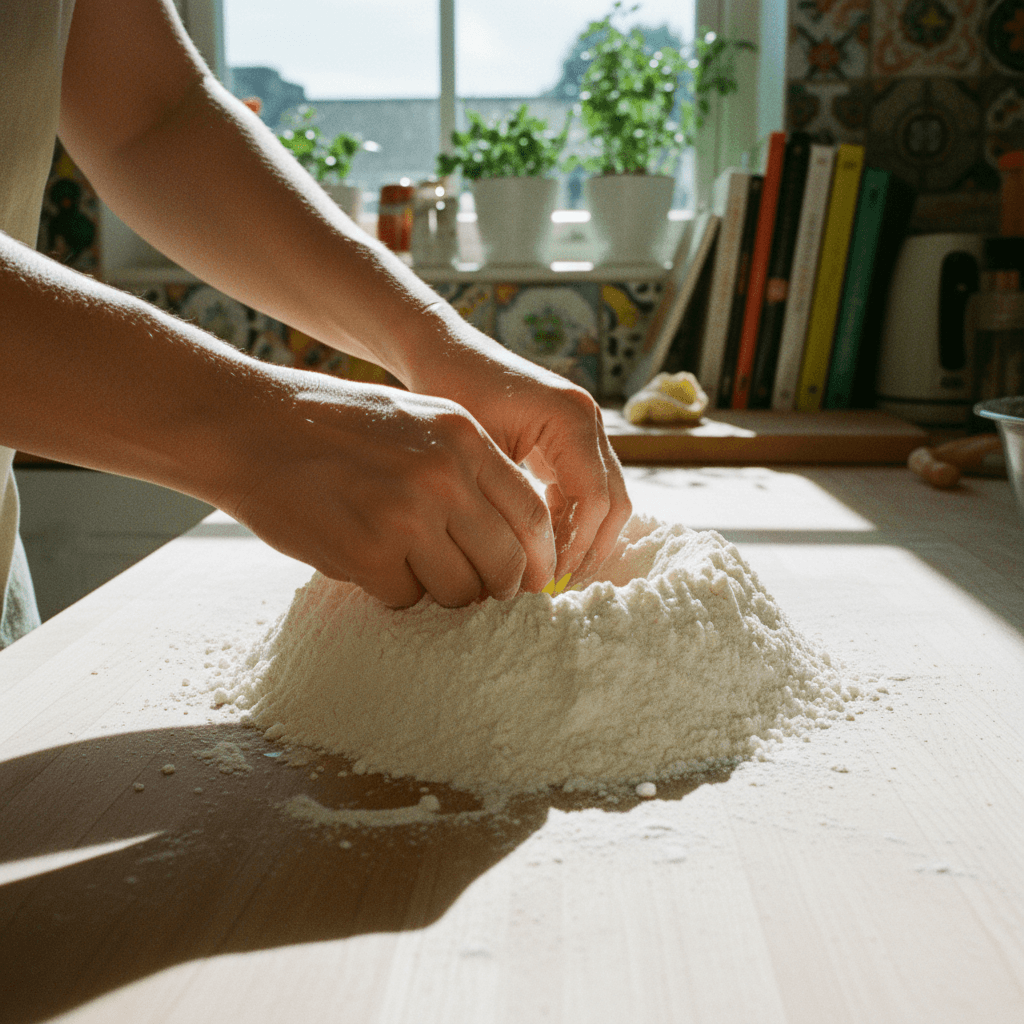
- 2
Carefully pour the 4 large egg yolks into the well. Using a fork, gently whisk the egg yolks, gradually incorporating small amounts of flour from the inner rim of the well. Continue until a shaggy dough forms.
⏱️ 5 min
- 3
Once the dough is shaggy, bring it together with your hands and knead it on the floured surface for 8-10 minutes, or until it is smooth, elastic, and no longer sticky. Cover the dough with plastic wrap and let it rest at room temperature for at least 30 minutes.
⏱️ 40 min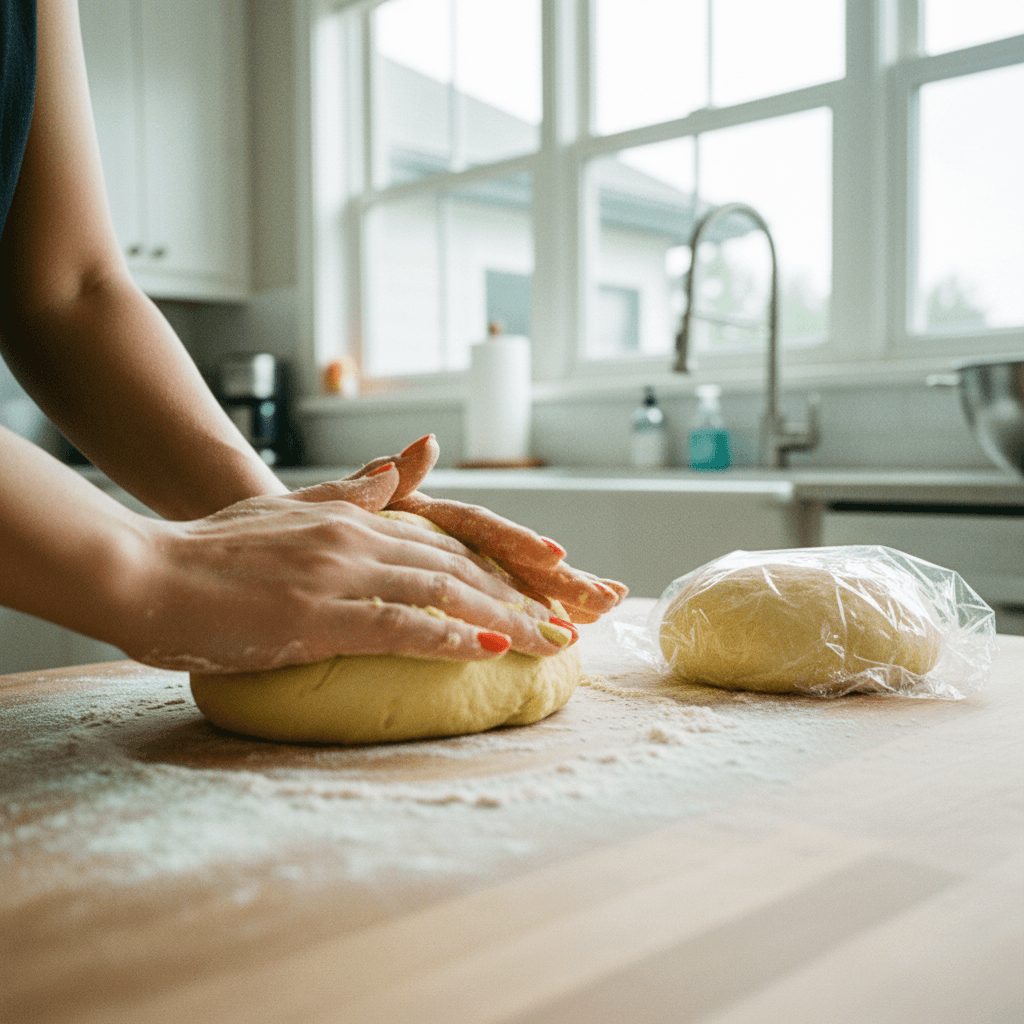
- 4
Lightly flour your work surface and the pasta dough. Using a pasta machine, flatten a small portion of the dough and feed it through the widest setting. Fold the dough into thirds and feed it through again. Repeat this process 2-3 times.
⏱️ 5 min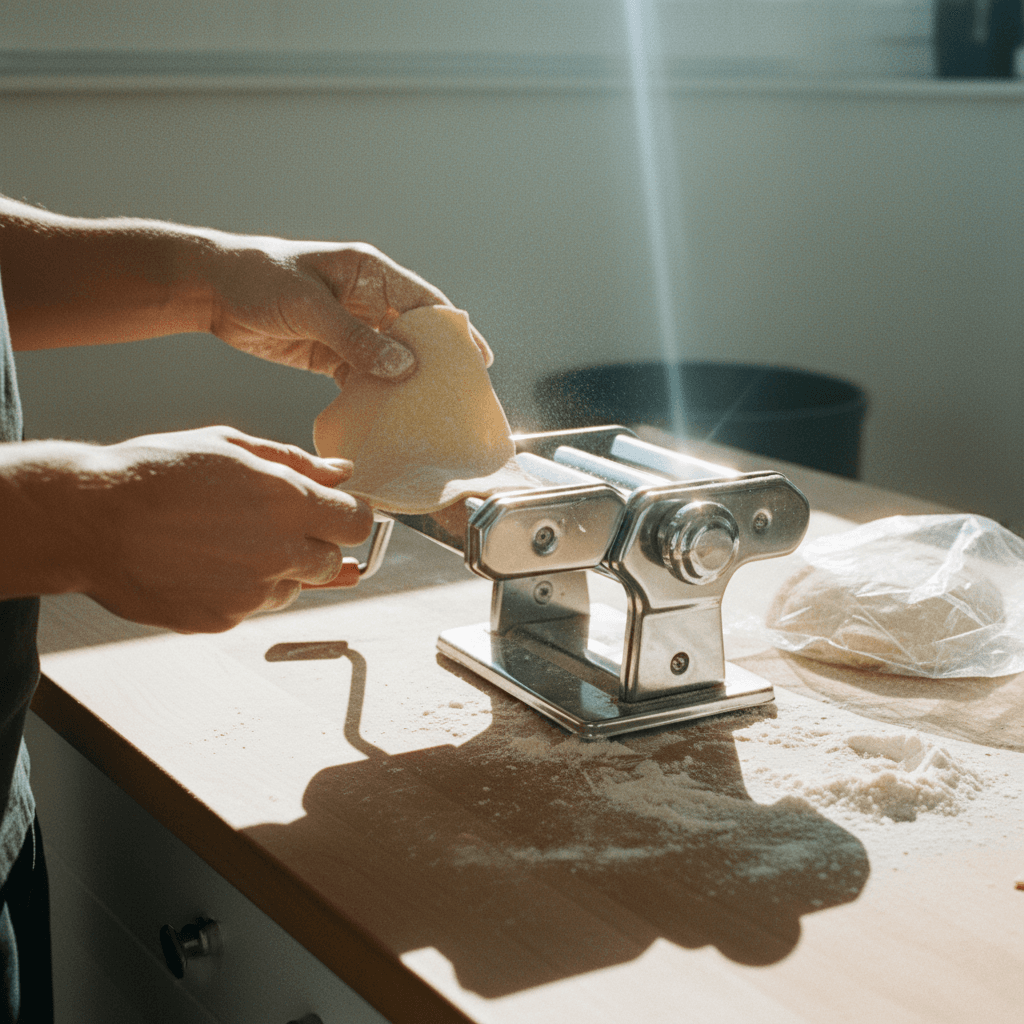
- 5
Gradually decrease the thickness setting on the pasta machine, feeding the dough through each setting until the desired thinness is achieved (usually setting 6 or 7 for spaghetti).
⏱️ 8 min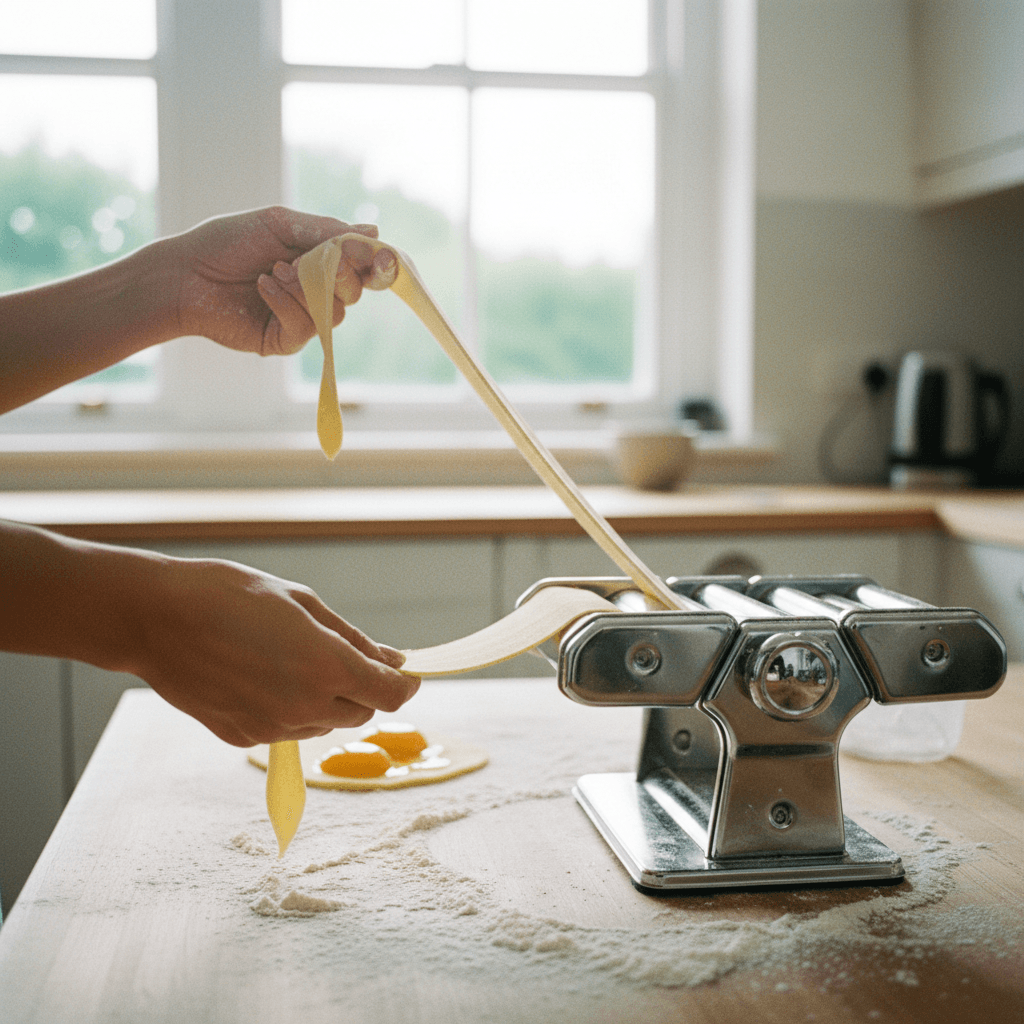
- 6
Attach the spaghetti cutter to the pasta machine and feed the thin pasta sheets through to create spaghetti-like strands. Lightly dust a baking sheet or tray with flour and form the fresh pasta strands into small nests to prevent them from sticking together.
⏱️ 10 min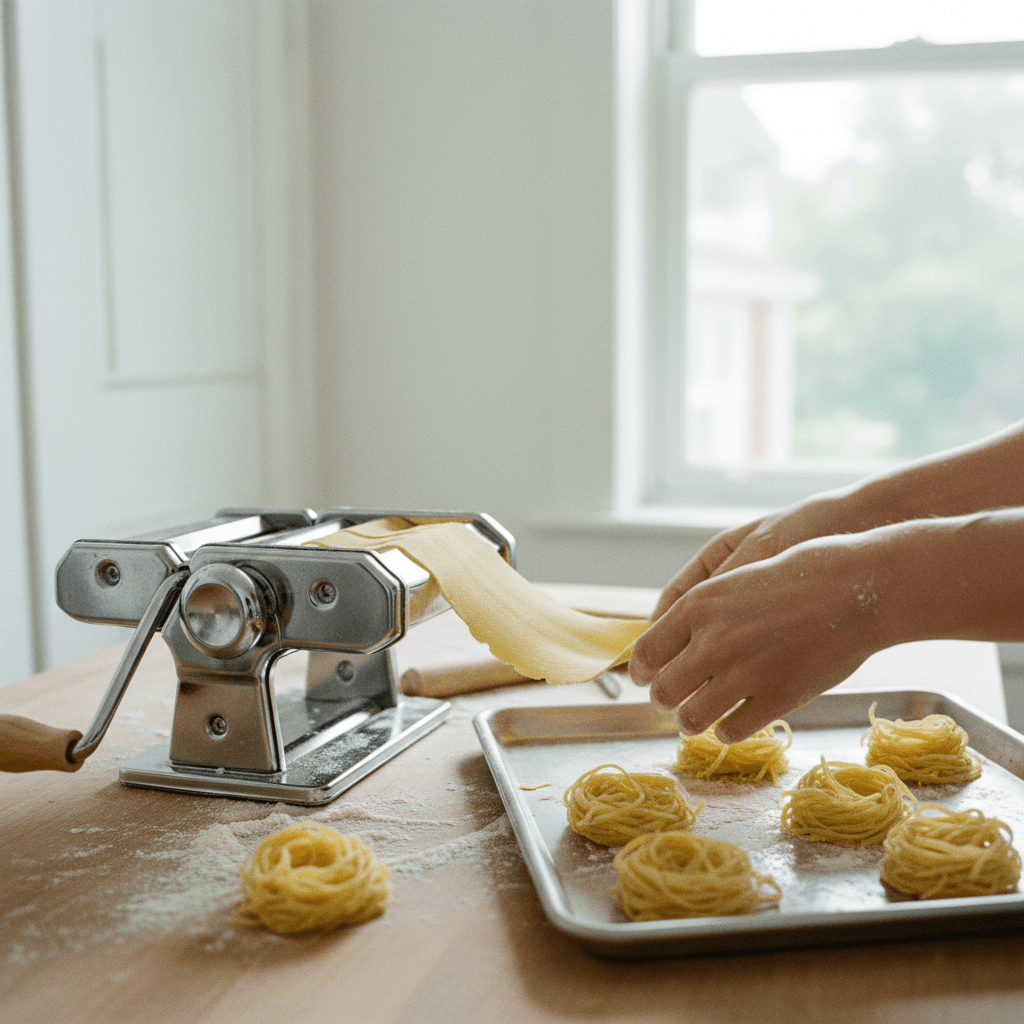
- 7
Bring a large pot of generously salted water to a rolling boil. While the water heats, prepare the sauce.
⏱️ 5 min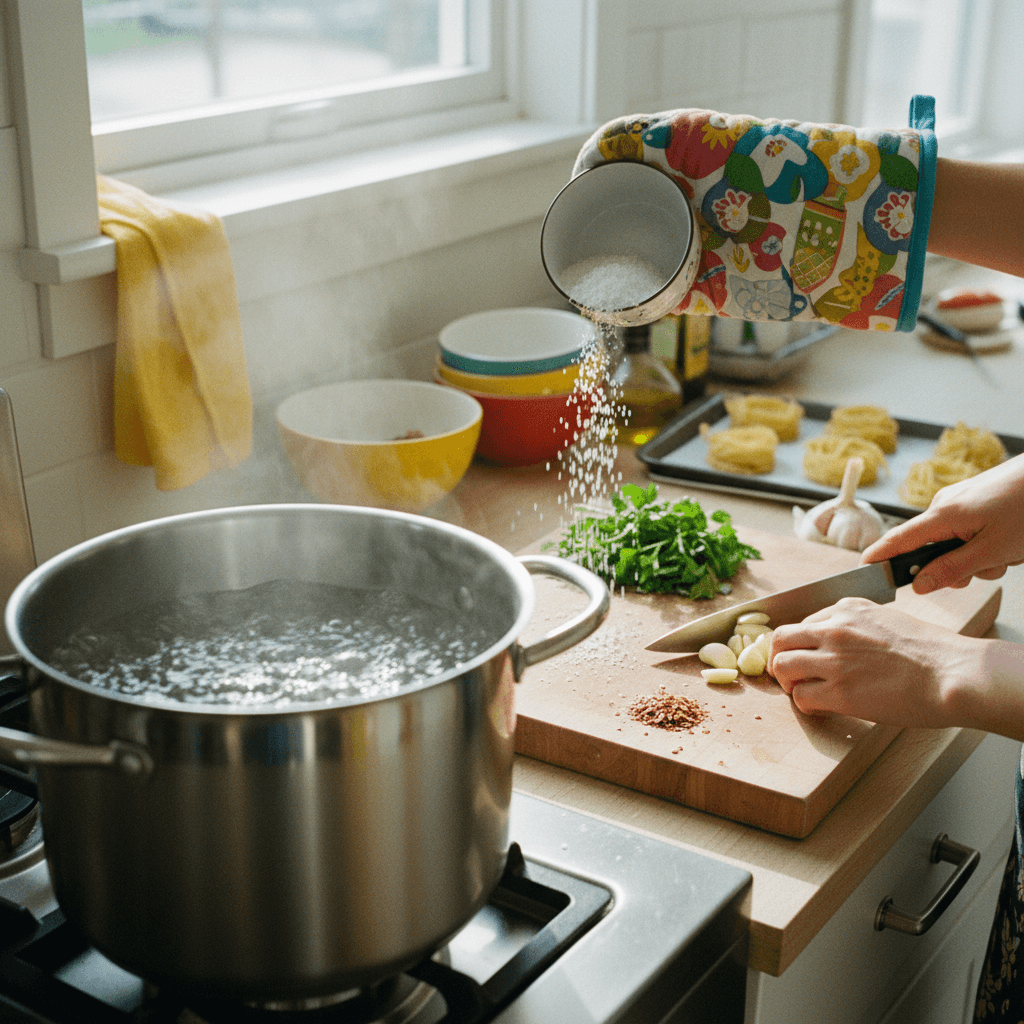
- 8
In a large skillet or pan, heat 1/2 cup of extra virgin olive oil over medium heat. Add the thinly sliced garlic and red pepper flakes. Sauté for 2-3 minutes, stirring occasionally, until the garlic is golden brown and fragrant. Be careful not to burn the garlic.
⏱️ 3 min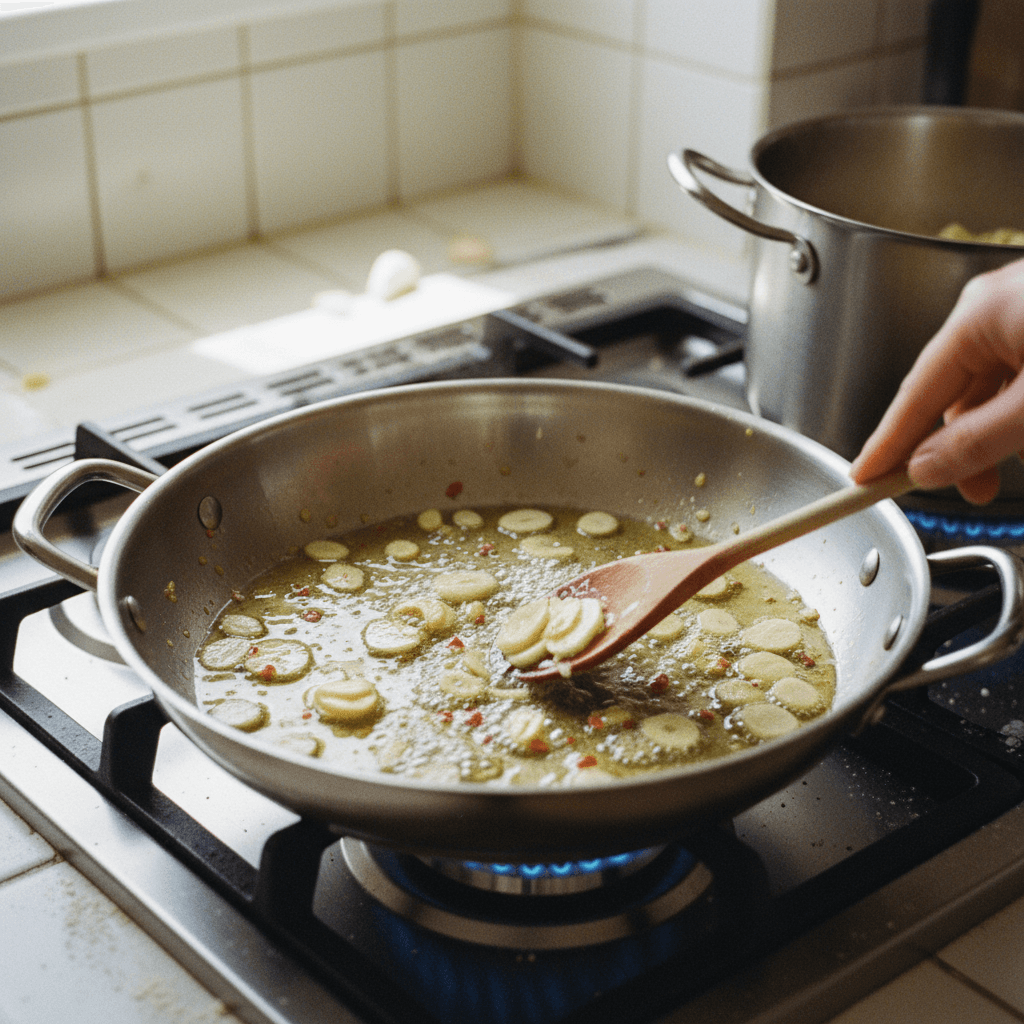
- 9
Carefully add the fresh pasta to the boiling water. Cook for 2-4 minutes, or until al dente (fresh pasta cooks much faster than dried).
⏱️ 4 min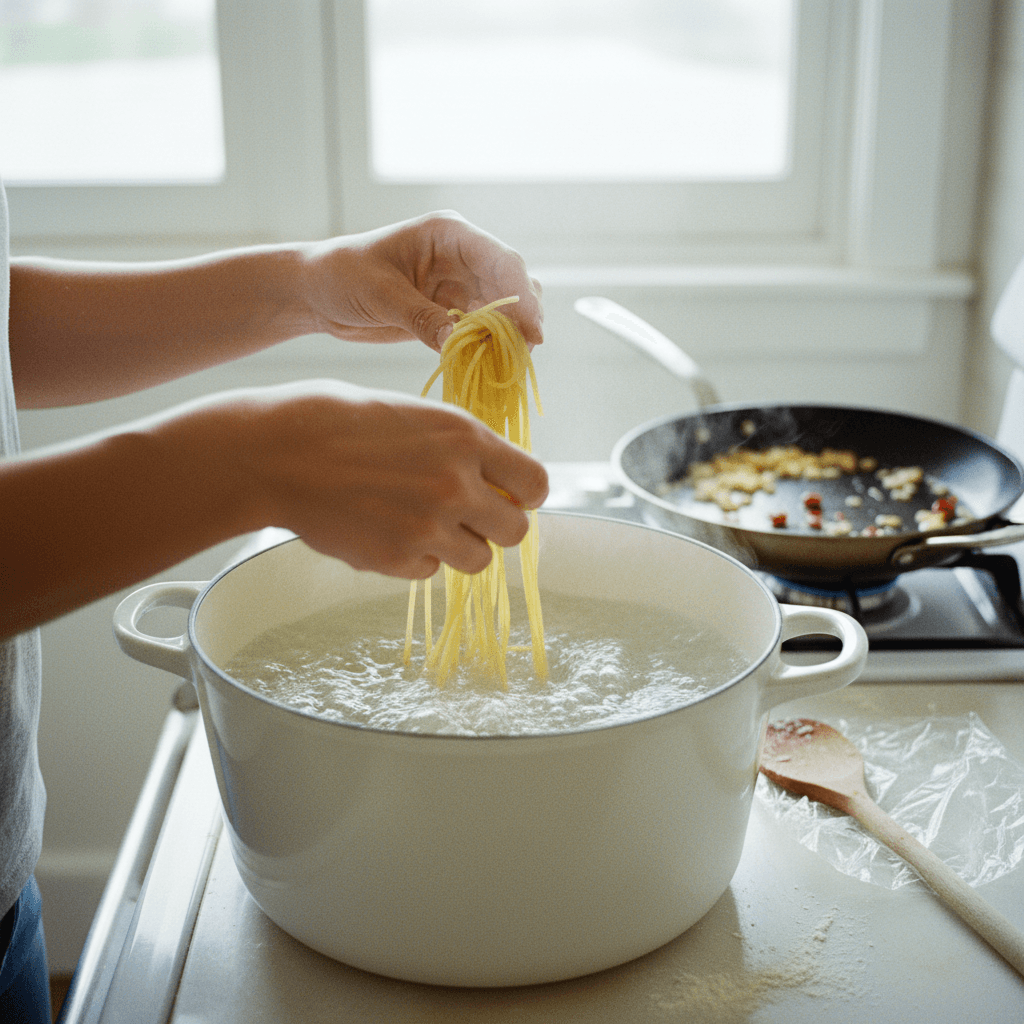
- 10
Using tongs, transfer the cooked pasta directly from the boiling water to the pan with the garlic and oil. Allow some pasta water (about 1/2 cup) to carry over into the pan. Add the finely chopped fresh parsley, 1 tablespoon of kosher salt, and 1/2 teaspoon of black pepper.
⏱️ 2 min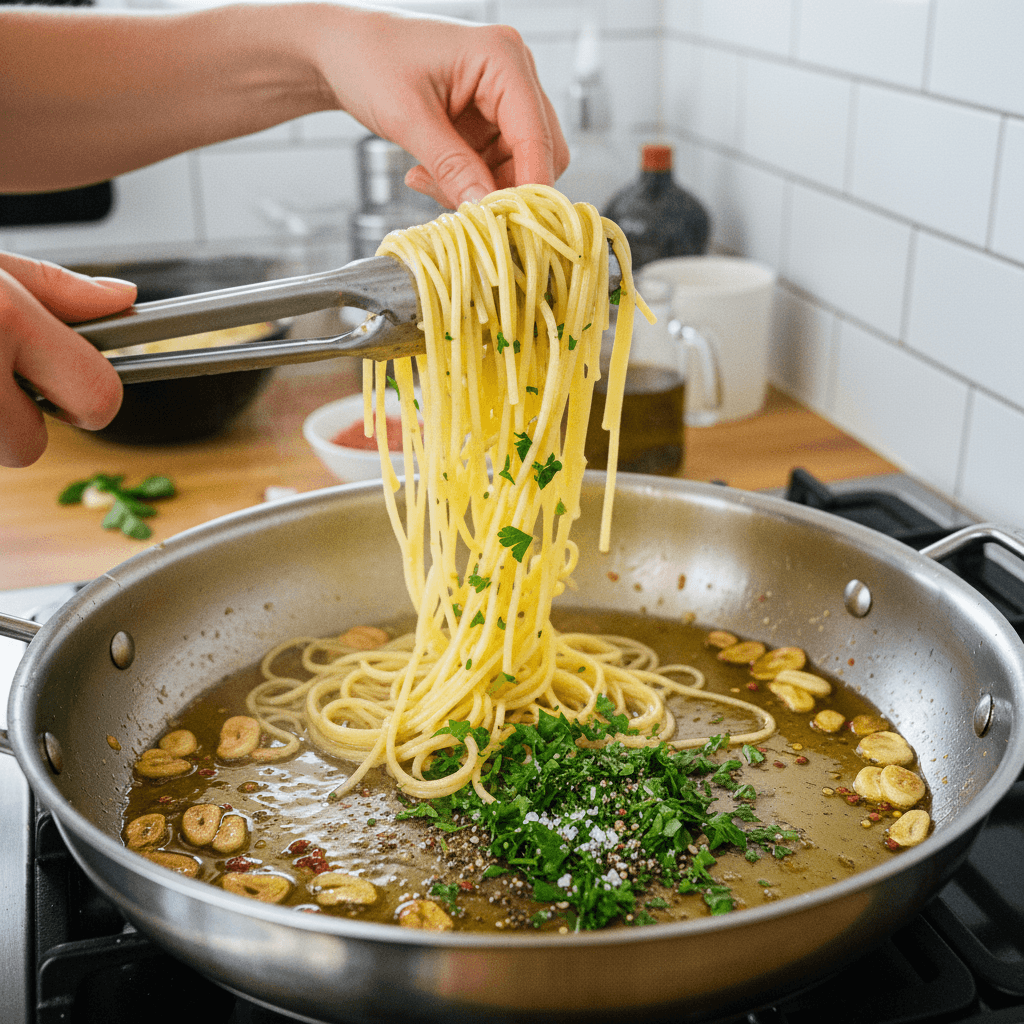
- 11
Toss and stir the pasta vigorously in the pan for 2-3 minutes, allowing the starches from the pasta water to emulsify with the olive oil, creating a rich, glossy sauce that coats the pasta. If the sauce seems too dry, add a splash more pasta water.
⏱️ 3 min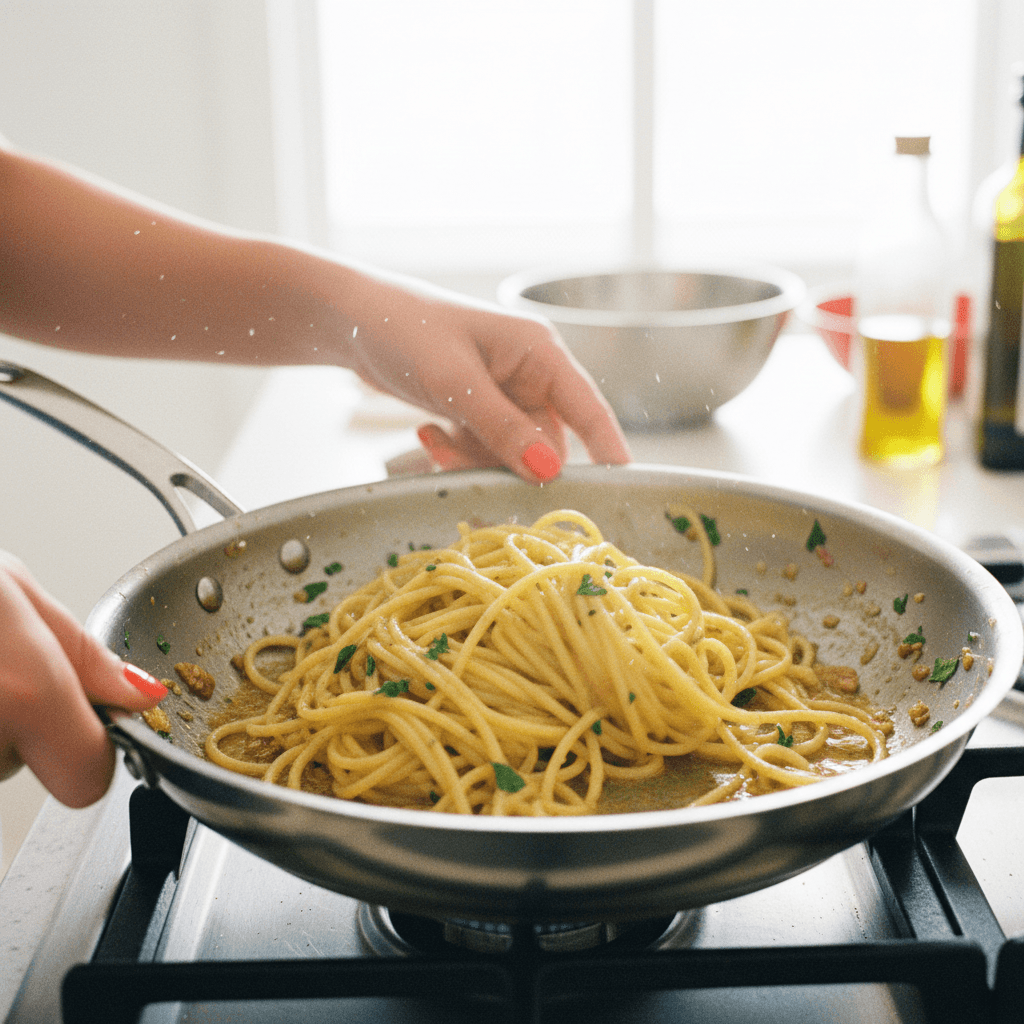
- 12
Using tongs, twirl a portion of the pasta into a neat mound and transfer it to a serving plate. Repeat for remaining servings. Spoon any remaining sauce from the pan over the plated pasta.
⏱️ 2 min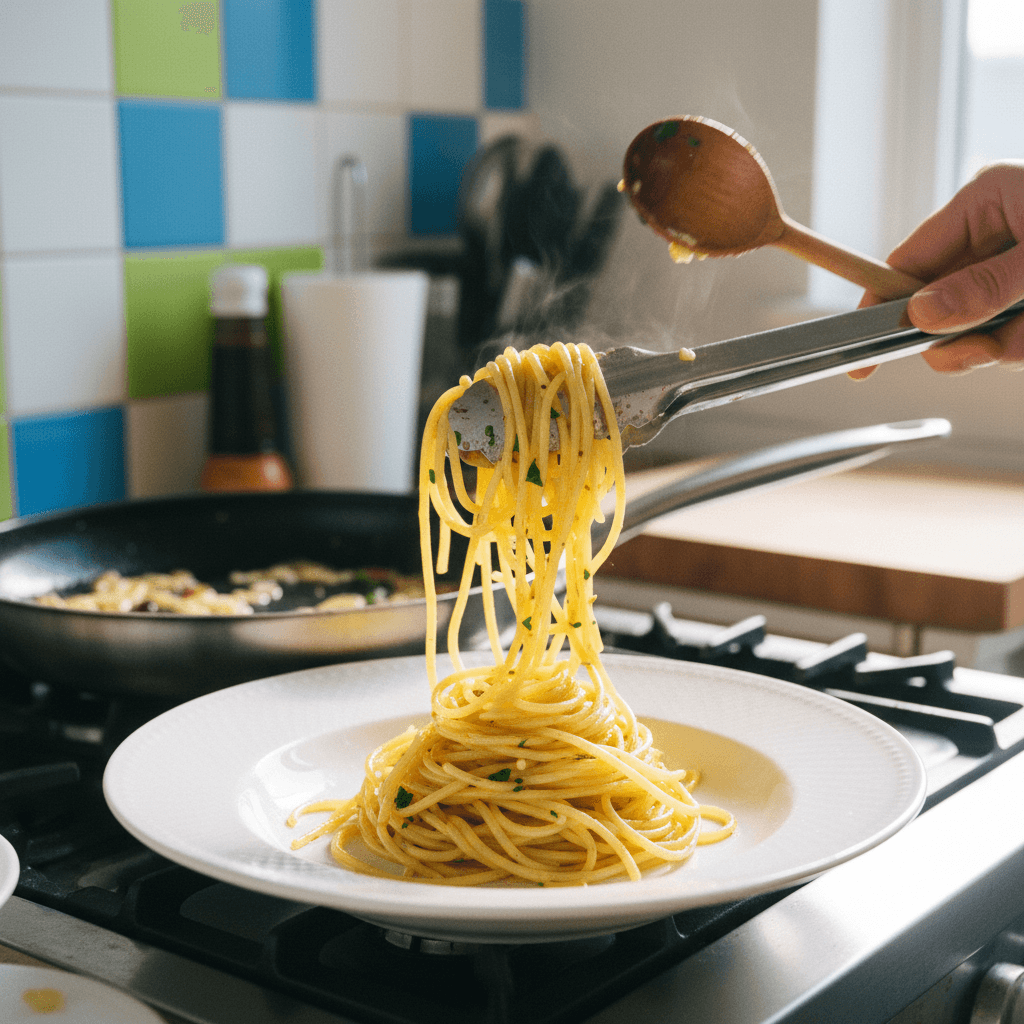
- 13
Garnish each serving with freshly grated Parmesan cheese. Serve immediately and enjoy!
⏱️ 1 min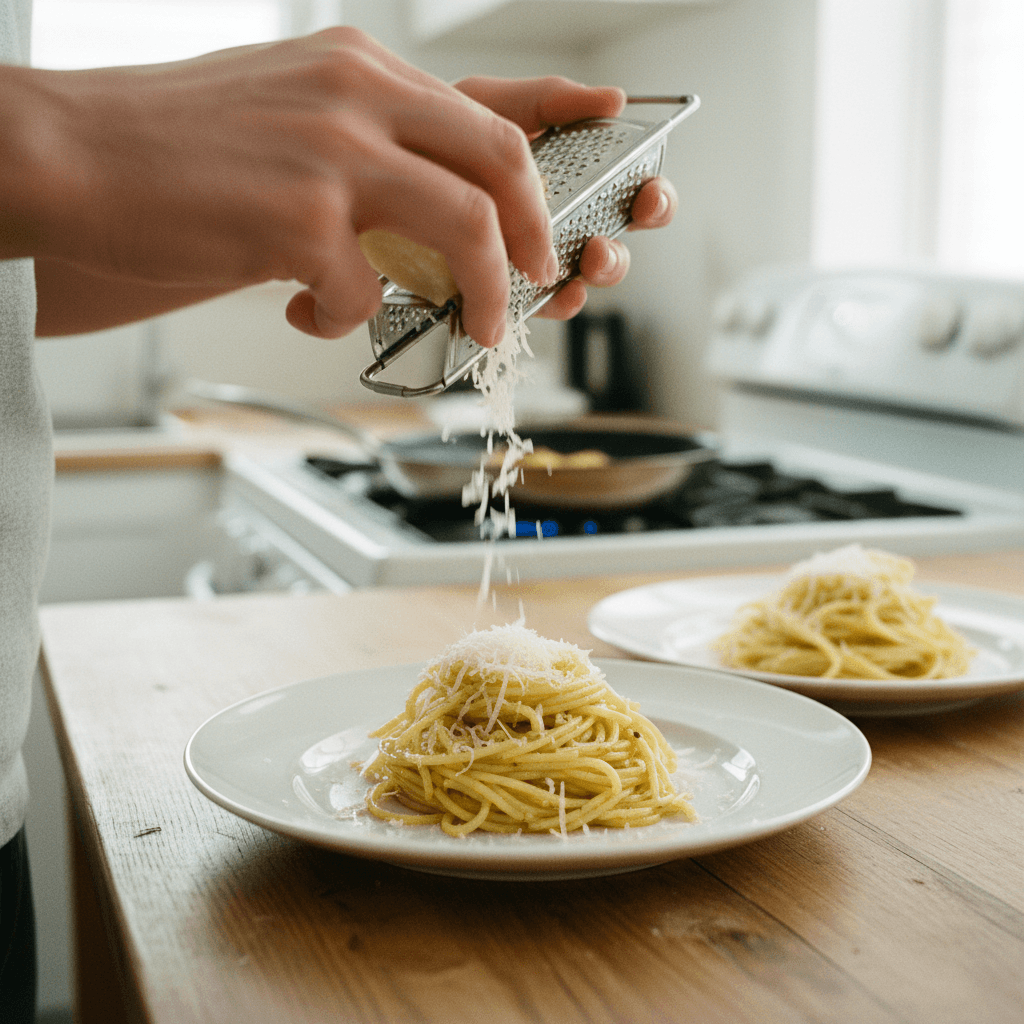
Kitchen Tools
Nutrition Facts (per serving)
Aglio e Olio with Homemade Pasta
For the Homemade Pasta
- 2 cups all-purpose flour
- 4 large egg yolks
- 1/4 cup all-purpose flour, for dusting
For the Aglio e Olio Sauce
- 8 cloves garlic, thinly sliced
- 1/2 cup extra virgin olive oil
- 1/2 teaspoon red pepper flakes, or to taste
- 1/4 cup fresh parsley, finely chopped
- 1 tablespoon kosher salt, plus more for pasta water
- 1/2 teaspoon black pepper, freshly ground
For Garnish
- 1/4 cup Parmesan cheese, freshly grated
Instructions
- 1
On a clean, dry work surface, create a mound with 2 cups of all-purpose flour. Make a deep well in the center of the flour mound.
⏱️ 2 min - 2
Carefully pour the 4 large egg yolks into the well. Using a fork, gently whisk the egg yolks, gradually incorporating small amounts of flour from the inner rim of the well. Continue until a shaggy dough forms.
⏱️ 5 min - 3
Once the dough is shaggy, bring it together with your hands and knead it on the floured surface for 8-10 minutes, or until it is smooth, elastic, and no longer sticky. Cover the dough with plastic wrap and let it rest at room temperature for at least 30 minutes.
⏱️ 40 min - 4
Lightly flour your work surface and the pasta dough. Using a pasta machine, flatten a small portion of the dough and feed it through the widest setting. Fold the dough into thirds and feed it through again. Repeat this process 2-3 times.
⏱️ 5 min - 5
Gradually decrease the thickness setting on the pasta machine, feeding the dough through each setting until the desired thinness is achieved (usually setting 6 or 7 for spaghetti).
⏱️ 8 min - 6
Attach the spaghetti cutter to the pasta machine and feed the thin pasta sheets through to create spaghetti-like strands. Lightly dust a baking sheet or tray with flour and form the fresh pasta strands into small nests to prevent them from sticking together.
⏱️ 10 min - 7
Bring a large pot of generously salted water to a rolling boil. While the water heats, prepare the sauce.
⏱️ 5 min - 8
In a large skillet or pan, heat 1/2 cup of extra virgin olive oil over medium heat. Add the thinly sliced garlic and red pepper flakes. Sauté for 2-3 minutes, stirring occasionally, until the garlic is golden brown and fragrant. Be careful not to burn the garlic.
⏱️ 3 min - 9
Carefully add the fresh pasta to the boiling water. Cook for 2-4 minutes, or until al dente (fresh pasta cooks much faster than dried).
⏱️ 4 min - 10
Using tongs, transfer the cooked pasta directly from the boiling water to the pan with the garlic and oil. Allow some pasta water (about 1/2 cup) to carry over into the pan. Add the finely chopped fresh parsley, 1 tablespoon of kosher salt, and 1/2 teaspoon of black pepper.
⏱️ 2 min - 11
Toss and stir the pasta vigorously in the pan for 2-3 minutes, allowing the starches from the pasta water to emulsify with the olive oil, creating a rich, glossy sauce that coats the pasta. If the sauce seems too dry, add a splash more pasta water.
⏱️ 3 min - 12
Using tongs, twirl a portion of the pasta into a neat mound and transfer it to a serving plate. Repeat for remaining servings. Spoon any remaining sauce from the pan over the plated pasta.
⏱️ 2 min - 13
Garnish each serving with freshly grated Parmesan cheese. Serve immediately and enjoy!
⏱️ 1 min